Stirling Castle day trip from Edinburgh: the complete guide
Edinburgh: Stirling Castle, Loch Lomond & whisky tour
How do I visit Stirling Castle as a day trip from Edinburgh?
Stirling is about 1 hour from Edinburgh by train (roughly £12-18 return). The castle is a 20-minute uphill walk from the station. Allow three to four hours at the castle. Combining it with Loch Lomond on a guided day tour is the most popular option — the two are geographically logical and tours run daily from Edinburgh.
Why Stirling Castle deserves a full day of your Scotland trip
Stirling Castle is, by almost any measure, the most important castle in Scottish history. Positioned on a volcanic crag above the flat plain of the Forth valley — a position that controlled the main route between the Highlands and the Lowlands — it was the favoured residence of the Stuart monarchs, the birthplace of James II, and the location of the coronation of Mary Queen of Scots in 1543 at the age of nine months old. Robert the Bruce’s victory at Bannockburn in 1314, which secured Scottish independence from England, was fought on the plain below the castle.
Yet Stirling draws a fraction of Edinburgh Castle’s visitors, maintains its historic character more authentically, and costs marginally less to enter. It is the most underrated castle in Scotland, and it is an hour from Edinburgh by train.
| Where | Stirling, Central Scotland, about 1 hour from Edinburgh |
| Cost | Adult entry around £18.50; combined tours from Edinburgh typically £60-100 |
| Time needed | 3-4 hours at the castle; a full day if combining with Loch Lomond or Bannockburn |
| Getting there | Train from Edinburgh Waverley (~55-60 min) then a 20-minute uphill walk, or a guided day tour |
| Best time | Weekday mornings for smaller crowds; a clear day for the Forth valley views |
Getting from Edinburgh to Stirling
By train: Trains run from Edinburgh Waverley to Stirling approximately every 30 minutes, with the journey taking 55-60 minutes. Return fares vary from around £12 booked in advance to £25 on the day. Stirling station is at the foot of the town; the castle is a 20-minute uphill walk through the historic old town (the walk itself is part of the experience), or a short taxi ride if the hill is a difficulty.
By guided day tour: The most popular option for visitors who want to combine Stirling with other Central Scotland attractions is a guided day tour from Edinburgh. The Stirling Castle, Loch Lomond and whisky tour from Edinburgh combines all three in a full-day itinerary that departs early morning and returns by evening. The Loch Lomond, Trossachs and Stirling Castle tour covers the national park and the Kelpies (the enormous steel horse sculptures near Falkirk) in addition to the castle.
By car: About 40 minutes on the M9 from central Edinburgh. There is pay-and-display parking near the castle. A car gives flexibility to stop at the Bannockburn battle site (one kilometre from the castle) and the Wallace Monument (two kilometres from town).
Stirling guards the crossing where the Highlands meet the Lowlands, and the distilleries that grew on that same boundary are a fifteen-minute detour from the castle gate: a Loch Lomond, Highlands, Stirling Castle and whisky tour takes both sides of the line.
If you are still deciding how to get around Central Scotland, the getting around Edinburgh guide and the guide on whether you need a car explain why the train is enough for Stirling itself, while the trams and buses guide helps with the start of the journey in the city.
What to see at Stirling Castle
The Great Hall
Built by James IV around 1503, the Great Hall is the largest secular medieval building in Scotland — a single vast room originally hung with tapestries and used for royal banquets and ceremonies. The interior was restored in the 1990s to its original painted and gilded decoration, including a striking series of painted oak roundels (medieval carved and painted discs) in the hammer-beam roof. The scale is genuinely impressive; the restoration is controversial among purists but makes the space immediately comprehensible in a way that bare stone walls would not.
The Royal Palace
The Renaissance palace built by James V in the 1530s and 1540s is considered one of the finest examples of Scottish Renaissance architecture. The exterior is decorated with carved stone figures — the “Stirling Heads,” carved oak roundels depicting royalty and courtiers — which are housed in the King’s Presence Chamber in reproduction (the originals are displayed separately). The royal apartments have been meticulously restored to their appearance in the 1540s, with replica furnishings, tapestries, and painted ceilings.
The restoration of the Hunt of the Unicorn tapestries is particularly impressive — a reproduction of the famous set of medieval Flemish tapestries (the originals are in New York’s Metropolitan Museum) that would have hung here. The weavers, working in conditions close to those of the original makers, spent years recreating each panel.
The Chapel Royal
Originally built by James VI in 1594 for the baptism of his son Henry Frederick (later Prince of Wales), the Chapel Royal is a classical Renaissance structure that contains painted frieze decoration visible in fragments. It is less immediately impressive than the Great Hall or the Royal Palace but is historically significant — it was here that Mary Queen of Scots was crowned in 1543.
The Great Kitchens
Below the Great Hall, the Great Kitchens have been set up as a theatrical tableau showing preparations for a medieval royal feast. Life-size figures, smells from cooking demonstrations, and interactive elements make this one of the most child-friendly parts of the castle. It is enjoyably done without being either condescending or inaccurate.
The views
Stirling Castle’s position — on a volcanic crag above the flat Forth plain — provides one of the most comprehensive views of Central Scotland available. On a clear day, you can see the Trossachs to the northwest, the Forth bridges to the east, the Wallace Monument on its wooded hill to the northeast, and the Ochil Hills rising abruptly from the plain to the north. The panoramic viewpoint on the outer defences is worth seeking out.
The historic town of Stirling
The walk from the station to the castle passes through the old town of Stirling, which is significantly more interesting than most visitors expect. The Church of the Holy Rude (which also dates from the 1400s and where James VI was crowned in 1567) is free to enter. Argyll’s Lodging, a seventeenth-century townhouse adjacent to the castle, is a well-preserved example of urban Scottish Renaissance architecture and is included with the castle ticket.
The Tolbooth, an early eighteenth-century municipal building on Broad Street, has been converted into an arts venue and is worth a look from the outside. The Old Town Jail runs occasional tours of the Victorian prison buildings.
Combining Stirling Castle with other attractions
The most natural combination is Stirling with Loch Lomond — the two are about 30 kilometres apart and a day tour from Edinburgh can easily include both. For visitors with a specific interest in Scottish independence history, the Bannockburn site (run by the National Trust for Scotland, one kilometre from the castle) marks the 1314 battle; its Heritage Centre is closed for renovation until mid-2028, but the monuments and grounds remain open. The Wallace Monument, two kilometres from the town centre, honours William Wallace and contains Wallace’s actual two-handed sword.
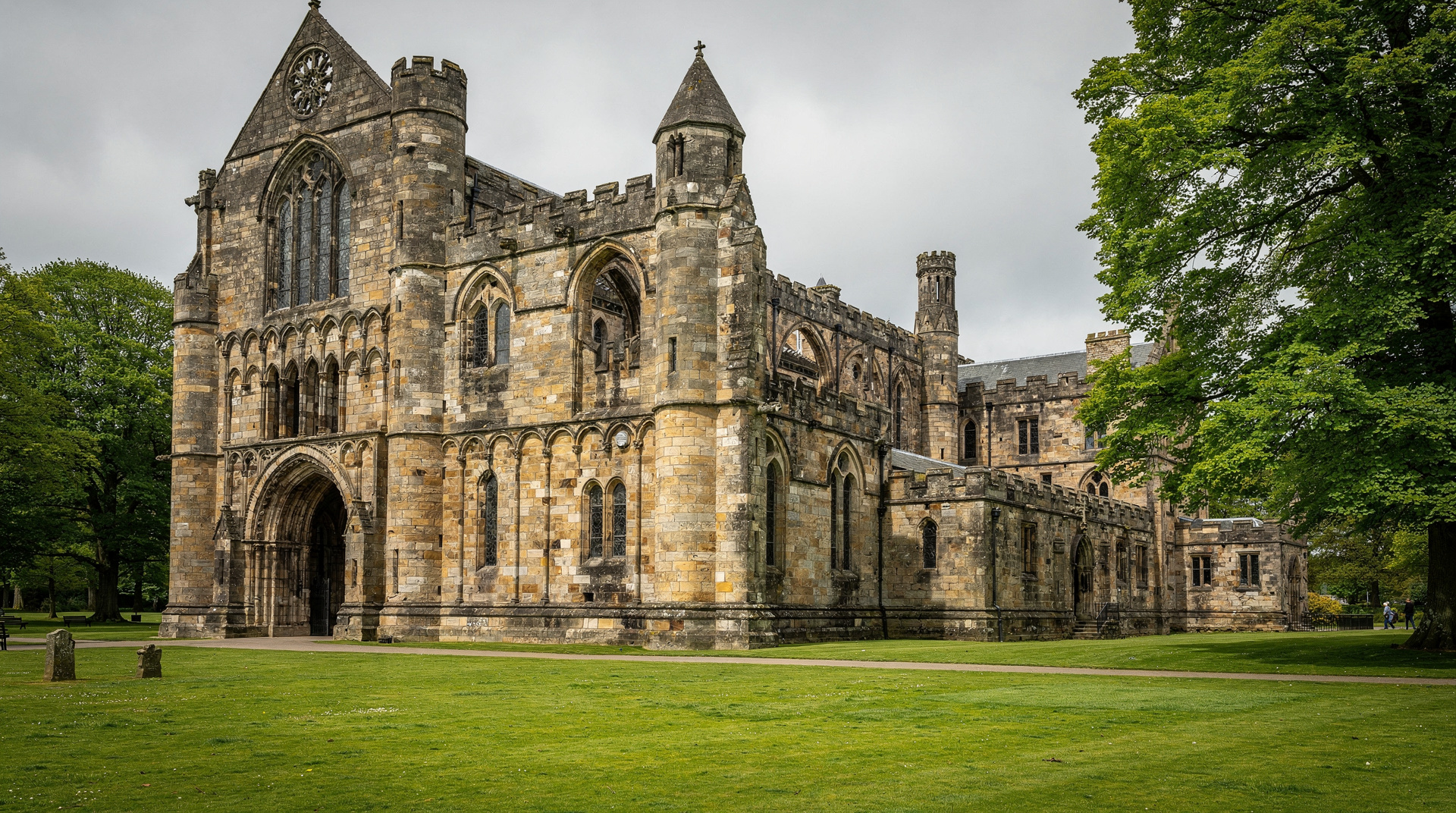
A more medieval-history-focused tour combining Stirling, Rosslyn Chapel, and Dunfermline Abbey is covered by the Scotland medieval history tour.
Each of those stops also has its own page if you would rather build the day yourself: the Stirling destination page, the Loch Lomond and Trossachs page, the Loch Lomond day trip guide, the Falkirk Kelpies page and the Rosslyn Chapel guide all go into more detail than there is room for here.
Stirling Castle entry prices (2026)
Adult entry: £18.50. Children (7-15): £9. Under-7s: free. HES members: free. A combined Edinburgh and Stirling Castle ticket is available through HES. The Edinburgh Castle versus Stirling Castle comparison guide covers which to prioritise if time or budget is limited.
Practical tips
The castle café is substantially better than Edinburgh Castle’s equivalent — the views from the outdoor terrace are exceptional and the food is good. Allow time for lunch here on a fine day. The gift shop sells some genuinely good Scottish crafts alongside the inevitable tartan.
The walk from the station up to the castle takes 20 minutes at a moderate pace and involves continuous uphill sections. There is no step-free alternative other than a taxi. The castle itself has good accessibility within the grounds, with a shuttle vehicle available.
Connecting Stirling to the rest of your Scotland trip
Stirling sits naturally on routes to the Highlands, Loch Lomond, and the Trossachs. Visitors doing a multi-day Scotland itinerary often stop at Stirling on the way to or from the Highlands rather than making a separate day trip. The Edinburgh and Highlands five-day itinerary includes Stirling as an intermediate stop. The best day trips from Edinburgh guide positions Stirling alongside Loch Ness, St Andrews, and Rosslyn Chapel as the four most rewarding day trips from the city.
Stirling also pairs well with the other castles within reach of the capital. The Scottish castles near Edinburgh guide lays out the alternatives, and anyone building a longer trip can fold this visit into the Edinburgh in three days itinerary or look at the Edinburgh to the Highlands guide for what lies further north.
Stirling Castle for families
The Great Kitchens tableau and the costumed interpreters who occasionally appear around the Royal Palace make Stirling noticeably more child-friendly than a purely academic castle visit. Children generally engage with Stirling’s theatrical presentation better than with the more austere presentation at some other Scottish castles, and the outer defences give younger visitors space to run around without the crowding that Edinburgh Castle’s esplanade can involve in summer.
Families combining Stirling with the Kelpies at Falkirk have an easy add-on: the Loch Lomond, Trossachs and Stirling Castle tour includes the sculpture park, which is free-standing and easy for children to enjoy after a castle visit.
Seasonal considerations
Stirling Castle is open year-round, but the experience shifts noticeably by season. Summer (June-August) brings the largest crowds and the best chance of clear Forth valley views from the outer defences. Winter visits are quieter and the Great Hall’s decoration reads differently under artificial light with fewer visitors moving through, though the exposed ramparts can be cold and windy.
Spring and autumn are the best balance of moderate crowds and reasonable weather, and the walk up from the station through the old town is particularly pleasant in autumn. If the season is still open, the Edinburgh weather guide and the best time to visit Edinburgh guide help you pick a window, and the guide to avoiding crowds applies just as well to Stirling. Whatever the season, arrive early if possible — coach tour groups tend to arrive from around 11am, and the first hour after opening is consistently the quietest.
Frequently asked questions about Stirling Castle
How long does it take to get from Edinburgh to Stirling?
By train, 55-60 minutes from Waverley. By car, approximately 40-45 minutes on the M9. Guided day tours typically pick up from central Edinburgh between 8am and 9am.
How much time do I need at Stirling Castle?
Three to four hours covers the castle thoroughly, including the Royal Palace, Great Hall, kitchens, Chapel Royal, and the views from the outer defences. If you are combining the castle with a walk around the old town and a stop at Bannockburn or the Wallace Monument, allow a full day.
Is Stirling Castle worth visiting if I’ve already seen Edinburgh Castle?
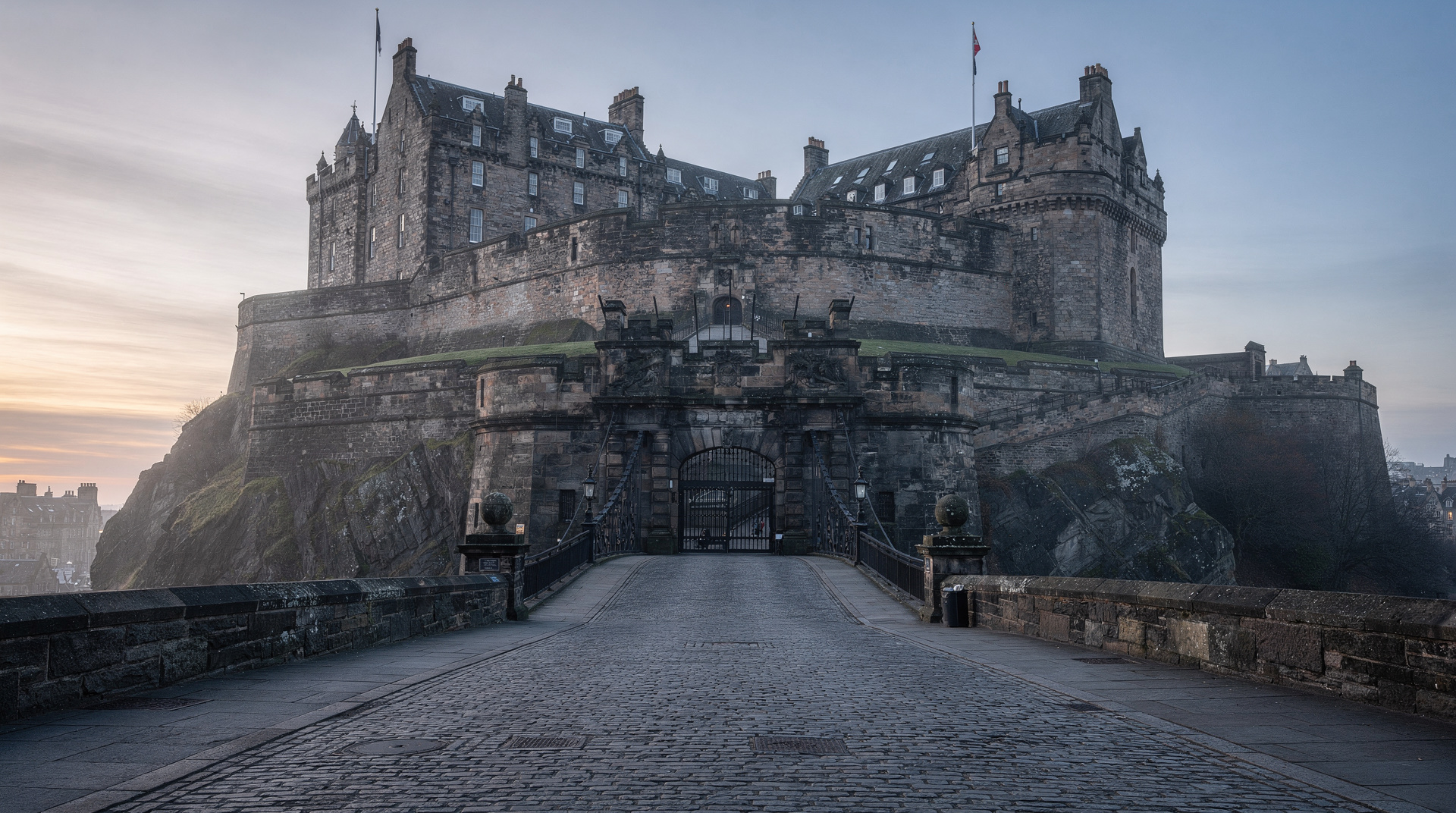
Yes, unambiguously. The two castles are different in character — Edinburgh is more spectacular in setting, more commercial, and has the Crown Jewels; Stirling has better-preserved royal apartments, a richer Renaissance interior, and a more intimate scale. See the Edinburgh versus Stirling Castle guide for a full comparison.
Can I visit Stirling Castle without a guided tour?
Yes. The castle has an audio guide included in the entry fee that covers the key rooms. A self-guided visit is perfectly satisfying. Guided tours are worth considering if you want the historical narrative of the Stuart monarchs in detail, or if combining Stirling with other Central Scotland attractions on a single day.
What is the best way to combine Stirling with Loch Lomond?
A guided day tour from Edinburgh covering both is the most practical option. The two are geographically close enough that a good tour operator can include meaningful time at both. The Monarchs, Mountains and Malt day tour combines Stirling Castle with Highland lochs and a whisky stop in a well-rated single-day itinerary.
Is Stirling Castle accessible for visitors with mobility issues?
The castle grounds have good accessibility with a shuttle vehicle available for those who cannot manage the steeper sections, and most ground-floor rooms in the Royal Palace and Great Hall are step-free. The walk from the station to the castle, however, is a continuous 20-minute uphill route with no step-free alternative other than a taxi, so factor that into planning if mobility is a concern.
Top experiences
Bookable activities with verified prices and instant confirmation on GetYourGuide.

Edinburgh: Stirling Castle, Loch Lomond & whisky tour
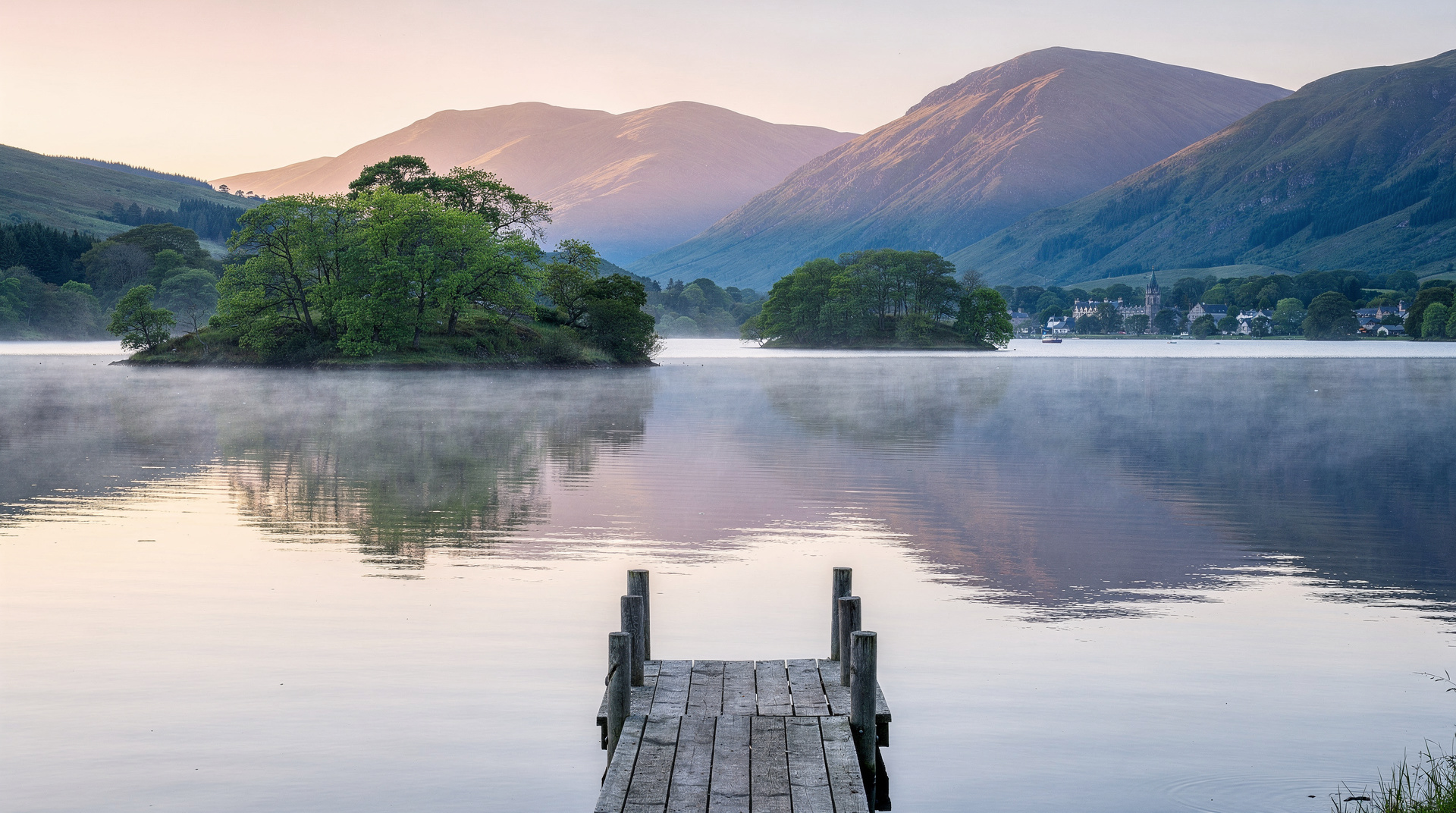
Edinburgh: Loch Lomond, Trossachs NP & Stirling Castle
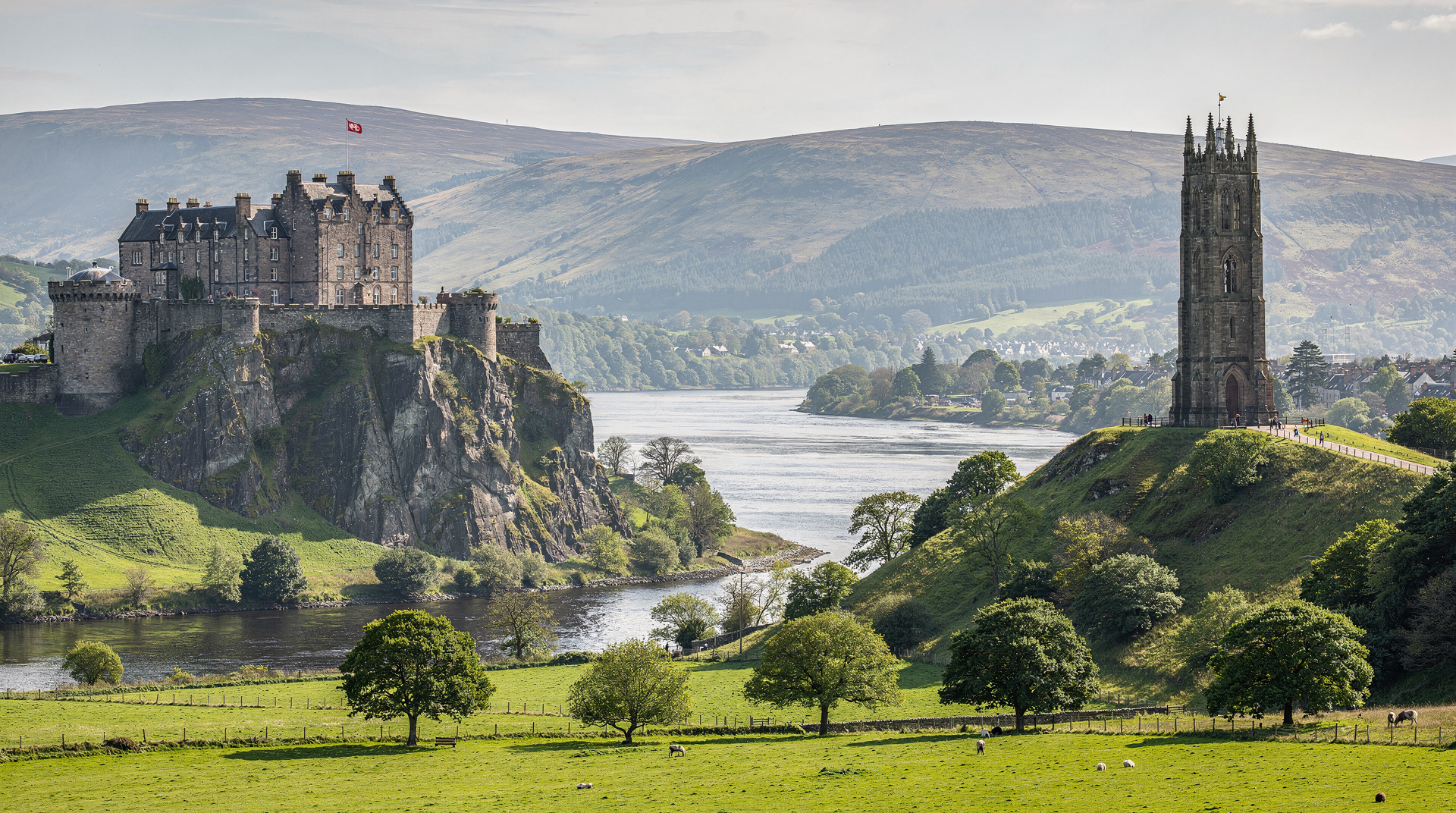
Edinburgh: Stirling Castle, Highland lochs & whisky (Monarchs, Mountains & Malt)
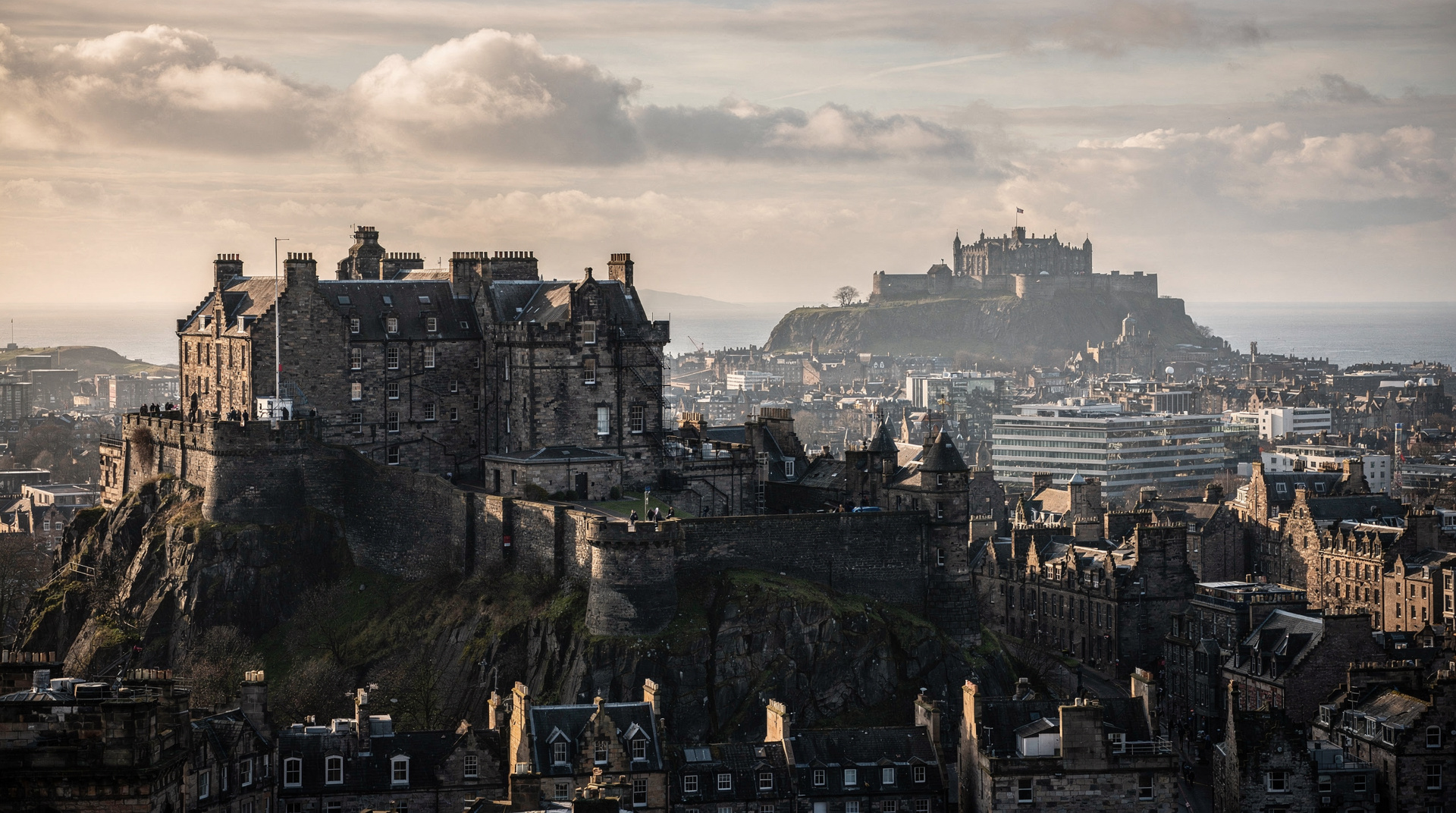
Edinburgh: Stirling Castle, Loch Lomond small-group full-day tour