Old Town Edinburgh
Explore Edinburgh's medieval Old Town: the Royal Mile, underground vaults, closes, and honest advice on avoiding the tourist traps.
Edinburgh: Old Town history and tales walking tour
Quick facts
- Best time to visit
- Weekday mornings, May–June or September
- Days needed
- 1 day
- Getting there
- 5-min walk from Waverley station; tram to Princes Street
- Budget per day
- £30–£80 depending on attractions; free to walk
Edinburgh’s medieval heart — and how to experience it properly
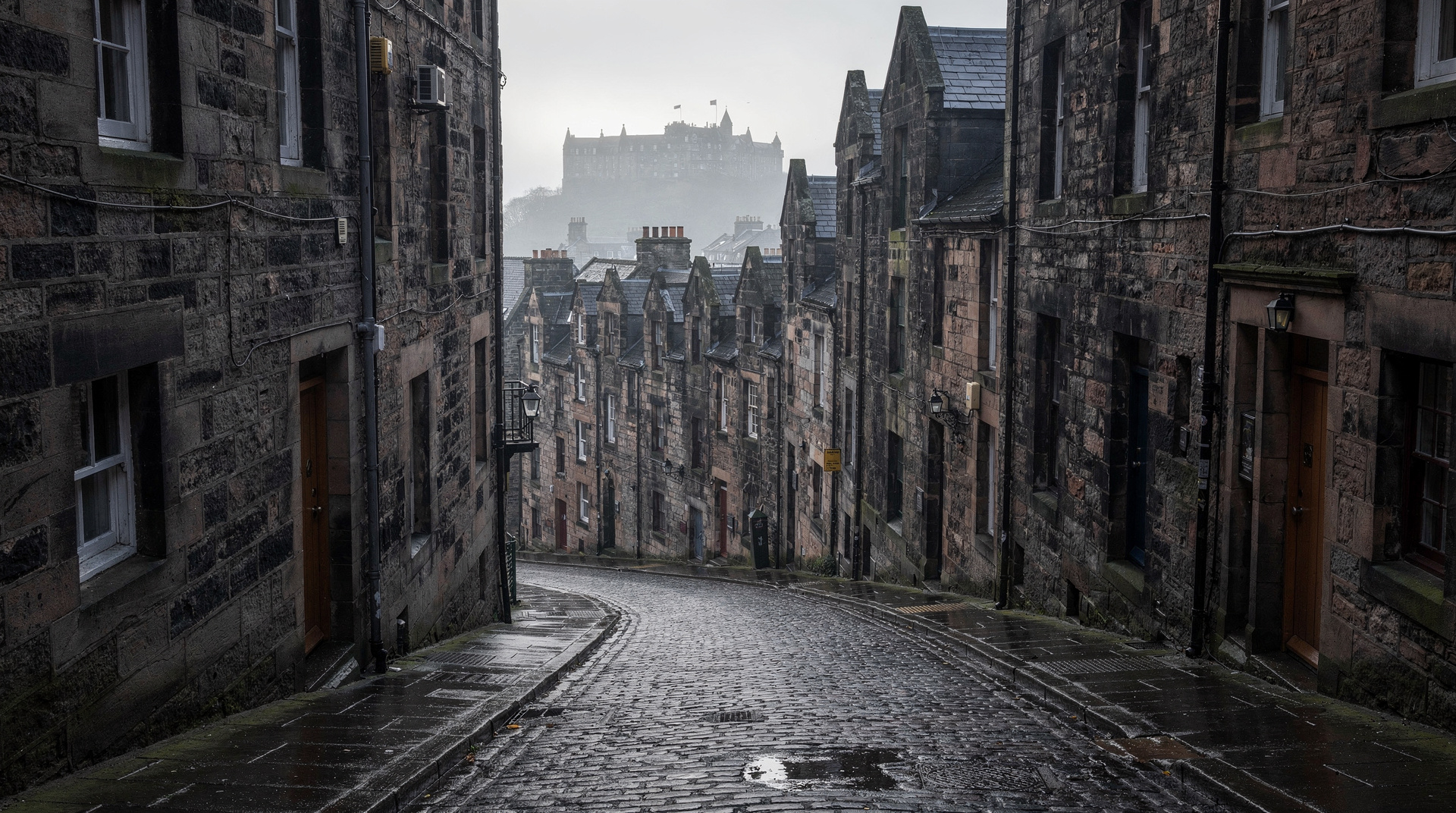
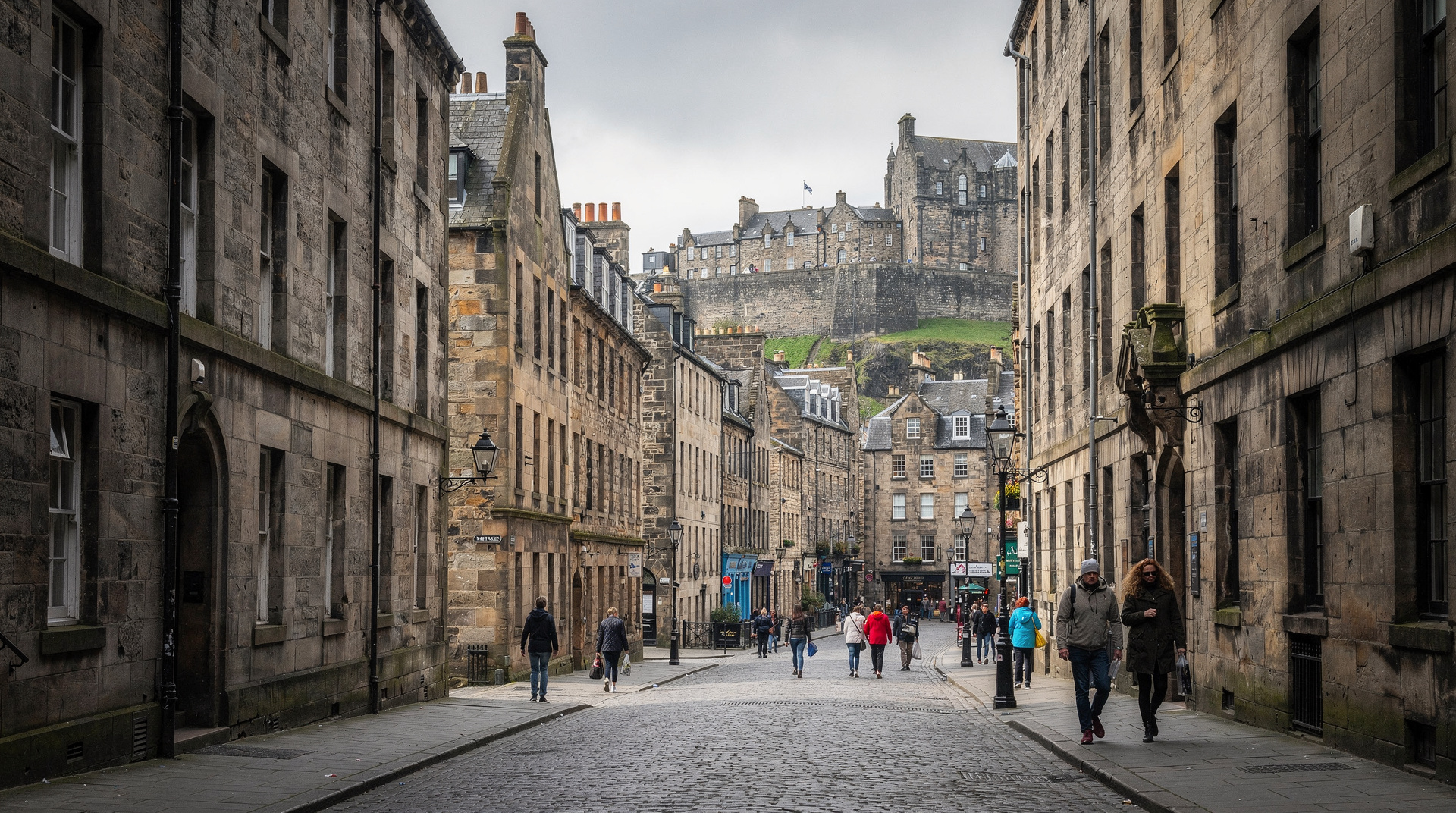
Edinburgh’s Old Town is one of the most dramatically preserved medieval city centres in northern Europe. It climbs a volcanic ridge from the gates of Edinburgh Castle down to the Palace of Holyroodhouse, a geological spine around which centuries of Scottish history have accumulated in layers. The closes (narrow lanes), wynds (passageways), and tenements that line the Royal Mile still follow the same footprint they did in the sixteenth century, when Edinburgh was one of the most densely populated cities in Europe.
For first-time visitors, the Old Town is the obvious starting point. But it rewards a more considered approach than simply walking the main street between the castle and Holyrood. This guide will help you understand what to prioritise, what to skip, and how to see beyond the souvenir-shop surface to the genuinely remarkable city that lies behind it.
| At a glance | |
|---|---|
| Where | Medieval ridge from Edinburgh Castle to Holyrood Palace |
| Time needed | 1 full day; 2 days to include Greyfriars and Mary King’s Close without rushing |
| Getting there | 5-minute walk from Waverley Station; tram to Princes Street |
| Typical cost | Free to walk; attractions £7–£25 each; skip food on the main Mile |
| Best time | Weekday mornings before 9am, or May–June/September for fewer crowds |
| Do not skip | At least one close off the Royal Mile, not just the main street |
The Royal Mile and its closes
The Royal Mile is not actually a mile — it is approximately 1.8 kilometres, measured from the castle esplanade to the gates of Holyrood Palace. The name refers to a succession of streets: Castlehill, Lawnmarket, High Street, Canongate, and Abbey Strand, each of which has its own character and history.
The street level experience on a busy summer day can be overwhelming — bagpipers positioned for tips, ghost-tour operators competing for attention, and an unbroken line of tartan and whisky shops. This is the surface Edinburgh, and it is easy to dismiss as tourist infrastructure. But one step off the Royal Mile into any of the closes that open on either side, and the character changes entirely.
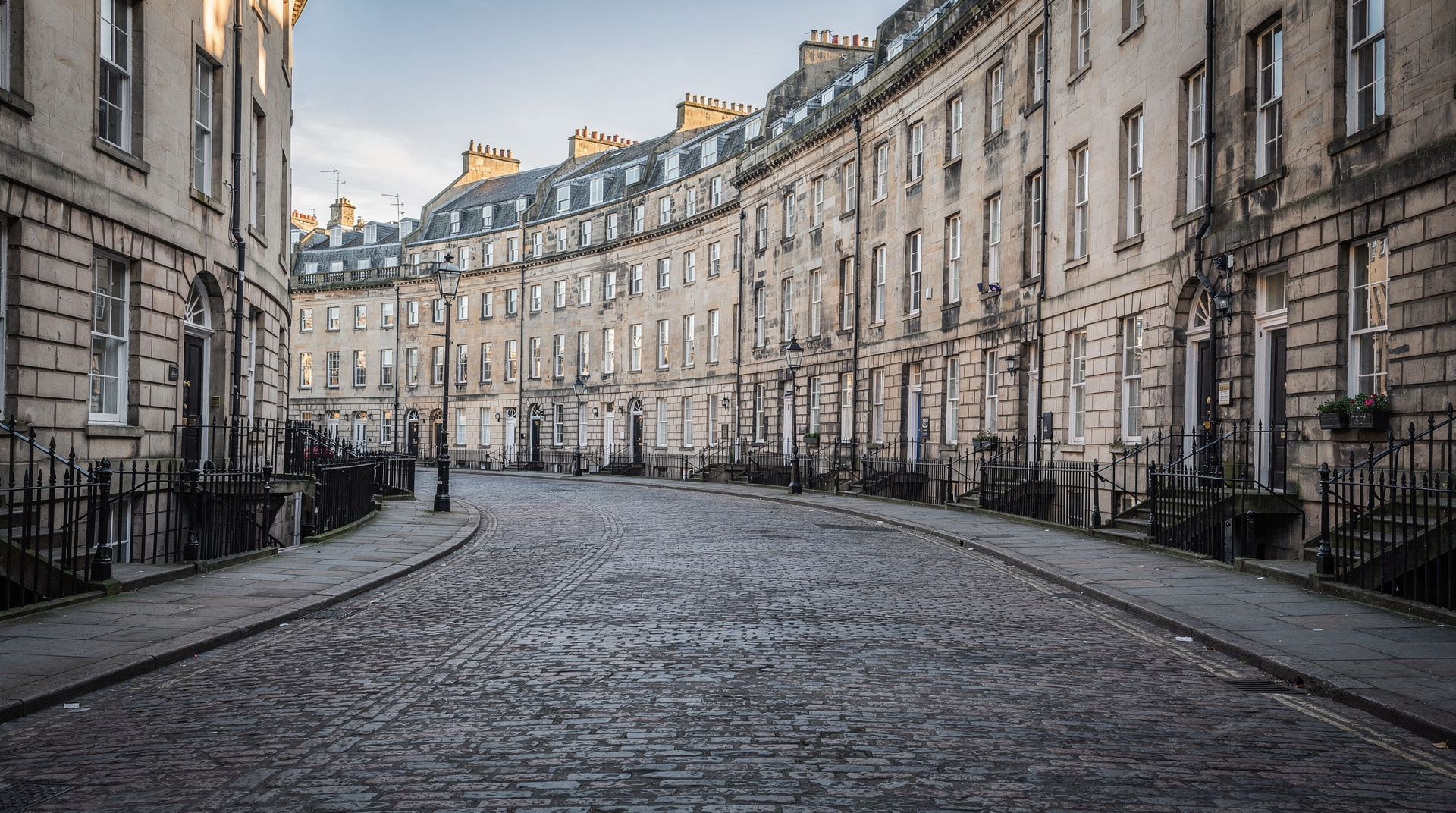
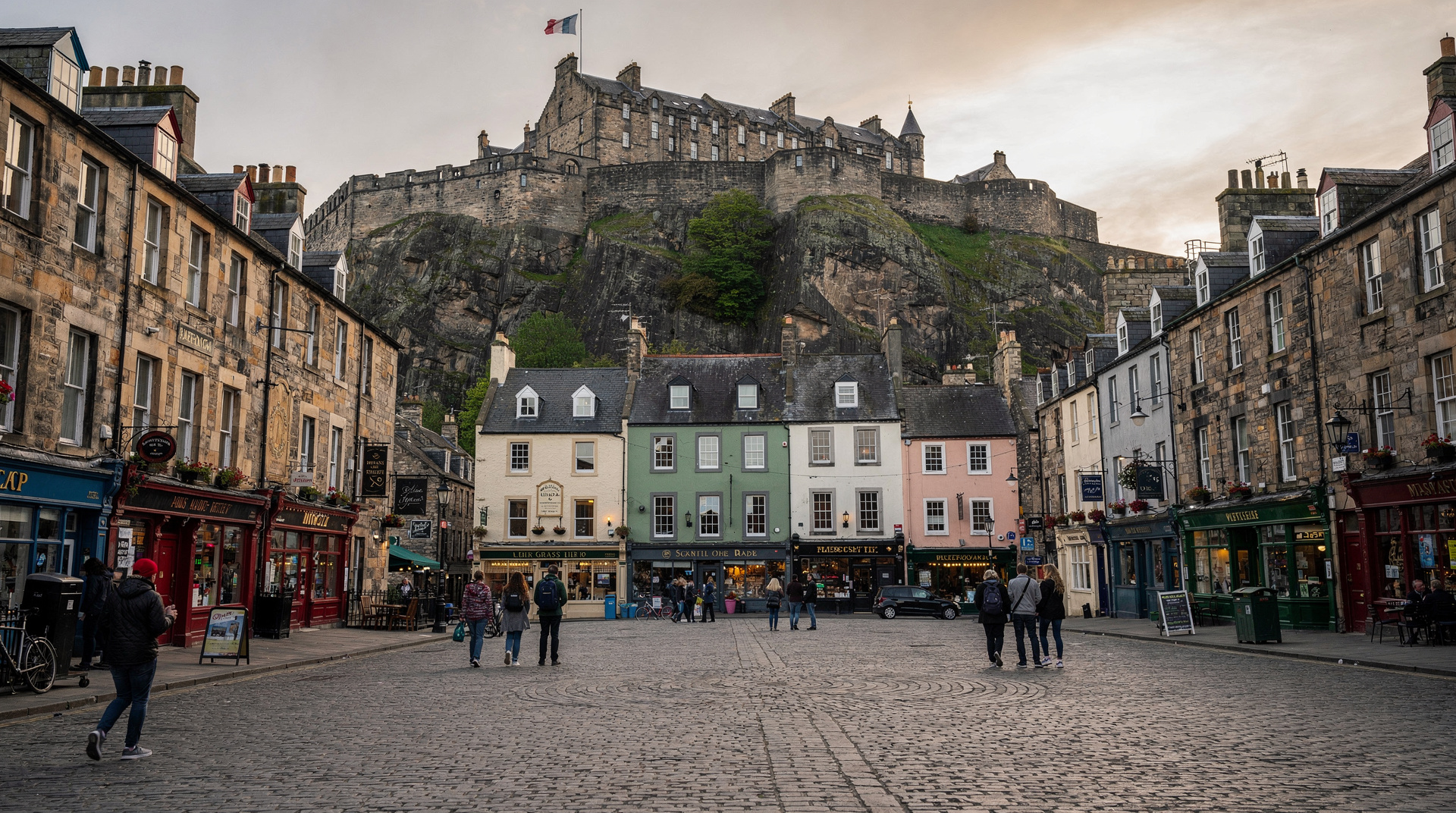
Riddle’s Court, off the Lawnmarket, is one of the finest preserved courtyard spaces in the city — a Renaissance building that once hosted a banquet for James VI and his queen. Lady Stair’s Close leads to the Writers’ Museum, which covers the lives of Burns, Scott, and Stevenson with genuine depth, and is free. Victoria Street, which curves down from the Lawnmarket to the Grassmarket, is one of the most visually striking streets in Edinburgh — a curved Georgian terrace with coloured shopfronts that descends in an arc toward the valley below.
An Old Town history and tales walking tour is the most efficient way to understand what you are seeing. A knowledgeable guide will take you into closes that most visitors walk past and explain the layered history that the buildings reveal. These tours typically run 90 minutes to two hours and cost £15–£20 per person.
The underground vaults
Beneath the South Bridge arches, which were completed in 1788, lies a warren of underground chambers that were originally used for storage and workshops before becoming one of the city’s most notorious areas — home to the poor, the criminal, and eventually the abandoned. They were sealed around 1795 and forgotten for nearly two centuries before being rediscovered in 1985.
Today the vaults are Edinburgh’s most popular dark tourism attraction, and a significant industry has grown up around them. There are multiple operators running tours, varying considerably in quality and atmosphere. The key things to know: daytime tours are historical and atmospheric; late-night tours lean heavily into ghost-story entertainment. Both have their place, but they are different experiences.
The Edinburgh Old Town and underground historical tour combines a surface walk through the Old Town with access to the vaults, giving useful historical context before you descend. For the most atmospheric underground experience specifically, the underground vaults guide compares the major operators in detail so you can choose the right tour for your interests.
One honest note: the vaults are cold (around 10°C year-round), low-ceilinged, and not suitable for anyone with severe claustrophobia. They are genuinely atmospheric spaces and worth visiting even without the ghost-story framing.
What to eat and drink in the Old Town
The Royal Mile is, for the most part, a tourist-food dead zone. The restaurants that line it — most prominently the cluster around the High Street — charge premium prices for food that ranges from mediocre to actively poor. This is Edinburgh’s most persistent tourist trap: the assumption that eating on the main street is the natural thing to do.
Better options are close by. The Grassmarket, a five-minute walk down any close from the Lawnmarket or High Street, has a cluster of genuinely good pubs and restaurants that serve locals as well as visitors. The Bow Bar on West Bow is widely regarded as one of Edinburgh’s finest traditional pubs — no music, no food, no fruit machines, just a serious selection of Scottish real ales and whiskies in a Victorian setting that has been largely untouched for decades.
For whisky, the Scotch Whisky Experience on Castlehill provides an educational introduction to the categories and regions of Scotch, with tastings. It is more polished and commercial than an independent distillery experience, but it covers the basics well and is honestly the best introduction-to-whisky venue within walking distance of the castle. The New Town has better independent whisky bars if you are looking for genuine depth.
If you want to understand Scottish food beyond haggis and shortbread, a food tour is worth the investment. The Edinburgh food guide covers the best options.
The Edinburgh Festival Fringe and the Old Town in August
Every August, the Old Town transforms into the centre of the world’s largest arts festival. The Edinburgh Festival Fringe, which began in 1947 as an unofficial fringe to the International Festival and now dwarfs it, takes over every available space in the Old Town and beyond — churches, pubs, basements, closes, and purpose-built venues. In 2025 there were over 3,000 shows in some 300 venues, and the Royal Mile becomes a continuous performance space with street artists competing for attention against a backdrop of flyering, music, and the general chaos of 400,000 additional visitors.
The Fringe is one of Edinburgh’s greatest assets and one of its most challenging experiences. If you are visiting in August and want to see shows, book at least two to three weeks in advance for anything by a known performer or in a hot venue. The Free Fringe (no-booking, donation-box shows) is an excellent way to see comedy and theatre without financial risk and produces some of the most memorable Fringe experiences. See the Edinburgh Fringe guide for a full strategy.
If you are visiting in August without Fringe tickets, the Old Town is simultaneously at its most overwhelming and most atmospheric. The key tactical adjustments: avoid the Royal Mile between noon and 6pm if possible; use the closes and side streets to navigate rather than the main street; and take full advantage of the fact that every pub, cafe, and restaurant in the area extends its hours dramatically.
History you can see: the Reformation and the tenements
The Old Town’s physical form was shaped largely by two forces: geology (the castle rock and the valley on either side) and the Flodden Wall, built after the Scottish defeat at the Battle of Flodden in 1513. Confined within the wall, Edinburgh could not expand outward and instead grew upward — the tenements of the Royal Mile reached eleven or twelve storeys in height, making Edinburgh’s skyline in the seventeenth century comparable to a modern city.
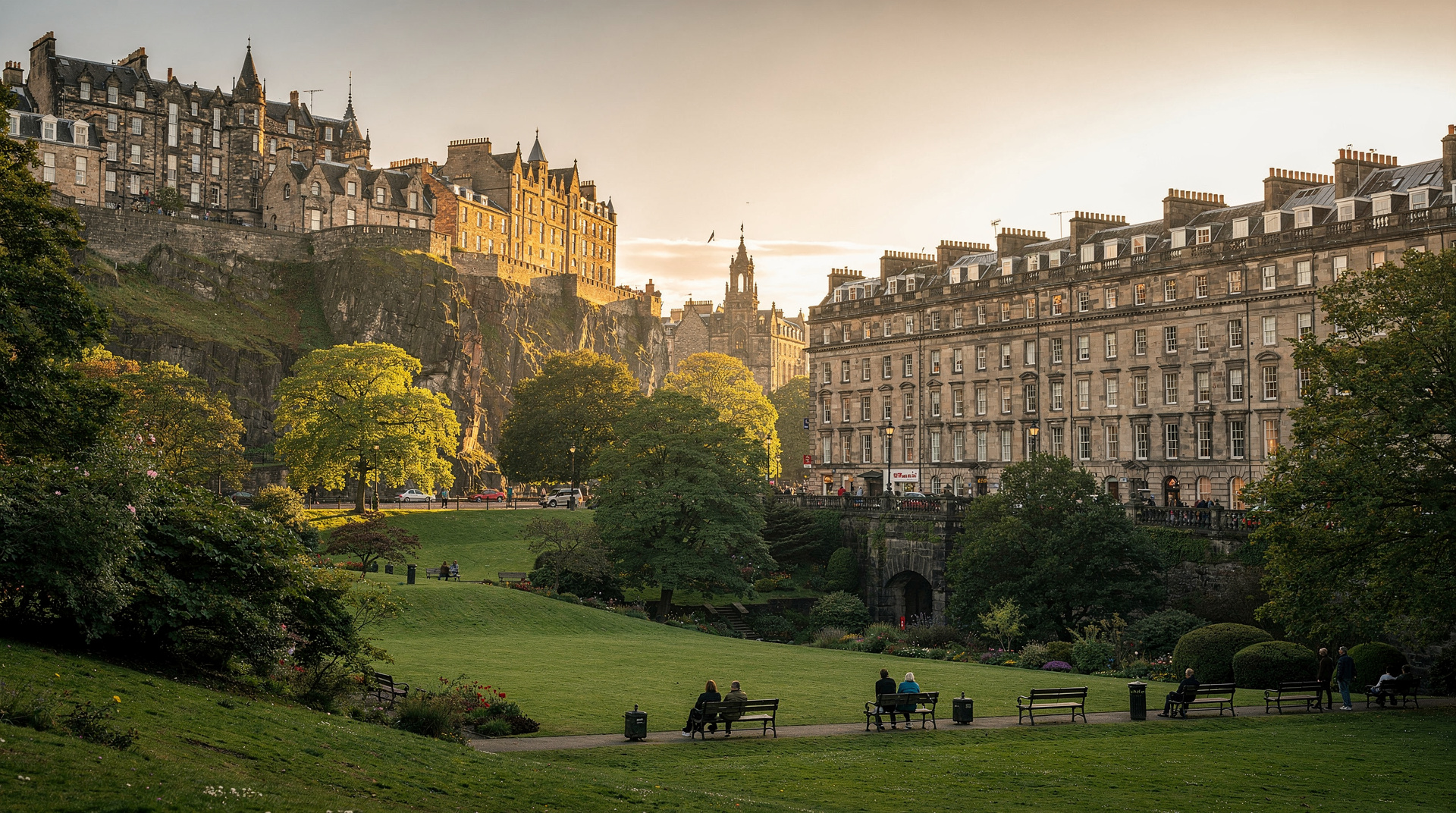
This pressure-cooker urban density created one of the most socially mixed environments in Europe, with aristocrats, tradespeople, and the destitute occupying different floors of the same building. The system lasted until the development of the New Town in the 1760s, when the middle and upper classes began to move north across the Nor’ Loch (now Princes Street Gardens).
The contrast between Old Town and New Town — medieval organic growth versus Georgian planned order — remains one of the defining visual qualities of Edinburgh, and both were recognised together as a UNESCO World Heritage Site in 1995.
Key sites beyond the Royal Mile
Greyfriars Kirkyard
A ten-minute walk from the Lawnmarket, down through the Grassmarket or along Forrest Road, Greyfriars Kirkyard is one of Edinburgh’s most historically significant spaces. The kirkyard was the site of the signing of the National Covenant in 1638, and the mausolea and carved headstones from the seventeenth and eighteenth centuries are some of the finest examples of Scottish funerary art. It is also, famously, the last resting place of Greyfriars Bobby, the Skye Terrier who supposedly guarded his master’s grave for fourteen years after his death in 1858. The bronze statue at the gate gets considerable attention; the kirkyard itself deserves more.
For the dark-tourism side of Greyfriars — particularly the story of the Covenanters’ Prison and the Mackenzie Poltergeist — guided tours run in the evening and provide context that the plaques alone do not.
John Knox House and the Scottish Storytelling Centre
Halfway down the Royal Mile, John Knox House is one of the oldest surviving buildings in Edinburgh, dating to the late fifteenth century. Whether Knox actually lived here is disputed by historians, but the building itself is genuinely remarkable — a timber-framed structure that would not look out of place in a German medieval town. It shares a building with the Scottish Storytelling Centre, which runs an excellent programme of events throughout the year and is free to enter.
The Real Mary King’s Close
Beneath the City Chambers on the High Street, the Real Mary King’s Close is the best-known underground attraction in Edinburgh that is not the vaults. This is a guided-only attraction — you cannot wander independently — and the tours are well-researched and atmospheric. The focus is on the ordinary people who lived in the close during the seventeenth century rather than pure ghost story, which makes it more interesting than some alternatives.
Choosing between the Old Town’s underground attractions
Edinburgh’s Old Town has several underground and dark-history attractions that visitors often conflate. They are genuinely different experiences:
| Underground Vaults | Real Mary King’s Close | Greyfriars Kirkyard tour | |
|---|---|---|---|
| Format | Guided, daytime or late-night versions | Guided only, cannot walk independently | Guided, evening-focused |
| Tone | Daytime = historical; late-night = ghost-story entertainment | Focused on the ordinary people who lived there | Covenanters’ Prison and Mackenzie Poltergeist stories |
| Setting | South Bridge arches, cold, low-ceilinged | Preserved 17th-century close beneath the City Chambers | Outdoor kirkyard, weather-dependent |
| Best for | Visitors wanting atmosphere and a genuine underground space | Visitors wanting social history over scares | Visitors combining Greyfriars Bobby with the Covenanter history |
Doing all three in one day is possible but intense — most visitors get more out of choosing one, plus a walk through Greyfriars Kirkyard itself (free, no tour required) if time allows.
Practical logistics
The Old Town is entirely walkable. There is no need to take a bus or tram unless you are arriving from outside the centre. Waverley Station is five minutes from the foot of the Mound; the tram stops at Princes Street, and it is a short walk uphill to the Old Town from either.
Wear comfortable shoes with grip. The Royal Mile and its closes involve continuous changes of level — steps, cobblestones, and steep descents — that can be slippery in wet weather, which in Edinburgh is much of the year. Even in June, bring a waterproof layer.
The best time to experience the Old Town without the crowds is early morning, before 9am, when the closes and side streets are nearly empty and the light falls cleanly down the closes. The worst time is any afternoon in August, when the Fringe and Tattoo crowd the Royal Mile to the point of gridlock.
Combining the Old Town with the rest of Edinburgh
A single day in the Old Town, done properly, should include: Edinburgh Castle in the morning (arrive at 9:30am opening), a walk down the Royal Mile with time to explore at least two or three closes, lunch away from the main street, an afternoon visit to either Greyfriars Kirkyard or the Real Mary King’s Close, and the underground vaults in the evening. That is a full day.
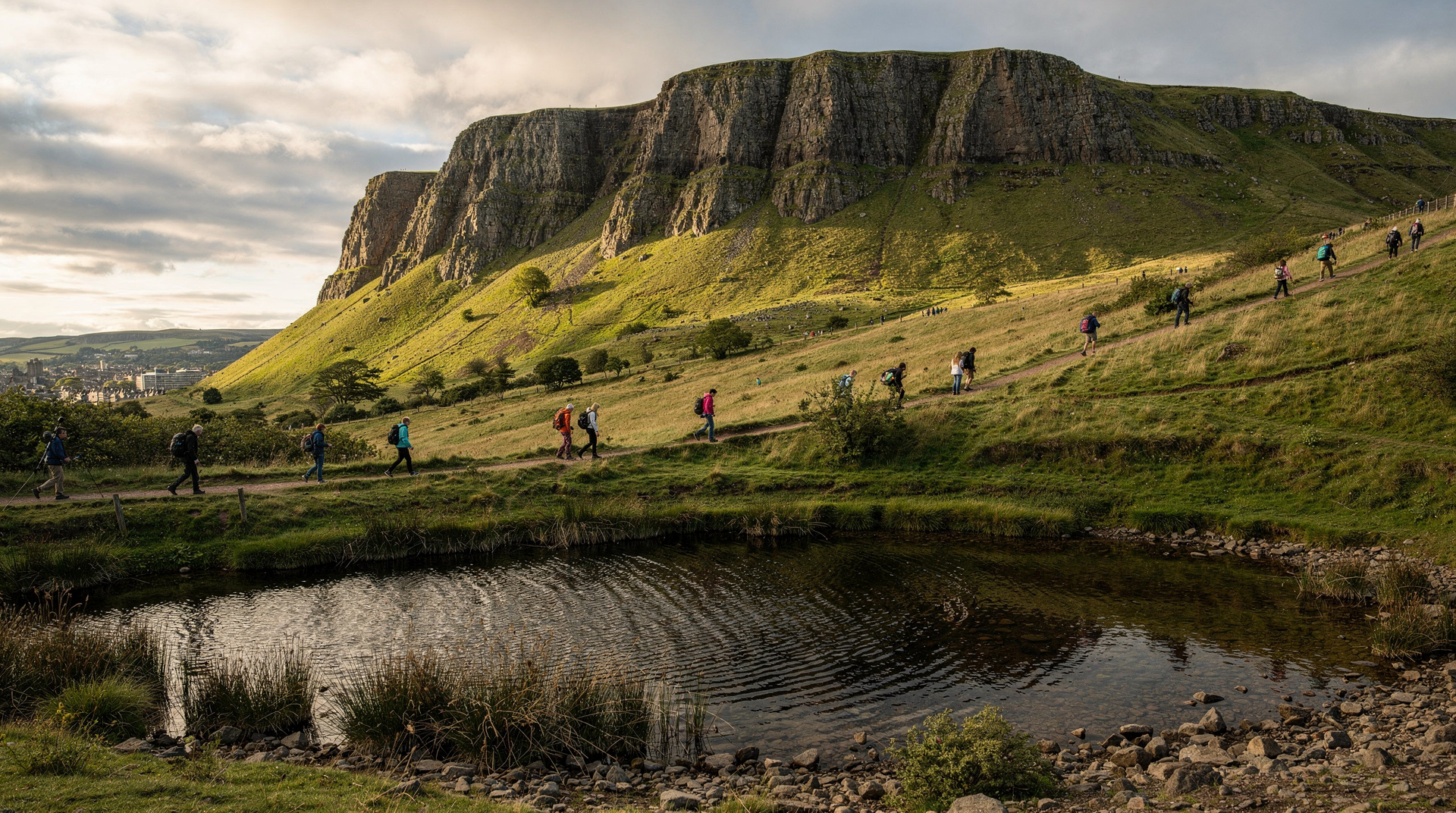
If you have two days in Edinburgh, the two-day Edinburgh itinerary extends the Old Town day with time in the Holyrood and Arthur’s Seat area, then devotes day two to New Town, Stockbridge, and Leith.
See the one-day Edinburgh itinerary for the most efficient version of the Old Town day.
Frequently asked questions about Edinburgh’s Old Town
How long do you need to see the Old Town properly?
One full day is the minimum for a decent experience: Edinburgh Castle in the morning (three to four hours), the Royal Mile and closes in the afternoon (two to three hours), and an evening vault or ghost tour. To also include Greyfriars, the Real Mary King’s Close, and time to explore without rushing, allow two days.
Is the Old Town safe at night?
Generally yes. The Royal Mile and Grassmarket area are busy with tourists until late in summer and have a reasonable amount of foot traffic. The closes are darker and quieter, but not dangerous. Edinburgh has a lively pub and restaurant scene in the Old Town and you will encounter plenty of other people in the evening. Standard urban common sense applies.
What is the difference between the various ghost tour operators?
The main distinction is between historically-grounded tours that happen to involve haunted locations (the Real Mary King’s Close, the daytime vault tours) and entertainment-focused ghost-story tours that prioritise atmosphere and jumpy moments. Neither is superior — they suit different visitors. See the Edinburgh ghost tours guide for a direct comparison of the main operators.
Can you explore the closes on your own?
Most of the closes off the Royal Mile are freely accessible and you can walk into them without a guide. Riddle’s Court, Brodie’s Close, and Anchor Close are all worth entering independently. Some closes are private or locked. The closes that lead to the underground vaults require a booked tour to access the vaults themselves, but the close entrances are open.
Where should I eat in the Old Town without paying tourist prices?
The Grassmarket, Cowgate, and Teviot Place (near the university) all have better value options than the Royal Mile itself. The Elephant House cafe on George IV Bridge is famous as one of the places J.K. Rowling wrote early Harry Potter chapters, but expect queues. For a genuinely local Old Town meal, walk five minutes south of the Royal Mile — prices drop considerably as soon as you leave the main tourist corridor. See the Edinburgh food guide for specific recommendations.
What is the best way to learn Old Town history beyond the tourist surface?
A walking tour with a well-qualified guide is the single best investment. The Old Town history guide provides written context for the key sites. For deeper reading, the city library on George IV Bridge has an excellent local history section. Several of the closes have information boards installed by the council that are worth reading slowly.
How crowded does the Old Town get in August?
Extremely. During the Edinburgh Festival Fringe (first three weeks of August) and the Royal Edinburgh Military Tattoo (which runs concurrently), the Royal Mile is at near-maximum capacity during the day. Navigating it feels more like a crowd-management exercise than a city walk. If you are visiting in August specifically, either go very early in the morning or accept the crowds and treat them as part of the atmosphere. See the Edinburgh in August guide for the full picture.
What is the best way to get from Edinburgh Airport to the Old Town?
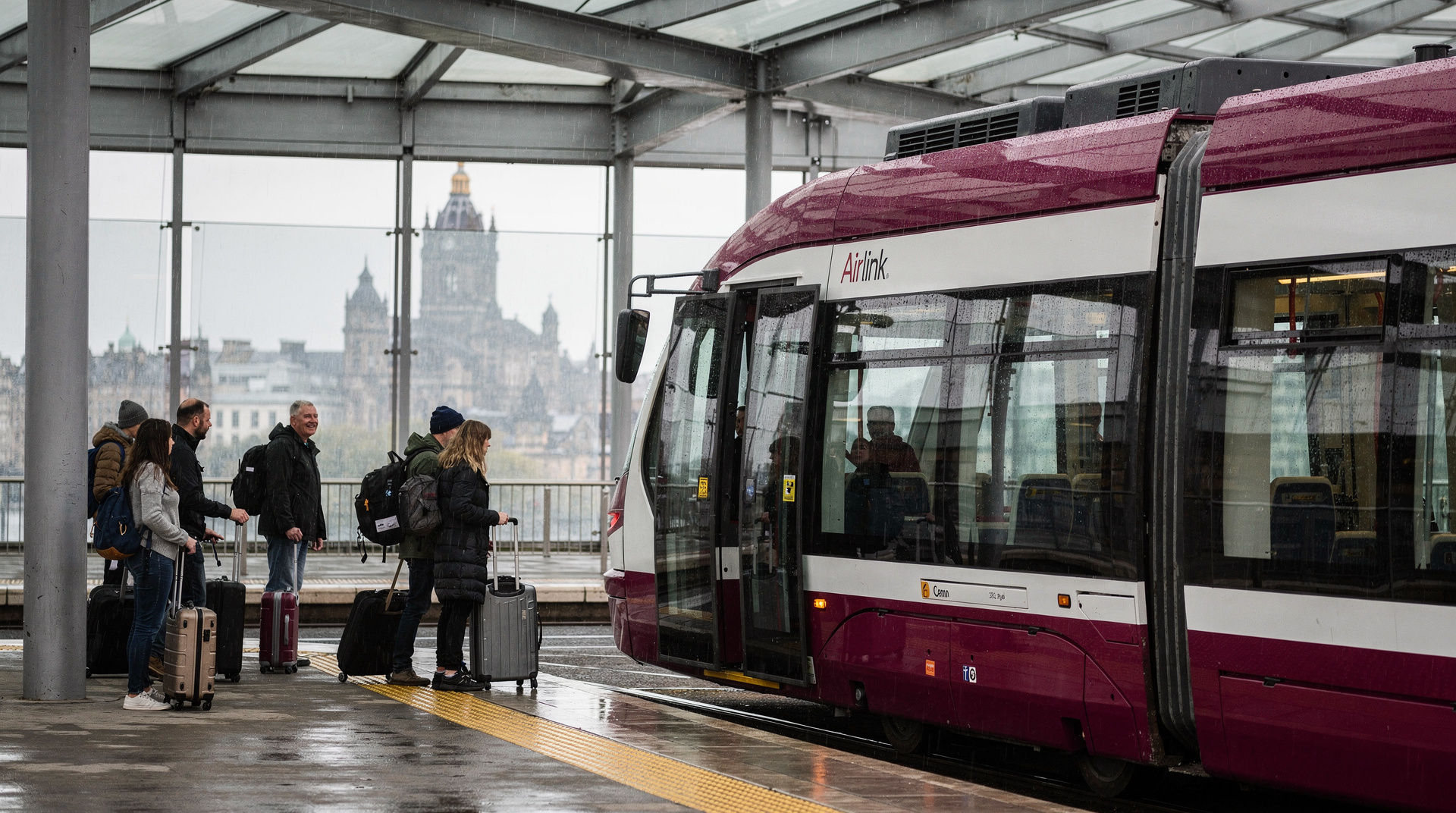
The tram from Edinburgh Airport runs directly to Princes Street in approximately 30 minutes, costing around £7.90 per adult. From Princes Street, the Old Town is a short uphill walk. The bus (Airlink 100) is cheaper but takes longer. Taxis typically cost £25–£35 depending on traffic. See the airport to city centre guide for the full comparison, including advice for visitors with heavy luggage or travelling in groups.
Top experiences
Bookable activities with verified prices and instant confirmation on GetYourGuide.