Edinburgh underground vaults guide
Edinburgh: the original underground tour
Are Edinburgh's underground vaults worth visiting?
Yes — the vaults are genuinely atmospheric and historically significant, not just a tourist gimmick. Choose the right operator though: quality varies significantly. The original Mercat Tours daytime experience suits history lovers; the late-night terror tour delivers the scare factor. Budget £16–£22 per adult.
What actually lies beneath Edinburgh’s South Bridge
The South Bridge was completed in 1788 as a practical piece of urban engineering — nineteen arches spanning the Cowgate valley, with the road surface set at street level so that travellers hardly knew they were crossing a bridge at all. Below that road, in the vaulted chambers between the arches, something unexpected happened: within a decade of the bridge’s opening, the damp, dark spaces had been colonised by the city’s poorest residents. Cobblers, wine merchants, and coal sellers worked there; homeless families sheltered in the deeper chambers; at the worst end of the social scale, the vaults became associated with body-snatchers, illicit trade, and the kind of destitution that Victorian Edinburgh preferred not to acknowledge.
By around 1820 the vaults had been sealed and largely forgotten, buried under layers of rubble and centuries of accumulated debris. They stayed that way until 1985, when a local businessman named Norrie Rowan rediscovered them while exploring the foundations of his Cowgate pub. What he found — intact chambers with original artefacts still in situ — was one of the more remarkable archaeological discoveries in Edinburgh’s history.
Today the vaults are one of Edinburgh’s most visited attractions, and with that popularity has come a proliferation of tour operators varying wildly in quality. This guide is honest about which are worth your time and money.
| Where | Niddry Street, off the Cowgate, Old Town |
| Cost | £16-22 per adult depending on tour |
| Duration | 60-90 minutes |
| Best for | History lovers (daytime) or scare-seekers (night) |
| Booking | 48 hours ahead in summer; often same-day in winter |
The history you need to understand what you are seeing
Why the vaults became slums
The South Bridge arches were never designed as residential spaces. They lack windows, natural light, and effective drainage. When the bridge was first completed, some of the chambers were used as legitimate storage and workshops. But as Edinburgh’s Old Town population swelled in the late eighteenth century — the city was one of the most densely populated in Europe at the time — the lower classes who could not afford even the tenement flats above ground moved in below.
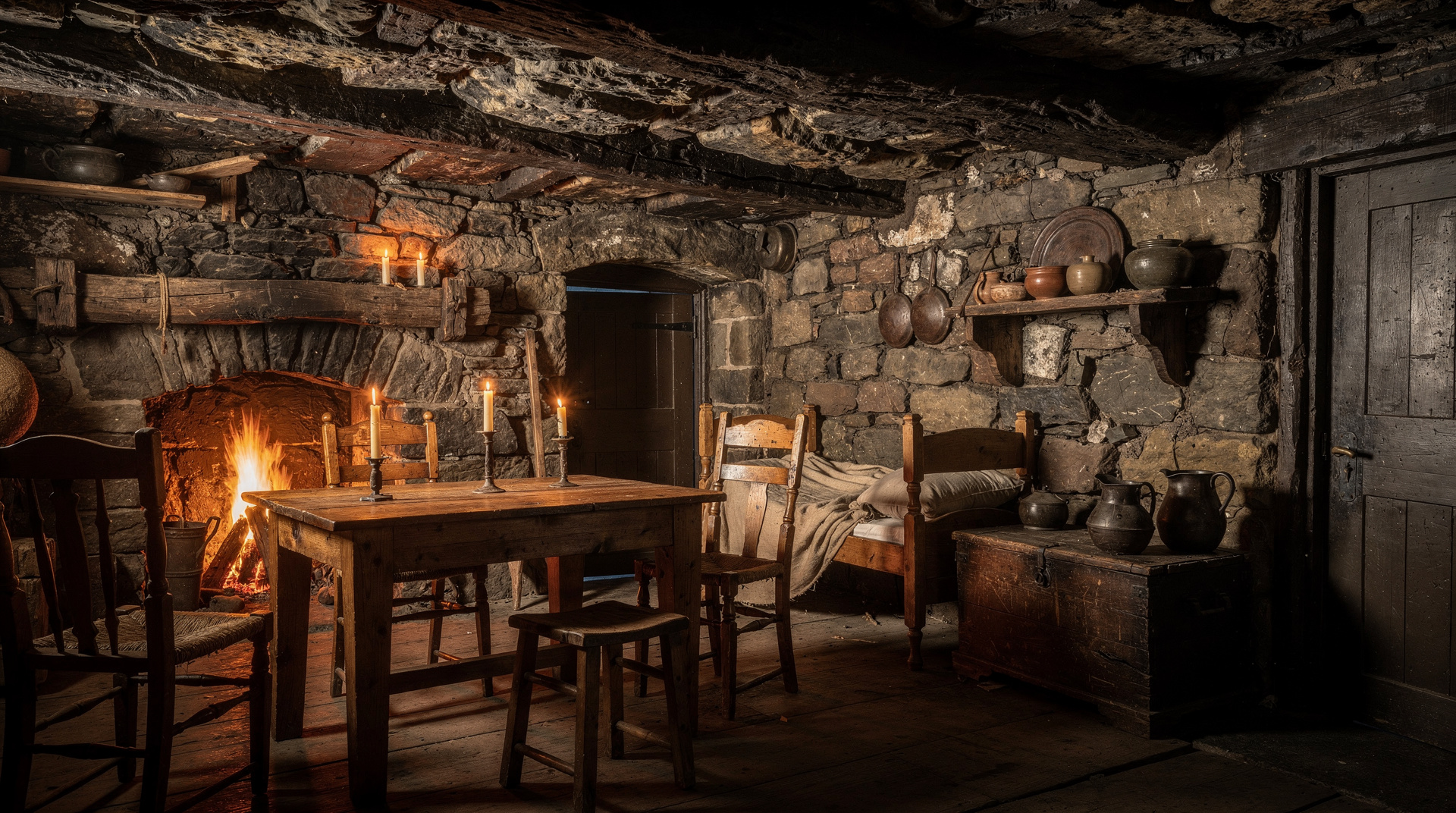
The conditions were grim by any measure. The arches are naturally wet: groundwater seeps through the sandstone, and without ventilation, mould spreads rapidly. Archaeological excavations have found evidence of makeshift hearths, discarded shoes, animal bones, and the kind of accumulated domestic debris that speaks of long-term occupation. Alongside the domestic misery, the vaults also served as a convenient location for activities that required discretion — including, most likely, the storage of bodies by the body-snatchers who supplied Edinburgh’s medical schools with cadavers in the early nineteenth century.
The haunting reputation
Whether or not the vaults are genuinely haunted is a question each visitor must answer for themselves. What is documented is that paranormal investigators have found the South Bridge vaults to be one of their most consistently active sites in Britain, and the number of visitors who report unexplained experiences — cold spots, unexplained sounds, the sensation of being touched — is statistically notable even accounting for suggestion and atmosphere. The most frequently reported presence is a poltergeist nicknamed “Mr Boots,” associated with inexplicable movements of small objects and an unusually persistent cold in certain chambers.
The honest answer is that the vaults are very good at generating the right kind of atmosphere. Whether that atmosphere is caused by the supernatural or by skilled environmental design combined with genuinely eerie architecture is not something a travel guide can adjudicate.
Choosing between the tours: an honest comparison
Edinburgh has several competing operators running underground vaults tours, and the quality varies considerably. The three operators worth considering are Mercat Tours, Auld Reekie Tours, and a handful of smaller companies.
Mercat Tours: the historical choice
The original underground vaults tour by Mercat Tours is the best choice for visitors who want historical depth alongside the atmosphere. Mercat Tours has been operating here since the vaults were rediscovered and their guides are trained historians, not just storytellers. The daytime tour focuses on the social history of the vaults — what life was like for the people who lived and worked there, what the archaeological evidence tells us, and how this piece of Edinburgh’s history fits into the broader story of Old Town poverty and urban change.
The tour lasts approximately 75 minutes and costs around £16–£18 per adult. It is suitable for older children and most adults. The spaces are genuinely dark and confined in places, but there are no deliberate jump scares, which makes this the right choice for visitors who want education over entertainment.
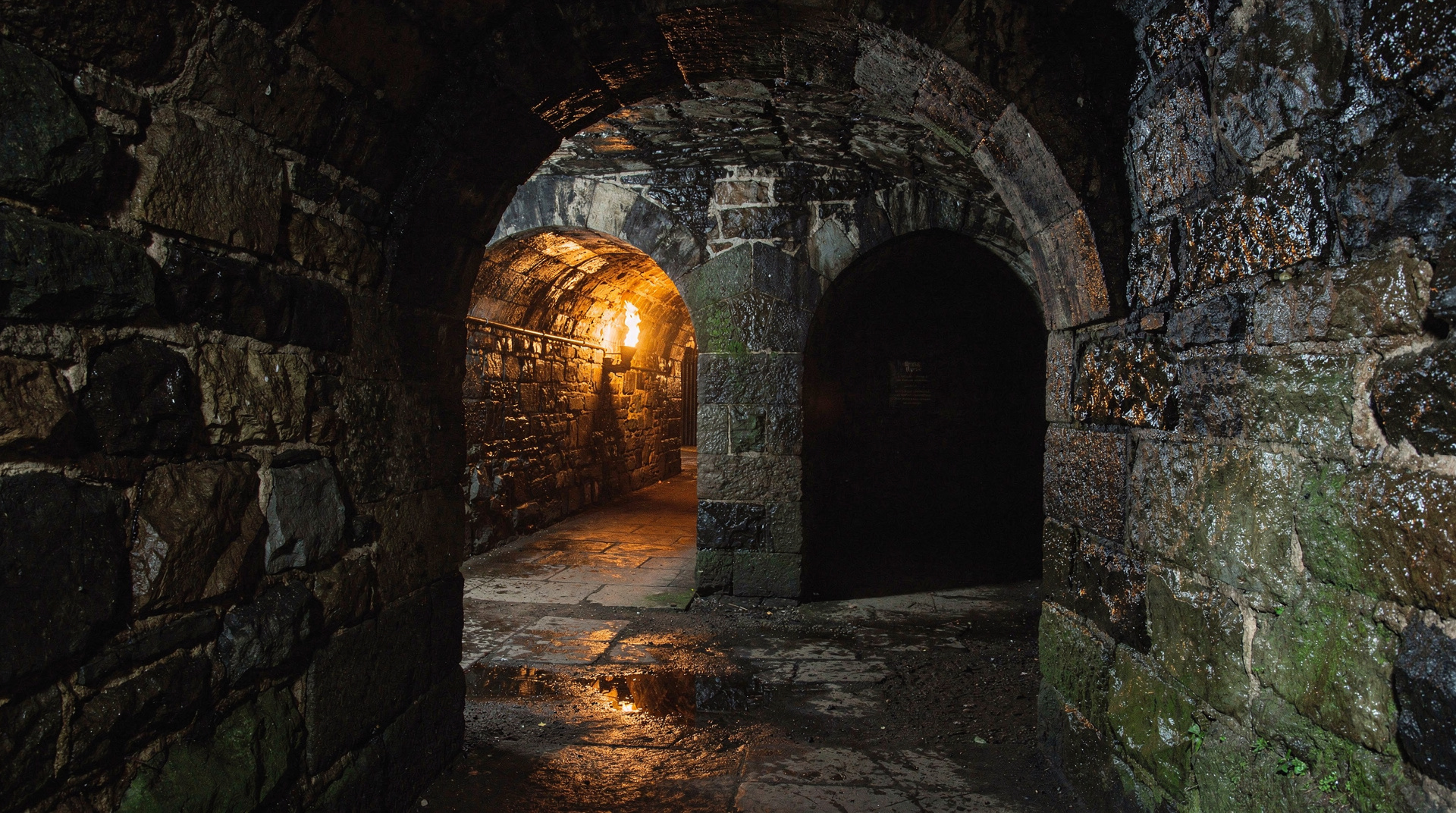
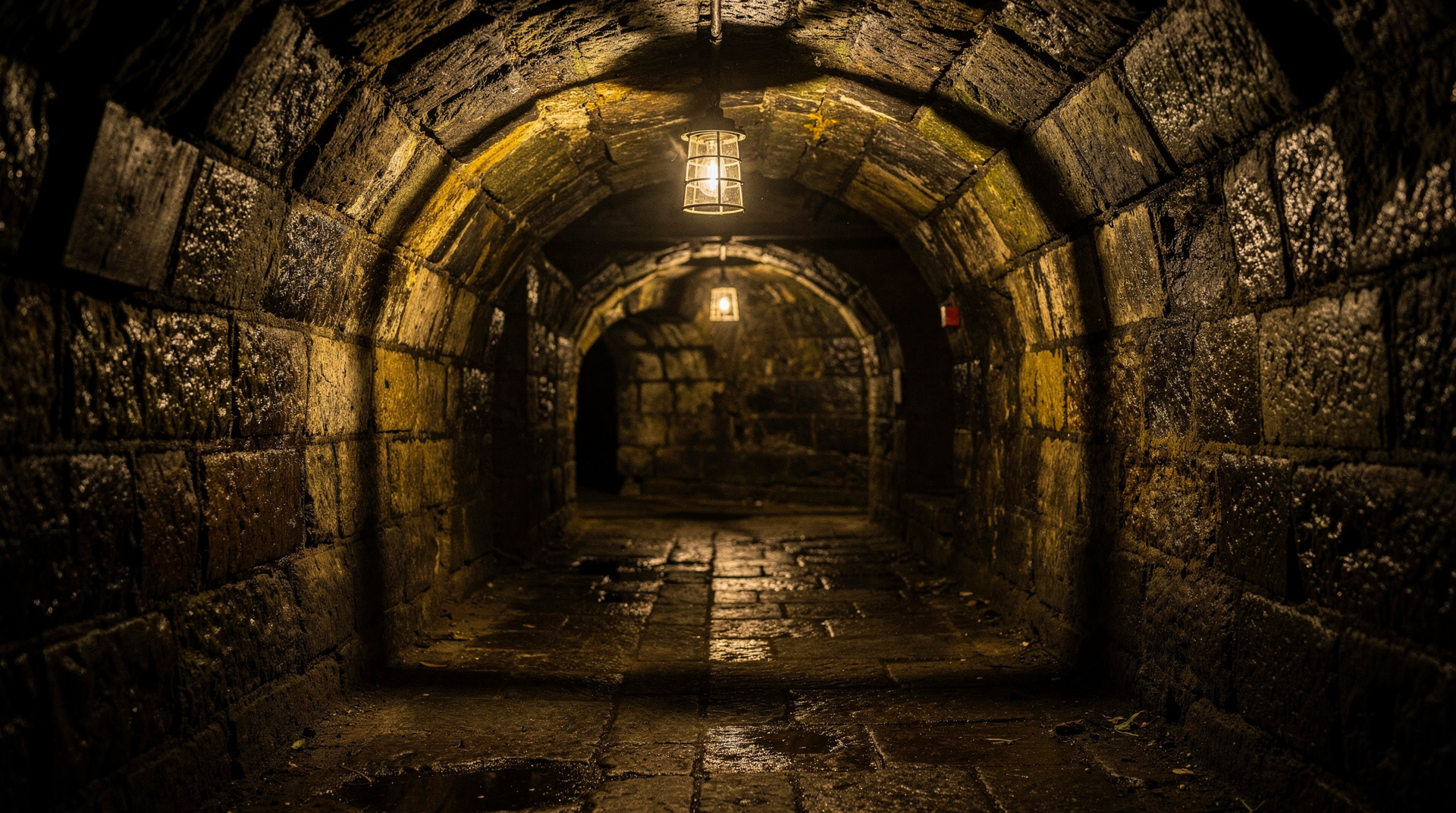
The vaults are unlit, unheated stone chambers where there is nothing to look at, so everything depends on what the tour does with sound, cold and dark: a multi-sensory haunted underground tour makes that its explicit method rather than an accident of the venue.
Auld Reekie: the scare factor
The late-night underground vaults terror tour is a different proposition. Running after 9pm, this is explicitly designed to frighten, with actors, atmospheric sound, and staged encounters in the darker chambers. It is well-produced and genuinely effective at its stated aim. The price is higher — around £20–£22 per adult — and it is not suitable for children under 16 or visitors who are genuinely claustrophobic. If you want the scare experience and have done your research into the history elsewhere, this is probably the best of its type in Edinburgh.
The whisky option
The underground vaults evening ghost tour with whisky adds a whisky tasting element to the ghost tour — you descend into the vaults, hear the stories, and then warm up with a dram at the end. It is a clever pairing that works better than it sounds, and for visitors who want the atmosphere without the full horror-show intensity, this sits between the historical tour and the terror tour in terms of scare level.
Comparing the tours at a glance
| Tour | Time | Price | Scare level |
|---|---|---|---|
| Mercat historical (daytime) | 75 min | £16-18 | Low — atmospheric, not staged |
| Ghost tour with whisky | 60-90 min | ~£18-20 | Medium |
| Late-night terror tour | ~90 min | £20-22 | High — actors, jump scares |
What to avoid
Avoid any tour that does not specify which vaults it visits. Some operators charge similar prices for walking tours that pass by the South Bridge without actually going underground, or which visit much smaller and less historically significant vaults elsewhere in the Old Town. Always check that your tour includes the South Bridge vaults specifically and lasts at least 60 minutes underground.
Practical information for your visit
Getting there
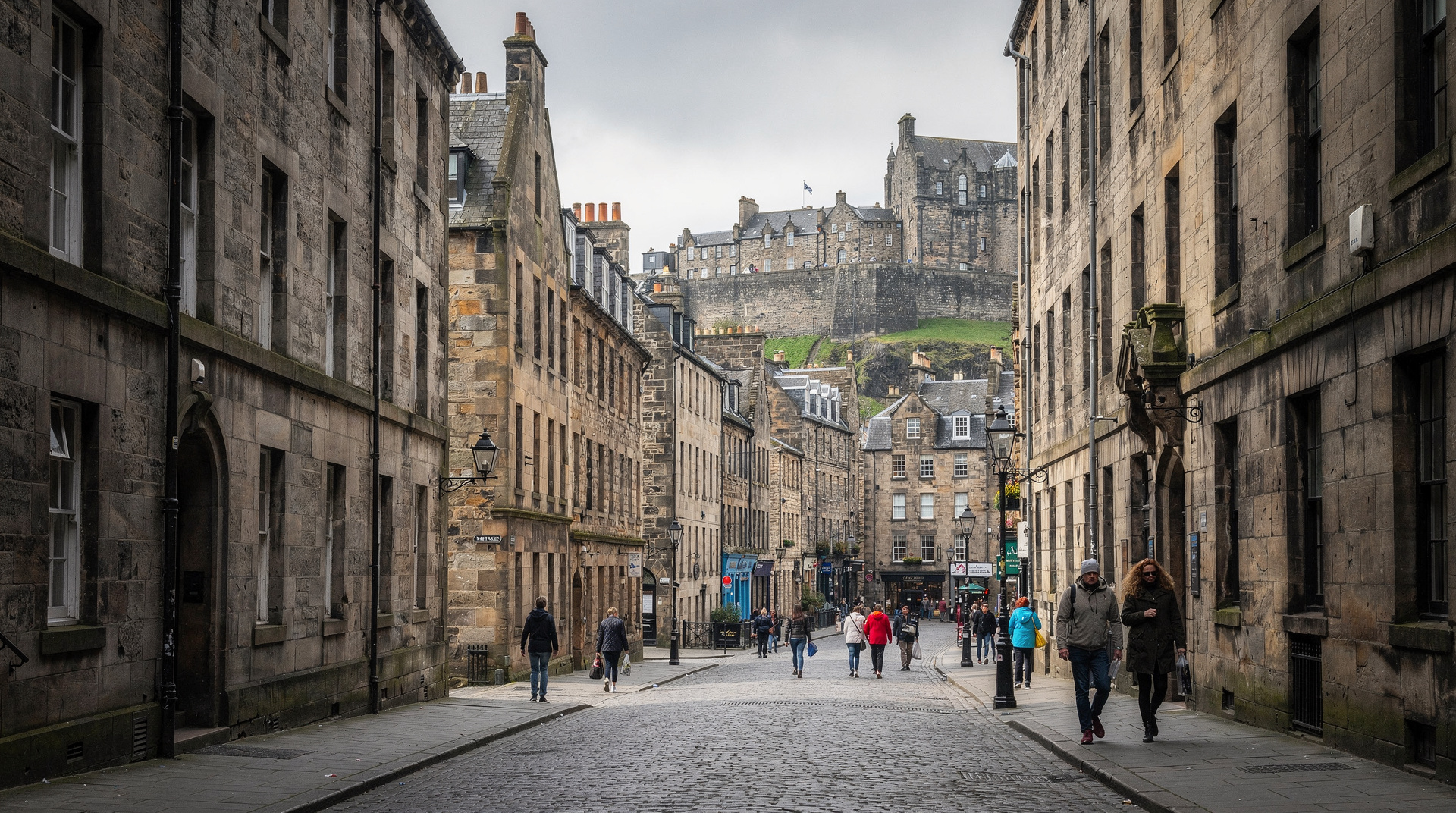
The South Bridge vaults entrance is on Niddry Street, off the Cowgate, in the Old Town. From the Royal Mile, walk down the Cockburn Street steps or through any of the closes on the south side — it is a five-minute walk from the High Street. From Waverley Station, allow ten minutes on foot. There is no dedicated parking — use the NCP on Castle Terrace or come on foot or by Lothian bus.
Dress for the vaults
The vaults maintain a constant temperature of around 10-12 degrees Celsius regardless of the season — noticeably colder than ground level Edinburgh in summer, warmer than outside in winter. Always bring a layer you can add on. The floor is uneven and occasionally wet, so flat shoes with grip are sensible. Several tours involve ducking through low archways; tall visitors should be aware of this.
Accessibility
The vaults are not fully accessible for wheelchair users or visitors with significant mobility difficulties. The entrance involves steps, and the internal passages are uneven and sometimes narrow. Mercat Tours provides detailed accessibility information on their booking page — contact them directly if you have specific requirements.
Booking ahead
The popular evening tours, especially at weekends, book out days in advance during the summer months. The daytime historical tours have more availability but can also fill up during August (Edinburgh Fringe season). Book at least 48 hours ahead in summer; in winter you can often book same-day.
Combining vaults with other dark tourism sites
The South Bridge vaults pair naturally with other Old Town underground experiences. The Real Mary King’s Close — a network of sealed-off streets beneath the Royal Mile — is a 15-minute walk away and provides a complementary perspective on Edinburgh’s underground history. The two attractions together make for a full half-day of dark tourism, though doing both in the same day can feel repetitive given the thematic similarity.
For a full dark tourism itinerary, the dark and haunted Edinburgh two-day itinerary sequences the vaults, Mary King’s Close, Greyfriars Kirkyard, and the best ghost walking tours into a coherent two-day programme. See the haunted Edinburgh map guide for a spatial overview of all the dark tourism sites.
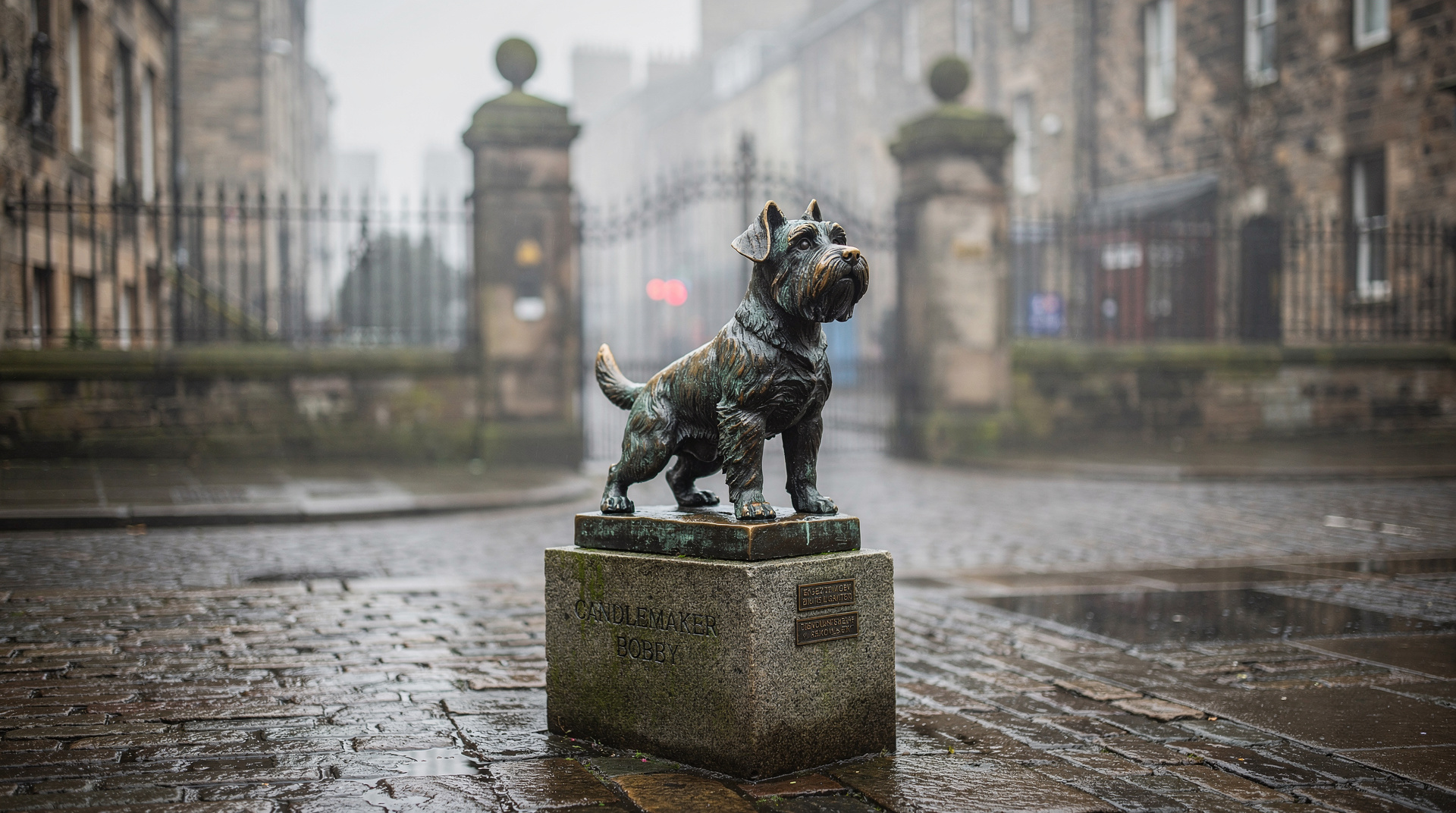
The Greyfriars Bobby and bodysnatchers guide provides the essential context for the body-snatching history that runs through the vaults story — Burke and Hare operated in this neighbourhood, and understanding that context makes the vaults considerably more interesting.
The vaults in Edinburgh’s broader dark tourism context
The South Bridge vaults are the anchor of Edinburgh’s dark tourism circuit, but they work best when understood in relation to the other sites that together tell the story of the city’s underground history. Mary King’s Close, a fifteen-minute walk away, provides the medieval street layer — sealed off in the 1750s and preserved as a record of seventeenth-century Edinburgh life. The two sites together cover nearly three centuries of the same story: how Edinburgh dealt with the poor, the marginal, and the dead.
Greyfriars Kirkyard, five minutes from the vaults entrance, provides the bodysnatching context — the iron mortsafes visible in the graveyard were installed in the same decade that the vaults were in their most active use as slum housing. The haunted Edinburgh map sets all of these sites in their geographic context.
For visitors with two days in Edinburgh, the dark and haunted Edinburgh two-day itinerary sequences the vaults, Mary King’s Close, Greyfriars, and the ghost walking tours into a coherent programme. This is the best way to absorb the full weight of Edinburgh’s dark history rather than consuming a single attraction in isolation.
Combining a vaults visit with a Cowgate evening
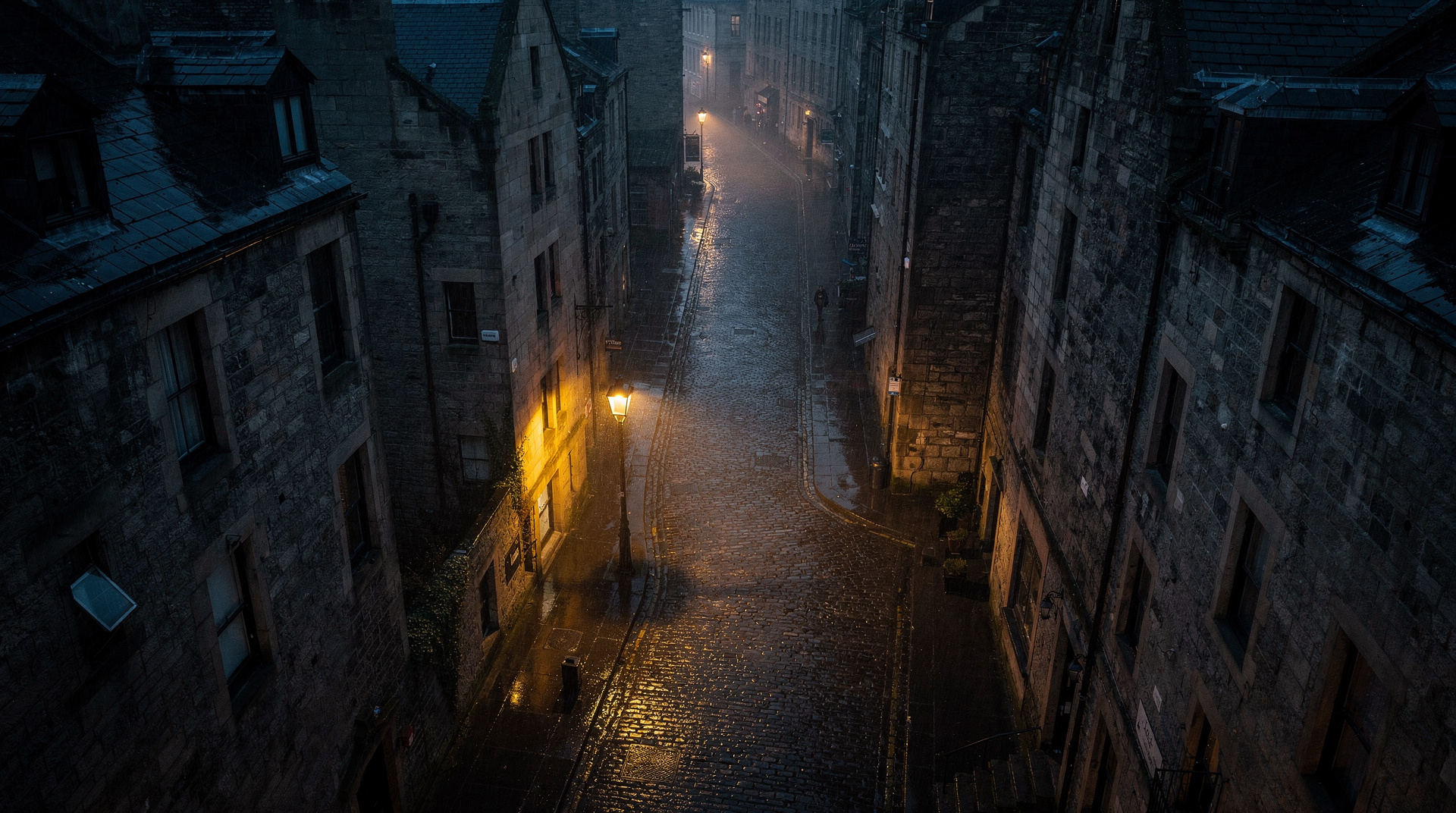
The vaults entrance on Niddry Street sits right in the middle of Edinburgh’s late-night Cowgate district, which makes an evening ghost tour a natural pairing with dinner and drinks in the same area. Arriving early for dinner in the Grassmarket or Cowgate before a scheduled evening tour avoids the rush, and the pubs and bars nearby are a sensible place to process the experience afterwards — particularly after the late-night terror tour, which some visitors find more unsettling than expected.
The Edinburgh pub crawl guide covers the same streets if you want to extend the evening, and the best pubs guide has quieter options if you would rather unwind than crawl.
Group, family, and private bookings
Most vaults operators offer both scheduled group tours and private bookings for larger parties or those wanting a more personalised pace. Private tours cost significantly more per person but allow flexibility on timing and depth of content — worth considering for a special occasion or a group with mixed interest levels (some wanting the full history, others wanting to move faster). Family groups with children under the minimum age for the evening tours should stick to the daytime Mercat Tours option, which welcomes children from around age ten.
School and educational groups can often arrange bespoke historical content focused on the social history angle rather than the ghost stories — worth asking about directly with the operator if this applies to you. Ask about group discounts too; several operators reduce the per-person price for parties of eight or more on the daytime tour, which is worth factoring in if you are travelling with an extended family or a larger group of friends.
The vaults and Edinburgh’s history of poverty
The slum conditions in the South Bridge vaults were not unusual for Edinburgh in the late eighteenth century — they were typical. The city’s medieval street pattern, built before any concept of urban planning, had produced a densely overcrowded environment where multiple families shared single rooms and sanitation was essentially nonexistent. The Edinburgh of the early nineteenth century had mortality rates comparable to contemporary London despite being much smaller, driven by the same combination of overcrowding, contaminated water, and inadequate food that characterised industrial-era urban poverty across Britain.
The vaults were significant not because they were particularly worse than other housing but because they were literally underground — the lowest possible position in an already vertical city. Understanding that context changes how you hear the guides’ descriptions of the families who lived in these chambers. They were not eccentrics or outcasts who chose to live underground; they were people who had no better option in one of Europe’s most overcrowded cities.
The contrast with the Edinburgh being built in the same period is stark. The New Town, under construction from 1766 with James Craig’s elegant Georgian grid, was creating some of Europe’s finest urban housing less than half a mile from the vaults. Edinburgh at the turn of the nineteenth century was simultaneously building luxury housing for the wealthy and allowing the poorest citizens to inhabit underground chambers without light, ventilation, or sanitation. The vaults are, in this light, not just a spooky attraction but a record of how profoundly Edinburgh’s social geography was divided by wealth.
Photography and the vaults
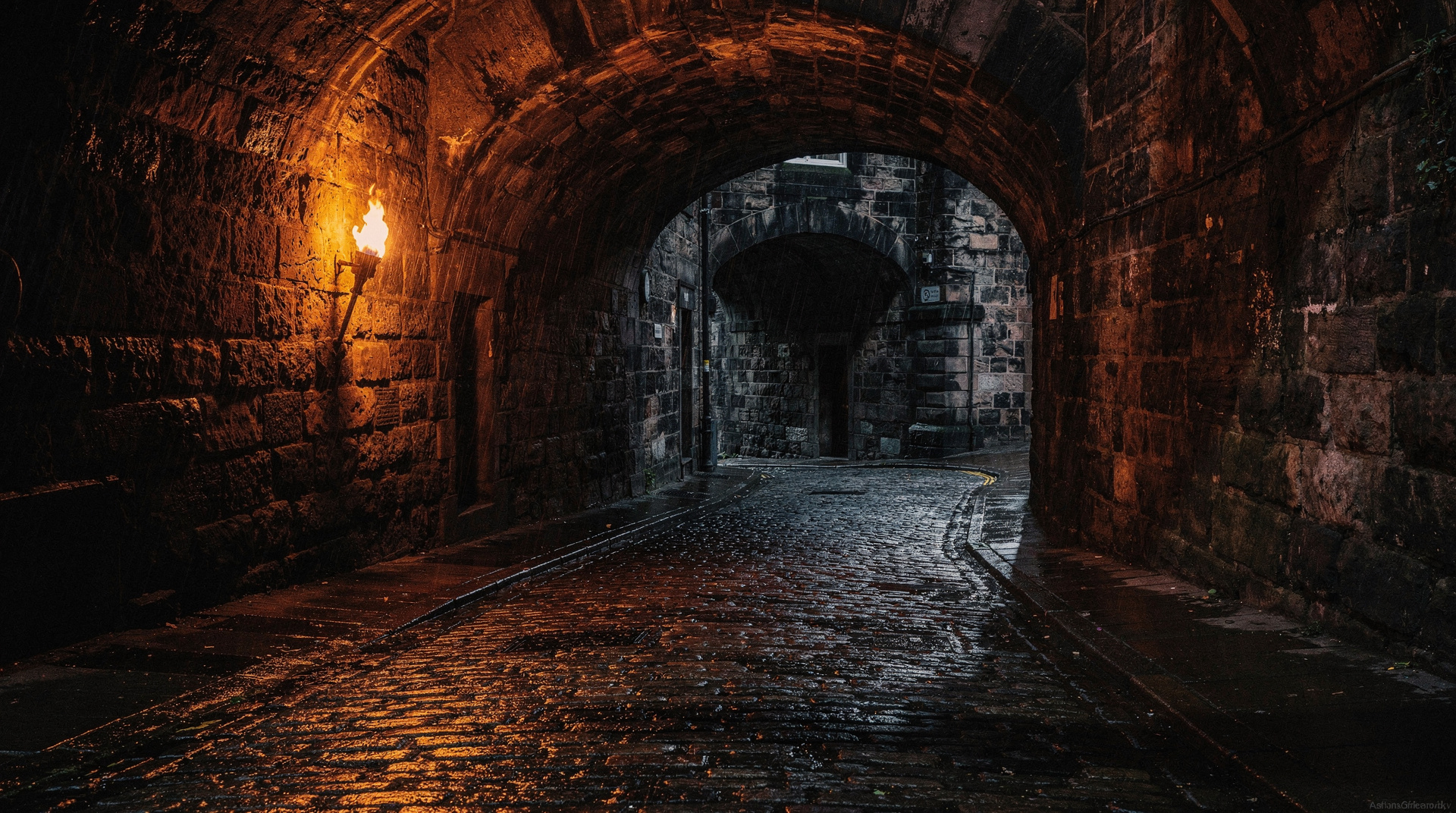
Photography in the vaults is a specific challenge worth planning for. The spaces are very dark — lit primarily by torch-light on most tours — and the combination of low light and irregular stone surfaces requires either a camera that handles high ISO well or acceptance that your photographs will be atmospheric rather than technically perfect. Most modern phone cameras in night mode can capture reasonable images in the vaults; a proper camera with a fast lens or image stabilisation performs significantly better.
Some of the most interesting photography opportunities in the vaults are the textures of the stone walls themselves — years of accumulated damp, irregular stonework, and the evidence of various periods of use and neglect create surfaces that photograph particularly well in low light. The guide’s torch, when positioned correctly, creates dramatic raking light effects across the uneven stone.
Flash photography is permitted on most tours but the results are usually flat and uninteresting — the atmospheric quality of the vaults comes entirely from the lighting conditions. Embrace the darkness rather than trying to fight it.
Seasonal considerations for a vaults visit
The vaults maintain the same underground temperature year-round, so unlike most Edinburgh attractions, the season affects your experience less directly — but it does affect booking pressure and the atmosphere above ground before and after your tour. Summer (June-August) and especially August’s Fringe festival bring the highest demand, longer queues at popular entrances, and the need to book well ahead; the Cowgate above ground is also at its most crowded and lively during these months, which some visitors enjoy as part of the evening and others find overwhelming before a tour intended to be atmospheric and quiet underground.
Winter visits have more availability and a quieter, more contemplative feel both underground and in the streets around Niddry Street beforehand, which several regular visitors consider the better overall experience despite the colder walk to and from the entrance.
Getting the most from your visit
The single most useful preparation for a vaults visit is some background reading. The social history of Edinburgh in the eighteenth and nineteenth centuries, the bodysnatching epidemic, and the specific circumstances of the South Bridge vaults’ history will make your guide’s commentary significantly more meaningful. The Old Town history guide provides the essential context in manageable form.
Arrive five to ten minutes early to allow time to find the correct entrance and check in. The Mercat Tours entrance on Niddry Street is not the most obvious location — it is in a courtyard off the Cowgate rather than on the main street. If you are booking an evening tour and walking through the Cowgate area after dark, the best pubs guide has useful suggestions for pre-tour drinks in the Cowgate/Grassmarket area.
What the vaults tell us about Edinburgh’s social history
Beyond the ghost stories and the atmospheric staging, the South Bridge vaults are a genuinely important archaeological and historical site. They preserve evidence of how the urban poor lived in early nineteenth-century Edinburgh that exists almost nowhere else — in most cities, buildings in that condition would have been demolished or so thoroughly redeveloped that the original fabric is lost.
Edinburgh’s willingness to preserve these spaces and make them accessible, rather than simply incorporating them into basement storage for the buildings above, says something useful about the city’s relationship with its own difficult history. The vaults are not sanitised heritage; they are presented as the grim, damp, occasionally violent spaces they were, and that honesty is part of what makes them worth visiting.
The Old Town history guide puts the vaults in their broader context — the closes, tenements, and underground passages that made Edinburgh’s medieval and early modern city one of the most densely populated and vertically structured in Europe. If you want to understand what you are seeing in the vaults, an hour with that guide before your tour will make the experience significantly richer.
Frequently asked questions about Edinburgh’s underground vaults
Are the underground vaults suitable for children?
It depends on the child and the tour. The daytime historical tour is suitable for children aged ten and over who have an interest in history and can handle confined spaces. The late-night terror tour is not suitable for under-16s and is genuinely frightening — it is explicitly designed to scare adults. The whisky tour is adults-only due to the alcohol component. If you are visiting with children, book the daytime Mercat Tours option and check with the operator about their minimum age policy.
How long do the tours last?
Most tours run between 60 and 90 minutes. The daytime historical tour is typically 75 minutes; the evening ghost tours run 60-90 minutes depending on the format. The late-night terror tour is around 90 minutes. Factor in time to find the meeting point and check in — arrive at least 10 minutes before the tour start time.
Is it genuinely scary?
The daytime historical tour is atmospheric but not frightening. The evening ghost tours are designed to generate tension and most people find them at least mildly unsettling. The late-night terror tour is genuinely frightening, with professional actors and staged jump scares. If you are claustrophobic or genuinely scared of the dark, the evening tours may not be the right choice — the daytime historical option gives you the experience without the deliberate scare elements.
What is the difference between the South Bridge vaults and Mary King’s Close?
The South Bridge vaults are spaces beneath the South Bridge arches that were used as slum housing in the eighteenth and nineteenth centuries. Mary King’s Close is a network of sealed-off medieval streets beneath the Royal Mile that were closed off in the seventeenth century and built over. Both are underground Edinburgh experiences, but the vaults feel more raw and atmospheric, while Mary King’s Close is more polished and museum-like. Both are worth visiting if dark tourism is your interest.
Do I need to book in advance?
For evening tours in summer (June through September), especially at weekends, yes — often by several days. The daytime tours are less pressured but can still sell out in August during the Fringe. In winter, same-day booking is usually possible for most tours, though calling ahead to check availability is always sensible.
Can you visit the vaults without a tour?
No. The vaults are not accessible independently — entry is only available through authorised tour operators. This is partly for safety reasons (the passages require guide knowledge to navigate safely) and partly because the vaults are on private property. There is no self-guided option.
Are there any free alternatives?
The vaults themselves require a paid tour. However, much of the exterior South Bridge architecture is free to explore — the Cowgate beneath the bridge, and the closes and wynds of the Old Town, give a flavour of the cramped medieval urban environment without any admission charge. The haunted Edinburgh map includes several free dark tourism sites, and some ghost walking tours operate on a pay-what-you-like model for the outdoor portions.
Which vaults tour is best for a first visit?
The Mercat Tours daytime historical tour is the best starting point for most first-time visitors — it gives the historical grounding that makes any later evening tour more meaningful, and it is suitable for a wider range of ages and comfort levels than the night tours.
Are the vaults worth it if I’m also doing Mary King’s Close?
Yes, but consider spacing them across your trip rather than doing both on the same day — the themes overlap enough that back-to-back visits can feel repetitive. See the comparison above for how the two experiences differ.
Top experiences
Bookable activities with verified prices and instant confirmation on GetYourGuide.