Stirling
Stirling from Edinburgh: castle, Wallace Monument, Old Town, Bannockburn — honest guide to Scotland's most historically dense city, just 1 hour away.
Edinburgh: Stirling Castle, Loch Lomond & whisky tour
Quick facts
- Best time to visit
- April–October; June and September are ideal
- Days needed
- 1 day
- Getting there from Edinburgh
- ~1 hour by train (Stirling station), or car via M9
- Budget per day
- £50–£90; guided day tour from £25
Why Stirling earns a full day from Edinburgh
Stirling is the most underrated city in Scotland for visitors based in Edinburgh. It sits just one hour away by train, holds a castle that can genuinely rival Edinburgh Castle in historical significance, and offers enough to fill a comfortable day without the crowds that blight the Royal Mile in summer. If your interest is Scottish history — the Wars of Independence, Mary Queen of Scots, the medieval monarchy — Stirling is not optional. It is essential.
The city owes its importance to geography. Stirling sits at the narrowest crossing point of the River Forth before it widens into the estuary, which means that for centuries, anyone wanting to move armies or goods between the Lowlands and the Highlands had to pass through or near Stirling. That strategic position explains why the castle became a royal residence, why two of the most decisive battles in Scottish history were fought within a few miles of the city centre, and why the Wallace Monument was built on the summit of Abbey Craig to overlook the entire surrounding plain.
This guide covers everything you need for an honest, well-planned day trip: how to get there, what to see in which order, where to eat, how to combine Stirling with Loch Lomond or other Central Scotland highlights, and whether a guided tour adds value on this route.
| Where | Central Scotland, ~1hr from Edinburgh |
| Time needed | Full day |
| Cost | £50-90 self-guided; guided day tour from £25 |
| Getting there | ~1hr by train, or ~45min by car via M9 |
| Best time | April-October; June and September ideal |
Getting from Edinburgh to Stirling
By train, Stirling is about 55 minutes to 1 hour 10 minutes from Edinburgh Waverley, depending on whether the service is direct or stops at Falkirk High. ScotRail runs frequent services throughout the day; a standard return ticket costs roughly £12–£18 depending on when you book. The station is walkable to the city centre and to the castle esplanade (about 15 minutes on foot, with a noticeable uphill section at the end).
By car, the M9 motorway from Edinburgh takes about 45 minutes in normal traffic. Parking in Stirling city centre is available near the castle at Dumbarton Road — allow £4–£6 for a full day. The advantage of the car becomes clear if you plan to visit the Bannockburn battlefield (about 2 miles south of the city) or if you are continuing to Loch Lomond or the Trossachs after Stirling.
If you are joining an organised day tour from Edinburgh, most depart from the city centre between 8am and 9am and include Stirling as part of a wider itinerary combining Loch Lomond and often a whisky distillery stop. The Stirling Castle, Loch Lomond and whisky tour is the most popular single-day route from Edinburgh covering all three, with commentary from a local guide that adds considerable depth to the castle visit.
Stirling Castle
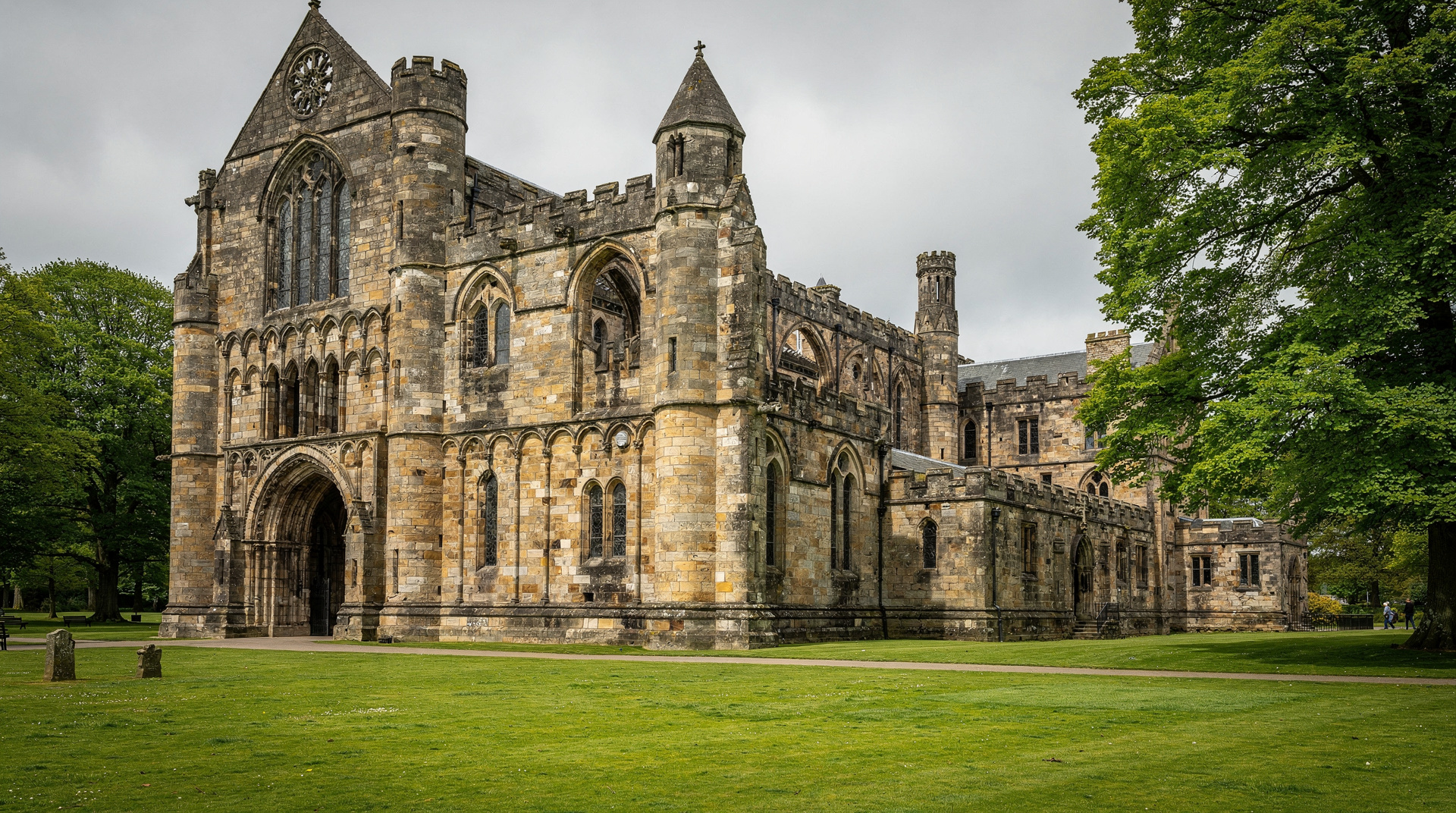
Stirling Castle is the principal reason most people visit, and it justifies the journey entirely. Built on a volcanic plug above the city — the same geological formation that underlies Edinburgh Castle, Arthur’s Seat, and several other landmarks along the ancient Midland Valley — it served as the seat of the Scottish royal court throughout much of the fifteenth and sixteenth centuries. Mary Queen of Scots was crowned here as an infant in 1543; James IV and James V both spent significant time in residence. The Great Hall and the Royal Palace are the two highlights architecturally and the two spaces that most reward time.
Entry in 2026 costs £18.50 for adults (Historic Environment Scotland; under-7s free, concessions available). Joining a Loch Lomond, Trossachs NP and Stirling Castle tour from Edinburgh typically includes entry in the ticket price, which makes the tour option good value once travel is factored in.
The Great Hall dates from the reign of James IV (completed c.1503) and is the largest medieval banqueting hall in Scotland. It was restored and reopened in 1999 with its original hammerbeam ceiling reconstructed — the vivid golden-yellow lime harling on the exterior is historically accurate but surprises visitors who expect grey stone. The Royal Palace, built under James V, contains extraordinary carved oak medallions known as the Stirling Heads — portrait roundels of European monarchs, mythological figures, and courtiers that were rediscovered, restored, and are now displayed in a dedicated room. These alone are worth the entry price.
Allow a minimum of 90 minutes inside the castle, two hours if the Royal Palace and the Great Hall interest you. The views from the battlements over the Carse of Stirling — the flat Forth floodplain stretching west towards the Highlands — are among the finest panoramic views in Central Scotland. On a clear day you can see Ben Lomond to the northwest.
The castle esplanade and Old Town
The esplanade in front of the castle is free to access and gives the same dramatic view of the volcanic rock. Below it, Stirling’s Old Town — specifically the Upper Town around Broad Street and St John Street — is worth thirty minutes of walking. The Church of the Holy Rude, where James VI was crowned in 1567 and John Knox preached, is still used for services and is one of the few medieval churches in Scotland still with its original roof; entry is free or by donation.
Mar’s Wark, a roofless sixteenth-century palace ruin on the approach to the castle, is atmospheric. Argyll’s Lodging, a seventeenth-century town house, is operated by Historic Environment Scotland and worth visiting if the castle ticket does not exhaust your appetite for indoor heritage.
The Wallace Monument
The National Wallace Monument, a Victorian tower built between 1861 and 1869 on the summit of Abbey Craig, is about a mile from the city centre — walkable if you are fit, or a short bus or taxi ride. The monument commemorates William Wallace, the military leader who defeated the English army at the Battle of Stirling Bridge in 1297, and who was executed in London in 1305 after capture. The interior contains Wallace’s actual two-handed broadsword — one of the genuine relics of medieval Scotland — and the climb to the crown of the tower rewards with panoramic views over the same battlefield.
Entry costs £14 for adults in 2026. The uphill approach through woodland is pleasant in good weather. The monument is busier in summer than the castle and often has school groups; mid-morning or mid-afternoon tends to be quieter. If time is limited and you have to choose between the Monument and Bannockburn, the Monument gives the better visual experience; Bannockburn is more thoughtful and contextual.
Bannockburn
The Battle of Bannockburn in 1314 — where Robert the Bruce’s Scottish army defeated Edward II’s much larger English force — is the battle that secured Scottish independence for the next three centuries and is embedded in Scottish national identity in a way that few historical events in any European country can match. The National Trust for Scotland’s Bannockburn Heritage Centre is closed for renovation and is due to reopen in mid-2028; the monuments and the battle site remain open to the public (see the National Trust for Scotland website for details).
The site is about 2 miles south of Stirling city centre — manageable on foot if you are determined, but a bus (First Bus routes run regularly) or taxi (about £7-8) is sensible. If you are self-driving, the car park is free. The battle site itself is largely agricultural land.
Combining Stirling with other day-trip destinations
Stirling sits at the junction of several excellent day-trip routes from Edinburgh, which makes it a natural hub for combining destinations.
Stirling and Loch Lomond: The loch is about 35 minutes west of Stirling by car on the A811 and A82. This is the most natural pairing for a day from Edinburgh, and several organised tours cover both. The Monarchs, Mountains and Malt day tour combines Stirling Castle, the Highland lochs, and a whisky tasting in one structured itinerary. The combination works well because the castle gives the morning’s cultural weight and the loch gives the afternoon’s scenery.
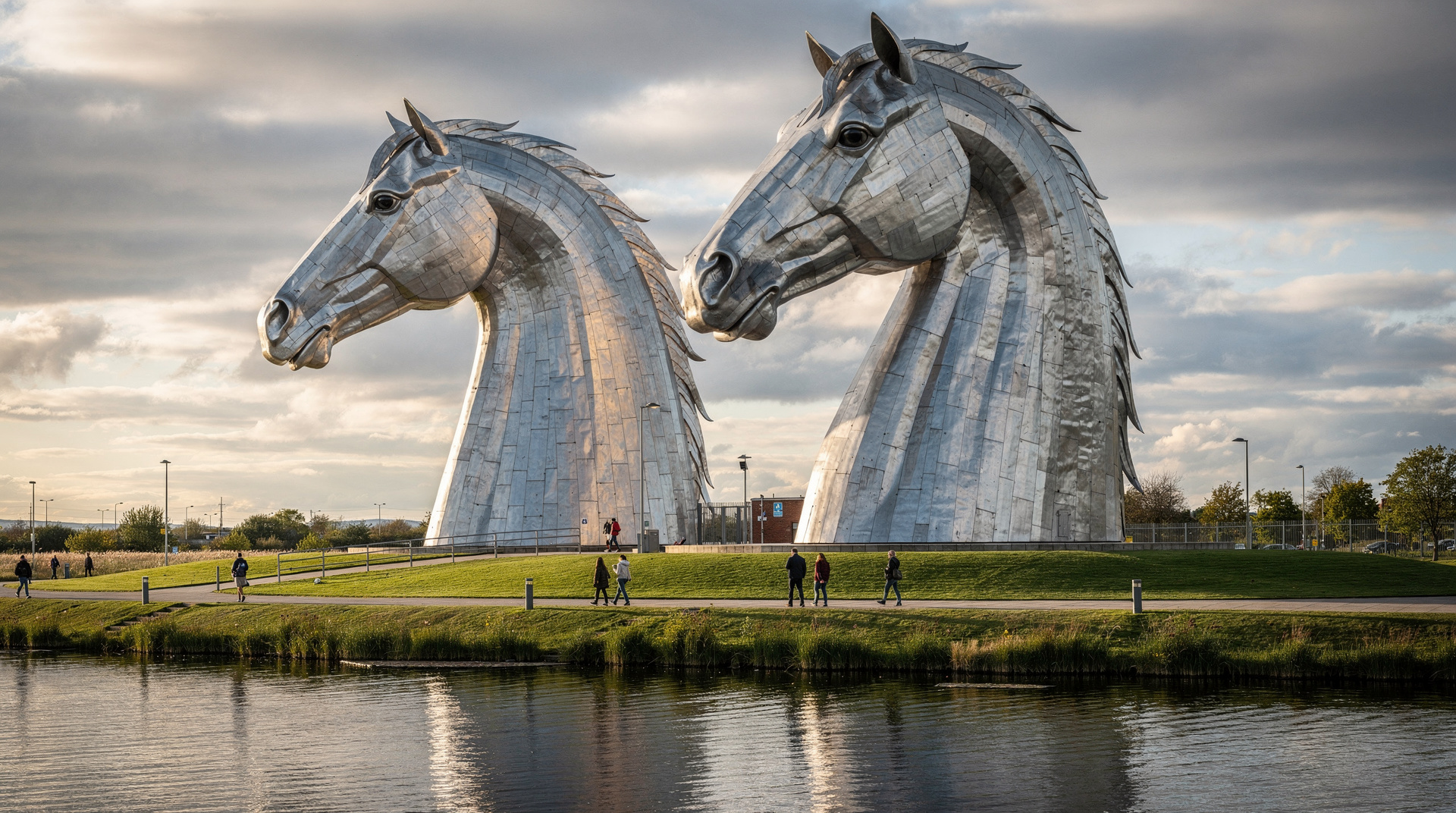
Stirling and the Kelpies: The Kelpies — the two 30-metre horse-head steel sculptures near Falkirk — are about 15 minutes east of Stirling on the M9. They can be added onto a Stirling day with minimal extra time. See the Falkirk and Kelpies guide for what to expect.
Stirling as a gateway to the Highlands: If you are self-driving north towards Loch Lomond, Glencoe, or the Cairngorms, Stirling makes a natural first stop. The castle is best visited early (open from 9.30am); from there you can continue north without backtracking. The drive from Stirling to Loch Lomond’s eastern shore at Balmaha takes about 30 minutes; to Glencoe about 90 minutes; to the Cairngorms about 1.5 hours.
For a detailed exploration of what lies west of Stirling, see the Loch Lomond and Trossachs guide.
Guided tour vs self-drive: the Stirling calculation
Unlike Glencoe or Loch Ness — where the distances from Edinburgh are significant and the self-drive navigation is demanding — Stirling is accessible enough by public transport that a guided tour is not the obvious default. The train from Waverley is straightforward, regular, and drops you close to the Old Town. Visitors who want to move at their own pace, spend more time in the Great Hall, or skip the Wallace Monument entirely in favour of Bannockburn can do so freely by train.
A guided day tour from Edinburgh makes more sense if: you want to combine Stirling with Loch Lomond or a whisky distillery in a single day (driving between them independently requires a car or significant public transport complexity), if you prefer the contextual commentary a good guide provides, or if you are travelling in a group and the combined cost of train tickets and car hire tips the balance.
The Stirling day trip guide covers the full logistics in detail — train times, walking routes between the castle, monument and Bannockburn, and recommended timings for each site.
Guided tour vs self-drive/train, at a glance
| Train + walk | Self-drive | Guided day tour | |
|---|---|---|---|
| Cost | Cheapest for solo travellers | Best value for groups/families | From £25pp, often incl. entry |
| Combines easily with Loch Lomond | No (needs a car) | Yes | Yes, in one seamless day |
| Flexibility | High | Highest | Fixed schedule |
| Best for | Castle-only visits | Adding Bannockburn/Kelpies | No car, want commentary |
Stirling for families
Stirling works well for families travelling with children who might find a full day in the Old Town’s crowds tiring. Stirling Castle’s Great Hall and the Stirling Heads room engage children well, and Historic Environment Scotland runs family activity trails and costumed interpretation during school holidays. The Wallace Monument’s climb — 246 steps in a narrow spiral stair — is an adventure in itself for children old enough to manage it comfortably, and the sword on display is a reliable highlight.
Allow extra time throughout, and note that none of the three main sites has a lift, so buggies are only practical for the ground-floor areas.
Cambuskenneth Abbey and the Old Bridge
Two lesser-visited sites round out Stirling’s medieval history for anyone with an extra hour. Cambuskenneth Abbey, across the River Forth about a mile from the castle, was once one of Scotland’s most important Augustinian abbeys — Robert the Bruce held a parliament here in 1326, and James III and his queen are buried on the site. Almost nothing survives above ground except the free-standing bell tower, one of only three such medieval towers left in Scotland, but the setting on a bend of the Forth is quiet and atmospheric, and entry to the grounds is free.
The Old Stirling Bridge, a stone bridge dating from around 1500, stands a short walk north of the town centre near the site of the original wooden bridge where William Wallace’s forces defeated the English army at the Battle of Stirling Bridge in 1297 — the victory the Wallace Monument commemorates. The current stone bridge postdates the battle by two centuries, but standing on it, looking across the flat carse where the fighting took place, gives useful context that the Wallace Monument’s summit view does not quite provide on its own.
Where to eat in Stirling
Stirling’s eating options are concentrated around the Port Street and King Street area in the lower town, and the Bow Street pedestrian precinct. For lunch, Brea on Baker Street is a reliable local cafe with good Scottish-sourced food at reasonable prices. The Hermann’s Restaurant on Broad Street (Austrian-influenced) has been a local institution for years and is worth booking ahead for dinner if you are staying into the evening. The cafes attached to the castle and the Wallace Monument serve adequate but unremarkable food — the castle cafe is fine for coffee and a snack between sights, but not a destination for lunch.
For a quick and honest meal, Stirling has a better-than-average selection of independent options compared to what you find in heavily touristified Old Towns. Broad Street, near the castle, has a few characterful spots. Budget for £12–£18 per person for a solid lunch with a drink.
Practical information for 2026
Opening times: Stirling Castle opens at 9.30am year-round; last entry is at 5pm in summer (April–September) and 4pm October–March. The Wallace Monument opens at 9:30am from April to October (10am from November to March). The Bannockburn Heritage Centre is closed for renovation until mid-2028.
Crowds: Stirling is significantly less crowded than Edinburgh Castle, which is one of its major advantages. July and August bring the busiest periods — a summer Saturday can see the castle esplanade busy with coach groups — but the interiors rarely feel as overwhelmed as the equivalent Edinburgh sites.
Weather: Stirling sits in a valley where mist and low cloud are common in spring and autumn. The battlements at the castle and the top of the Wallace Monument both fully exposed to wind — bring a layer regardless of the Edinburgh forecast.
UK ETA: Visitors who need a UK Electronic Travel Authorisation for entry to Britain should ensure it is arranged before travel. See the UK ETA guide for details.
Currency: Everything costs British pounds sterling (£). See the Edinburgh currency guide for payment practicalities.
Fitting Stirling into your Edinburgh itinerary
A Stirling day trip works best placed on day two or three of a longer Edinburgh stay, after you have covered the city itself. The natural pairing with Loch Lomond makes it an excellent introduction to both Central Scotland and the start of the Highland landscape. For those doing a broader Scotland circuit, Stirling sits naturally on the route from Edinburgh towards Glasgow, Loch Lomond, and eventually the west coast.
The Edinburgh and Highlands five-day itinerary uses Stirling as a full day-two destination before continuing north. The three-day Edinburgh itinerary suggests Stirling or Rosslyn Chapel as the day-three excursion depending on your interests.
For the comparison of Edinburgh Castle versus Stirling Castle — a question that many first-time visitors have — see the Edinburgh Castle vs Stirling Castle guide.
Frequently asked questions about Stirling
How long does it take to get from Edinburgh to Stirling?
By train from Edinburgh Waverley, Stirling is approximately 55 minutes to 1 hour 10 minutes depending on the service. Trains run regularly throughout the day. By car via the M9 motorway, the journey takes 45–55 minutes in normal traffic. A guided day tour from Edinburgh typically departs around 8am and arrives at Stirling around 9.15am.
Is Stirling Castle worth visiting if you have already seen Edinburgh Castle?
Yes — and it is a genuine surprise for many visitors. Stirling Castle’s Great Hall and Royal Palace are architecturally more complete and better preserved than their equivalents in Edinburgh, and the historical significance is equally deep. The Stirling Heads collection alone (unique sixteenth-century carved oak medallions) justifies the visit. The views from the battlements are also different in character, looking out over a flat agricultural plain rather than a city, which gives a clearer sense of medieval strategic geography.
Can you do Stirling as a half-day trip from Edinburgh?
In theory yes — the train and castle visit alone can be done in about four to five hours including travel time. But Stirling rewards a full day if you plan to visit both the castle and the Wallace Monument, and even more so if you add Bannockburn. A half-day works if Stirling is the morning stop before continuing to Loch Lomond or another destination in the afternoon.
What is the best way to get from Edinburgh to Stirling without a car?
Train from Edinburgh Waverley is the most practical option — direct services are frequent, affordable, and leave you 15 minutes’ walk from the castle. An organised day tour from Edinburgh handles all transport and typically includes entry tickets. Buses also run from Edinburgh to Stirling (roughly 1.5 hours), but the train is faster and more straightforward.
What is the Bannockburn battle about and is it worth visiting?
The Battle of Bannockburn in June 1314 was the decisive engagement of the First War of Scottish Independence, in which Robert the Bruce’s army defeated a substantially larger English force sent to relieve Stirling Castle. The victory secured de facto Scottish independence and led eventually to the Treaty of Edinburgh-Northampton in 1328. The National Trust for Scotland heritage centre is closed for renovation until mid-2028, but the monuments and battle site remain open. It is worth visiting if Scottish history engages you; less essential if you are primarily interested in architecture and scenery.
Are there any good walks around Stirling?
The most popular walk is up Abbey Craig to the Wallace Monument through mixed woodland — about 20 minutes from the car park at the base. The Old Town of Stirling itself is pleasant on foot, with the route from the station up through the medieval streets to the castle esplanade taking you past several significant buildings. The Kings Knot, a formal garden earthwork below the castle walls, is an unusual and photogenic feature worth a detour. For more serious walking, the Ochil Hills to the east of Stirling offer good hill walking accessible by bus.
Can I combine Stirling with Loch Lomond in a single day from Edinburgh?
Yes, this is a well-established and comfortable combination. By organised tour, both destinations are covered in a single day departing Edinburgh in the morning and returning by early evening. By car, driving from Edinburgh to Stirling (castle visit, two hours), then west to Loch Lomond for the afternoon (Loch Lomond’s eastern shore is about 35 minutes from Stirling), then back to Edinburgh (about 1.5 hours from Loch Lomond) is manageable if you leave by 9am. See the Loch Lomond and Trossachs guide and the Loch Lomond day trip guide for details.
Is Cambuskenneth Abbey worth the detour?
If you have an extra hour and enjoy quieter historical sites, yes. It is free, a short walk across the Forth from the castle, and has genuine royal history (Robert the Bruce’s 1326 parliament, royal burials), though almost nothing survives above ground except the bell tower. It suits visitors who have already seen the main castle sights and want somewhere less busy rather than first-time visitors on a tight schedule.
Top experiences
Bookable activities with verified prices and instant confirmation on GetYourGuide.

Edinburgh: Stirling Castle, Loch Lomond & whisky tour
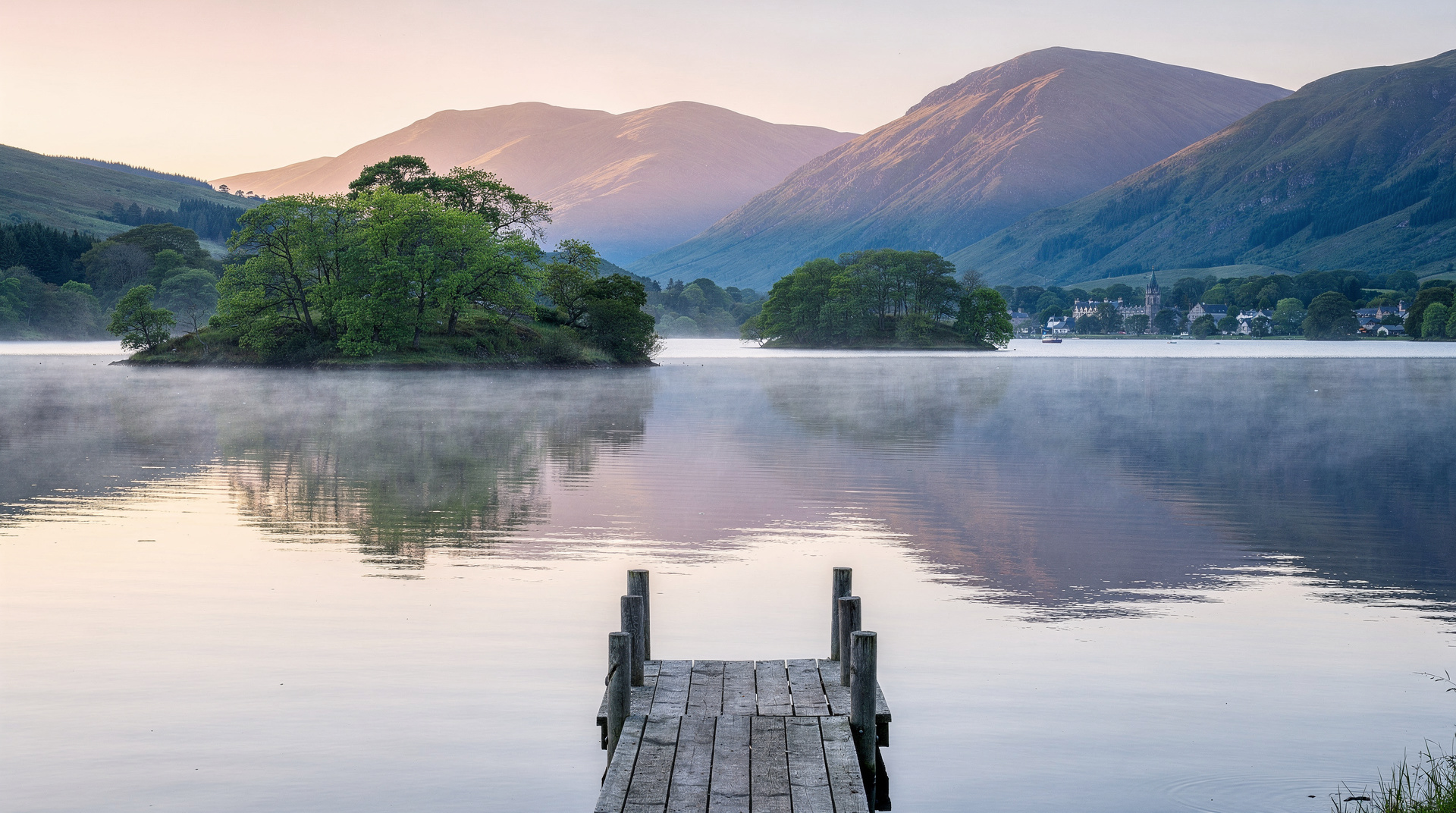
Edinburgh: Loch Lomond, Trossachs NP & Stirling Castle
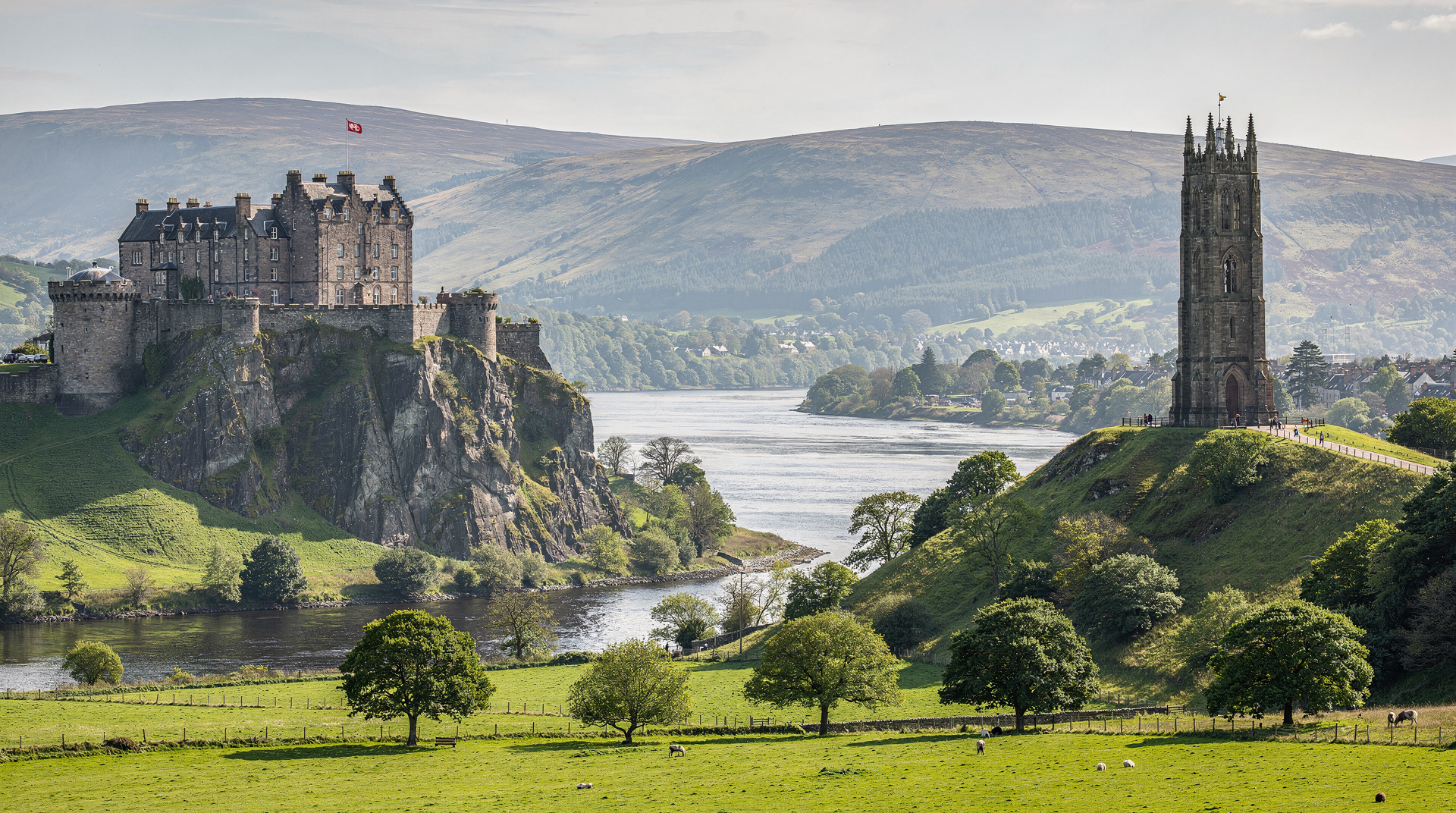
Edinburgh: Stirling Castle, Loch Lomond small-group full-day tour
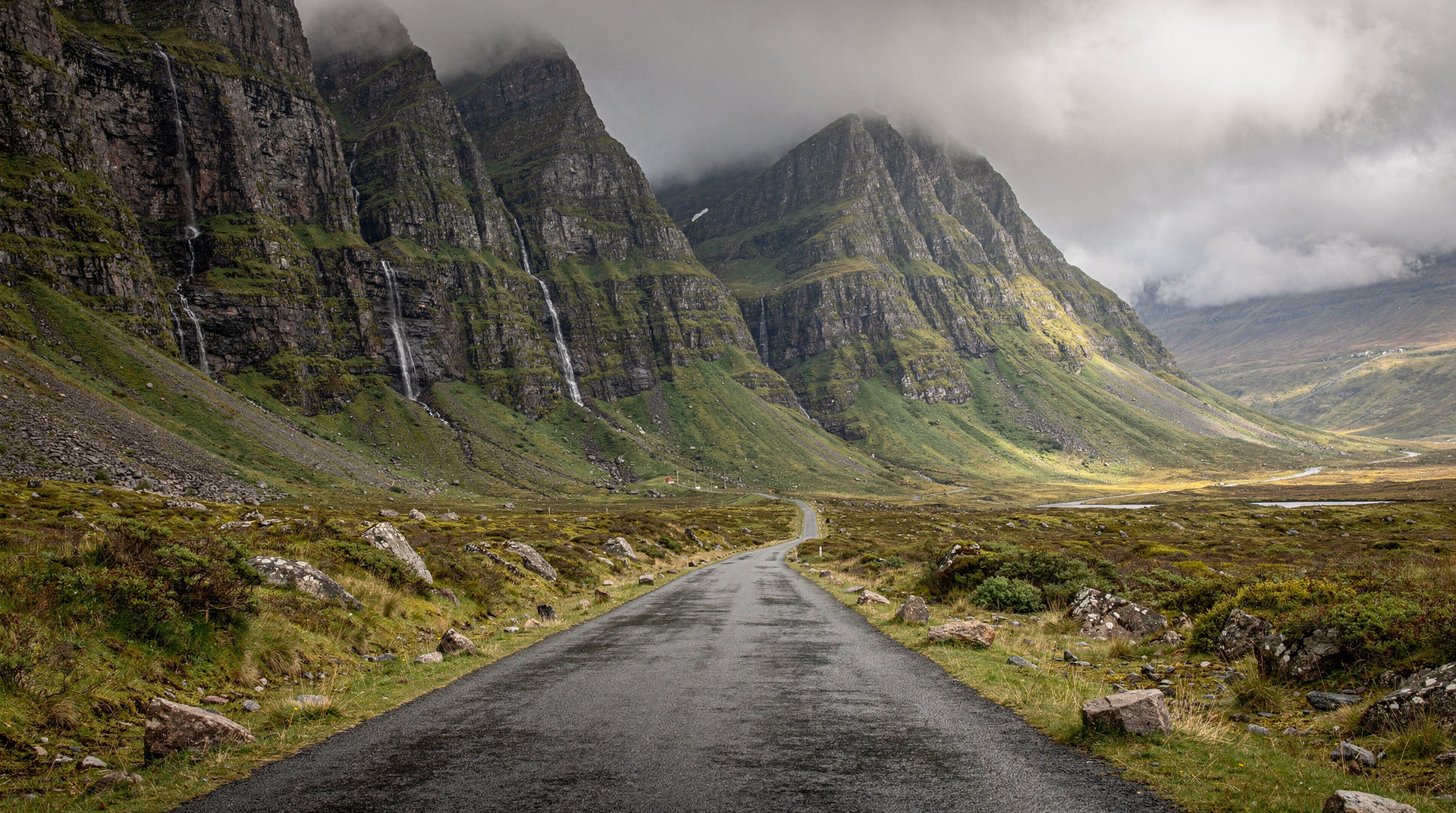
Edinburgh: Stirling Castle, Highland lochs & whisky (Monarchs, Mountains & Malt)