Edinburgh money and currency guide: pounds, cards, and cash
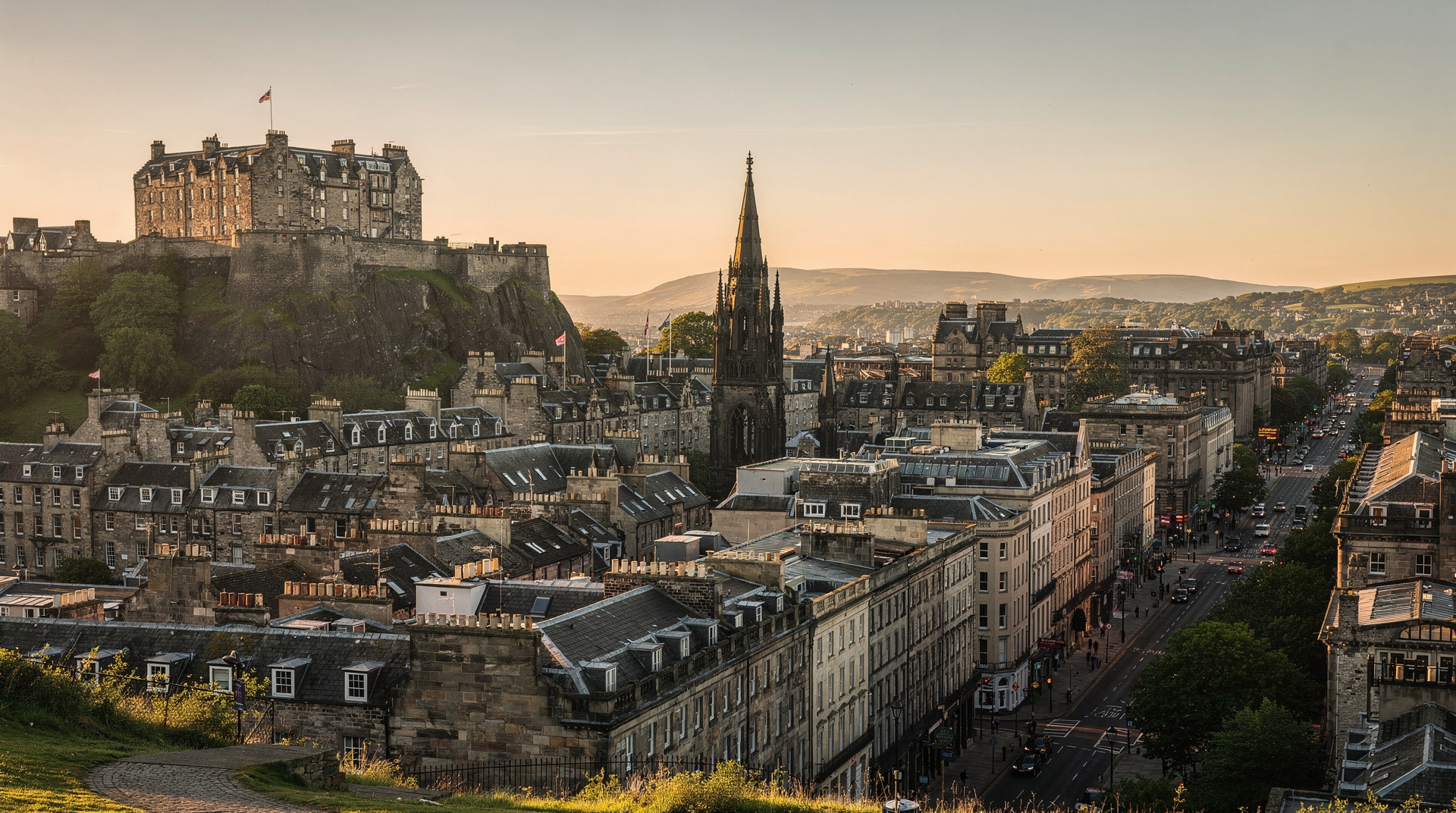
Edinburgh Castle: guided walking tour with entry ticket
What currency is used in Edinburgh?
Edinburgh uses pounds sterling (£ GBP). Euros are not accepted. Cards work almost everywhere, so most visitors need only £20-40 cash for the whole trip. Exchange rate is approximately £1 = €1.18-1.22 in 2026.
Money logistics are one of the few genuinely simple parts of an Edinburgh trip once you know the basics: pounds sterling, cards almost everywhere, and only a little cash needed. This guide covers the practical detail — exchange rates, ATMs, tipping, and what changes if you are also visiting the Highlands or crossing into Ireland.
| Currency | Pounds sterling (£ GBP) — not euros |
| Cash needed | Around £30-50 for the whole trip |
| Cards | Accepted almost everywhere, contactless standard |
| Best exchange | High street bank or post office, not the airport |
| ATM fees | Free at major bank ATMs; some independents charge ~£2 |
Edinburgh’s currency: what you need to know first
Edinburgh is in Scotland, which is in the United Kingdom. The UK is not in the European Union and does not use the euro. The currency in Edinburgh is pounds sterling (£, GBP).
This matters more than it might seem. European visitors sometimes arrive expecting euros to be accepted, particularly in tourist-heavy areas. They are not. Some hotels near the airport and large tourist attractions may display euro prices for information purposes, but payment is always in pounds. Paying in euros at any venue will be refused or will be converted at an extremely unfavourable rate.
The Scottish pound is the same currency as the English pound — one pound sterling, usable anywhere in the UK. You may receive Scottish banknotes as change (issued by Bank of Scotland, Royal Bank of Scotland, or Clydesdale Bank) — these are valid currency, though some retailers outside Scotland may be unfamiliar with them. If you receive Scottish notes and are continuing to England, spend them before you leave.
Using bank cards in Edinburgh
Card payment is near-universal in Edinburgh. Virtually every restaurant, hotel, shop, attraction, and transport service accepts Visa and Mastercard. Contactless payment (tap to pay) is the default for small transactions. American Express is accepted at most hotels and larger restaurants but refused at some smaller independent shops.
For most visitors, a bank card is all you need for the entire trip. The main situations where cash remains useful:
- Some small independent market stalls, particularly at farmers’ markets like Stockbridge Market
- Parking meters in areas outside the main car parks
- Some street performers and buskers (obviously)
- Tips in informal settings (though card tipping is increasingly normal in Edinburgh restaurants)
Most ATMs in Edinburgh are free to use if your card does not charge foreign transaction fees. ATM locations are plentiful in the city centre — Princes Street, the Royal Mile, and Waverley Station all have multiple machines.
International cards and fees
If your card charges foreign transaction fees (typically 1.5-3% per transaction) or dynamic currency conversion fees, Edinburgh costs can accumulate quickly. The standard advice applies: use a card that does not charge foreign transaction fees, and always choose to pay in pounds sterling rather than your home currency when given the option at card terminals.
Dynamic currency conversion (DCC) is when a terminal offers to charge you in your home currency rather than pounds. It always uses a worse exchange rate than your bank would apply. Always select “pay in GBP” when prompted.
Travel cards (Wise, Revolut, Starling, Monzo, and equivalents depending on your country) offer near-interbank exchange rates and no foreign transaction fees. If you are visiting from the EU, North America, or Australia, loading one of these before your trip saves meaningful money on exchange rate losses.
Getting cash: exchange and ATMs
Airport exchange: The currency exchange desks at Edinburgh Airport offer lower rates than city centre options. If you need cash immediately on arrival, take only what you need for the taxi or tram (though the tram takes cards), then exchange more in town.
City centre exchange: The best rates in Edinburgh city centre are usually at the main bank branches (Lloyds, Halifax, Bank of Scotland, RBS, TSB) or at the post offices. Some dedicated currency exchange shops on the Royal Mile and Princes Street offer competitive rates but check carefully — some post a headline rate that applies only to large exchanges.
ATMs: Most ATMs in Edinburgh dispense cash for free from your bank’s network charges (some independent ATMs in convenience stores charge £1.99 or £2 per withdrawal — the fee is displayed before you confirm). Use a major bank’s branded ATM on Princes Street or at Waverley Station for no ATM fees.
Avoid: Airport exchange desks on arrival, hotel exchange services, and the smaller independent exchange bureaux on the Royal Mile, which often have poor rates. The exchange rate difference is typically 3-7% — on a £200 exchange, that is £6-14 lost unnecessarily.
How much to budget for Edinburgh
Edinburgh’s costs in 2026 break down as follows:
Accommodation
- Hostel dorm: £20-35 per night
- Budget hotel: £70-110 per night
- Mid-range hotel: £120-200 per night
- Good hotel, city centre: £200-350 per night
- Luxury hotel: £350-600+ per night
Prices in August (festival season) are two to four times the above rates. Book early or avoid August for budget travel.
Food and drink
- Supermarket meal deal lunch: £3.50-5
- Pub lunch (main course): £10-15
- Cafe breakfast: £7-12
- Casual restaurant dinner (two courses): £20-35 per person
- Good restaurant dinner with wine: £50-80 per person
- Pint of beer or cider in a pub: £4.50-6.50
- Coffee: £3-5
The Royal Mile premium: meals on the Royal Mile typically cost 30-40% more than equivalent meals in Stockbridge, Leith, or the Southside. The Edinburgh on a budget guide explains where to eat well for less.
Attractions
- Edinburgh Castle: £23.50 adults, £11.50 children
- Palace of Holyroodhouse: approximately £22 adults
- Real Mary King’s Close: approximately £25 adults
- National Museum of Scotland: free
- Scottish National Gallery: free
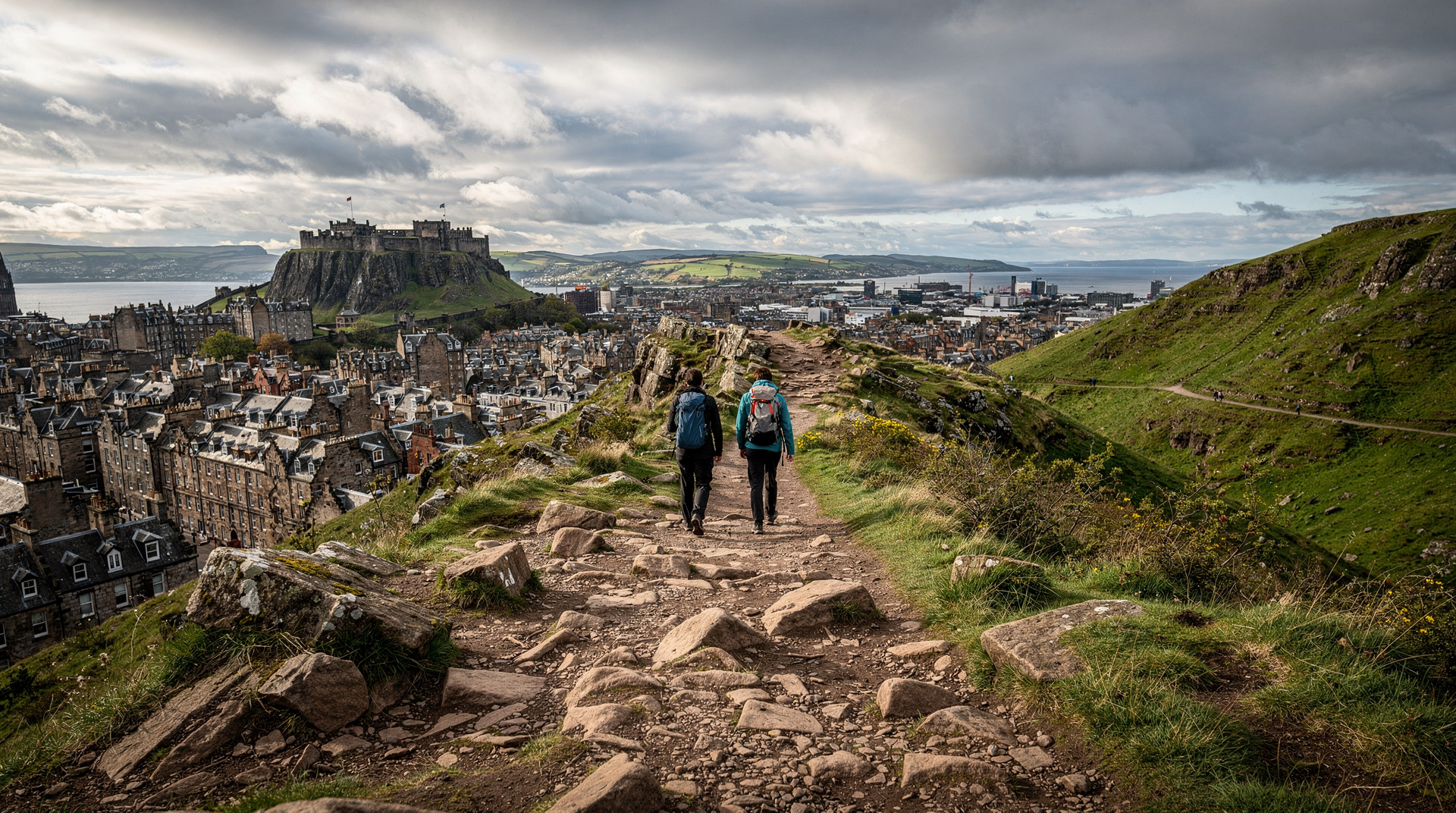
- Arthur’s Seat: free
- Calton Hill: free
Guided tours typically run £15-40 per person depending on duration and group size.
Paying the gate price is not the only way in. If you would rather settle the cost in advance, in pounds and on a card you have already checked for fees, a guided visit to the castle with entry included keeps the biggest single attraction cost out of your daily cash planning. The Edinburgh Castle guide explains what a visit involves, and the overpriced Edinburgh attractions guide helps you decide which paid sights are worth the money and which are not. For the free options, the Arthur’s Seat hiking guide and the Calton Hill page show how much of the city costs nothing at all.
Transport
- Lothian bus single fare: £2.40
- Lothian bus day ticket: £6.00
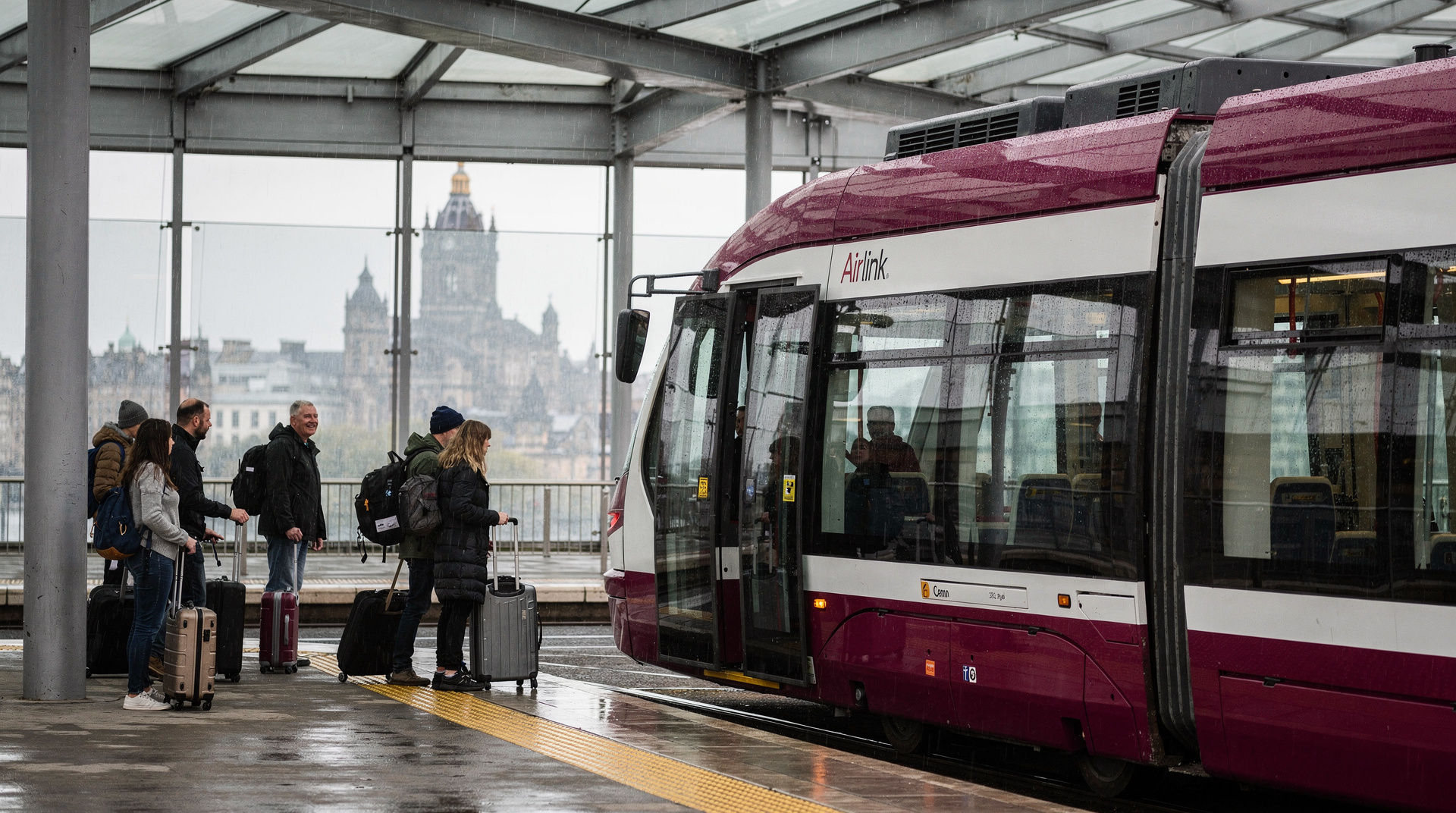
- Edinburgh tram single (airport to centre): £7.90
- Taxi from airport to city: £25-35
- Taxi within city centre: £6-12
Daily budget summary
| Style | Approximate daily spend |
|---|---|
| Backpacker (hostel, free attractions, supermarket food) | £55-75 |
| Budget (budget hotel, pub meals, one paid attraction) | £100-150 |
| Mid-range (hotel, restaurants, tours) | £160-250 |
| Comfortable (good hotel, dinner out, private tours) | £300-500+ |
Where you eat and drink shapes the food budget more than anything else. The where to eat in Edinburgh guide, the guide to Royal Mile eating traps and the best pubs in Edinburgh guide are the quickest way to spend sensibly. For getting around, the airport to city centre guide compares the options on arrival, and the Edinburgh tourist mistakes guide collects other errors that cost visitors money. If you are still shaping the trip, the best time to visit Edinburgh and the two-day budget itinerary put the figures above into a plan.
Tipping in Edinburgh
Tipping in Scotland follows UK norms, which are more modest than American customs:
Restaurants: A tip of 10% is standard for good service; 12.5% in finer establishments. Many restaurants add a discretionary service charge to the bill (often 10-12.5%) — if this is included, you do not need to tip additionally. Check the bill before adding a tip.
Pubs: It is not customary to tip in pubs when ordering at the bar. If table service is provided at a bar, a small tip is appreciated but not expected.
Taxis: Rounding up to the nearest pound, or a tip of around 10% for good service, is appreciated but not obligatory.
Hotels: Tipping hotel staff is not common practice in Scotland. If a porter helps with luggage or other exceptional service occurs, a pound or two per bag is appropriate.
Tour guides: For organised tours, a tip of £2-5 per person at the end of a good tour is a reasonable expression of appreciation. Guide-led tours often involve significant evening preparation beyond the visible tour time.
Scottish banknotes: an explanation for visitors
Scotland has three commercial banks authorised to issue their own banknotes: Bank of Scotland, Royal Bank of Scotland, and Clydesdale Bank. These notes are technically not “legal tender” in the strict legal sense anywhere in the UK (Bank of England notes are not legal tender in Scotland either, strictly speaking), but in practice they are widely accepted across the UK by convention.
If you receive Scottish £5, £10, or £20 notes as change in Edinburgh, they are perfectly valid currency. The only situation where they might cause inconvenience is in parts of England where cashiers are unfamiliar with Scottish notes and hesitate to accept them. If this concerns you, try to spend Scottish notes before leaving Scotland.
Paying for tours, attractions and day trips
Most Edinburgh tours, castle tickets, and day trips to the Highlands are booked and paid online in advance rather than in cash on the day. This is worth planning for: a card that does not charge foreign transaction fees saves money not just on daily spending but on the larger single payments for tours and attraction tickets. A Royal Mile and Old Town walking tour or a full-day Highland tour typically runs £20-75 per person, charged in pounds sterling at the point of booking — check your card’s exchange rate before confirming if you are paying in a foreign currency online.
If you are heading beyond the city, the Edinburgh to the Highlands guide and the getting around Edinburgh guide cover the transport costs in more detail — useful for building a full trip budget alongside this currency guide.
Money for day trips beyond the city
Prices outside Edinburgh follow the same currency rules but the cash situation can differ. Small cafes and independent shops in Stirling or around Loch Ness are generally just as card-friendly as Edinburgh, but rural petrol stations and some Highland car parks still expect cash or a specific payment app, and mobile signal for card machines can be unreliable in remote glens. Carrying an extra £20-30 in cash is sensible for a Highlands day trip. The Loch Ness day trip guide and the Stirling Castle day trip guide have route-specific practical notes.
Currency for nearby countries
If you are combining an Edinburgh trip with travel to Europe, be aware that your sterling cash is not useful once you leave the UK. Exchange pounds for euros at a bank before leaving Edinburgh, or use your travel card which will handle the currency conversion automatically.
If visiting Ireland after Edinburgh, note that the Republic of Ireland uses euros; Northern Ireland uses pounds sterling. The border between Northern Ireland (UK) and the Republic of Ireland is currently open with no currency exchange required at the crossing point, but you will need both currencies for spending.
Frequently asked questions about money in Edinburgh
Do they accept euros in Edinburgh?
No. Edinburgh is in Scotland, which is part of the United Kingdom outside the Eurozone. Euros are not accepted as payment in Edinburgh. Payment is always in pounds sterling (£ GBP).
Can I use my European bank card in Edinburgh without fees?
You can use any Visa or Mastercard from a European bank in Edinburgh. Whether fees apply depends on your bank — many European banks charge a foreign transaction fee of 1-3% on purchases outside the Eurozone. Some challenger banks (Revolut, N26, Wise) offer fee-free foreign card transactions. Check with your bank before travelling.
What is the best way to exchange euros to pounds for Edinburgh?
The best exchange rate is usually through a travel card (Wise, Revolut) or by withdrawing from an ATM using a card that does not charge fees. If exchanging cash, use a high street bank or post office in Edinburgh city centre rather than the airport or Royal Mile exchange bureaux.
Is Edinburgh expensive compared to other European cities?
Edinburgh is broadly comparable to Amsterdam, Copenhagen, or Stockholm in daily costs. It is more expensive than Lisbon, Prague, or Krakow. Accommodation is the largest variable — good mid-range hotels run £120-180 per night, which is competitive with comparable European capitals. Food and drink are slightly cheaper than central London.
Do Edinburgh attractions accept card payment?
Yes. All major Edinburgh attractions including Edinburgh Castle, the National Museum, Holyrood Palace, and the underground tour operators accept card payment. Booking in advance online is often slightly cheaper than paying at the door, and avoids queue time at ticket desks.
How much cash should I bring to Edinburgh?
Most visitors to Edinburgh need very little cash. A sensible amount is £30-50 for the whole trip — covering any market purchases, street performers, or situations where card payment is unavailable. If you are planning to tip in cash, allow an additional £10-20.
Are there currency converter tools for Edinburgh?
The site’s Edinburgh currency converter tool gives a current GBP rate against the major currencies including EUR, USD, AUD, CAD, NZD, and others — useful for converting attraction prices and daily budgets before you travel.
Will my card work on the Edinburgh tram and buses?
Yes. Both Edinburgh’s tram and Lothian Buses are cashless and take contactless bank cards and mobile payment directly — no separate transport card is required for most short visits. See the trams and buses guide for fares and routes.
What if my card is declined in Edinburgh?
Try a different card first, since some banks flag foreign transactions as suspicious activity. If all cards fail, major bank branches on Princes Street can sometimes help, and most hotels will hold a cash payment as a fallback. Notify your bank of your travel dates before departure to reduce the chance of this happening.