Loch Ness
Loch Ness from Edinburgh: honest guide to the drive, what to actually see, Nessie reality check, Glencoe, and which tours are worth booking.
Edinburgh: Loch Ness, Glencoe & the Scottish Highlands tour
Quick facts
- Best time to visit
- May–September; spring and early autumn for fewer crowds
- Days needed
- 1 full day (day trip from Edinburgh)
- Getting there
- ~3.5 hrs from Edinburgh by coach or car via A9/A82
- Budget per day
- Day tour £45–£75; self-drive fuel and entry ~£30–50
The honest case for a Loch Ness day trip — and why Glencoe might matter more
Loch Ness is the most famous stretch of water in Scotland, possibly in Europe. It is also one of the most effectively marketed attractions in the Highlands, and there is a gap between the myth and the reality that is worth understanding before you commit a full day of your Edinburgh trip to it.
Here is the honest version: Loch Ness itself — the loch — is not the most visually spectacular part of this day trip. It is long, dark, and hemmed in by forested hills on both sides. On a grey day, which is most days in the Highlands, it is genuinely impressive in scale but not the kind of landscape that makes you reach for your camera every five minutes. The creature — Nessie — does not exist in any scientific sense, and the Loch Ness Centre in Drumnadrochit, whatever version it is currently running, is a tourism product built around that mythology.
What makes this day trip genuinely extraordinary is what you see on the way. The route north from Edinburgh through Perthshire and the Cairngorm passes, the descent into Glencoe — one of the most dramatic glacial valleys in Britain — and the big Highland sky that opens up past Stirling are among the finest driving or coach scenery in Scotland. If you are doing this trip expecting to see a monster, you will be disappointed. If you are doing it to experience the Highlands at their most expansive, you will not be.
This guide will give you the full picture: what the drive involves, what to see at Loch Ness, how to approach Glencoe, whether a guided day tour or self-drive makes more sense for your situation, and which tours are genuinely worth booking.
| At a glance | |
|---|---|
| Where | Loch Ness, Highlands — southern end at Fort Augustus, ~175 miles from Edinburgh |
| Time needed | Full day (11–13 hours door to door on a guided tour) |
| Getting there | Guided coach day tour (most visitors) or self-drive via A9/A82 |
| Typical cost | Day tour around £45–£75; self-drive fuel and entries roughly £85–£120 for two |
| Best time | May–September for weather and midge-free-ish mornings; shoulder months for fewer coaches |
| Do not skip | Glencoe — most first-time visitors underrate it relative to the loch |
Getting from Edinburgh to Loch Ness
The driving distance from Edinburgh to the southern end of Loch Ness at Fort Augustus is approximately 175 miles, taking 3 to 3.5 hours on a good day. The route runs north on the A9 through Perthshire, passes Pitlochry and the Cairngorm fringes, and descends into Inverness before following the A82 south along the western shore of the loch. Most guided day tours travel a loop — going up one route and returning via another, typically combining Loch Ness with Glencoe, which involves a substantial detour through the Great Glen and then south via Rannoch Moor.
There is no direct rail or bus service that covers the full Loch Ness and Glencoe route in a day from Edinburgh. Scottish Citylink runs buses to Inverness (via Perth), but that alone takes 3.5 hours and leaves you at the north end of the loch with no efficient way to reach Glencoe on the same day without a car.
The practical options are: a guided coach day tour (most efficient and most popular), a self-drive (maximum flexibility, higher cost), or a multi-day trip that allows a more relaxed pace. For first-time visitors without a car, the guided tour is almost always the right answer.
Why guided day tours make sense here
The distances involved make the driving navigation non-trivial, and the routing decisions — which section of the A82 to take, whether to stop at Glencoe Visitor Centre or the Signal Rock, how long to allow at the loch — benefit from an experienced driver-guide who has done the route hundreds of times. A good tour guide on this route adds historical context to landscapes that would otherwise look dramatic but abstract: the story of Glencoe is meaningless without knowing about the 1692 massacre; the significance of the A82’s route through the Great Glen requires understanding what the Great Glen is geologically and historically.
The flagship Edinburgh Loch Ness, Glencoe and Scottish Highlands day tour is the most booked Highlands day trip from Edinburgh on GetYourGuide, and for good reason — it covers Glencoe, the Highland passes, and the loch in a sensibly sequenced route that departs Edinburgh early (typically 7am-8am) and returns by early evening. Group sizes vary by operator; small-group tours (max 16) give a more personal experience than the larger coaches.
For those wanting more flexibility within a structured tour, the Loch Ness, Glencoe and Highlands day tour (alternate routing) takes a slightly different route with different stop emphases — worth comparing if the first option is sold out on your dates.
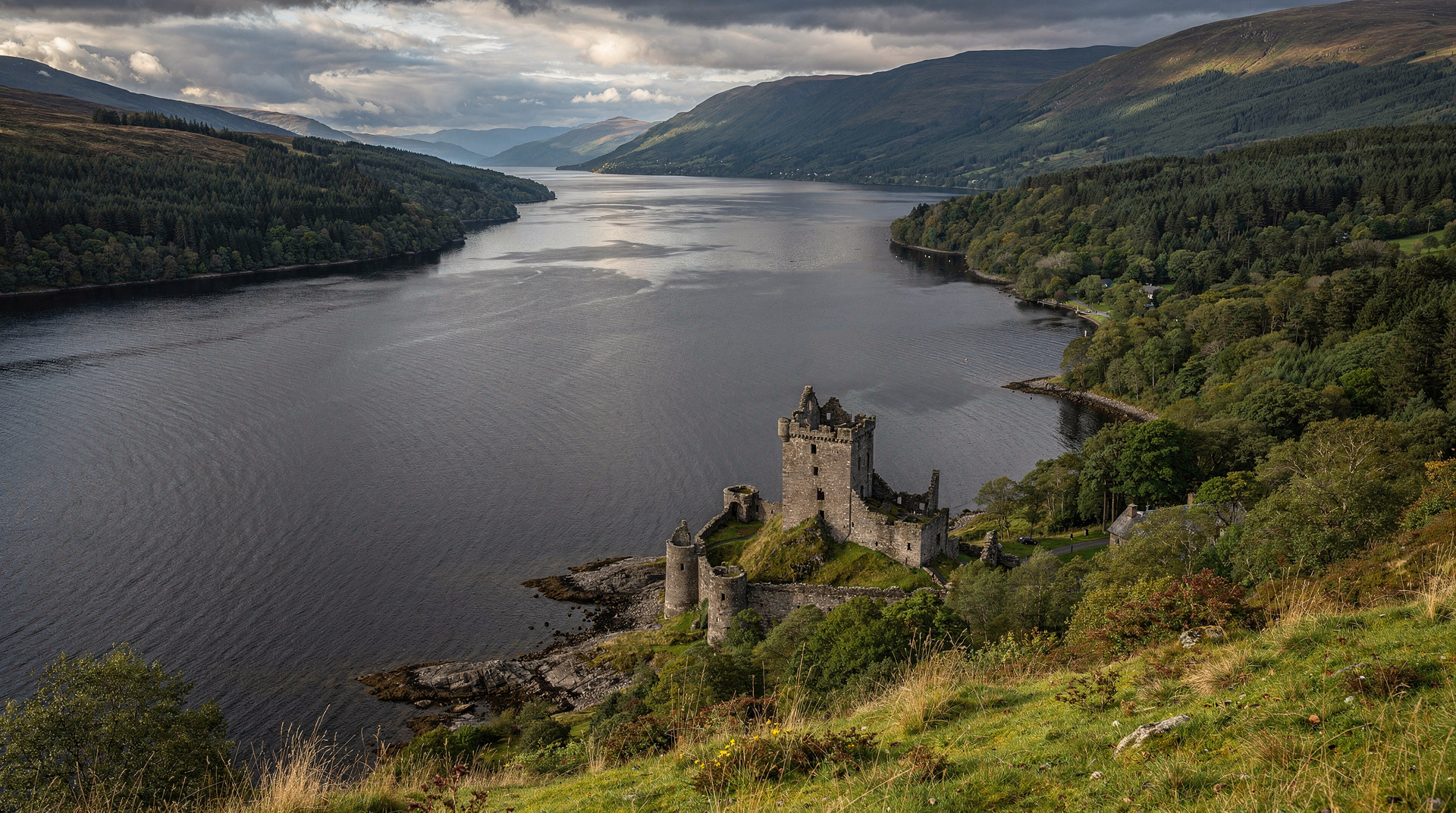
If a cruise on the loch matters to you specifically, the Loch Ness and Highlands group day trip with cruise includes a boat trip on the loch itself as part of the tour. The cruise adds about an hour and gives the best photographic angle of Urquhart Castle from the water — the classic Loch Ness view. On a clear day this is genuinely worthwhile; on a very wet day, less so.
For groups travelling together or visitors wanting a more personalised itinerary, the Loch Ness private day tour with transfers allows you to set the pace, linger where you want, and adapt the route to your interests.
Urquhart Castle and the loch’s southern shore are the two things almost every itinerary includes, and the difference between operators is what they do with the hours in between: a Loch Ness and Scottish Highlands tour spends them on the glens rather than on service stations.
What to actually see at Loch Ness
Urquhart Castle
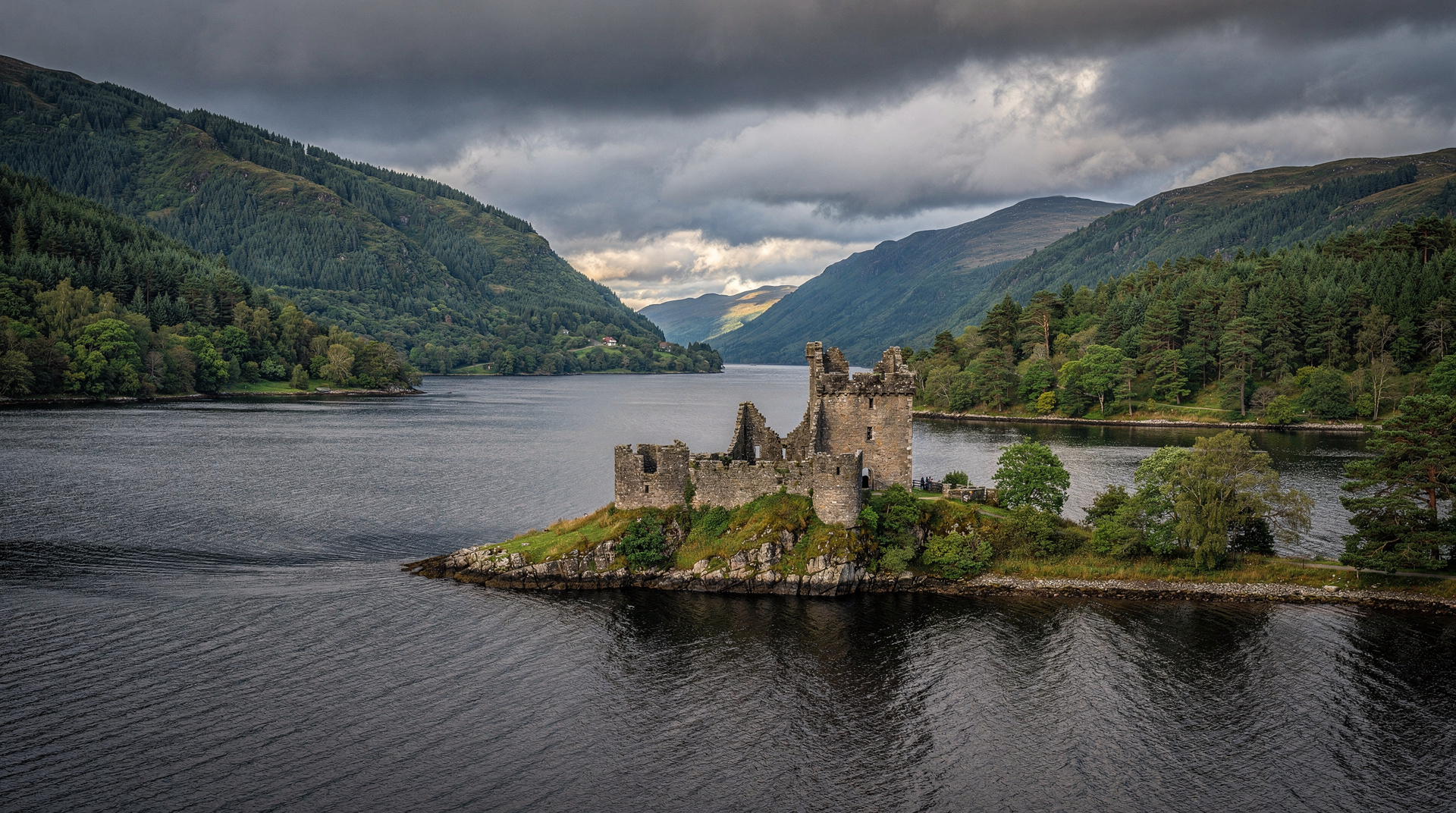
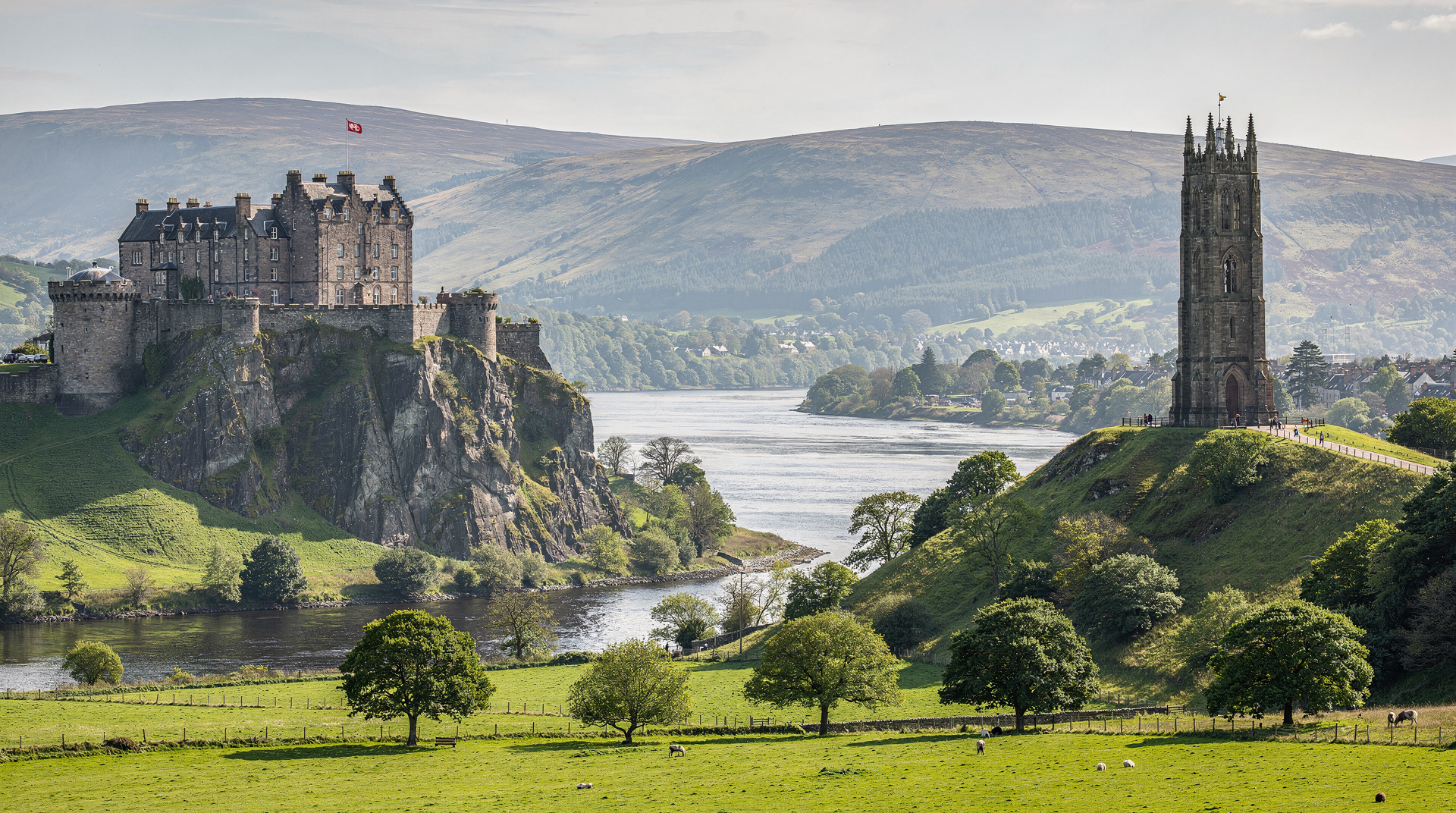
The most photogenic stop on the loch is the ruins of Urquhart Castle, perched on a promontory at Strone Point on the western shore. The castle has a genuinely long history — there was a fortification here from at least the thirteenth century — and the ruins include a standing tower, the remains of a great hall, and walls that give a clear picture of its medieval layout. The view from the tower over the loch on a clear day is the one you have seen on every Loch Ness postcard.
Entry to Urquhart Castle is £14 for adults online (£16 at the gate) in 2026 (Historic Environment Scotland site). Most guided day tours include entry in the ticket price. Allow 45-60 minutes here. The car park and visitor centre are busy in summer — the castle itself is large enough that the crowds disperse once you are inside the grounds.
The loch itself
Loch Ness is 37 kilometres long, up to 230 metres deep (deeper than the North Sea), and holds more fresh water than all the lakes in England and Wales combined. The peat content of the water gives it a near-black colour at depth, which is part of why sonar readings from the loch can be ambiguous and why the monster mythology has persisted. The water temperature never rises above about 10 degrees Celsius year-round.
The western shore road (A82) gives the best and most accessible views. The eastern shore is narrower and less visited — if you are self-driving, the B852/B862 on the eastern side gives a more atmospheric and less crowded experience, particularly between Foyers (where a waterfall drops directly into the loch) and Fort Augustus.
The Loch Ness Centre at Drumnadrochit
There is a permanent visitor centre at Drumnadrochit, the small village on the western shore, dedicated to the Nessie mythology and the history of the loch. It was refurbished in 2023 as the “Loch Ness Centre” with better technology and a more honest treatment of the sonar evidence. If you have children who are genuinely invested in the monster story, it is worth an hour. If you are an adult visitor primarily interested in Scottish history and landscape, it is skippable without regret — the money and time are better spent on Urquhart Castle.
Be honest with yourself about this: the centre is an entertainment product built around a folklore tradition. The genuine scientific consensus is that there is no large unknown creature in Loch Ness. The loch’s deep, cold, peat-dark water makes comprehensive survey difficult, which is why the question has never been definitively closed — but the famous 1934 “Surgeon’s Photograph” was admitted to be a hoax in 1994.
Fort Augustus at the southern end
Fort Augustus, where the Caledonian Canal enters Loch Ness at its southern tip, is a pleasant village with a working canal lock system. Watching the lock gates operate as boats pass between the canal and the loch is surprisingly engaging and gives a clear picture of how Thomas Telford’s nineteenth-century canal works. The village has a handful of decent cafés and a whisky bar. If you are self-driving and arriving from the south, this is the logical first stop on the loch before heading north along the western shore.
Glencoe: the part of this day trip you should not abbreviate
Here is what many Loch Ness day trip operators will not tell you prominently: for most visitors, the two hours spent in Glencoe are the emotional and visual highlight of the day, not the loch.
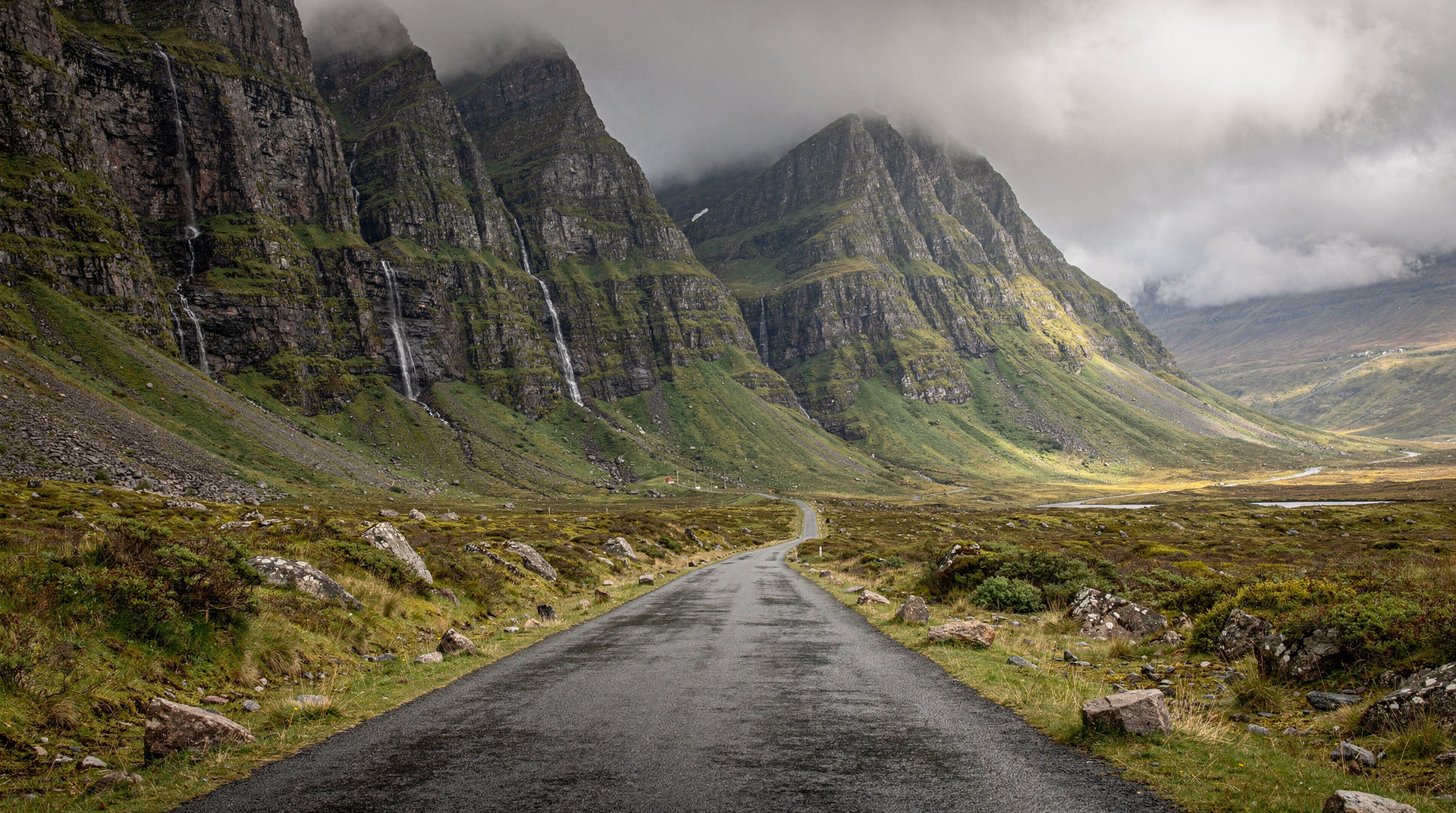
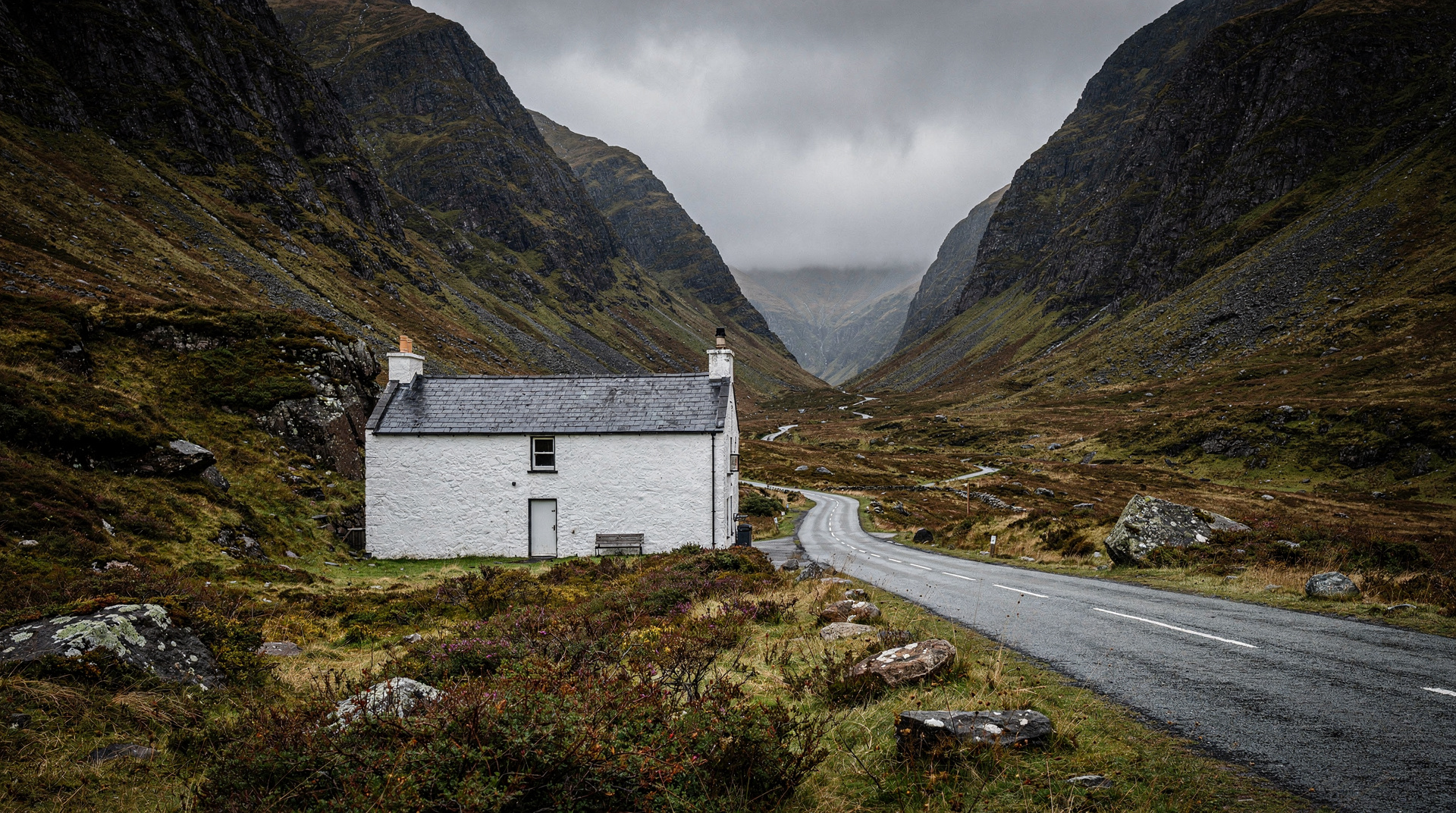
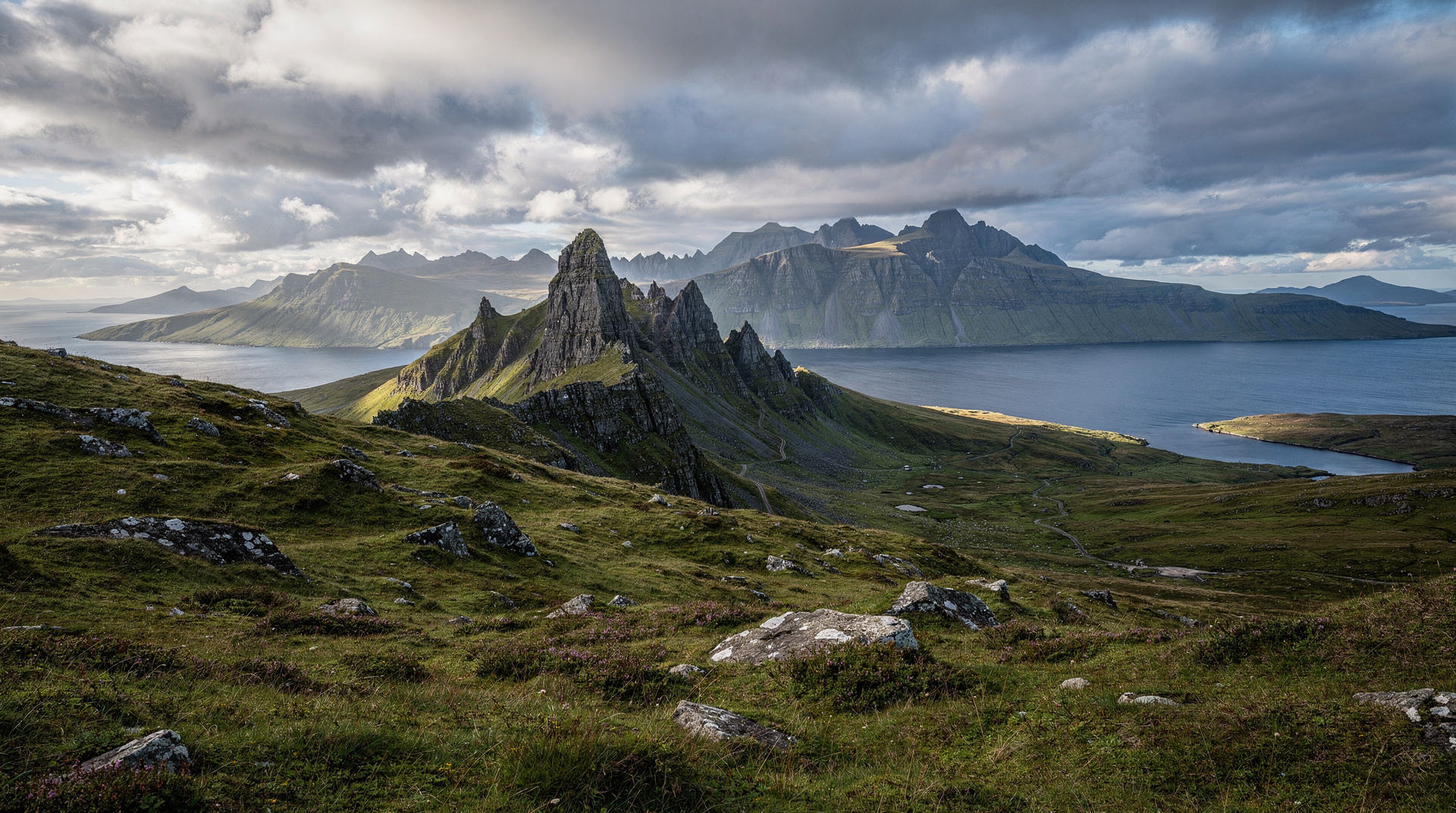
Glencoe valley is the product of two geological processes — volcanic activity that formed the caldera roughly 420 million years ago, and glaciation that scraped the valley into its current U-shaped profile during the last ice age. The result is a landscape of bare, dramatic ridgelines dropping vertically to a flat valley floor, with the A82 running straight through the middle of it. On a clear day the mountains are a pure dark outline against sky. On a cloudy day, the low cloud hangs in the corries and the valley turns moody and grey-green in a way that feels mythic.
The massacre that makes Glencoe famous historically occurred in February 1692, when Campbell soldiers billeted with the MacDonald clan on orders from the government killed 38 members of the MacDonalds in a pre-dawn attack — the betrayal of hospitality that makes the event so enduring in Scottish memory. The National Trust for Scotland visitor centre at the foot of the valley gives the full historical account and is worth 30-40 minutes. It is also the starting point for several of the valley’s easier walks, including the path along the River Coe.
The three rocky ridges known as the Three Sisters, visible from the main road as you enter the valley from the east, are one of the most photographed Highland landscapes in Scotland. There is a layby on the A82 with a clear sightline — every tour coach stops here, and with good reason. In early morning light with snow on the summits, this is the landscape that defines the Highlands for most visitors.
If you are doing a self-drive day trip and your Highland experience is limited to Loch Ness, reconsider the routing: do Glencoe first (heading west from Edinburgh via the A82 through Rannoch Moor), then Fort William, then north along the Great Glen to Loch Ness, and return to Edinburgh via the A9 through Perth. This route covers more extraordinary scenery per kilometre than almost any other day-trip route from a Scottish city.
For more detail on the valley itself, the surrounding walks, and what to expect in different seasons, see the Glencoe destination guide.
Self-drive vs guided tour: the practical comparison
Guided tour advantages: No navigation decisions, no parking stress, historical commentary included, group energy if you enjoy that, and significantly lower cost per person than a hired car for a solo traveller or couple. The main commercial operators on this route — Rabbie’s, Timberbush, and the larger bus companies — run professional and well-reviewed tours. The early departure (7am-8am from central Edinburgh) suits people staying in the city centre.
Self-drive advantages: Total flexibility over stops and timing, ability to take the quieter eastern shore of the loch, option to eat where you want rather than at designated stops, and the possibility of extending into a multi-day Highland circuit if conditions are good. Car hire costs roughly £40-70 per day for a medium car in 2026; add fuel (the round trip Edinburgh to Loch Ness and back via Glencoe is approximately 360 miles, costing around £55-70 in fuel for a typical petrol car).
Key self-drive considerations: The A82 through Glencoe and along Loch Ness is a single carriageway in long stretches, with passing places in the narrowest sections. It is not technically difficult driving but requires patience in summer when coach traffic and campervans slow the flow significantly. Parking at Urquhart Castle fills quickly in July and August — arrive before 10am or after 3pm. The mountains around Glencoe have genuine weather risk year-round; winter driving on the A82 can be hazardous and occasionally closed due to snow.
For those wanting detailed route planning, the Loch Ness day trip guide covers the self-drive route in detail, including where to stop, how long to allow at each point, and alternative routing for different priorities. The broader Edinburgh to Highlands guide covers multi-day options for those who want to extend beyond a day trip.
Combining Loch Ness with other Highland destinations
A single day trip gives you Glencoe and Loch Ness. A two or three day Highland extension from Edinburgh allows you to add Glenfinnan (the viaduct and Loch Shiel), Fort William and Ben Nevis, and potentially Inverness. The multi-day Highlands tours guide reviews the structured tour options for those who want to go deeper.
The Isle of Skye — five hours from Edinburgh and requiring at minimum two days to do justice to — is covered separately in the Skye from Edinburgh guide. Skye is a significantly different and more diverse landscape than the Loch Ness corridor; if you have to choose between a Loch Ness day trip and a Skye overnight, Skye is the more rewarding experience — though the logistics are more demanding.
The Loch Ness and Glencoe tour comparison guide reviews the main day-trip operators head to head, covering group sizes, routing differences, included stops, and price-to-value for 2026.
If Stirling Castle fits your interests — and it should if Scottish history is a priority — it sits on the A9 between Edinburgh and the Highlands and can be incorporated into a self-drive day without significantly extending the route. See the Stirling day trip guide for what to see and allow around two hours. The drive from Edinburgh to Stirling is about an hour; from Stirling to Glencoe, roughly another hour and a half.
Loch Ness and Glencoe month by month
Conditions on this route change more than most Edinburgh day trips because you are travelling into genuine Highland weather and daylight extremes. This is the honest seasonal picture for planning:
| Month | Weather and daylight | Crowds | Notes |
|---|---|---|---|
| Nov–Feb | Short daylight (as little as 7 hrs), cold, possible snow on the A82 | Quietest | Some tours reduce frequency; check for weather-related cancellations before booking |
| Mar–Apr | Improving light, still cold, occasional late snow in Glencoe | Low–moderate | Good value season; landscape often dramatic with snow still on summits |
| May–Jun | Long daylight, generally drier, midges beginning late May | Busy, especially weekends | Best overall balance of weather and crowds |
| Jul–Aug | Warmest, but also wettest of the summer months and peak coach traffic | Very busy | Book well ahead; parking at Urquhart Castle fills before 10am |
| Sep–Oct | Cooling, clearer air, autumn colour in Glencoe, midges fading | Moderate | Many repeat visitors’ preferred month for photography |
Practical information for 2026
Weather: The Highlands have their own weather system, independent of Edinburgh. A sunny Edinburgh morning can become a wet, cloudy Glencoe afternoon. Waterproof clothing is non-negotiable regardless of the forecast; this applies in every month of the year. The standard Edinburgh joke about Scottish weather — “if you can see the mountains, it’s going to rain; if you can’t, it’s already raining” — is broadly accurate.
Midges: Highland midges (Culicoides impunctatus) are the tiny biting insects that make outdoor activities unpleasant from late May through September in still conditions, particularly near water. They are worst in the early morning and evening, and worst of all on calm, humid days. Midge repellent (DEET-based is most effective) is worth carrying if you plan to walk in Glencoe or sit by the loch. Most visitors on guided coach tours are not badly affected because the stops tend to be brief and the coaches provide refuge.
Clothing: The standard hiking recommendation for the Highlands applies even on a coach tour with minimal walking: wear layers, bring waterproofs, and choose footwear with grip. The Glencoe valley walk to the Three Sisters is mostly on maintained paths but becomes muddy quickly.
UK ETA: Visitors from many countries who do not need a visa for the UK still need a UK Electronic Travel Authorisation to enter Great Britain from 2025 onwards. This costs approximately £20 and is valid for two years or until your passport expires. It covers day trips to Scotland from elsewhere in the UK. See the UK ETA guide for the full process and which nationalities are affected.
Currency: Everything in the Scottish Highlands costs money in British pounds sterling (£), not euros. Scotland is not in the eurozone. ATMs are available in Fort Augustus and Drumnadrochit but not in the Glencoe valley itself — bring cash or ensure your card works before you leave Edinburgh. See the Edinburgh currency guide for practical advice on exchange and payment.
Fitting Loch Ness into a broader Edinburgh itinerary
If you are spending three or more days in Edinburgh, a Loch Ness day trip is a strong choice for day two or three, after you have covered the city centre attractions. It pairs naturally with an evening visit to a whisky bar or a ghost tour on return — you will arrive back in Edinburgh by 7pm-8pm on most tours, leaving the evening free.
The Edinburgh and Highlands five-day itinerary builds the Loch Ness day trip into a broader programme alongside the city itself, Stirling, and Glencoe. If you are combining Edinburgh with a wider Scotland trip, the three-day Edinburgh itinerary suggests using day three for this trip.
For families, the family day trips guide assesses which Highland tours work well with children, including minimum ages for different activities and how operators handle families with young children.
Frequently asked questions about Loch Ness
How long is the drive from Edinburgh to Loch Ness?
The drive from Edinburgh to the southern end of Loch Ness at Fort Augustus takes approximately 3 to 3.5 hours in normal traffic, covering around 175 miles via the A9 and A82. To Urquhart Castle on the western shore, add another 30-40 minutes. Most guided day tours cover the full Loch Ness and Glencoe circuit in 11-13 hours, departing Edinburgh around 7-8am and returning by 7-8pm.
Is Loch Ness worth visiting as a day trip from Edinburgh?
Yes, with clear expectations. The day trip is worth it primarily for the Highland scenery you pass through — particularly Glencoe — rather than Loch Ness itself. The loch is impressive in scale but not the visual showpiece many visitors expect. Urquhart Castle is excellent. If you go hoping to experience dramatic Highland landscapes, you will not be disappointed. If you go hoping to be thrilled by the loch on its own merits, recalibrate your expectations.
Is there a real monster in Loch Ness?
The scientific consensus is no. The legend dates from a 565 AD account of St Columba, and the modern mythology was largely created by a single newspaper story in 1933 that described a “large, whale-like fish” in the loch. The famous 1934 photograph was admitted to be a hoax in 1994. Systematic sonar surveys of the loch have found no evidence of a large unknown creature. The loch does contain pike, salmon, Arctic char, and other fish, and the dark peaty water makes definitive survey difficult — which is why the question has never been completely closed. But Nessie, as popularly imagined, is folklore.
Should I book a guided day tour or hire a car?
For most visitors, especially those travelling alone or as a couple, a guided day tour is the better value and lower-stress option. The commentary adds significant value to landscapes that are geologically complex and historically layered. Self-drive makes sense for groups of four or more (where the per-person car hire cost becomes competitive), visitors who want complete flexibility over stops and timing, or those planning a multi-day Highland extension. See the Loch Ness day trip guide for a detailed comparison.
What is the best guided tour to Loch Ness from Edinburgh?
The main options — Rabbie’s, Timberbush, and the larger coach operators — all cover essentially the same route. The key differentiators are group size (smaller groups give a better experience), guide quality (which varies), and whether a boat cruise on the loch is included. The Loch Ness, scenic walk, Glencoe and whisky day tour adds a scenic walk element and a whisky tasting stop, which suits those who want more active engagement. For the full comparison, see the tour comparison guide.
What should I wear for a Loch Ness day trip?
Waterproof jacket and trousers, or at minimum a good waterproof over warm layers. Sturdy walking shoes or light hiking boots. Even if you are spending most of the day on a coach, the stops at Glencoe and Urquhart Castle involve outdoor walking on potentially wet and uneven ground. The Highlands are reliably wetter and windier than Edinburgh; do not rely on a city-weight jacket. Midges are active from May to September — bring repellent if you plan to stop anywhere near the loch shore or in the glen.
Can I visit both Loch Ness and Glencoe in one day?
Yes. The standard guided day tour from Edinburgh covers both in the same trip — the route goes via either Glencoe first (then north to the loch) or Loch Ness first (then south via Glencoe), depending on the operator. Allow approximately 11-13 hours for the round trip from Edinburgh. Self-driving the same route takes similar time if you factor in stops, though you have more control over how long you spend at each location.
Top experiences
Bookable activities with verified prices and instant confirmation on GetYourGuide.