Isle of Skye from Edinburgh: how to plan a multi-day trip
Edinburgh: 3-day Isle of Skye and the Highlands tour
How do I get to the Isle of Skye from Edinburgh?
Drive 200 miles (4.75 hours) via the A9 and A87 to the Skye Bridge at Kyle of Lochalsh. A day trip is not practical — minimum two nights on Skye to see it properly. Guided 3-day tours from Edinburgh cover Skye, Loch Ness, and the Highlands in a structured circuit from £150-250 per person.
Why Skye requires more than a day — and why it is worth it
The Isle of Skye is 200 miles from Edinburgh, connected to the mainland by a road bridge at Kyle of Lochalsh. The drive takes nearly five hours without stops, which immediately eliminates it as a day trip: you would spend 10 hours driving for perhaps two hours on the island. Nobody who has been to Skye recommends this approach, because Skye rewards time in a way that most Scottish destinations do not.
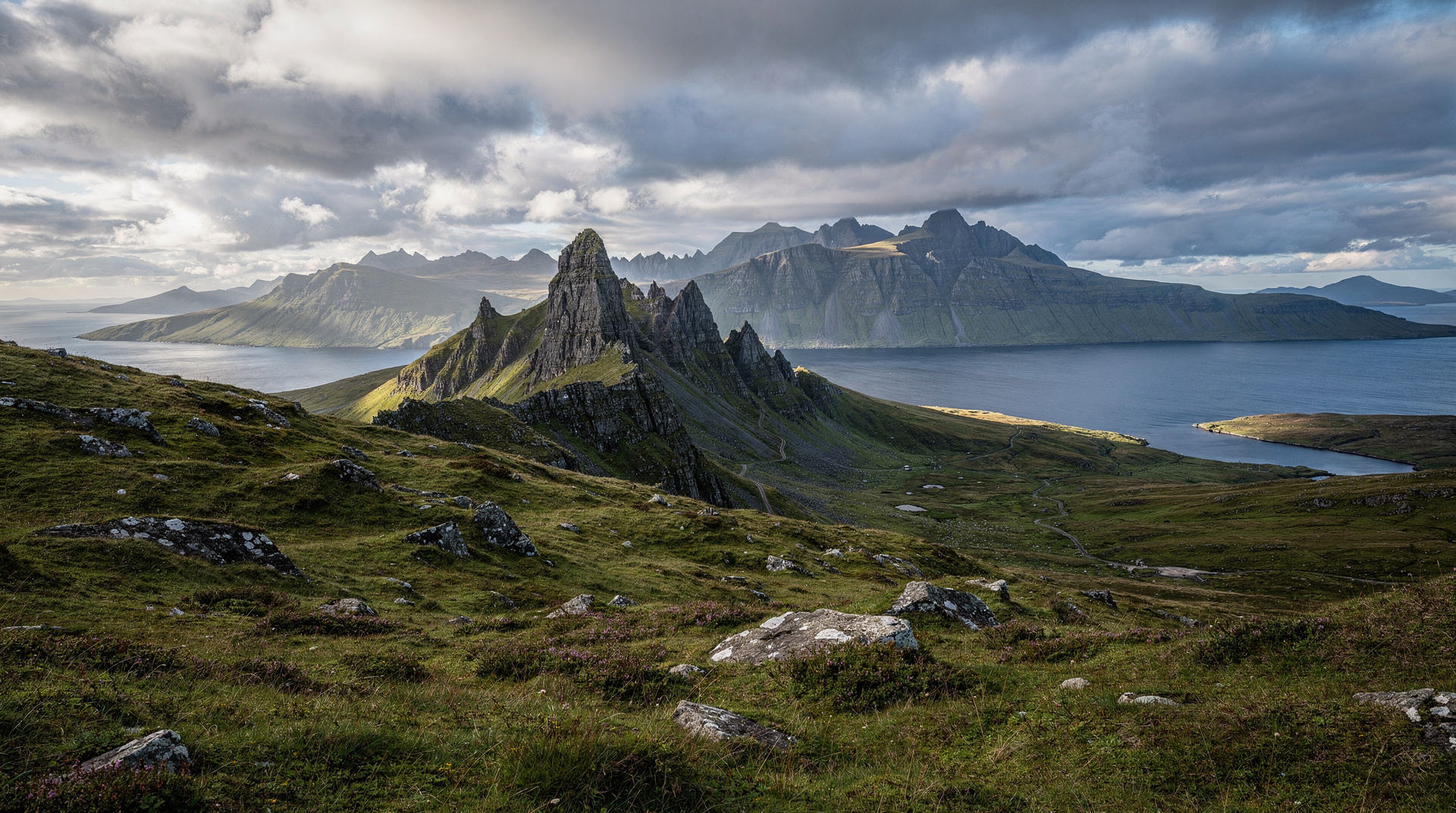
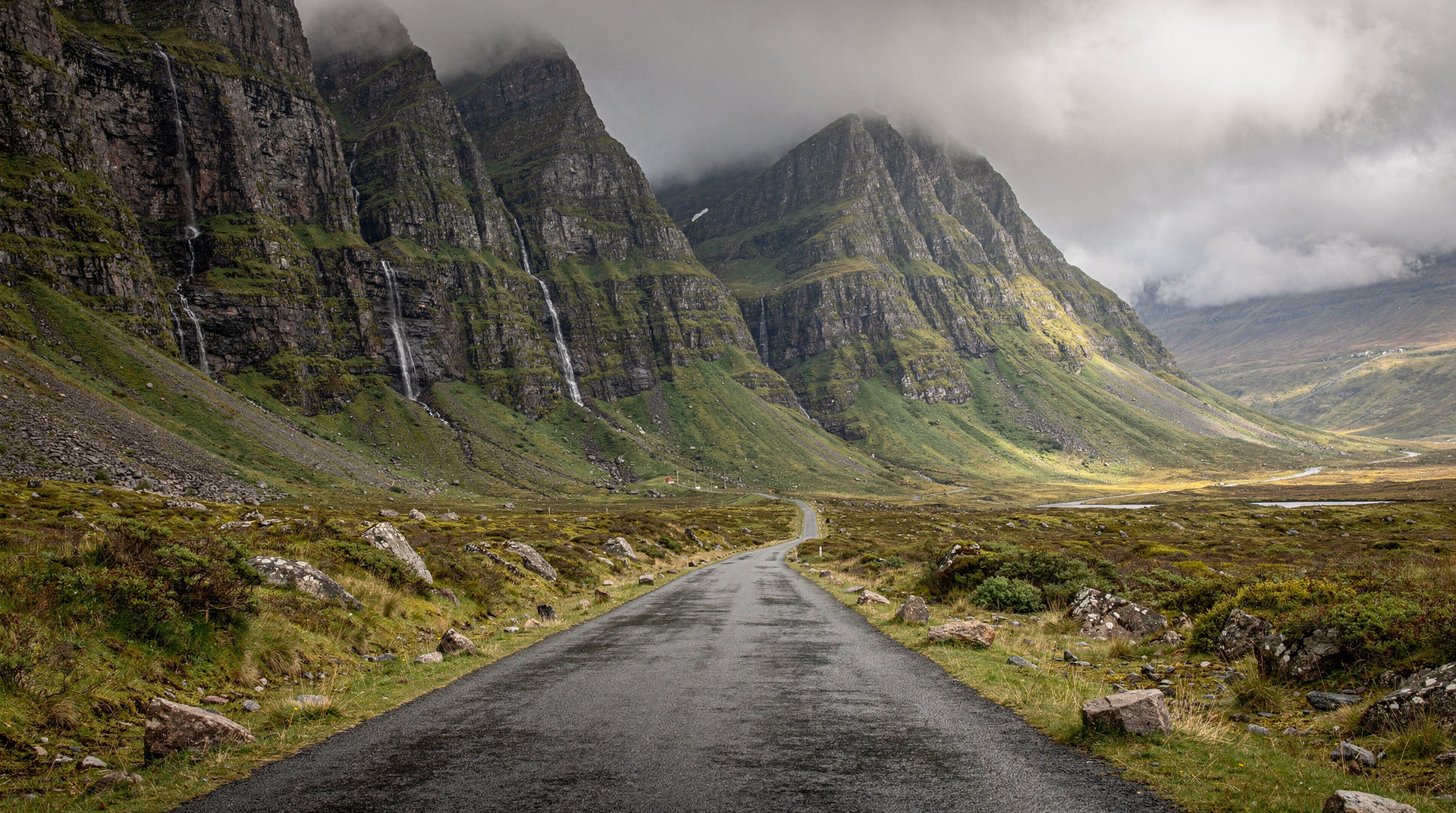
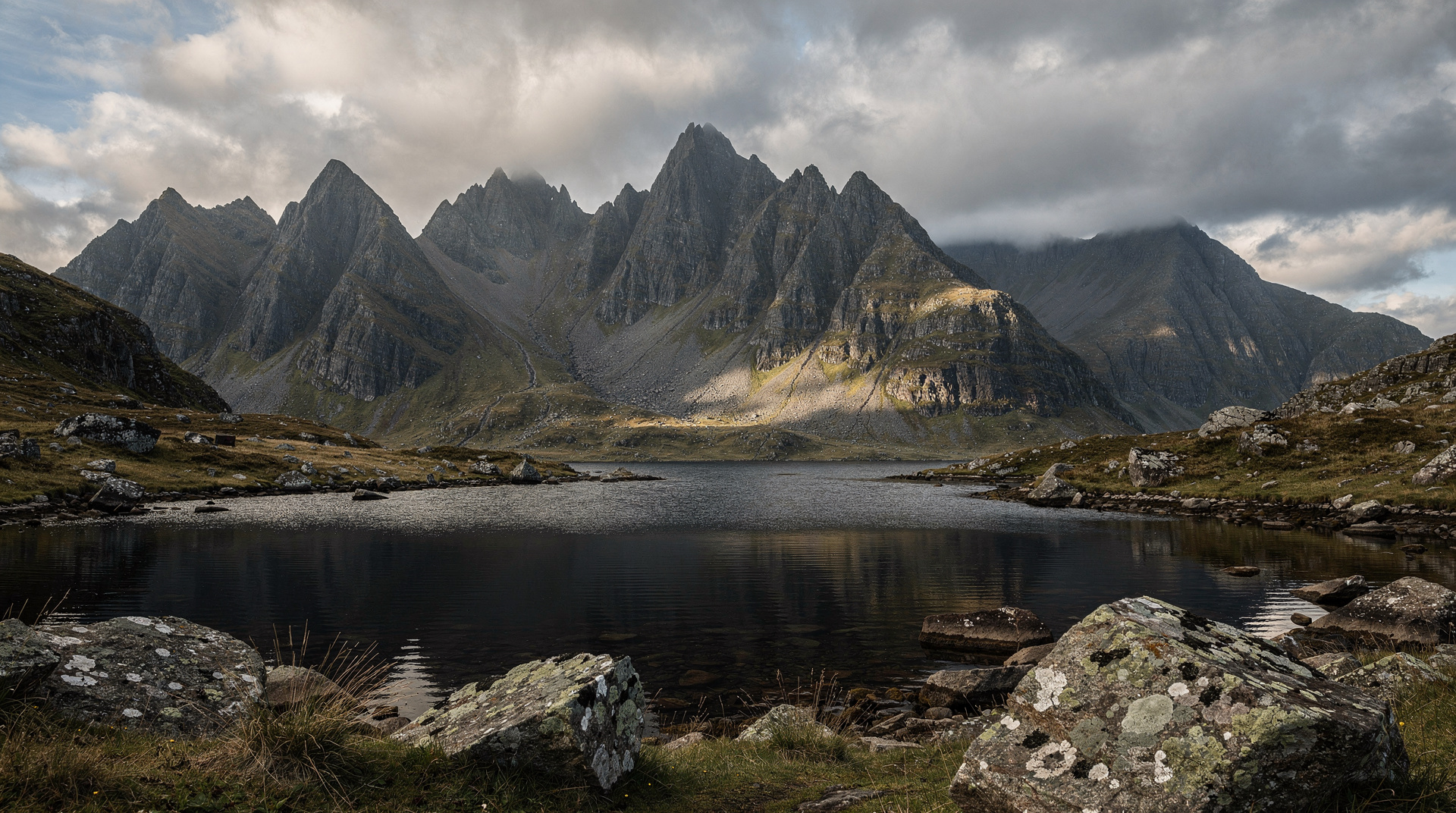
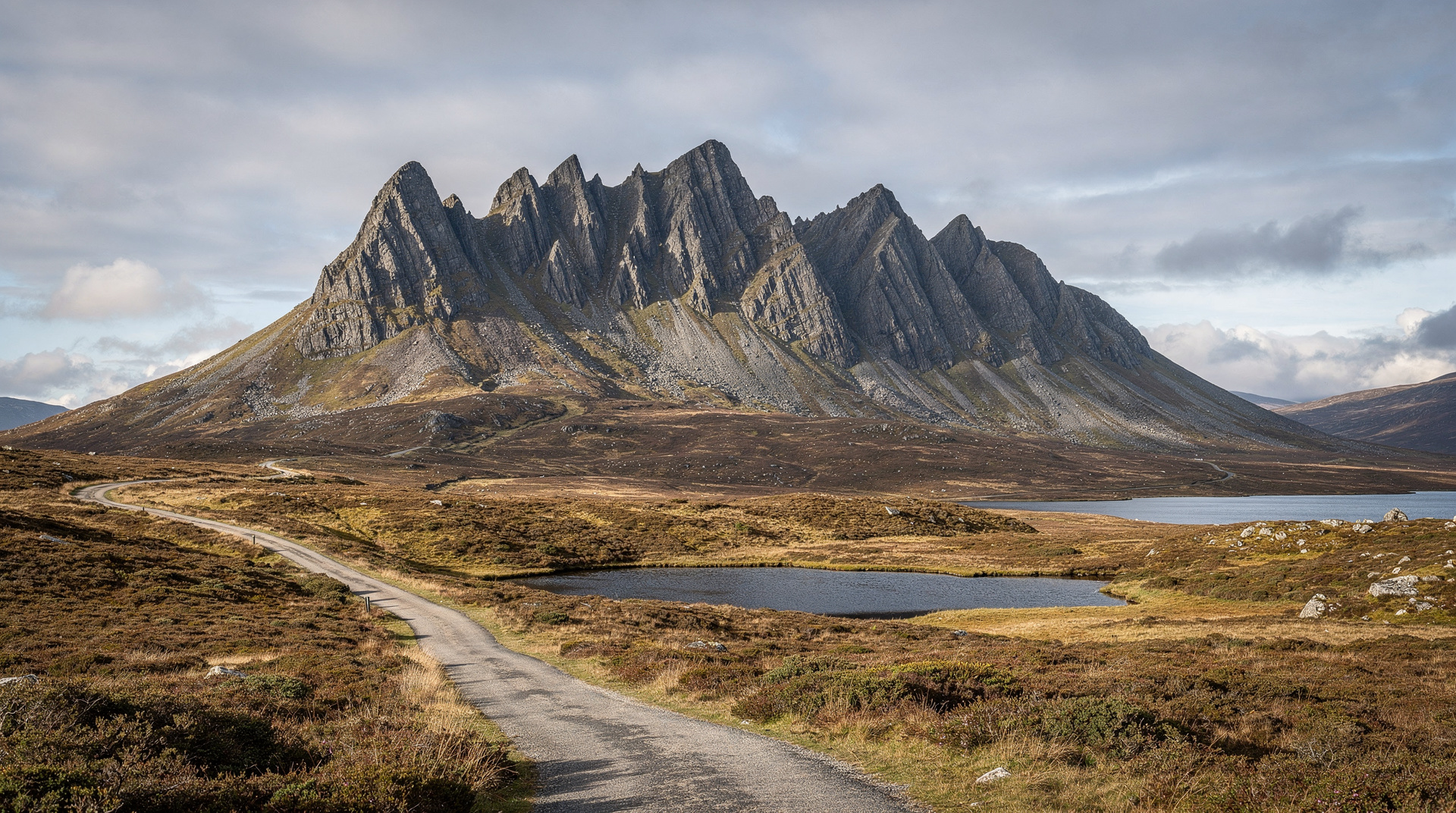
The island is large — 50 miles from north to south, 25 miles across — and its landscapes are genuinely extraordinary: the Black Cuillin range, which rises from the island floor to peaks of nearly 1000 metres in near-vertical rock faces; the Quiraing, a geological chaos of collapsed cliff faces in the north of the Trotternish Peninsula; the Old Man of Storr, a volcanic rock pinnacle that appears on more Scottish tourism imagery than almost any other single feature; and Fairy Pools, a series of clear mountain streams and waterfall pools at the foot of the Cuillins that are among the most beautiful natural sites in Scotland.
Two nights is the minimum to see the highlights. Three nights is comfortable. For those who want to add the Outer Hebrides or the far north, a week is justified.
This guide covers how to get to Skye from Edinburgh, what to see in a 2-3 day visit, and which guided tours offer the best value. For the wider picture of the island itself, the Isle of Skye destination page is a good companion, and the Edinburgh to the Highlands guide explains how the whole northern region fits together before you commit to a route.
| Where | Isle of Skye, 200 miles / around 4.75–5.5 hours drive from Edinburgh |
| Cost | Guided 3-day tours around £150–£250 per person |
| Time needed | Minimum two nights; three nights comfortable |
| Getting there | Self-drive, train via Inverness, or a guided multi-day tour |
| Best time | May–June or September for weather and fewer crowds |
Getting to Skye from Edinburgh
By car
Edinburgh to the Skye Bridge at Kyle of Lochalsh: approximately 200 miles, taking 4.75-5.5 hours depending on route and traffic. The two main options:
Via the A9 and A87 (recommended): North on the A9 through Perth and the Cairngorms, turn west at Dalwhinnie or Inverness onto the A87 through Glen Moriston and Glen Shiel to Kyle. This route passes through spectacular scenery in its final stretch — the Five Sisters of Kintail flanking Glen Shiel are some of the finest mountains in Scotland — and is generally the fastest option.
Via the A82 and A87: West through Glasgow and Loch Lomond, north through Fort William, then west on the A87 through Glen Shiel. This adds 30-45 minutes compared to the A9 route but allows stops at Glencoe and Glenfinnan. Good for a westerly scenic route but a long first day. If you take it, the stops are worth planning in advance: Glencoe and Glenfinnan both reward a proper look, and Fort William is the natural place to break the journey for food and fuel.
If you are weighing whether to hire a vehicle at all, the guide on whether you need a car in Edinburgh is useful context: you will not want one in the city, but Skye is a different matter, and many visitors collect a hire car only for the Highland leg.
Once on Skye, the island has a good A-class road network. Portree (the main town) is 30 minutes from the bridge; the Trotternish Peninsula in the north requires another 30-45 minutes. The Cuillins are accessible from Sligachan, roughly in the centre of the island.
By train
Edinburgh to Kyle of Lochalsh via Inverness: approximately 5.5-6 hours on ScotRail (change at Inverness). The Kyle of Lochalsh line from Inverness is one of the most scenic rail routes in Britain, following the shore of Loch Carron through remote Highland landscape. From Kyle, a short bus ride crosses the bridge to Skye.
This option is slower than driving but genuinely beautiful, particularly on the Kyle line itself. Combined with a guided minibus tour on the island, it allows a car-free Skye visit.
By guided multi-day tour
The most practical option for visitors without a car. The Edinburgh 3-day Isle of Skye and Highlands tour covers Skye over two days (Portree, Trotternish Peninsula, Quiraing, Old Man of Storr, Fairy Pools) combined with Loch Ness and Glencoe on the return journey to Edinburgh. This is the standard Skye tour format from Edinburgh and covers the headline sites efficiently.
The Isle of Skye, Inverness and Highlands 3-day tour adds Inverness and Culloden Battlefield to the circuit, giving a stronger historical layer alongside the landscape.
For those wanting more time on Skye specifically, the Isle of Skye and the West Highlands 4-day tour extends to four days and adds the western Highlands around Oban, giving a wider geographic coverage.
The most ambitious option for those combining Skye with Loch Ness and the heritage of the steam railway, the Isle of Skye, Loch Ness and Inverness steam train 5-day tour includes a section on the Jacobite steam train (the Harry Potter viaduct service) — a memorable combination for those with the time.
Inverness is the natural overnight point on any northern route, because it is the last town of size before the roads thin out: a two-day Loch Ness and Inverness Highland tour uses that stop to turn a punishing single day into two reasonable ones.
What to see on the Isle of Skye
The Old Man of Storr
The most recognisable feature on Skye — a cluster of black volcanic pinnacles on the eastern slope of the Trotternish Ridge, the tallest of which (the Old Man) stands 55 metres above the hillside below it. The walk from the car park to the base of the pinnacles takes about 45-60 minutes return on a maintained path; the surrounding landscape of shattered cliffs and open moorland with views over Raasay Sound is extraordinary. Book early in summer — the car park fills by 9am.
The Quiraing
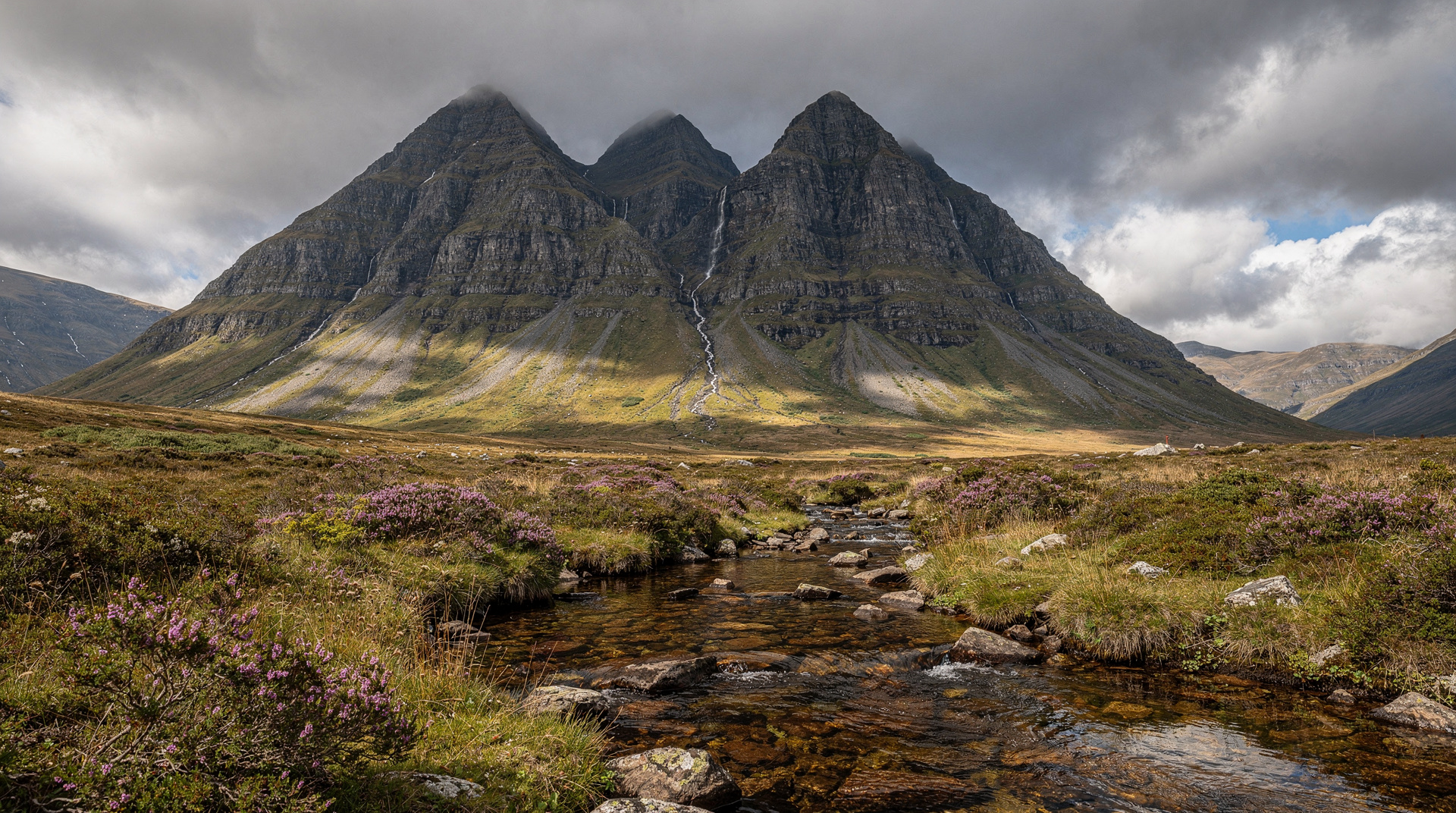
Six miles north of the Old Man of Storr, the Quiraing is a landslip — a vast section of cliff that collapsed geologically and left a chaotic landscape of isolated rock faces, hidden plateaux, and peculiarly shaped formations. The circuit walk above the road takes 3-4 hours; even the 20-minute walk from the road to the first viewpoint is spectacular. The Quiraing at dawn or in low autumn light, when the shadows throw the rock formations into relief, is the finest Highland landscape most visitors will ever see.
Fairy Pools
Near the village of Carbost in the west of Skye, the Fairy Pools are a series of clear turquoise pools and waterfalls in a mountain burn at the foot of the Black Cuillin. They have become extremely popular (the car park fills by 8am in summer) but the setting remains genuinely beautiful. The walk along the burn to the higher pools takes about 45 minutes each way on well-maintained paths. The water is cold enough to be bracing year-round; some visitors swim in summer.
Portree
The only real town on Skye — a small harbour with a row of coloured buildings (the image you have seen on every Skye photography). Good for restaurants, accommodation, and provisions. The harbour walk is pleasant; the town is compact enough to walk in 20 minutes. Base your Skye accommodation here for access to the Trotternish and the Cuillins.
Dunvegan Castle
On the western side of the island, Dunvegan Castle (continuously inhabited by the Clan MacLeod since the 13th century) is worth visiting if Scottish clan history interests you. The castle loch has seal colony boat trips in season. Allow 2 hours for the castle and grounds.
The Black Cuillin
The Cuillin mountain range is one of the finest climbing and scrambling environments in Britain — a jagged, complex ridge of gabbro rock that requires technical ability to traverse. The Cuillin ridge traverse is a serious mountaineering objective (2 days, demanding navigation and some grade 3 scrambling). For non-climbers, the approach walk to Coire Lagan (from Glenbrittle, 2.5 hours return) gives close views of the main peaks and the scree-lined coire without technical difficulty. Walking boots, navigation ability, and waterproofs are essential.
Honest notes on the Skye experience
The crowds: Skye has become extremely popular. The Old Man of Storr car park, Quiraing, and Fairy Pools all fill well before 9am in July and August. The solution is to stay on Skye (rather than day-tripping) and be out at the sites by 7:30am or after 5pm. Guided tours arrive at these sites in a pre-planned sequence that often avoids the worst congestion.
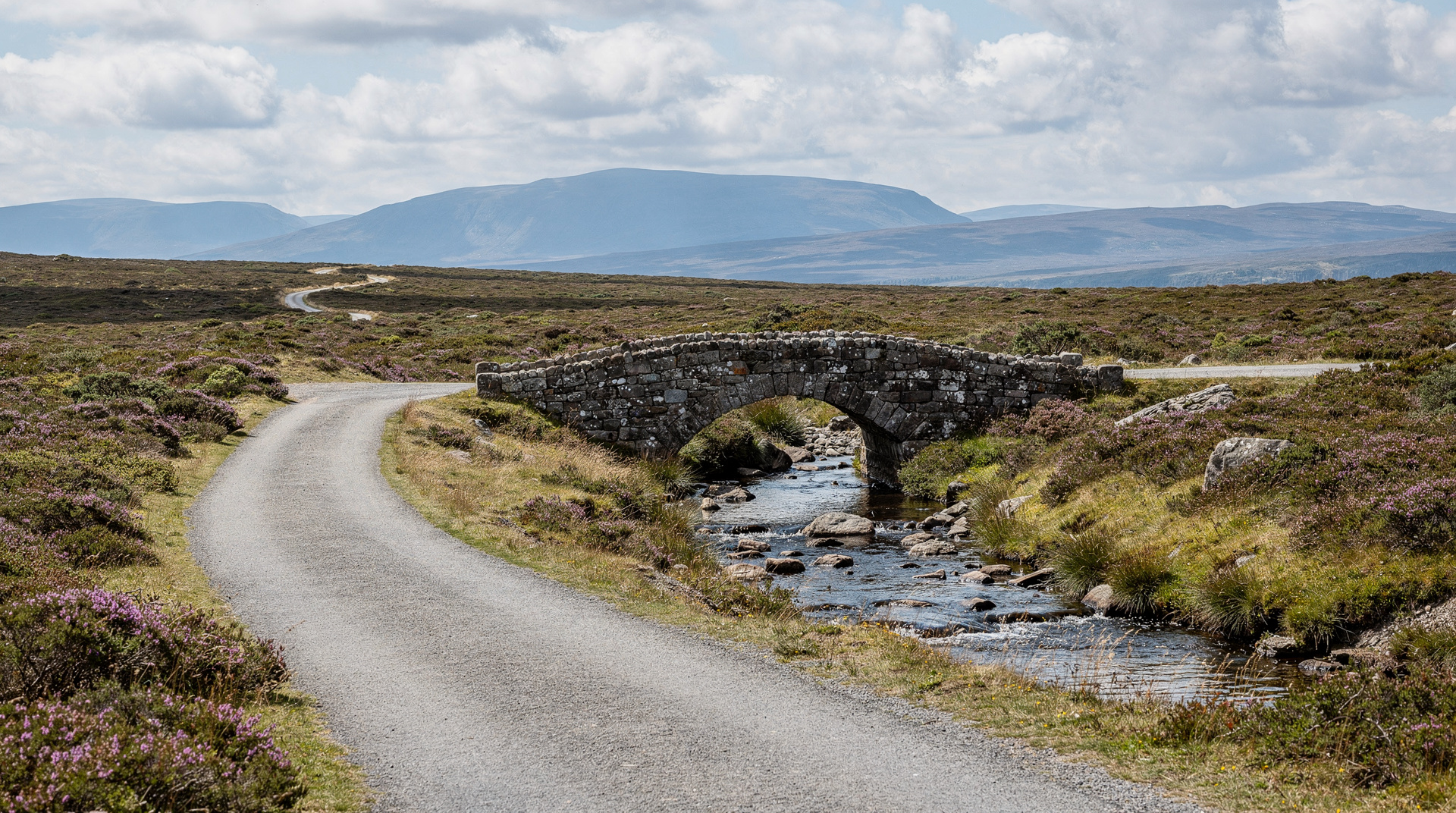
The roads: Single-track roads cover much of the island. The Trotternish Peninsula road is narrow; driving standards must include confident use of passing places. Campervans cause significant delays in summer.
Accommodation: Book Skye accommodation at least 3-4 months ahead for July and August. Options range from hostels to small hotels; Portree has the most choice. Self-catering cottages scattered around the island give the most immersive experience.
Midges: Skye midges are legendary. From May to September in still, humid conditions near water and woodland, they can make outdoor time genuinely unpleasant without DEET repellent. Carry repellent; use it before stopping anywhere sheltered.
Where to stay on Skye
Accommodation booking on Skye requires lead time in proportion to how specific your requirements are:
Portree: The main town and the most practical base for the northern Trotternish Peninsula (Old Man of Storr, Quiraing). Hotels include the Bosville and Cuillin Hills Hotel (both well-reviewed), plus numerous guesthouses. Book 3-4 months ahead for July/August.
Sligachan: The small settlement at the road junction in the centre of Skye, directly below the Cuillins, has the Sligachan Hotel (a long-established walkers’ and climbers’ base) and a campsite. Excellent position for Cuillin walking and photography; less convenient for the Trotternish sites (30 minutes north).
Broadford: The second largest settlement, on the southeastern coast. Less atmospheric than Portree but has a good range of accommodation and is positioned between the Trotternish and the Cuillins. The Creelers restaurant in Broadford is one of the best seafood restaurants on the island.
Self-catering: Scattered cottages across the island give the most immersive Skye experience — waking up to the Cuillins visible from the window, watching weather systems cross the Minch. Websites such as ASSC (Association of Scotland’s Self-Caterers) have Skye listings.
Photography on Skye
Skye has become one of the most photographed landscapes in Scotland, and several of its sites — the Old Man of Storr, the Quiraing, Fairy Pools, Eilean Donan Castle (technically on the mainland, 30 minutes before the bridge) — appear frequently in Scottish tourism photography. For visitors with serious photographic interests, some practical notes:
The Old Man of Storr at dawn: The classic approach is to be at the car park by 5am in summer (before the crowds, and in the best light). The parking area has space for about 20 cars; it fills within an hour of opening time in July.
The Quiraing in morning light: The geological chaos of the Quiraing is most dramatic with low-angle side lighting in the early morning or late evening. The road across the top of the Trotternish ridge passes directly through the Quiraing — even from the road, in good light, the photography is excellent.
Neist Point lighthouse: On the western tip of Skye, Neist Point is a 30-minute walk from the car park to a lighthouse perched at the top of dramatic basalt cliffs, with views west to the Outer Hebrides on clear days. The combination of the lighthouse, the cliff geometry, and the western horizon makes this one of the best sunset photography spots in Scotland. The lighthouse is staffed (automated since 1990) and not open to visitors, but the cliff area around it is freely accessible.
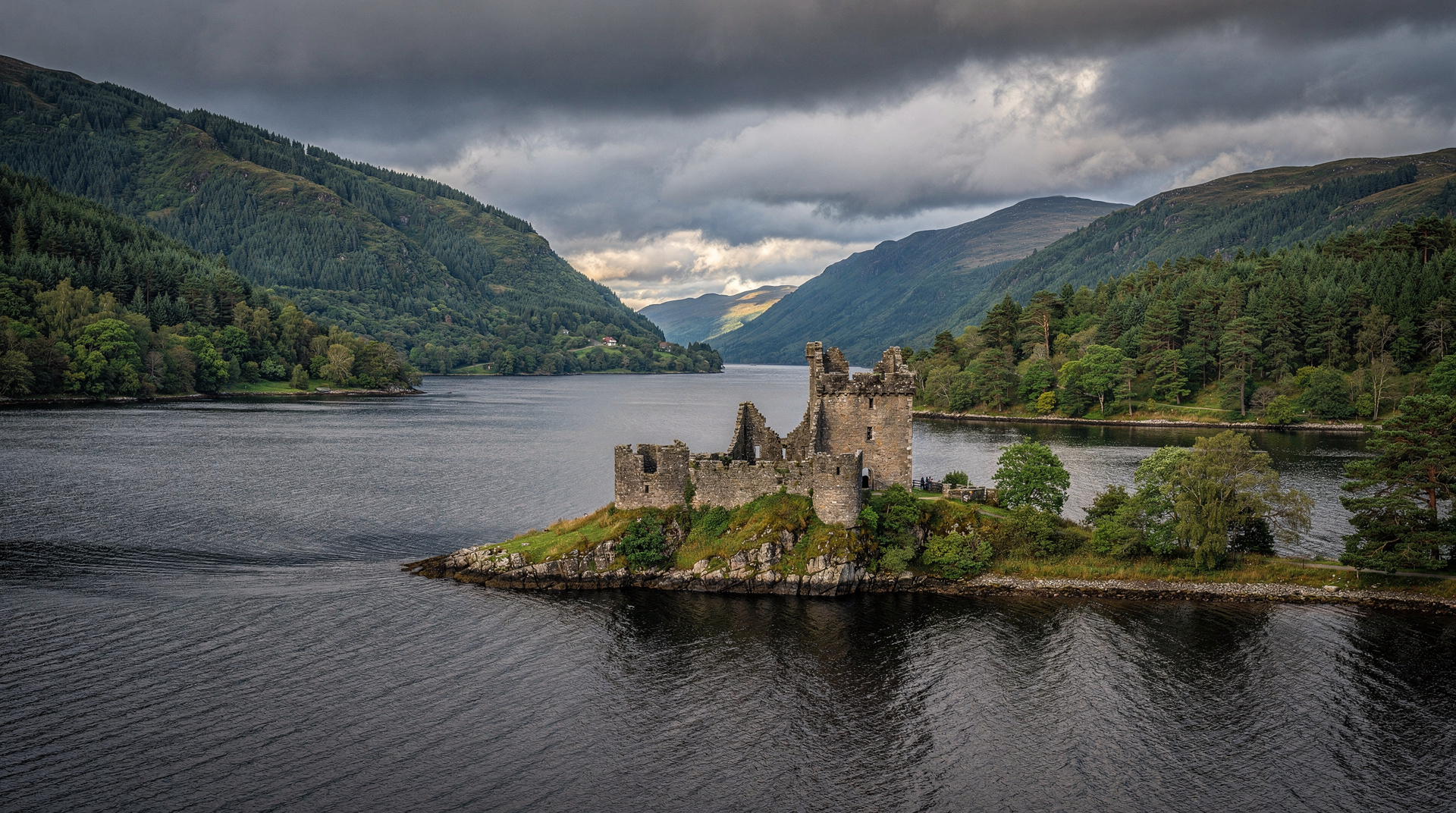
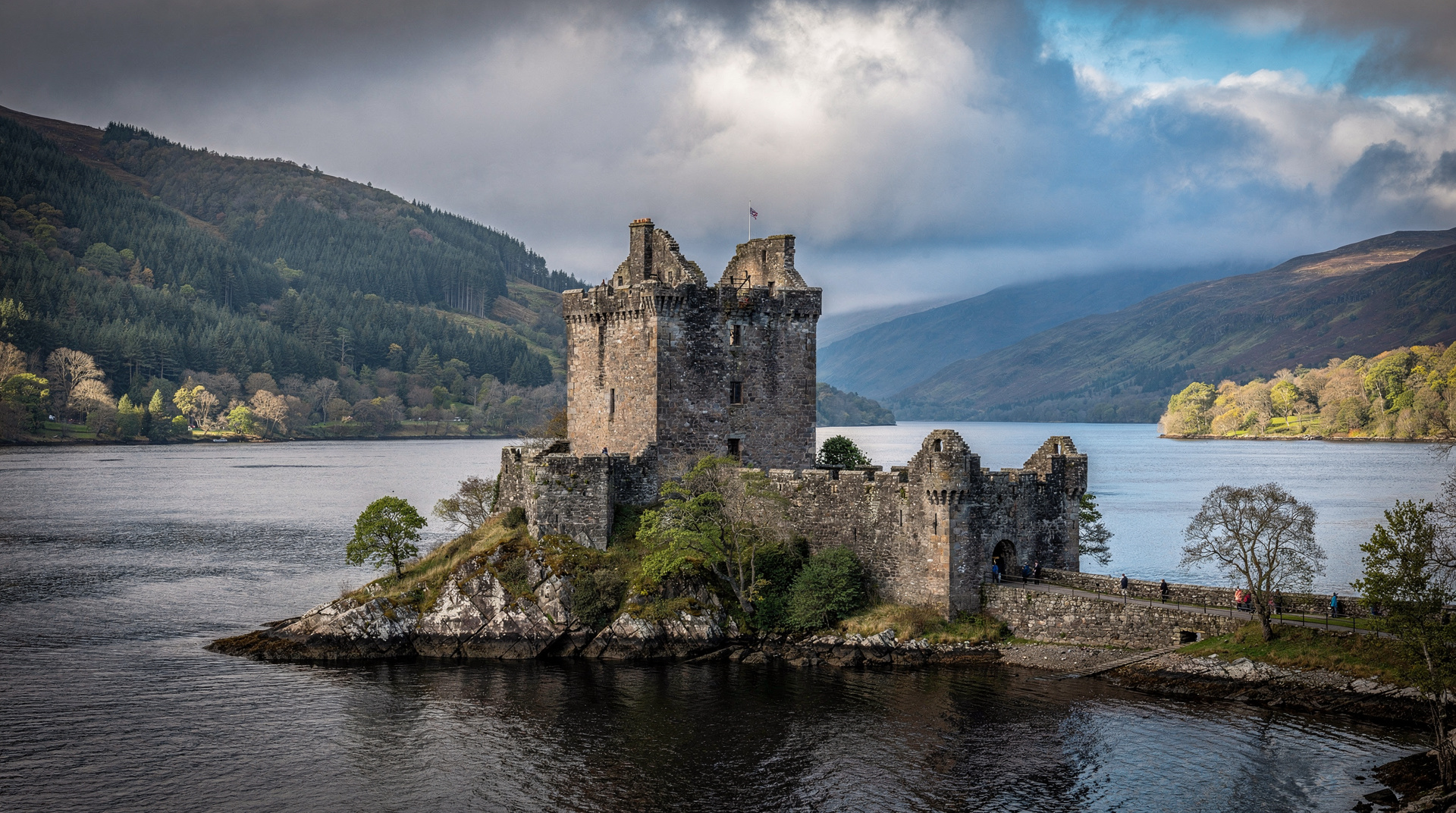
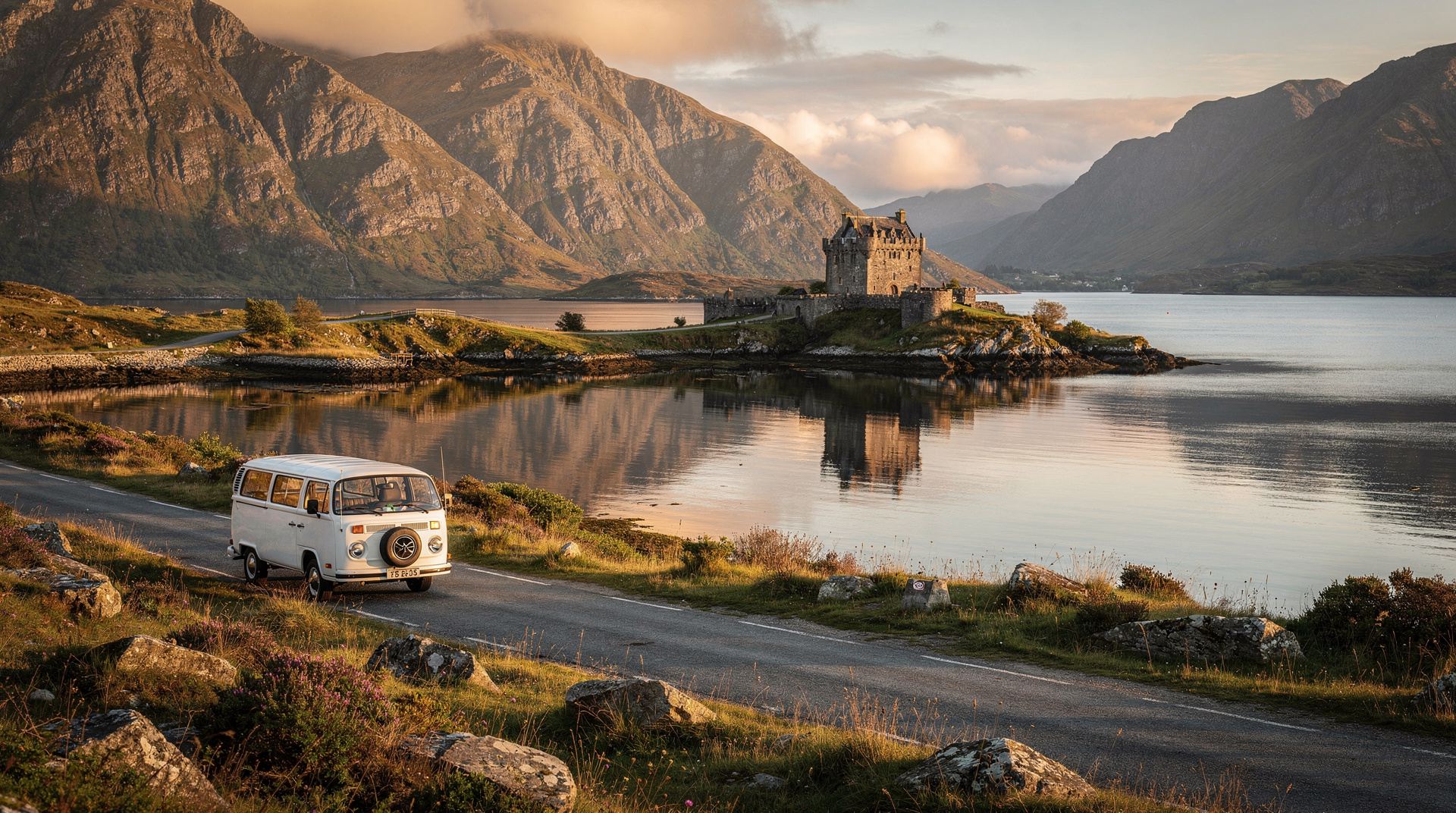
Eilean Donan Castle: Technically on the mainland at Dornie, 13 miles east of the Skye Bridge, Eilean Donan is the most photographed castle in Scotland and possibly in Britain. Built on a small tidal island at the junction of three sea lochs — Loch Duich, Loch Long, and Loch Alsh — it appears to rise directly from the water. Photography from the bridge and the small shore area around the causeway entrance is best in morning light, when the loch surface is calm and the mountains behind the castle are reflected in the water. Entry: £12 adults. Open daily March to October.
Combining Skye with the mainland Highlands
Most guided tours from Edinburgh combine Skye with the Loch Ness and Glencoe circuit on the return leg — a logical route that covers the two most impressive landscape zones in a single multi-day trip. The multi-day Highland tours guide covers the full range of structured tour options, including Skye plus Glenfinnan and the westerly Highlands.
For those with a week available, the North Coast 500 guide covers the circular route around the far northwest, which can be linked with Skye as part of a longer circuit.
Fitting Skye into your wider Scotland trip
Skye works best as one chapter of a longer visit rather than a stand-alone excursion. Most travellers spend their first days in the capital and then head north, so it helps to decide how the two halves balance. The guide to how many days to spend in Edinburgh will help you work out how much time to leave for the city before you leave for the islands, and the Edinburgh and Highlands 5-day itinerary shows one way to combine the two in a single trip.
Timing matters as much as length. The best time to visit Edinburgh and the Edinburgh weather guide both help with seasonal expectations, and Highland weather is changeable enough that the same advice applies doubly on Skye: pack layers and waterproofs whatever the forecast says. If you are travelling from outside the UK, check the UK ETA guide well before you book anything non-refundable.
If Skye proves more than your schedule allows, there are other ways to taste the Highlands without the long drive. The best day trips from Edinburgh cover the closer options, Loch Ness and Inverness make a sensible compromise, and the Scottish castles near Edinburgh are an easy way to add history on the days you stay in the capital. For those drawn to even more remote islands, the Orkney from Edinburgh guide is the natural next step.
A sample 3-day itinerary
| Day | Route | Highlights |
|---|---|---|
| Day 1 | Edinburgh to Skye via the A9/A87 | Cairngorms, Five Sisters of Kintail, arrive Portree evening |
| Day 2 | Trotternish Peninsula loop | Old Man of Storr, Quiraing, Kilt Rock, back to Portree |
| Day 3 | Skye to Edinburgh via Glencoe/Loch Ness | Fairy Pools or Talisker (if time), Glencoe, Loch Ness, return |
This is the structure most guided 3-day tours from Edinburgh follow, and it is also a reasonable template for a self-drive trip if you would rather have the flexibility of your own car and schedule.
Comparing the guided tour options
| Tour length | Best for | What it adds over the 3-day |
|---|---|---|
| 3-day standard | First-time visitors wanting the headline sites | — |
| 3-day with Inverness | Visitors who also want Culloden and Highland history | Inverness, Culloden Battlefield |
| 4-day west Highlands | Visitors wanting more time and wider geography | Oban and the western Highlands |
| 5-day with steam train | Film and railway enthusiasts | Jacobite steam train, more Skye time |
What a guided tour does and doesn’t cover
Guided multi-day tours are efficient, but it is worth being honest about the trade-off. You gain fixed logistics, a driver who knows the single-track roads, and a pre-planned sequence that avoids the worst of the crowding at the headline sites. You lose the flexibility to linger somewhere the light is good, to detour off the planned route, or to stay later at Fairy Pools if you want a swim.
For photographers or visitors who want to chase specific light conditions at the Old Man of Storr or the Quiraing, self-drive with your own overnight stays gives considerably more control. For most first-time visitors without Highland driving experience, the guided option removes a genuine source of stress — single-track roads, passing places, and unfamiliar mountain driving are not trivial for visitors used to motorways.
Skye without a car: is it realistic?
Yes, with planning. The train to Kyle of Lochalsh via Inverness is one of Britain’s most scenic rail journeys, and combined with a guided minibus tour on the island itself, a car-free Skye visit is entirely workable. Public transport on Skye itself is limited outside Portree, so a car-free visit works best either with a guided tour that includes on-island transport, or by basing yourself in Portree and using local minibus tours for the Trotternish and Cuillin excursions rather than trying to reach the more remote sites independently.
Frequently asked questions about Skye from Edinburgh
Can I visit the Isle of Skye as a day trip from Edinburgh?
Technically you can drive there and back in a day (about 10 hours of driving) but you would have minimal time on the island and would arrive exhausted. Skye deserves at minimum two nights. A day trip makes no practical sense given the distance. If your time is genuinely limited to a single day, the Loch Ness and Glencoe circuit from Edinburgh is far more rewarding per hour than a rushed Skye dash.
How many days do I need on Skye?
Two nights gives you the Old Man of Storr, the Quiraing, Fairy Pools, Portree, and a drive around the Trotternish Peninsula. Three nights adds Dunvegan, Neist Point lighthouse (the westernmost point of Skye, spectacular in evening light), and a longer walk in the Cuillins. For serious walking or climbing, a week is appropriate.
What is the best guided tour to Skye from Edinburgh?
The 3-day Isle of Skye and Highlands tour is the most efficient format — covers Skye’s headline sites over two days and combines the journey with Glencoe and Loch Ness. For those wanting more time on Skye specifically, the 4-day tour is better. See the multi-day tours guide for a full comparison of options.
When is the best time to visit Skye from Edinburgh?
May and June for manageable crowds and long daylight hours. September and October for dramatic light and fewer visitors (crowds in summer are genuinely problematic at the headline sites). Winter is atmospheric but dark, and some minor roads can be icy. July and August are peak season and the most crowded.
Can I visit Skye without a car?
Yes. The train from Edinburgh to Kyle of Lochalsh via Inverness is scenic and reliable, and a guided multi-day tour handles the island logistics, including transport between the Trotternish sites and the Cuillins. Public transport on the island itself is limited, so a car-free visit works best paired with a guided tour or a Portree base using local minibus excursions.
Is it better to hire a car or take a guided tour to Skye?
For a week-long self-drive circuit of the Highlands including Skye, a hire car is excellent and gives complete flexibility. For visitors with 2-3 days who want to cover Skye specifically, guided tours handle the logistics efficiently. The saving in navigation stress on Highland single-track roads is significant. Self-drive is better if you want the freedom to stop wherever the light is good.
Top experiences
Bookable activities with verified prices and instant confirmation on GetYourGuide.