Edinburgh travel guide for first-time visitors
Edinburgh: City Sightseeing hop-on hop-off bus tour
What do first-time visitors need to know about Edinburgh?
Edinburgh is a compact, walkable city built around an extinct volcano. The Old Town and New Town are the two must-visit areas. Allow at least three days, budget £80-150 per day, and book accommodation early if visiting in August (Fringe season).
Your honest introduction to Scotland’s capital
Edinburgh is one of Europe’s most rewarding cities for a first visit. It is compact enough to walk across in under an hour, dramatic enough to stop you in your tracks at every turn, and layered with enough history that even a week barely scratches the surface. But it can also be expensive, confusing to navigate if you arrive without a plan, and genuinely overwhelming during festival season.
This guide gives you the practical foundation for a first visit: what to see, where to base yourself, how to get around, what to budget, and the honest warnings that most travel sites bury in small print.
| Where to stay | Old Town or Princes Street area for walkability |
| Time needed | 3-4 days minimum |
| Cost | £80-150/day mid-range |
| Getting there | Tram from airport, train into Waverley |
| Best time | May-June or September |
Understanding Edinburgh’s geography
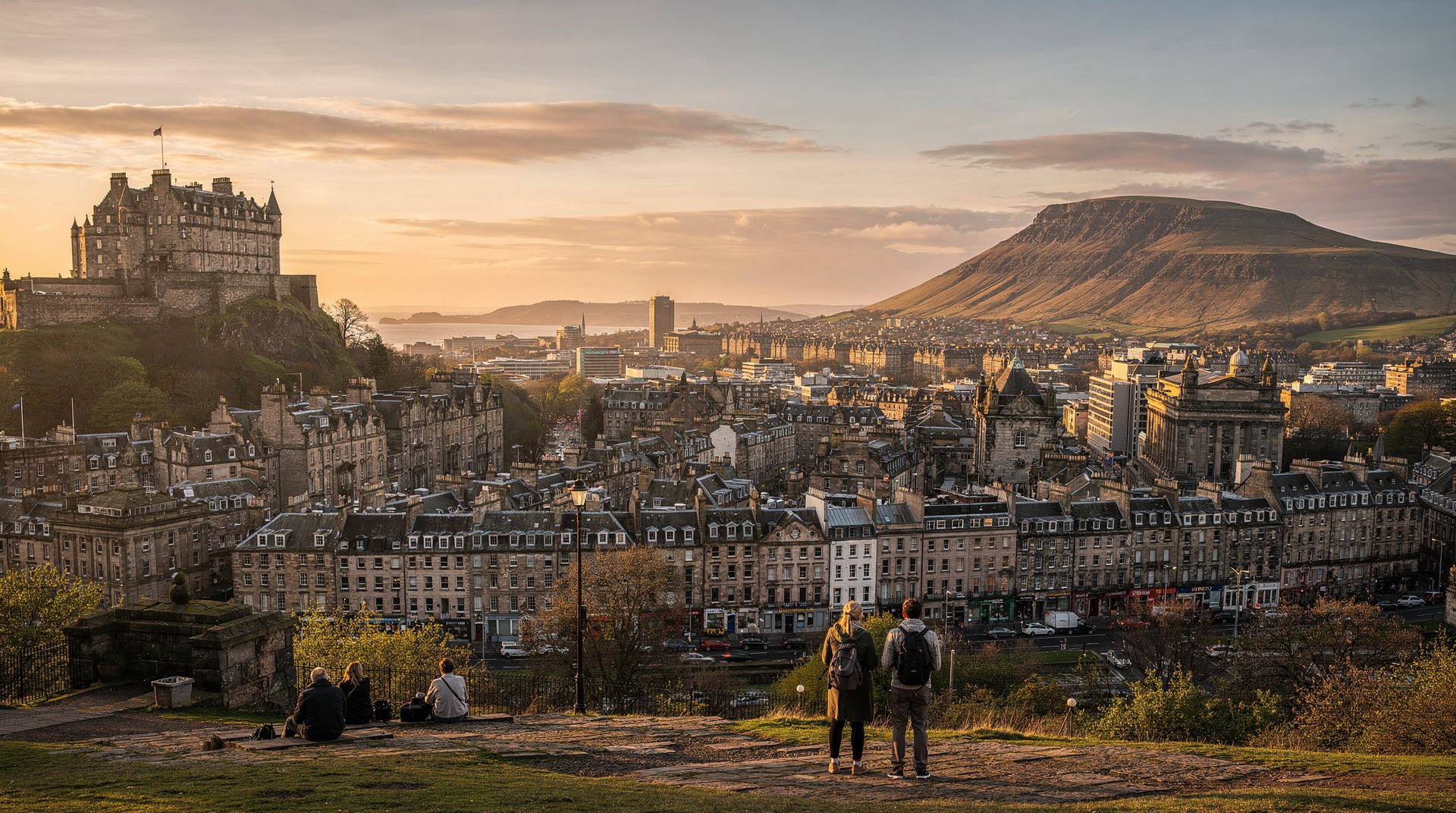
Edinburgh is built across a series of volcanic ridges and valleys in a way that confounds anyone expecting a flat city. The two areas you will spend most of your first visit are the Old Town and the New Town — which despite its name dates from the eighteenth century.
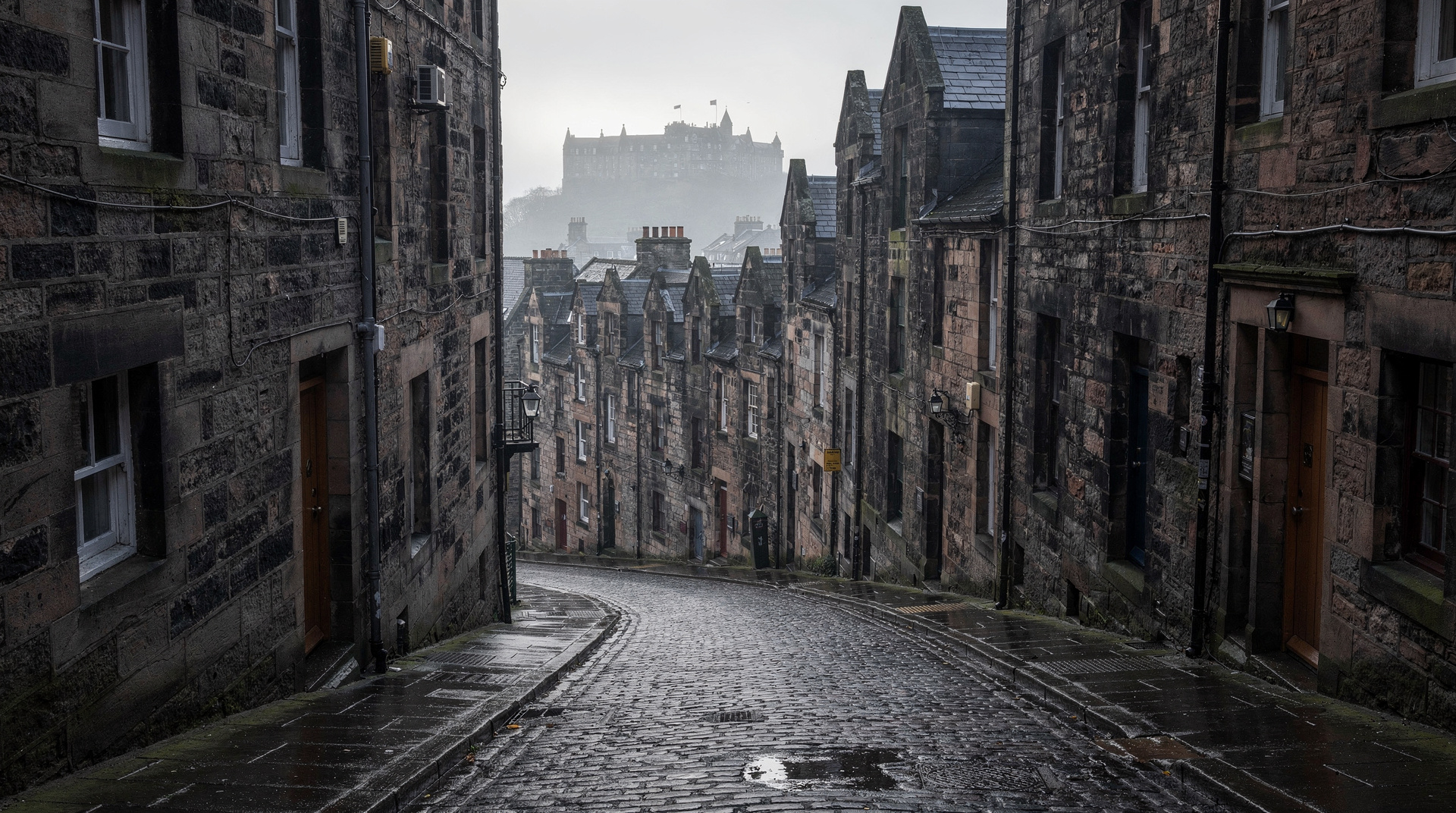
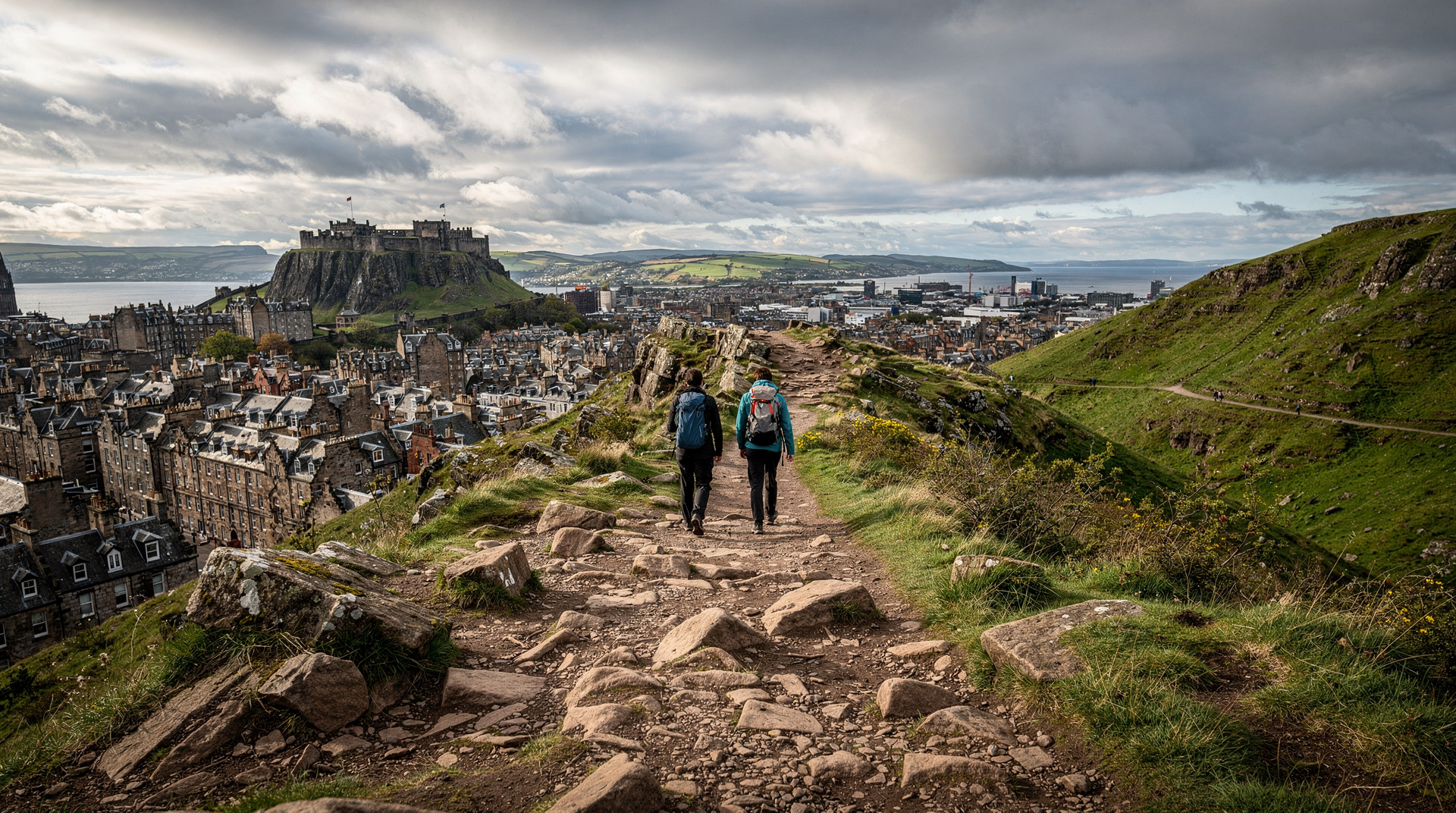
The Old Town occupies the ridge running west from Edinburgh Castle down to the Palace of Holyroodhouse. The main spine is the Royal Mile, with closes, wynds, and steep stairs branching off on both sides. The Old Town is where medieval Edinburgh survives in compressed, atmospheric form: the castle on its volcanic rock, the underground vaults, Greyfriars Kirkyard, the Cowgate. Most of the ghost tours, history attractions, and whisky experiences are here.
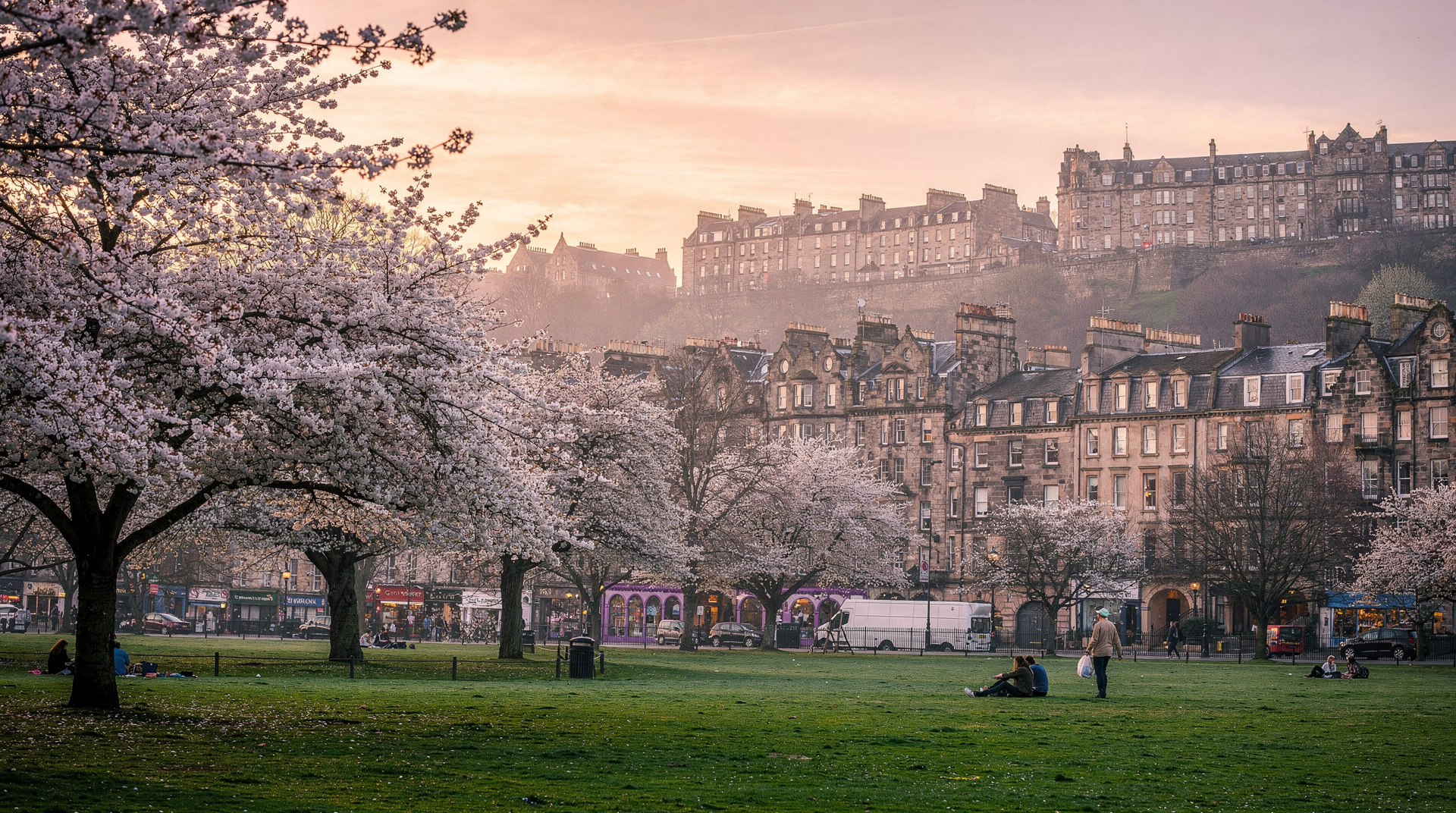
The New Town occupies the ridge to the north of the Old Town, separated from it by the Princes Street Gardens (which fill a drained loch). The New Town is Georgian, rational, and spacious — wide streets, grand terraces, and the city’s best independent shops and restaurants. The main shopping street is Princes Street; the more interesting parallel street is George Street.
Beyond these two areas, first-time visitors often also spend time in Leith, Edinburgh’s port neighbourhood to the north (home to the Royal Yacht Britannia and excellent restaurants), and in the area around Holyrood and Arthur’s Seat at the eastern end of the Royal Mile.
The non-negotiable highlights
Edinburgh Castle
No first visit is complete without Edinburgh Castle. Perched on a volcanic plug of basalt that has been fortified for three thousand years, it houses the Honours of Scotland (the oldest crown jewels in the British Isles), the Stone of Destiny, the National War Museum, and the stunning views over the city. Allow three to four hours. A guided tour with entry ticket is the best value for first-timers — the context a guide provides is considerably better than the audio guide alone.
The Royal Mile
Walk the full length of the Royal Mile at least once: it runs from the castle esplanade down to Holyrood Palace, and the mile of closes, historic buildings, and glimpsed courtyards is the heart of old Edinburgh. The honest caveat: the shops along the Royal Mile are almost universally overpriced tourist traps selling identical tartan and whisky. The history is real; the retail is not. Eat elsewhere, shop elsewhere — see the Royal Mile tourist traps guide before you spend anything.
Arthur’s Seat
The extinct volcano at the eastern end of the Royal Mile is the city’s defining natural feature. The hike to the summit (251 metres) takes roughly 45 minutes to an hour from Holyrood, involves some rocky scrambling near the top, and rewards you with the finest views in Edinburgh. It costs nothing. If you want company and historical context, an Arthur’s Seat guided hike covers the geology and history as you walk.
The National Museum of Scotland
Admission is free and the collection is exceptional — Scottish history, natural history, science, and art under one roof on Chambers Street. The ground floor medieval and early modern Scotland galleries are better than most people expect. Allow two to three hours. It is also one of the best rainy-day options in the city.
New Town and Stockbridge
The Georgian New Town is easy to underestimate on a first visit when the castle and Old Town dominate attention. But a walk along George Street, through Charlotte Square, and down into Stockbridge gives a completely different picture of Edinburgh — quieter, more local, with independent cafes and delis that do not have tour groups queuing outside.
Where to stay
For a first visit, staying in or adjacent to the Old Town or Princes Street area puts you within walking distance of everything. The Old Town itself (Royal Mile, Grassmarket, Cowgate) has the most atmospheric options but also the most noise on weekend nights — the Cowgate in particular can be loud late. The New Town (north of Princes Street) is quieter and often slightly cheaper.
Budget options run from around £25-40 per night for hostel dorms to £80-120 for budget hotels. Mid-range hotels on or near Princes Street typically run £120-200 per night. If you are visiting during August for the Fringe, expect to pay two to three times the off-season rate, and book six to twelve months ahead — the city’s accommodation fills entirely.
Leith, about 20-25 minutes’ walk north, has good options at lower prices with excellent restaurant access. It does require slightly more planning for evening returns after late nights in the Old Town.
Stockbridge is a middle option worth considering for first-time visitors who want something quieter than the Old Town without the extra travel time of Leith — a genuinely pleasant neighbourhood with its own restaurants, delis, and a Sunday market, and a walkable 15-20 minutes from Princes Street. It has fewer hotel options than the Old Town or New Town, so book early if this is your preference. See the where to stay in Edinburgh guide for a fuller comparison of all the neighbourhood options against price and convenience.
Getting into the city from the airport
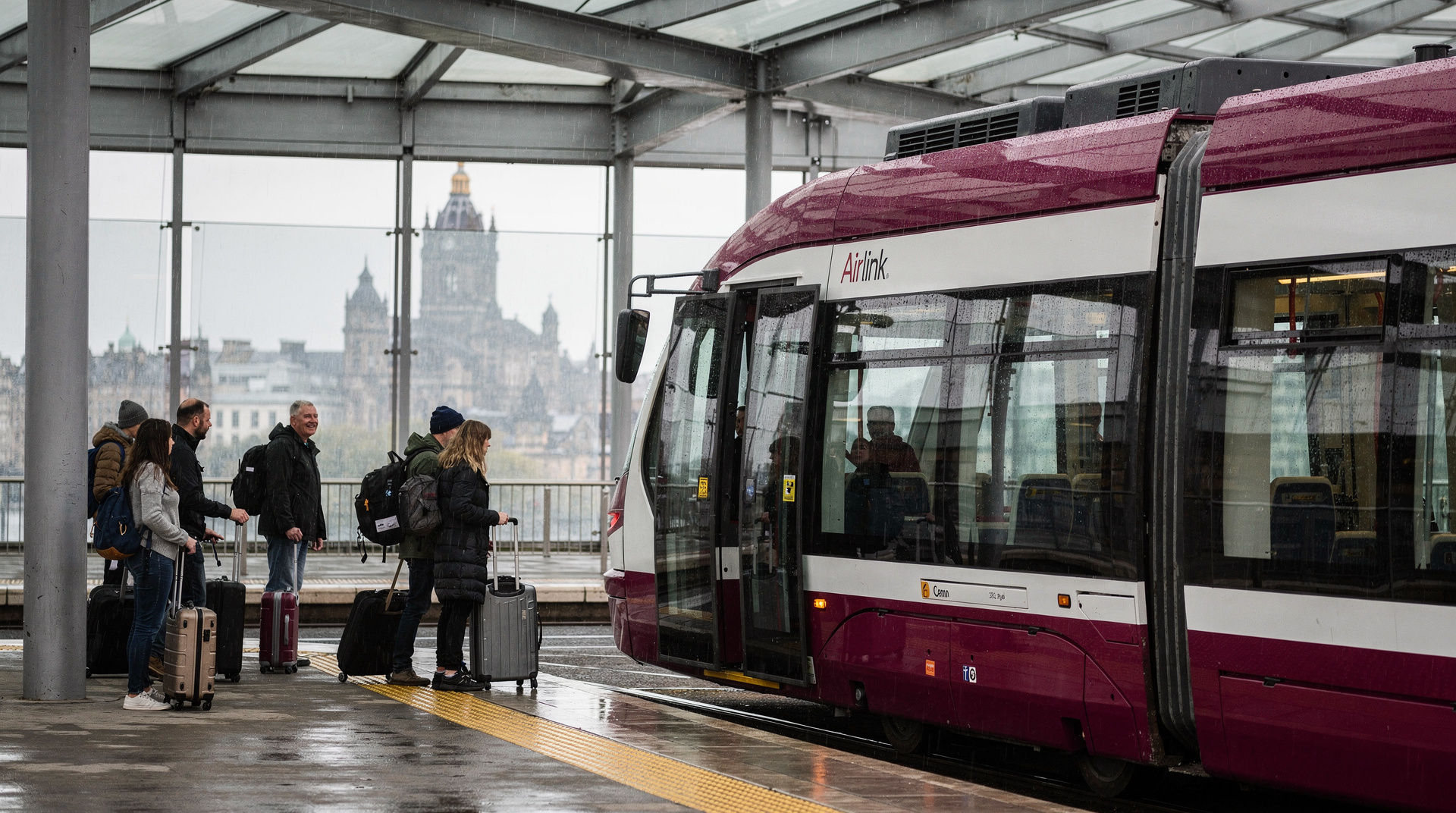
Edinburgh Airport is about 8 miles west of the city centre. The quickest and most cost-effective option is the tram, which runs directly from the airport to York Place in the city centre in around 30 minutes for £7.90 single (2026 price). The tram runs every 10-12 minutes throughout the day. The airport to city centre guide covers all the options including buses, taxis, and rideshare.
If you are arriving from London by train, you come into Waverley Station — which is positioned at the bottom of the Old Town with the castle visible above you as you exit. It is one of the best station arrivals in Britain.
Getting around the city
Edinburgh is small enough that most first-time visitors can walk between major attractions. The distance from Waverley Station to Edinburgh Castle is about 15 minutes on foot; from the castle to Holyrood is another 20 minutes. Stockbridge, Dean Village, and the Water of Leith are all walkable from the city centre.
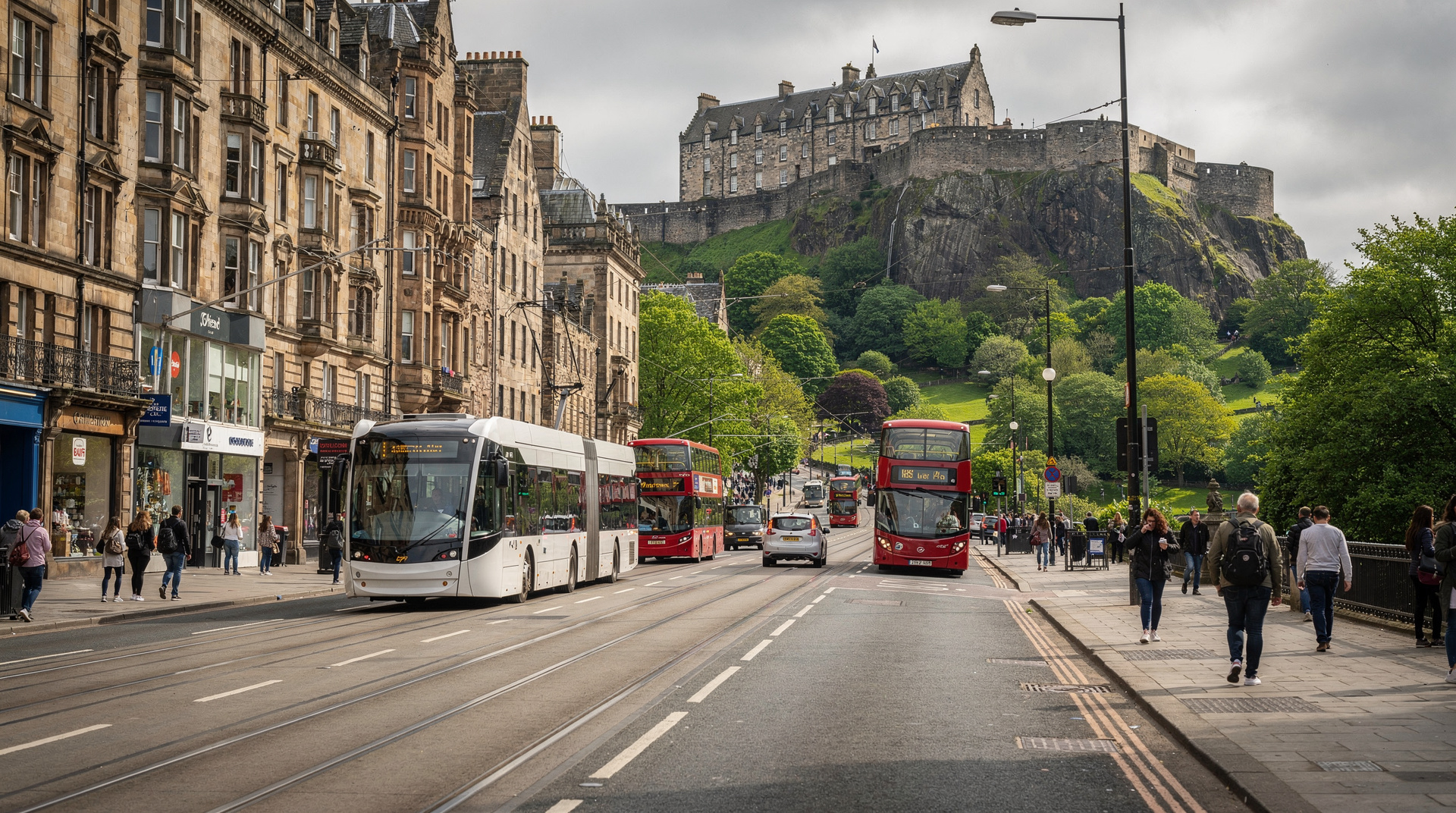
For days when you want to cover more ground, the trams and buses operated by Lothian Buses are frequent and reliable. A day ticket is good value. A hop-on hop-off city bus is a practical option for a first day if you want to orient yourself and see the main sights with commentary before choosing where to spend more time on foot.
You do not need a car within Edinburgh. See do you need a car in Edinburgh for the honest answer — hire cars mainly make sense once you are heading beyond the city, such as into the Highlands, and even then a guided tour is often more relaxing and cheaper for a single day.
What to budget
Edinburgh is not a cheap European city. A realistic budget for first-time visitors in 2026:
Budget traveller (hostels, free attractions, self-catering): £60-80 per day. Edinburgh has excellent free museums (National Museum, Scottish National Gallery, National Portrait Gallery), and Arthur’s Seat, Calton Hill, Princes Street Gardens, and the Water of Leith Walkway all cost nothing. Edinburgh Castle entry (£23.50 adults) is the main paid expenditure if you are on a tight budget.
Mid-range (budget hotels, pub meals, some paid attractions): £120-180 per day. This covers a decent hotel, a pub lunch (£10-15), an evening meal with drinks (£35-50), and one paid attraction per day. See the Edinburgh on a budget guide for more strategies.
Comfort (good hotels, restaurants, tours): £250-350+ per day.
Currency is pounds sterling (£ GBP) — Edinburgh is in the United Kingdom, not the European Union, and euros are not accepted. Cards are almost universally accepted; carrying £20-30 cash is sufficient for most visitors. See the Edinburgh money and currency guide for practical detail.
Visa and entry requirements
From 2025, citizens of many countries need a UK Electronic Travel Authorisation (ETA) before travelling to Edinburgh. The ETA costs approximately £20 and is valid for two years for multiple trips. It must be obtained before travel — it is not available on arrival. Irish citizens and holders of UK visas are exempt. See the UK ETA guide for full details on who needs one and how to apply.
When to visit
The best times for a first visit are May-June and September. The weather is milder than winter, daylight is long (Edinburgh is further north than Moscow — the summer evenings are extraordinary), crowds are manageable, and accommodation prices are sensible.
August brings the Edinburgh Festival Fringe, the world’s largest arts festival, and the Royal Edinburgh Military Tattoo. The atmosphere is electric, every pub and restaurant is packed, and the city is at its most alive. But accommodation costs two to three times the normal rate and booking needs to happen months in advance. If you want the Fringe experience, go deliberately; if you are after a relaxed first visit, choose a different month.
Winter (December-February) has smaller crowds, excellent Christmas markets in December, and the spectacular Hogmanay celebrations around New Year. Expect cold, grey weather and some reduced hours at attractions. See the full breakdown in the best time to visit Edinburgh guide.
The honest warnings
The Royal Mile restaurants are overpriced. Eating on the Royal Mile will cost you 30-50% more than equivalent food in Stockbridge, Leith, or the Southside. This is a tourist trap with no local patronage and no reason to be there other than convenience.
August is not relaxing. The Fringe is wonderful but the city is saturated. Every pavement is packed, every restaurant is queued, and prices are maximised across the board. Plan for this or go in a different month.
Ghost tours vary enormously. There are over a dozen ghost tour operators in Edinburgh, ranging from genuinely good historical experiences to embarrassing theatrical duds. The best ghost tours guide separates them honestly.
Loch Ness is further than you think. Many first-time visitors try to fit Loch Ness into a single day trip, then are surprised to discover it is 3-3.5 hours each way from Edinburgh and the famous loch itself is a long, cold, dark body of water with no monster. Glencoe, which is passed on the same route, is genuinely spectacular. Book a guided day tour and keep expectations calibrated — the Loch Ness day trip guide is honest about what you will and will not see.
Public transport is cashless. Both the Edinburgh tram and Lothian Buses require a contactless card or mobile payment — cash is not accepted on board either service. This catches out visitors from cities where cash bus payment is still normal. See the trams and buses guide before your first bus journey.
Planning your days
For most first visits, three to four days is the minimum to see Edinburgh properly without rushing. The how many days in Edinburgh guide breaks down what to do by length of stay, and the three-day Edinburgh itinerary gives a workable template.
The one-day Edinburgh itinerary covers what to prioritise if you only have 24 hours — useful for stopovers or train connections from London.
A sensible first visit at a glance
| Day | Focus | Free or paid |
|---|---|---|
| 1 | Edinburgh Castle, Royal Mile | Paid (castle) |
| 2 | National Museum, Arthur’s Seat, Leith dinner | Free |
| 3 | New Town, Stockbridge, Scottish National Gallery | Free |
| 4+ | Day trip: Highlands, Stirling, or Rosslyn Chapel | Varies |
This is a template, not a rule — swap days around based on weather and energy levels, and see the three-day Edinburgh itinerary for the fully worked version with timings.
Extending beyond Edinburgh
Most first-time visitors eventually want to see something beyond the city itself, and Edinburgh is well-placed for this. Stirling is under an hour away and pairs naturally with a Highland day trip. Rosslyn Chapel is a short trip south of the city and popular with visitors interested in the Da Vinci Code connection or the building’s remarkable carving. For the Highlands proper, the Edinburgh to the Highlands guide covers realistic planning for Glencoe, Loch Ness, and further destinations, including which are workable as day trips and which need an overnight stay.
Frequently asked questions about visiting Edinburgh for the first time
Is Edinburgh easy to navigate as a first-time visitor?
Yes. The city centre is compact and walkable, and the layout — Old Town on the ridge, New Town to the north — becomes intuitive after a few hours. Waverley Station sits at the bottom of the Old Town and is the main transit hub. Princes Street, running along the base of the castle ridge, serves as the main east-west orientation point. Most first-time visitors find they are navigating comfortably by the end of their first day.
How safe is Edinburgh for tourists?
Edinburgh is one of the safer large cities in Europe for tourists. Pickpocketing exists, particularly in crowded Old Town areas and during festival season, but violent crime against tourists is rare. The Cowgate and Grassmarket late at night on weekends involve the expected noise and occasional drunkenness associated with nightlife areas. Use standard city common sense and you are very unlikely to have any problems.
Do I need to speak English to visit Edinburgh?
Scottish English is not always immediately comprehensible to visitors — the accent varies significantly by neighbourhood, and some Scots use Scots language vocabulary that is unfamiliar to speakers of other English varieties. That said, Scots are generally patient with visitors and the language barrier is minimal. Most service workers in tourist areas are accustomed to communicating with international visitors.
What is the single best thing to do in Edinburgh?
It varies by interest, but for most first-time visitors the answer is: walk the full Royal Mile on foot at your own pace, entering the closes and churchyards along the way, starting at the castle esplanade and finishing at Holyrood. It is free, takes two to three hours, and gives you a feeling for old Edinburgh that no bus tour matches.
Can I visit Edinburgh as a day trip from London?
Technically yes — the train takes approximately 4.5 hours from London Kings Cross to Edinburgh Waverley. But a single day in Edinburgh is genuinely not enough to see the city properly; you will spend most of your waking time on trains. A two-night trip is the realistic minimum to make the journey worthwhile.
Is Edinburgh suitable for visitors with mobility challenges?
Partially. The Old Town is built on a steep volcanic ridge with cobblestones and many changes of level — it is challenging for wheelchairs and reduced-mobility visitors. The New Town is significantly flatter and more accessible. Waverley Station has good accessibility, and Lothian Buses are accessible. Specific attraction accessibility varies; Edinburgh Castle has some accessible routes but remains difficult for wheelchairs throughout much of the site.
What is the best way to see Edinburgh if I only have one day?
Arrive at Waverley, walk up to the castle for the morning, walk down the Royal Mile to Holyrood in the early afternoon, and climb Arthur’s Seat (45-60 minutes) for the late afternoon views. Have dinner in Stockbridge or Leith rather than on the Royal Mile. The one-day Edinburgh itinerary builds this into a practical sequence with timing.
What currency does Edinburgh use and how much cash do I need?
Pounds sterling (£ GBP) — euros are not accepted. Cards work almost everywhere, so £20-30 cash covers most first-time visitors’ entire trip. See the Edinburgh money and currency guide for exchange rate detail.
Should I book a Highlands day trip before I arrive?
If you have a fixed date in mind, yes, particularly for summer weekends — popular Loch Ness and Glencoe tours sell out days ahead. See the Edinburgh to the Highlands guide for realistic planning around day trips versus multi-day options.
Top experiences
Bookable activities with verified prices and instant confirmation on GetYourGuide.