Do you need a car in Edinburgh? Honest advice for visitors
Edinburgh: Loch Ness, Glencoe & the Scottish Highlands tour
Do you need a car in Edinburgh?
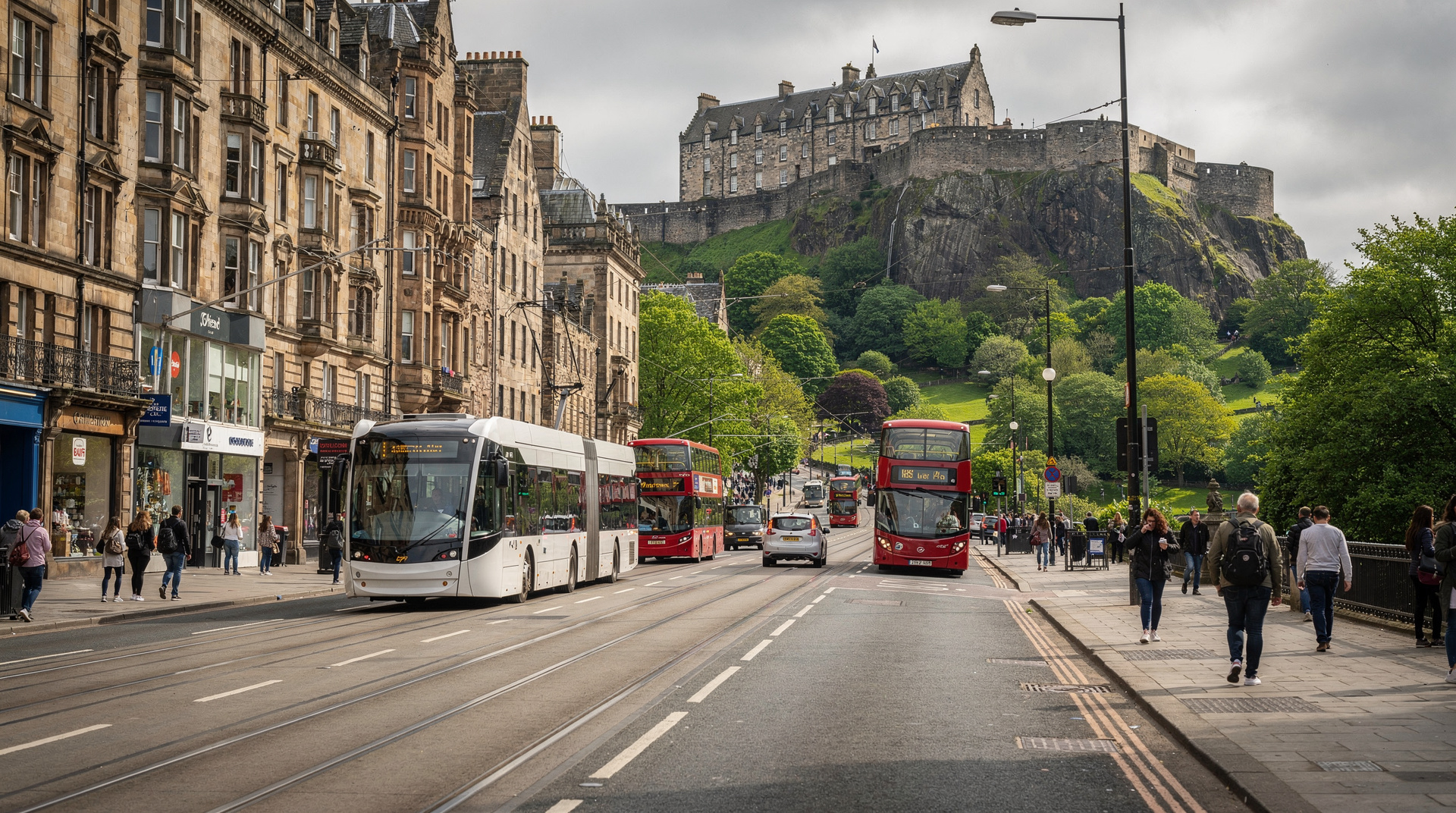
No. Edinburgh city centre is entirely walkable, Lothian Buses and trams cover the rest, and day trips to Stirling, Fife, and even the Highlands are easy by train or guided coach. A car is a liability in the city — parking costs £25-35 per day and the Old Town roads are complex.
The direct answer
You do not need a car to visit Edinburgh. The city is one of the most walkable in Europe, public transport covers the wider city and most day-trip destinations, and a car in Edinburgh adds substantial cost and complication with minimal benefit.
The only situations where a car adds genuine value are:
- You are extending beyond Edinburgh to rural Scotland — specifically to scattered Highland locations, the more remote Borders, or if you want to do multiple distilleries in a self-directed way.
- You are travelling with young children or mobility-limited companions who cannot manage buses and trains comfortably.
- You are visiting multiple Scottish cities or regions in sequence and have a lot of ground to cover.
For the vast majority of visitors doing a city break in Edinburgh, even one that includes some day trips, a car is unnecessary and usually unhelpful.
| City centre parking | Around £25-35/day, plus £3-5/hour on-street where available |
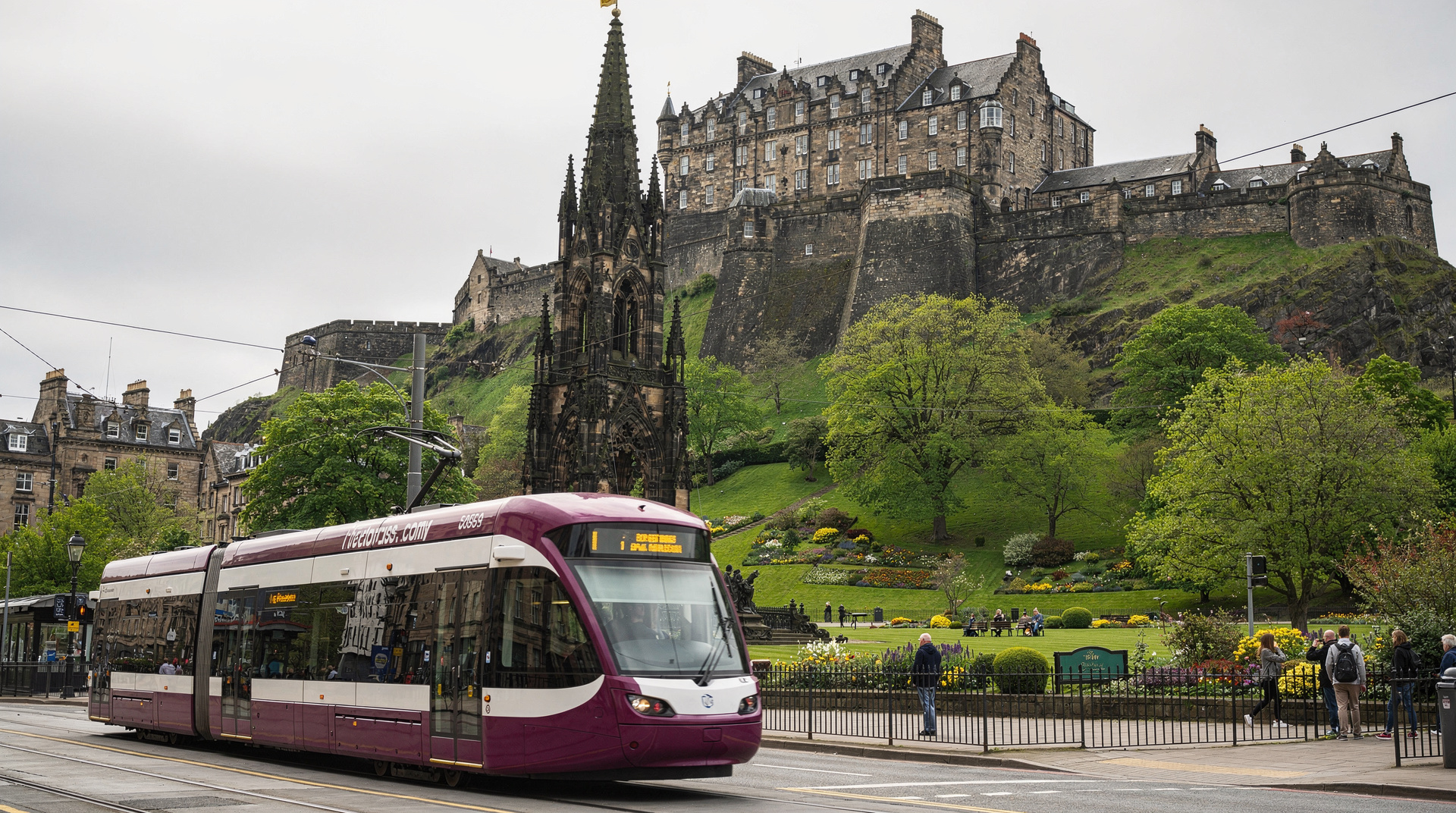
| Alternative | Lothian Buses, trams, and walking cover the entire city centre |
| Day trips without a car | Stirling, St Andrews, North Berwick, Glasgow (all by train) |
| When a car helps | Multi-day Highlands touring, Skye, remote Borders, families/mobility needs |
| Best approach | Go car-free in Edinburgh, hire only for onward Highland travel |
Transport options compared
| Option | Best for | Rough cost | Car needed? |
|---|---|---|---|
| Walking | Old Town, New Town, most attractions | Free | No |
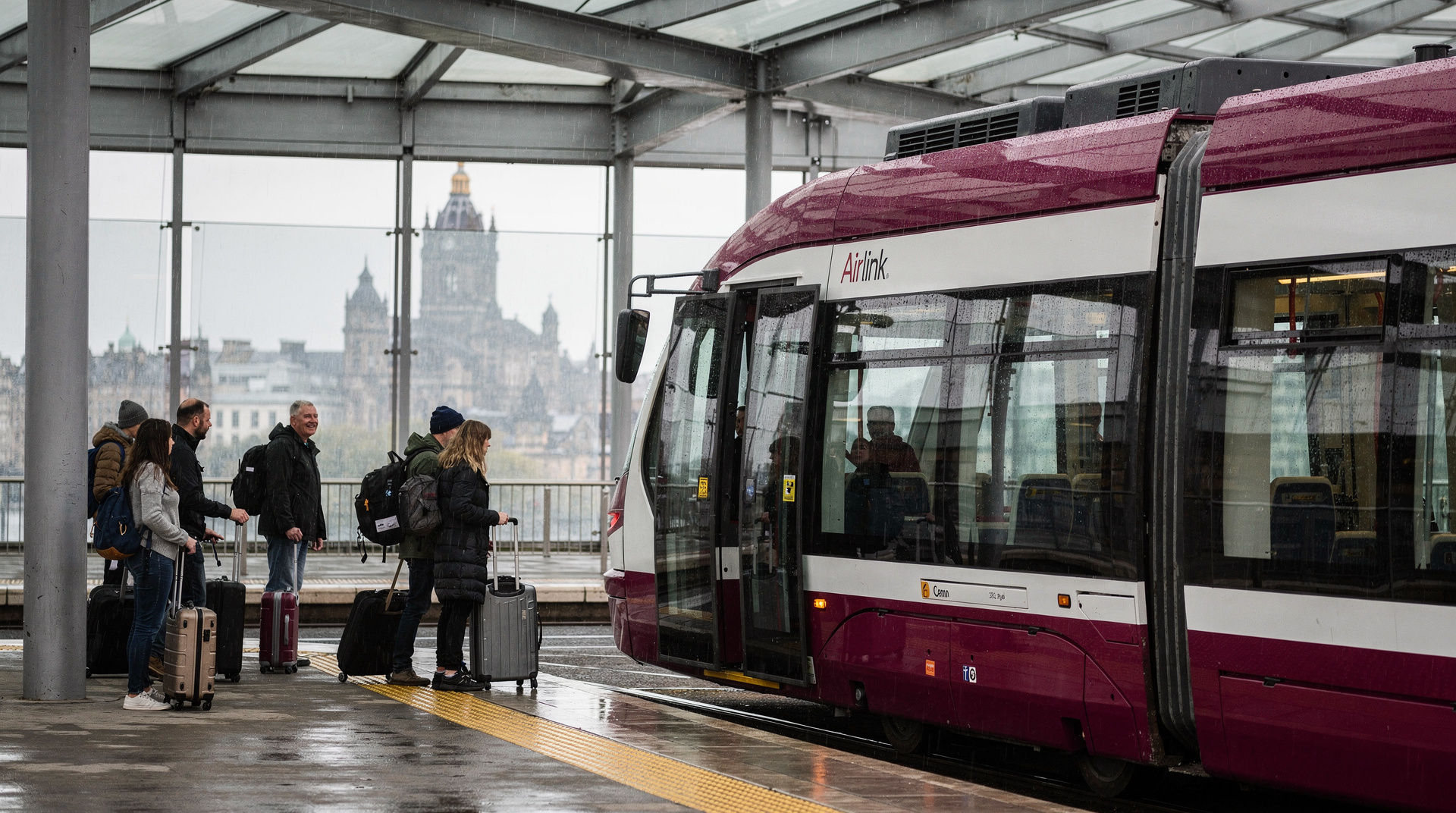
| Lothian Buses / trams | Wider city, airport, Leith | Around £2-5 per journey or a day ticket | No |
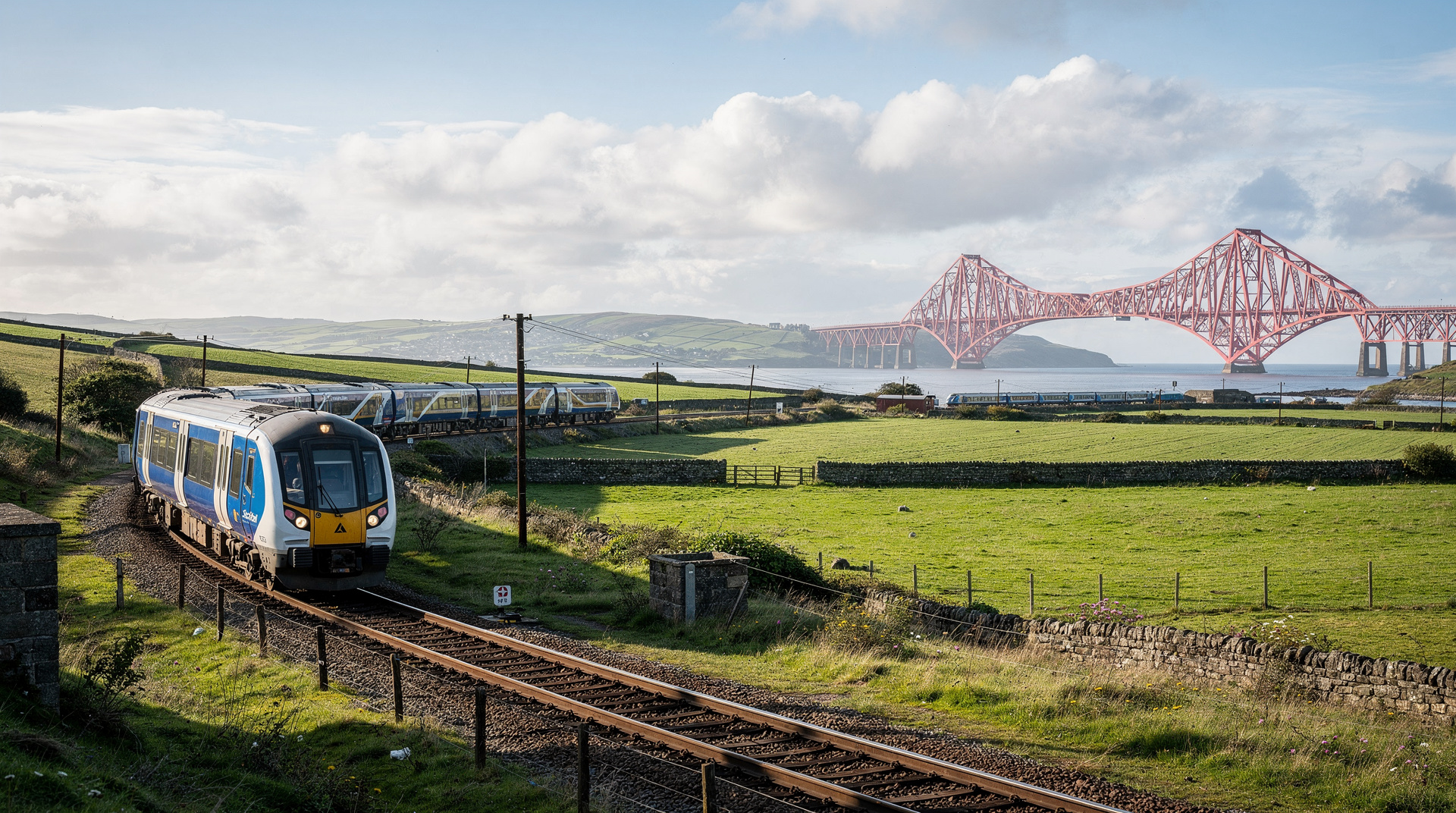
| ScotRail trains | Stirling, St Andrews, North Berwick, Glasgow | Varies by route | No |
| Guided day tours | Highlands, Loch Ness, Skye, Fife circuit | Around £35-90 per person | No |
| Hire car | Multi-day Highlands, Skye, remote Borders, families | Hire fee + fuel + parking | Yes |
| Taxi/rideshare | Short hops, luggage, late-night | Metered/app fare | No |
For a full breakdown of city-centre transport specifically, see the getting around Edinburgh guide and the Edinburgh trams and buses guide; for arriving from the airport, the Edinburgh airport to city centre guide covers the tram, bus, and taxi options in detail.
Why a car is a liability in Edinburgh city
Parking costs
City centre car parks in Edinburgh charge £25-35 per day. On-street parking in the centre (where it exists at all) is controlled by resident permit zones or pay-and-display meters costing £3-5 per hour with strict time limits. Parking fines are £60-100. There is no free parking within walking distance of any significant Edinburgh attraction.
Over a three-day city break, parking costs alone would run £75-105 — more than the total cost of using Lothian Buses and taxis for the entire trip.
Road layout
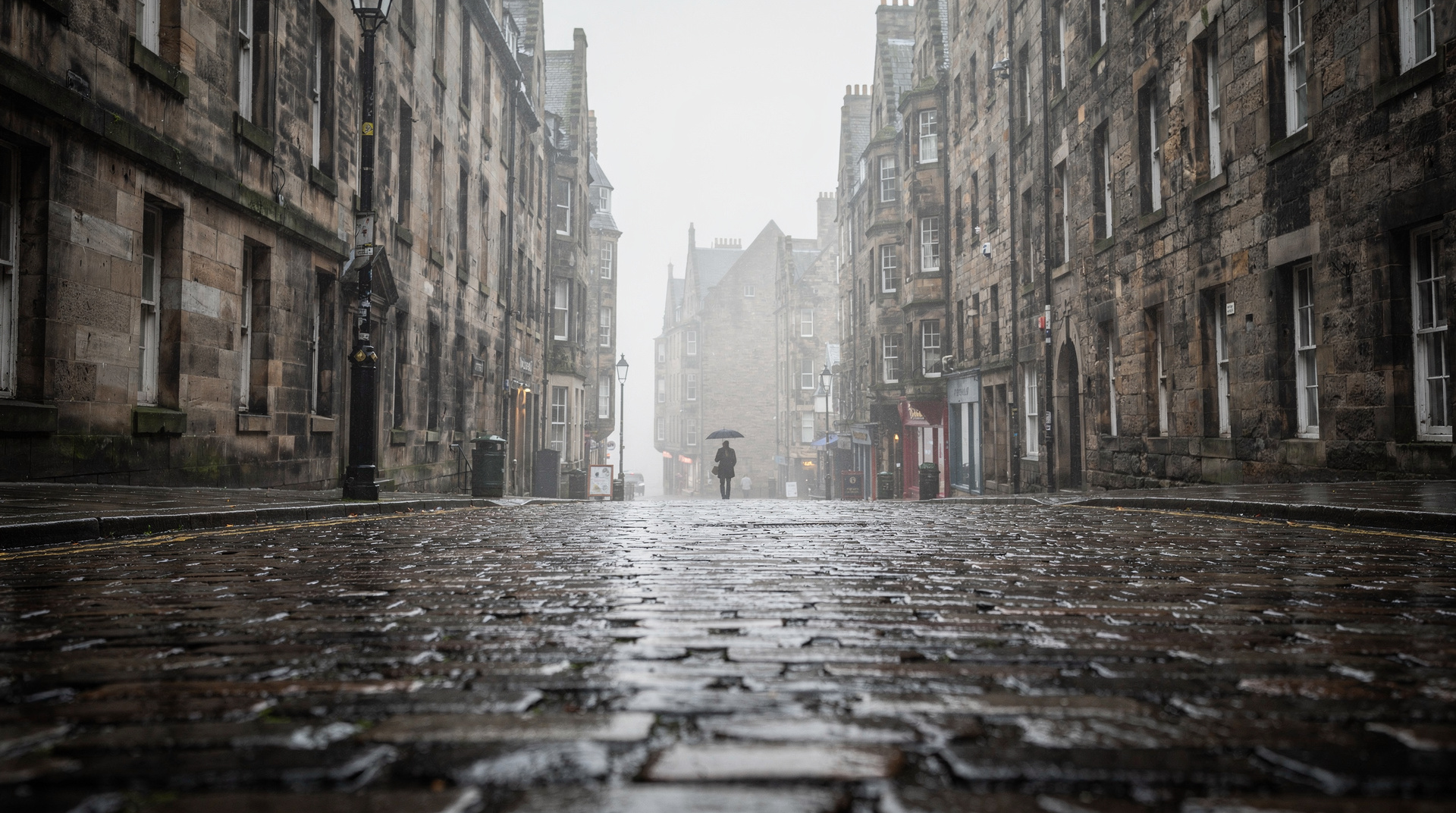
Edinburgh’s Old Town was not designed for vehicles. The Royal Mile is closed to through traffic at various points. The one-way systems in the Old Town are genuinely confusing and signage is limited. Cockburn Street, the Grassmarket, and the closes connecting different levels are either pedestrianised or restricted. Sat-nav systems in the Old Town regularly suggest impossible routes.
Congestion and LEZ
Edinburgh operates a Low Emission Zone (LEZ) in the city centre, covering much of the Old Town and New Town. Older vehicles not meeting Euro 6 diesel or Euro 4 petrol emission standards face charges to drive within the zone. If hiring a car, check that your hire vehicle meets the standard — most modern hire cars do, but it is worth confirming.
Traffic in Edinburgh, particularly on Princes Street, Leith Walk, and around Waverley during morning and evening peaks, can be significantly congested. Journey times within the city by car are often slower than walking or taking a bus.
Day trips from Edinburgh without a car
Most of Edinburgh’s day-trip destinations are reachable by train or guided coach without a car:
By train (no car needed)
Stirling (55 minutes from Waverley on ScotRail): Stirling Castle, the National Wallace Monument, and the town centre are all walkable from Stirling station.
St Andrews (1.5 hours via Leuchars): Train to Leuchars, then Stagecoach bus to St Andrews town centre. A slight logistical complexity but straightforward. The St Andrews day trip guide covers the route.
North Berwick (35 minutes from Waverley on ScotRail): The coastal town, Tantallon Castle, and the boat trips to the Bass Rock puffin colony are all accessible from North Berwick station on foot or by local bus.
Glasgow (50 minutes from Waverley on LNER or ScotRail): Glasgow city centre attractions are walkable from Glasgow Central or Queen Street stations.
By guided day tour (no car, no driving stress)
For the Highlands and more distant destinations, guided day tours from Edinburgh are the most practical option:
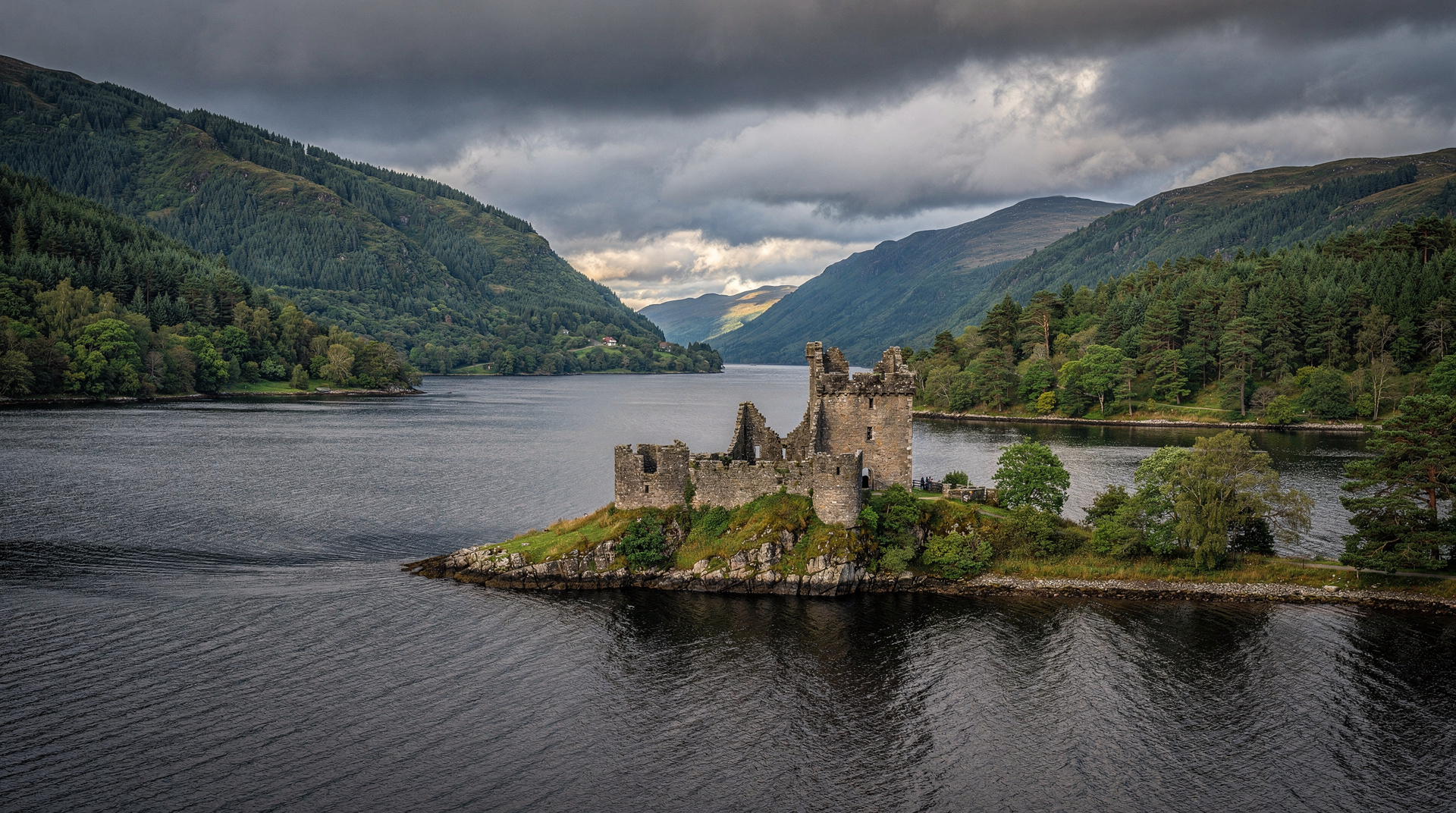
Loch Ness, Glencoe, and the Highlands: The round trip from Edinburgh to Loch Ness and back is 3-3.5 hours each way. This is a long day of driving on roads that include single-track sections in the Highlands. A guided Loch Ness, Glencoe and Highland day tour handles all the driving, includes expert guide commentary, and costs £35-55 per person — generally cheaper than hire car plus petrol plus parking for the equivalent journey.
Stirling Castle and Loch Lomond combined: Combining Stirling Castle with a Loch Lomond drive in one day is more complex by train. A Stirling Castle and Loch Lomond day tour is the most efficient option if you want both.
St Andrews and Fife: For the full Fife coastal circuit (St Andrews, East Neuk fishing villages, Anstruther, Crail), a car or St Andrews and Fife guided day tour gives more flexibility than the train-and-bus combination.
A broad Scottish overview: The best of Scotland small-group day tour combines multiple Scottish highlights in a single guided day, ideal for shorter visits.
When a hire car is worth considering
Multi-day Highland touring
If you are spending two or more days in the Highlands after Edinburgh — driving the NC500, visiting scattered distilleries in Speyside, or exploring the remote Borders and Northumberland — a hire car is the right tool. The flexibility to stop where you choose, stay in rural areas without transport connections, and cover long distances comfortably justifies the cost.
The practical approach: take the tram from Edinburgh Airport to the city, spend your Edinburgh days car-free, then collect a hire car at the end of your city days for the onward Highland journey. Hertz, Enterprise, Europcar, and Avis all have city centre Edinburgh locations (not just the airport).
If you would rather not drive at all but still want the Highlands and Skye properly covered, a multi-day guided tour is a genuine car-free alternative — the 5-day Highlands and Isle of Skye explorer tour covers the ground a hire car would, with someone else doing the driving on the single-track roads. The Isle of Skye from Edinburgh guide compares this against self-driving in more detail, and the Speyside whisky trail from Edinburgh guide covers the equivalent trade-off for a whisky-focused multi-day trip.
Visiting the Western Highlands independently
For the Isle of Skye, Oban, Glencoe, and the far northwest, independent driving gives you control over timing that guided day tours cannot match. Ferry connections to Skye and the islands require vehicle booking in advance in summer.
Families with young children
Travelling with toddlers and buggies on buses and trams is manageable but can be tiring. If you have young children who need buggy space, nap time in a car seat, and the ability to load and unload without negotiating bus doors, a hire car for Edinburgh day trips may be worth the cost. Within the city, a fold-flat buggy and Lothian Buses is still the better option for most journeys.
Visitors with mobility limitations
If you or a companion cannot manage walking distances of 15-30 minutes, cannot use bus steps (all Lothian Buses are low-floor, so this is less of an issue), or need to travel with substantial medical equipment, a car may be necessary for certain journeys. Edinburgh’s tram and bus network is accessible, but the Old Town’s cobblestones and stairs remain challenging regardless of transport mode.
Driving in Edinburgh: practical notes for those who do hire
Driving side: The UK drives on the left. This is the most significant adjustment for visitors from continental Europe, North America, and most of the world. Allow time to acclimatise before tackling Edinburgh city centre traffic.
Roundabouts: The UK uses roundabouts extensively; priority is given to traffic already on the roundabout (coming from the right as you approach). This is the most common confusion for left-hand-rule visitors.
Speed limits: 20 mph in much of Edinburgh’s city centre (strictly enforced with cameras); 30 mph on most urban roads; 60 mph on single-carriageway A-roads; 70 mph on motorways.
Fuel: Petrol stations in Edinburgh city centre are limited — fill up at the retail park stations in Broughton or at the supermarket fuel stations in the suburbs. Current 2026 petrol prices run approximately £1.38-1.50 per litre.
Congestion: Edinburgh does not have London-style congestion charging, but LEZ restrictions and the pattern of one-way streets make driving in the city centre genuinely time-consuming. Budget extra time for any drive that crosses the city centre during morning (8-9:30am) or evening (4:30-6:30pm) peaks.
Fitting the car decision into your wider plan
The car question usually settles itself once you know how long you are staying and where you are sleeping. If you are still deciding on length, the how many days in Edinburgh guide helps you work out how much time the city itself deserves before any day trip. Staying in a central neighbourhood makes the case against a car even stronger, and the where to stay in Edinburgh guide explains which areas put the main sights within a short walk.
Your first days work well on foot. The Edinburgh 1-day itinerary and the 3-day itinerary are both built around walking and public transport, with no car anywhere in the plan. If your trip leans towards the Highlands, the Edinburgh and Highlands 5-day itinerary shows how to combine car-free city days with a guided or self-driven stretch afterwards.
For the longer destinations, the Loch Ness day trip guide and the Glencoe day trip guide both explain what the journey involves, which helps you judge whether you would rather drive it yourself or leave it to a guide. Anyone weighing up the guided options can compare them in the which Edinburgh tour to book guide. Choosing a tour over a hire car also means you can enjoy a dram without worrying about the drive back.
The verdict
For most Edinburgh visitors — a city break of two to five days, possibly including one or two day trips — a car is an unnecessary expense and complication. Edinburgh’s combination of walkability, good buses, cheap trams, and an excellent guided tour market covers virtually everything a visitor needs.
If you are planning a broader Scotland road trip and Edinburgh is the start, pick up the hire car at the end of your city days rather than the beginning. You will save two or three days of parking costs and arrive in the Highlands or on the islands ready to drive without having wasted the car on a city where it is not needed. The best day trips from Edinburgh guide is the fuller picture of what’s reachable without ever picking up a hire car.
Frequently asked questions about driving and cars in Edinburgh
Is parking free anywhere near Edinburgh city centre?
Free on-street parking is available in some residential zones in the outer Southside and Morningside areas, typically requiring a 30-45 minute walk to the Old Town or New Town. There is no free parking within convenient walking distance of Edinburgh Castle, the Royal Mile, or Princes Street. Paid parking at the nearest city centre car parks runs £25-35 per day.
Can I drive on the Royal Mile?
The Royal Mile has vehicle restrictions at various points and times. The eastern section (Canongate) is generally open to traffic; the western section (Castlehill and Lawnmarket near the castle) has tighter access restrictions. Through-traffic routing via the Royal Mile is generally not practical or recommended — use the A702 or A7 for through routes.
Is Edinburgh’s Low Emission Zone a problem for hire cars?
Most modern hire cars (2020 or newer) will meet the Edinburgh LEZ emission standards (Euro 6 diesel or Euro 4 petrol). Check with your hire company before booking if you are concerned. Older personal vehicles (particularly diesel vehicles pre-2015) may face charges.
Can I get to the Highlands from Edinburgh without a car?
Yes. ScotRail trains from Waverley go to Perth, Pitlochry, Inverness, Kyle of Lochalsh (for Skye), and Fort William. Scottish Citylink coaches cover Inverness, Fort William, and Portree. Guided day and multi-day tours cover Loch Ness, Glencoe, Skye, and further destinations from Edinburgh. It is entirely possible to do a Highland tour from Edinburgh without a car, though flexibility is reduced compared to self-driving.
Should I hire a car to get from London to Edinburgh?
No. Driving from London to Edinburgh takes approximately 8-10 hours each way in average traffic on the A1 or M6/A74. The LNER train takes 4.5 hours and leaves you directly in the city centre. Flying takes 1.5 hours but requires airport transfers at both ends. Driving is the slowest, most tiring, and rarely the most cost-effective option. See the London to Edinburgh trains guide for the comparison.
Is it worth hiring a car just for one day trip from Edinburgh?
Rarely. For a single day trip to Stirling, St Andrews, North Berwick, or the Highlands, a train ticket or a guided day tour is usually cheaper once you add hire fees, fuel, and parking, and it removes the stress of unfamiliar roads and roundabouts. A hire car for a single day only makes sense if you’re combining several stops in one day that public transport genuinely can’t link efficiently.
Can I do a Highlands day trip without joining a big group tour?
Yes — smaller, private, or self-guided options exist alongside the standard coach tours, and some guided tours cap group sizes deliberately. If avoiding a large coach is important to you, look for small-group tour listings specifically rather than assuming all Highland day tours use big buses.
Top experiences
Bookable activities with verified prices and instant confirmation on GetYourGuide.