Speyside whisky trail from Edinburgh: the practical guide
Edinburgh: Speyside whisky trail 3-day tour
Can you do the Speyside whisky trail as a day trip from Edinburgh?
Not really. Dufftown and the heart of Speyside is about 3 hours from Edinburgh each way. An overnight stay in Dufftown or Aberlour is strongly recommended to get meaningful time at the distilleries. Two nights gives you a proper trail experience.
Why Speyside is the centre of Scotch whisky
The River Spey and its tributaries in the north-east of Scotland drain a region that contains more whisky distilleries per square mile than anywhere else in the world. Over half of all Scotch whisky production happens within a relatively compact area of Moray and Banff: Glenfiddich, Macallan, Glenlivet, Balvenie, Aberlour, Cardhu, Strathisla, Knockando, BenRiach, and dozens more operating distilleries are all within roughly 30 miles of each other.
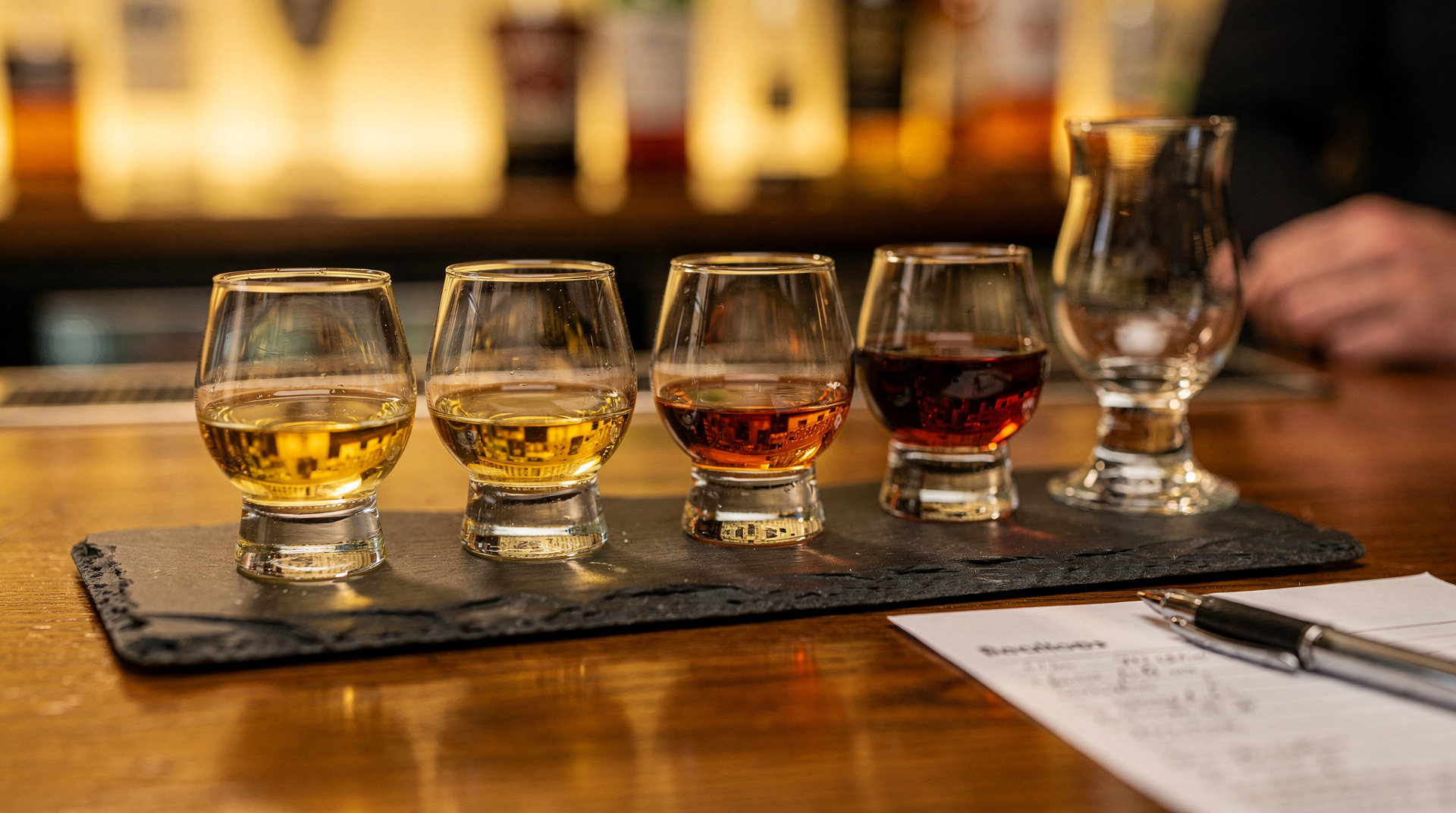
The Speyside style — typically lighter, more floral and fruity than Highland malts, often with sherry cask sweetness — is the dominant style in the global single malt market. If you have ever drunk a Glenfiddich, Macallan, or Glenlivet, you have drunk Speyside. Visiting the region makes sense for any serious whisky enthusiast, and Edinburgh is a logical base.
The problem is distance. Dufftown, the self-proclaimed whisky capital of the world, is roughly 180 miles and three hours of driving from Edinburgh. The region rewards proper time, not a hurried day trip.
| Where | Dufftown/Aberlour, Moray, around 180 miles north |
| Cost | around £15-£30 per distillery tour, plus fuel/car hire |
| Time needed | minimum 2 nights, 3 recommended |
| Getting there | around 3 hours by car via the A9; limited by train/bus |
| Best time | late May to September for driving and daylight |
Distance and logistics from Edinburgh
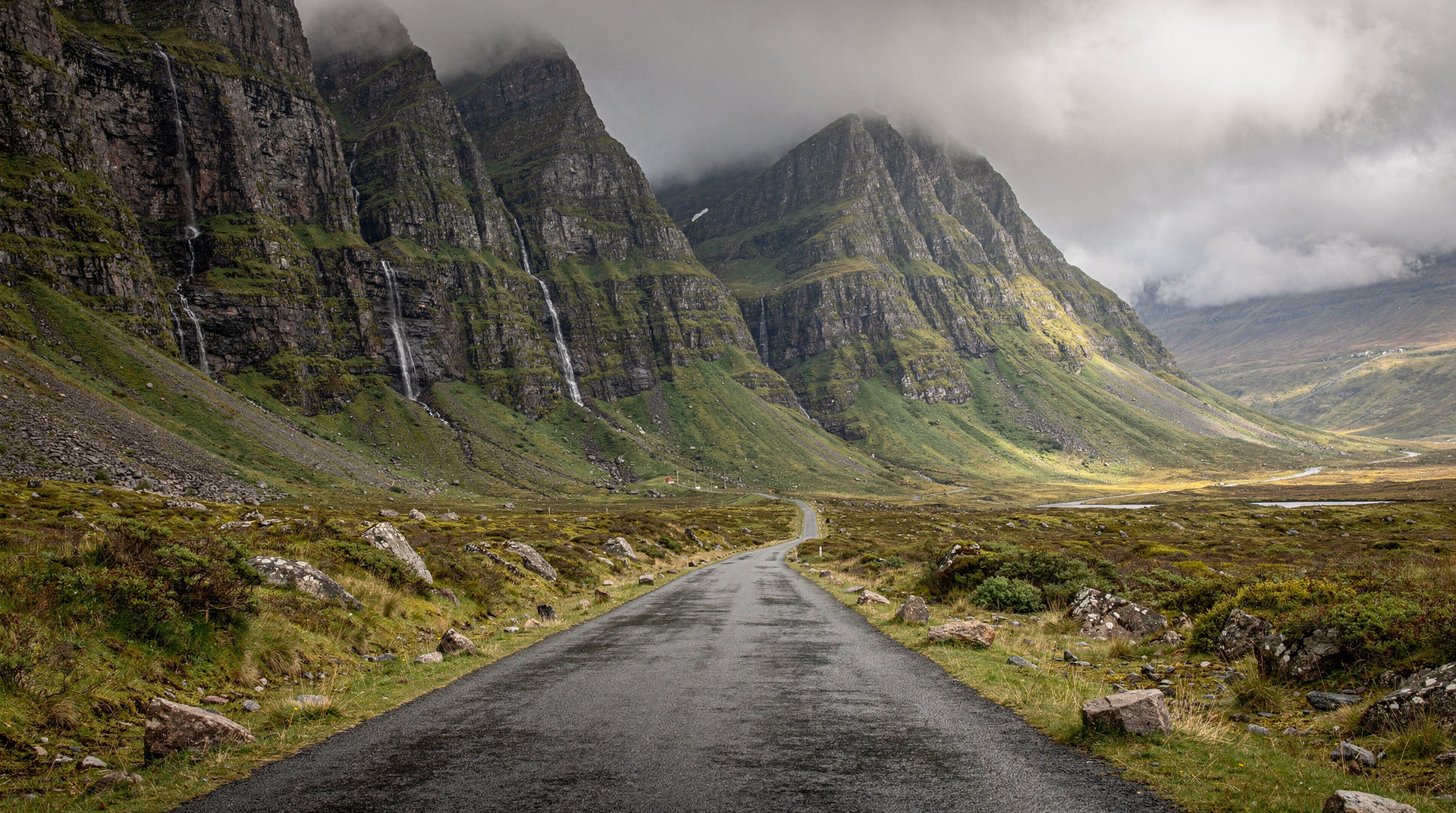
Edinburgh to Dufftown: approximately 180 miles, 3 hours by car via the A9 through Perth and Pitlochry, then the A920 to Dufftown. The scenery along the A9 through the Cairngorms is excellent and the drive is pleasant, but it is long.
Edinburgh to Aberlour (on the Spey itself): approximately 170 miles, 2 hours 50 minutes. Aberlour is a better base than Dufftown for first-time visitors: smaller, quieter, with direct access to the Speyside Way walking trail along the river.
Edinburgh to Keith (northern Speyside, Strathisla distillery): approximately 155 miles, 2 hours 30 minutes.
By public transport: Train from Edinburgh Waverley to Elgin (the largest town near Speyside, via Perth and Inverness) takes around 3 hours. From Elgin you need a bus or taxi to reach most distilleries, as public transport within the whisky trail area is limited. This is manageable for a distillery or two near Elgin itself but makes a proper trail difficult without a car.
The conclusion: a car is near-essential for the Speyside trail. If you do not drive, the guided tour option below is worth considering — it removes the driving-and-tasting conflict entirely, which is a genuine practical benefit for a whisky-focused trip.
How many nights to allow
One night: Arrive Edinburgh evening, drive to Speyside morning (3 hours), visit 2–3 distilleries, overnight in Dufftown or Aberlour, drive back next day. Achievable, but rushed. You will spend more time driving than tasting.
Two nights (recommended): Day 1: drive to Speyside with a stop at Pitlochry or Blair Atholl (both have distilleries worth a quick visit). Day 2: full Speyside day with 3–4 distillery visits and time to explore Dufftown. Day 3: morning distillery, drive back via Cairngorms. This is the minimum for a satisfying trail experience.
Three nights: Add the eastern Speyside distilleries (Strathisla, Glen Keith, Speyburn) and the walking trail section between Aberlour and Craigellachie. The proper whisky trail experience.
| Day | Focus | Overnight |
|---|---|---|
| Day 1 | Drive north, stop in Pitlochry/Blair Atholl | Dufftown or Aberlour |
| Day 2 | 3-4 distillery visits, explore Dufftown | Dufftown or Aberlour |
| Day 3 | Morning distillery, drive back via Cairngorms | Edinburgh |
For visitors wanting the vocabulary to make sense of the regional differences before setting off, the understanding Scotch regions guide explains what actually distinguishes Speyside’s style from Highland, Islay, or Lowland whisky — useful context before your first tasting of the trip.
Key distilleries on the Speyside trail
Glenfiddich, Dufftown
The world’s best-selling single malt and the distillery that arguably created the market for premium single malts in the 1960s. The visitor experience is impressively run, the range of tours comprehensive, and the standard expressions (12, 15, 18 Year Old) are among the most dependable whiskies in the category. For something more unusual, the IPA Experiment series and the 21 Year Old Gran Reserva are worth seeking out.
Tours from £15 upward; the premium “private tasting room” experience at £100+ is genuinely worthwhile for enthusiasts.
Balvenie, Dufftown
Owned by the same family as Glenfiddich but with a completely different character: more traditional, smaller, with working floor maltings (one of only a handful in Scotland). The Balvenie 12 Year Old DoubleWood is one of the most consistent expressions in Speyside; the older expressions are exceptional.
Balvenie tours are limited in number and more intimate than Glenfiddich. Book as far in advance as possible — spaces go weeks ahead in summer.
Macallan, Craigellachie
The Macallan opened a spectacular new visitor centre in 2018 — a curved, grass-roofed building designed by Rogers Stirk Harbour that has won architectural awards and is genuinely worth seeing in its own right. The whisky needs no introduction: the Macallan’s sherry-cask programme produces some of the most sought-after expressions in Scotland.
Tours are expensive by distillery standards (from £30 for the standard experience, up to £500+ for the rare cask tastings) but the building and the experience are commensurate. Book well in advance; the premium experiences sell out months ahead.
Aberlour, Aberlour village
A Speyside classic often overlooked by visitors who head straight to Glenfiddich or Macallan. Aberlour is sherry-cask heavy, rich and approachable, and the distillery sits in the village of the same name on the Spey. The distillery shop is one of the best in Speyside for finding expressions not available elsewhere, including cask-strength bottlings that represent excellent value.
Tours are well priced (from £15), the groups are smaller than at the flagship distilleries, and the village itself is a good lunch stop.
Strathisla, Keith
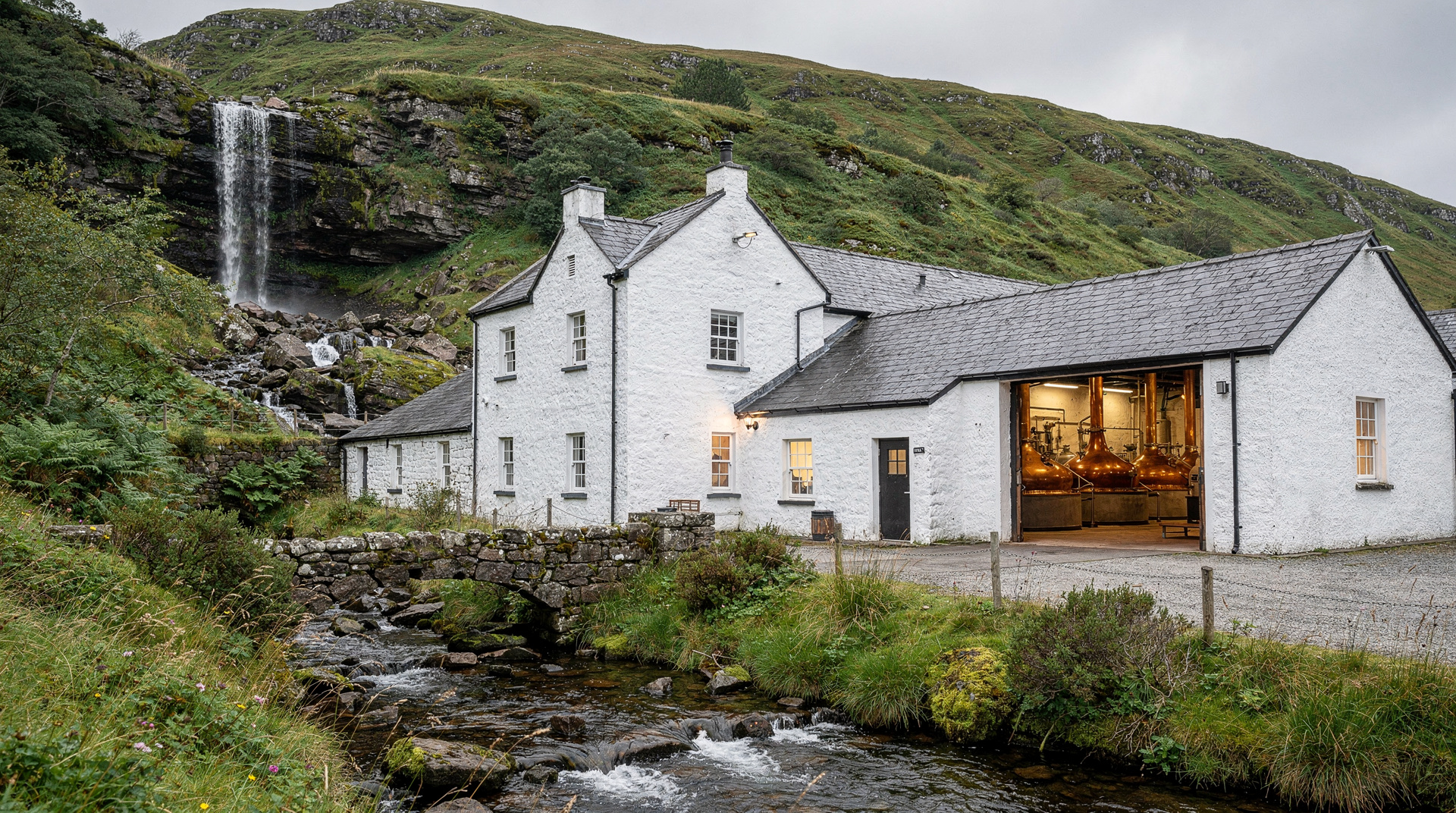
Strathisla is the oldest continuously operating distillery in Scotland (1786) and produces the heart malt for Chivas Regal blends. The Victorian-era architecture — twin pagodas, stone buildings, a small courtyard — is one of the most photogenic distillery settings in Scotland. The self-guided tour (£12) is straightforward; the premium tour with a blending session is better.
The Malt Whisky Trail
The official Malt Whisky Trail is a waymarked driving route linking nine distilleries across Speyside, plus the Speyside Cooperage (the largest cooperage in Scotland, which makes and repairs the casks — an underappreciated part of the whisky-making process) and the Dallas Dhu Historic Distillery (a preserved example of a Victorian-era distillery, no longer producing).
The full trail takes 2–3 days to complete at a sensible pace. A map and official guide are available from the VisitScotland centres in Dufftown and Elgin.
Guided tour option from Edinburgh
If a self-drive trip is not practical, a guided tour from Edinburgh covers the essentials without the logistics. The Speyside whisky trail 3-day tour from Edinburgh visits the key distilleries with accommodation included.
For a single-day guided whisky excursion that stays within the Highlands rather than going all the way to Speyside, the Scotland whisky explorer Highlands day tour from Edinburgh covers Highland distilleries and is a practical option for visitors with limited time. The discovering malt whisky day tour is another Edinburgh-based option for a single Highland distillery day.
If Speyside is one part of a wider whisky-focused trip, the whisky lovers four-day Edinburgh itinerary sequences an Edinburgh whisky day with the Speyside trip so you are not trying to cram everything into a single overloaded excursion. For visitors who prefer to stay closer to the city, the distilleries near Edinburgh guide and the complete Edinburgh whisky tasting guide cover options that do not require the Speyside overnight at all.
Where to stay near Speyside
Dufftown: The obvious base for the Malt Whisky Trail. The Fife Arms in Braemar (if budget allows) is one of Scotland’s finest hotels, about 40 minutes south. More practically: numerous B&Bs in Dufftown itself, the Craigellachie Hotel (with its legendary Quaich Bar of rare whiskies), or self-catering cottages along the Spey.
Aberlour: More attractive village than Dufftown, direct access to the Speyside Way walking trail. The Mash Tun in Aberlour has comfortable rooms and a serious whisky bar.
Inverness: If Speyside is part of a longer Highland trip, Inverness (about 60 miles east of Dufftown) makes a good city-hotel base. From Inverness you can also reach the northern Highlands and Loch Ness — see the Edinburgh to Highlands guide for how to combine these.
Combining Speyside with a Highland road trip
The best version of a Speyside trip from Edinburgh threads the journey through the Cairngorms. Drive north via the A9 to Pitlochry (stop at Blair Athol or Edradour distillery), then through the Cairngorms National Park via the A93 to Braemar, north to Dufftown via Balmoral. Return via Inverness and the A9 or the coastal A96.
This route takes 4–5 days and covers scenery, whisky, Highland villages, and Inverness without backtracking. The multi-day Highland tours from Edinburgh guide covers this structure in more detail.
Planning the route: the northern and southern approaches
There are two main approaches from Edinburgh to the heart of Speyside, and choosing between them affects both driving time and what you see on the way.
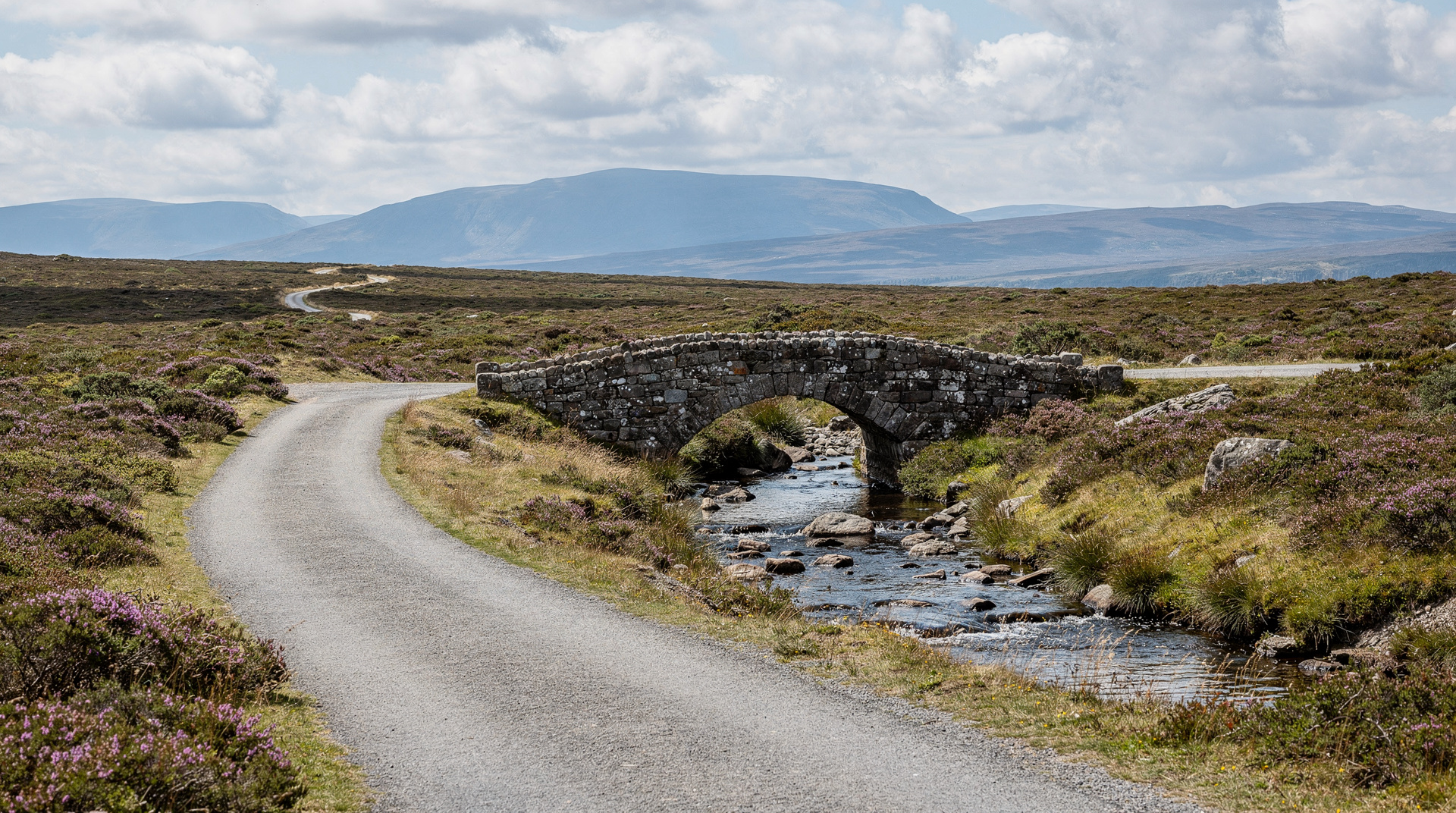
The A9 route (recommended): Edinburgh north to Perth (50 minutes), then up the A9 through Pitlochry and Killiecrankie Pass, over Drumochter Pass (the highest main road in Britain at 462 metres), past Aviemore and through the Cairngorms. From Aviemore, turn north on the A95 toward Grantown-on-Spey and then east to the distillery cluster. Total driving time Edinburgh to Dufftown via this route: approximately 2 hours 45 minutes in good conditions. The scenery on the A9 through the Cairngorms is exceptional — mountain moorland, dark pine forests, and (in winter) snow-capped peaks. Pitlochry is worth a brief stop for coffee and a first distillery visit if you are making a multi-day trip.
The A90/A96 coastal route: Edinburgh north to Perth, then northeast to Dundee, then along the coast through Montrose, Stonehaven, and Aberdeen, then west along the A96 to Elgin and south to Speyside. Longer (approximately 3 hours 30 minutes to Dufftown) but passes through interesting east coast landscape and gives you the option of stopping in Aberdeen. Less scenic than the A9 route through the Cairngorms for most of the journey, but the stretch between Stonehaven and Aberdeen is attractive.
For a loop — going via one route and returning via the other — the A9/Cairngorms approach northbound and the coastal route southbound gives maximum variety and the option of stopping at Glamis and Dunnottar Castles on the east coast return. The whisky day trips guide covers the single-day Highland options that do not require a Speyside overnight.
Eating and drinking well in Speyside
The food scene in the Speyside area has improved significantly in line with the whisky tourism boom, but it remains a rural area and realistic expectations are required. Good options exist but planning ahead matters more than in Edinburgh.
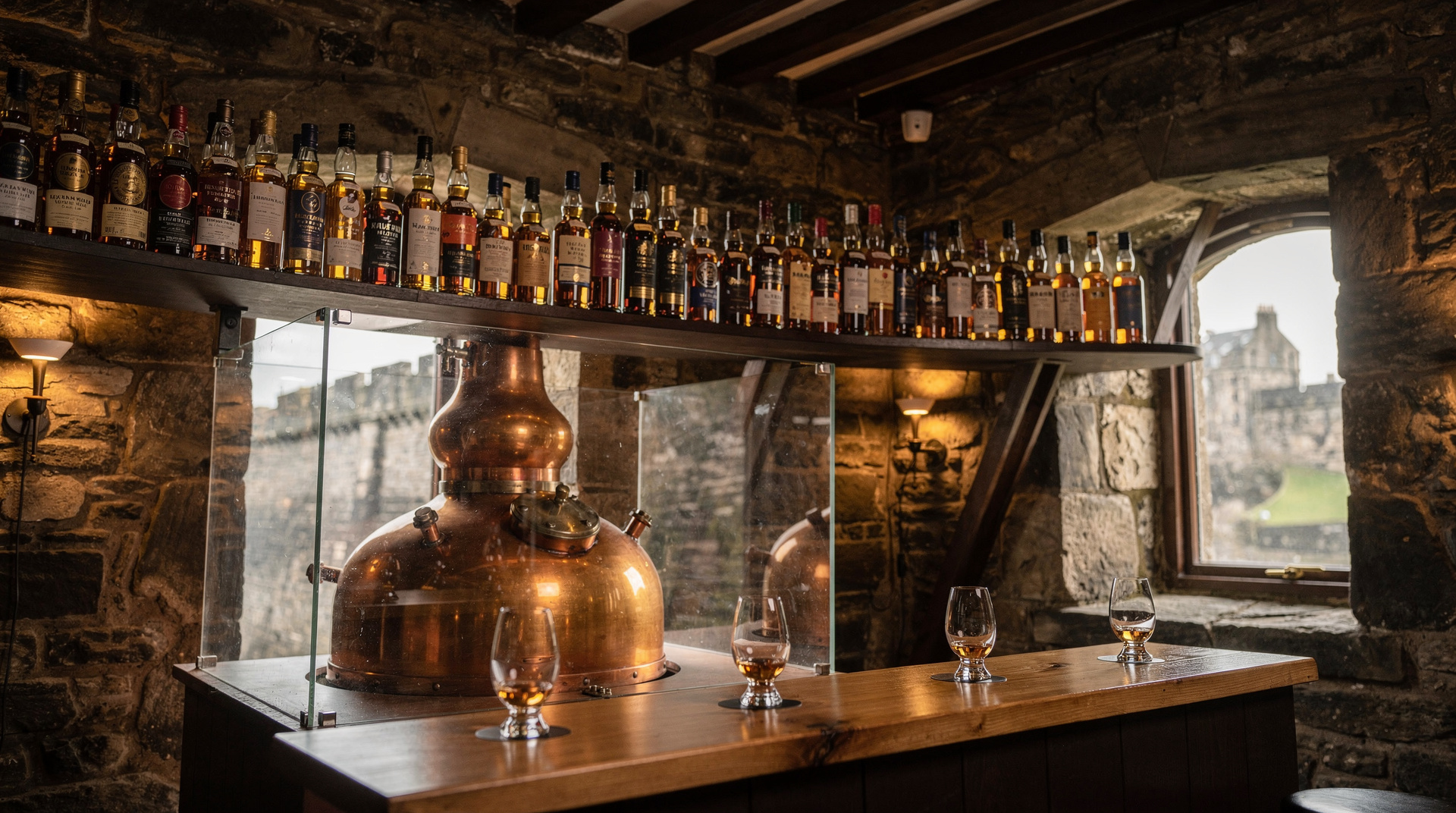
Craigellachie Hotel and the Quaich Bar: The most famous whisky destination in Speyside beyond the distilleries themselves. The Quaich Bar at the Craigellachie Hotel has around 700 whiskies and is regarded by whisky enthusiasts as one of the world’s great whisky bars. The hotel itself is comfortable and the restaurant is reliably good. Worth a single long evening if you are in Speyside for more than one night.
The Mash Tun, Aberlour: A hotel and bar in Aberlour village on the Spey, with a reasonable whisky selection and good pub food. The location on the main street of what is a genuinely attractive Speyside village makes it a natural lunch stop.
Rothes Glen Hotel, Rothes: Between Dufftown and Elgin, with a restaurant that makes more effort than the area’s tourist infrastructure would suggest.
The Old Pantry, Dufftown: A basic but reliable café for lunch in the town centre, steps from the Glenfiddich visitor centre.
For buying whisky in Speyside: every major distillery has a shop, and the selection at the distillery is often better than what you would find in Edinburgh for that specific producer’s expressions. Balvenie, Aberlour, and Glenfarclas are particularly good for finding bottlings that are not in wide retail distribution.
Beyond the distillery shops, several villages along the trail have small independent grocers and delis stocking local produce — smoked fish, oatcakes, Scottish cheese — that make good picnic supplies for a day of driving between distilleries, since sit-down lunch options are more sparse than in Edinburgh and kitchen hours in rural pubs can be limited outside standard mealtimes. Planning at least one meal stop per day rather than assuming you can eat whenever convenient avoids the frustration of arriving at a village pub between lunch and dinner service.
Combining Speyside with Cairngorms and the northeast coast
A Speyside trip works best when it is embedded in a broader Scottish itinerary rather than treated as a standalone whisky pilgrimage disconnected from the rest of a Scotland visit. The Cairngorms National Park surrounds the southern edge of Speyside and offers some of Scotland’s finest mountain and moorland landscapes. A two-day Speyside itinerary might pair a full distillery day with a Cairngorms walk the following morning before returning to Edinburgh via Pitlochry.
The northeast coast — Findhorn Bay, Cullen, and the fishing villages between Elgin and Banff — is architecturally striking (the Cullen viaduct and the fishing village architecture are both memorable) and not significantly out of the way on a return journey via the coastal A98.
If you are combining Speyside with a broader Highland trip, the Edinburgh to Highlands guide covers the logistics of building a multi-stop Highland itinerary from an Edinburgh base. The multi-day Highland tours guide covers the organised tour options for visitors who prefer not to self-drive.
Some visitors also fold in Scotland’s east coast castles on the return leg. Dunnottar and Glamis, both covered in the Scottish castles near Edinburgh guide, sit on or near the coastal A90/A96 route back south and add a genuinely different kind of sightseeing to break up several consecutive days of distillery visits.
The history behind Speyside’s dominance
Understanding why Speyside produces so much of Scotland’s whisky involves history as much as geography. The region was ideally positioned for illicit distilling during the eighteenth and early nineteenth centuries, when government attempts to tax and regulate whisky production drove production underground. The Highlands and Speyside in particular had the geographical advantages of remoteness, reliable water sources from the Spey and its tributaries, access to peat for fuel, and local barley growing on the coastal plain around Elgin.
The 1823 Excise Act, which dramatically reduced the duty on legal whisky and made licensed distilling viable, transformed the industry. Speyside’s existing infrastructure of illicit stills and experienced distillers converted rapidly to legal production, and the region’s distillery cluster dates substantially from the 1820s and 1830s. The railway connection (the Speyside railway line opened in the 1860s) enabled distribution south to the markets of Edinburgh, Glasgow, and London, and the boom years of the late nineteenth century saw the distillery count in Speyside reach its historic peak.
The twentieth century brought contractions (Prohibition closed American markets, wartime disruptions restricted production) and expansions, culminating in the current era in which Scotch whisky is one of the UK’s most valuable export products and Speyside produces a significant proportion of it.
Walking between distilleries on the Speyside Way, you are covering the same ground as the illicit distillers, the licensed pioneers, and the Victorian whisky barons. The landscape has not changed much; the technology has changed entirely.
Packing and preparing for a Speyside trip
A Speyside trip is a different kind of preparation from an Edinburgh city visit. Rural Moray and Banffshire have limited mobile signal in places, particularly on back roads through the Cairngorms, so downloading offline maps before you leave Edinburgh is worthwhile. Distillery visits involve a fair amount of standing and walking on uneven floors (particularly the traditional maltings at Balvenie), so comfortable closed shoes matter more than they would for a typical Edinburgh day.
Layered clothing is sensible year-round, since the Cairngorms route gains significant altitude and temperatures can differ noticeably from the coast. If you plan to buy bottles at each distillery, bring a soft bag or padding — distillery shops sell protective sleeves but rarely offer to ship single bottles internationally, so factor bottle weight into your luggage plan for the flight home.
The Speyside Cooperage: an underappreciated stop
One of the most interesting stops on the Speyside trail is not a distillery at all. The Speyside Cooperage in Craigellachie is one of the last working cooperages in Scotland, employing around 50 coopers who repair and remake the oak casks that hold the region’s whisky.
The visitor gallery overlooks the working floor where coopers use techniques that have not changed fundamentally in centuries — hammers, chisels, and naked flame to bend oak staves into the barrel shape. The noise (the floor is a constant percussion of hammers on metal rings) and the smell (toasted oak, spirit-infused wood) are unlike anything else in Speyside.
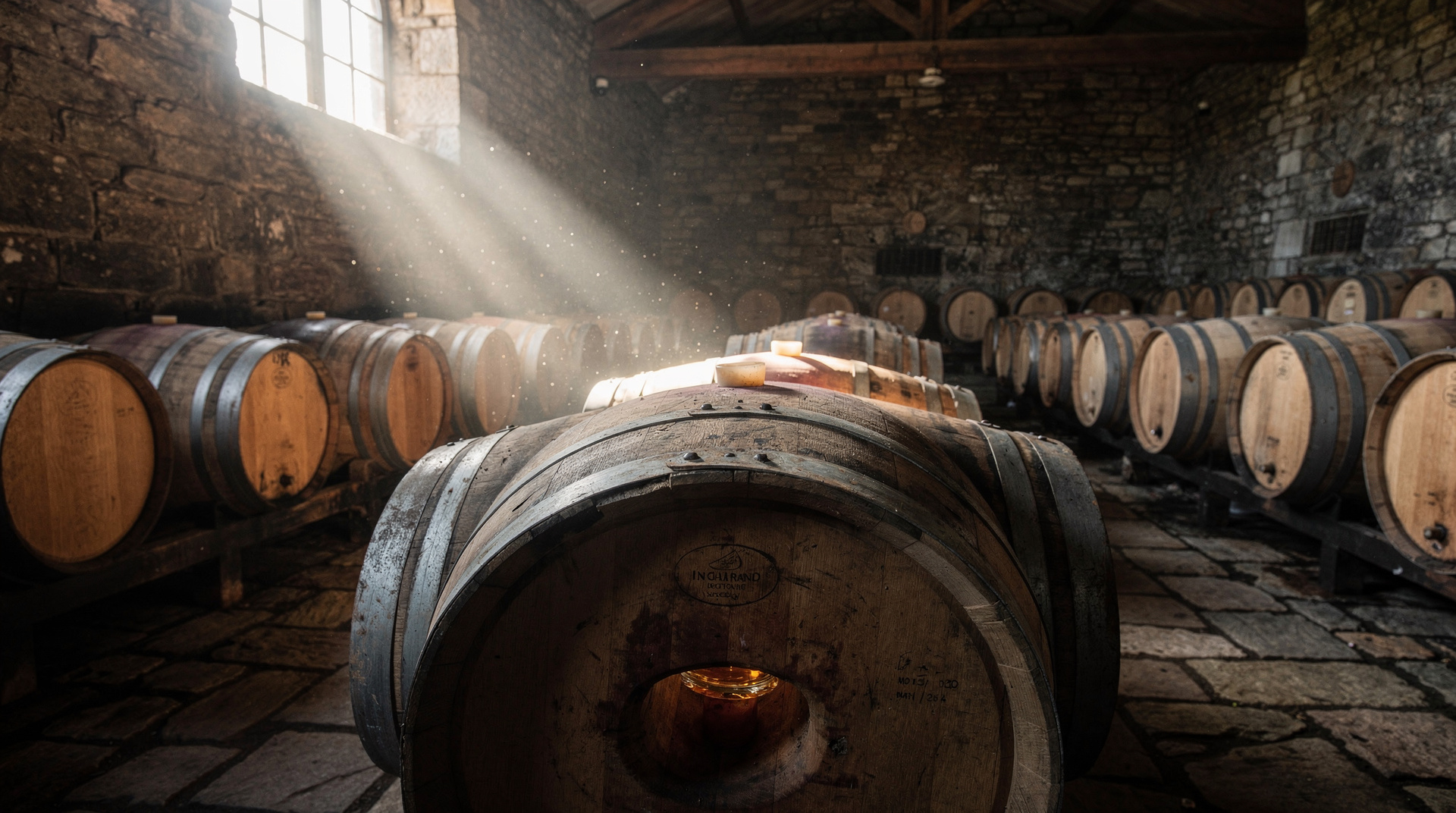
A tour of the cooperage (from £4.50, one of the cheapest admissions in the region) takes about 45 minutes and provides the context for the maturation side of whisky making that distillery tours often underemphasise. The cask is not merely a container; its previous contents, its char level, its age, and its size are the single largest determinants of how the final whisky will taste. Seeing casks being made and repaired by hand makes this concrete.
Frequently asked questions about the Speyside whisky trail from Edinburgh
Is Speyside worth visiting if you are not a dedicated whisky enthusiast?
The scenery — the Spey valley, Cairngorms, fishing villages — is excellent in its own right. The distillery buildings (especially Macallan’s new visitor centre and Strathisla) are architecturally interesting. But if whisky is not your primary interest, the drive is long and the entertainment value of the sixth distillery tour in two days is limited. Consider a single well-chosen distillery visit plus the Cairngorms National Park instead.
What is the best time of year to visit Speyside?
Late May to September. The Speyside Whisky Festival in late April/early May is a major event if that aligns with your dates — advance planning essential. Summer gives the best driving conditions and longest days. Some distilleries operate reduced hours or close visitor centres in January and February.
Do all Speyside distilleries welcome visitors?
No. Many distilleries in Speyside do not have visitor centres and do not offer tours to the public. The Malt Whisky Trail distilleries do; others require advance arrangement. Check each distillery’s website before planning around a specific visit.
Can you walk between distilleries on the Speyside Way?
The Speyside Way is an 84-mile walking route from Aviemore to Buckie, passing close to several distilleries including Aberlour, Glenfarclas, and Craigellachie. You can walk sections and reach distilleries on foot — particularly the stretch between Aberlour and Craigellachie, about 5 miles. This is a lovely way to spend a Speyside morning.
How do you get back if you’re drinking at distilleries?
Plan one designated non-drinking driver per day, or use a combination of accommodation near the distilleries and taxis for the evening. Several distilleries are within walking distance of each other in the Dufftown area. The Speyside Whisky Trail guided tour option eliminates this problem entirely.
Should I combine Speyside with the Cairngorms National Park?
Yes, if your route allows it — the Cairngorms border Speyside to the south and the A9 route north passes directly through them, making a short walk or scenic stop practical without a significant detour. It also breaks up the long drive with something other than distillery visits.
Is a guided tour or self-drive better for Speyside?
Self-drive gives more flexibility to linger at favourite distilleries and take detours, but requires a non-drinking driver for at least part of each day. A guided tour removes that constraint entirely and includes accommodation, which simplifies planning considerably for visitors who would rather not organise the logistics themselves.
Top experiences
Bookable activities with verified prices and instant confirmation on GetYourGuide.