Edinburgh for whisky lovers: 4-day distillery itinerary
Edinburgh: the Scotch Whisky Experience tour and tasting
Edinburgh as a whisky destination
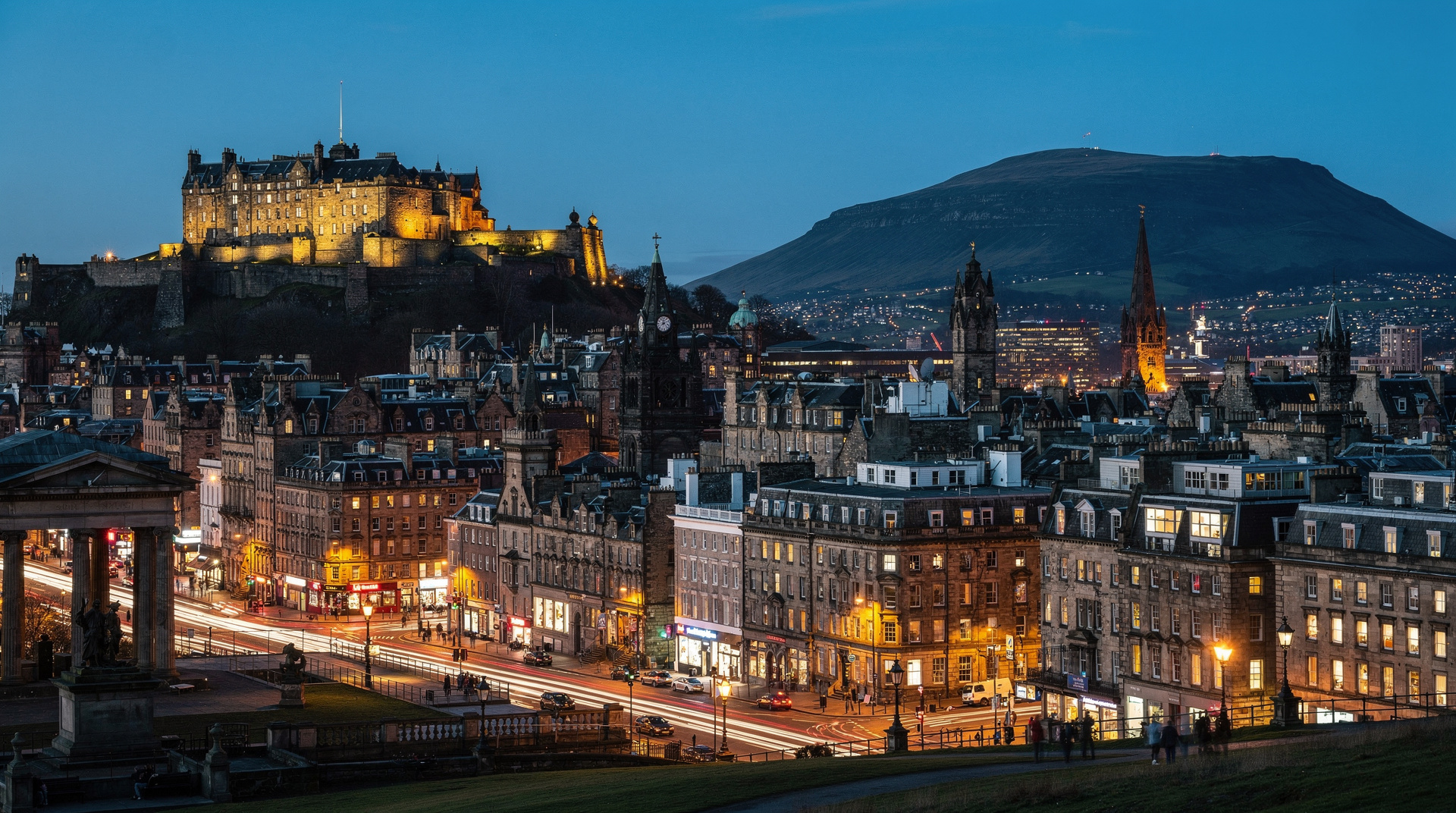
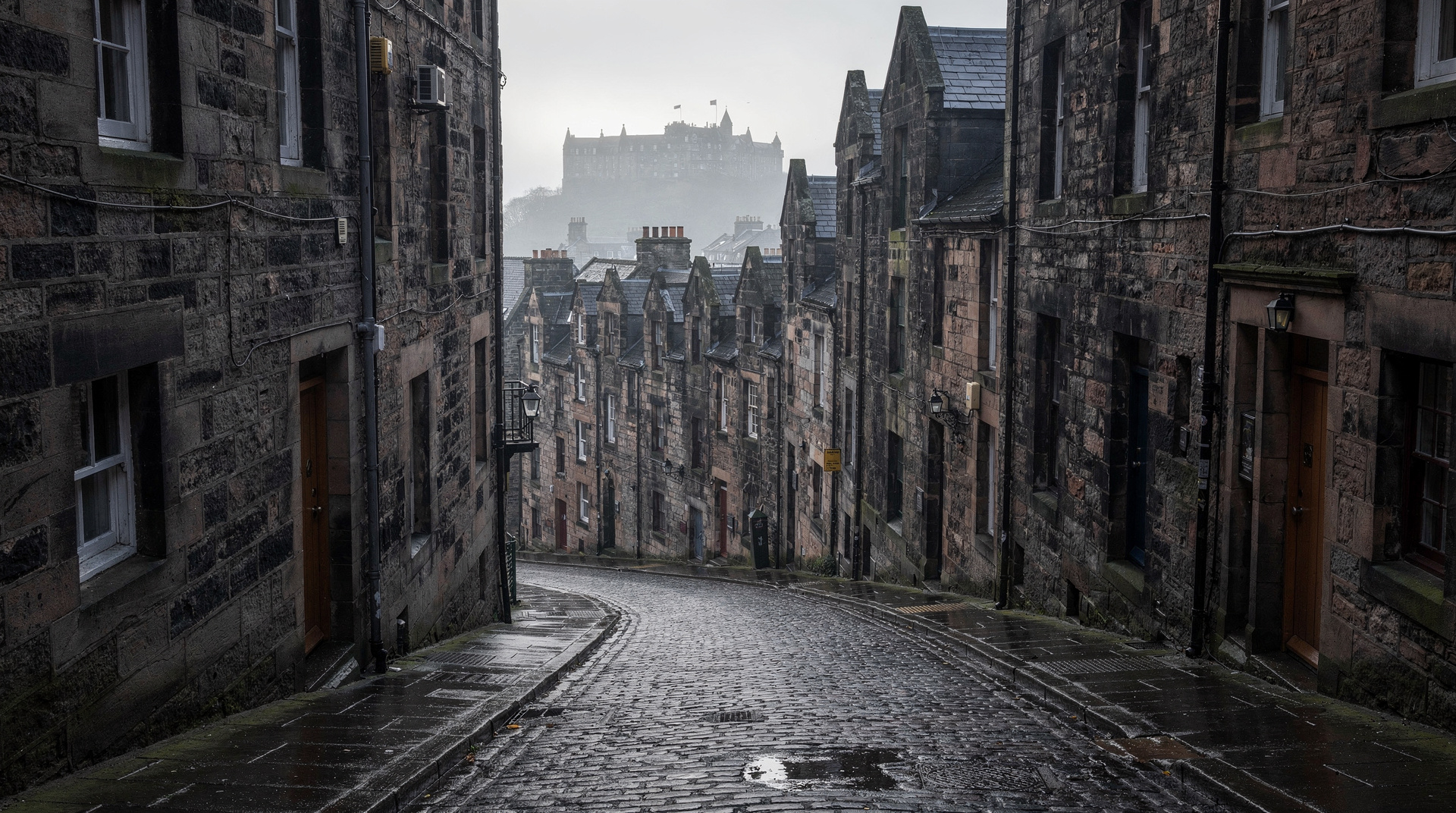
Edinburgh is not, historically, a whisky-making city — Scotland’s great distilling regions are the Highlands, Speyside, Islay, and Campbeltown. But in the past decade, Edinburgh has become a significant whisky experience destination: the Scotch Whisky Experience on the Royal Mile provides the best educational introduction to Scotch in Scotland; the Johnnie Walker Princes Street flagship is the most spectacular whisky visitor experience in the country; and Leith — Edinburgh’s port, home of the blenders who once controlled much of the Scotch trade — has reinvented itself as a craft distilling hub.
This four-day itinerary is built for visitors who want to understand Scotch whisky in depth, not just drink it. Day one covers the Royal Mile’s whisky experiences. Day two goes to Leith’s craft distilleries. Day three is a day trip to Stirling and the Central Highlands with distillery stops. Day four is for the city sights you will want alongside the whisky.
Practical note: Space your tastings intelligently. Four days of serious whisky tourism does not mean four days of heavy drinking — the best tasting experiences are measured and educational. Drink water between tastings, eat properly, and pace yourself. Many distillery experiences offer non-alcoholic options for drivers and non-drinkers.
A brief primer on Scotch whisky for first-time visitors: Scotch must be distilled and matured in Scotland for a minimum of three years in oak casks. Single malt Scotch is made from 100% malted barley at a single distillery. Blended Scotch — which accounts for about 90% of all Scotch sold globally, including Johnnie Walker — combines single malts with grain whisky for a more consistent and approachable product.
Edinburgh’s whisky scene covers both: the Scotch Whisky Experience and Johnnie Walker are strongest on blends and the production overview; Port of Leith, Holyrood, and the specialist whisky bars tend toward single malts and independent bottlings. Understanding this distinction before you arrive will make the tastings more coherent and the conversations with distillery guides more rewarding. The full Edinburgh whisky guide covers the production regions, the key distilleries accessible from the city, and the tasting bars in depth.
How Edinburgh’s whisky scene developed
Leith’s historical role in Scotch whisky is important context for this itinerary. In the late nineteenth and early twentieth centuries, Edinburgh’s Leith docks were the centre of the blended Scotch whisky trade. The great blending houses — Haig, Dewar’s, Bell’s predecessors — were based here, receiving casks of Highland, Speyside, and Islay malt from across Scotland, blending them for export, and shipping them to every corner of the British Empire. The port’s bonded warehouses held millions of gallons of maturing Scotch.
When the Scotch whisky industry consolidated in the twentieth century, the Leith blending houses were absorbed or closed, and the warehouses were redeveloped. Today, the craft distilleries at Port of Leith and Holyrood are consciously reviving this history from a contemporary perspective. Understanding the historical arc — from the Victorian blending port to the craft distillery revival — makes the distillery tours significantly more interesting. See the Edinburgh whisky guide for the full history.
| Where | Old Town/Royal Mile, Leith, Stirling, city centre |
| Cost | around £205–350/person for Days 2–4 and meals, plus the Day 1 tastings (see the official sites), excl. accommodation |
| Time needed | 4 days |
| Getting there | Walkable Old Town/Leith; train to Stirling (~50 min) for Day 3 |
| Best time | Year-round; book tastings and Johnnie Walker ahead in summer |
Four-day snapshot
| Day | Focus | Distilleries/experiences |
|---|---|---|
| Day 1 | Royal Mile whisky corridor | Scotch Whisky Experience, Johnnie Walker, The Lost Close |
| Day 2 | Leith craft distilling | Port of Leith, Holyrood Distillery |
| Day 3 | Stirling day trip | Stirling Castle, Glengoyne Distillery |
| Day 4 | City and consolidation | Museum of Scotland, expert tasting, final dinner |
Day 1: The Royal Mile whisky corridor
Morning: Scotch Whisky Experience
10:00am — The Scotch Whisky Experience
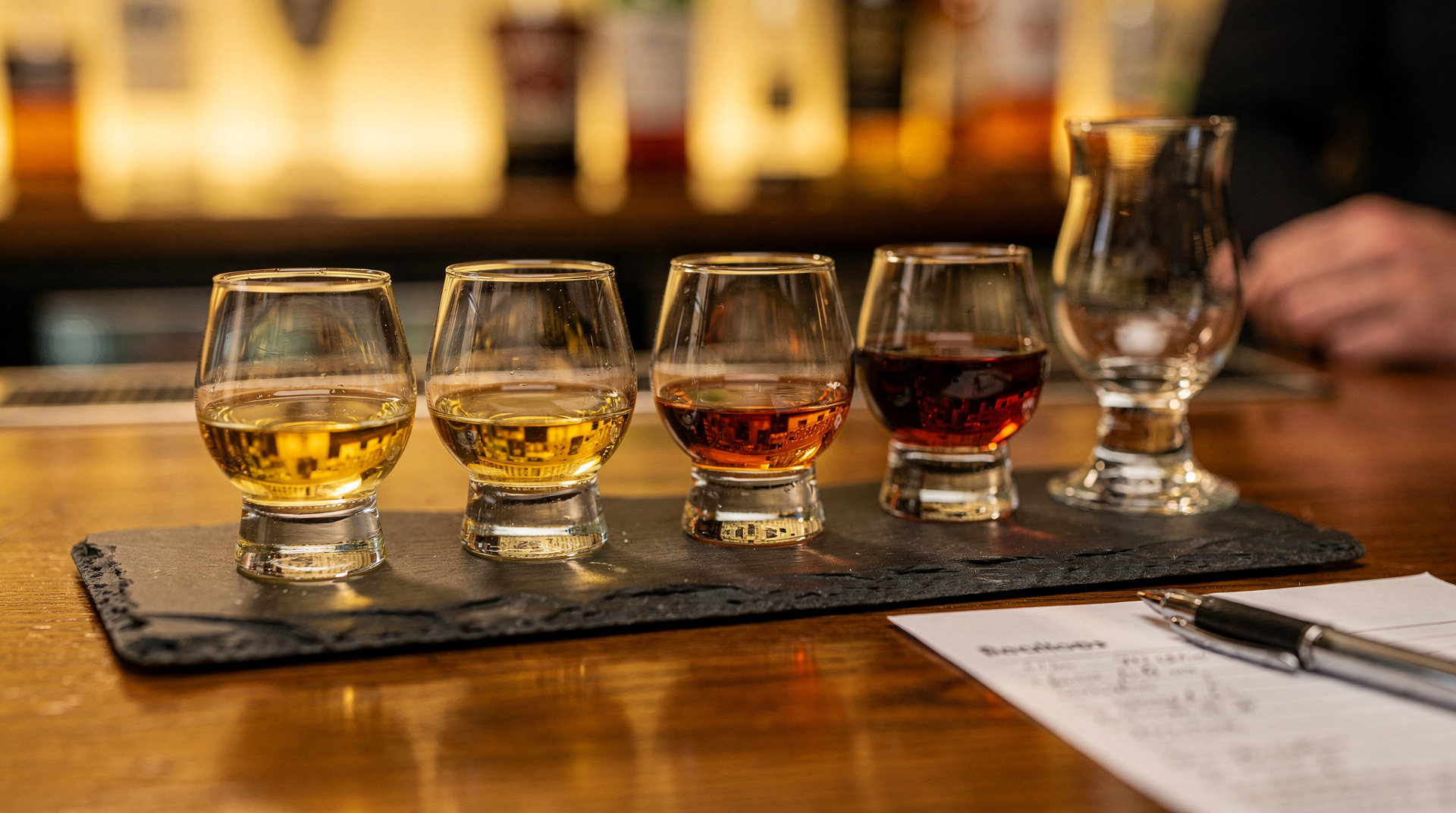
The Scotch Whisky Experience on Castlehill, immediately below the castle esplanade, is the best starting point for a whisky-focused visit to Edinburgh. The main experience uses an excellent whisky barrel ride to explain the production process, followed by a tasting of representative malts from the four major producing regions — Highlands, Lowlands, Islay, and Speyside.
A Scotch Whisky Experience tour and tasting is the benchmark Edinburgh whisky activity. The Gold Tour (five tastings, £39.75 per adult) is genuinely educational rather than merely commercial. The in-house collection of over 3,500 whisky bottles is the world’s largest. Allow 90 minutes.
Cost: Standard experience £25; premium tasting £39.75.
Midday: Johnnie Walker Princes Street
12:30pm — Johnnie Walker Princes Street
The £185 million Johnnie Walker flagship at 145 Princes Street is the most ambitious whisky visitor experience ever built. The building has been extensively renovated and houses eight floors of whisky experiences, including regional blending rooms, tasting bars, and a rooftop terrace with views to the castle.
The Johnnie Walker Signature Experience takes you through the blending philosophy and history of the world’s most widely drunk Scotch whisky. Whether you are a Johnnie Walker fan or prefer single malts, the quality of the experience is exceptional. Book in advance — it is popular.
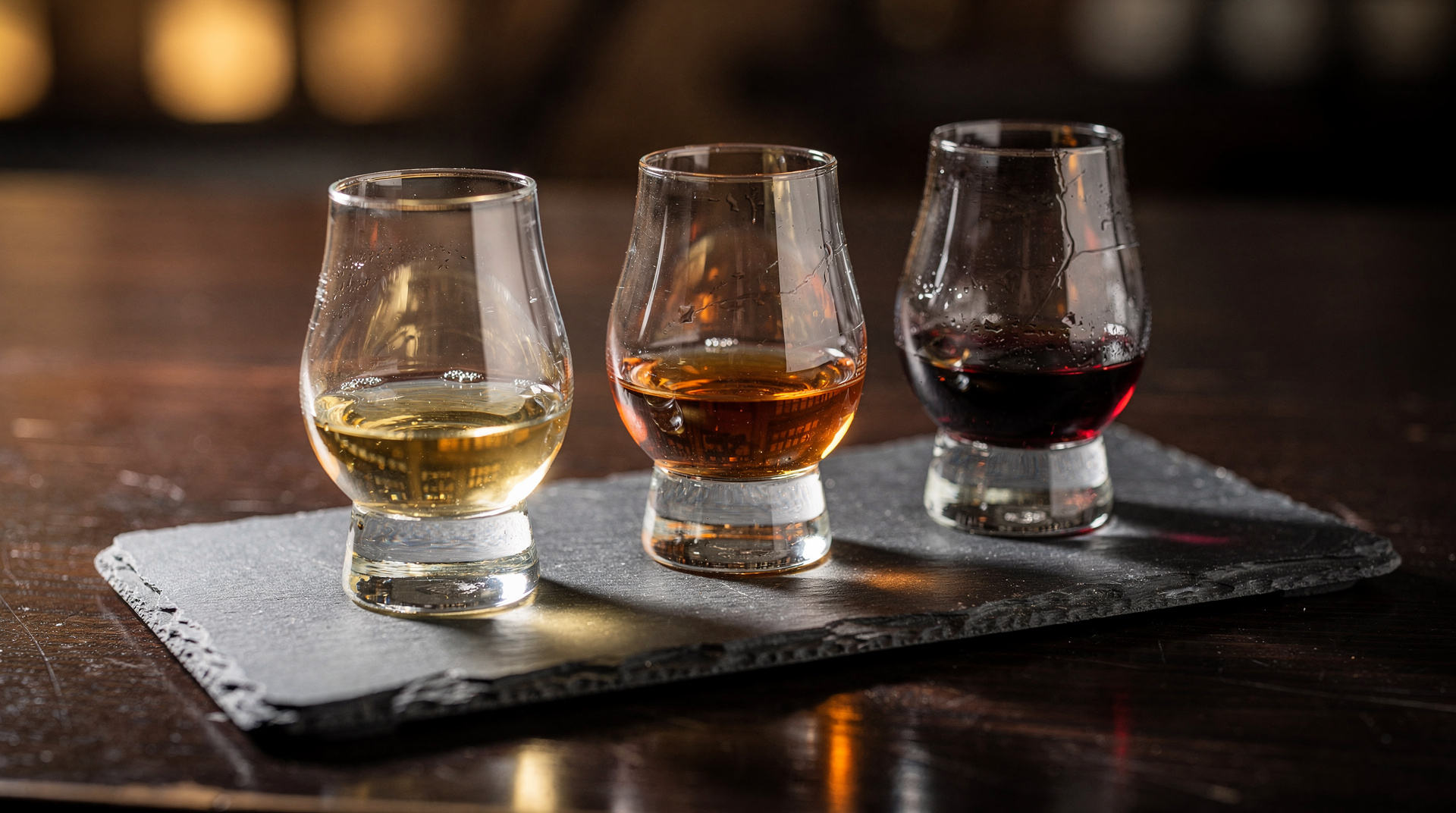
Cost: see current prices on the official Johnnie Walker Princes Street website.
1:30pm — Lunch between tastings
Eat a substantial lunch between the morning tastings and the afternoon activities. The New Town has good options — Contini on Castle Street does excellent Italian-Scottish food (mains £16–24) and the starchy pasta is appropriate between whisky sessions.
Afternoon: underground whisky experience
3:00pm — The Lost Close
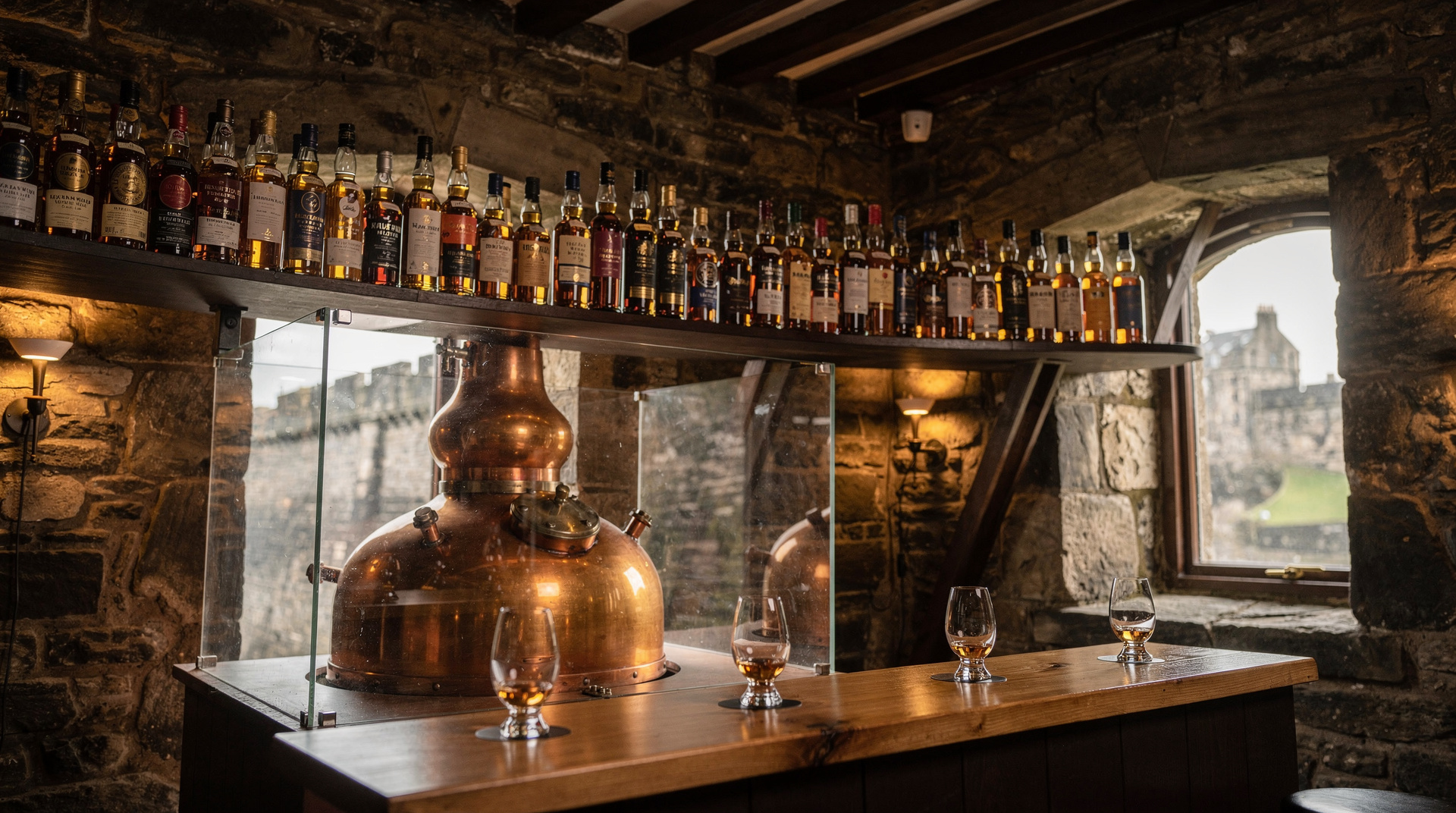
The Lost Close on the Royal Mile is a more intimate whisky experience than the two major venues above — a small underground space where you taste Scotch whiskies in an Old Town close setting. Well-regarded for the quality of its curation and the atmosphere of the venue. Allow 90 minutes.
Cost: Approximately £35–50 per person.
Evening
6:30pm — Dinner and a whisky bar
For dinner, The Grain Store on George IV Bridge is one of Edinburgh’s best restaurants for whisky-paired food — the kitchen works with Scottish ingredients and the wine and whisky list is thoughtfully curated.
After dinner, Cadenhead’s Whisky Shop and Bar on Canongate is Edinburgh’s best independent whisky retailer — over 700 bottles, a tasting bar, and staff who genuinely know what they are talking about. Browse the selection and have a dram or two at the bar. The shop also sells direct from cask bottlings that you cannot find elsewhere.
Day 2: Leith and craft distilling
Morning: tram to Ocean Terminal
9:30am — Tram to Leith
Take the tram from Princes Street (St Andrew Square) to Ocean Terminal in Leith — 12 minutes, £2.50. Leith was historically Edinburgh’s port and the centre of the city’s trade in blended Scotch whisky — the great blending houses were based here, importing whisky from Highland distilleries and combining it for export to the world.
Today, Leith has a cluster of new craft distilleries that are exploring Edinburgh’s distilling tradition from a contemporary perspective.
Morning: Port of Leith Distillery
10:00am — Port of Leith Distillery
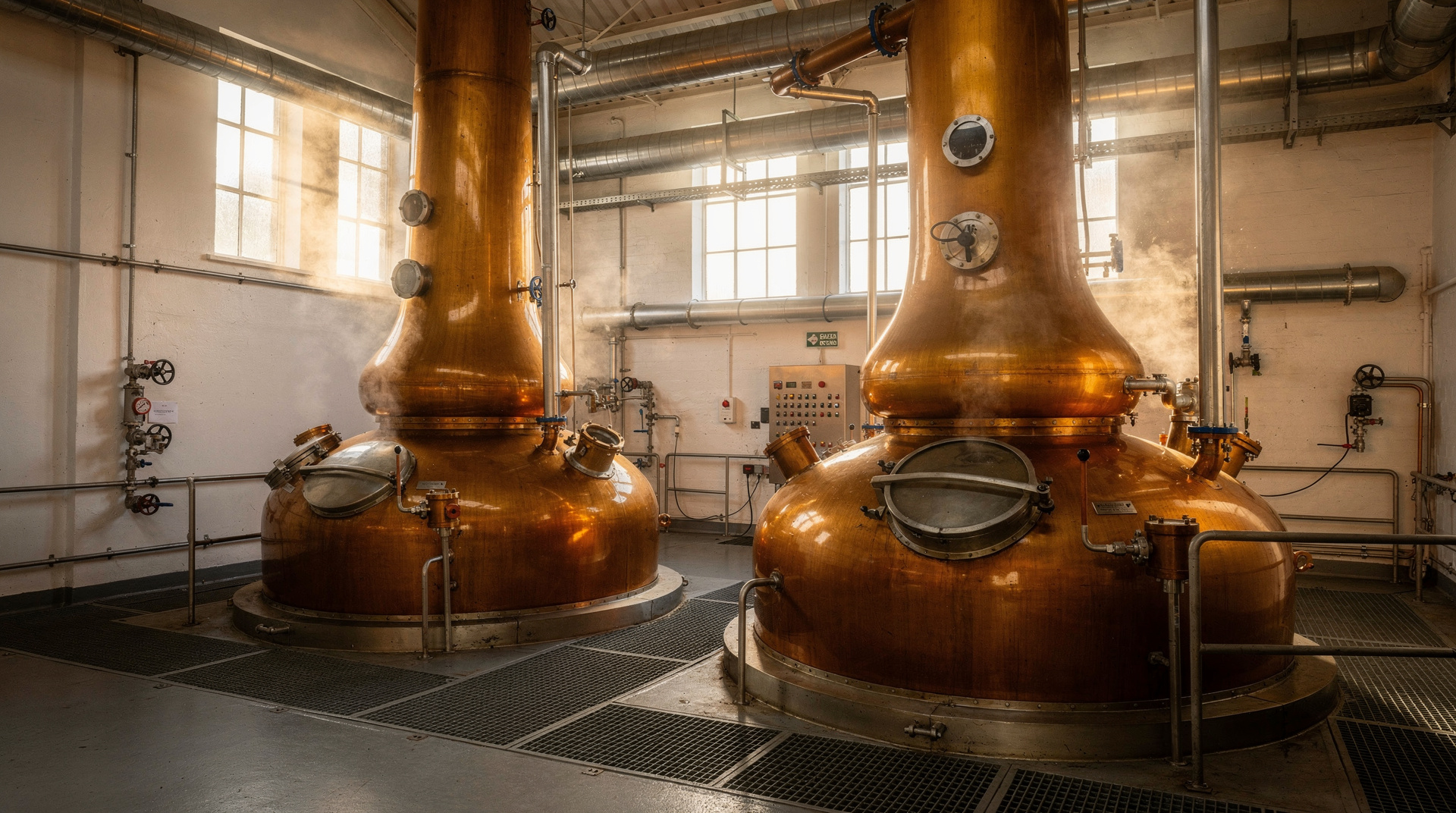
Edinburgh’s most interesting new distillery, opened in 2023 in a vertical building on Commercial Street. The Port of Leith distillery tour and tasting covers the distilling process, the history of Leith’s whisky trade, and includes a tasting of their new make spirit and other spirits while the whisky matures (Scotch whisky must mature for a minimum of three years).
Port of Leith is making a single malt that reflects Leith’s port character — heavily influenced by maturation casks that previously held port, sherry, and other wine. Allow 90 minutes.
Cost: Tour from £20–30 per person.
Midday: Royal Yacht Britannia and The Shore
12:30pm — Royal Yacht Britannia
If you have not visited the Britannia, lunchtime at Ocean Terminal — where the yacht is moored — is an efficient way to combine it with the distillery visit. The ship’s tearoom is open to all visitors.
1:30pm — Lunch on The Shore
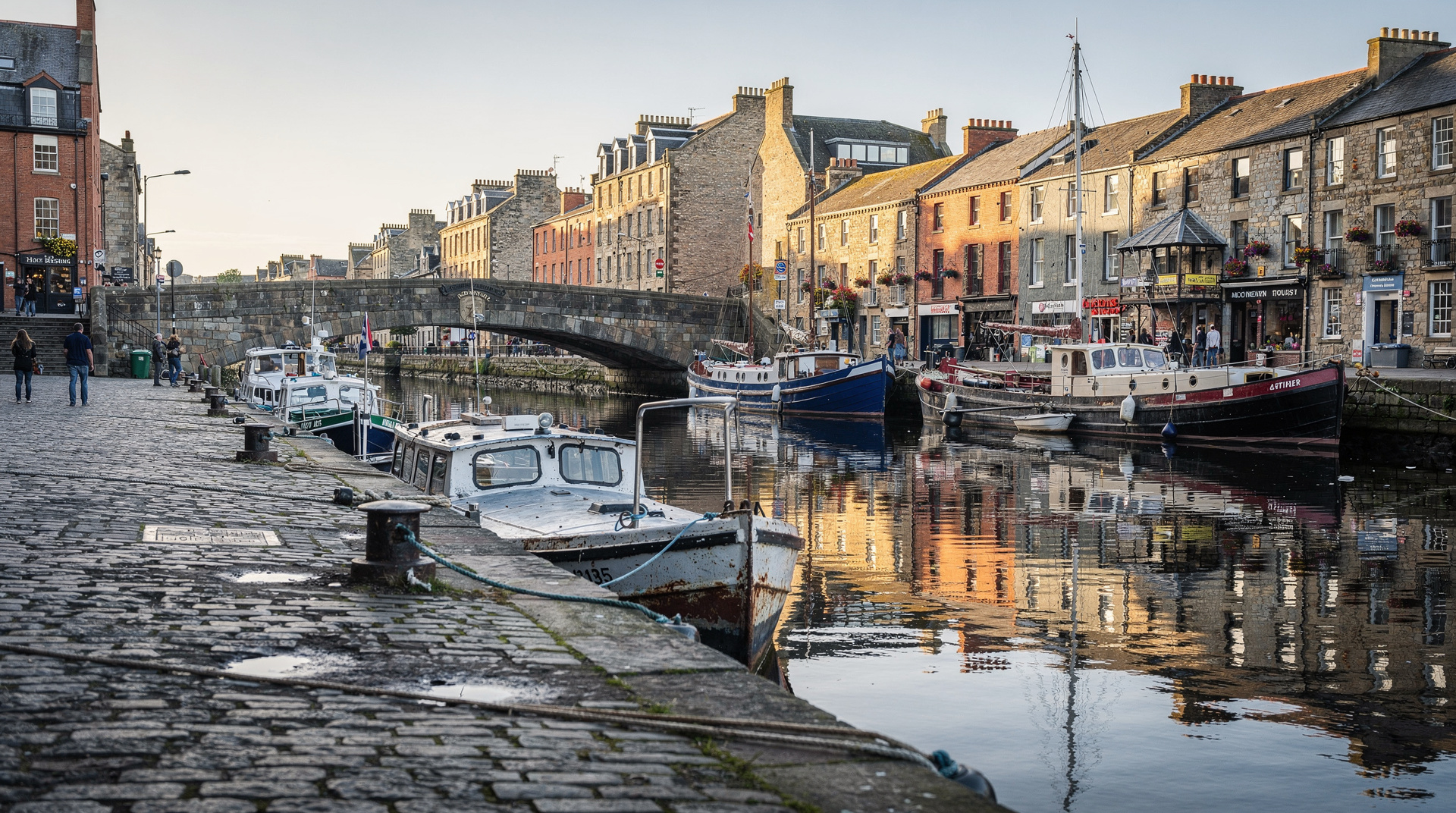
Leith’s Shore waterfront is Edinburgh’s best eating area for seafood, and whisky pairs well with smoked salmon, oysters, and cured herring. Fishers Bistro on The Shore is reliable and excellent; The Kitchin if you want Michelin-starred cooking.
Afternoon: Edinburgh Gin and Holyrood Distillery
3:00pm — Holyrood Distillery
Holyrood Distillery, on St Leonard’s Lane near Arthur’s Seat, is Edinburgh’s first working city-centre whisky distillery in nearly 90 years. Tours cover the malt whisky production process and include gin and whisky tastings — the gin programme is mature enough to taste while the whisky continues maturing. Well worth two hours.
Cost: From £20 per person.
Evening
6:30pm — Whisky bar dinner
The Bon Vivant on Thistle Street in the New Town is one of Edinburgh’s best whisky bars alongside good food. The Scotch Malt Whisky Society’s members’ rooms on Queen Street are open to the public for some events (check their schedule). The Bow Bar on the Royal Mile has over 300 single malts and is Edinburgh’s finest traditional whisky pub — the décor, the service, and the selection are all excellent.
Day 3: Stirling and the Central Highlands distillery day trip
Getting there
Train from Edinburgh Waverley to Stirling (50 minutes, £10–14 return) or guided tour. A small-group history of whisky tour with tasting can be combined with a Stirling visit for a coherent day of whisky education and Highland scenery.
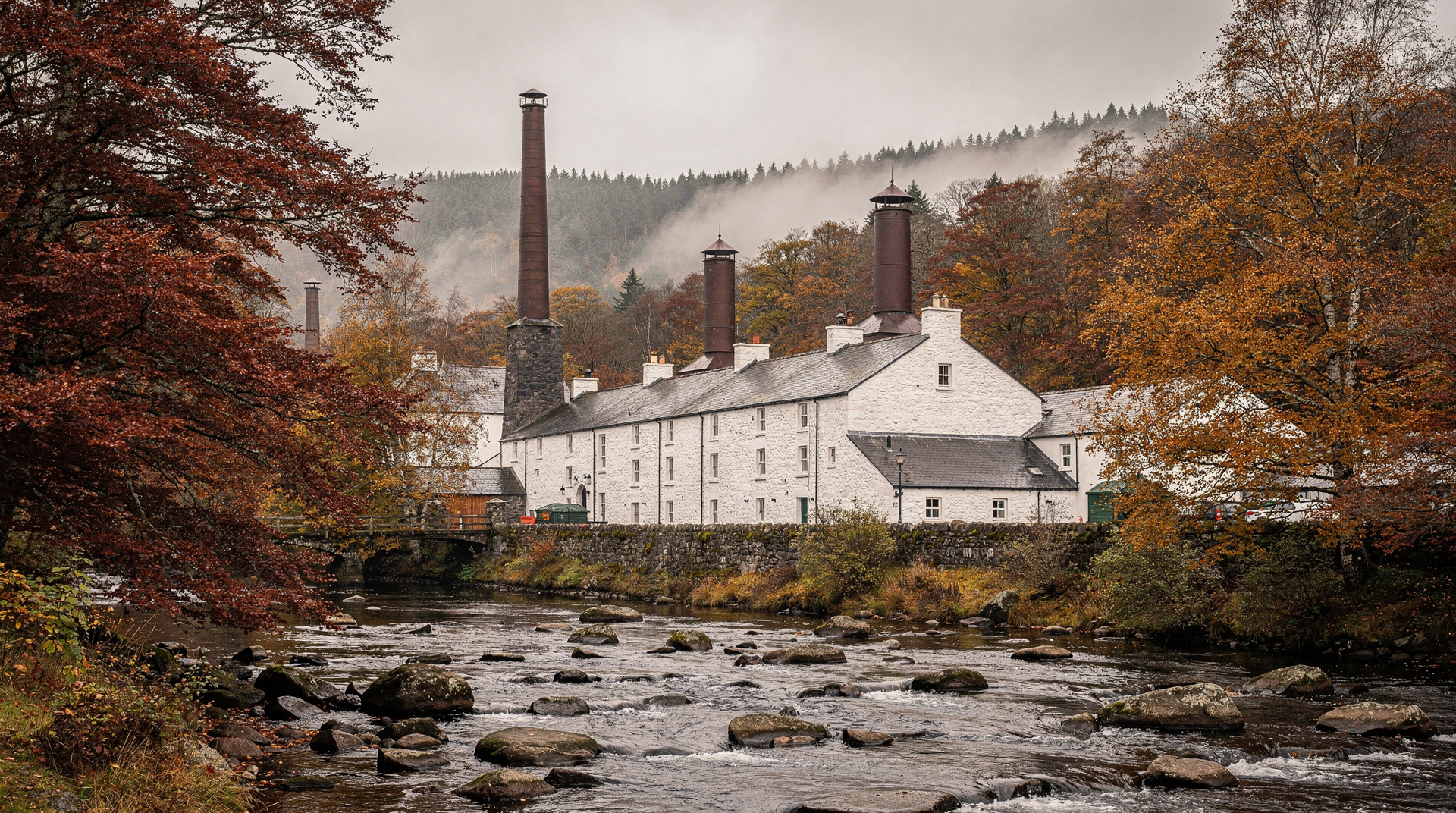
The Glengoyne Distillery sits on the edge of the Highlands between Glasgow and Stirling — reachable by bus or guided tour from Edinburgh. This is one of Scotland’s most beautiful distillery settings, on the boundary between Highlands and Lowlands with a burn running directly alongside the still house.
Morning: Stirling Castle
9:50am — Arrive Stirling
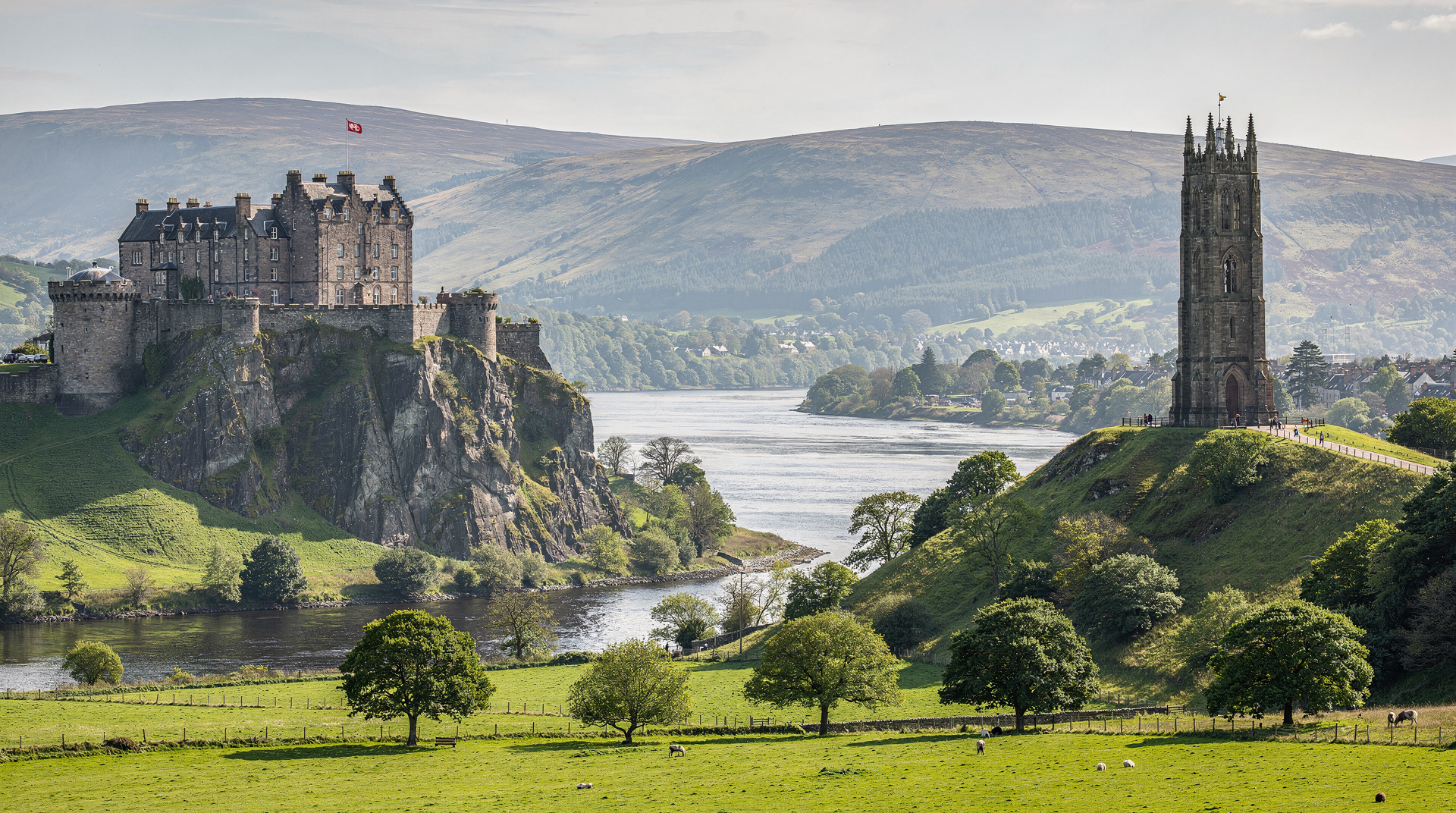
Spend the morning at Stirling Castle (£18.50 adult, Historic Environment Scotland). The Great Hall, the Royal Palace, and the views from the battlements are exceptional and provide the Central Scotland historical context that frames the whisky day trip.
Allow two hours inside the castle. The Stirling guide covers the castle and surrounding attractions.
Afternoon: distillery visit
1:00pm — Lunch in Stirling, then distillery
After lunch in the Stirling old town, travel to Glengoyne Distillery (25 minutes south by bus or taxi from Stirling). Glengoyne produces an unpeated single malt using traditional methods, and the tour covers the full production process from malting through to maturation in Spanish sherry casks. The visitor experience is well-developed and the setting — a whitewashed distillery beneath a Highland waterfall — is one of Scotland’s most photogenic.
Premium tours at Glengoyne include guided sensory tastings that explore the difference between various sherry cask maturation styles. Allow three hours.
Cost: Standard tour from £17; premium tastings from £35.
Return to Edinburgh by 6:30pm.
Day 4: The city and food pairing
Morning: whisky food pairing and city sightseeing
9:30am — National Museum of Scotland (free)
Use the final morning for the National Museum of Scotland, which has a strong section on Scottish food and drink including whisky’s history as both an agricultural product and a cultural symbol. Free, and a good contextualising experience after three days of tastings.
11:30am — A final whisky activity
On day four, the Scottish whisky experience with a local expert is an excellent way to consolidate what you have learned over the previous three days. A knowledgeable local guide can contextualise the tastings, answer specific questions, and introduce you to independent bottlers and distilleries that guided commercial experiences do not cover.
Alternatively, the history of whisky tasting at the Scotch Whisky Experience is a good summary experience for the final morning, pulling together the production and regional themes from the previous three days into one guided session.
Afternoon: final Edinburgh sightseeing
2:00pm — Arthur’s Seat or Calton Hill
Use the afternoon for any Edinburgh sightseeing still on the list. Calton Hill or Arthur’s Seat are both free and give the best views over the city. The walk down the Royal Mile past the whisky shops — now familiar territory — is enjoyable with the knowledge you have acquired over four days.
Final evening: a whisky dinner
Edinburgh has a growing tradition of whisky-paired dinners. The Balmoral Hotel’s Number One restaurant and the Scotch Whisky Experience both run occasional whisky dinner events worth booking ahead. The Scotsman Hotel’s basement bar does a good selection of rare malts for a final evening dram.
Buying whisky to take home
Edinburgh is an excellent place to buy whisky, but some guidance helps:
Cadenhead’s Whisky Shop (177 Canongate) is the best specialist retailer in the city — over 700 bottles, including own-bottlings direct from cask that are exclusive to Cadenhead’s shops. The staff are knowledgeable and patient. If you are looking for an independent bottling or something unusual from a specific distillery or cask type, this is the right shop.
The Scotch Whisky Experience has a well-curated retail selection with good regional coverage and some excellent gift sets. The online pricing is competitive.
Royal Mile Whiskies (384 High Street) is a strong retailer with an extensive range of single malts and a good selection of miniatures if you want to try before committing.
Airport duty-free: Avoid buying whisky at Edinburgh Airport. The selection is standard — the same well-known brands you can find everywhere — and the duty-free savings are rarely significant enough to justify the decision pressure of choosing at an airport gate. Buy earlier, wrap it carefully, and carry it in your hold luggage. Whisky bottles above 100ml are not permitted in hand luggage.
Bringing whisky home from the UK: UK tax on spirits is included in the shelf price. If you are travelling to a non-EU country, personal import allowances apply at your destination. Check your home country’s customs regulations before buying large quantities. If you are flying out via a UK airport other than Edinburgh, the same duty-free advice applies — buy from a specialist shop in the city rather than relying on airport selection, and check your connecting country’s own import allowances if you have a layover.
Extending the trip further into whisky country
Four days covers Edinburgh, Leith, and a single Stirling-area distillery well, but it only scratches the surface of Scotland’s whisky geography. Speyside — the country’s most concentrated distillery region — is a further journey north, and the dedicated Speyside whisky trail from Edinburgh guide covers how to extend this itinerary into a longer trip if four days leaves you wanting more.
For a broader sense of how Scotland’s whisky regions differ in style and character before you decide where to go next, the understanding Scotch regions guide is a useful primer. If Highland scenery matters as much as whisky, the Edinburgh Highlands 5-day itinerary can be adapted to include one or two distillery stops along the route.
Whisky bars worth building an evening around
Beyond the distillery tours themselves, Edinburgh’s whisky bar scene rewards a slower evening. The best whisky bars in Edinburgh guide covers venues beyond the Bow Bar and Cadenhead’s mentioned above, including smaller specialist bars in the New Town and Stockbridge that are easy to miss without local knowledge. Pairing a whisky bar evening with dinner rather than treating it as a separate outing tends to work better — a proper meal beforehand keeps the tastings enjoyable rather than overwhelming, especially by day three or four of this itinerary.
Four-day whisky budget
| Day | Key whisky costs | Budget | Mid-range |
|---|---|---|---|
| Day 1 | Scotch Whisky Exp + Johnnie Walker + Lost Close | see official sites | see official sites |
| Day 2 | Port of Leith + Holyrood Distillery | £45 | £65 |
| Day 3 | Stirling + Glengoyne | £55 | £80 |
| Day 4 | Expert tasting session | £25 | £45 |
| Meals (4 days) | £80 | £160 | |
| Total per person | ~£205 + Day 1 | ~£350 + Day 1 |
Frequently asked questions about Edinburgh whisky tourism
What is the best whisky experience in Edinburgh?
The Scotch Whisky Experience provides the best educational foundation — the overview of production and regions is the most comprehensive available in Edinburgh. The Johnnie Walker Princes Street experience is the most spectacular visitor attraction. The Lost Close and the various tasting sessions at Cadenhead’s are more intimate and better for genuine connoisseurs. See the Edinburgh whisky guide for full comparisons.
Is Edinburgh the best place to learn about Scotch whisky?
Edinburgh is an excellent place to start, but the producing regions are where the most authentic experiences are found. Speyside, Islay, and the Highlands have distilleries that Edinburgh’s city venues cannot replicate. Edinburgh is useful as a gateway and introduction — particularly the Scotch Whisky Experience — before a more in-depth Highlands tour.
Do I need to drink alcohol to enjoy Edinburgh’s whisky experiences?
Several Edinburgh whisky venues offer non-alcoholic alternatives or can adapt tastings. The Scotch Whisky Experience and Johnnie Walker both accommodate non-drinkers in groups. For a whisky-themed trip without the alcohol, the historical and production aspects of distilling are genuinely interesting regardless.
What is the Port of Leith Distillery like?
Port of Leith is Edinburgh’s most interesting new distillery, opened in a converted warehouse on Commercial Street in Leith. The distillery makes single malt Scotch (still maturing) alongside gin and vodka. The building design is distinctive — a vertical distillery with production on multiple floors. The tour is well-done and the connection to Leith’s historical identity as a whisky trading port is meaningfully explored.
Can I visit a Highland distillery on a day trip from Edinburgh?
Yes. Glengoyne (on the Highland boundary, accessible from Stirling) is the closest option — about 90 minutes from Edinburgh by road. Blair Atholl Distillery in Pitlochry is 90 minutes by train. The Highlands day trip from Edinburgh (see the Highlands itinerary) passes through whisky country and can be structured to include a distillery stop.
What should I buy as a whisky souvenir from Edinburgh?
Cadenhead’s Whisky Shop on Canongate has the best selection of independent bottlings, single cask releases, and old and rare malts. The Scotch Whisky Experience’s shop has an excellent curation including regional selections. Avoid buying whisky at Edinburgh Airport — the selection is standard and duty-free savings are rarely significant enough to justify making a decision at the airport. See the Edinburgh whisky guide for the full distillery and tasting bar landscape. The Old Town guide covers whisky bars on the Royal Mile.
Is four days too much time to spend on whisky in Edinburgh?
Not for genuine enthusiasts, but it is more than most visitors need. A single day (Day 1 of this itinerary) covers the essential Edinburgh whisky experiences well. The remaining three days are for people who want real depth — craft distilling in Leith, a Highland-boundary distillery, and a consolidating expert session. If four days feels like too much, see the whisky day trips from Edinburgh guide for shorter alternatives.
How does this itinerary compare to visiting Speyside directly?
Edinburgh gives you breadth and convenience — several different whisky experiences within walking distance or a short train ride, with no need for a car. Speyside gives you depth and authenticity — dozens of working distilleries in their actual production landscape, but it requires a multi-day trip of its own, typically 3+ hours from Edinburgh each way. Most visitors are better served starting with this Edinburgh itinerary and deciding afterward whether Speyside is worth the extra trip; see the Speyside whisky trail guide for the comparison.
Top experiences
Bookable activities with verified prices and instant confirmation on GetYourGuide.
Edinburgh: the Scotch Whisky Experience tour and tasting
Edinburgh: the Johnnie Walker Signature Experience
Edinburgh: the Lost Close underground Scotch whisky tasting
Edinburgh: Port of Leith distillery tour & tasting
Edinburgh: small-group history of whisky tour with tasting