Calton Hill
Calton Hill: Edinburgh's easily accessible viewpoint with panoramic city views, unfinished monuments, and the best sunrise and sunset spots in the city.
Edinburgh: walking photo tour with a local photographer
Quick facts
- Best time to visit
- Sunrise or golden hour; Beltane Fire Festival in April
- Days needed
- 1-2 hours
- Getting there
- 10-min walk from Princes Street via Waterloo Place
- Budget per day
- Free; Nelson Monument tower is ticketed
Edinburgh’s hilltop of monuments — and the finest views in the city
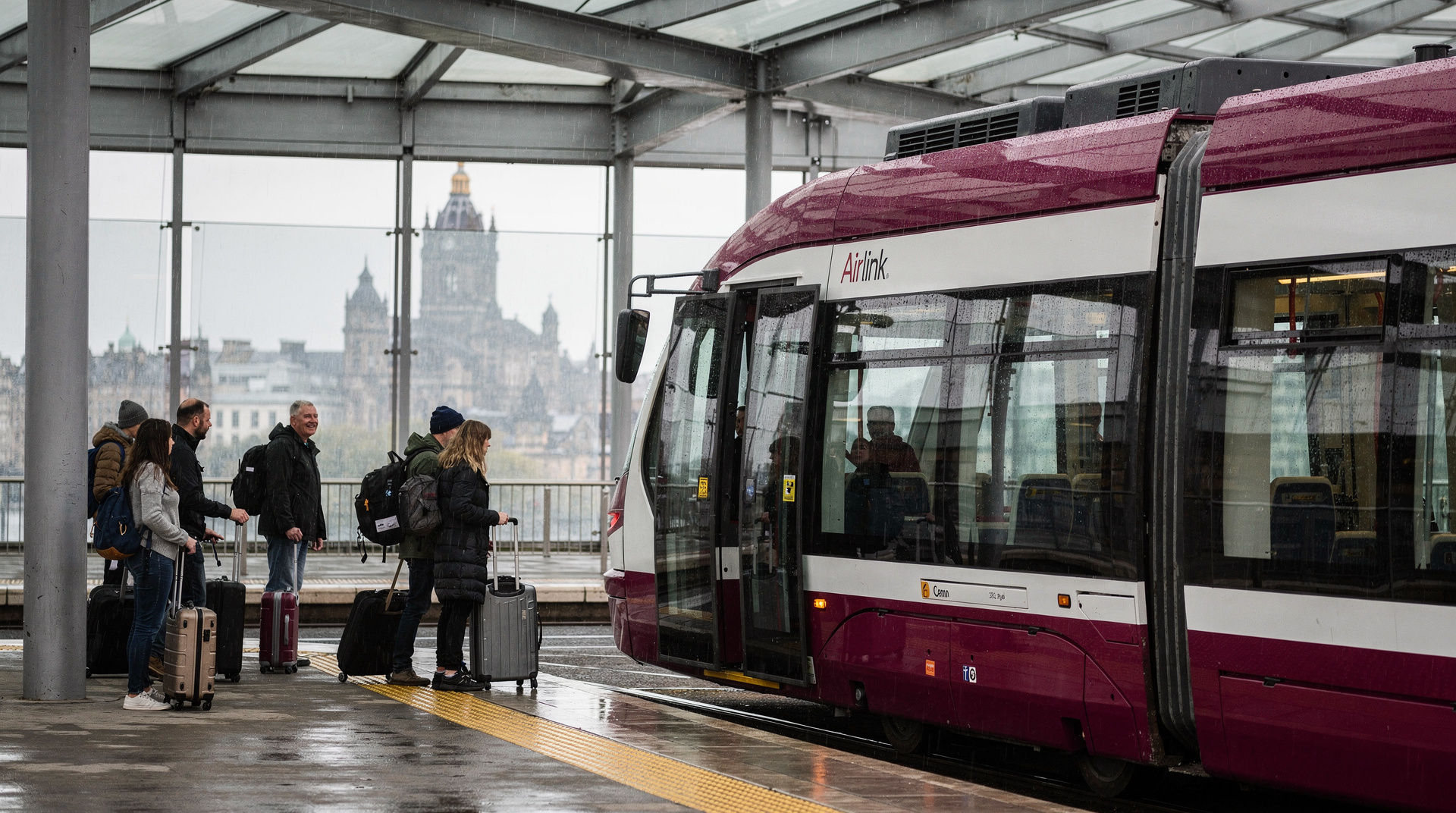
Calton Hill rises at the eastern end of Princes Street to a height of 102 metres, close enough to the city centre that you can reach it in 10 minutes on foot but high enough to give a panoramic view that takes in the entire Edinburgh skyline. It is one of the most accessible elevated viewpoints in any British city — a 10-minute walk from the tram stop, free to climb, and justifiably famous for both photography and atmosphere.
| Where | East end of Princes Street, via Waterloo Place |
| Cost | Free to climb; Nelson Monument tower is ticketed |
| Time needed | 45 minutes to 1.5 hours |
| Getting there | 10-minute walk from Waverley Station or Princes Street |
| Best time | Sunrise or the hour before sunset, on a clear day |
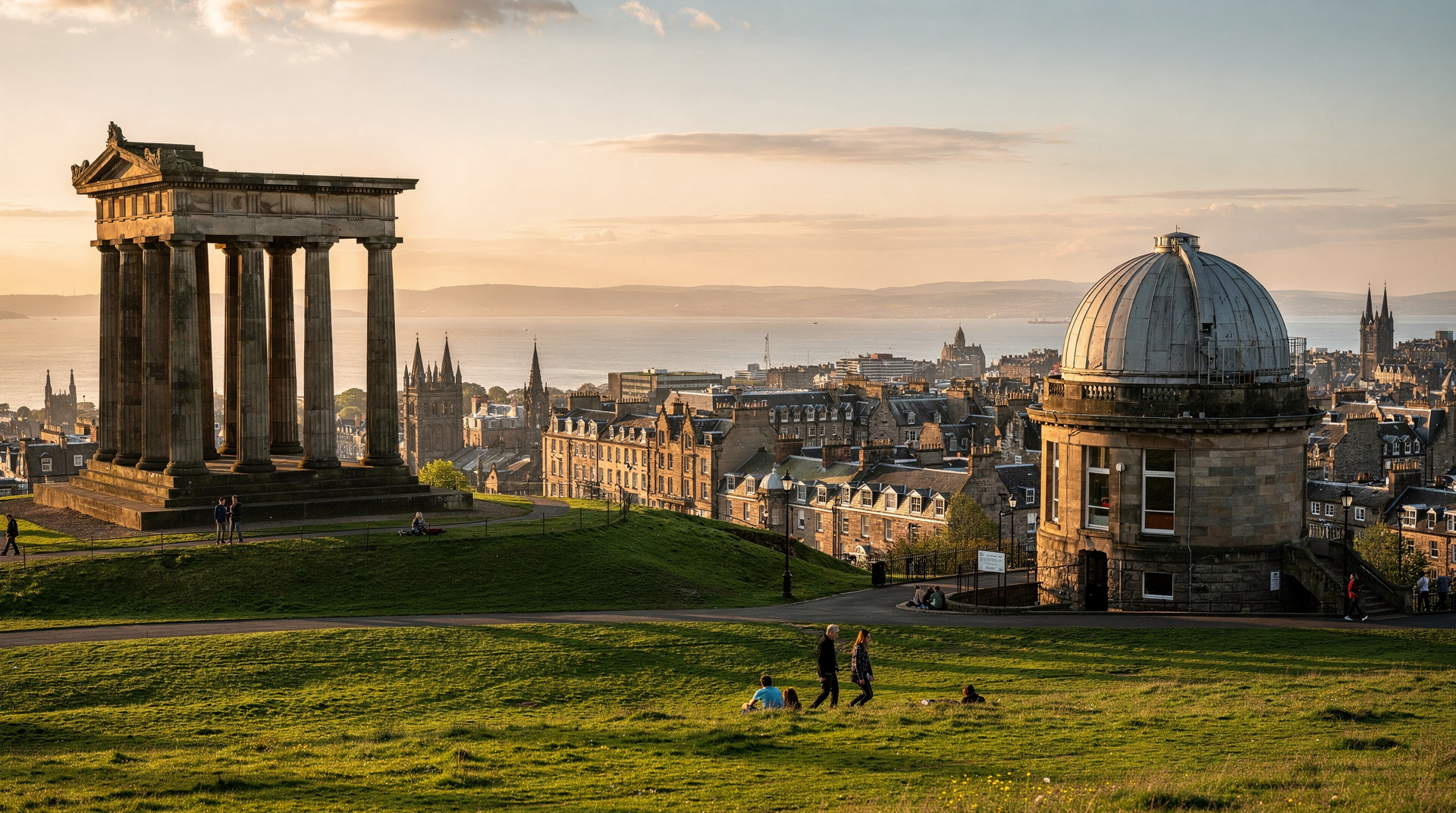
The hill is covered with monuments: the National Monument, which was begun in 1826 as a replica of the Parthenon in honour of the dead of the Napoleonic Wars and then abandoned when funds ran out (giving it the nickname ‘Edinburgh’s Disgrace’, though many people find it more interesting as a ruin); the Nelson Monument, a 32-metre tower built in 1815 after Trafalgar; the City Observatory, now a cultural venue; and several other neoclassical structures in various states of completion and repurposing. The concentration of monuments gives the hill a theatrical, slightly surreal quality, especially in low light.
The views from Calton Hill
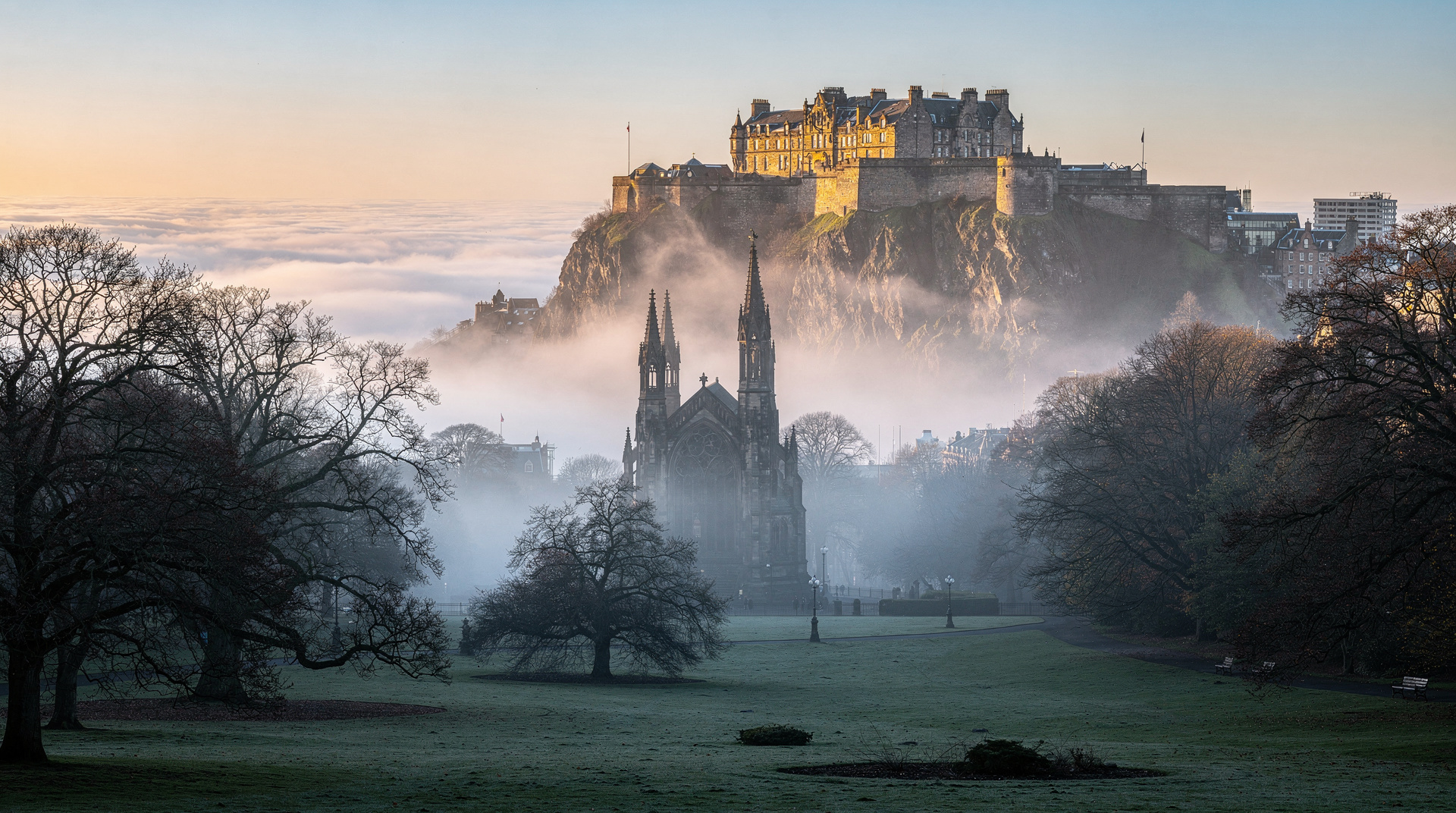
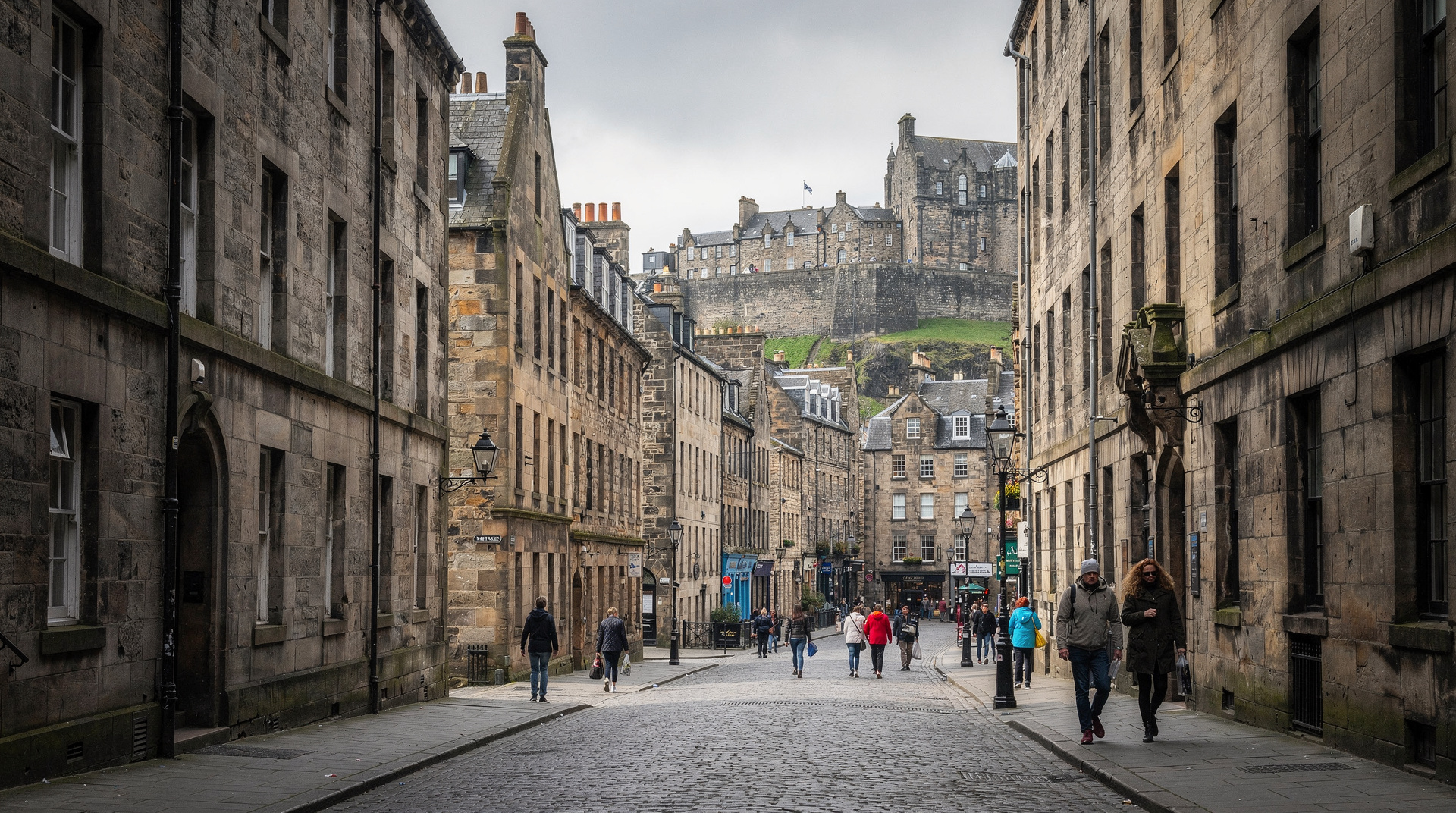
The standard view from Calton Hill — facing west along Princes Street with Edinburgh Castle on the horizon and the spire of the Balmoral Hotel in the middle ground — is one of the most reproduced images in Scotland. It works because the hill places you at exactly the right elevation to see the castle rock and the Old Town ridge without being too close or too far away. The golden light of early morning and late afternoon gives depth to the stone buildings.
From the summit, the views extend in all directions. North: across the Firth of Forth to Fife and, on very clear days, the Highland hills beyond Stirling. East: along the coast toward North Berwick, the Bass Rock, and the East Lothian coastline. South: over the New Town rooftops to Arthur’s Seat and the Pentlands. West: the famous castle view with Princes Street below.
The western view at sunset, with the castle silhouetted against the sky and the streetlights of Princes Street beginning to glow below, is one of Edinburgh’s finest spectacles. Arrive 30 minutes before sunset for the best light.
For photography, an Edinburgh walking photo tour with a local photographer covers the best viewpoints and timing across the city, including Calton Hill, and will significantly improve the results whether you are shooting on a smartphone or a camera. The hill features prominently on any Edinburgh photography itinerary.
The National Monument
The twelve columns of the National Monument stand on the highest point of the hill, visible from miles around. The plan was to build a full replica of the Parthenon, housing a chapel and mausoleum, as a memorial to the Scottish dead of the Napoleonic Wars. Construction began in 1826 but the fund collapsed after only twelve columns had been erected. The columns have stood incomplete ever since, and the debate about whether to complete them or leave them as they are has resurfaced periodically.
As ruins go, they are unexpectedly effective. The columns give the hilltop a quality that no completed building could easily replicate — monumental, ancient-feeling, and unresolved. Walking among the columns, the city visible through the gaps, is one of Edinburgh’s stranger experiences.
The Nelson Monument
The Nelson Monument is a 32-metre tower built in 1815 in the form of an upturned telescope. It houses a time ball on its top — a large ball that drops at exactly 1pm each day (except Sunday) as a time signal, historically coordinated with the One O’Clock Gun at Edinburgh Castle to allow ships in the Firth of Forth to set their chronometers. Entry to the tower is ticketed (current price on the Culture Edinburgh website) and takes you to a viewing platform with excellent close-up views over the surrounding area.
The time ball drop is easy to miss if you are not watching for it, but it is one of Edinburgh’s quieter traditions — visible from Princes Street if you know where to look.
The Beltane Fire Festival
On 30 April each year, Calton Hill hosts the Beltane Fire Festival — a revival of the ancient Celtic fire festival that marks the beginning of summer. The event, first revived in 1988, now draws thousands of spectators to watch a procession of costumed performers, fire jugglers, drummers, and narrative theatrical elements that retell the seasonal cycle of death and rebirth. Tickets are required and sell out weeks in advance.
The festival runs late into the night and is not suitable for young children, but for adults interested in Scottish cultural traditions or immersive theatrical performance, it is one of Edinburgh’s more remarkable annual events. See the Edinburgh festivals guide for the full calendar. For the other major annual Edinburgh event — the August Fringe — the Edinburgh in August guide covers what to expect across the whole city, including how the summer crowds affect Calton Hill itself.
Practical notes
Calton Hill is accessible via the steps and path from Waterloo Place (the continuation of Princes Street past the Balmoral Hotel). The ascent takes about 10 minutes at a moderate pace and involves a good staircase as well as paths. The hill is open 24 hours and free. There are no toilets on the hill itself.
The City Observatory on the hill now houses Collective, a contemporary art gallery with an excellent cafe that also serves as a viewpoint. Worth checking the programme if you are visiting during a well-regarded exhibition, and the cafe is one of the better viewpoint cafes in the city.
At night, particularly late at night, Calton Hill can be a cruising ground for gay men — this is widely known and largely benign, but worth mentioning for visitors with children or those who find the information useful.
For visitors planning a day that includes multiple Edinburgh viewpoints, the sequence of Calton Hill at sunrise, the Royal Mile and Old Town in the morning, and Arthur’s Seat in the afternoon gives three very different elevated perspectives on the city in a single long day.
The best time to visit Edinburgh guide covers the seasonal variation in light and weather that affects all these viewpoints. Calton Hill in particular benefits from clear winter mornings when the city air is at its sharpest. See the Edinburgh on a budget guide for a note on Calton Hill as one of the finest free viewpoints in any British city — an hour here costs nothing and is often the highlight of a visit.
The Regent Road and the southern approach
From the southern side of Calton Hill, the Old Calton Burial Ground sits on the slope of the hill above Waterloo Place, and is accessible from Regent Road. This is a more obscure burial ground than Greyfriars but historically significant: the philosopher David Hume is buried here in a cylindrical mausoleum designed by Robert Adam, and the cemetery contains memorials to the Scottish Political Martyrs of the 1790s — men transported to Australia for advocating parliamentary reform. The memorial obelisk is visible from Waterloo Place and is worth the five-minute detour.
Regent Road itself runs along the southern base of Calton Hill toward the Scottish Parliament and Holyrood. On one side the hill rises above you with the cliff face of the hill visible; on the other, the view opens toward Arthur’s Seat and the eastern suburbs. The Old Royal High School, a neoclassical building of 1829 by Thomas Hamilton, sits prominently on the hillside. It was proposed as the site for the Scottish Parliament after devolution but ultimately the Holyrood site was chosen. The building now operates as a high-quality event venue.
The Collective and the Observatory buildings
The City Observatory complex on Calton Hill — the main observatory dome, the Gothic telescope tower, and the Classical Playfair monument — has been repurposed as Collective, a contemporary art gallery. The gallery occupies several of the historic structures and has a rolling programme of contemporary art alongside an architectural conservation approach that treats the buildings as part of the artistic context.
The cafe at Collective, with its outdoor terrace facing west toward the castle, is one of Edinburgh’s better viewpoint cafes. The food is consistently good and the prices are reasonable for a tourist-adjacent location. It is worth knowing about as an alternative to the generic cafes on Princes Street, particularly if you are spending time on the hill.
Hogmanay and Calton Hill
During Hogmanay — Edinburgh’s world-famous New Year celebration running from 29 December to 1 January — Calton Hill is one of the principal gathering points for the street party that fills Princes Street and the surrounding area. The views from the hill of the fireworks from Edinburgh Castle at midnight are exceptional, and the hill itself fills with people watching the display from above.
The Hogmanay street party requires tickets, but the hill itself is a public space and the views from it are free. Arriving before 11pm and claiming a position on the western edge of the hill gives a spectacular elevated view of the fireworks that many Edinburgh residents regard as superior to being in the crowd below on Princes Street. Dress extremely warmly — New Year’s Eve on an exposed hilltop in Edinburgh can be intensely cold.
Regent Gardens and Regent Terrace
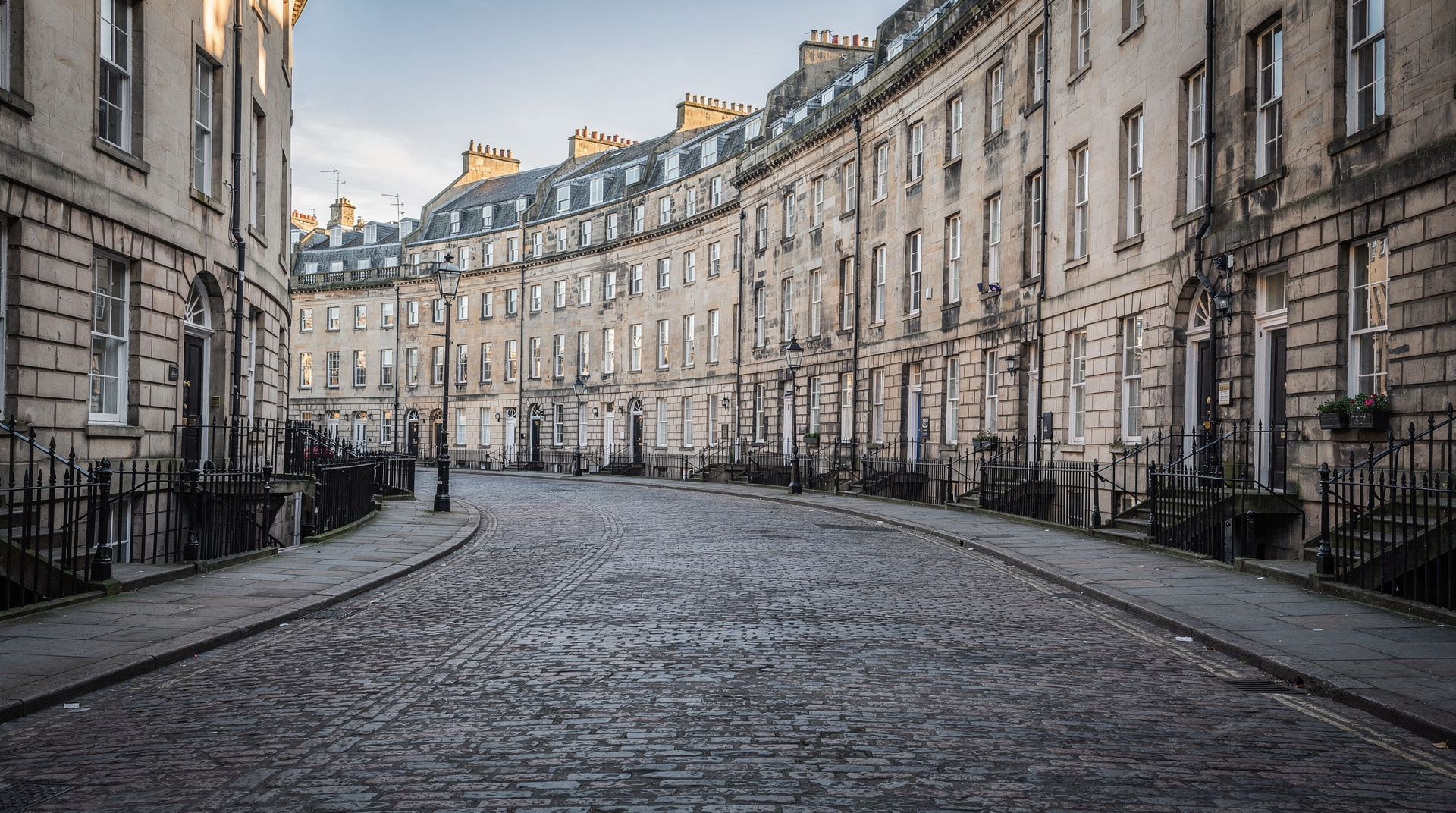
On the southern and eastern slopes of Calton Hill, Regent Terrace and Royal Terrace are among Edinburgh’s finest Georgian residential streets. Built in the 1820s by William Playfair as part of the Regent development, these terraces face south over the gardens and the approaches to Holyrood, with the hill rising behind them. The uniform facades and the curved layout around the base of the hill make them architecturally different from the central New Town — more dramatic in their setting, less formal in their geometry.
Royal Terrace in particular, with its long unbroken facade of Georgian townhouses facing the gardens, is one of the most impressive residential terraces in Edinburgh. It is rarely visited by tourists, which makes it a very pleasant place to walk if you descend from Calton Hill via the eastern path rather than returning via Waterloo Place.
Photography locations and tips
Calton Hill has several distinct photography positions that give very different results. The classic west-facing view toward the castle and Princes Street is the most familiar and works best in morning and afternoon light. The north-facing view over the Firth of Forth is best in clear weather with the blue water visible. The east-facing view toward Arthur’s Seat and the Holyrood crags is most interesting in low light when the volcanic forms are emphasised.
Among the monuments themselves, the National Monument columns frame interesting shots of the castle when viewed from the east at eye level. The Nelson Monument tower appears in many Calton Hill shots and provides good scale against the sky.
For professional photography guidance, the Edinburgh walking photo tour with a local photographer covers Calton Hill alongside other key Edinburgh locations and gives specific advice on timing and positioning for each.
Combining Calton Hill with the New Town
Calton Hill is most naturally combined with the New Town as a two-to-three-hour morning or afternoon. Walk along Princes Street or George Street to the eastern end, ascend the hill via Waterloo Place, enjoy the views and monuments for an hour, then descend and walk back through the New Town via the residential streets. The contrast between the chaotic hilltop monuments and the Georgian order of the streets below is part of the interest.
For a longer day, Calton Hill can be combined with an Old Town walk and a late afternoon at Holyrood Park — both are within 20 minutes on foot. See the two-day Edinburgh itinerary for the recommended sequence.
Alternatively, the walk east from Calton Hill via Regent Road to the Scottish Parliament and Palace of Holyrood takes about 20 minutes and combines the hill with the palace visit in a single afternoon. The New Town lies immediately to the west of the hill, and the eastern end of the New Town — St Andrew Square, Waterloo Place, and the North Bridge area — connects the hill to the main Princes Street shopping street.
For photographers visiting Edinburgh over several days, a route that takes in Calton Hill at sunrise, the Old Town closes in morning light, and the Dean Village gorge in afternoon light covers Edinburgh’s three best photography locations in a single long day. See the Edinburgh photography guide for the full route with timing advice.
The political history of Calton Hill
Calton Hill has a significant political history beyond its architectural monuments. In the 1990s, before the Scottish Parliament was established, the hill was used as a gathering point for Scottish independence and devolution campaigners, and the Scottish Parliament in Exile briefly operated from Calton Hill in symbolic defiance of Westminster’s constitutional arrangements. The hill’s prominence and its view over the entire city made it a natural political stage.
The Old Calton Burial Ground on the hillside contains the tomb of David Hume, and nearby the Political Martyrs’ Monument commemorates Thomas Muir and four other reformers who were transported to Botany Bay in 1793-94 for advocating parliamentary reform. Their sentences — effectively exile for political speech — were recognised even at the time as excessive, and the monument, erected in 1844, was one of the first publicly funded memorials to political reformers in Scotland.
The concentration of monuments on Calton Hill — to Nelson, to the Napoleonic War dead, to political martyrs, to Scottish scientists — gives the hill the feel of a curated civic memory rather than a natural landscape. Walking among them and thinking about what each commemorates gives a compressed version of Scottish public life from the 1790s to the 1820s.
Scottish Parliament building views from the hill
From the eastern side of Calton Hill, the Scottish Parliament building — the dramatically angular Enric Miralles structure that opened in 2004 — is visible below, with Arthur’s Seat rising behind it. The view shows the relationship between the three elements that define this part of Edinburgh’s landscape: the volcanic geology of the Crags, the royal palace at their foot, and the democratic institution built to sit alongside them.
This view is one of the best for understanding Edinburgh’s political geography — the castle above representing the long history of military and royal power, the parliament below representing modern Scottish self-governance, and the ancient geology indifferent to both. Photographers who want the full Edinburgh political landscape in a single frame can find it from the eastern edge of Calton Hill.
Best time of year for the Calton Hill view
| Season | Light and conditions | Notes |
|---|---|---|
| Winter (Dec–Feb) | Low sun, sharp clear air on good days | Sunrise is late and civilised (around 8.30am); best air clarity of the year |
| Spring (Mar–May) | Lengthening days, variable weather | Beltane Fire Festival, 30 April |
| Summer (Jun–Aug) | Long days, hazier light, most crowded | Very late sunset (after 9.30pm in June); best for evening visits after dinner |
| Autumn (Sep–Nov) | Cooling, dramatic skies, fewer crowds | Good balance of clear light and manageable numbers |
Winter mornings in particular reward an early climb: the low sun and the sharper, less humid air give the clearest long-distance views across the Firth of Forth to Fife, at the cost of a colder wait for the light.
Frequently asked questions about Calton Hill
Is Calton Hill worth visiting?
Absolutely, especially if photography or views are among your interests. It is one of Edinburgh’s best-value experiences — free to climb, 10 minutes from the city centre, and offering views that are genuinely superior to many paid viewpoints in other cities. Even a 45-minute visit adds real value to an Edinburgh day.
What is the best time of day to visit Calton Hill?
For photography, the hour after sunrise and the hour before sunset give the best light. For views on a clear day, any time works. For the Beltane Fire Festival atmosphere, 30 April evening. For a quiet experience away from the daytime crowds, early morning on a weekday. See also the best time to visit Edinburgh for broader seasonal guidance. And for visitors arriving by train from London, Waverley is immediately below Calton Hill — the hill makes an excellent first stop before heading into the city.
What is near Calton Hill?
To the west is the New Town, with Princes Street accessible in 10 minutes on foot. To the south is the Old Town, reached via the North Bridge or Waverley Steps (15 minutes). To the east, Regent Road descends toward the Palace of Holyroodhouse and Holyrood Park (20 minutes on foot). This central position makes Calton Hill a natural mid-point in a day that covers several Edinburgh areas.
Is Calton Hill safe at night?
The hill is generally safe at night, but the lack of lighting on the upper paths makes it darker than the streets below. The main risk is tripping rather than crime. Late at night it attracts people cruising, which is not unsafe but may not be what all visitors are expecting. Sunset visits are generally fine and very popular.
Can you see Edinburgh Castle from Calton Hill?
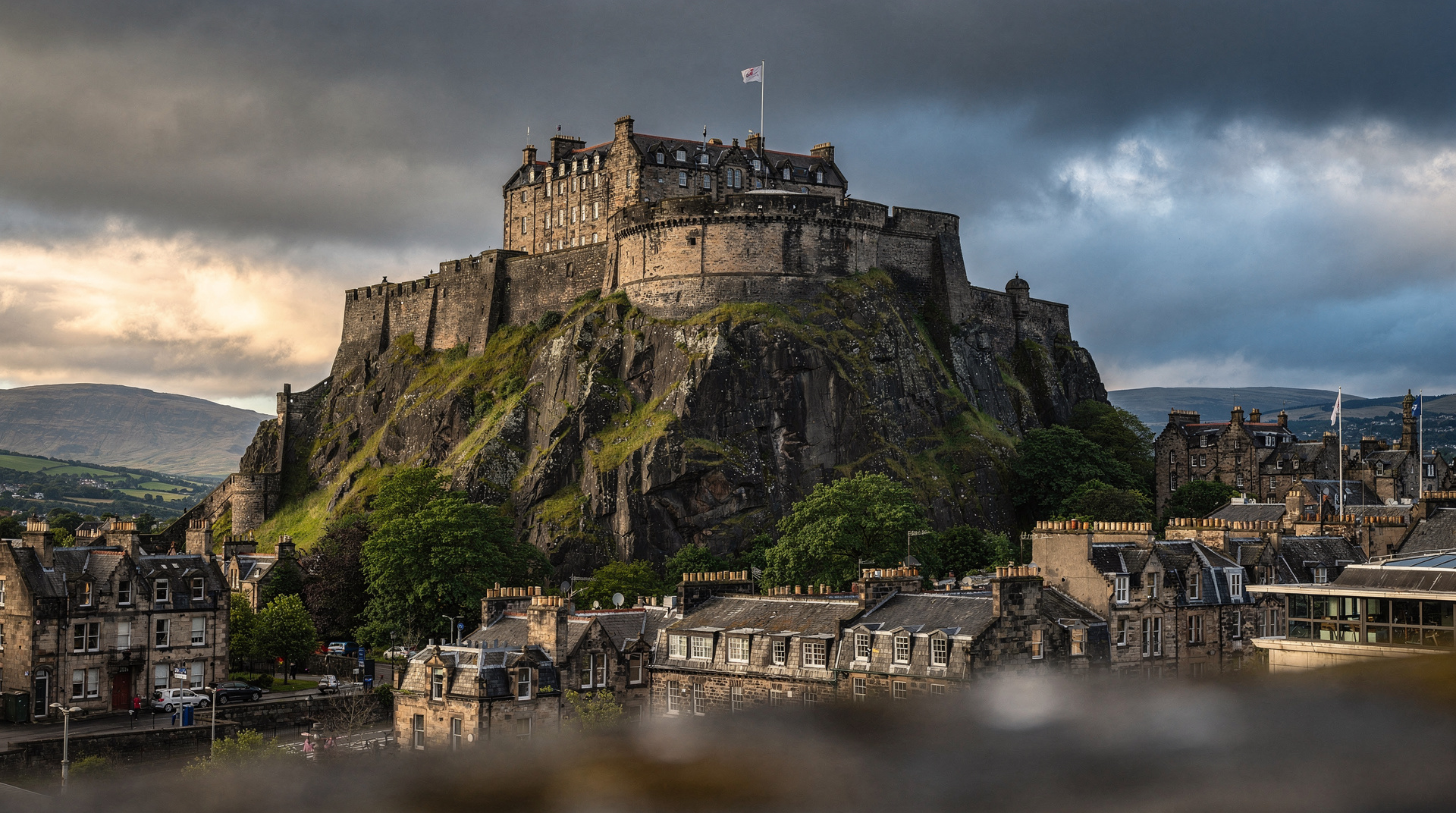
Yes, and it is one of the best views of the castle available from any public viewpoint. The castle appears on the western horizon from the highest point of the hill, with the Old Town ridge and Princes Street Gardens below it. This is the view that appears on most professional Edinburgh photographs.
What is the City Observatory and is it worth visiting?
The old City Observatory on Calton Hill now houses Collective, a contemporary art gallery that occupies the observatory buildings and surrounding structures. The gallery has a rolling programme of contemporary art exhibitions and a cafe with excellent views. Entry to the cafe and grounds is free; some exhibitions may have a ticket charge. Check the programme at the Collective website before visiting.
How do I get to Calton Hill?
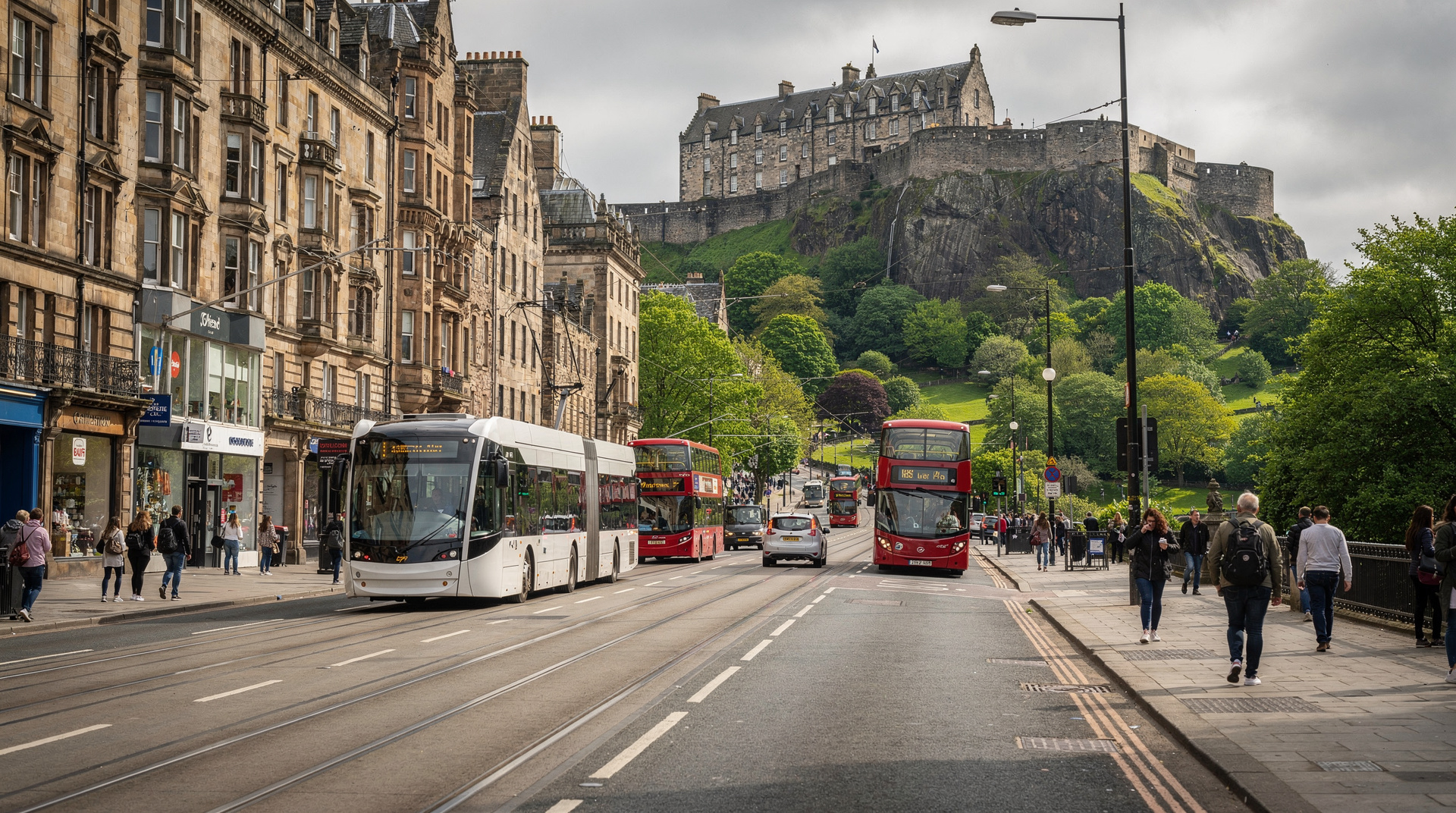
Walk east along Princes Street past the Balmoral Hotel, continue onto Waterloo Place, and look for the entrance to the steps on the right side of the road (south side). The main stair path takes about 10 minutes to climb. There is also an approach from Regent Road on the north side, which is gentler but longer. No bus or tram serves the hill directly — walking is the only practical option.
Is Calton Hill better than Arthur’s Seat for views?
They offer different things rather than one being simply better. Calton Hill is faster (10 minutes up, no real exertion) and gives the classic postcard view of the castle and Princes Street. Arthur’s Seat requires a proper hike (45–60 minutes each way) but rewards it with a 360-degree panorama from a genuine summit, including the sea. If time is short, Calton Hill; if you have half a day and want a walk, Arthur’s Seat.
Top experiences
Bookable activities with verified prices and instant confirmation on GetYourGuide.