Best time to visit Edinburgh: month by month guide
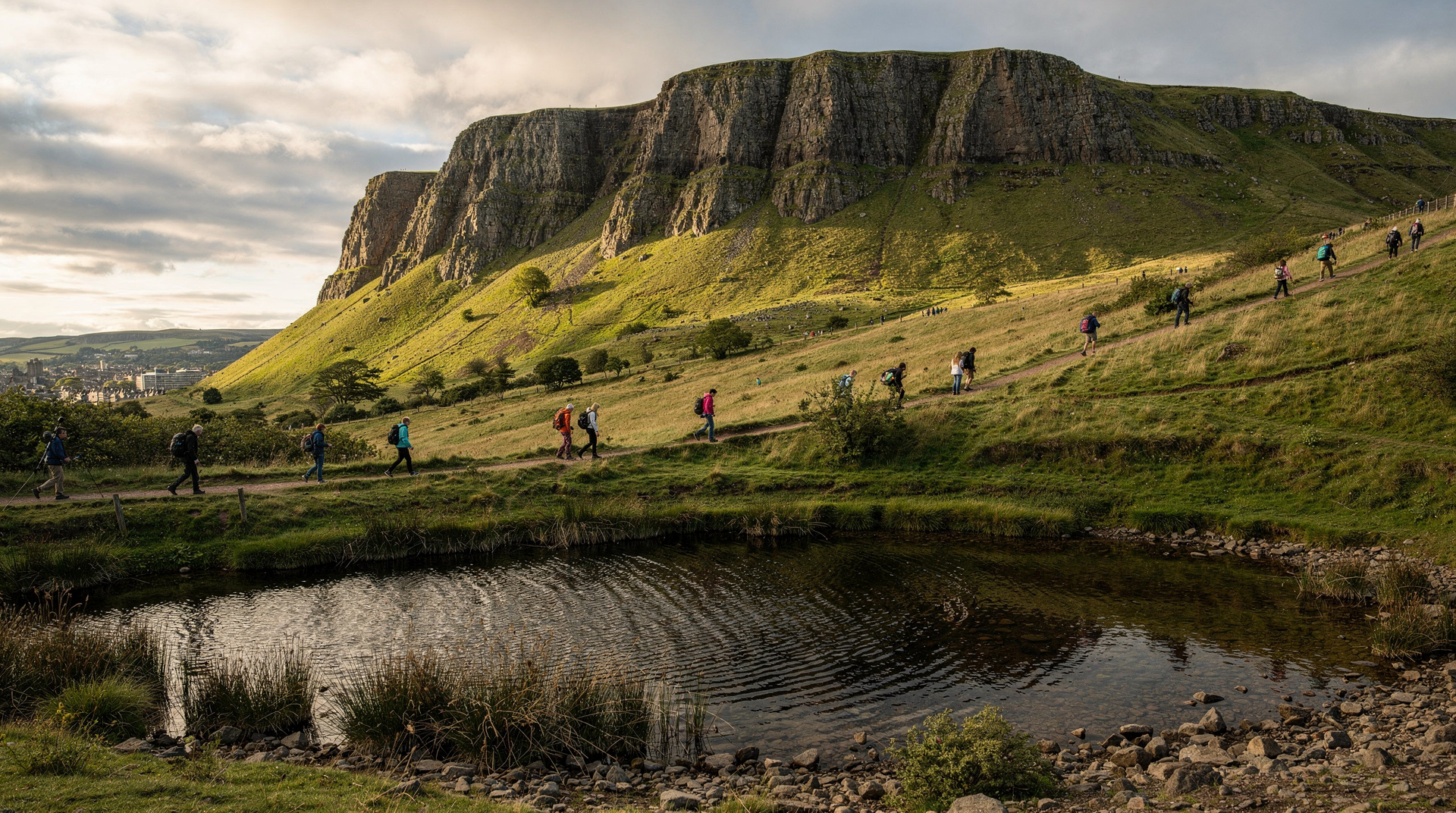
Edinburgh: guided hike to Arthur's Seat and Holyrood Park
When is the best time to visit Edinburgh?
May-June and September are the best times: good weather, long daylight hours, manageable crowds, and reasonable prices. August has the Fringe and Tattoo (extraordinary but crowded and expensive). January-February is cheapest but grey.
Edinburgh through the seasons: the honest overview
Edinburgh is a year-round city. Unlike many European destinations that have a clear off-season, Edinburgh has genuine reasons to visit in every month — winter brings Hogmanay and Christmas markets, spring brings long evenings and manageable crowds, summer brings the most spectacular arts festival in the world, and autumn brings the last of the long light with fewer visitors.
That said, not all times are equal. The difference between visiting in May and visiting in August is the difference between a city you can explore comfortably and a city that is genuinely overwhelmed. This guide gives you the honest month-by-month picture so you can choose the time that suits your priorities.
If this is your first trip, read it alongside the first-time Edinburgh travel guide, which covers the basics that do not change with the calendar. Once you have picked a month, the Edinburgh in summer guide and the Edinburgh in winter guide go deeper on the two ends of the year.
| Best overall | May, June, September |
| Best weather | June (12-20°C, long daylight to nearly 10pm) |
| Cheapest | January-February (£70-110 mid-range hotels) |
| Most expensive | August (Fringe + Tattoo, £250-450 hotels) |
| Avoid if crowd-averse | August, and 29 Dec-1 Jan (Hogmanay) |
May and June — the recommended sweet spot
May and June are the months most experienced Edinburgh visitors recommend for a first-time trip, and the reasoning is consistent:
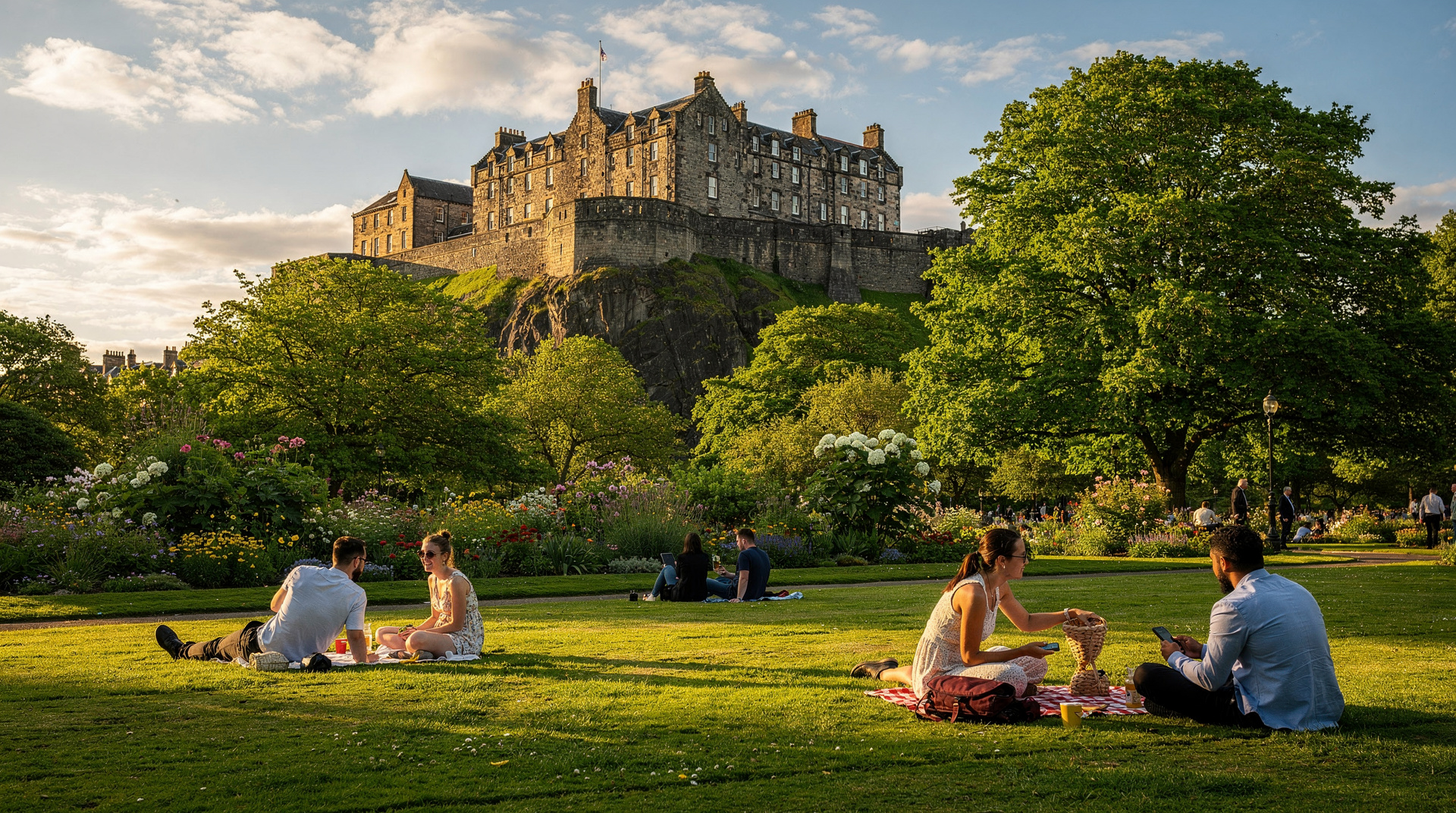
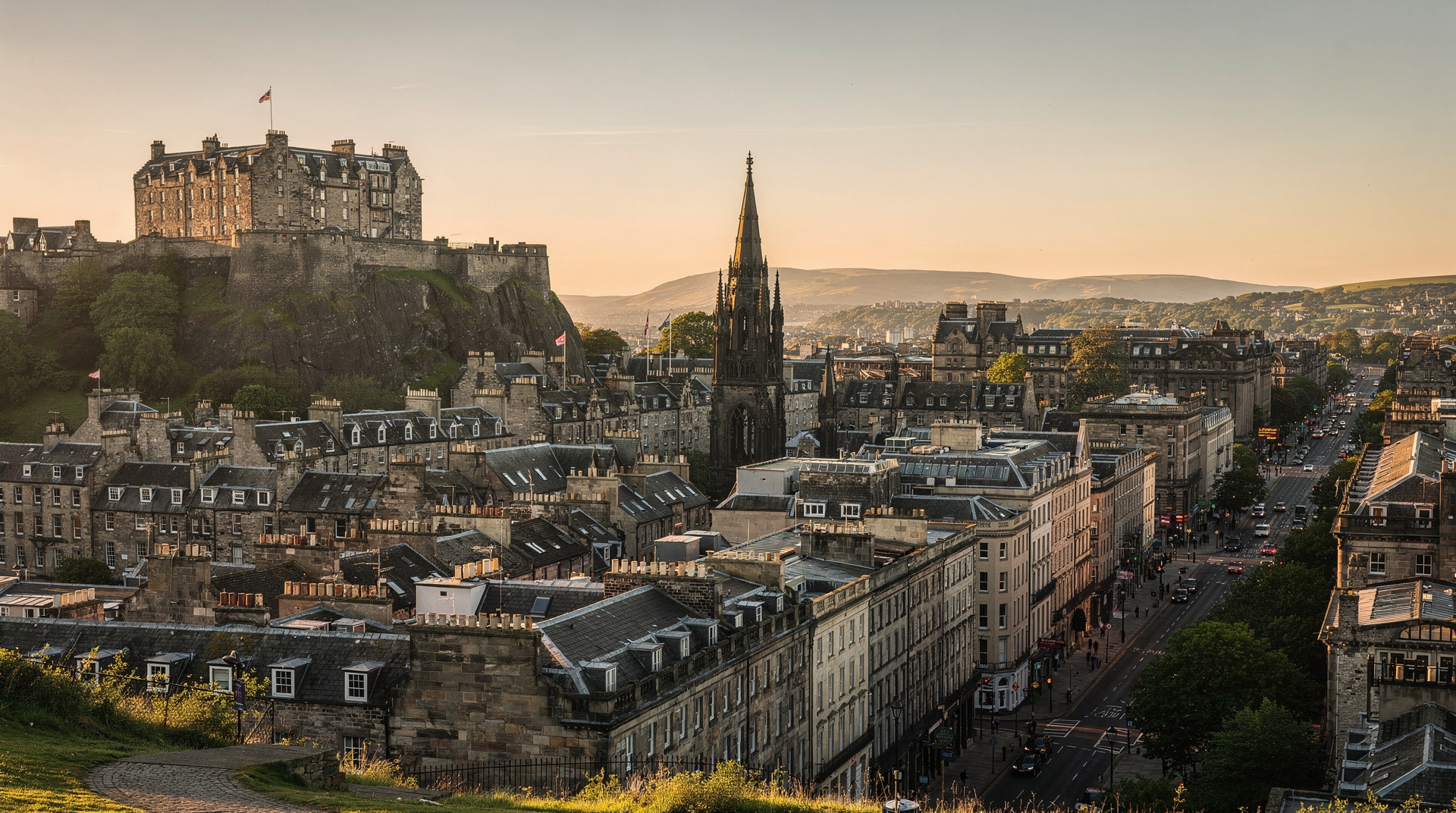
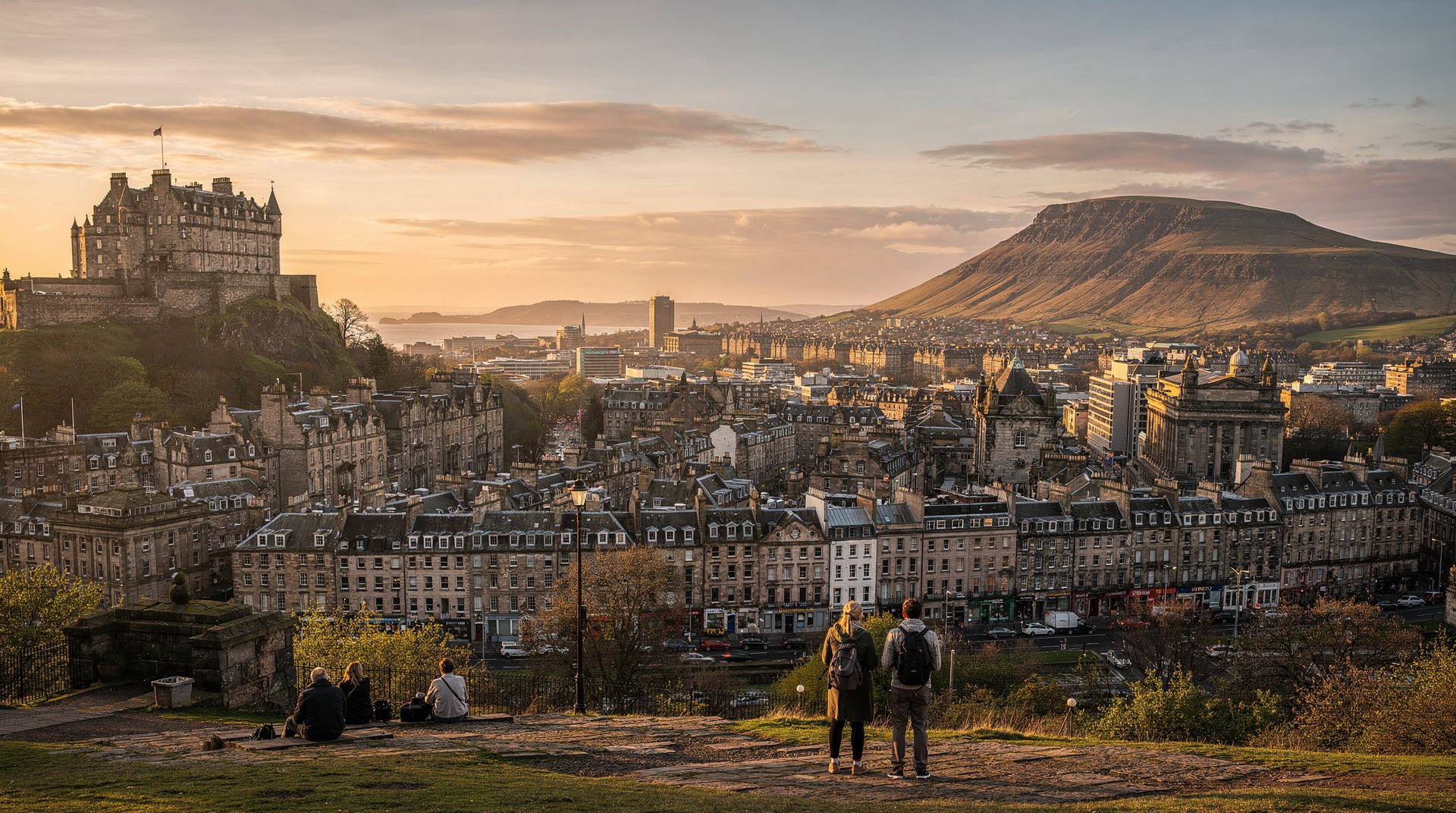
Weather: Edinburgh in May and June sees its most reliably good weather. Temperatures are 12-17°C on average, with sunny days increasingly frequent as summer approaches. Scotland’s latitude (further north than Moscow) means late June daylight stretches to nearly 10pm, giving long evenings for exploration and the extraordinary midsummer light quality that makes Edinburgh’s stone architecture glow.
Crowds: May and June are busy but not overwhelmed. The major attractions — Edinburgh Castle, Arthur’s Seat, the Royal Mile — are enjoyable without the August saturation. Restaurants can be booked without week-ahead planning. Hotels are priced at £100-180 for decent mid-range options rather than the August peak of £250-400.
Events: May has the Beltane Fire Festival (30 April, technically end of April but spilling into May atmosphere), a dramatic pagan fire ritual on Calton Hill that is one of Edinburgh’s stranger and more memorable experiences. The Beltane Fire Festival guide explains what to expect and how to approach the evening, and Calton Hill is worth visiting in daylight too. The Scottish Cup Final often falls in late May. Various spring festivals and markets begin filling the calendar.
Day trips: Spring is particularly good for Highland day trips — the heather has not yet browned, the glens are at their greenest, and the long evenings mean Arthur’s Seat and the Holyrood hills can be enjoyed after most attractions have closed.
July — busy but not yet August
July is solid — school holidays in England and Wales begin in late July, bringing families, and Scottish school holidays vary by council but often start in late June. July accommodation prices rise toward August levels by the final week.
The weather is often excellent in early July. A warm Scottish summer day with long light and the city full but not overwhelmed is a particular pleasure. The Fringe preparations begin mid-July — you will see scaffolding and venue construction starting on the Mound and around George Square in the final two weeks of July.
Book accommodation in advance for any July dates: prices are heading upward from late June onward. The where to stay in Edinburgh guide helps you compare areas before you commit, and a budget accommodation guide is useful if the summer premium is a concern.
August — the Fringe and the Tattoo
August in Edinburgh is a separate category. The Edinburgh Festival Fringe (the world’s largest arts festival, running most of August) and the Royal Edinburgh Military Tattoo (spectacular military ceremony on the castle esplanade, running three weeks in August) transform the city into something unlike itself at any other time.
What August delivers:
- Over 3,000 shows in 250-plus venues across three weeks of the Fringe
- Street performers on every pavement of the Royal Mile, all day
- The Tattoo: one of the most spectacular outdoor events in Europe, with pipe bands, military displays, and 8,000 spectators on the castle esplanade nightly
- Electric city atmosphere; the pubs and restaurants are full and alive
- Simultaneous festivals: the Edinburgh International Festival (classical music, opera, theatre), the Edinburgh Art Festival, and the Book Festival at Charlotte Square
What August costs:
- Hotels that cost £120 in May cost £300-450 in August
- Restaurants require booking days in advance
- The Royal Mile is genuinely difficult to walk through during peak Fringe hours (noon to 9pm)
- A Friday night at Hogmanay is less crowded than a Tuesday afternoon in August Fringe
Who should visit in August: Anyone who specifically wants the Fringe experience, is booking accommodation six to twelve months ahead, has a budget that accommodates the premium, and finds festival-density energising rather than exhausting. The Fringe is genuinely one of the world’s great travel experiences when planned for deliberately.
Who should avoid August: Budget travellers, visitors who find crowds uncomfortable, anyone who wants to experience Edinburgh itself rather than Edinburgh-as-festival-city.
See the Edinburgh Festival Fringe guide for planning the programme and booking in advance.
Two more pages help if August is your choice: the Royal Edinburgh Military Tattoo guide for the castle esplanade show, and the August in Edinburgh survival guide for coping with the crowds once you are there. The Edinburgh Fringe 4-day itinerary shows how to pace a festival trip.
September — arguably the best month of all
September is the month many Edinburgh regulars cite as their personal favourite. The Fringe is over by mid-September (it ends on the last Sunday of August), the August crowds drain rapidly, and the city returns to itself. Accommodation prices drop significantly. The weather in September is often excellent — mild (14-18°C), with the particular quality of early-autumn light that turns Edinburgh’s stone from grey to gold.
The other September advantage is timing: day trips to the Highlands catch the beginning of the autumn colour in the glens, and the heather on the hills around Holyrood Park turns purple-brown in September. Edinburgh in September with good weather is close to perfect. It is also a good moment for the Arthur’s Seat hiking guide and for the best walks in Edinburgh, since the milder temperatures make longer days outdoors more comfortable.
October — autumn colours and quiet streets
October is distinctly autumn in Edinburgh. Temperatures drop to 9-13°C, the daylight shortens rapidly (sunset by 6:30pm by the end of October), and the city takes on a quieter, more local character. Accommodation is good value — £80-130 for comfortable mid-range hotels — and the main attractions are less crowded.
The Edinburgh Halloween festival and various autumn food events add calendar interest. Day trips to the Highlands in October can be spectacular when the autumn colours are at their peak (usually mid-October), but weather is less reliable and the Highland days are shortening.
November — quiet, cool, atmospheric
November is Edinburgh’s quietest tourist month before Christmas. Cold (6-10°C), grey, and short days, but the city has a cosy, settled character with locals in pubs and restaurants that feels genuine. The best value accommodation of any month except January.
The Christmas markets begin in mid-November (the exact date varies by year) and immediately add atmosphere and crowds to Princes Street and the East Princes Street Gardens.
December — Hogmanay and Christmas
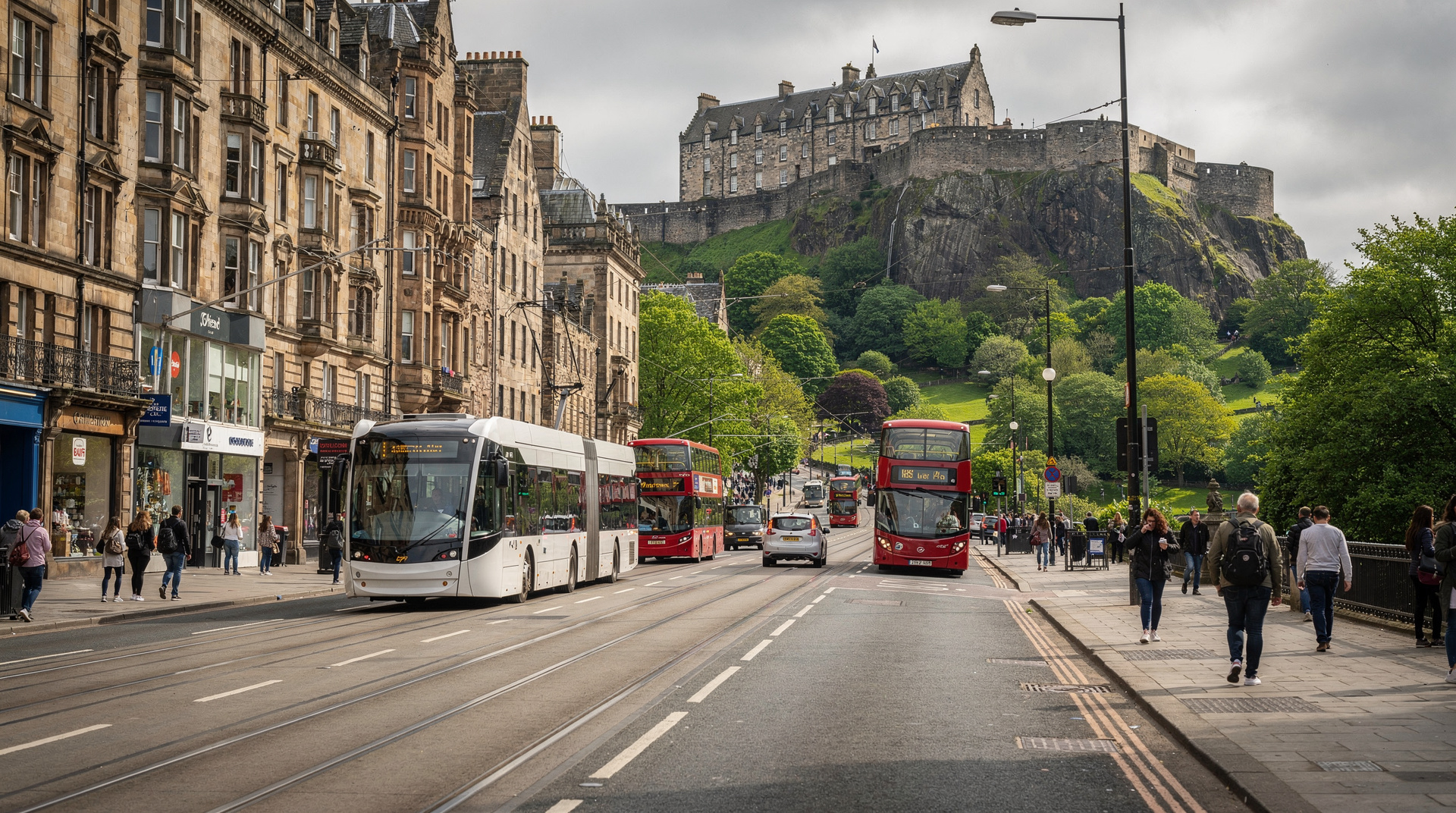
December in Edinburgh is excellent for visitors who embrace the season. The Christmas markets (running through most of December until Christmas Eve) are among the best in the UK — ice rink, fairground, market stalls selling mulled wine and artisan gifts, the whole arrangement below Edinburgh Castle.
Hogmanay (29 December-1 January): Edinburgh’s New Year celebrations are world-famous. The Torchlight Procession on 30 December takes thousands of torch-carriers through the Old Town to Calton Hill. The main Street Party on 31 December is ticketed and covers Princes Street and the surrounding area. Fireworks from Edinburgh Castle at midnight are visible from across the city. See the Hogmanay guide for full planning detail.
December accommodation around Christmas and Hogmanay peaks significantly — not August levels but notably more expensive than November. Book early for the 29 December-2 January period. The Edinburgh Christmas markets guide covers the festive side, and the 3-day Hogmanay itinerary shows how to fit the celebrations into a short stay.
January and February — cheapest, quietest, genuinely atmospheric
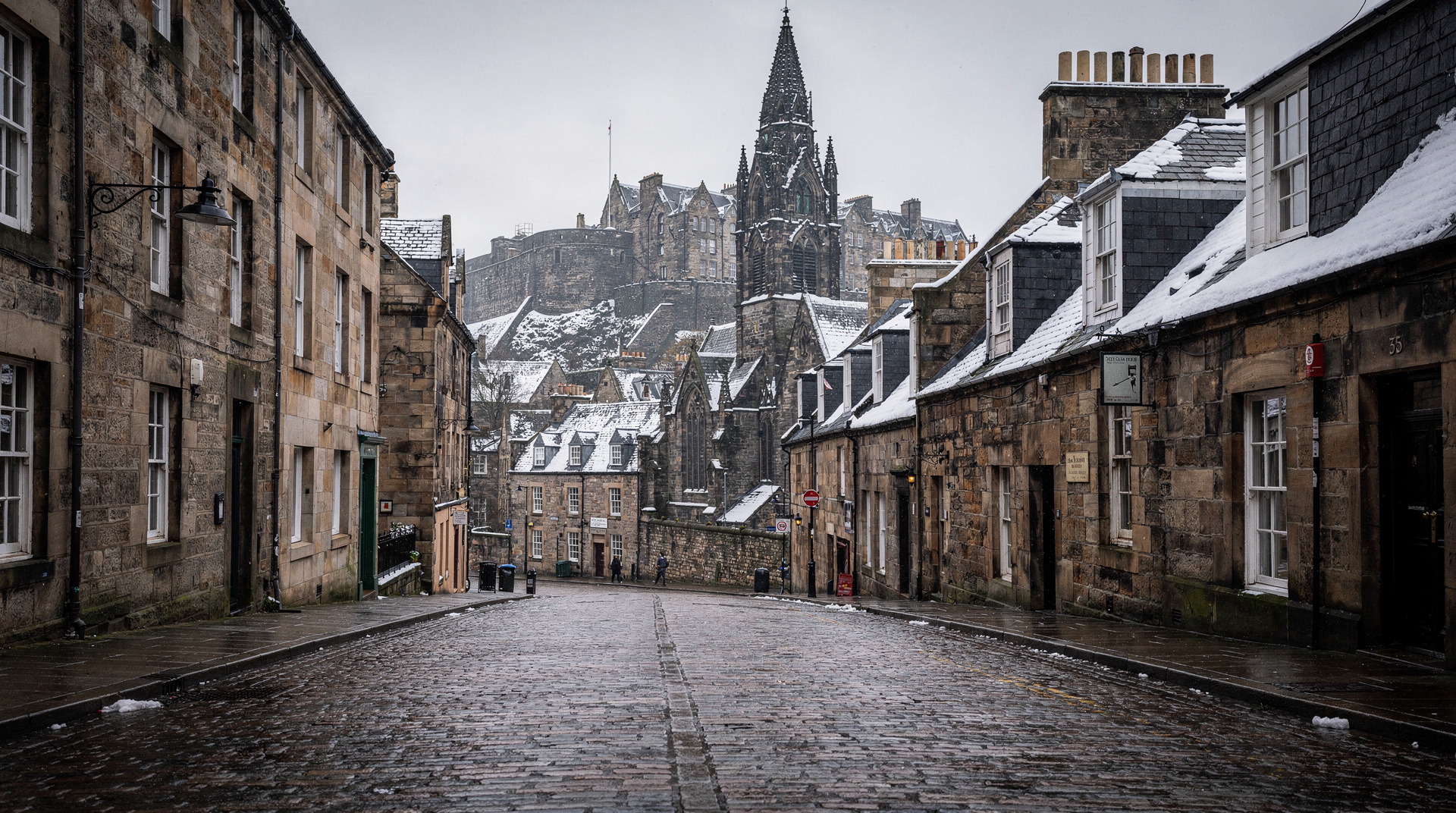
January and February are the months when Edinburgh is at its most purely local. Tourist numbers are minimal, accommodation is at its lowest prices (£70-110 for mid-range hotels), and the city has a grey, cold, rather melancholy atmosphere that suits some visitors beautifully.
The key practical point: January in Edinburgh is cold (3-7°C average), frequently wet or grey, with short days (sunset at 4pm in early January). You need good waterproofs and warm layers. The castle and National Museum do not change; the cold wind on Arthur’s Seat is more serious; the shorter opening hours at some attractions require more planning.
Visitors from Scandinavia, Canada, Northern Europe, and Russia often feel entirely at home; visitors from Southern Europe or warm climates may find January Edinburgh a genuine shock.
See the Edinburgh in winter guide for the full winter breakdown.
March and April — early spring, affordable
March is transitional — still cold and unpredictable, but with lengthening days and occasional spring sunshine. April is properly spring: temperatures 8-13°C, daffodils in Princes Street Gardens, increasing daylight. The accommodation market is still reasonably priced in March; April begins to creep upward.
Easter brings school holidays (dates vary), which creates a brief mid-April busy period. The Beltane preparation and other spring events begin building calendar interest. Day trips to the Highlands in March and April can encounter late-season snow on the higher routes (Glencoe above 500m) — beautiful if you are prepared for it, problematic if you are not.
Combining Edinburgh timing with a Highlands trip
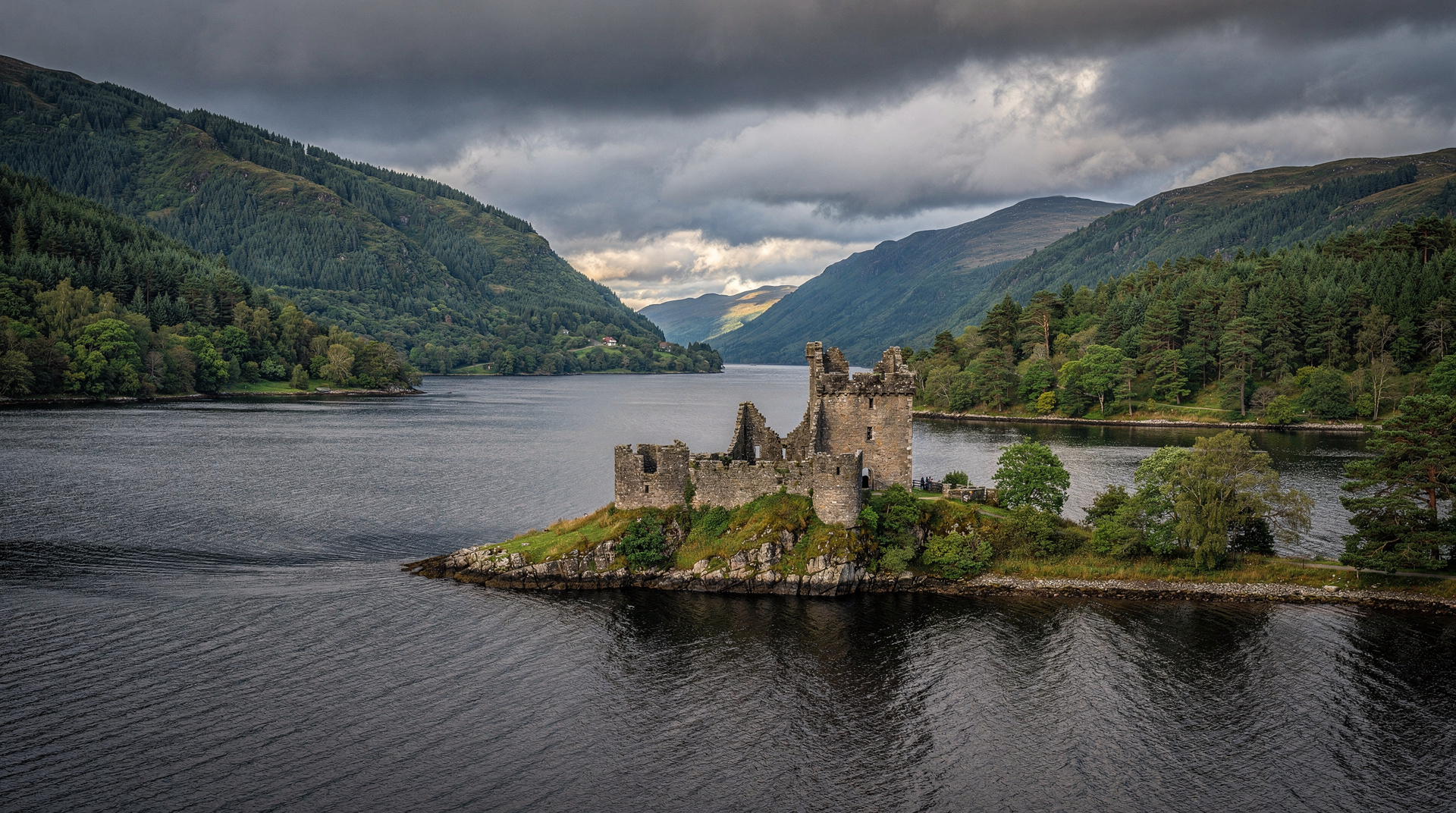
Many visitors pair their Edinburgh stay with a Highlands excursion, and the best month for the city is not always the best month for the mountains. May and June give Edinburgh its finest light but the Highlands are greenest slightly later, from late June through August, when the glens are fully in leaf and the midge season (unpleasant but manageable with repellent) is at its peak alongside the scenery.
September threads the needle well: Edinburgh is calm and pleasant, and the Highlands are just beginning to turn, with the heather still holding some purple into early September in good years. October brings the best Highland colour but shorter, less reliable days for the return drive. Whichever month you choose, book Highland day tours in advance during May-September, when demand from both Edinburgh-based visitors and the wider UK holiday season is highest. The Edinburgh to the Highlands guide and the best day trips from Edinburgh help you match a destination to your month, and Glencoe is the one most affected by season.
Matching the month to your priorities
Different visitors optimise for different things, and the “best” month genuinely depends on what you value most:
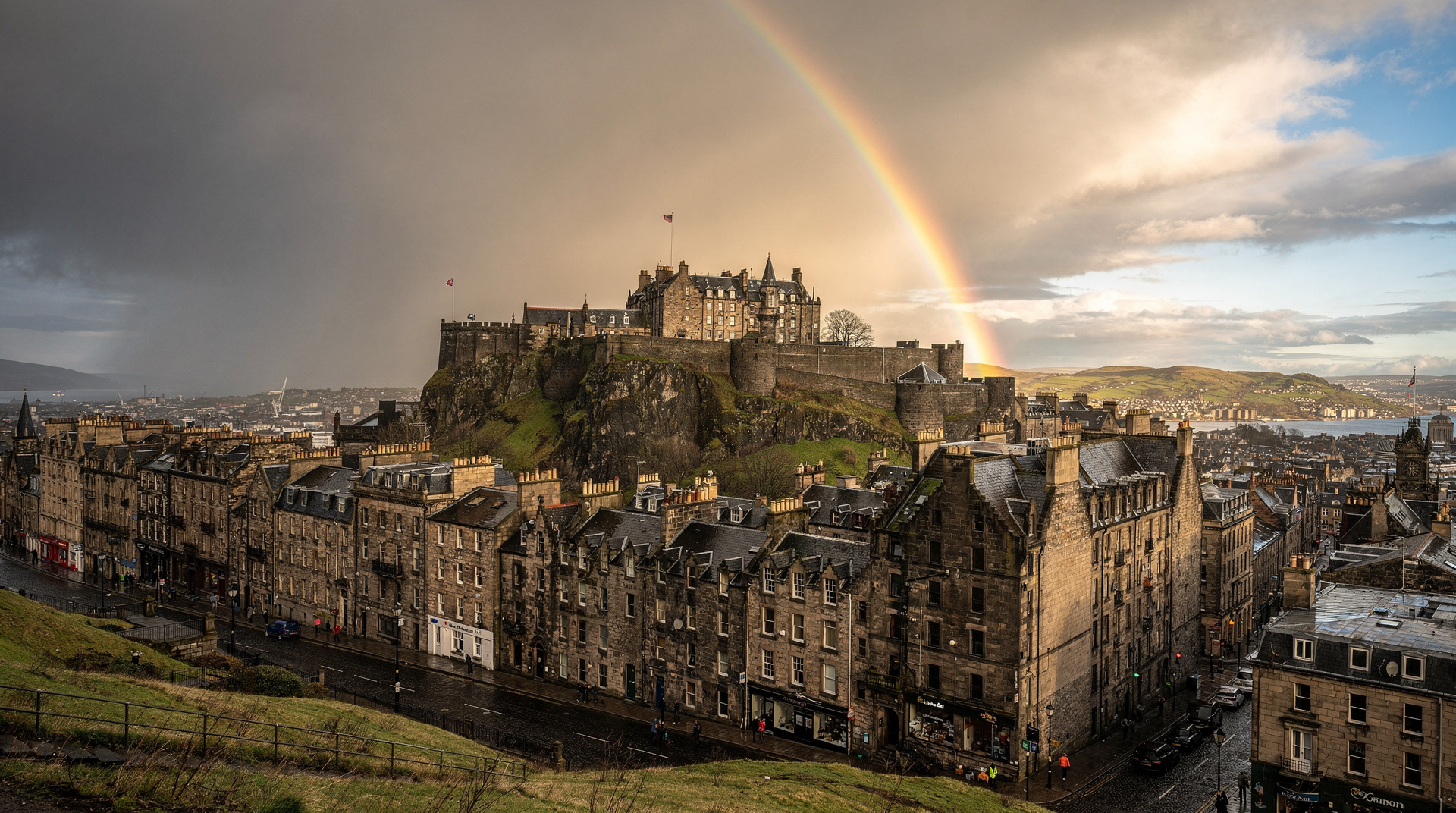
If good weather matters most: June is the most consistent, followed closely by May and September. July and August are warm but bring more rain than their reputation suggests.
If low prices matter most: January and February offer the year’s lowest accommodation rates, with November close behind. Avoid the last week of December through 1 January, which spikes for Hogmanay regardless of the season’s general low prices.
If avoiding crowds matters most: November, January, and February are quietest. October is close behind with better weather. See the best time to avoid crowds guide for the detailed month-by-month crowd breakdown.
If festivals and atmosphere matter most: August (Fringe/Tattoo) or Hogmanay (29 December-1 January) are unmatched for spectacle, at the cost of price and crowd density.
If Highland day trips are the priority: May, June, and September give the longest daylight windows and driest roads. Winter day trips to the Highlands, Loch Ness and Glencoe are still possible but with shorter daylight and a higher chance of weather-related route changes.
Event calendar summary
| Month | Key events |
|---|---|
| January | Burns Night (25 Jan) |
| February | Quiet; good value |
| March-April | Easter break; spring light |
| 30 April | Beltane Fire Festival (Calton Hill) |
| May-June | Best weather, manageable crowds |
| Late June | Scotland Midsummer festivals |
| July | Busy; Fringe preparation begins |
| August | Fringe, International Festival, Tattoo |
| September | Post-Fringe calm; ideal month |
| October | Autumn colours; Halloween events |
| November | Christmas markets begin mid-month |
| 29 Dec-1 Jan | Hogmanay |
Frequently asked questions about the best time to visit Edinburgh
When is Edinburgh cheapest to visit?
January and February are consistently the cheapest months for accommodation and flights. July and August are the most expensive. May-June and September offer the best balance of good conditions at reasonable prices.
When should I avoid Edinburgh?
August is best avoided if you dislike crowds and have a limited budget. The first weekend of the Fringe (early August) and the final weekend (end of August) are the most intense for visitor density on the Royal Mile and in the city centre.
When is the weather best in Edinburgh?
May, June, and September have the most reliably pleasant weather. July and August are peak summer but can also bring rain. Weather can occur at any time of year — waterproofs are necessary in all months. See the Edinburgh weather guide for month-by-month averages.
Is Edinburgh good in October?
Yes. October is a quieter, more atmospheric Edinburgh with autumn light and lower prices. The main consideration is shorter daylight — sunset by 6-6:30pm by late October — which compresses outdoor sightseeing time. Day trips to the Highlands for autumn colour are excellent in October but weather reliability decreases.
Should I visit Edinburgh in summer or winter?
Summer (May-September) is more versatile for most visitors: better weather, more open hours, longer days. Winter (November-March) suits visitors who want fewer crowds, lower prices, and the particular atmosphere of the Christmas and Hogmanay season. December is genuinely good for the right type of visitor; January-February is challenging but cheap and authentic.
What is the quietest time to visit Edinburgh Castle?
Edinburgh Castle is least crowded on weekday mornings in January, February, and early March. The castle opens at 9:30am; the first 60-90 minutes of the day are the quietest across all months. Saturday and Sunday afternoons in summer (particularly July-August) are the busiest.
Top experiences
Bookable activities with verified prices and instant confirmation on GetYourGuide.