Edinburgh in winter: what to expect and what to do
Edinburgh: the original underground tour
What is Edinburgh like in winter?
Edinburgh in winter is cold (3-8°C), atmospheric, and significantly cheaper than summer. December brings excellent Christmas markets and Hogmanay. January-February is the quietest time of year with the lowest prices and minimal crowds.
| Where | city-wide; Christmas markets at East Princes Street Gardens |
| Cost | mid-range hotel around £60–£120 (lowest in January) |
| Time needed | any length; 3-4 days covers December’s key events well |
| Getting there | train or flight into Edinburgh; buses run normally, snow rarely disrupts long |
| Best time | December for markets and Hogmanay, January for lowest prices and fewest crowds |
What Edinburgh is actually like in winter
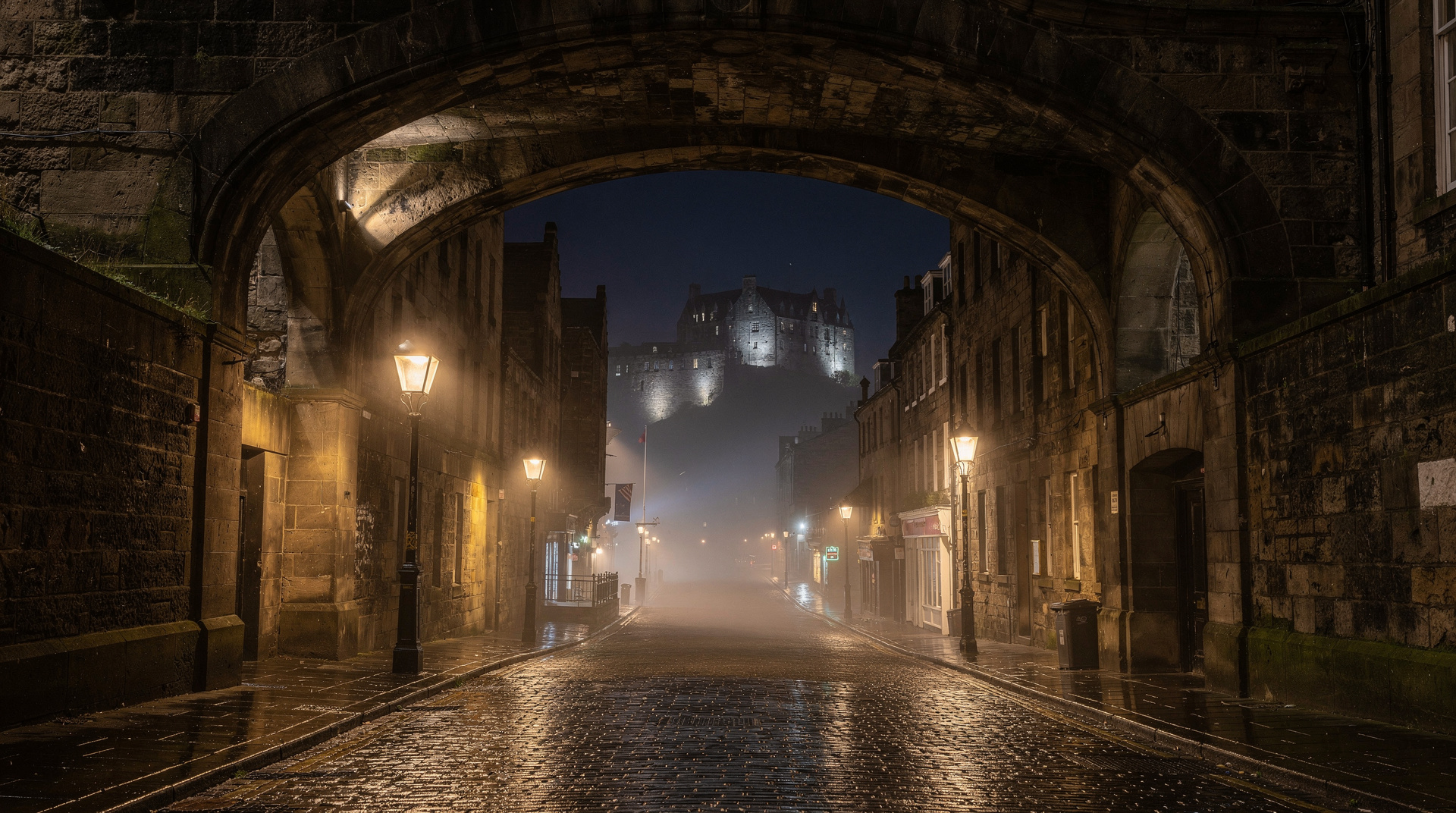
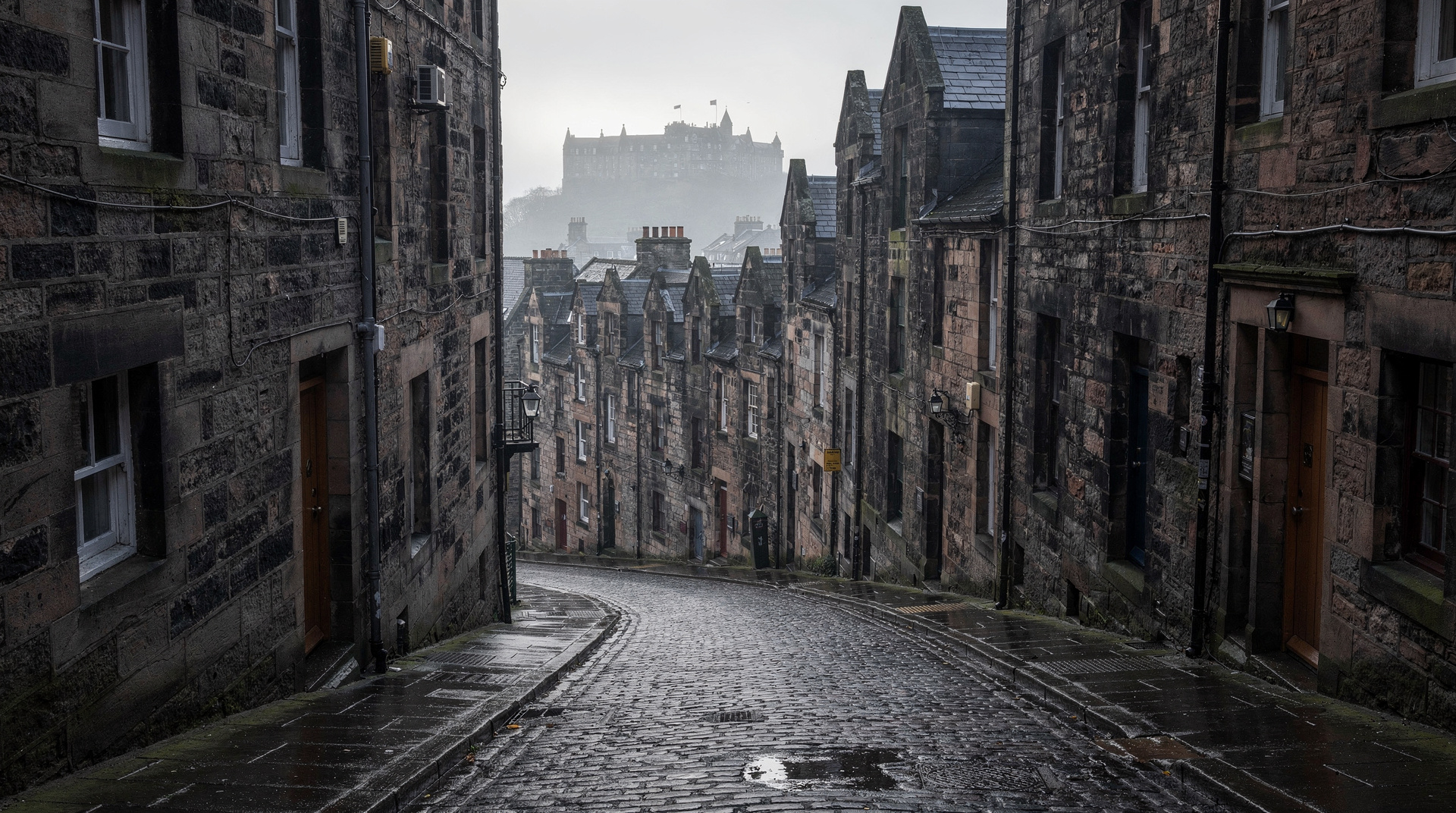
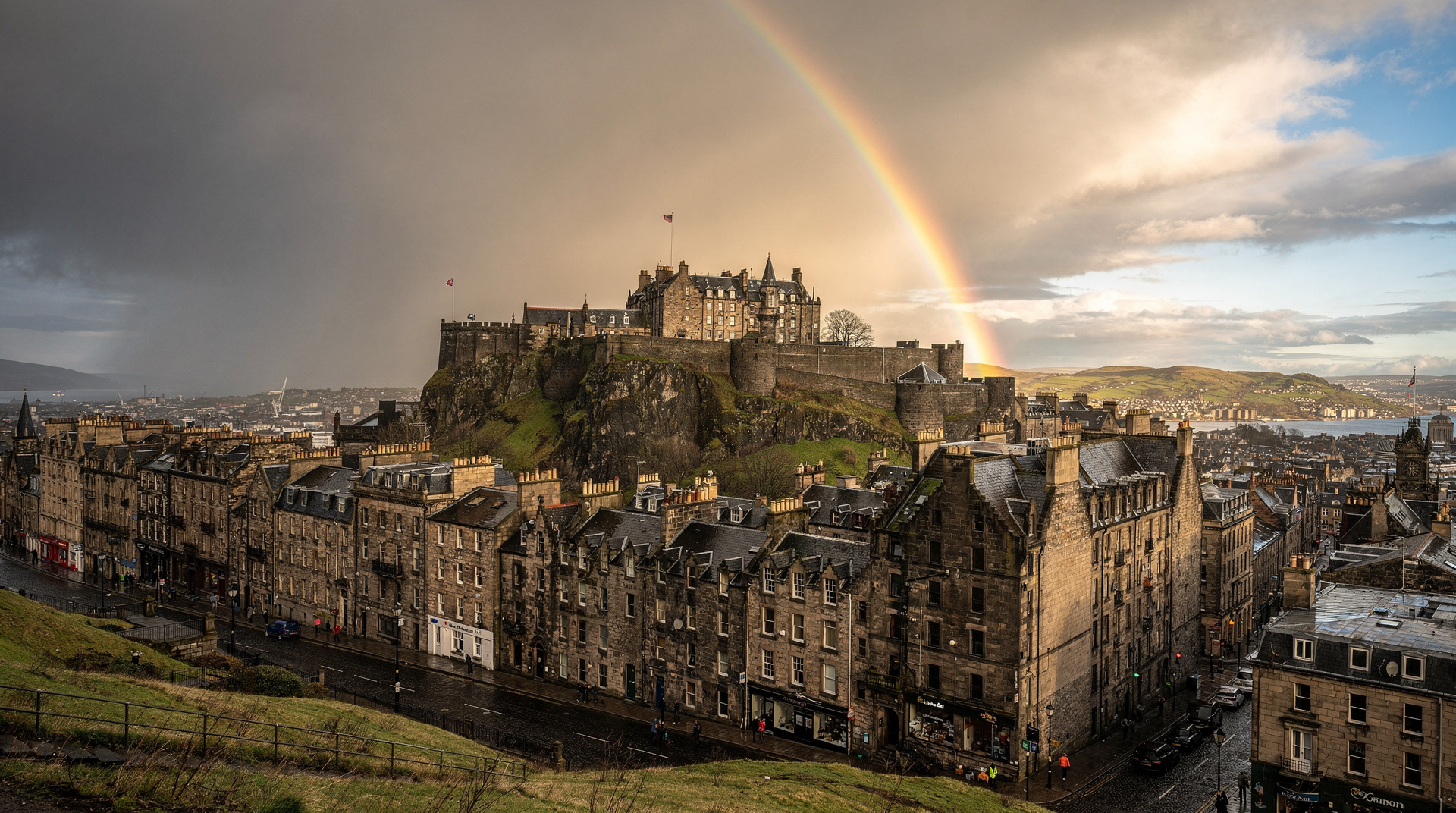
Edinburgh in winter is a different city from the summer version — not worse, but genuinely different. The volcanic landscape and the grey stone of the Old Town take on a particular melancholy beauty under low cloud. The pubs are warm and full of locals. The castle on its rock, floodlit at night, looks more dramatic in cold dark weather than in summer sunshine.
The practical realities: it is cold (3-8°C average November through February), it gets dark early (sunset at 3:40pm in December, 4:30pm in January, 5:30pm in February), it rains regularly, and the wind on exposed areas like Arthur’s Seat and Calton Hill can be brutal. All of this is manageable with preparation; none of it should deter a willing visitor.
What winter offers in return: significantly lower prices, fewer tourists, the genuine Edinburgh Christmas markets, and the extraordinary Hogmanay celebrations — among the finest New Year events in the world.
November: the build-up
November is transitional. The tourist season is clearly over; the Christmas decorations begin appearing on Princes Street from mid-November. Accommodation is good value (£80-120 for mid-range hotels). The days are short (sunset by 4:30pm by month’s end) but the light quality in the afternoon — low-angle, golden, catching the castle’s battlements — is beautiful.
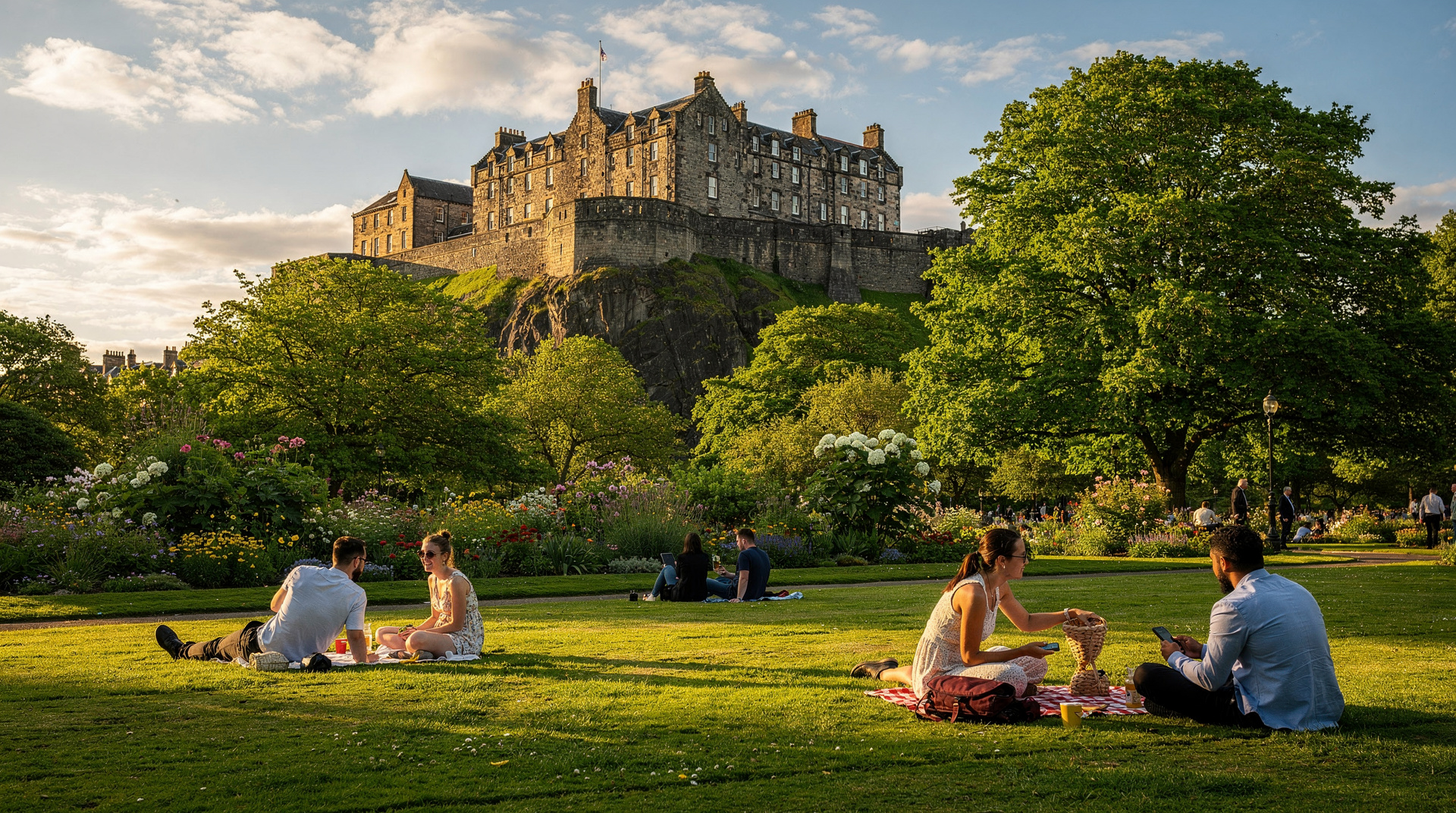
Edinburgh’s Christmas 2026 runs from 14 November to 3 January 2027. The free market (around 70 stalls) and the LNER Big Wheel are in East Princes Street Gardens, the funfair rides are in West Princes Street Gardens, and the undercover ice rink is on George Street. Together they create a festive atmosphere that draws locals as well as visitors. Entry to the market area is free; individual attractions and food stalls charge separately.
The Edinburgh International Book Festival often has autumn events. The Traverse Theatre, Lyceum, and other venues have full autumn programmes. Edinburgh’s arts calendar does not stop in winter.
December: Christmas markets and Hogmanay
December is Edinburgh’s finest winter month for visitors who embrace the season. The combination of the Christmas market, the castle as backdrop, and the particular grey-and-gold Scottish winter atmosphere is genuinely special.
The Christmas markets run from 14 November to 3 January 2027, with the free market and the LNER Big Wheel in East Princes Street Gardens, funfair rides in West Princes Street Gardens, and the undercover ice rink on George Street. The market has a strong food and artisan craft element and mulled wine. It gets busy on weekends but is manageable on weekdays. Much better than comparable Christmas markets in many other UK cities. See the Edinburgh Christmas markets guide for a full stall-by-stall breakdown and opening dates.
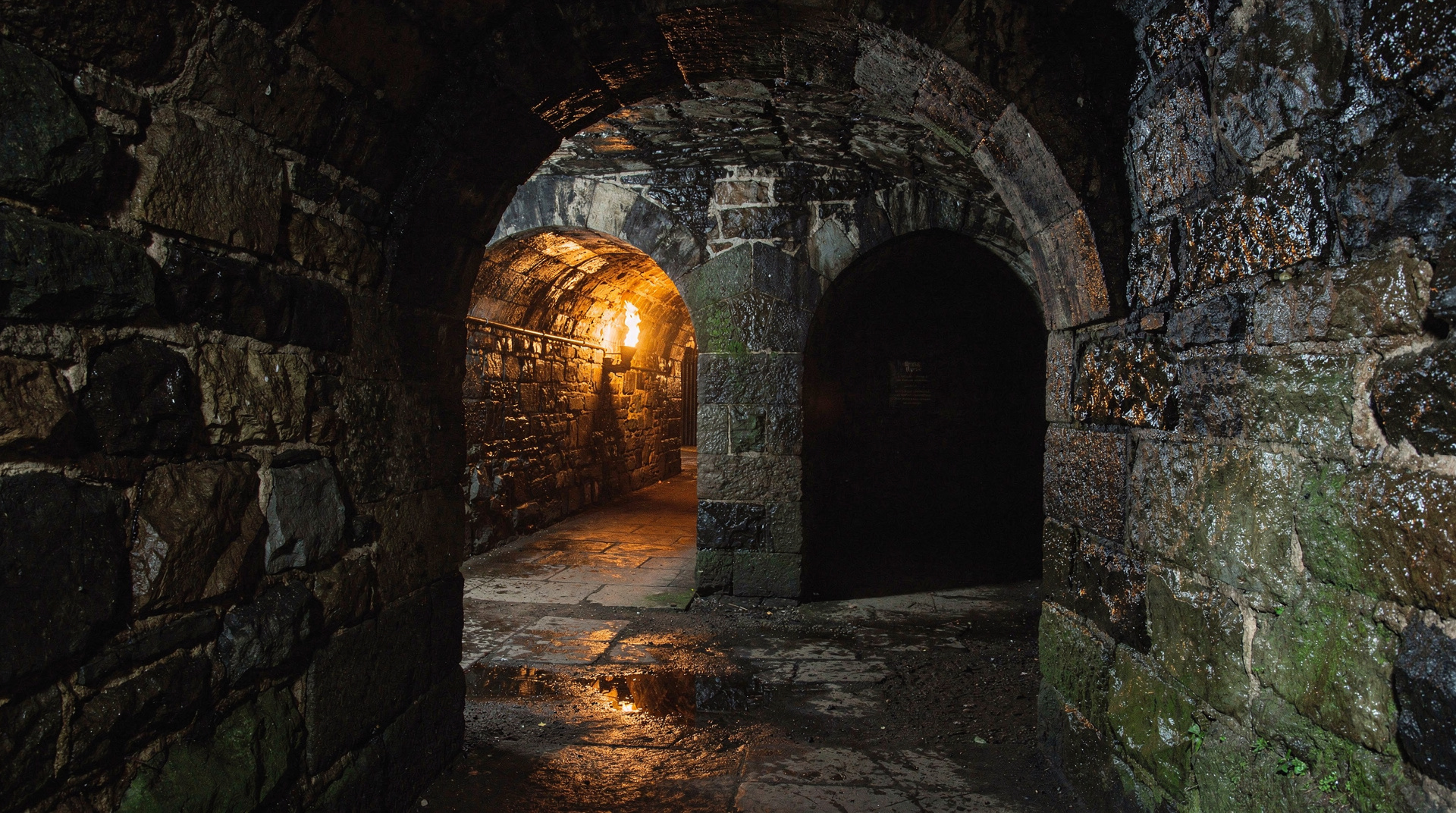
Dark tourism in winter: The underground vaults and ghost tours take on additional atmosphere in winter. An underground vaults tour in December, when the air above ground is cold and the vaults’ damp stone walls are particularly atmospheric, is a better experience than the same tour in August. Similarly, the ghost and witchery walking tour through the Old Town in winter darkness suits the material.
Whisky in winter: There is no better season to explore Edinburgh’s whisky culture. A warm whisky tasting at the Scotch Whisky Experience on a cold December afternoon, followed by a dram in a wood-panelled pub near the Royal Mile, is exactly the right winter activity.
Christmas Day: Most Edinburgh attractions and restaurants close on Christmas Day. The city is quiet and very local. This is not a good day to be without a plan. Stock up the previous day.
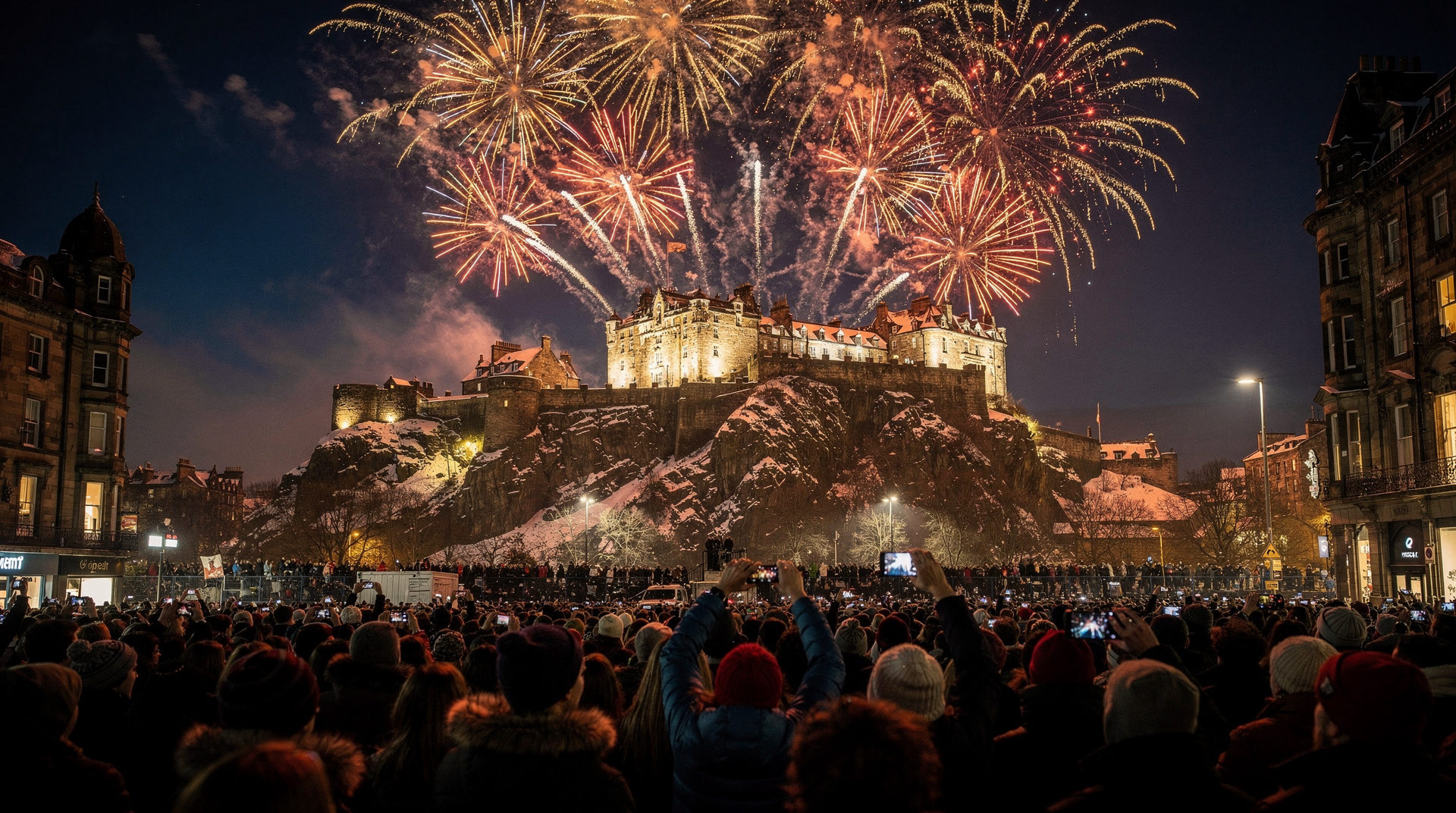
Hogmanay planning: Book accommodation for 29 December-2 January well in advance — this is Edinburgh’s second peak period after August. The main Hogmanay events sell out; tickets for the Street Party (New Year’s Eve) must be purchased ahead of the event. See the Hogmanay guide for the full programme.
January: quiet Edinburgh
After Hogmanay, Edinburgh empties rapidly. By the first week of January the city is almost entirely local — the tourists have gone, the Christmas lights are coming down, and the streets return to normal volume. Accommodation hits its lowest prices of the year (£60-100 for decent hotels in January).
What is still open in January:
- Edinburgh Castle: open 9:30am-5pm (reduced from summer hours)
- National Museum of Scotland: full opening hours
- Scottish National Gallery: full hours
- Holyrood Palace: typically closed for parts of January (check in advance; the palace closes when the Royal Family is in residence)
- The underground vaults and ghost tours: continue operating
Burns Night (25 January): Scotland’s most important secular celebration, marking the birthday of national poet Robert Burns. Most Edinburgh restaurants offer special Burns Night menus featuring haggis, neeps, and tatties, with readings from Burns’ poetry and the Address to a Haggis. It is worth booking a Burns Night dinner — the atmosphere in the right pub or restaurant is genuinely warm and specifically Scottish.
January weather: Cold (2-6°C), frequently grey, regularly wet. Snow in the city is rare but possible, and when it falls it transforms Edinburgh’s stone into something almost theatrical. The Pentland Hills just south of the city receive proper snow cover most years, and occasional heavy snowfall reaches the city centre. Dress in layers with a waterproof outer layer; wind on exposed hilltops can make effective temperatures feel near or below freezing.
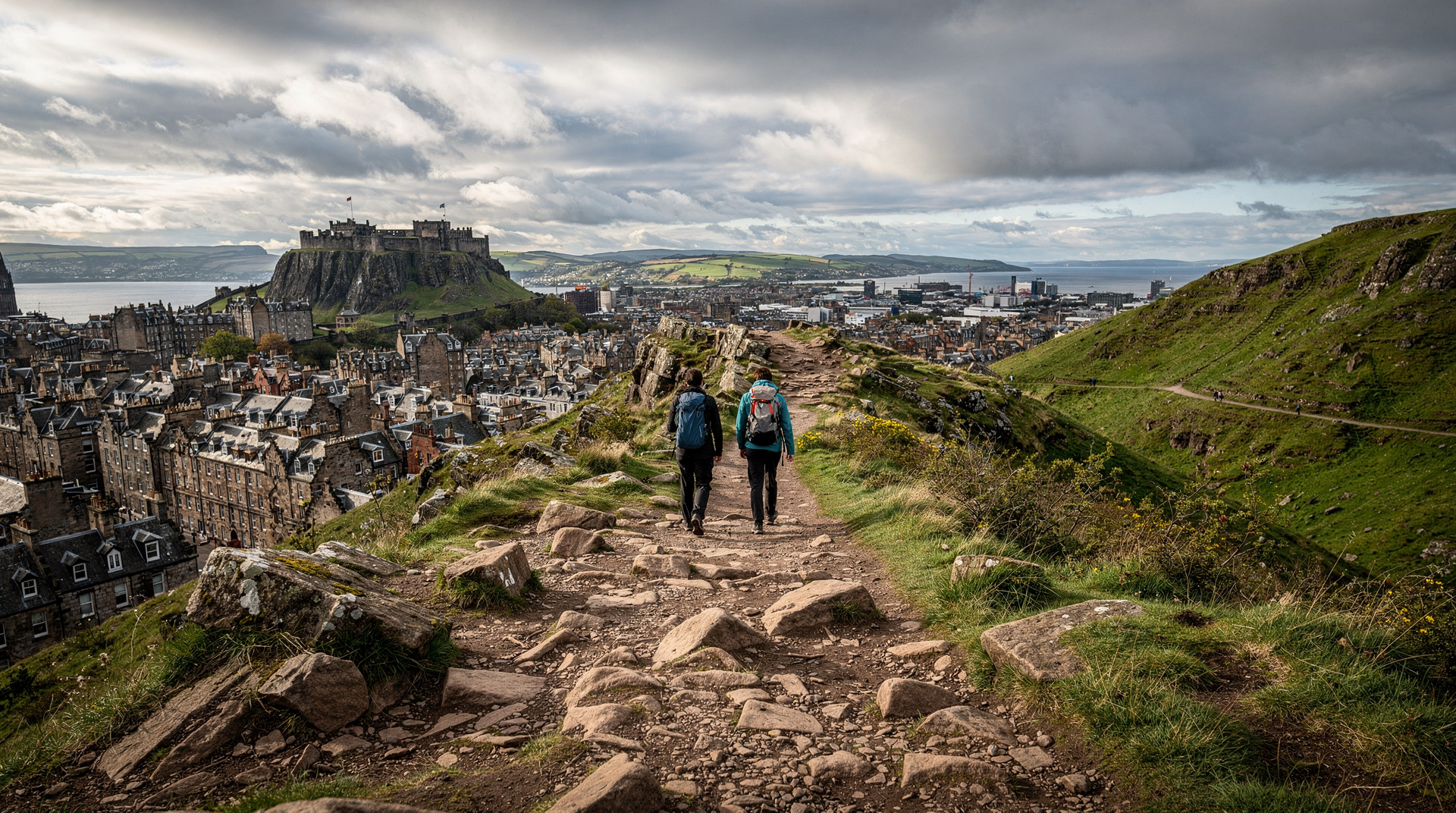
Winter hikes with caution: Arthur’s Seat in winter is not a casual stroll. The summit path can be icy, the wind is serious, and in poor visibility (Edinburgh frequently gets low cloud in winter) navigation is not trivial. An Arthur’s Seat winter hike is rewarding on clear days but requires proper footwear and the sense to turn back in poor conditions.
February: late winter, first signs of change
February is similar to January in character but with gradually lengthening days (sunset by 5:30pm by late February) and occasional signs of early spring. It is still cold and frequently grey, but the days are noticeably longer than the December-January minimum.
Edinburgh’s Six Nations rugby matches (Scotland vs England, France, Ireland, Italy, Wales, in rotation) fall in February and March. Scotland home games at Murrayfield are on the west side of the city (tram to Murrayfield). On match days the pubs near Murrayfield and along Princes Street and Rose Street are packed with fans before and after. The atmosphere is good-natured and specific to Edinburgh in a way that visiting during a match adds genuine colour.
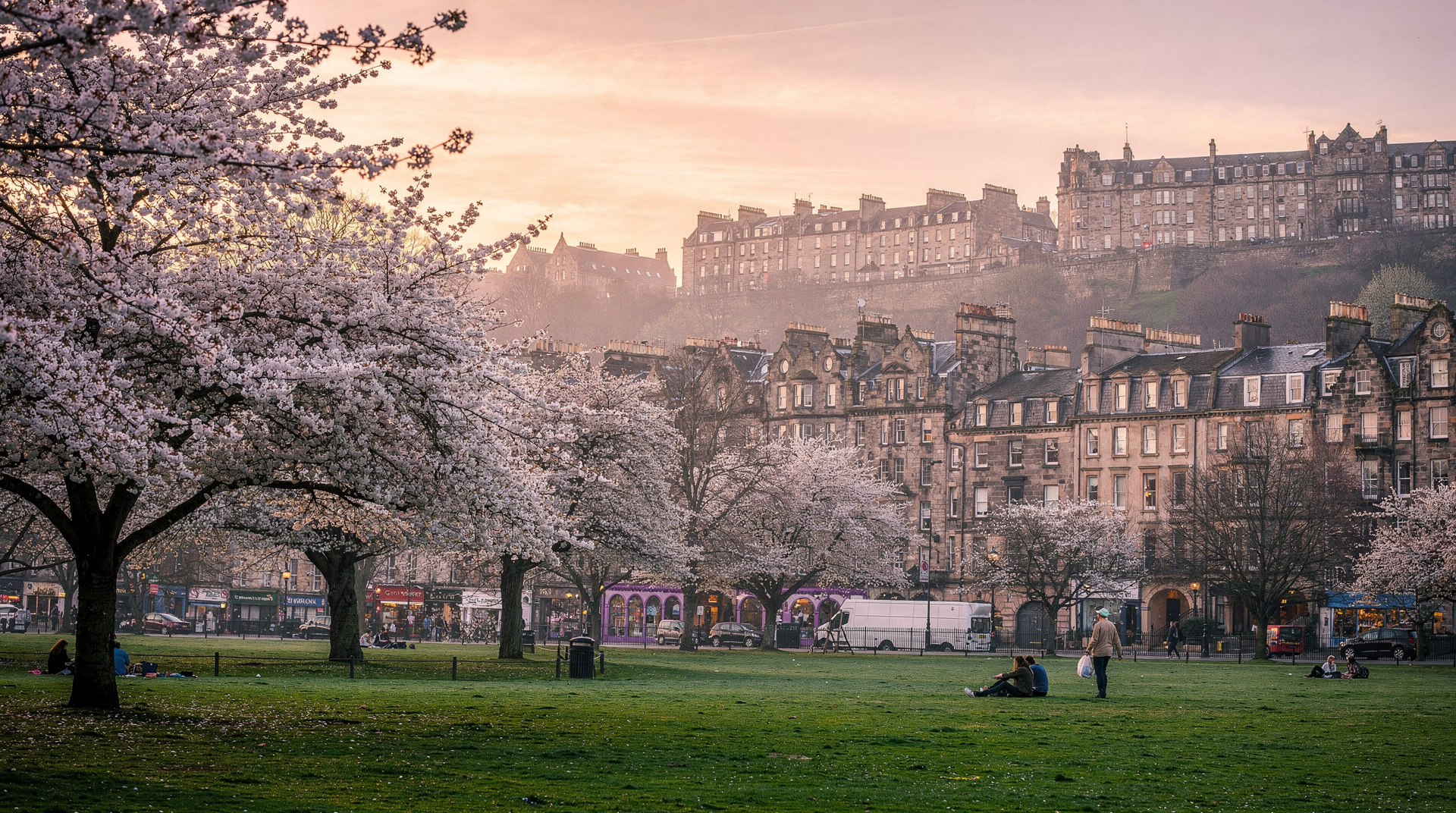
The city begins preparing for the Scottish spring festival season, and the first crocuses appear in Princes Street Gardens in February on mild years.
Practical winter guide
What to wear:
- Waterproof outer jacket (non-negotiable at all times)
- Warm mid-layer (fleece or down jacket)
- Waterproof trousers if walking in the Pentlands or up Arthur’s Seat
- Warm hat and gloves for outdoor time
- Walking boots with grip for wet cobblestones
Edinburgh’s cobblestones in winter: The Royal Mile and Old Town closes are cobbled, genuine medieval stone that becomes extremely slippery when wet or frozen. Take this seriously — twisted ankles on Old Town cobblestones are more common than any guide mentions. Walking shoes with good grip matter more in winter than any other season.
Indoor attractions value: Edinburgh’s free museums (National Museum, Scottish National Gallery) are substantially more rewarding in winter when you have time to explore properly rather than rushing between outdoor attractions. Allow three hours for the National Museum; it earns the time.
Evening dining: Edinburgh’s restaurant scene operates normally throughout winter. The Christmas-New Year period (December, Hogmanay) sees many restaurants fully booked; ordinary winter weeks (January, February, March) mean walking into most restaurants without a reservation is straightforward.
Transport in winter: Lothian Buses and the tram run normally throughout winter. Snow disrupts Edinburgh’s surface transport briefly but rarely for long — the city has snow clearance capacity for its roads. Edinburgh Airport operates normally in all but the most severe weather. The Highlands can be more significantly disrupted by heavy snow.
Day trips in winter
Winter day trips from Edinburgh to the Highlands require more planning than summer trips:
Stirling Castle (one hour from Edinburgh) is an excellent winter day trip — the castle is open year-round and considerably less crowded in winter. Indoor spaces are well-heated. The walk from Stirling station is mostly flat.
Loch Ness and Glencoe: Both are accessible in winter but Glencoe specifically becomes more dramatic with snow on the mountains (if conditions allow). A Loch Ness day tour in winter sees fewer tourists at all stops. Days are short — tours finish in darkness for much of December and January.
North Berwick and East Lothian: Coastal walks in winter have a particular wild quality. The cliff path from Tantallon Castle toward the Bass Rock is spectacular in winter storms (from a safe distance). 35 minutes from Waverley by ScotRail.
Winter month-by-month at a glance
| Month | Weather | Daylight | Best for |
|---|---|---|---|
| November | 4–9°C, damp | sunset ~4:30pm | build-up, good hotel value |
| December | 3–7°C, cold | sunset ~3:40pm | Christmas markets, Hogmanay |
| January | 2–6°C, coldest | sunset ~4:15pm | lowest prices, quietest streets |
| February | 3–8°C, milder | sunset ~5:30pm | Six Nations, first spring signs |
Planning around the weather
Winter rewards a flexible plan. Keep one or two indoor options in reserve for the wettest days: the National Museum of Scotland and the Scottish National Gallery are the obvious fallbacks, and a slow afternoon in a good pub from the best pubs in Edinburgh list suits the season just as well. If you would rather follow a ready-made plan, the three-day Edinburgh itinerary can be reshuffled so the outdoor stops land on the clearest day.
For a first visit, the first-time Edinburgh travel guide covers the basics that still apply in winter, and the where to stay guide helps you choose a base that is a short, warm walk from the Old Town after dark.
Winter on a budget
Winter is Edinburgh’s best season for stretching a travel budget, particularly January and the first half of February, when hotel rates hit their annual low and restaurants rarely need advance booking. The Edinburgh on a budget guide and the two-day Edinburgh on a budget itinerary both work especially well applied to a January or February visit — free museums fill the daylight hours, and the money saved on accommodation and dining more than offsets the cost of proper winter clothing if you don’t already own it.
Winter day trip weather notes
Winter day trips reward flexibility more than summer ones. Stirling Castle is the most weather-resilient option — mostly indoor, well-heated, and close enough (one hour) that a change of plan is easy. The Edinburgh weather guide has month-by-month specifics if you’re deciding between a Highlands trip and a closer, more sheltered option depending on the week’s forecast.
Frequently asked questions about Edinburgh in winter
Is Edinburgh worth visiting in December?
Absolutely. December is one of Edinburgh’s best months for visitors who want atmosphere over beach weather. The Christmas markets, Hogmanay preparations, and the city’s winter character make it a genuinely rewarding experience. Book accommodation early for December, particularly the 28 December-2 January period.
Is Edinburgh cold in winter?
Edinburgh winters are cold by southern European standards (3-8°C average, with wind chill often making exposed locations feel near or below freezing) but mild by Scandinavian or North American standards. Snow is possible but not reliable; cold, grey, wet weather is consistent. Proper winter clothing is essential; anything resembling inappropriate summer clothing will be uncomfortable.
Does it snow in Edinburgh in winter?
Snow falls on Edinburgh most winters, but accumulation in the city centre is variable. The Pentland Hills and Arthur’s Seat usually get some snow cover most winters; significant city-centre snow (more than a few centimetres) is occasional rather than reliable. The Highlands receive much more reliable winter snow.
What are Edinburgh’s winter opening hours?
Most Edinburgh attractions reduce their hours in winter. Edinburgh Castle closes at 5pm rather than 6pm. Holyrood Palace closes for periods when the Royal Family is in residence (typically late December-early January). Check specific attraction websites before visiting in January or February as schedules vary.
How does Edinburgh compare in winter to summer for visitors?
Winter Edinburgh is cheaper, quieter, and more locally authentic than summer. It is less versatile for outdoor activities and requires significantly more weather-appropriate clothing. For visitors who want atmosphere, history, good food, and fewer crowds without the summer premium, winter (particularly November-December and late February-March) is the right time to come.
Is January the cheapest month to visit Edinburgh?
Generally yes, alongside early February. Hotel rates hit their annual low once the Hogmanay crowds have left, and restaurants that require weeks of advance booking in August will seat you same-day. The Edinburgh on a budget guide has the fuller breakdown of where the savings add up most.
Which day trips work best when the weather is bad?
Stirling Castle is the most reliable winter day trip because so much of the visit is indoors and well-heated, and the journey is short enough to reschedule easily if the forecast changes. Highland day trips (Loch Ness, Glencoe) are still worthwhile in winter but involve more outdoor time and shorter daylight, so check the forecast the day before rather than booking blind weeks ahead.
Top experiences
Bookable activities with verified prices and instant confirmation on GetYourGuide.