Edinburgh on a budget: how to see the city without overspending
Edinburgh: all the highlights walking tour
How much does Edinburgh cost per day on a budget?
A genuine budget day in Edinburgh costs £50-70: a hostel bed at £20-35, free museum visits, a pub lunch at £10-14, a supermarket dinner, and Edinburgh Castle as the one paid attraction at £18.
The truth about Edinburgh’s price tag
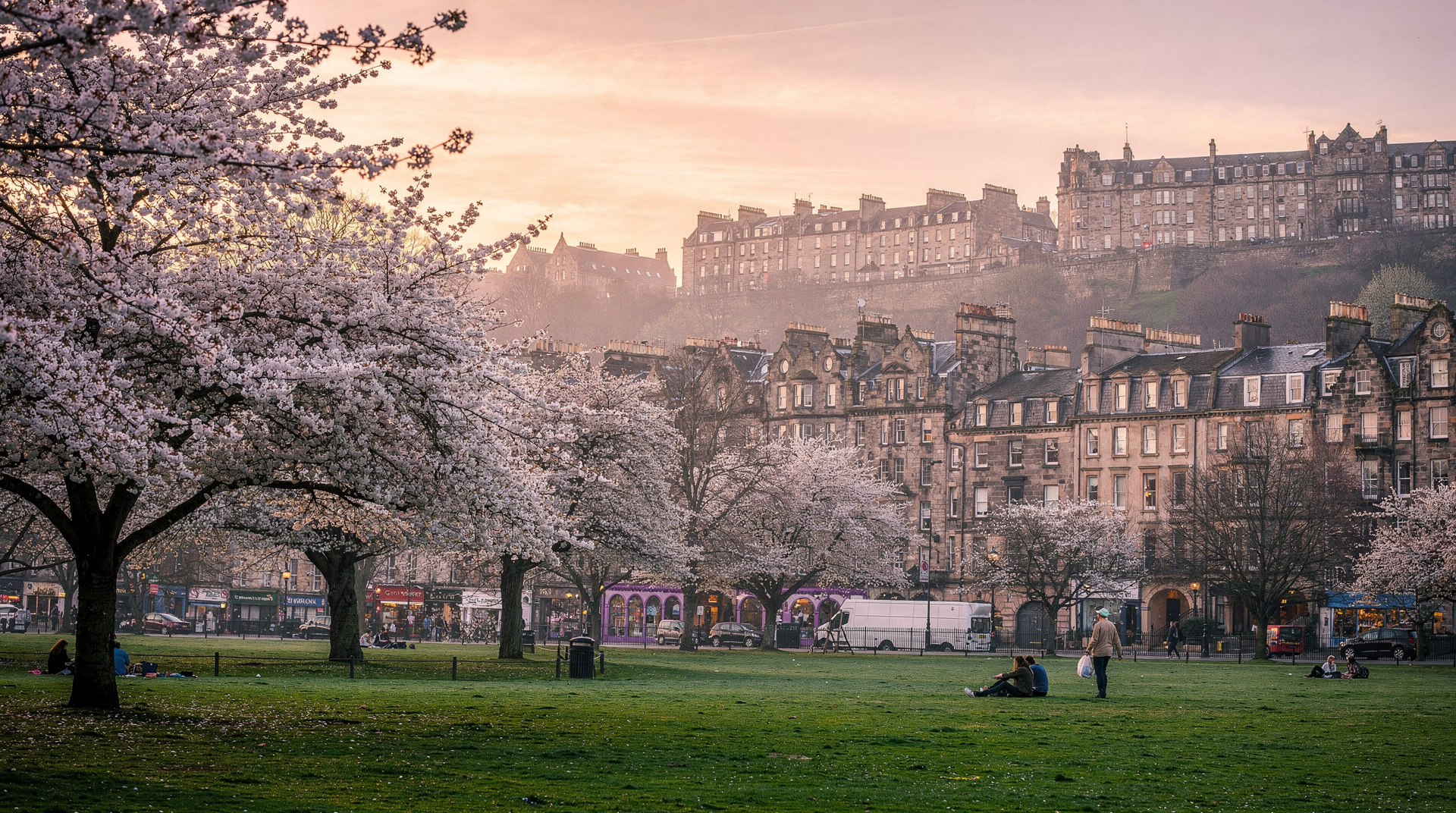
Edinburgh is one of the more expensive cities in the UK, particularly during festival season. But it is also a city with a remarkable amount that costs nothing — free museums, free parks, free viewpoints, and free entertainment that rivals what other cities charge heavily for. A visitor who plans around Edinburgh’s free assets can see the city properly for a fraction of what careless tourists spend.
This guide shows you where the money goes unnecessarily and how to redirect it without missing the things that matter.
| Where | Free attractions clustered in Old Town, New Town, and the parks |
| Cost | £50-75/day backpacker, £100-150/day budget |
| Time needed | Free sights fill a full day easily |
| Best time | May, June, September for lower prices and good weather |
| Currency | Pounds sterling — see the money guide below |
Free attractions worth your whole day
The National Museum of Scotland
The National Museum on Chambers Street is completely free and genuinely world-class. The Scottish history, natural history, science, and decorative arts collections are spread across a Victorian building and a modern extension. The medieval Scotland gallery on the ground floor — covering the Pictish period through the Wars of Independence and the Reformation — is particularly strong. Allow two to three hours; it rivals paid museums in other capitals.
The Scottish National Gallery
Also free, the Scottish National Gallery on the Mound holds one of the finest small art collections in Europe. The Scottish painters (Ramsay, Raeburn, Wilkie) are excellent, and the European collection has major works by Vermeer, El Greco, Velázquez, and Titian. Connected to the Scottish National Portrait Gallery on Queen Street (also free), you can spend a full day in Edinburgh’s galleries without spending a penny.
Princes Street Gardens
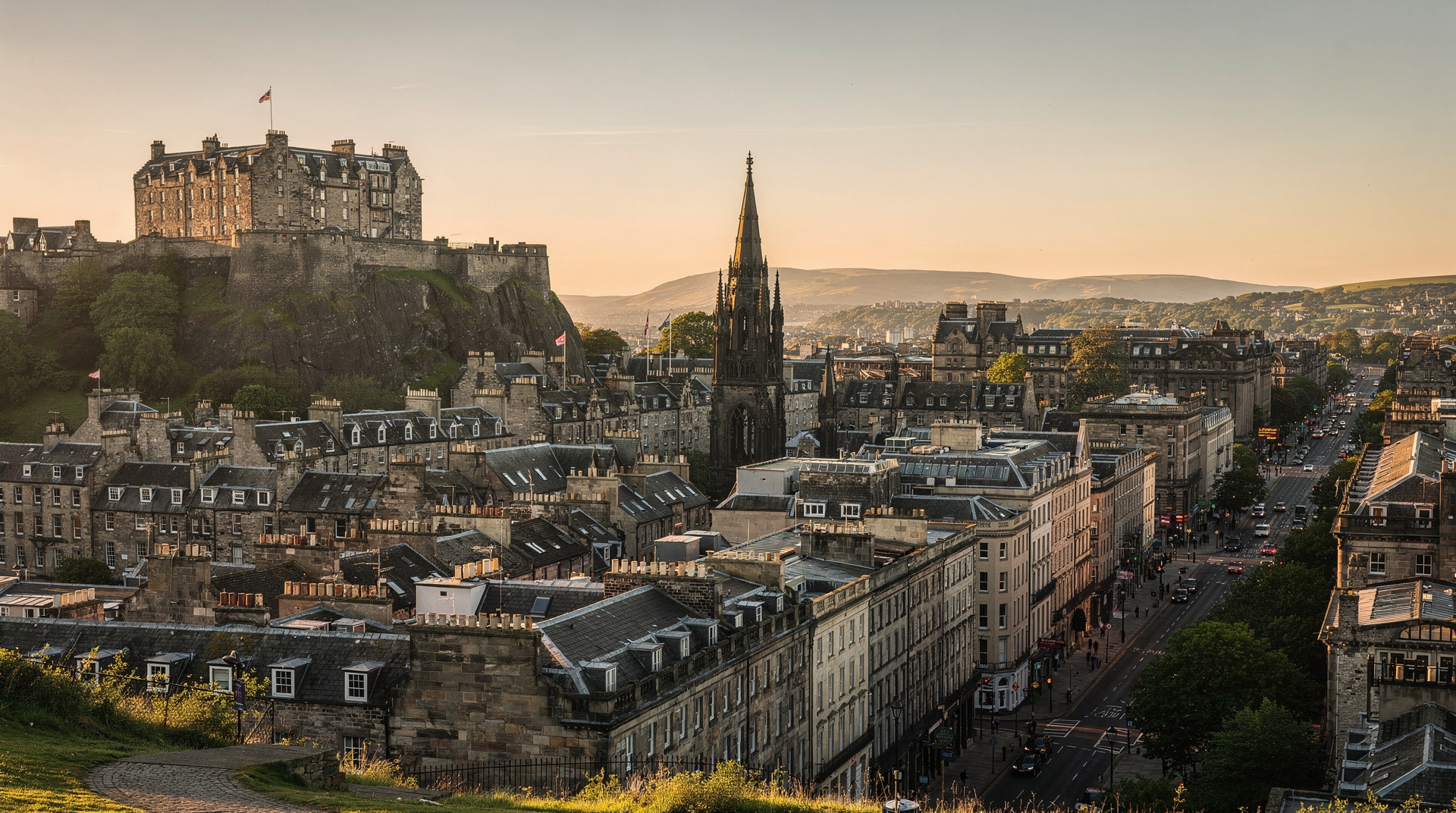
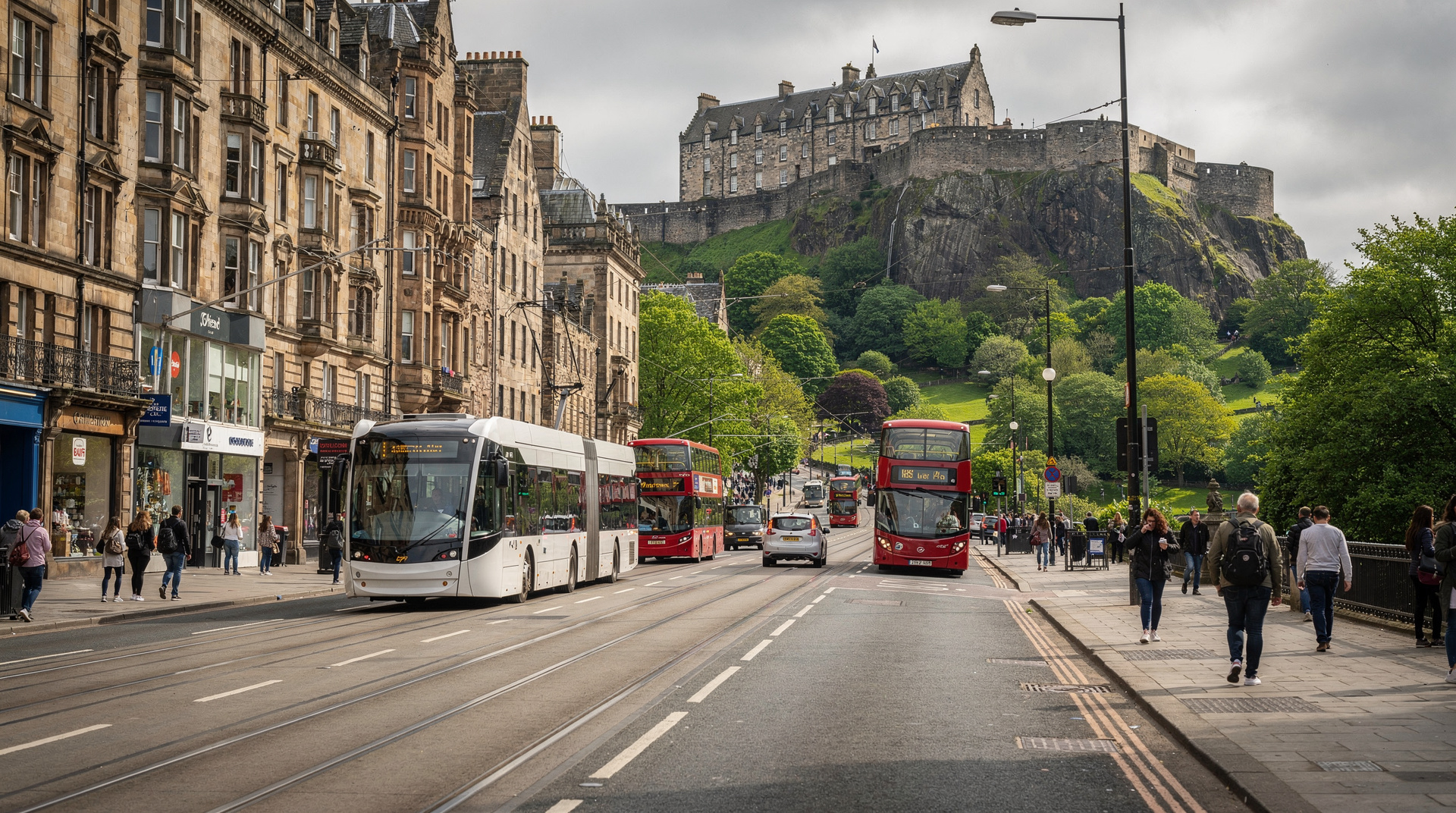
The gardens running along the base of the castle ridge are free to enter and give you the classic view of Edinburgh Castle from below. They are also home to free bandstand performances in summer. Sitting on the slope looking up at the castle on a clear evening is one of Edinburgh’s finest moments and costs nothing.
Calton Hill
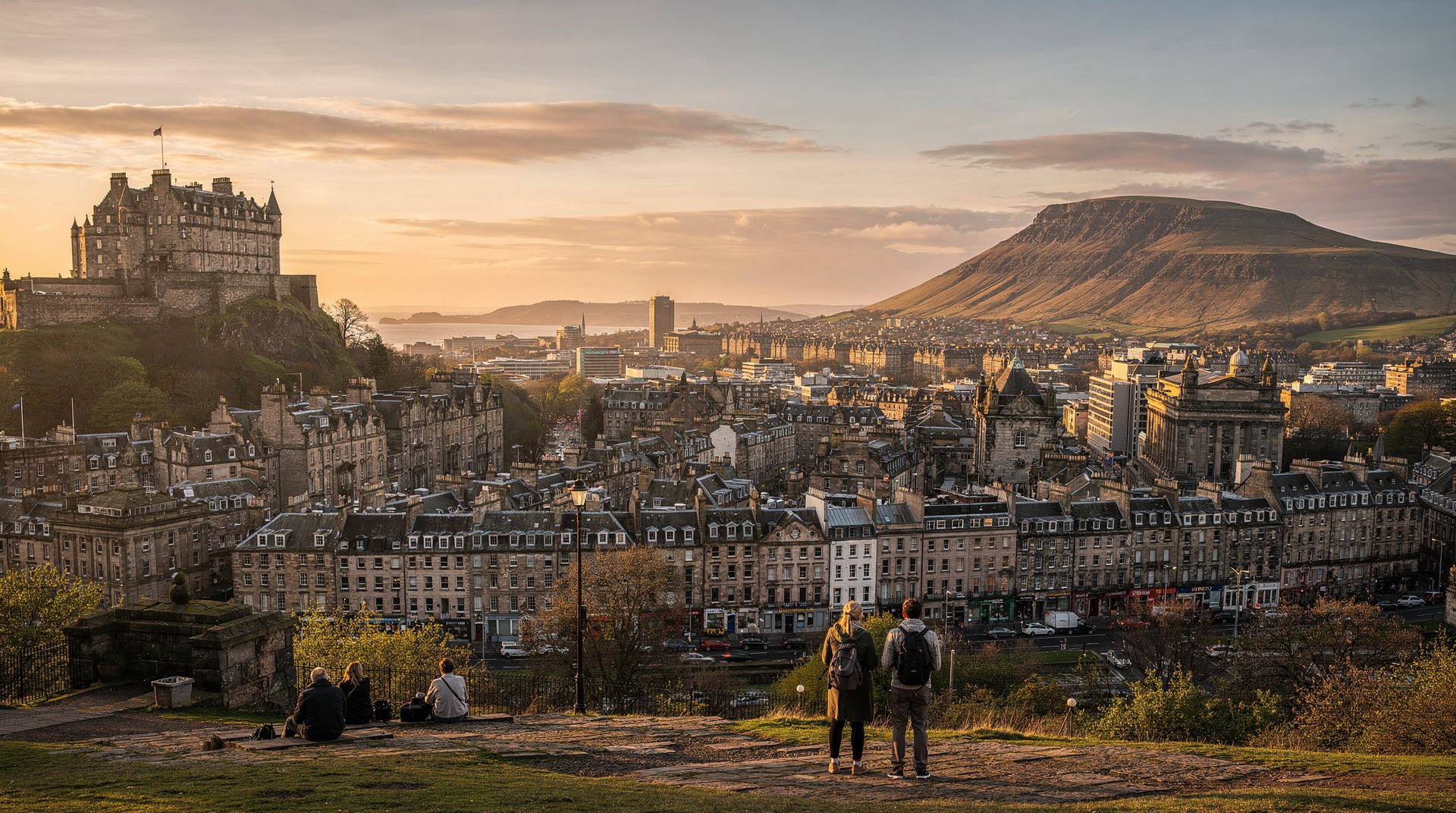
The hill to the east of the city centre, topped with the unfinished National Monument (Edinburgh’s ‘Disgrace’), offers 360-degree views over the city, the Firth of Forth, and on clear days, the distant mountains. Free to enter at any time. The walk up takes about 15 minutes from Waverley. Sunset here is extraordinary.
Arthur’s Seat
The summit of the extinct volcano at Holyrood Park is free to climb and gives the finest panoramic views in Edinburgh. The main ascent route from Holyrood takes 45-60 minutes. Go early in the morning in good weather — the view rewards every step. See the Holyrood and Arthur’s Seat guide.
The Royal Botanic Garden Edinburgh
About 20 minutes’ walk north of the city centre, the Royal Botanic Garden is free to enter (donations welcome). The glasshouses have a small charge but the outdoor gardens are magnificent for a long walk. Particularly good in spring when the rhododendrons are in bloom.
Greyfriars Kirkyard
The famous graveyard beside Greyfriars Kirk, adjacent to the National Museum, is free to explore. Famous for its connection to Greyfriars Bobby and for the caged mort-safes installed to deter bodysnatchers in the early nineteenth century, it is genuinely atmospheric and historically interesting. The Greyfriars Kirkyard guide covers the history without requiring you to pay for a tour.
The Water of Leith Walkway
The riverside path from Dean Village to Stockbridge (and beyond to Leith) is free and takes you through some of the most attractive corners of Edinburgh away from the tourist crowds. The stretch from Dean Village through Stockbridge takes about 30-40 minutes each way and is one of the best walks in the city.
Paid attractions: what is worth the money
Not everything in Edinburgh is worth paying for. Here is an honest ranking:
Worth the full price:
- Edinburgh Castle (£23.50 adults): genuinely world-class, the Crown Jewels and the views alone justify the entry fee.
- The Real Mary King’s Close (around £25): an interesting underground tour beneath the Royal Mile with genuine historical content.
Worth paying for only with a discount or package:
- Edinburgh Dungeon: primarily entertainment rather than history; fun for groups and teenagers but not essential.
- Camera Obscura: worth it for families with children; overpriced for adults seeking history.
Free alternatives exist:
- Holyrood Palace entry (around £22): the palace is interesting but the free alternative — walking the exterior, viewing the ruins of Holyrood Abbey from outside — gives much of the atmosphere. If you have already paid for the castle, the palace is optional.
How to save on Edinburgh Castle
Edinburgh Castle is the one paid attraction that most budget visitors will still want to see. The entry fee (£23.50 adults, £11.50 children in 2026) is non-negotiable unless you have Historic Environment Scotland (HES) membership. A year of HES membership costs £72 per adult — it pays for itself after two or three HES sites, so it is excellent value if you are also visiting Stirling Castle, Skara Brae, or other properties on the same trip.
Children under seven enter free. The castle is cheaper in winter than summer at some ticket types. Avoiding a guide and using the audio guide (included with entry) saves £10-15 but does reduce the quality of the experience. If you do want the guided context without the full private-tour price, a shared small-group walking tour of the Old Town beforehand gives useful background for a fraction of a private guide’s fee, and pays off across the rest of your visit rather than just the castle.
Eating on a budget in Edinburgh
The Royal Mile is the most expensive eating area in the city by a significant margin. A main course on the Royal Mile typically costs £16-24; an equivalent dish in Stockbridge, Leith, or the Southside runs £12-18.
The most cost-effective eating options:
Greasy spoon cafes and breakfast spots: A full Scottish breakfast (eggs, bacon, haggis, black pudding, beans, toast) at a local cafe costs £6-9. The Elephant House on George IV Bridge is famous for Harry Potter connections but priced accordingly; the cafes on Cockburn Street and around Bristo Square are cheaper.
Supermarket meal deals: The major supermarkets (Tesco, Sainsbury’s, Marks and Spencer, Waitrose) all have Princes Street or nearby locations. A meal deal lunch (sandwich, snack, drink) costs £3-4.50 and is genuinely competitive with anything you will find in a budget cafe.
Pubs for lunch: Edinburgh pub lunches are usually the best value hot meal in the city. Most pubs in the Old Town and New Town do a two-course lunch special (£10-13) until 2-3pm. The quality varies but is generally solid — see the best pubs guide for reliable options.
The Meadows: In good weather, the park south of the university (a 20-minute walk from the Royal Mile) is full of locals eating lunch from takeaway containers. Buying food from the Nicholson Street shops and eating in the Meadows is a classic Edinburgh budget move.
Leith for dinner: The restaurant strip on Henderson Street and around The Shore in Leith consistently offers better food at lower prices than the Royal Mile. A short taxi or Lothian bus journey (30p-£2.40 on a day ticket) saves significant money on an evening meal.
Budget accommodation
Edinburgh hostel prices range from around £18-35 per night for a dorm bed (2026 prices). The main hostel areas are the Old Town, the Grassmarket, and around Princes Street. Quality varies significantly; read recent reviews before booking.
Budget hotels around Princes Street and Waverley run £70-100 per night for basic rooms. Staying slightly further from the centre — Newington (Southside), Morningside, or Gorgie — typically saves £20-40 per night with a 20-30 minute bus ride to the Old Town.
Self-catering accommodation (Airbnb, apartments) is often better value than hotels for stays of three nights or more, particularly if you are cooking your own meals. The supermarkets are excellent and Scottish produce — smoked salmon, good cheese, bread, fruit — is reasonably priced.
August pricing: Accommodation in August costs two to four times the normal rate. The Fringe is the most expensive time to visit Edinburgh. If budget is a genuine concern, avoid August entirely and visit in May, June, or September when accommodation is plentiful and affordable.
Transport on a budget
Edinburgh’s city centre is small enough to walk everywhere. The main expense to avoid is taxis between attractions you could walk between in 20 minutes.
For buses, a Lothian Buses single costs around £2.40; a day ticket costs approximately £6.00 and is excellent value if you are making multiple journeys. The tram from the airport to the city centre costs £7.90 and is far better value than an airport taxi (£25-35). See the trams and buses guide for full fare details.
You do not need a car in Edinburgh. See do you need a car in Edinburgh. Car hire adds unnecessary cost and the city’s parking charges are high.
For day trips, coach day tours from Edinburgh are significantly cheaper than hiring a car and petrol for comparable distances. A day tour to Loch Ness runs from around £35-55 per person including transport and guide — cheaper than the fuel and parking to drive there independently.
Free entertainment
Street performance: During August the Fringe floods the city with free outdoor performances on the Royal Mile, at the Mound, and in Princes Street Gardens. You can see a full day of comedy, music, theatre, and circus for nothing. Even outside festival season, Edinburgh has street musicians and performers on the Royal Mile on most weekend afternoons.
Pub music: Several Edinburgh pubs host free live music, particularly in Leith and the Old Town. The Sandy Bell’s in Forrest Road is famous for unprompted trad sessions that happen most evenings without a cover charge.
The Meadows in summer: Edinburgh University’s adjacent park hosts informal sports, picnics, and summer socialising at no cost. The mix of students and locals on a sunny weekend afternoon is one of the most pleasant free experiences in the city.
Seasonal budget tips
January and February are the cheapest months to visit Edinburgh. Accommodation prices drop by 40-50% compared to summer peaks, attractions are significantly less crowded, and the city has a calm, local feel. The weather is cold and often grey, but the castle and the National Museum are unchanged by the season, and Hogmanay brings the year to a festive close before the quietest weeks begin.
The Edinburgh in winter guide covers the seasonal specifics including which attractions reduce their hours.
Budget-friendly guided tours
Not every guided experience blows the budget. A city-wide walking tour is one of the most cost-effective ways to get oriented without paying for multiple individual attractions — the Edinburgh all the highlights walking tour covers the main sights on foot for a fraction of the cost of several separate paid entries, and a hop-on hop-off bus day ticket can work out cheaper than several individual bus or taxi fares if you plan to cover a lot of ground in one day. Compare the cost against what you would spend on transport and entries separately before booking.
Managing money on a budget trip
Keeping cash and card use efficient matters more on a tight budget, since foreign transaction fees and poor exchange rates erode a budget traveller’s margins faster than a mid-range traveller’s. The Edinburgh money and currency guide covers which cards avoid fees and where to get the best exchange rate if you need cash. Combined with the transport advice in the trams and buses guide and the getting around Edinburgh guide, a genuinely tight itinerary can avoid almost all unnecessary spending.
Frequently asked questions about Edinburgh on a budget
What can you do in Edinburgh for free?
The National Museum of Scotland, Scottish National Gallery, Scottish National Portrait Gallery, Royal Botanic Garden Edinburgh, Princes Street Gardens, Calton Hill, Arthur’s Seat, Greyfriars Kirkyard, the Royal Mile itself, the Water of Leith Walkway, and the Meadows are all free. On a fair-weather day you can see most of the city’s most beautiful spots without spending anything on entry fees.
Is Edinburgh more expensive than London?
Generally no. Edinburgh hotel prices are slightly lower than London equivalents, and Edinburgh restaurant prices are somewhat lower than London for comparable quality. The main exception is August festival season when Edinburgh accommodation prices spike to London-or-above levels. Outside festival season, Edinburgh is meaningfully cheaper than London.
Can I visit Edinburgh for £50 a day?
At the lower end, yes. A hostel dorm (£20-28), free museums all day, a supermarket lunch (£4), a pub dinner (£12-16), and one Lothian bus day ticket (£6.00) gets you close to £50. Add Edinburgh Castle entry (£23.50) on one day of a multi-day trip and the daily average rises to around £60-65. The key is avoiding Royal Mile restaurants and taxis.
Is the Edinburgh Pass worth buying?
The Edinburgh Pass gives entry to multiple paid attractions plus transport for a flat daily fee. Whether it saves money depends entirely on which attractions you plan to visit. It is rarely good value for budget visitors who are primarily using Edinburgh’s free museums. See the Edinburgh Pass honest review for a proper calculation.
When is the cheapest time to visit Edinburgh?
January and February are the cheapest months for accommodation — up to 40-50% lower than summer rates. Spring (March-April) and autumn (October-November) are mid-range. August is consistently the most expensive time to visit Edinburgh. If cost is your primary concern, avoid school holidays and choose a mid-week arrival.
Is it worth buying a Historic Environment Scotland membership on a budget?
If you are also visiting Stirling Castle or other HES sites on the same trip, yes — the £72 annual membership pays for itself after two or three sites. For a budget visitor seeing only Edinburgh Castle, paying the single £23.50 entry fee is cheaper. See the Edinburgh Castle guide for the full ticket breakdown.
Can I do Edinburgh on a budget without missing the Highlands?
A guided day tour to Loch Ness or Glencoe is usually cheaper than a self-drive hire car once fuel and parking are factored in, and it fits a budget trip without sacrificing the Highland experience. The Edinburgh to the Highlands guide compares the costs of guided tours against self-drive in detail.