Whisky day trips from Edinburgh: best options in 2026
Edinburgh: full-day Scottish Highlands and whisky tour
What are the best whisky day trips from Edinburgh?
Glenkinchie is closest (25 minutes). For a Highland whisky day, the organised tours to Loch Ness and distilleries cover the most ground. The Borders Distillery in Hawick and Deanston near Stirling are both under 90 minutes and worth the trip.
Planning a whisky day trip from Edinburgh
A day trip structured around whisky is one of the most satisfying ways to experience Scotland beyond Edinburgh. The city makes an excellent base precisely because it puts you within reach of multiple distinct whisky regions: the Lowlands (Glenkinchie, Port of Leith, the new Borders distilleries), the Central Highlands (Deanston, Glengoyne, Blair Athol), and with an early start, the southern edge of Speyside.
This guide separates the options by region and travel time, covering both self-drive routes and guided tours.
| Closest option | Port of Leith (20 min) |
| Best self-drive combo | Glenkinchie + Rosslyn Chapel |
| Best guided option | Full-day Highlands and whisky tour |
| Typical distillery tour cost | Around £15-25 per person |
| Book ahead | A few days, longer for weekend Borders visits |
Quick reference: travel times from Edinburgh
| Distillery | Region | Drive time | Public transport |
|---|---|---|---|
| Port of Leith | Lowlands | 20 min | 20 min by bus |
| Glenkinchie | Lowlands | 25 min | 30 min train + taxi |
| Borders Distillery (Hawick) | Borders | 90 min | No practical option |
| Deanston | Central Highlands | 75 min | 75 min train/bus |
| Glengoyne | Central Highlands | 75 min | 90 min train/bus |
| Blair Athol (Pitlochry) | Eastern Highlands | 95 min | 90 min train |
| Edradour (Pitlochry) | Eastern Highlands | 95 min | 90 min train + walk |
Lowland distillery day trips
Port of Leith Distillery
The closest option to the city centre, the Port of Leith Distillery is a striking vertical building on Edinburgh’s waterfront in Leith, about 20 minutes from the Old Town by bus or tram. It’s less a traditional day trip than a short excursion — the distillery opened relatively recently and its tours emphasise the modern architecture and the working production process as much as the finished whisky, since much of its stock is still maturing. Tours run for around 90 minutes and typically include a tasting of sourced whiskies alongside samples of the new-make spirit.
Best for: Visitors with only half a day free, or anyone who wants a distillery experience without leaving the city. Combine it with a Leith restaurant lunch or dinner for a low-effort, high-reward afternoon.
Glenkinchie, East Lothian
Glenkinchie is the classic Edinburgh day trip for whisky. The “Edinburgh Malt” sits in a pastoral East Lothian valley near Pencaitland, producing a light, grassy, floral Lowland whisky that is the textbook example of the regional style. The visitor centre is polished and the guided tours (from around £15) include the working distillery plus a tasting of the core range.
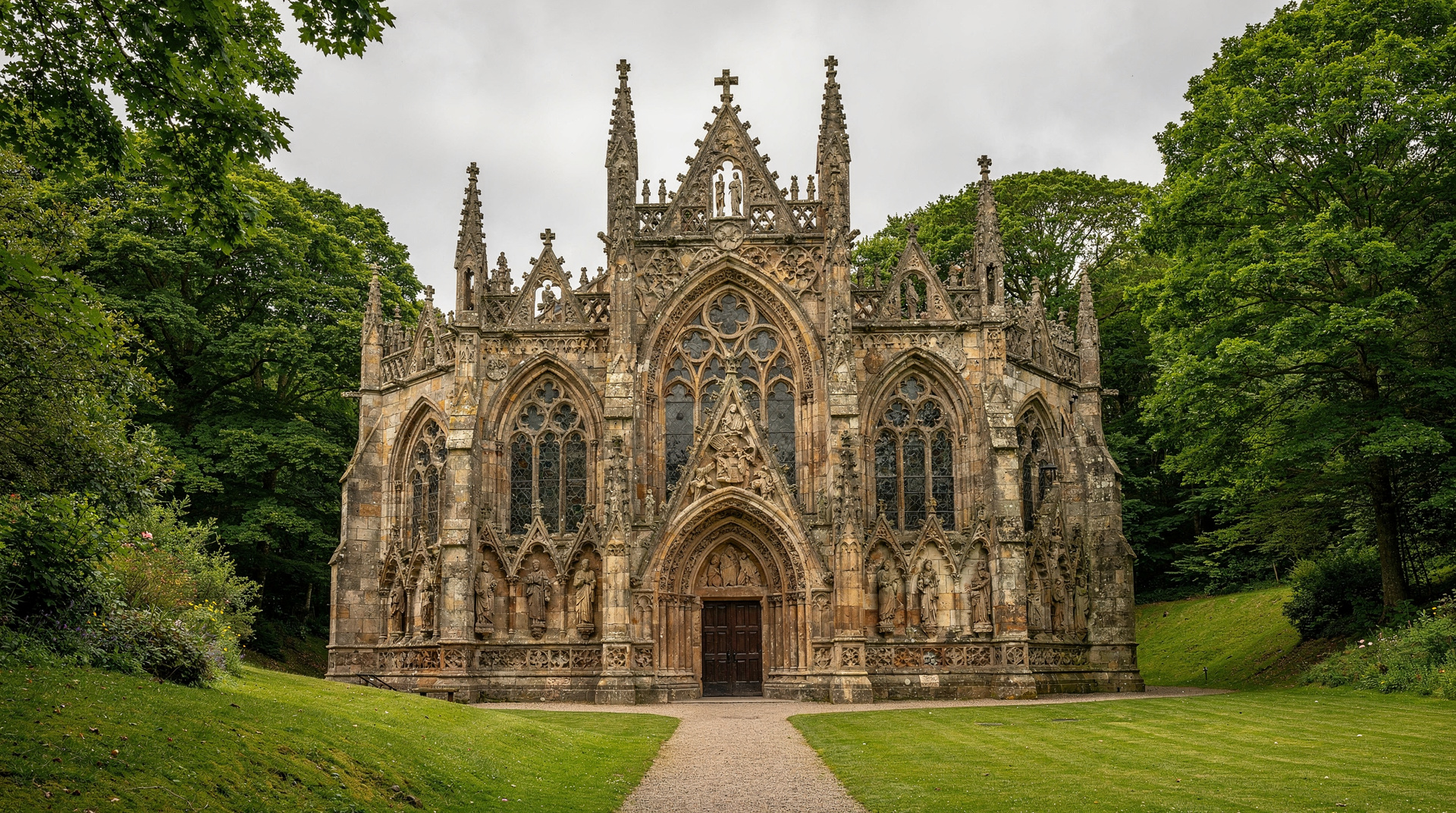
The Rosslyn Chapel, Borders and Glenkinchie distillery tour from Edinburgh combines both attractions in a single day — an efficient use of time if you have not yet visited Rosslyn Chapel. The chapel is a 20-minute drive from Glenkinchie and the two together make a full and satisfying day.
For a self-drive day: Edinburgh to Glenkinchie (25 minutes), distillery tour and tasting (90 minutes), then south to Rosslyn Chapel (20 minutes), then back to Edinburgh (30 minutes). Lunch in Pathhead or Gorebridge.
Glengoyne sits exactly on the Highland Line, with its stills on one side of the road and its warehouses on the other, which is a distinction most distillery visits can only describe: a Glengoyne distillery tour with whisky and chocolate puts you on the boundary itself.
Borders Distillery, Hawick
The Borders Distillery opened in 2018 as the first distillery in the Scottish Borders for nearly 200 years. It is in Hawick — the largest town in the Borders, an 80-minute drive from Edinburgh via the A7. The whisky is Lowland style, relatively young, well made. The visitor experience has matured since opening; tours run Thursday to Sunday in 2026.
Hawick itself repays the journey: the Scottish Borders textile industry is still active here (Hawick has produced quality knitwear and cashmere since the eighteenth century), and the town centre has excellent wool shops and a good museum. Combine with a drive through the Borders landscape — the views around Selkirk, Melrose, and the Eildon Hills are exceptional.
The Scottish Borders guide covers day-trip logistics for the region.
Central Highlands whisky day trips
Deanston Distillery, near Stirling
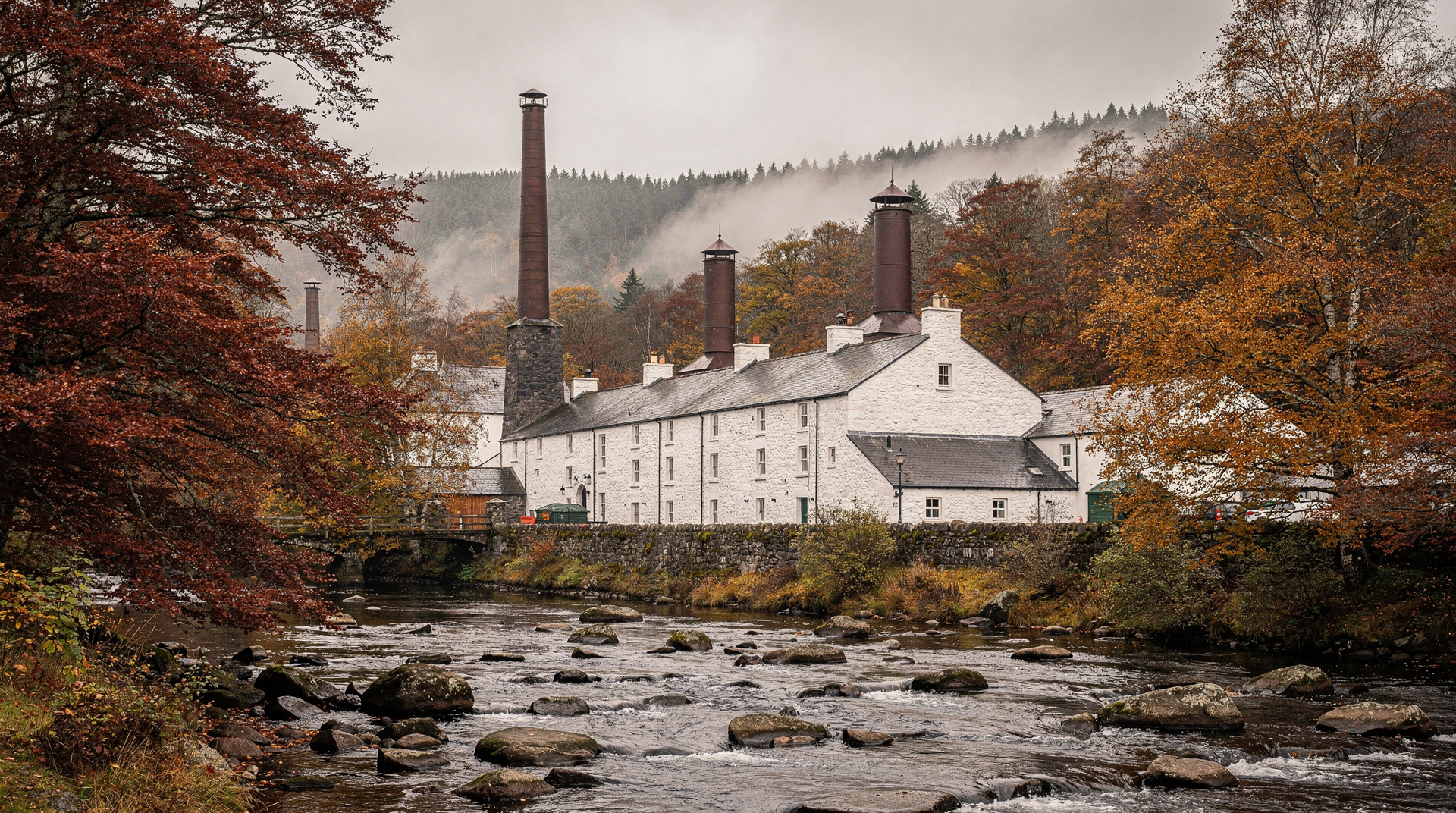
Deanston is in Doune, 10 miles north of Stirling, and makes a natural combination with a Stirling Castle visit. The distillery is in a converted Victorian cotton mill on the River Teith — the setting is unusually dramatic by distillery standards, and the building’s history adds a layer of Scottish industrial heritage to the whisky story.
The Stirling Castle, Loch Lomond and whisky tour covers this general area and provides guide-led transport if you prefer not to drive. For a self-drive day: Edinburgh to Stirling (50 minutes), Stirling Castle (2–3 hours), drive to Doune (15 minutes), Deanston Distillery (1.5 hours), return to Edinburgh (80 minutes). Allow a full day.
The Stirling day trip guide has full details for combining the castle and the distillery.
Glengoyne, near Killearn
Glengoyne sits at the southern edge of the Highlands, a distinctive location that gives it both the legal designation of a Highland malt and warehouses that sit technically in the Lowlands. The farmstead setting, with a waterfall visible from the distillery gate and a backdrop of the Campsie Fells, is among the most photogenic in Scotland.
Self-drive: Edinburgh to Glengoyne (75 minutes via the M9 and A81). Distillery tour (90 minutes). Add Loch Lomond (30 minutes further north) for a complete day in the southern Highlands.
Eastern Highlands whisky day trips (with early start)
Blair Athol Distillery, Pitlochry
Pitlochry is 90 minutes from Edinburgh by train (direct from Waverley), a similar journey time to the Loch Ness day trip by road, and is one of the most scenically located towns in the Highlands. Blair Athol Distillery is in the town itself, walkable from the train station. It produces a well-regarded Highland malt (best known as the heart of Bell’s blended Scotch) and runs accessible, affordable tours.
A Pitlochry day can include the distillery, the Edradour Distillery 2.5 miles outside town (Scotland’s smallest traditional distillery, walkable in about 40 minutes through farmland), and a walk along the Perthshire Highlands before the train back. The evening train from Pitlochry to Edinburgh Waverley takes about 90 minutes.
Edradour Distillery, near Pitlochry
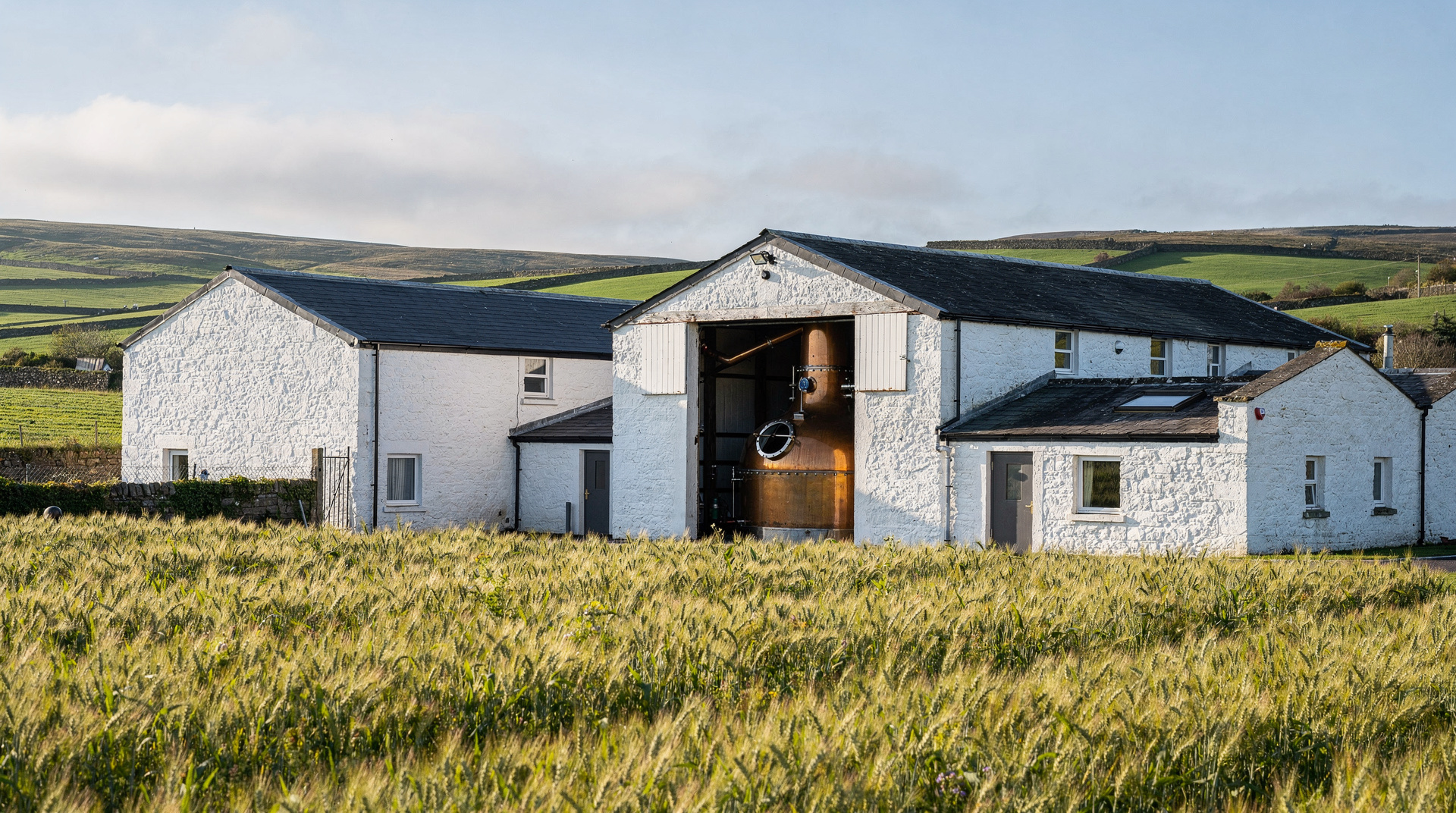
Edradour claims to be Scotland’s smallest traditional distillery and the claim is reasonable: the whole operation fits in a collection of whitewashed farm buildings overlooking a burn, producing just 12 casks of whisky per week. The charm is genuine and the whisky — available in both independent bottlings through Signatory and under the Edradour name — is distinctively rich and sherried.
Walk from Pitlochry town centre: about 40 minutes along a footpath through farmland. Or take a local taxi (10 minutes).
Organised whisky day tours from Edinburgh
For visitors who prefer not to drive, several operators run day tours from Edinburgh that include distillery stops:
The full-day Scottish Highlands and whisky tour covers Highland distilleries alongside the scenery — typically one or two distillery visits plus a full Highland circuit.
The Scotland whisky explorer Highlands day tour focuses specifically on the whisky heritage of the southern Highlands, visiting distilleries in the Speyside-adjacent area.
The Loch Ness, scenic walk, Glencoe and whisky day tour combines the Highland scenery circuit with a whisky stop — ideal for visitors who want both the landscape and a distillery experience in a single day.
Combining whisky with other day trip highlights
Whisky day trips from Edinburgh work best when paired with another destination that complements the distillery visit. Good combinations:
Glenkinchie + Rosslyn Chapel: History and whisky in East Lothian and the Lothian Valleys. Rosslyn Chapel day trip guide.
Deanston + Stirling Castle: Industrial history and national history in Central Scotland. Stirling day trip guide.
Glengoyne + Loch Lomond: Distillery and national park in a single day. Loch Lomond day trip guide.
Edradour + Pitlochry: Two distilleries plus Highland town atmosphere. Train accessible.
For longer whisky expeditions requiring a night away, see the Speyside whisky trail guide.
Getting the most from a distillery day trip
Advance planning makes the difference between a day trip that feels rushed and one that feels complete. Here is how to structure the time well.
Arrive at opening time: Most distillery tours begin running at 10am. The first tour of the day is the least crowded and often the most attentive — guides have not yet repeated the same explanations six times. For Glenkinchie, this means leaving Edinburgh by 9am.
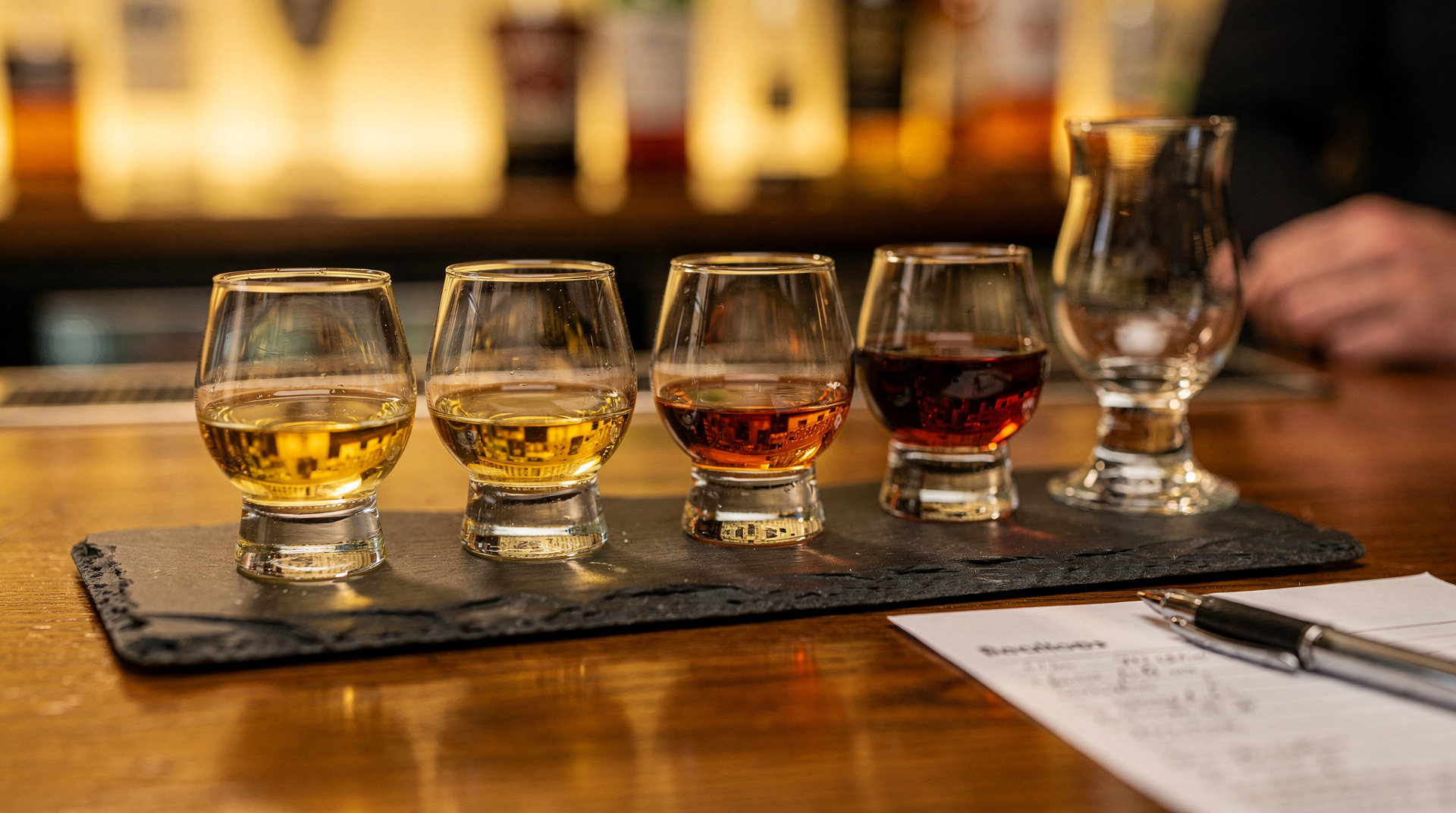
Do not rush the tasting: The tasting at the end of the tour is the culmination of everything you have just seen, and it is worth slowing down for. Ask questions about the specific expressions you are tasting, the cask type, the age. Most distillery guides enjoy this part of their job.
Spend time in the shop before you leave: Distillery shops carry expressions not available elsewhere, including vintage releases, cask-strength versions, and small-batch limited editions. Do not leave immediately after the tasting without at least browsing the shop.
Build in time for the surroundings: The best distillery locations (Deanston on the River Teith, Glengoyne in the Campsie Fells foothills, Blair Athol in Pitlochry) are in beautiful landscape. Allow time to walk around before or after the tour.
Consider the drive back: If you are tasting at multiple distilleries and driving, ensure you have a designated non-drinker for the return journey. Alternatively, take a cab for the short distance between two nearby distilleries and retrieve your car the following morning. Scotland’s drink-drive limit is stricter than England’s (50mg/100ml versus 80mg), and rural roads around distilleries are monitored.
Combining whisky with Scotland’s wider scenery
Edinburgh day trips are not exclusively about distilleries. Several of the most scenic day-trip routes from Edinburgh pass through or near whisky-producing areas in a way that allows a distillery stop to be part of a broader day.
The Stirling day trip covers Stirling Castle (one of Scotland’s finest historic buildings) and the Ochil Hills landscape before reaching Deanston. The drive back via the Campsie Fells past Glengoyne gives you two distillery options in the southern Highlands in a single day.
The Pitlochry route via the A9 passes through the Perthshire Highlands — some of Scotland’s most classically beautiful mountain landscape — and the Blair Athol and Edradour distilleries are both within walking distance of Pitlochry town. Add a walk along the River Tummel or the Tummel Gorge at Killiecrankie before the drive back.
The East Lothian route to Glenkinchie runs through the rolling farmland south of Edinburgh — pleasant rather than spectacular — but can be extended to take in the East Lothian coast (Tantallon Castle, North Berwick, the Bass Rock) on the return leg. The North Berwick day trip guide covers this coastal circuit in detail.
The distillery shop: what to buy and what to skip
Every distillery visitor centre has a shop, and managing the purchasing decision well is part of getting value from a day trip.
What is worth buying at the distillery shop:
- Distillery-exclusive bottlings: expressions that are only available directly from the distillery, not in general retail. Most major distilleries maintain at least one or two exclusive releases. These represent genuine value because their scarcity is real.
- Cask-strength versions of standard expressions: the full-strength version of a whisky you might know in the standard 40% ABV form is often only available at the distillery.
Glenkinchie Distillery Edition, Deanston Natural Cask Strength, and similar expressions typically cost more than standard releases but offer a significantly different and often superior experience.
- Aged expressions not in wide retail: distilleries sometimes stock older expressions in their shops that are not in their standard retail distribution. Ask the staff what is available that you will not find in Edinburgh retail.
What to think twice about:
- Standard expressions that are widely available: the same bottle of Glenkinchie 12 you can buy in any Edinburgh supermarket does not represent extra value at the distillery shop. The location does not confer a price advantage.
- Whisky accessories and merchandise: branded glasses, hip flasks, and general merchandise are typically priced for the captive audience. The same products are often available cheaper online.
The best strategy: buy one or two genuinely interesting expressions — a distillery exclusive, a cask-strength version, an aged expression — and leave the standard range for the supermarket or specialist retailer in Edinburgh.
What to eat near Edinburgh’s distilleries
Lunch is a practical consideration on a distillery day trip, particularly if you are doing two distilleries in the same day and need food between tastings.
Near Glenkinchie: The village of Pencaitland has a basic pub. Better options are in Haddington (15 minutes east) — the Tyneside Tavern and the Waterside Bistro are both reliable for lunch.
Near Deanston: Doune village has a café; Callander (20 minutes north, on the edge of Loch Lomond and the Trossachs National Park) has better options including the popular Deli Ecosse.
Near Glengoyne: The distillery itself has a café. Killearn village (10 minutes south) has the Black Bull pub.
In Pitlochry (Blair Athol and Edradour): Pitlochry is a fully equipped tourist town with multiple cafés and restaurants. Sandemans Café and the Old Mill Inn are both well regarded and conveniently located near the train station.
Distillery tourism and the Scottish economy
A brief reflection on why visiting working distilleries matters beyond the personal enjoyment of the visit. Scottish whisky is one of the UK’s most important export industries — around £5 billion annually — and distillery tourism has become a significant secondary revenue stream for an industry that previously interacted with consumers only through retail.
The distillery visitor centres employ local staff, support local accommodation and restaurants (particularly in rural areas like Speyside and the Highlands where other employment is limited), and create a reason for visitors to travel to parts of Scotland that might otherwise be overlooked. The tourism side of the whisky industry is partly why the craft distillery boom of the 2010s and 2020s has been so geographically distributed — the Borders Distillery in Hawick, the Port of Leith Distillery, and the various new Highland craft distilleries are all partly tourist attractions as well as production facilities.
This is not a reason to be uncritical about commercial whisky tourism. The pricing at some distilleries has become aggressive, and the experience can feel over-packaged at the flagship venues. But it is context for why distillery visits feel genuinely meaningful in a way that, say, visiting a factory to see yogurt being made does not. You are participating in an industry that has shaped Scotland’s economy, landscape, and culture for centuries, and the people running the visitor centres mostly understand and care about that history.
Best time of year for a whisky day trip
| Season | Distillery crowds | Weather for driving/walking | Notes |
|---|---|---|---|
| Winter (Dec-Feb) | Quiet | Can be icy on rural roads | Some smaller distilleries reduce hours; check ahead |
| Spring (Mar-May) | Moderate | Generally good, changeable | Good balance of availability and weather |
| Summer (Jun-Aug) | Busiest | Best driving conditions | Book first tours of the day to avoid crowds |
| Autumn (Sep-Nov) | Moderate to quiet | Good, shorter daylight | Harvest-season events at some distilleries |
Scotland’s weather is genuinely changeable in any season, so check the forecast the morning of your trip regardless of the time of year — the Edinburgh weather guide has the broader seasonal picture, and rural distillery roads can be more affected by wind and rain than city streets.
Getting to the train or bus for a public-transport day trip
If you’re relying on public transport rather than driving or a guided tour, plan your day around Scotland’s rail and bus timetables rather than assuming turn-up-and-go frequency outside the city. The getting around Edinburgh guide covers how to reach Waverley and Haymarket stations from your accommodation, and it’s worth checking return times before you leave, since the last direct train back from towns like Pitlochry can be earlier in the evening than visitors expect.
International visitors: ETA and border considerations
For visitors arriving from outside the UK, one practical note on entry. The UK Electronic Travel Authorisation (ETA) has been required since January 2025 for many international visitors, including most European, American, Australian, and other nationalities that were previously visa-free. The ETA costs around £10, is valid for two years, and can be applied for online through the official UK government website.
If you are visiting Edinburgh specifically for a whisky day trip and are arriving from outside the UK, ensure your ETA is in place before departure. The process is straightforward but requires a few days’ lead time. The UK ETA guide covers the requirements and the application process in full.
Frequently asked questions about whisky day trips from Edinburgh
Can you do a whisky day trip without a car?
Yes, but your options narrow. Glenkinchie (train to Pencaitland, short taxi), Deanston and Glengoyne (train to Stirling, local taxi or bus), and Blair Athol and Edradour (direct train to Pitlochry) are all accessible by public transport from Edinburgh. For everything else, a car or guided tour is more practical.
How many distilleries can you visit in a day?
Two is comfortable; three is possible but leaves limited time at each. A single distillery with proper time for the tour, the warehouse, the tasting, and lunch is often more satisfying than rushing between three in a day.
Do distillery tours run year-round?
Most, but not all. The major distilleries (Glenkinchie, Deanston, Glengoyne, Blair Athol) run year-round. Some smaller ones close or run reduced hours in January and February. Always check before travelling.
Is there a best day of the week for distillery visits?
Weekdays are less busy than weekends, particularly in summer. Saturday is the busiest day at most visitor-oriented distilleries. If weekend visits are your only option, book the first tour of the day.
What should you wear to a distillery tour?
Comfortable shoes with some grip — distillery floors are often wet and uneven, particularly in production areas. A waterproof layer is always sensible in Scotland regardless of the forecast. Many distilleries maintain working temperature warehouses that can be cool even in summer.
Should I do a distillery day trip or stay in Edinburgh for whisky tasting?
They complement each other rather than compete. A distillery day trip gives you the production process, the warehouse smell, and the landscape context that no city tasting can replicate; Edinburgh’s own tasting venues give you breadth and convenience without the travel time. The whisky tasting Edinburgh guide covers the best in-city options if you want both in the same trip.
Is Port of Leith Distillery worth visiting if I only have half a day?
Yes, it’s the most time-efficient distillery option from Edinburgh precisely because it’s inside the city boundary. It won’t give you the rural distillery atmosphere of Deanston or Glengoyne, but for a short trip or a rainy afternoon it’s a genuine working distillery with a good tour, reachable without a full day’s commitment.
Top experiences
Bookable activities with verified prices and instant confirmation on GetYourGuide.