Royal Mile tourist traps: what to skip and what to do instead
Edinburgh: secrets of the Royal Mile walking tour
Is the Royal Mile full of tourist traps?
Yes. The Royal Mile has been heavily commercialised and most of what fronts the main street — tourist shops, overpriced restaurants, identical shortbread-and-tartan outlets — is poor value. The closes and side streets off the Royal Mile are the real Edinburgh. This guide tells you exactly what to skip.
The honest picture of the Royal Mile
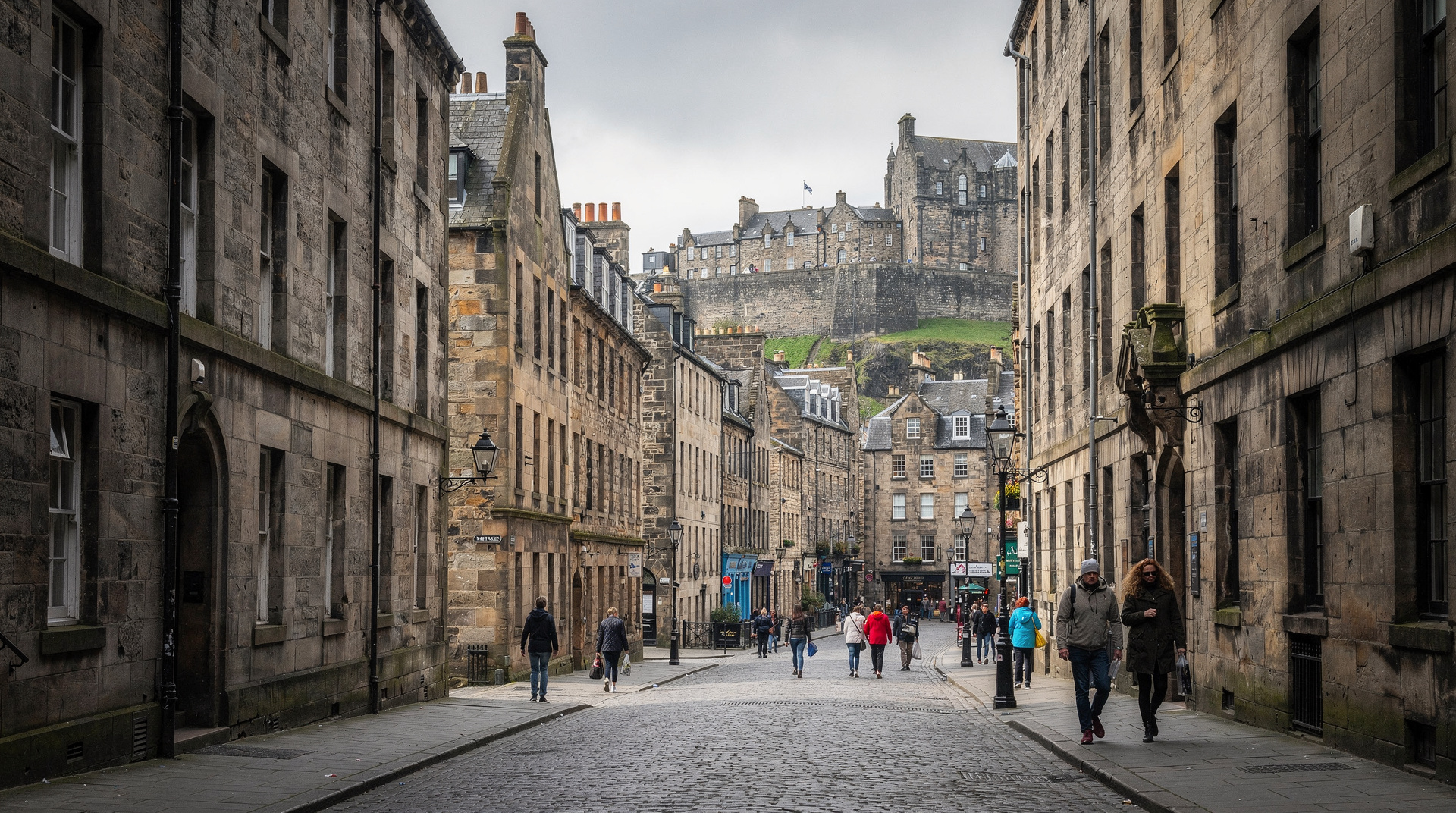
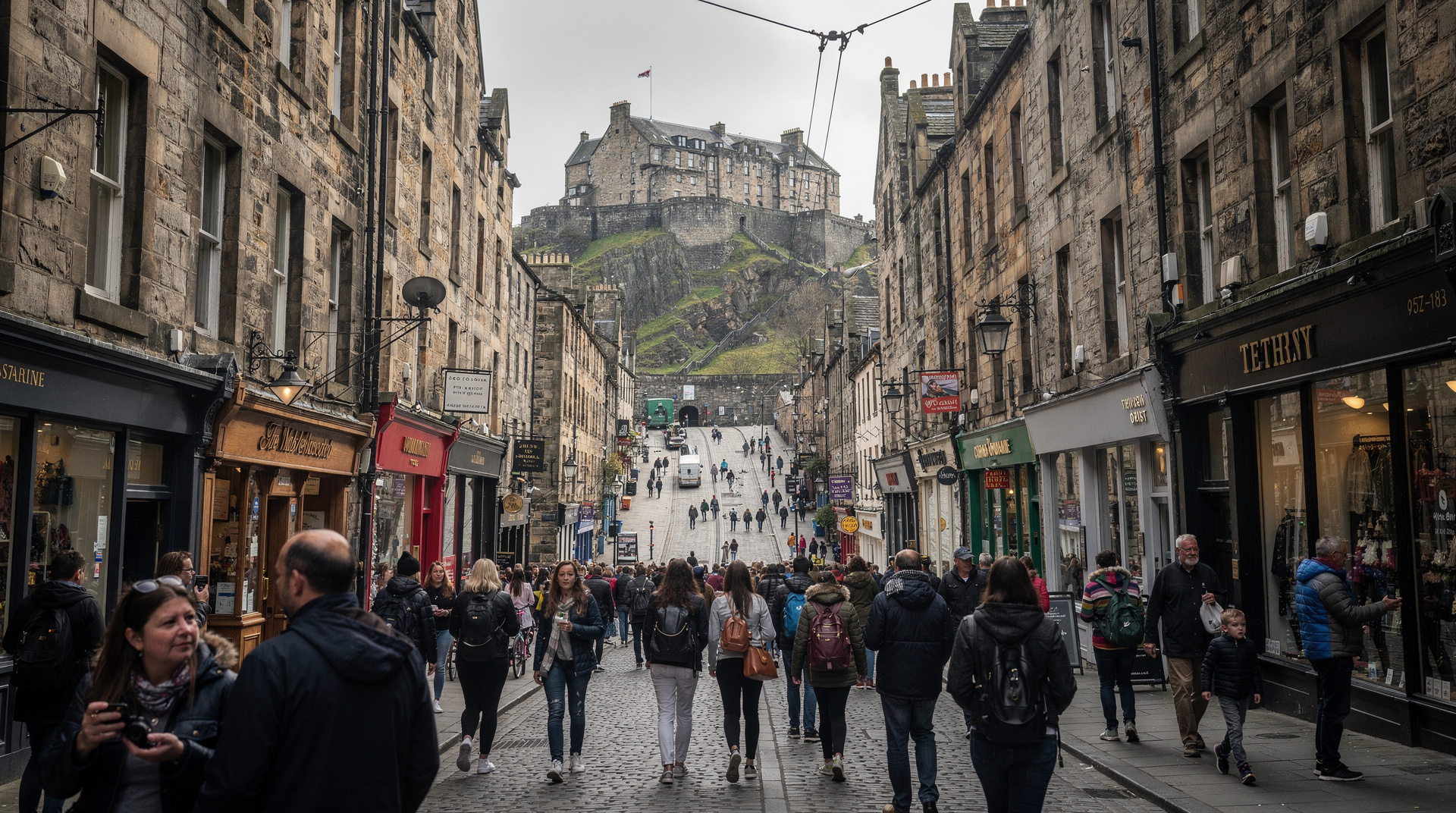
The Royal Mile is one of Europe’s most famous tourist streets, running about a mile downhill from Edinburgh Castle to the Palace of Holyroodhouse. It is genuinely historic — the spine of the medieval Old Town, flanked by buildings that date from the sixteenth century onwards, with closes and wynds dropping off either side into the layered fabric of old Edinburgh.
It is also a tourist corridor that has been optimised, over decades, for extracting money from visitors who do not know any better. Most of the shops on the Royal Mile are variations of the same thing. Most of the restaurants charge tourist prices for food that ranges from acceptable to poor. The main exceptions are a handful of genuinely good businesses that survive alongside the tat.
This guide is specific about what to skip, what the alternatives are, and how to get the actual value out of the Royal Mile — because there is genuine value here, once you know where to look.
| Where | Castlehill to Canongate, Old Town |
| Skip | tartan/whisky gift shops, pavement-menu restaurants, costumed leaflet touts |
| Keep | St Giles’, the closes, Royal Mile Whiskies, Scotch Whisky Experience |
| Best time | before 9am or after 8pm to avoid the worst crowds |
| Better food/shopping | Grassmarket, Stockbridge, Leith — 10-15 minutes off the Mile |
The tourist shops: what is worth it and what is not
The tartan and whisky shops
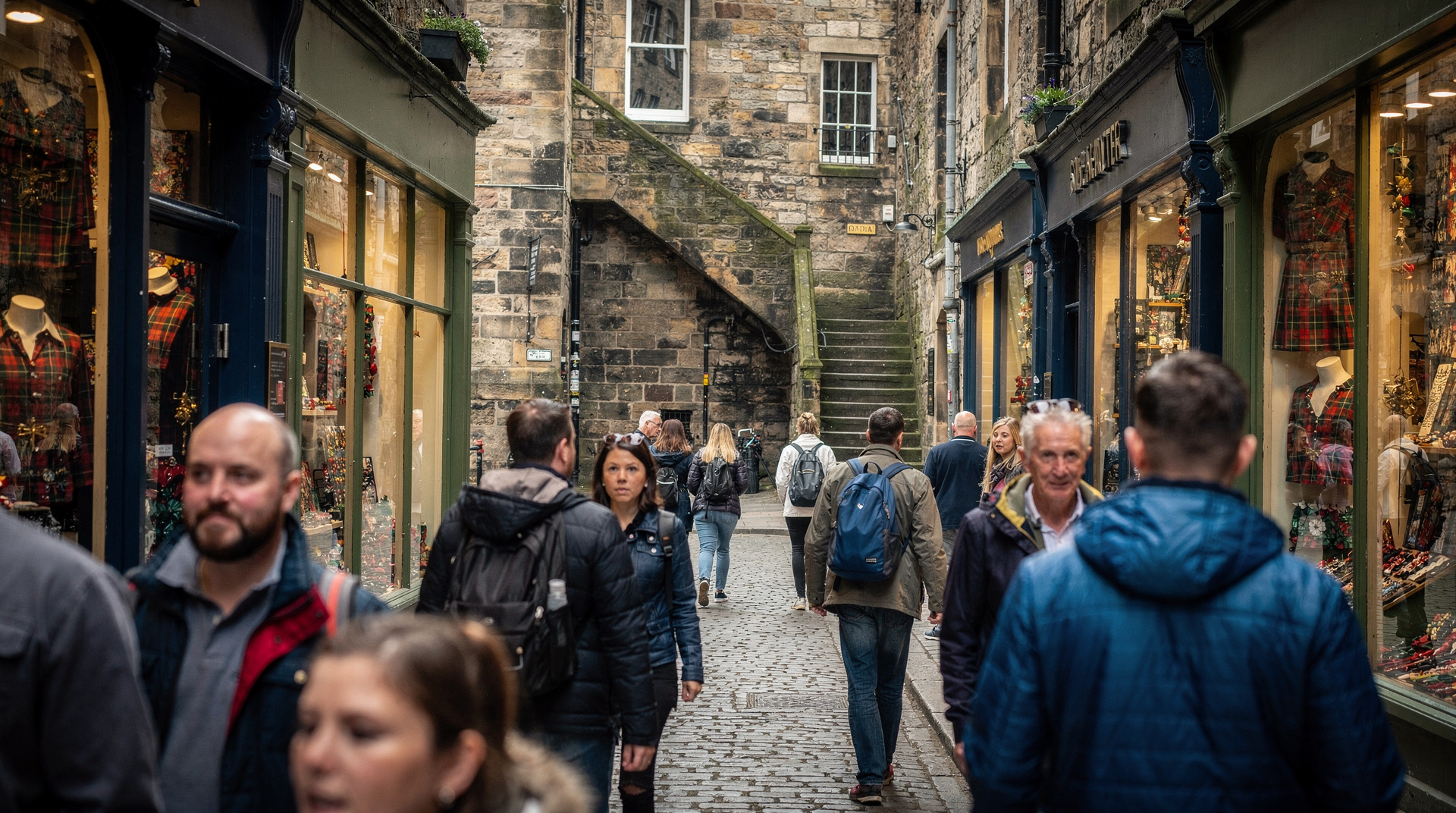
The Royal Mile has dozens of shops selling tartan products (kilts, scarves, accessories), whisky (same bottles available in supermarkets and airport duty-free at lower prices), and generic Scottish souvenirs (shortbread tins, Loch Ness monster toys, thistle magnets). Most of these shops are owned by a small number of retail groups and the stock is near-identical between them.
The specific problem: Tartan products on the Royal Mile are typically marked up 40-60% compared to equivalent quality at supermarkets, airport shops, or online. A bottle of single malt Scotch that costs £35 in Waitrose costs £45-55 on the Royal Mile. Cashmere products marketed as “Scottish” are often produced overseas. Kilts are the one area where a proper Royal Mile kiltmaker — there are two or three genuine ones among the tourist shops — offers genuine craft product, but they are expensive (a complete Highland dress kit costs £400-800) and not something most visitors want or need.
The genuine exceptions: A few whisky specialists on the Royal Mile offer proper independent bottlings and rare expressions you will not find in supermarkets. Royal Mile Whiskies (top of the Mile, near the castle) is genuinely respected in the whisky world. If you want good whisky to take home, this is where to buy it — not the generic shops. See the whisky guide for more on whisky shopping.
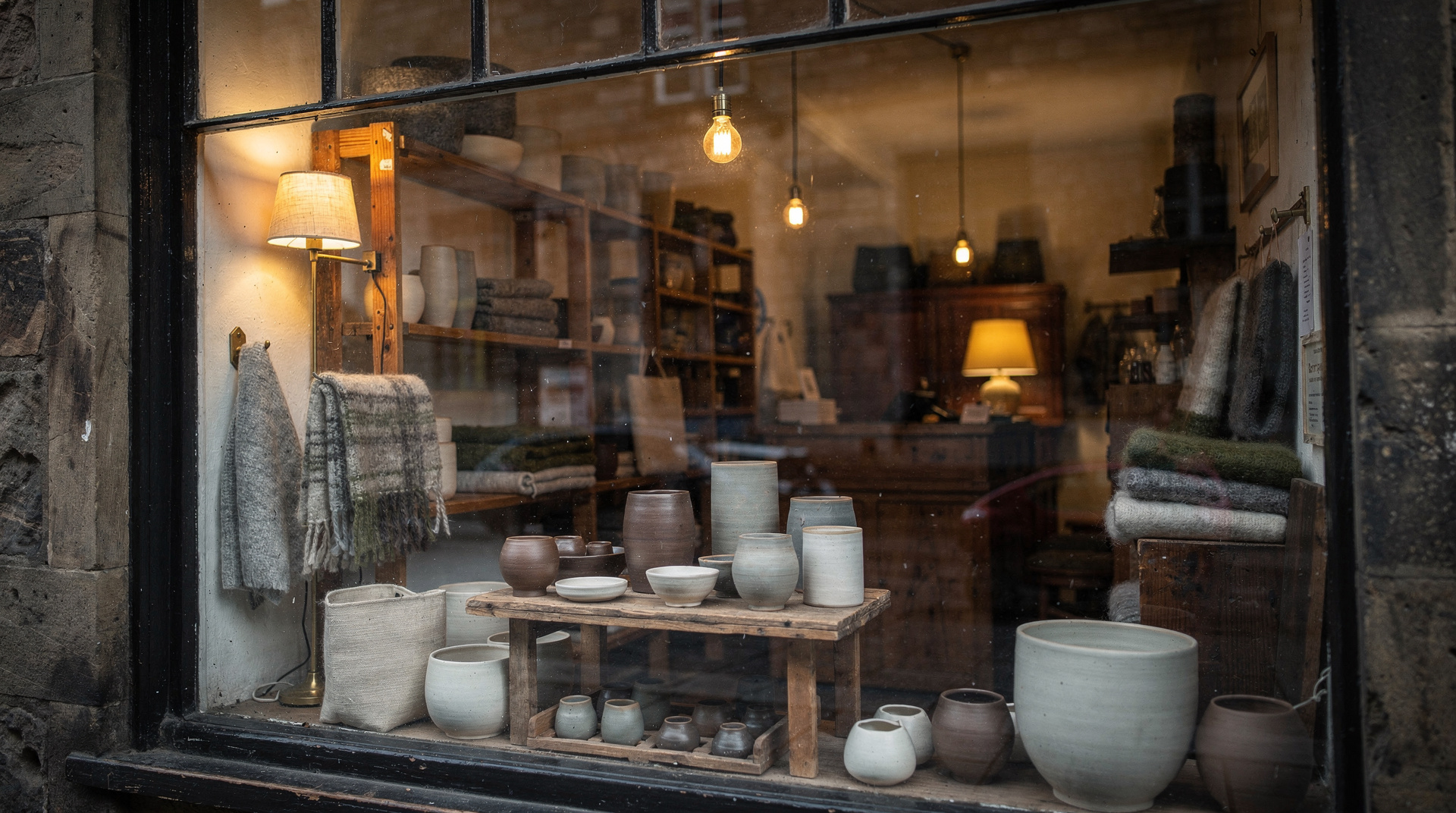
What to do instead for souvenirs: The Grassmarket, Victoria Street, and the side streets off the Royal Mile have more independent shops with genuine Scottish craft products. The Grassmarket market (on certain weekend days) has local producers. The National Museum of Scotland gift shop has genuinely interesting books, prints, and design items at reasonable prices — and nothing in it is embarrassing to give as a gift.
The “experience” attractions on the Royal Mile
The Royal Mile has several paid attraction entries that are positioned in prominent tourist retail units. Some of these are good. Many are not.
Edinburgh Dungeons (Market Street, near Waverley): Worth it for older children and teenagers, as discussed in the Dungeon review. Not worth it for adults who want genuine history rather than theatrical horror.
Camera Obscura (top of the Mile, by the castle): Genuinely good for all ages. Not a tourist trap — see the attractions guide.
The various “interactive” experiences (medieval life exhibits, Scottish cultural shows packaged in street-level shops): Variable. The better ones are genuinely informative. The worse ones charge £12-18 for 20 minutes of content you could get from reading a free information board elsewhere. Look for reviews specifically before paying.
The Scotch Whisky Experience (just below the castle esplanade): This is a legitimate attraction with a genuinely good whisky collection, decent tasting sessions, and knowledgeable staff. It is not cheap (tours start at £25 per adult) but it is honest and delivers what it promises. See the Scotch Whisky Experience review.
The restaurants: the honest verdict
The Royal Mile has the highest concentration of restaurants in Edinburgh and one of the lowest ratios of value to price. This is not exclusively about quality — some Royal Mile restaurants cook competent food — but the pricing reflects the footfall rather than the cuisine.
The specific dynamics: A main course in a sit-down restaurant on the Royal Mile typically runs £16-24. The same quality food in Stockbridge, Leith, or Bruntsfield costs £13-18. The difference is entirely rent and tourist location premium.
What to avoid specifically:
- Restaurants with photographs on the menus (almost always means tourist pricing for standard food)
- Places that actively tout for customers from the doorstep (never a good sign anywhere in the world)
- Restaurants with bagpipes outside or heavily themed Scottish decor inside — the authenticity and the food quality are usually inversely correlated
- Pre-set menus marketed as “traditional Scottish feast” — these are typically expensive versions of haggis, neeps, and tatties that you can get for £10-12 in a decent pub
The genuine Royal Mile exceptions: The Mosque Kitchen on Nicholson Square (technically just off the south end of the Royal Mile) serves outstanding Scottish-Pakistani food for around £7-10 per main — the best value lunch within five minutes’ walk of the sights. The Elephant House on George IV Bridge (Harry Potter connection, decent cafe food, good coffee) is acceptable for a reasonable sit-down stop. Deacon Brodie’s Tavern on the Royal Mile itself serves reasonable pub food at reasonable prices for lunch — better value than the tourist restaurants either side of it.
For dinner, the best strategy is to walk 10 minutes off the Mile. See the eating on the Royal Mile guide for the full breakdown of where to eat instead.
The guided tours: good vs mediocre
The Royal Mile is the departure point for dozens of guided walking tours, ranging from excellent to aggressively mediocre. Being approached by someone in medieval costume handing you a leaflet is not a reliable indicator of quality.
The best tours starting from the Royal Mile:
An secrets of the Royal Mile walking tour goes beyond the tourist surface to the closes, the social history of the medieval tenements, and the stories behind the buildings most visitors walk past without understanding. A dark history Canongate walking tour focuses on the lower mile between the castle and Holyrood, covering the more sombre chapters of Edinburgh history with genuine depth.
For a broader Old Town context, an Old Town history and tales walking tour provides the narrative framework that makes the closes and buildings intelligible rather than just atmospheric. See the guide to choosing an Edinburgh tour for comparative recommendations.
What to avoid: Tours that emphasise costumes, theatrical delivery, and entertainment over historical content are usually better at marketing than at education. Read recent reviews specifically mentioning the guide’s knowledge and the historical depth before booking.
Ghost tours: The ghost tour market on the Royal Mile is extremely crowded. Most tours are theatrical rather than historically rigorous, which is not necessarily wrong — some people want entertainment. But there is a significant quality range between operators. See the ghost tours guide for the specific recommendations.
The shops that survive on the Royal Mile are the ones that catch you walking straight down it, which is exactly the behaviour a puzzle route breaks: a Royal Mile walking tour and exploration game sends you into the closes instead of past the tartan windows.
What the Royal Mile is actually good for
Despite everything above, the Royal Mile contains some of Edinburgh’s genuinely best experiences. The problem is that they are mostly not the things that are marketed at you as you walk down it.
St Giles’ Cathedral: Entry is £12 for visitors aged 16 and over (free for under-16s and Scottish residents); genuinely architecturally impressive, and one of Edinburgh’s most important historic buildings. The Thistle Chapel inside is extraordinary. See the St Giles’ Cathedral guide.
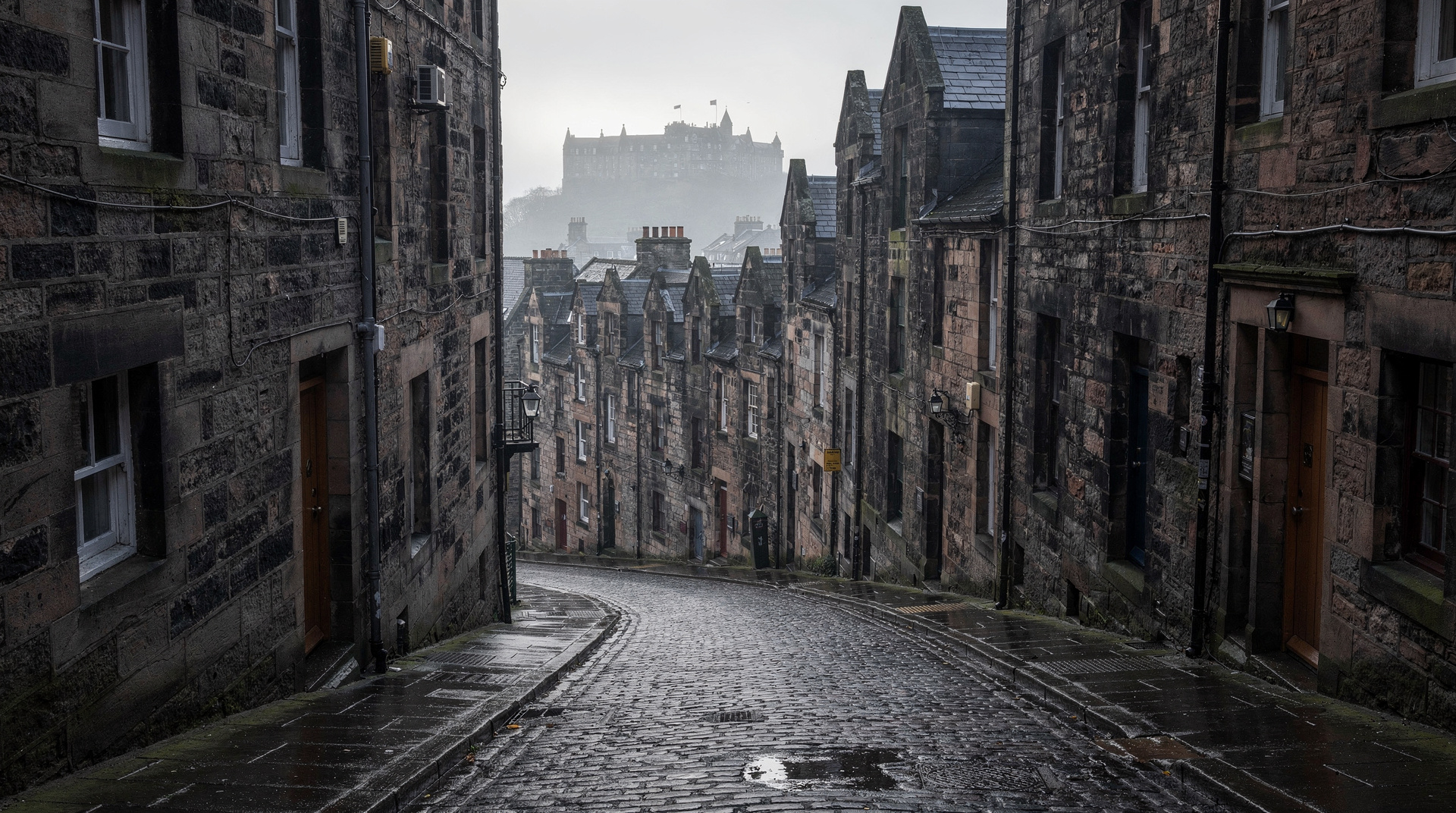
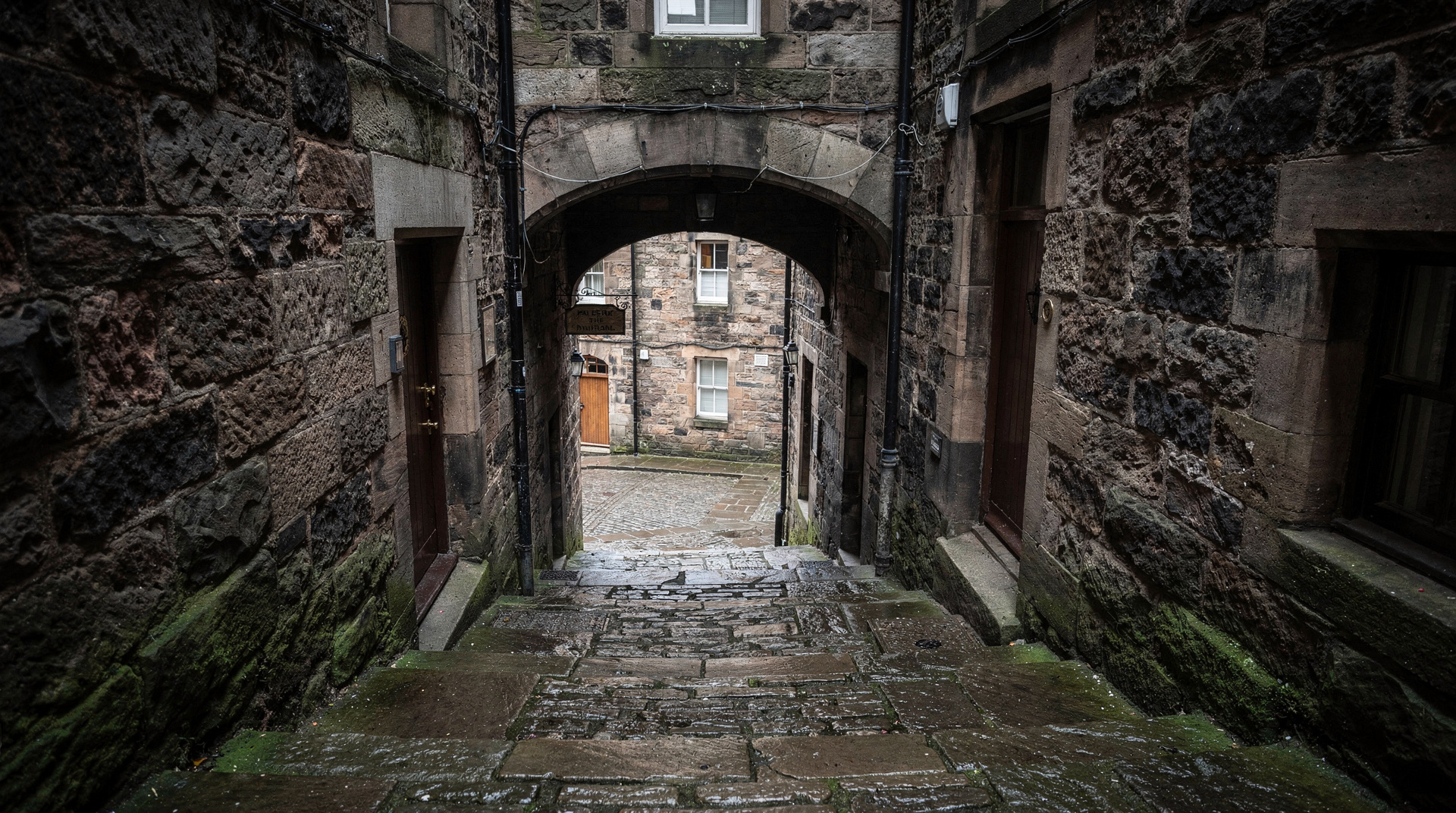
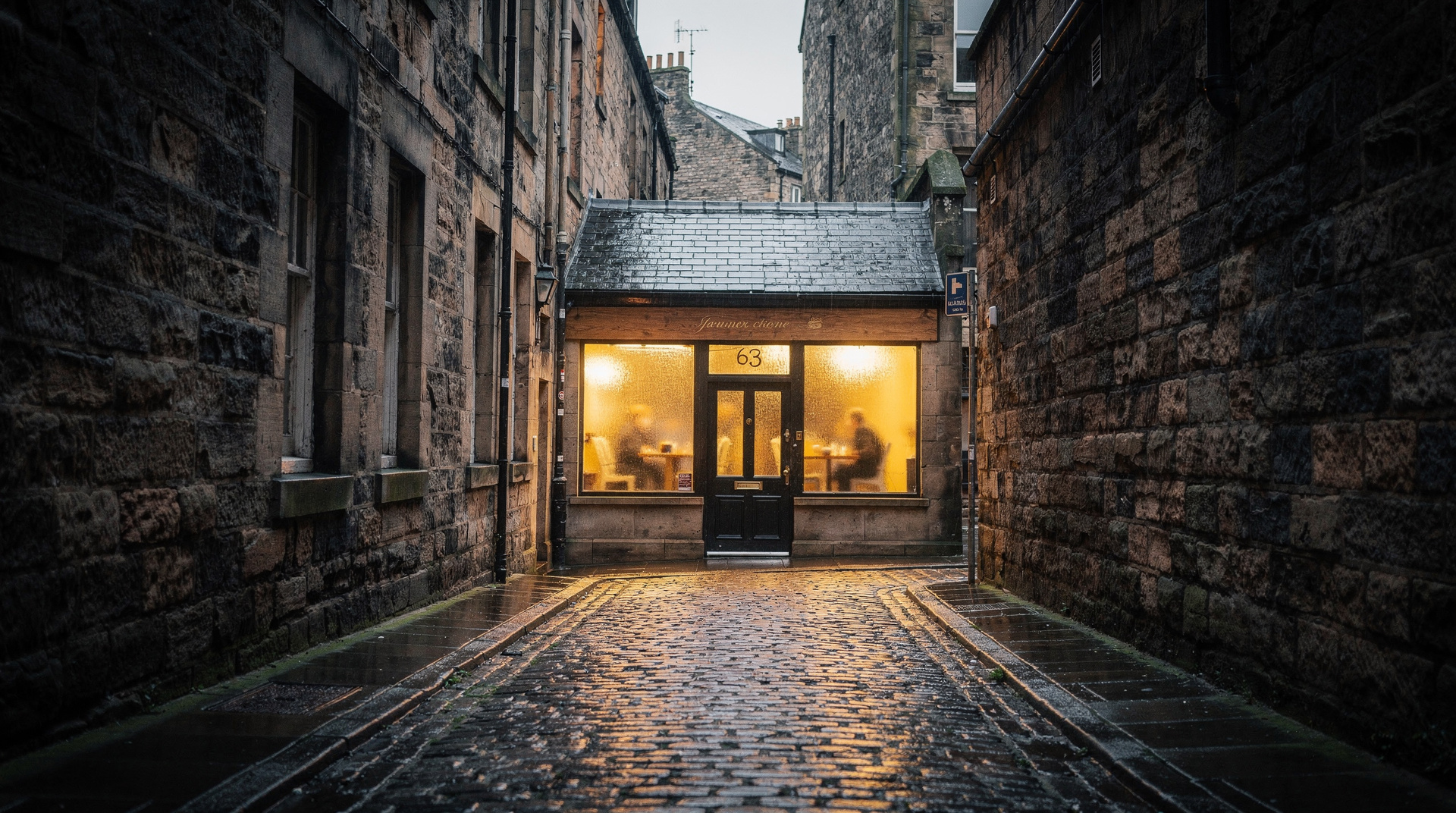
The closes: The closes and wynds off the Royal Mile are the actual fabric of medieval Edinburgh. Advocate’s Close, White Horse Close, Riddle’s Court, and a dozen others are accessible on foot for free. They give a genuine sense of how the Old Town functioned that no paid attraction can replicate. A good map (available free from the tourist information centre) marks all the accessible ones.
Edinburgh Castle: Yes, it is expensive (£23.50 for adults in 2026). Yes, it is crowded. But it is also a genuinely historic fortification with the Crown Jewels, the Stone of Destiny, and extraordinary views. It is worth it, with a plan. See the Edinburgh Castle guide.
The Parliament and Holyrood: At the lower end of the Royal Mile, the Scottish Parliament (free tours available on non-sitting days) and the Palace of Holyroodhouse (ticket required, around £22 for adults) are both genuinely worth visiting for their respective reasons.
Walking the Royal Mile: a practical approach
Treat the Royal Mile as a route through the Old Town rather than a destination in itself. Walk it to get between the castle and Holyrood. Duck into the closes. Stop at St Giles’. But do not expect the shops and restaurants on the main strip to be the point of Edinburgh.
The best Edinburgh experiences — the vaults, the ghost tours worth taking, the authentic whisky tastings, the real food, the closes at dusk — are almost all one or two streets off the main drag.
The Royal Mile in detail: what each section actually contains
The Royal Mile is divided into four named sections as it descends from the castle to Holyrood, and each has a different character. Understanding them helps prioritise.
Castlehill (top section, from the castle esplanade to Lawnmarket): The most intensely touristy section. Camera Obscura is here (worth visiting). The Scotch Whisky Experience is here (legitimate attraction). Most of the high-end tourist shops cluster here because of proximity to the castle. Contains Gladstone’s Land (NTS, seventeenth-century tenement, genuinely interesting) and a few closes worth exploring.
Lawnmarket (from Castlehill to the High Street junction): Where several of the important closes are — Brodie’s Close, James Court. Deacon Brodie’s Tavern is here (fair for a pub lunch). The population density of tourist shops remains high.
High Street (from the Lawnmarket junction to the Netherbow Port site): Contains St Giles’ Cathedral (£12 for visitors aged 16 and over, extraordinary, worth a substantial visit), Parliament Square, the Mercat Cross, and the entrance to Real Mary King’s Close. The tourist shop density is slightly lower here and the significant buildings more frequent. The closes on this section — Advocate’s Close, Warriston’s Close, Old Fishmarket Close — are some of the best in the Old Town.
Canongate (from Netherbow to Holyrood): The most residential section historically and the section with the most actual historic buildings per metre. The Canongate Kirk and its kirkyard (free, contains the graves of David Rizzio’s murderer and several significant Scottish historical figures), the Canongate Tolbooth (now a folk museum), and the Museum of Edinburgh are all on this section. Less touristy than the upper sections, more genuinely interesting as urban fabric.
The honest conclusion: if you are walking the Royal Mile specifically for the historic buildings and character, the Canongate section and the upper section below Castlehill are the most rewarding. If you are walking it for shopping and restaurants, the overall answer is: don’t bother and go elsewhere. See the Old Town history guide for the deeper narrative behind what you are looking at.
The closes in detail: what to actually look for
The closes and wynds off the Royal Mile are the most distinctive feature of the Old Town urban fabric — steep, narrow alleys that run between buildings at right angles to the main street and give access to the city’s layered inner spaces. Some of the most significant:
Riddle’s Court (322 Lawnmarket): Through an archway into the first courtyard, then another archway into the second. The inner courtyard dates from 1590 and was the reception point for King James VI in 1598. Freely accessible.
Advocate’s Close (357 High Street): One of the most photographed closes in Edinburgh, partly because of the view down it toward the New Town with the Firth of Forth beyond. The close has been occupied since the fifteenth century. Freely accessible.
White Horse Close (end of Canongate): Near the Holyrood end of the Mile. A courtyard of buildings that date largely from the seventeenth century and once formed part of the White Horse Inn, the Edinburgh terminus of the London coach. Freely accessible and one of the most atmospheric.
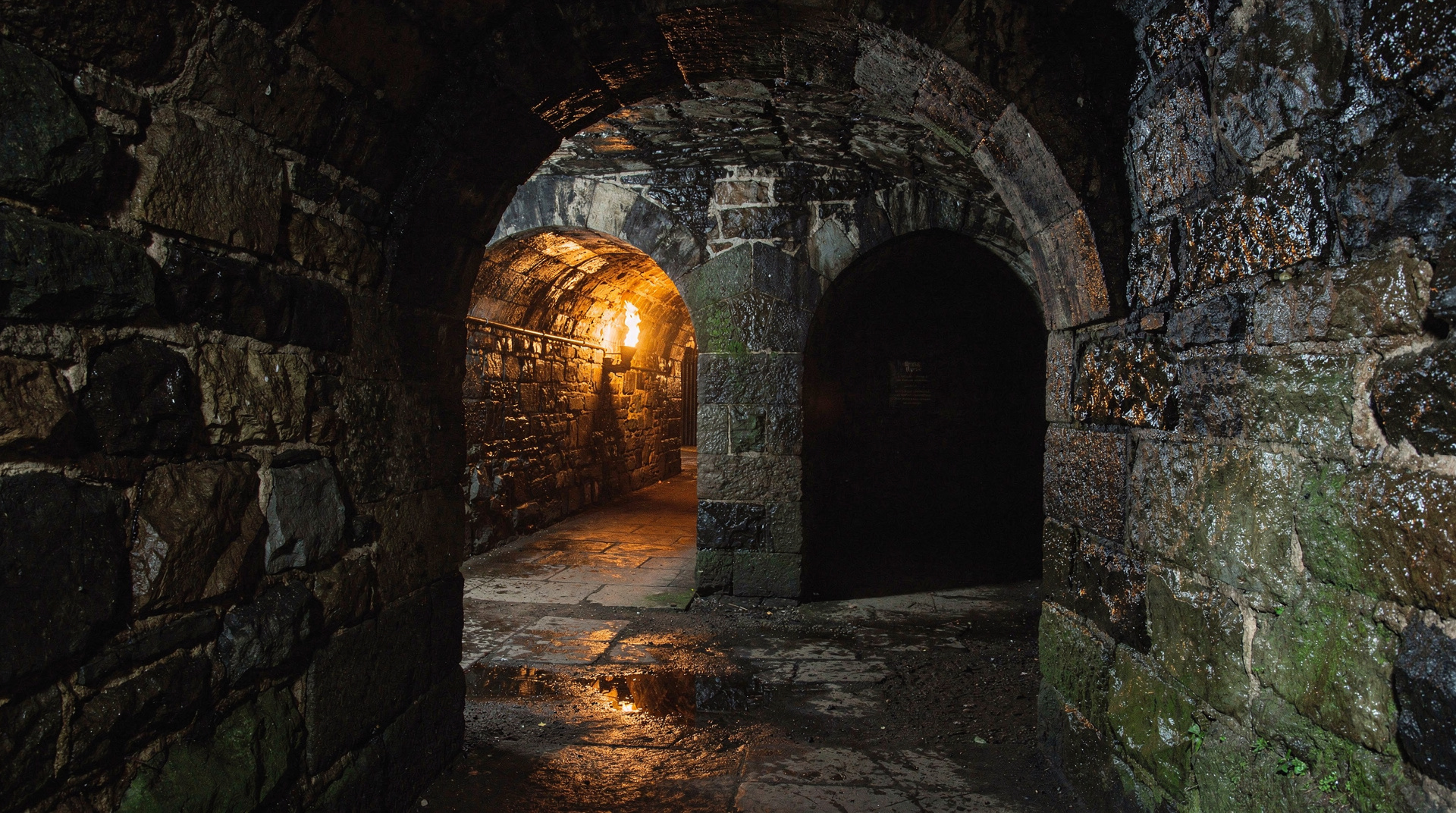
Mary King’s Close (High Street): Requires a ticket (around £25 per adult) but goes underground beneath the Royal Mile into sealed seventeenth and eighteenth-century streets. Unique. Worth the ticket for the genuinely preserved built fabric. See the Mary King’s Close guide.
Street performers and “voluntary donation” traps
The Royal Mile hosts genuinely skilled street performers alongside a smaller number of acts that rely on aggressive audience participation or guilt-based tipping tactics. There is nothing wrong with tipping a performer whose act you enjoyed, but be wary of performers who single out individual tourists for participation and then apply social pressure for a tip afterwards — walking away calmly is entirely acceptable. During the Fringe in August, the volume of performers multiplies considerably and includes both professional touring acts previewing their shows and amateur buskers; the quality range is correspondingly wide.
Traps that catch first-time visitors specifically
A few Royal Mile traps are less about individual shops or restaurants and more about how first-time visitors plan their day. Booking every attraction on the Mile back-to-back without buffer time is a common mistake — queues at Edinburgh Castle, Mary King’s Close, and the Scotch Whisky Experience can each run 20-30 minutes at peak times, and a schedule with no slack collapses quickly. The common Edinburgh tourist mistakes guide covers this and several other first-timer traps that go beyond the Royal Mile specifically, including transport and accommodation location mistakes.
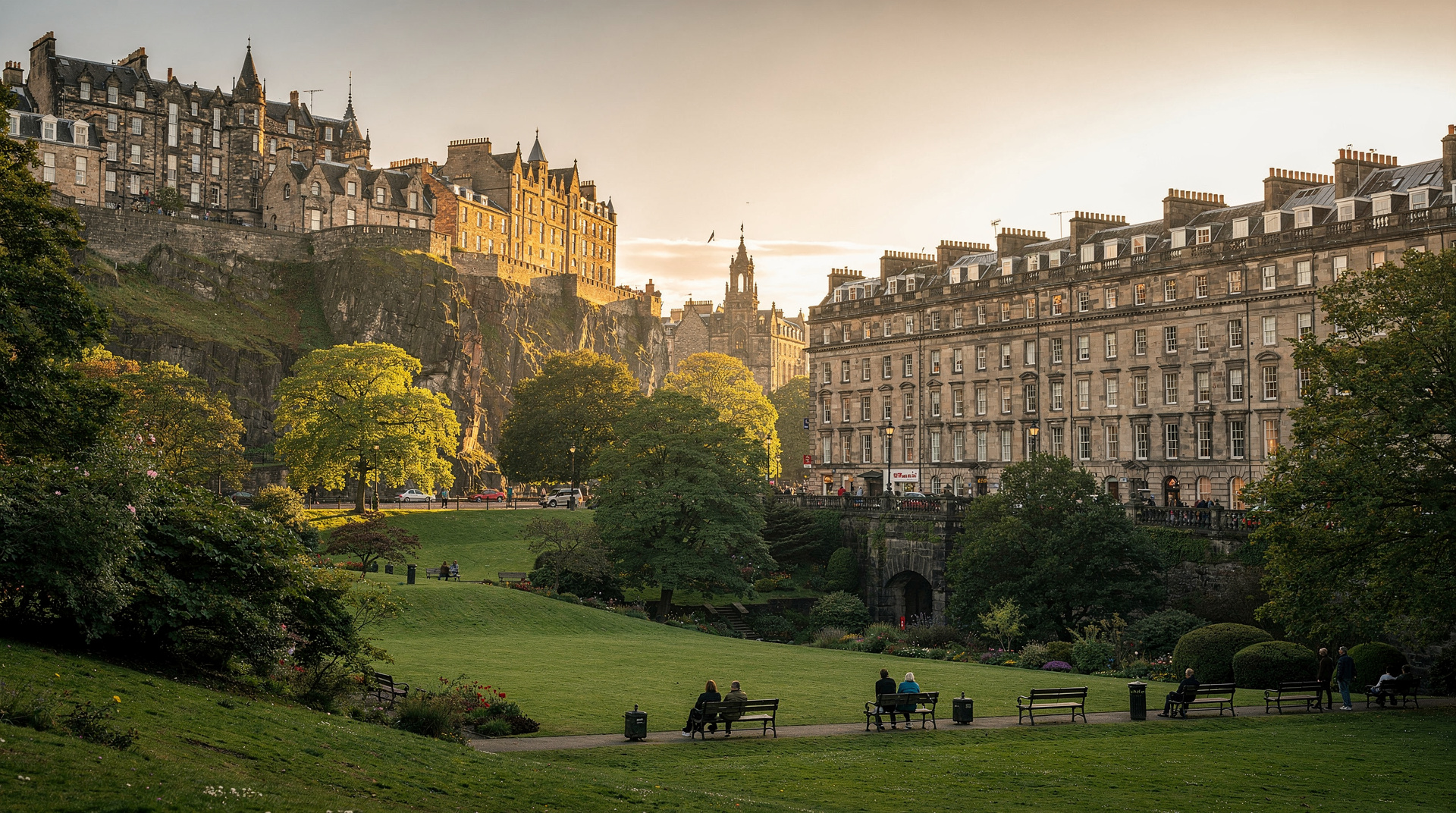
Another frequent trap is assuming the Royal Mile is representative of Edinburgh as a whole and not venturing into the New Town or Old Town vs New Town comparison at all. The Georgian New Town, a fifteen-minute walk downhill, is a completely different architectural and commercial character — wider streets, Georgian terraces, and a shopping district (George Street, Princes Street) with none of the Royal Mile’s tourist-trap density. Visitors who only see the Royal Mile leave with a skewed impression of what Edinburgh’s city centre actually looks like.
Overpriced attractions beyond the Royal Mile
The tourist-trap dynamics described here are not unique to the Royal Mile. The overpriced Edinburgh attractions guide covers the wider pattern across the city — certain paid “experiences,” poorly-value combo tickets, and attractions that trade on branding rather than content. Reading it alongside this guide gives a fuller picture of where value genuinely exists in Edinburgh’s tourist economy and where it does not.
The honest verdict on walking the Royal Mile as a tourist
The Royal Mile repays a slow, curious walk with a good map or guide — ducking into closes, going off the main street into wynds and courtyards, stopping at St Giles’ Cathedral rather than walking past it, and reading the building-mounted historical plaques that most visitors ignore. Walked that way, it is one of the best urban history walks in Europe.
Walked fast along the main street, buying things and eating in the tourist restaurants, it is an overpriced disappointment.
The difference is entirely approach. The physical street is the same. What you extract from it depends on whether you are engaged with the history or just passing through it.
For a guided version that unlocks the close context and building history, the Royal Mile Old Town walking tour is a good introduction that can be followed up with independent exploration. See the Royal Mile guide for the fuller historical context.
Frequently asked questions about the Royal Mile
Is there anything worth buying on the Royal Mile?
Royal Mile Whiskies at the top end is genuinely recommended for whisky. A handful of independent bookshops and art galleries exist among the tourist shops — look for the ones that are not selling tartan. The National Museum gift shop (a short walk off the Mile) is the best place for quality Scottish gift items. See the tartan tat shops guide for more specific advice on what to avoid and where to shop instead.
What is the best time to walk the Royal Mile?
Early morning (before 9am in summer) when the streets are nearly empty and the closes are atmospheric. Late evening after 8pm when the coach tour groups have left. Midday on a busy day in July or August is the worst time — the Royal Mile becomes so crowded it is difficult to walk without being caught in a slow-moving mass of tourists.
Are the tourist restaurants on the Royal Mile as bad as they sound?
Not uniformly — there are decent restaurants on the Mile. But the pricing is systematically higher than equivalent quality elsewhere in Edinburgh, and the worst tourist traps are genuinely bad. The safest approach is to read recent Google or Tripadvisor reviews specifically for value before entering. For dinner, the default should be to eat off the Mile.
How do you tell a good walking tour from a bad one?
Check that the tour operator specifies what historical content it covers rather than just promising “fun” or “unforgettable” experience. Read reviews specifically mentioning the guide’s knowledge and whether the historical content was accurate and interesting. Tours booked through reputable platforms (GetYourGuide, Viator) have verified reviews that are harder to fake than promotional materials. See the tour comparison guide.
Is the Royal Mile safe at night?
Generally yes, though late Saturday nights around the Grassmarket and Cowgate can be rowdy with bar and club output. The Royal Mile itself at night in summer is still busy with restaurant and pub traffic but not unsafe. Normal urban precautions apply — keep valuables secure, be aware of your surroundings in the closes after dark.
How do you avoid the Royal Mile crowds?
Visit early morning or late evening, or use the parallel streets (George IV Bridge, the Lawnmarket, the Canongate) rather than the Royal Mile’s main strip. For avoiding crowds in the broader Edinburgh context, see the guide to avoiding peak crowds.
Is it worth doing a guided tour of the Royal Mile, or is it a waste of money?
It depends on your interest level. A good tour genuinely unlocks context — building history, the stories behind specific closes, social history — that is not obvious from a self-guided walk. A mediocre tour is mostly costumed theatre with limited historical substance. Reading recent reviews for a specific operator before booking is the reliable way to tell the difference.
What is the single biggest Royal Mile mistake first-time visitors make?
Treating the main street as the destination rather than the route. The Royal Mile’s actual value is almost entirely in the closes, the free historic buildings, and the ability to step one street away for food and shopping — not in what is directly in front of you as you walk down the paved thoroughfare.
Should I base my accommodation on the Royal Mile itself?
It is convenient for sightseeing but often noisy, especially in summer and during the Fringe, and hotel and short-let prices directly on the Mile carry a location premium similar to the restaurants. A room a few streets away — in the Grassmarket, Southside, or New Town — is typically quieter and better value while remaining within easy walking distance of everything the Royal Mile has to offer.
Top experiences
Bookable activities with verified prices and instant confirmation on GetYourGuide.