Overpriced Edinburgh attractions: honest value assessment for 2026
Edinburgh Castle: guided walking tour with entry ticket
Which Edinburgh attractions are overpriced?
The Edinburgh Eye (a temporary ferris wheel), some Royal Mile 'experience' shops, and several ghost tours charge high prices for low-quality experiences. Edinburgh Castle and Camera Obscura are expensive but worth it. Several world-class attractions — National Museum, Scottish National Gallery, Arthur's Seat — are completely free.
Honest value assessment: what Edinburgh’s attractions actually cost
Edinburgh’s major attractions charge prices that compare broadly with equivalent attractions in other UK cities. The question of “overpriced” depends on what you compare it to and what you get for your money. This guide gives honest value assessments for each major paid attraction — not to discourage visiting Edinburgh, but to help you allocate your budget to things that will genuinely deliver.
The core finding: Edinburgh has some of the best free attractions in the UK. If your budget is tight, you can spend three extraordinary days here spending almost nothing on entry fees.
| Genuinely worth it | Edinburgh Castle, Mary King’s Close, Royal Yacht Britannia |
| Mixed value | Dynamic Earth, Edinburgh Dungeon, hop-on hop-off bus |
| Overpriced | ”Scottish experience” shows, some ghost tours, Edinburgh Eye |
| Best free options | National Museum, National Gallery, Arthur’s Seat, Calton Hill |
| 3-day paid budget | Roughly £90-110 for two adults on the essentials |
Edinburgh Castle: expensive, but worth it
Cost in 2026: £23.50 per adult booked online, £11.50 per child aged 7-15 (under 7 free). Guided tours from £28-36 per adult.
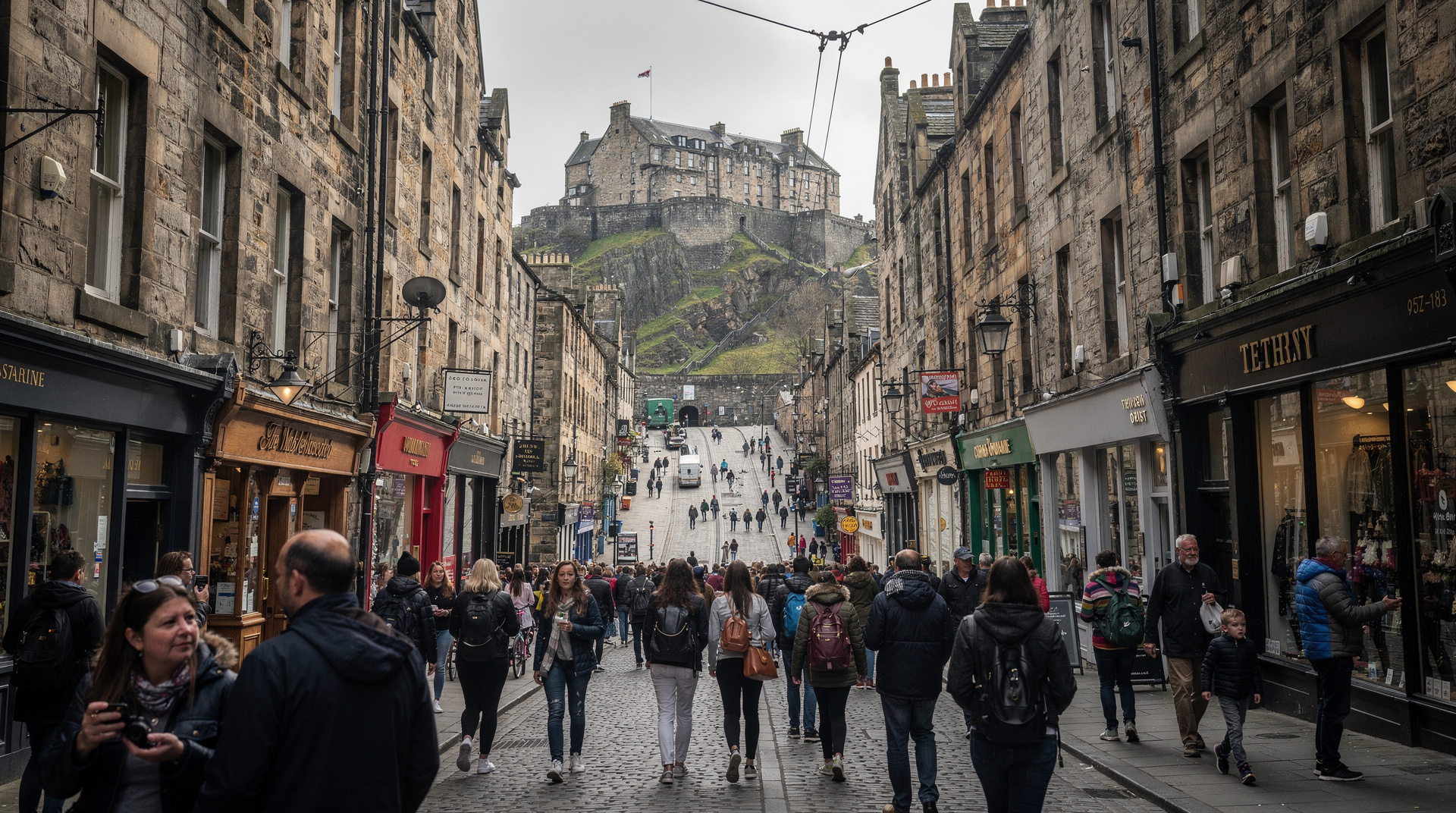
The honest assessment: Edinburgh Castle is genuinely worth the entry price for most visitors. The Crown Room — with the Honours of Scotland (crown jewels) and the Stone of Destiny — is arresting. The Scottish National War Memorial is exceptional. The views from the upper battlements are extraordinary. For a first visit to Edinburgh, this is not an attraction to skip.
The value proposition improves with a guided tour. A self-guided visit with the audio guide is fine, but the context and narrative that a live guide provides makes the experience significantly richer. The guided Edinburgh Castle entry tour at around £28-36 gives you both the ticket and a guide — better value for a first visit than entry-only.
Who might question the value: Visitors who have already been to the Tower of London or Windsor Castle may find Edinburgh Castle somewhat modest by comparison. The castle is genuine and historic, but the visitor infrastructure is not as polished as the biggest English royal attractions. Those on tight budgets should note that the free views from Princes Street Gardens, the Grassmarket, and Calton Hill are genuinely excellent and cost nothing.
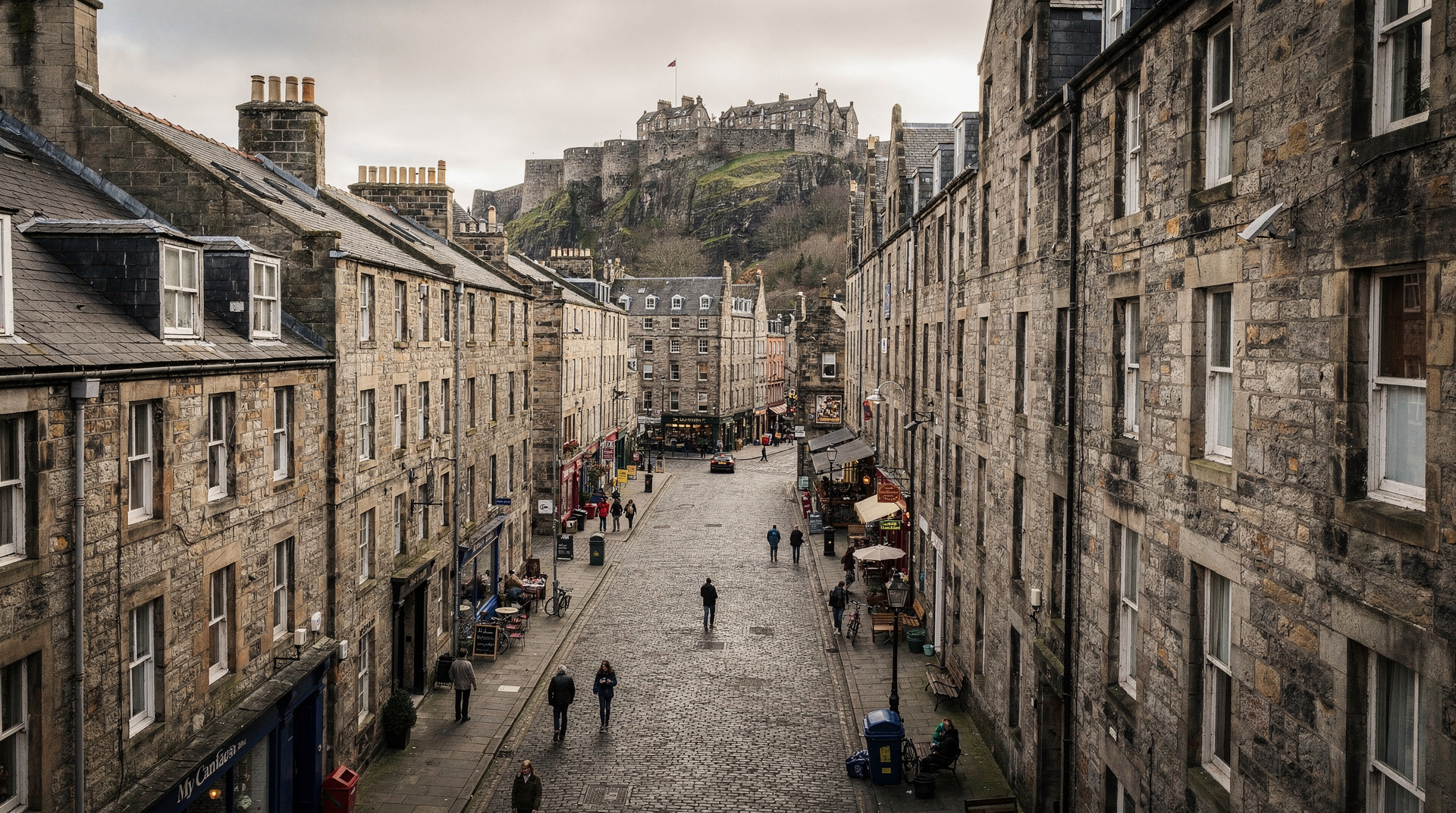
The free alternative for the castle exterior: The views of Edinburgh Castle from Princes Street Gardens, Johnston Terrace, and the Grassmarket below are among the best in the city. You can photograph the castle from extraordinary angles for free. See the Edinburgh Castle guide for advice on the best external viewpoints.
Camera Obscura: worth it
Cost in 2026: £24.95 per adult, £17.95 per child aged 5-15 (under 5 free).
The honest assessment: Camera Obscura and World of Illusions delivers genuine value. Five floors of interactive content plus the historic camera obscura device itself justify the ticket price for families and groups. For solo visitors who are less interested in interactive exhibits, the value equation is closer — you get the building’s views and the camera obscura room, which is interesting but brief if you are not engaged by the illusion floors. See the family attractions guide.
The Real Mary King’s Close: excellent value
Cost in 2026: £28.50 per adult and £21 per child for the standard ticket; £25 and £18.25 for the Essential ticket.
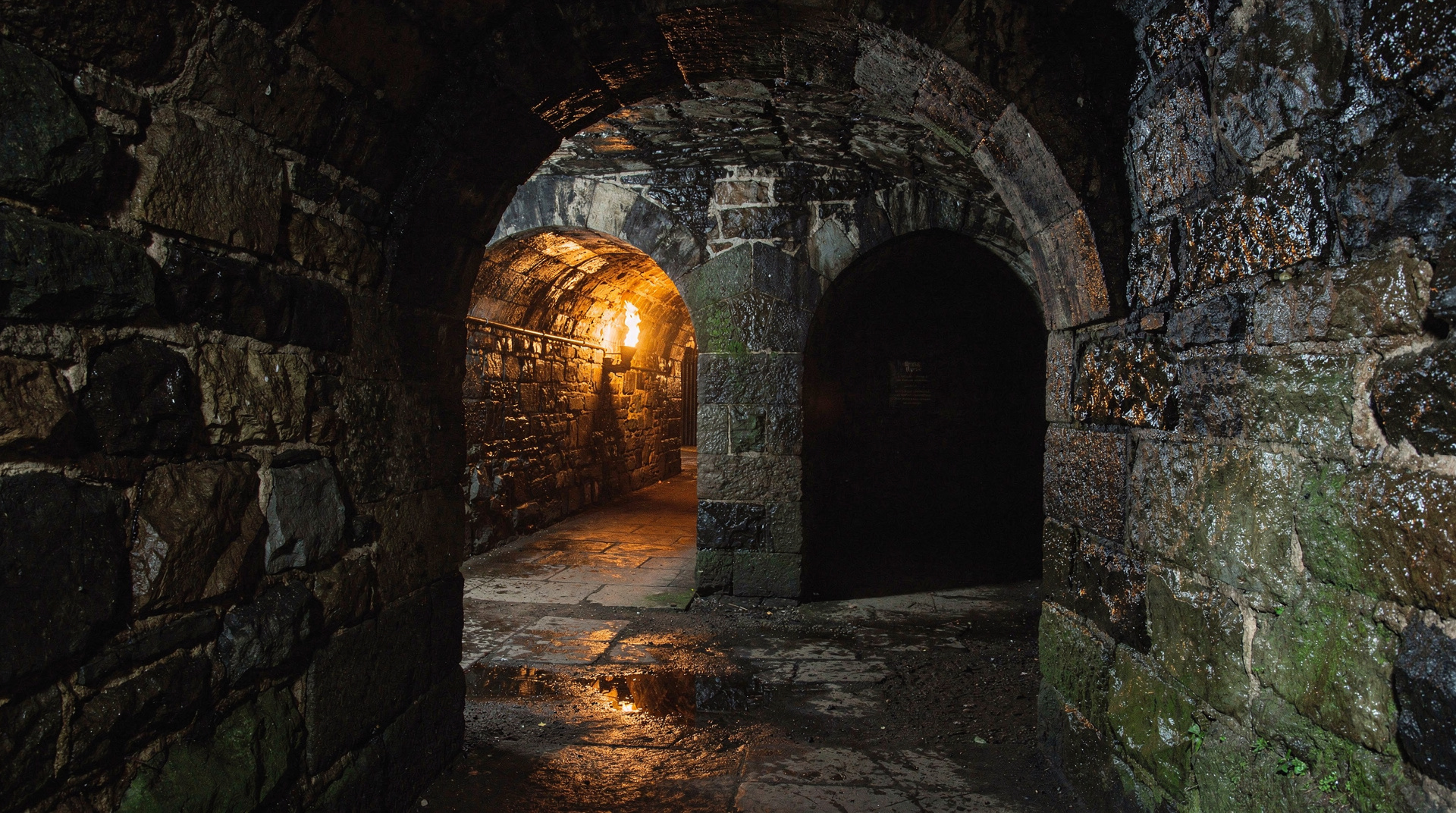
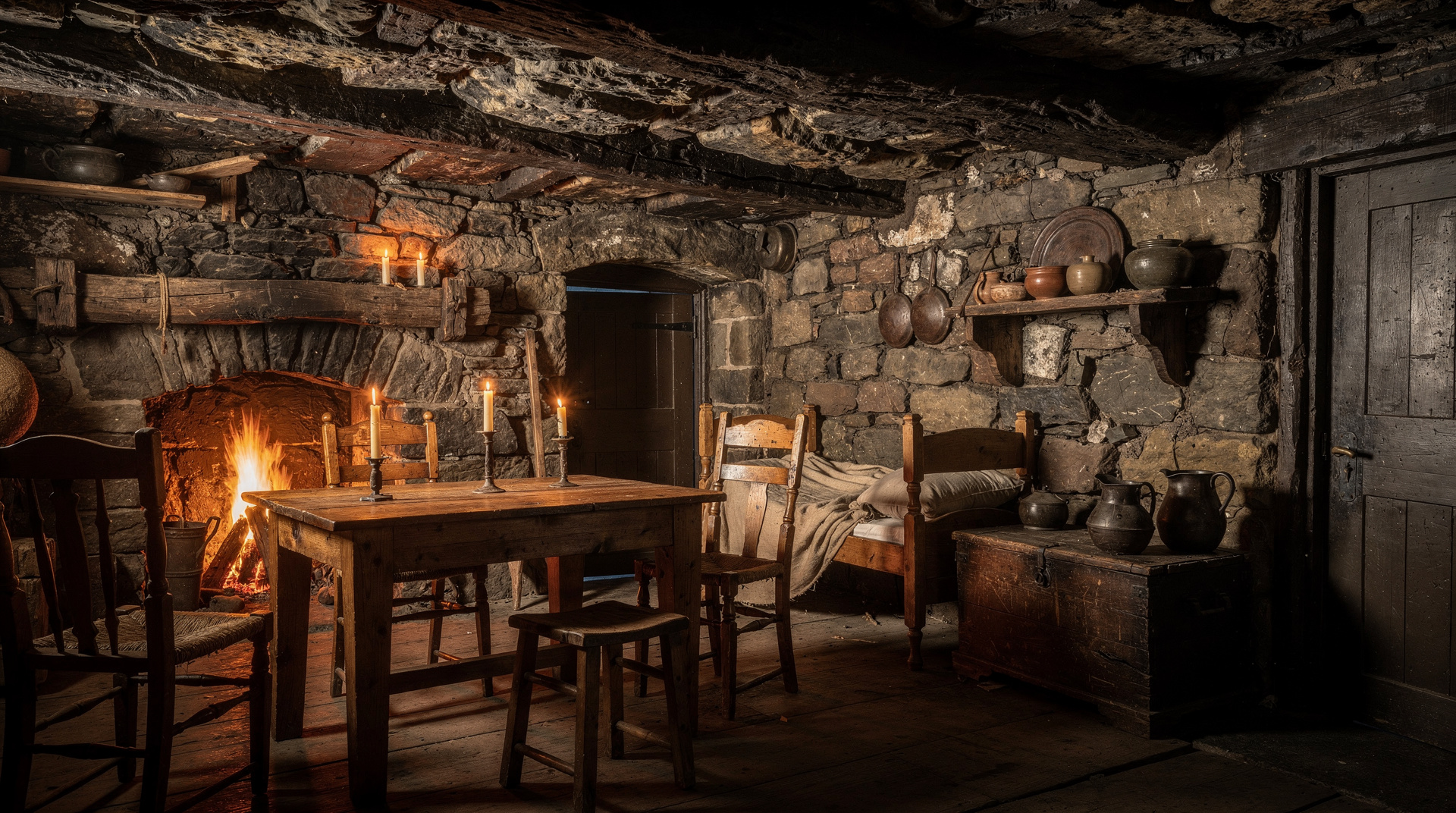
The honest assessment: Mary King’s Close is one of Edinburgh’s most distinctive experiences — a series of preserved underground streets and rooms sealed beneath the Royal Mile since the eighteenth century. The guided tour (45-60 minutes) is well-scripted, historically accurate, and genuinely atmospheric. The Real Mary King’s Close guided tour is one of Edinburgh’s better value paid attractions. It mixes genuine history with supernatural legend without pretending the two are equivalent, which is the right approach.
The Edinburgh Dungeon: mixed value
Cost in 2026: From £19 per adult for a standard ticket, from £24 for a flexible ticket.
The honest assessment: Good value for older children and teenagers who enjoy theatrical horror. Not good value for adults seeking genuine historical insight — the experience prioritises entertainment over accuracy. Book online for the significant discount (often £4-6 off the door price). See the Dungeon review for the full assessment.
Dynamic Earth: good value for families, borderline for adults
Cost in 2026: See the official Dynamic Earth website for current prices.
The honest assessment: The production values at Dynamic Earth are high and the immersive format works well for children. For adults without children, the content — aimed at a family audience — may feel light. If you are visiting Edinburgh primarily for its cultural and historical richness rather than its science attractions, Dynamic Earth might not be the best use of the ticket price. For families with children aged six and above, it is worth it.
Royal Yacht Britannia: very good value
Cost in 2026: £23 per adult booked online, £11.50 per child aged 7-15 (under 7 free).
The honest assessment: The Britannia delivers excellent value. The ship is genuinely impressive in scale, the royal apartments are fascinating, and the two to three hours you spend on board are well-spent. The audio guide is well-produced. The Britannia ticket is one of the better investments in Edinburgh’s paid attraction portfolio. The 20-minute bus journey to Leith is not a problem if you plan the day accordingly.
The underground vaults: good value for the right tour
Cost in 2026: £15-22 depending on the tour type.
The honest assessment: The underground vaults themselves are genuinely atmospheric and historically interesting — a sealed Victorian underground network beneath the South Bridge. The value depends entirely on which tour you take. The original historical vaults tour (daytime) is excellent. Some of the ghost tour variants are more theatrical than historical and charge premium prices for what is essentially a slightly scary drama performance. The original underground tour represents good value. See the ghost tours guide for how to choose between the options.
What is genuinely overpriced
The Royal Mile has several attractions that fit into the “overpriced for what you get” category:
Generic “Scottish experience” shows in tourist shops: Several Royal Mile premises advertise a “Scottish experience” or “clan history” show for £12-18. These are typically 15-20 minutes of video and prop display. The content is usually superficial and available for free at the National Museum.
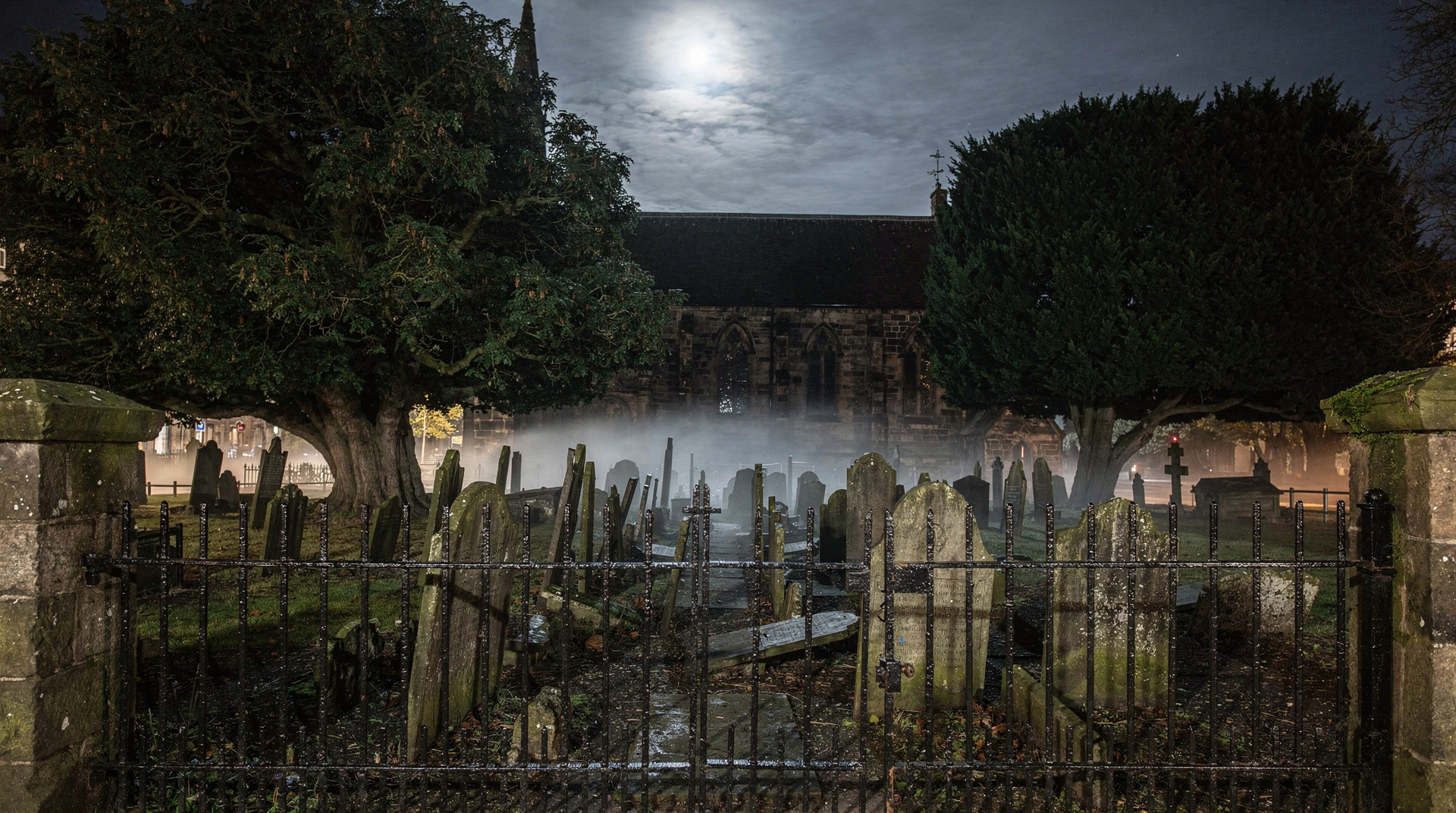
Some ghost tours: The ghost tour market is crowded with operators of varying quality. Tours that charge £18-22 per person for what amounts to a walking route with theatrical jump scares represent poor value. The quality range is significant — see the ghost tours guide for specific recommendations.
Hop-on hop-off bus: At £17-20 per adult, the hop-on hop-off bus is genuinely useful for one day if you have limited walking ability or want to cover widely separated attractions. For visitors who are comfortable walking, the same ground can be covered on foot or with Lothian Buses (day ticket £4.50). Not inherently overpriced, but often purchased by visitors who then mostly walk anyway.
Edinburgh Eye: When the temporary observation wheel is in operation (usually Christmas and August), it charges £12-15 per person for a 5-7 minute ride. The views, while reasonable, are not significantly better than free viewpoints like Calton Hill, the Scott Monument (£6), or simply standing in Princes Street Gardens.
Whisky tours in tourist shops: Several Royal Mile shops offer “whisky experience” tastings for £20-30 that amount to tasting three drams in a retail context. Proper whisky tastings at the Scotch Whisky Experience or through genuine tour operators offer significantly more content and quality at similar or only slightly higher prices. See the whisky tasting guide.
The best free attractions in Edinburgh
This is where Edinburgh genuinely excels. The following are all completely free:
National Museum of Scotland: World-class, covering natural history and Scottish culture. Easily two to three hours. Free. Probably the single best attraction in Edinburgh on a per-pound basis.
Scottish National Gallery and Portrait Gallery: The main gallery on The Mound has Raphael, Rubens, and an outstanding Impressionist collection. The Portrait Gallery on Queen Street covers Scottish history through portraiture. Both free.
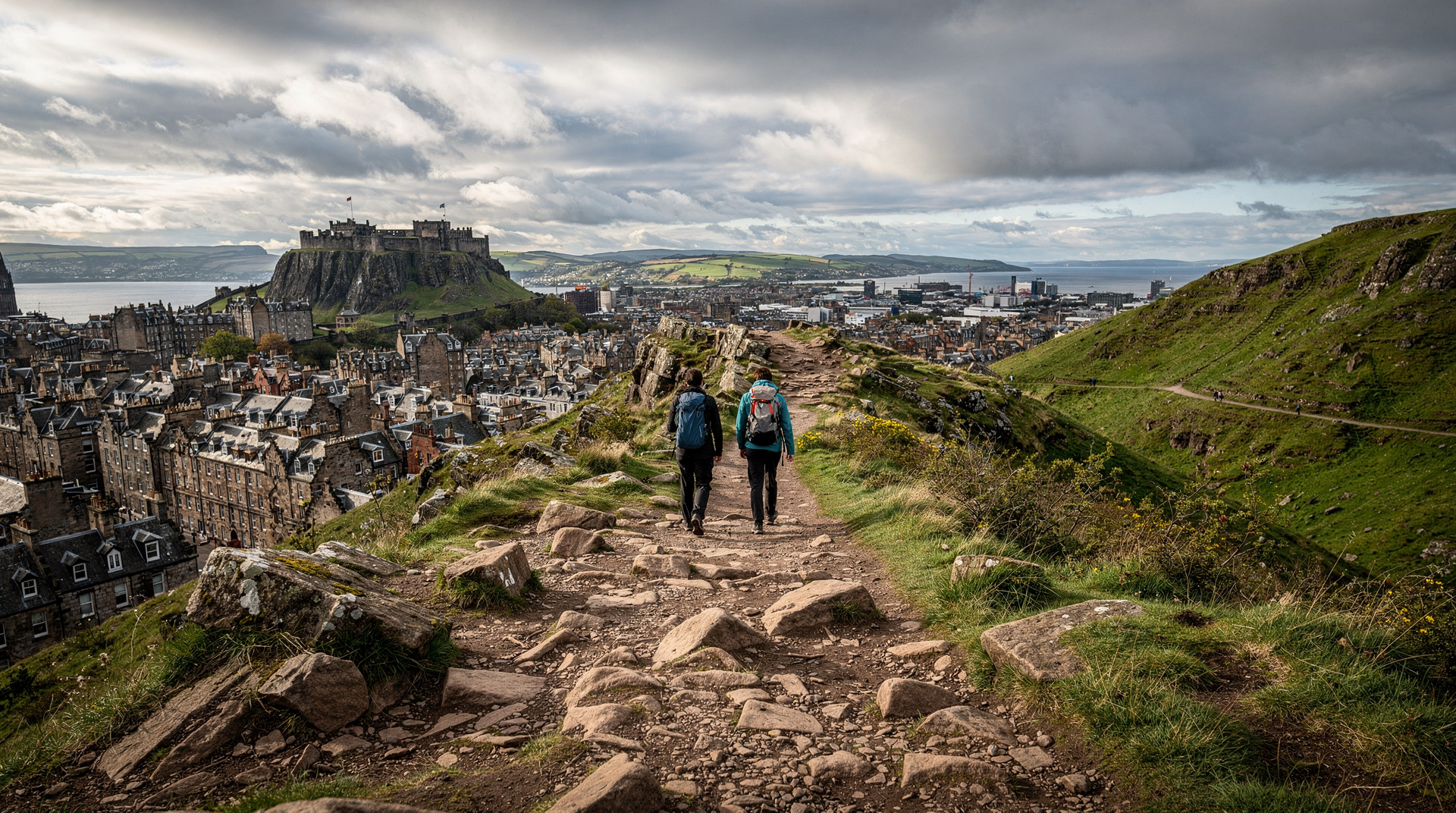
Arthur’s Seat: The extinct volcano in Holyrood Park is Edinburgh’s most physically dramatic experience. Free to enter, free to climb, extraordinary views. Allow 90 minutes for the summit route. See the Arthur’s Seat guide.
Calton Hill: 15-minute walk from Princes Street, panoramic views over the city in all directions, distinctive neoclassical monuments (the National Monument, the Nelson Monument). Free.
Greyfriars Kirkyard: Free to visit. One of Edinburgh’s most atmospheric spaces. The Greyfriars Bobby statue is immediately outside. See the Greyfriars guide.
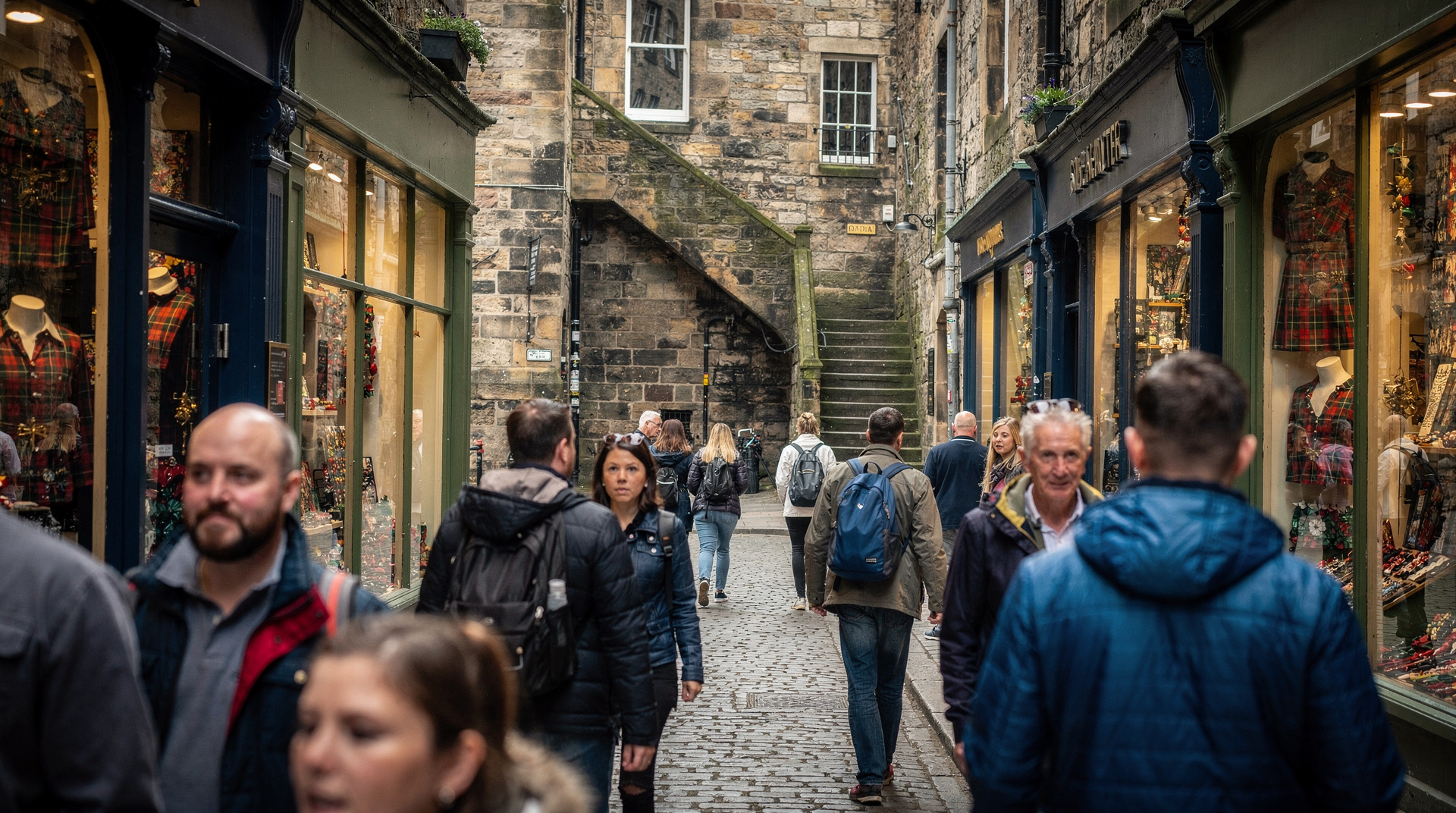
The Old Town closes: Publicly accessible and free. The closes and wynds off the Royal Mile give the most authentic sense of medieval Edinburgh available. No ticket required.
St Giles’ Cathedral: Entry is £12 for visitors aged 16 and over (free for under-16s and Scottish residents). See the cathedral guide.
Princes Street Gardens: Free, beautifully landscaped gardens below the castle with good views. The floral clock is a minor but distinctive attraction.
Planning strategy for value
On a three-day trip, a reasonable approach is:
- Pay for: Edinburgh Castle (one morning), one underground tour or Mary King’s Close, the Britannia (half-day)
- Free: National Museum, Arthur’s Seat, Calton Hill, Greyfriars, the closes
- Eat off the Royal Mile for all main meals
This gives a rich Edinburgh experience without paying tourist prices for tourist-grade experiences. See the Edinburgh on a budget guide for the full cost-saving strategy.
The free attractions in depth
The quality of Edinburgh’s free attractions is worth dwelling on, because they are not consolation prizes — they are genuinely among the best things the city offers.
National Museum of Scotland — what to prioritise: The museum’s main floor is organised around a large central court (the Victorian cast-iron and glass space) with galleries on multiple levels. For the most efficient visit, prioritise: the Ancient Egypt gallery (ground floor, well-curated), the Scottish History galleries on levels 3-5 (covering everything from the Wars of Independence to the Clearances), the Science and Technology gallery for children and anyone with engineering interest, and the Imagine gallery (third floor) for hands-on exhibits.
Dolly the Sheep is in the Science and Technology section. The roof terrace (accessed via the Scottish History galleries) has good views over the Old Town. See the National Museum guide.
Scottish National Gallery — what to prioritise: The ground floor has the European collection: Raphael’s Bridgewater Madonna, Titian’s Venus Anadyomene, Rubens, and a good range of Dutch Golden Age painting. The lower ground floor has the best Scottish collection including a complete series of The Seven Sacraments by Nicolas Poussin (rarely seen outside France) and the famous collection of Scottish Colourists. The Impressionist works (Monet, Pissarro, Gauguin) on the lower floor are excellent. Allow two hours minimum for a meaningful visit. See the National Gallery guide.
Arthur’s Seat — the routes honestly explained: The most common ascent from the Queen’s Park entrance at Holyrood takes about 45 minutes and gains 165 metres in height. The path is clear but steep in sections — use the south face route (via the saddle between Arthur’s Seat and Whinny Hill) for the most direct climb. The north face route via the Lion’s Head is more dramatic but involves a brief scramble on loose rock.
Both routes are manageable for most reasonably fit people in good weather. Bring proper footwear and layers — the summit is genuinely windy even on calm days below. The views on a clear day extend to the Pentland Hills to the south, the Forth Bridge to the west, and the coast of Fife to the north. See the Arthur’s Seat guide.
Calton Hill — the view nobody talks about enough: Calton Hill’s summit (15-minute walk from Princes Street up the steps on Waterloo Place) provides a 360-degree panoramic view that is arguably better than any paid viewpoint in Edinburgh. To the south: the Royal Mile and the castle on its volcanic plug. To the west: the Pentland Hills and the city spread across the Lothian plain. To the north: the Forth estuary and Fife. To the east: Salisbury Crags and Arthur’s Seat. The National Monument, Nelson Monument, and City Observatory on the summit are interesting in themselves. Free.
How to build a genuinely good Edinburgh itinerary without overspending
A three-day Edinburgh visit structured around the free attractions with selective paid additions:
Day 1: Arthur’s Seat hike (morning, free, 2.5 hours), lunch at the Mosque Kitchen (budget, £7-10), National Museum of Scotland (afternoon, free, 2+ hours), Greyfriars Bobby and kirkyard at dusk (free), dinner at Grassmarket pub (£12-18 main).
Day 2: Edinburgh Castle (paid, pre-book, arrive at opening, £23.50 adult / £11.50 child), Royal Mile walk through the closes (free), Scottish National Gallery (afternoon, free, 1.5 hours), Calton Hill at sunset (free), dinner at Stockbridge independent restaurant (£15-22 main).
Day 3: Real Mary King’s Close or underground vaults (paid, from £25 for Mary King’s Close, morning), Dean Village walk (free, 30-45 minutes), Botanic Garden (free, Edinburgh’s excellent botanic garden), day trip to North Berwick or Rosslyn Chapel (train fare, £10-20 return).
Total paid attraction costs for three days (two adults): roughly £90-110 for the castle, Mary King’s Close / vaults, and transport. Everything else is free. This is a full, high-quality Edinburgh experience that most paid itineraries cannot match.
The value case for organised tours (with honest pricing)
Organised tours represent a different kind of value proposition. They are not primarily about getting access to places you cannot reach independently — most Edinburgh attractions are independently accessible. They are about getting a guide who transforms what you see from architecture into story.
The value calculation for a walking tour (£15-25 per person for two hours): you are paying for the guide’s knowledge and interpretation. If the guide is good, you understand Edinburgh — the closes, the buildings, the history — in a way that takes independent visitors several days to piece together from reading. If the guide is mediocre, you have walked the Royal Mile with commentary.
The best-value Edinburgh tours are the historical walking tours (Old Town history, Royal Mile secrets) because the guide’s knowledge is the entire product. The worst-value tours are those that add theatrical elements to historical content without adding insight.
See the guide to choosing an Edinburgh tour for operator comparisons.
Peak season versus off-season pricing
Most Edinburgh attractions charge the same admission price year-round — unlike hotels and some tours, ticket prices do not typically surge for August or December. What changes with season is value for money in a different sense: in August, during the Fringe, the same £23.50 castle ticket buys you a considerably more crowded experience, with longer queues even for pre-booked slots and less breathing room in the busiest rooms. Visiting the same attractions in April, May, or late September delivers a materially better experience for an identical price. If your travel dates are flexible, shoulder-season visits are the single best “discount” available on Edinburgh’s paid attractions, even though no discount is actually applied.
Family and group ticket value
Most major attractions offer family tickets (typically two adults plus up to three children) that save 10-20% against buying individual tickets, and group rates for parties of ten or more that can be worth arranging even for slightly smaller groups by asking directly. Children under five are free at nearly every Edinburgh attraction, including the castle, Mary King’s Close, and the Britannia. For families visiting three or more paid attractions, tallying the family-ticket savings across the whole trip is worth the five minutes it takes — the difference across a three-day visit for a family of four can run to £30-40.
The verdict on multi-attraction passes
Edinburgh’s bundled city passes (typically covering the castle, one or two other paid attractions, and the hop-on hop-off bus) are worth it only if you would have visited every included attraction anyway at full price. Run the arithmetic before buying: add up the standalone prices of everything you would genuinely visit, and compare it to the pass price. Passes that bundle in the hop-on hop-off bus are frequently poor value for visitors who plan to walk Edinburgh’s compact centre on foot, since the bus contributes little if you were never going to use it more than once. See the Edinburgh Pass review for a detailed breakdown of current pass options and their inclusions.
Frequently asked questions about Edinburgh attraction value
Is Edinburgh Castle worth the entrance fee?
For most first-time visitors, yes. The Crown Jewels, the Stone of Destiny, and the War Memorial are genuinely impressive, and the views from the battlements are exceptional. For visitors who have been before, the value depends on what has changed since their last visit — the castle adds new exhibitions periodically. At £23.50 per adult, it is in line with equivalent UK historic attractions.
What is the single best value paid attraction in Edinburgh?
The Royal Yacht Britannia offers strong value for the price. The National Museum of Scotland is the best value overall, being free. Among tours, the underground vaults original tour delivers genuine historical depth at a fair price.
Are there Edinburgh Explorer passes or city passes worth buying?
Edinburgh has various bundled ticket options. Check the specific inclusions against what you actually plan to visit before buying. Many bundled passes include the hop-on hop-off bus, which is only worth it if you will use it multiple days. Run the arithmetic — if the pass covers three attractions you would have paid full price for, it makes sense; if it includes attractions you would not visit independently, it does not.
What is Arthur’s Seat really like?
Arthur’s Seat is a proper 251-metre hill climb, not a casual stroll. The main route from Holyrood takes 40-60 minutes each way and involves some steep sections. It is manageable for most reasonably fit people in good weather. Wear proper footwear and bring layers — the wind at the summit can be cutting even on warm days. The views are genuinely extraordinary and worth every minute of the climb. See the Arthur’s Seat guide.
Do attraction prices change between summer and winter?
Rarely for admission itself — most Edinburgh attractions charge the same price year-round. What changes is opening hours (several sites reduce hours or close entirely in the depths of winter) and crowd levels, which peak in August. Visiting the same £18-20 attractions in the quieter shoulder months delivers noticeably better value for an identical price.
Are there any genuinely free guided experiences in Edinburgh?
Yes. Several walking tour companies operate on a “free” tip-based model where you pay what you think the tour was worth at the end. Quality varies by guide, but this can be excellent value for a first orientation walk. Beyond guided options, self-guided free routes — the Old Town closes, Calton Hill, the Royal Mile itself — deliver a comparable depth of experience with a good guidebook or app in hand.
Top experiences
Bookable activities with verified prices and instant confirmation on GetYourGuide.