National Museum of Scotland: the complete visitor guide
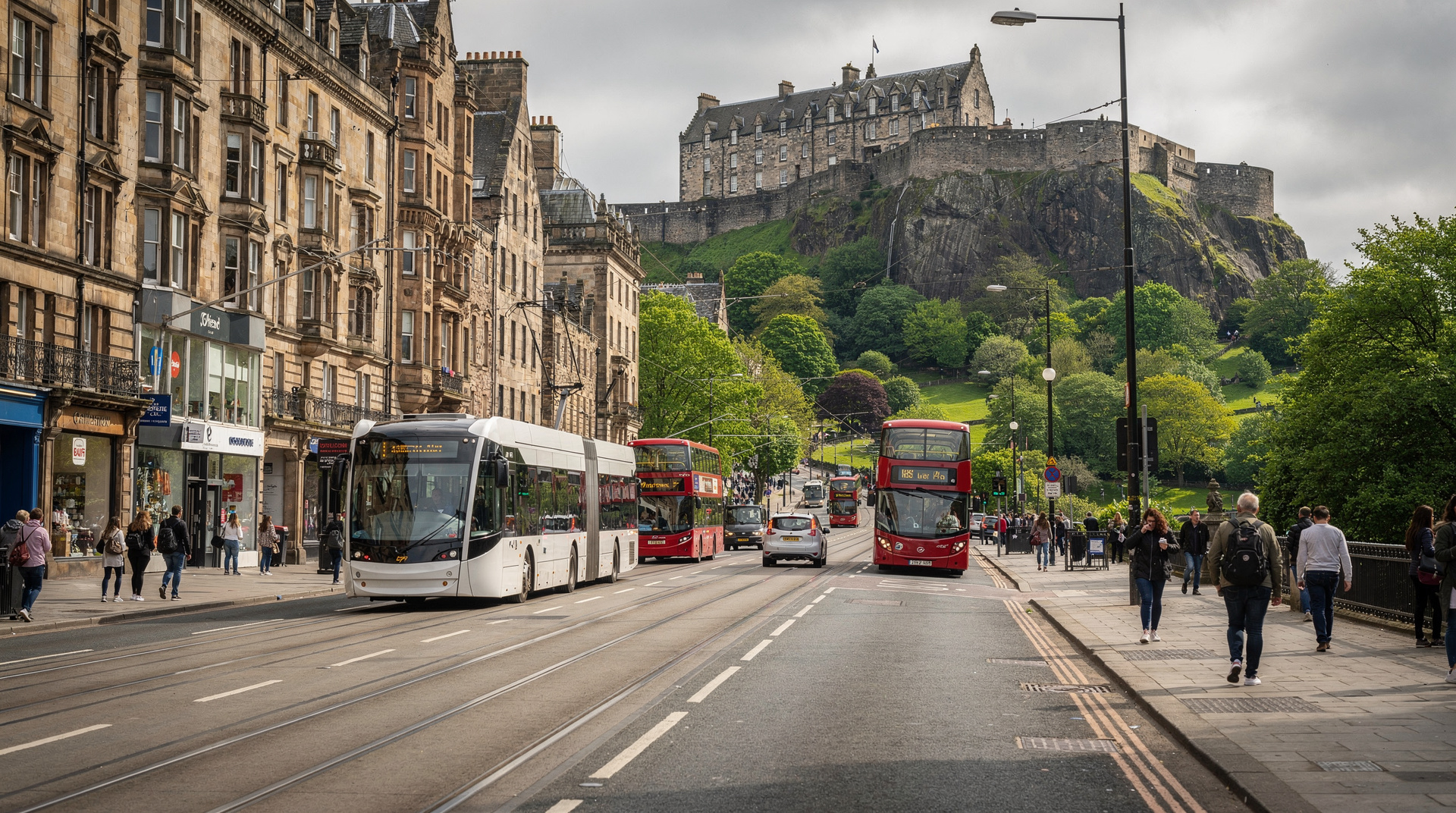
Edinburgh: City Sightseeing hop-on hop-off bus tour
Is the National Museum of Scotland worth visiting?
Absolutely — and it is free. The National Museum covers Scottish history, science, design, and world cultures across six floors in a spectacular Victorian and modern building in the Old Town. Allow at least half a day; a full day is well spent. The Grand Gallery alone is one of the finest museum spaces in the UK.
One of Europe’s finest free museums
The National Museum of Scotland on Chambers Street in the Old Town is among the best museums in the UK and costs nothing to enter. This combination — world-class collections, exceptional building, zero admission charge — makes it one of Edinburgh’s most valuable visitor experiences, yet it is often overlooked by visitors who spend their time and money on attractions nearby. The castle is worth visiting; this museum, a ten-minute walk away, is also worth visiting and requires no ticket.
The building itself is a story. The older section — a grand Victorian edifice opened in 1866 as the Industrial Museum of Scotland — wraps around the spectacular Grand Gallery, a soaring cast-iron and glass roof supported by slender columns six stories high. The newer section, opened in 1998 and designed by Benson and Forsyth, connects seamlessly with the Victorian structure while being unmistakably contemporary: a sandstone tower at the corner of Chambers Street and Greyfriar Bobby’s Close that has become part of Edinburgh’s skyline.
Together they contain over two million objects across collections that span Scottish history from the earliest human settlement to the twenty-first century, natural history, science and technology, decorative arts and design, fashion, and world cultures. The challenge is not finding something interesting — it is choosing where to spend your time.
| Where | Chambers Street, Old Town |
| Cost | Free (permanent collections); temporary exhibitions around £10–£15 |
| Time needed | Half a day minimum; a full day for the main galleries |
| Getting there | 15-min walk from Waverley; 10-min walk from the Castle |
| Best time | Weekday mornings at opening (10am) for the quietest galleries |
Best galleries by time available
| Time available | Priority galleries |
|---|---|
| 1 hour | Grand Gallery, Lewis Chessmen, Dolly the sheep |
| 2 hours | Add the Monymusk Reliquary and the science galleries with the Watt Engine |
| Half day | Full Scottish history sequence plus one other section (natural world or world cultures) |
| Full day | All of the above plus decorative arts, a proper lunch at the Tower Restaurant, and any current temporary exhibition |
The Grand Gallery: start here
Before exploring individual galleries, spend time in the Grand Gallery — the central atrium of the Victorian building. It is one of the finest museum spaces in Europe: four tiers of tiered galleries looking down on the main floor, natural light from the glass roof, and objects displayed on the main floor that include a suspended sperm whale skeleton and a parade of large items that would not fit in conventional gallery cases.
The Grand Gallery functions as both introduction and orientation — from any of the upper tiers you can look down into the main floor and up at the ceiling, and the scale alone tells you something about the ambition of what surrounds it. Spend ten minutes here before you start exploring galleries.
Scottish history galleries: from the beginnings to the modern era
The Scottish history section, spread across several floors of the 1998 building, is the museum’s most visited and most important sequence. It traces Scotland from the earliest human presence — Mesolithic shell middens on the western islands, Bronze Age metalwork, Iron Age hillforts — through the Roman occupation (the Antonine Wall, the Roman frontier in Scotland), the early medieval period (the Picts and their extraordinary carved stones), the Kingdom of Scotland, the Wars of Independence, and the Reformation.
What to prioritise on a first visit:
The Monymusk Reliquary — a tiny eighth-century house-shaped casket that may have carried a relic of St Columba — is one of the most important early medieval objects in Scotland and easy to miss. It is in the Early People gallery and worth finding specifically.
The Lewis Chessmen — 93 chess pieces carved from walrus ivory and whale’s tooth, probably in Norway in the twelfth century and found on the Isle of Lewis in 1831 — are among the most famous objects in the museum and genuinely arresting in person. The expressions on the faces of the warrior pieces are remarkably vivid after eight hundred years.
The Maiden — a sixteenth-century Scottish guillotine, the precursor to the French version and used in Edinburgh for public executions on the High Street — is a sobering object that connects the museum’s collection directly to the history of the Old Town you have just walked through.
The industrial and modern history galleries cover the Scottish Enlightenment, the Industrial Revolution (Scotland’s contribution to which was enormous), and the twentieth century. The section on Scottish emigration and the diaspora is thoughtful and moving.
Natural world galleries
The Natural World galleries cover geology, evolution, and Scotland’s specific natural history across landscapes that range from deep sea to mountain summit. The taxidermy and fossil collections are substantial, and the presentation is designed to be engaging for visitors of all ages.
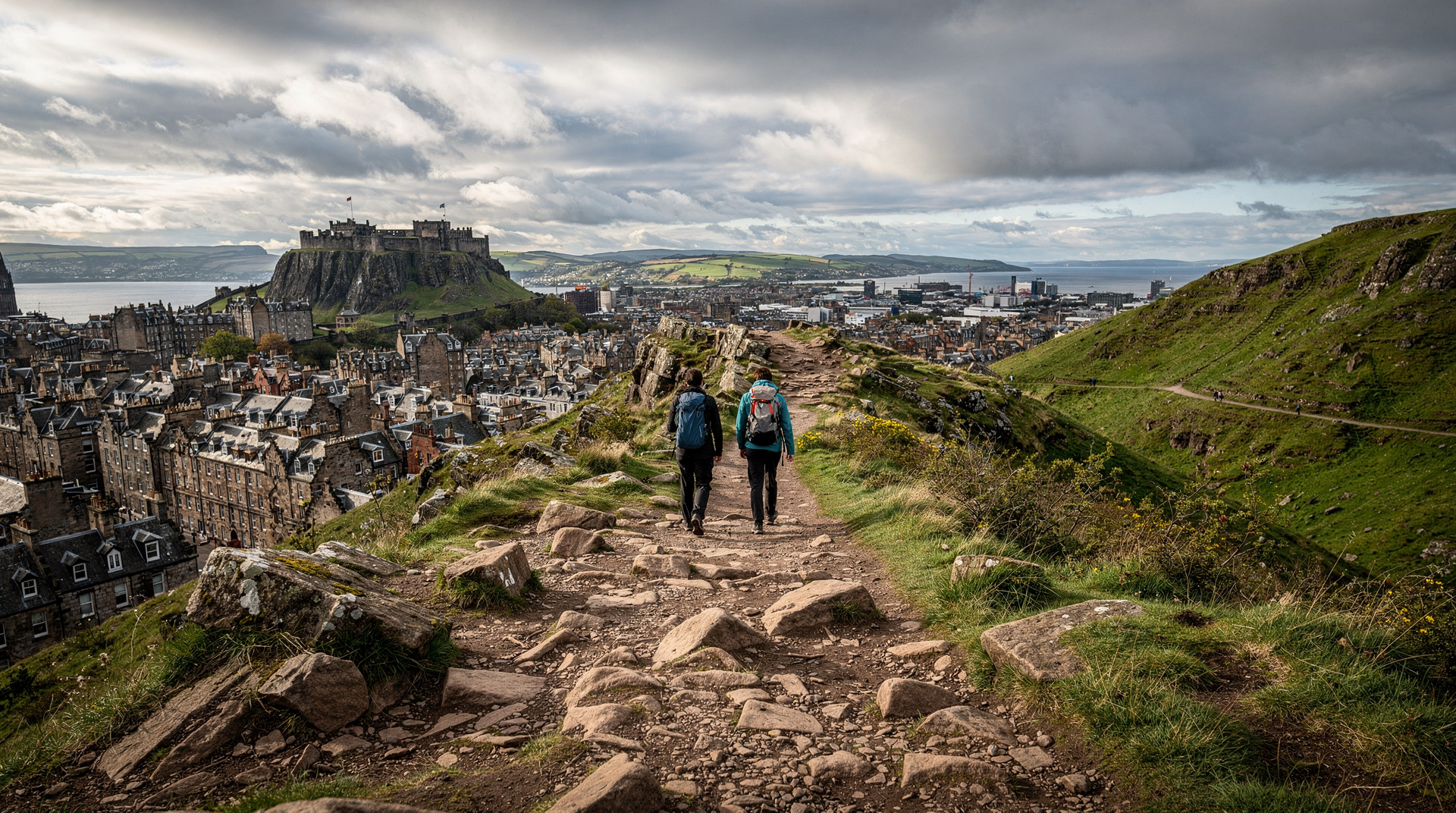
The geology section has particular Edinburgh relevance: the city sits on an ancient volcanic complex and the rock beneath the castle is the remnant of a volcano that was active around 340 million years ago. Understanding this geology in the museum, then walking out into the city and looking at the same rock formations, is one of the more satisfying Edinburgh experiences.
The whale skeleton in the Grand Gallery is a humpback whale that was stranded at Longniddry Bents in East Lothian in 2001 — there is something specifically meaningful about a whale from a local beach being preserved here.
Technology and science: Scotland’s surprising contribution
Scotland’s contribution to science and technology is wildly disproportionate to its population. The museum’s science galleries are an opportunity to understand why: James Watt’s steam engine improvements that powered the Industrial Revolution; James Clerk Maxwell’s electromagnetic field equations that are the foundation of all modern physics; Alexander Graham Bell’s telephone; John Logie Baird’s television; the development of penicillin by Alexander Fleming (a Scot trained in Edinburgh); Dolly the sheep — the first mammal cloned from an adult cell, created at the Roslin Institute just outside Edinburgh in 1996.
Dolly’s taxidermied remains are displayed in the museum and represent one of the most significant biological achievements in modern history. The display puts her in context with the broader science of genetics and cloning.
The Watt Engine — an original James Watt steam engine from the late eighteenth century — is a highlight of the technology galleries and the tangible link between Edinburgh and the transformation of the modern world.
Decorative arts, design, and world cultures
The decorative arts galleries cover Scottish and European design from the medieval period to the present, with particular strengths in silver, ceramics, fashion, and twentieth-century design. The fashion collection, which includes items from the sixteenth century onward, is displayed with genuine curatorial intelligence about how clothing communicates social identity.
The world cultures galleries — covering Africa, the Americas, Asia, and Oceania — include significant collections from the era of empire alongside contemporary acquisitions that acknowledge the complex history of those holdings. The presentation is more reflective than celebratory, which reflects a broader shift in museum practice.
Dolly the sheep: the most famous exhibit
Dolly, born 5 July 1996 and euthanised on 14 February 2003, is taxidermied and displayed in the museum. She was created at the Roslin Institute from the mammary gland cell of a six-year-old Finn Dorset sheep — the first mammal to be cloned from an adult somatic cell rather than an embryo. The achievement was a landmark in biology and raised profound ethical questions about cloning, genetic manipulation, and the boundaries of biotechnology.
She is a small sheep, unremarkable in appearance. That unremarkableness is part of the point: the extraordinary thing that happened to produce her left no visible trace. The display around her explains the science carefully and is worth reading.
Practical information: making the most of your visit
Opening hours: 10am–5pm daily; closed 25 December, open noon–5pm on 26 December and 1 January (official National Museums Scotland site).
Entry: Free for all permanent collections. Some temporary exhibitions carry an admission charge — check the museum website before visiting.
Duration: Half a day minimum; a full day if you intend to cover the main galleries seriously. The Scottish history sequence alone takes two to three hours if you read the labels. With children, plan for full-day visits with breaks.
Café and restaurant: The Tower Restaurant (on the museum roof, accessed from the top floor of the building) is one of Edinburgh’s most interesting lunch spots — the food is good and the views over the rooftops of the Old Town are exceptional. The main floor café is adequate for a coffee and a quick lunch. Both are open to non-museum visitors.
Shop: The museum shop on the ground floor near the entrance is one of the better museum shops in Scotland — good books, quality gifts, Scottish craft items, and educational toys for children.
Accessibility: The museum is fully accessible. Lifts serve all floors of both buildings; level access throughout. Wheelchairs are available to borrow at the information desk.
Combining the National Museum with other Old Town visits
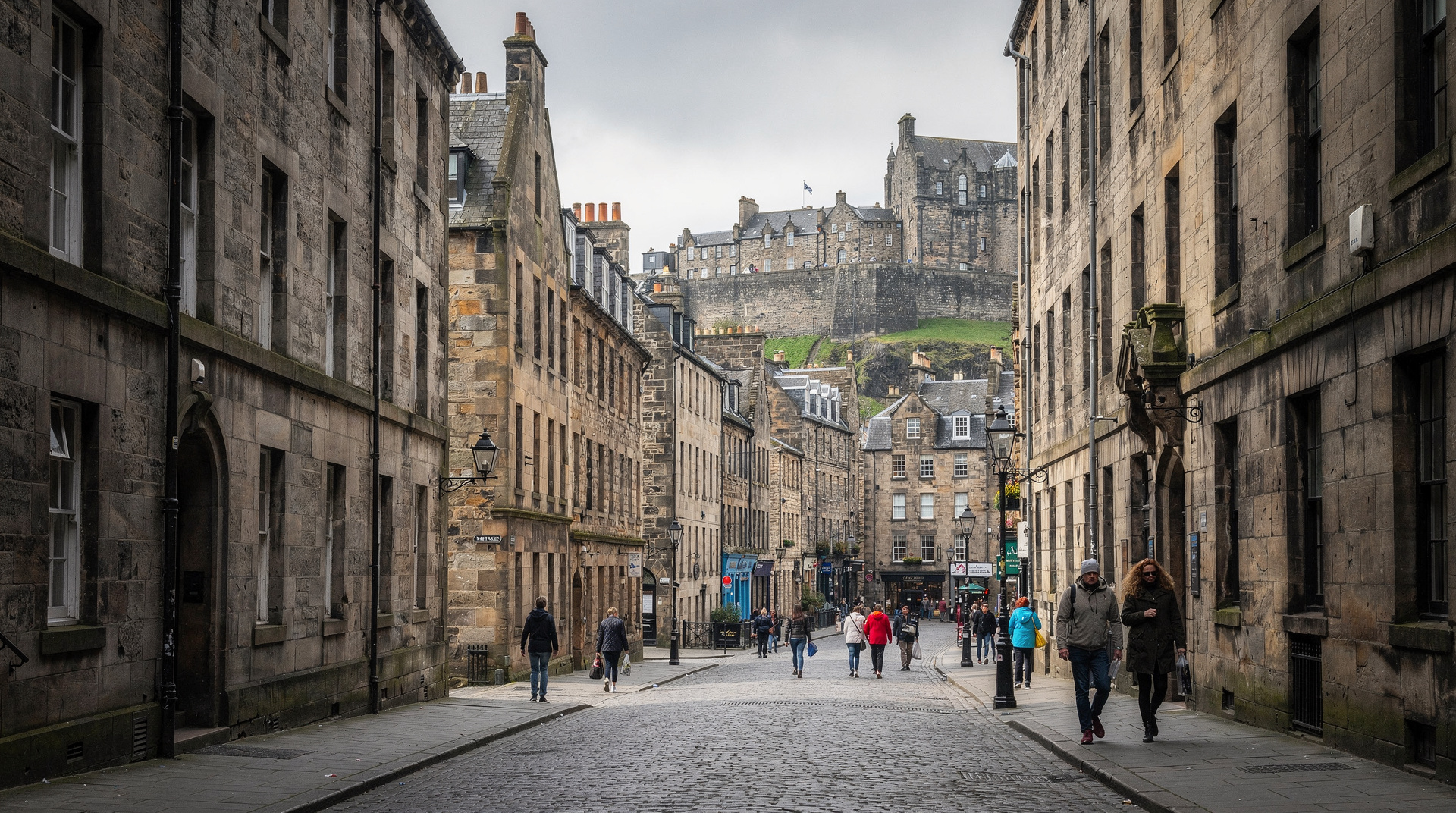
The museum is at the bottom end of the Old Town, two minutes’ walk from Greyfriars Kirkyard (free entry) and five minutes from the Royal Mile. A logical half-day route is: arrive at the museum when it opens at 10am, spend two to three hours on the priority galleries, then walk up through Greyfriars and the Grassmarket to the Royal Mile.
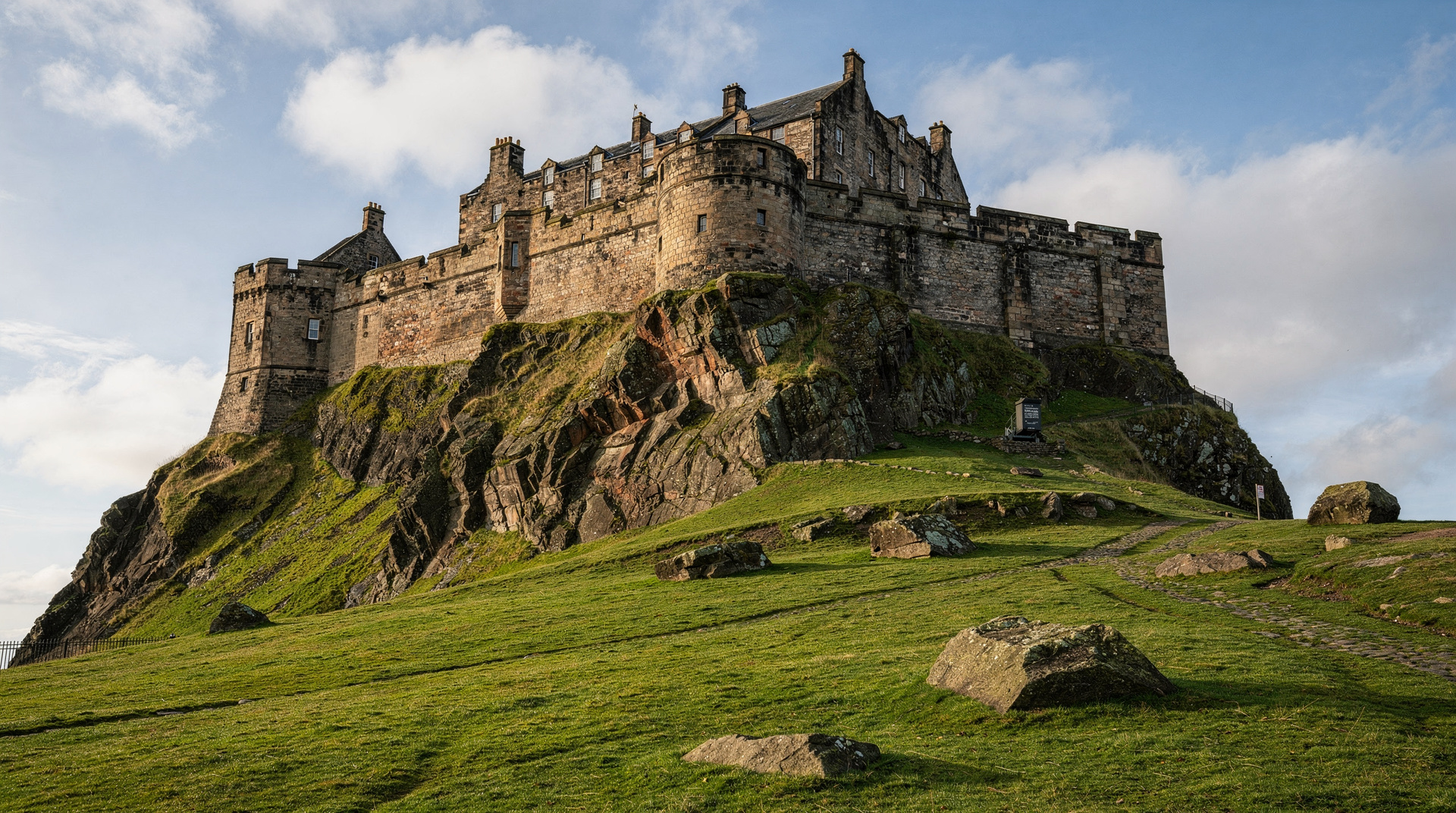
For visitors interested in Edinburgh’s history, the National Museum pairs naturally with Edinburgh Castle (paid, uphill) on either the same day or adjacent days — the museum’s Scotland galleries provide the context that makes the castle more meaningful. The Old Town destination guide maps the neighbourhood and shows how to sequence these visits.
For a city orientation, the City Sightseeing hop-on hop-off bus stops near the museum and allows you to connect the Old Town attractions with New Town, Leith, and Holyrood in a single day. The Old Town history and tales walking tour provides walking context for the neighbourhood before or after the museum visit.
Building a wider day around the museum
The museum sits at the junction of several of the Old Town’s best stories, so it works as a hinge for the rest of the day. On the way down from the Royal Mile, the Royal Mile destination guide and the Royal Mile guide explain what is worth stopping for and what is simply a crowd. Beside the museum, Greyfriars Kirkyard and the tale of Greyfriars Bobby and the bodysnatchers make a natural quiet interlude after the galleries.
If the Scottish history galleries have whetted your appetite, Edinburgh Old Town history and the Jacobites and Edinburgh guide go deeper into the periods the museum introduces. The Grassmarket is just down the hill for a late lunch or an early drink, and St Giles’ Cathedral is an easy addition on the walk back up.
Visitors who prefer a ready-made structure can slot the museum into the one-day Edinburgh itinerary or the two-day itinerary, both of which leave room for a long museum morning. For a wider view of the city’s cultural offer, Edinburgh for art lovers and the Scottish National Gallery guide cover the other major free collections. If you are still deciding how long to stay in the city, how many days in Edinburgh helps you decide how much of the museum you can afford to see.
For anyone who wants more context on foot, the Royal Mile and Old Town walking tour pairs well with a museum morning, as the walk supplies the street-level setting for what the galleries show behind glass.
The museum with children
The National Museum of Scotland is one of Edinburgh’s best options for families. The interactive exhibits in the Technology galleries and the natural history displays are genuinely engaging for children from about five years old. The Grand Gallery’s scale is impressive to younger visitors in a way that few museum spaces achieve.
The museum runs specific family activities, holiday programmes, and story events — check the website for what is running during your visit. The café has children’s menu options and the free entry means a museum visit is one of the best-value rainy-day options in the city. See the Edinburgh with kids guide for the complete family itinerary.
The museum’s architecture: two buildings, one experience
The National Museum of Scotland is unusual among major UK museums in that it occupies two buildings from entirely different architectural periods that work together rather than against each other.
The 1866 Victorian building, designed by Captain Francis Fowke of the Royal Engineers and Mathew Digby Wyatt, was built in the high Victorian industrial style: a practical container for collections, with the Grand Gallery’s iron and glass interior being its major aesthetic statement. The building was originally called the Industrial Museum of Scotland and was conceived as a partner to the Royal Scottish Academy and the National Gallery on The Mound — a cultural quarter for Edinburgh’s New Town era.
The 1998 addition, designed by Gordon Benson and Alan Forsyth, is the more architecturally considered of the two. It won the Royal Fine Art Commission for Scotland Building of the Year Award in 1999 and has been consistently praised for the way it addresses Edinburgh’s Old Town context — the irregular silhouette of turret and roofline acknowledging the castle and the closes rather than imposing a foreign architectural language.
The connection between the two buildings runs through the ground floor and through the rooftop terrace, which links the Tower Restaurant and gives views over both rooflines that reward the effort of reaching it.
Temporary exhibitions and what to check before visiting
Beyond the permanent collections, the National Museum of Scotland runs a programme of temporary exhibitions that are among the most visited in Scotland. These cover a wide range of subjects — photography, design, natural history, world cultures, contemporary Scottish social history — and typically run for three to six months.
Recent exhibitions have covered the history of Scottish textiles (connecting to the National Collection of Costume and Textiles held by the museum), deep sea biology from Scottish waters, and retrospectives of Scottish design from the twentieth century. Entry to these exhibitions is typically £10–£15 for adults, with concession rates for students and children.
Check the museum website at nms.ac.uk for what is running during your visit — a major temporary exhibition significantly changes the visit experience and may require advance ticket booking during peak periods (especially August when the museum is at maximum capacity).
The museum’s digital resources
The National Museum of Scotland has invested substantially in making its collections accessible digitally. The online Collections Search gives access to images and descriptions of over a million objects in the collections — a useful tool for deciding what to prioritise before a visit, and for exploring the collection beyond what is physically on display.
The museum also produces a series of podcasts and digital guides that can be accessed on your phone during a visit, providing more detail than the physical labels on certain objects. These are worth downloading before you arrive if you have specific interests in particular galleries.
Photography in the museum
Photography for personal (non-commercial) use is permitted throughout the museum’s permanent galleries without flash. The Grand Gallery is the most photographically rewarding space — the light through the Victorian glass roof changes significantly through the day, and the best light is in the late morning. The Dolly the sheep display is frequently photographed. The Watt Engine and the large mechanical objects on the ground floor of the Victorian building photograph well with a wide-angle lens.
Photography in temporary exhibitions may have specific restrictions — check the signs at the entrance to each show.
Accessibility: the full picture
The National Museum of Scotland has achieved consistently high accessibility ratings. Key features:
- Level access from Chambers Street to the main entrance
- Lifts to all floors in both buildings
- British Sign Language interpretation services bookable in advance
- Large-print guides available at the information desk
- Hearing loops in the main lecture theatre and some gallery spaces
- Accessible toilets on each floor
- Free wheelchair loan at the main entrance
The museum’s accessibility guide on the NMS website details specific route information for mobility-impaired visitors, including the terrain of specific galleries and any areas where access is limited.
Best time to visit for smaller crowds
The museum is genuinely busy during peak visitor months, and knowing when to go changes the experience considerably. Weekday mornings, particularly Tuesday to Thursday right at the 10am opening, are consistently the quietest window — you can spend twenty uninterrupted minutes with the Lewis Chessmen rather than queuing for a clear sightline.
School holiday weeks (particularly the Scottish summer holidays and the October break) bring a noticeably younger, louder crowd as local families use the free entry for a day out, which is a different but equally valid way to experience the museum. August, during the Fringe and International Festival, is the busiest month of the year across every gallery — if you are visiting Edinburgh in August and want a calmer museum visit, aim for the extended evening hours the museum sometimes runs during the festival period.
Rainy days pull a disproportionate number of visitors indoors, and the museum — being free, warm, and vast — is a natural default. If the forecast is wet, expect the Grand Gallery and Scottish history sequence to be busier than a clear-sky day would suggest.
The Edinburgh weather guide and the best time to avoid crowds guide help you match the museum to the right day of your trip, and rainy day ideas for kids offers fallbacks if the museum is full. Budget travellers will find that Edinburgh on a budget treats the museum as one of the anchors of a low-cost itinerary.
Beyond the highlights: lesser-known galleries worth finding
Most first-time visitors follow the same well-worn path — Grand Gallery, Lewis Chessmen, Dolly the sheep — and miss several genuinely rewarding sections that receive far less footfall. The Facing the Sea wing on the world cultures floors, with its collection of small craft and maritime objects from Pacific and Arctic cultures, is a quiet, thoughtfully curated space that repays a slow ten minutes.
The upper decorative arts floors, particularly the ceramics and silver galleries, are consistently among the least crowded in the building even at peak times, simply because they sit furthest from the Grand Gallery’s gravitational pull. For anyone who has already done the highlights on a previous Edinburgh visit, these quieter galleries are the reason to come back.
Frequently asked questions about the National Museum of Scotland
Is the National Museum of Scotland free?
Yes, the permanent collections are free. Some temporary exhibitions charge admission — typically £10–£15 for adults. The website always shows current charges. There is no charge to enter the building.
How do you get to the National Museum of Scotland?
The museum is at the corner of Chambers Street and George IV Bridge in the Old Town. From Waverley Station, it is a 15-minute walk up the Mound and down George IV Bridge, or you can take a bus to the Chambers Street stop. From the castle, it is a 10-minute walk down the Royal Mile and left at the Grassmarket end.
How long should I allow for a visit?
Half a day covers the highlights. A full day is worthwhile if you want to go through the Scottish history galleries in depth and see the science, natural history, and world cultures sections as well. With children, allow a full day with breaks.
What is the most important thing to see?
If you have one hour: the Grand Gallery (for the space), the Lewis Chessmen, and Dolly the sheep. If you have two hours, add the Monymusk Reliquary and the science galleries with the Watt Engine. If you have a full day, follow the Scottish history sequence from the earliest galleries through to the modern period.
Is the museum suitable for toddlers?
Yes, with caveats. The ground floor and lower galleries are pram-accessible and toddler-friendly. The upper galleries of the Scottish history section involve more reading-dependent exhibits that are less relevant to very young children. The natural history taxidermy collections are engaging for young children who like animals.
Is the Tower Restaurant good?
Yes, genuinely good rather than just convenient. The menu uses Scottish seasonal ingredients, the wine list is respectable, and the views over the Old Town rooftops are worth the price of a lunch by themselves. Book ahead, especially at weekends — it fills quickly.
What’s the quietest time to visit the National Museum of Scotland?
Weekday mornings, especially Tuesday to Thursday right when it opens at 10am, are consistently the least crowded. August, during the Fringe and International Festival, is by far the busiest month across every floor. If your Edinburgh trip includes both a rainy day and a sunny day, save the museum for the rainy one — you’ll have easier company either way, since wet weather pulls disproportionate numbers of visitors indoors regardless of season.
Is the National Museum of Scotland better than Edinburgh Castle?
They are not really comparable — the castle is a paid historic site with sweeping views and centuries of royal and military history; the museum is a free collection covering the whole of Scottish and world history, science, and culture. Most visitors do both, and the museum’s Scottish history galleries genuinely improve the castle visit by providing context you would otherwise miss. If forced to choose one on a very short visit, the museum offers more depth per hour and costs nothing.
Top experiences
Bookable activities with verified prices and instant confirmation on GetYourGuide.