Edinburgh Old Town history: from medieval burgh to World Heritage Site
Edinburgh: Old Town history and tales walking tour
What is the history of Edinburgh's Old Town?
Edinburgh's Old Town grew along the ridge between the castle and Holyrood from the twelfth century, reaching its greatest density in the seventeenth century with tenements ten storeys high. The Reformation, the Union of Parliaments, the Enlightenment, and eventual New Town development all left visible traces on streets that have been continuously inhabited for nine hundred years.
How nine hundred years of history shaped a single ridge
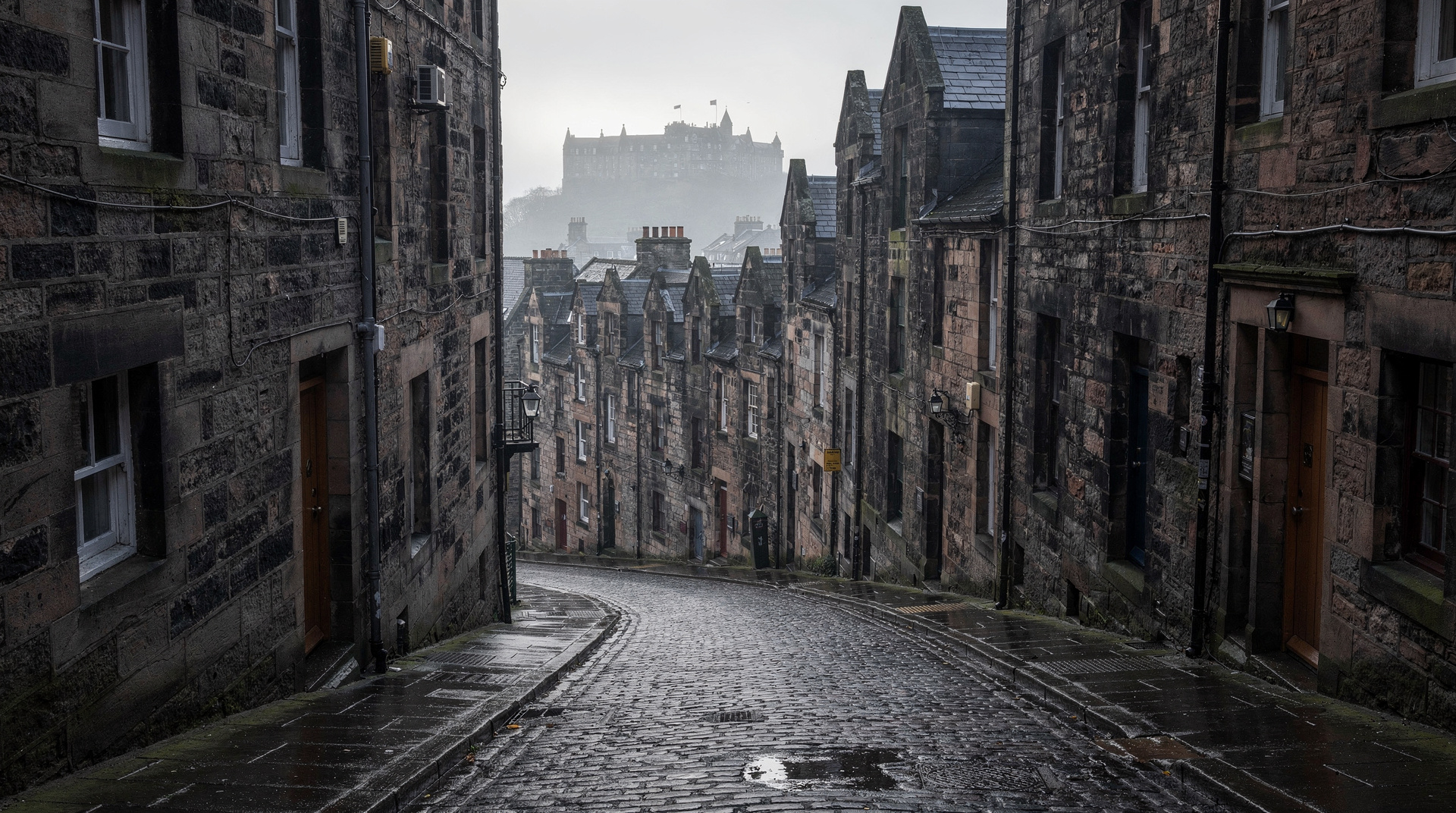
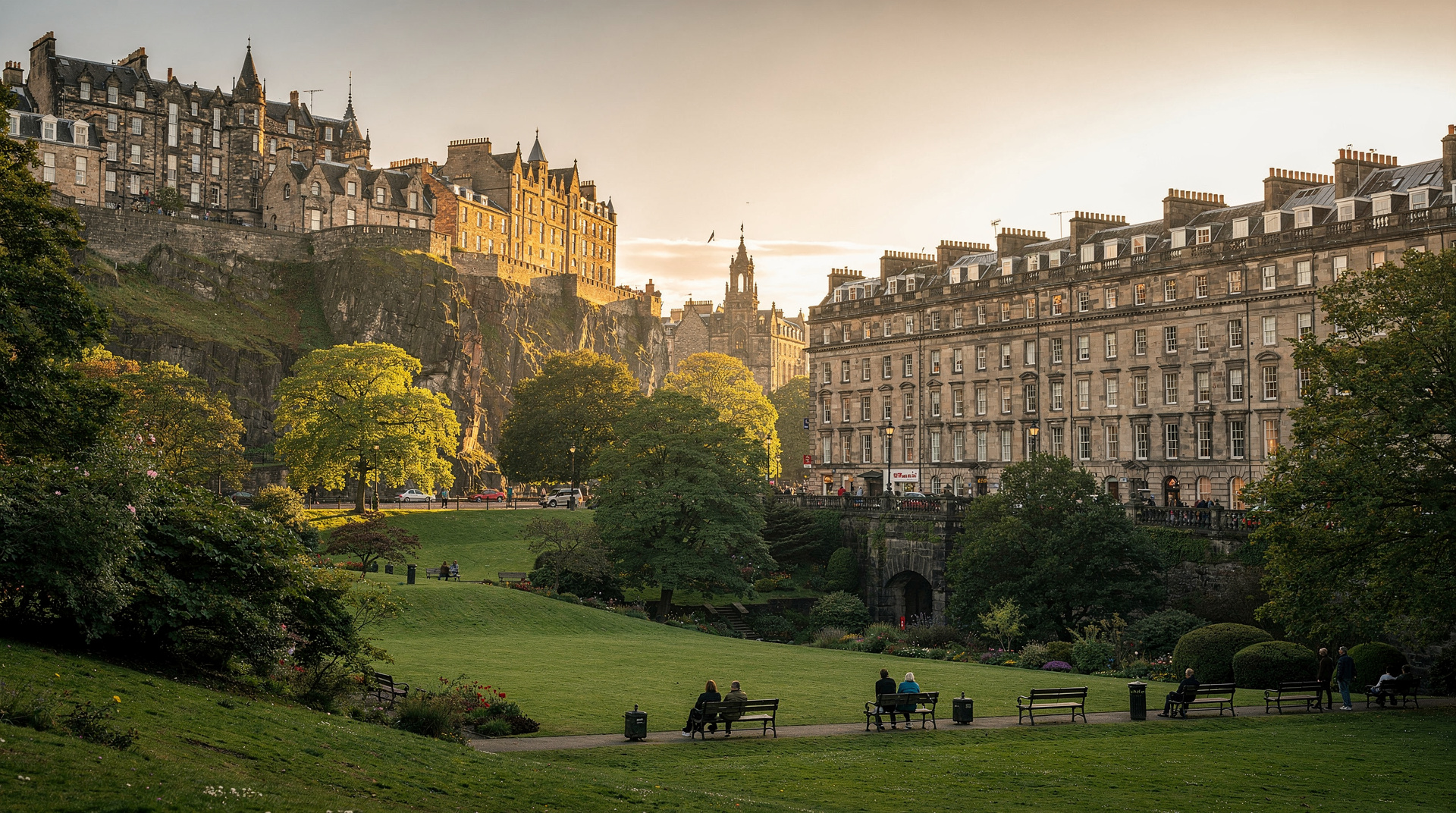
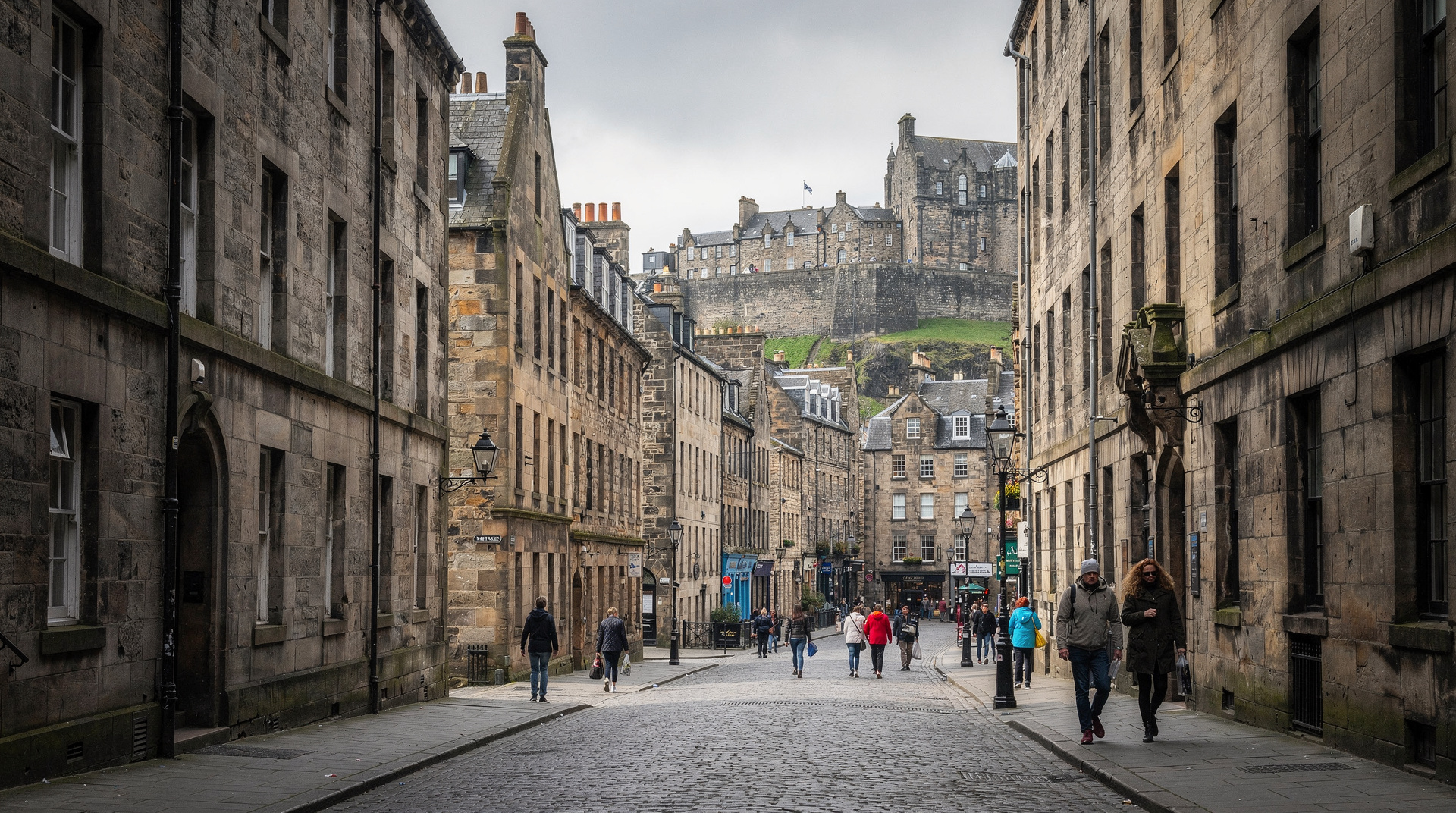
Edinburgh’s Old Town is, in physical terms, a single volcanic ridge running for about a mile between a castle on a rock at the west end and a palace in a park at the east. Everything that happened on and around that ridge over nine hundred years — every political crisis, religious upheaval, plague, fire, and intellectual revolution — left marks in the street pattern, the buildings, and the layers of stone and history that you are walking through when you walk the Royal Mile.
This guide covers the history of the Old Town in the order in which it unfolded: from the earliest settlement on the castle rock, through the medieval burgh, the Reformation, the Union, the Enlightenment, and the Victorian era that gave the Old Town its current physical character.
| Where | The ridge between Edinburgh Castle and Holyrood |
| Time needed | 2-3 hours for a guided walk, longer if self-guided |
| Cost | Free to walk; guided tours around £15-25 |
| Best time | Morning, before the Royal Mile crowds build |
| Combine with | St Giles’ Cathedral, Greyfriars Kirkyard, the underground vaults |
The castle rock: occupation from the Iron Age
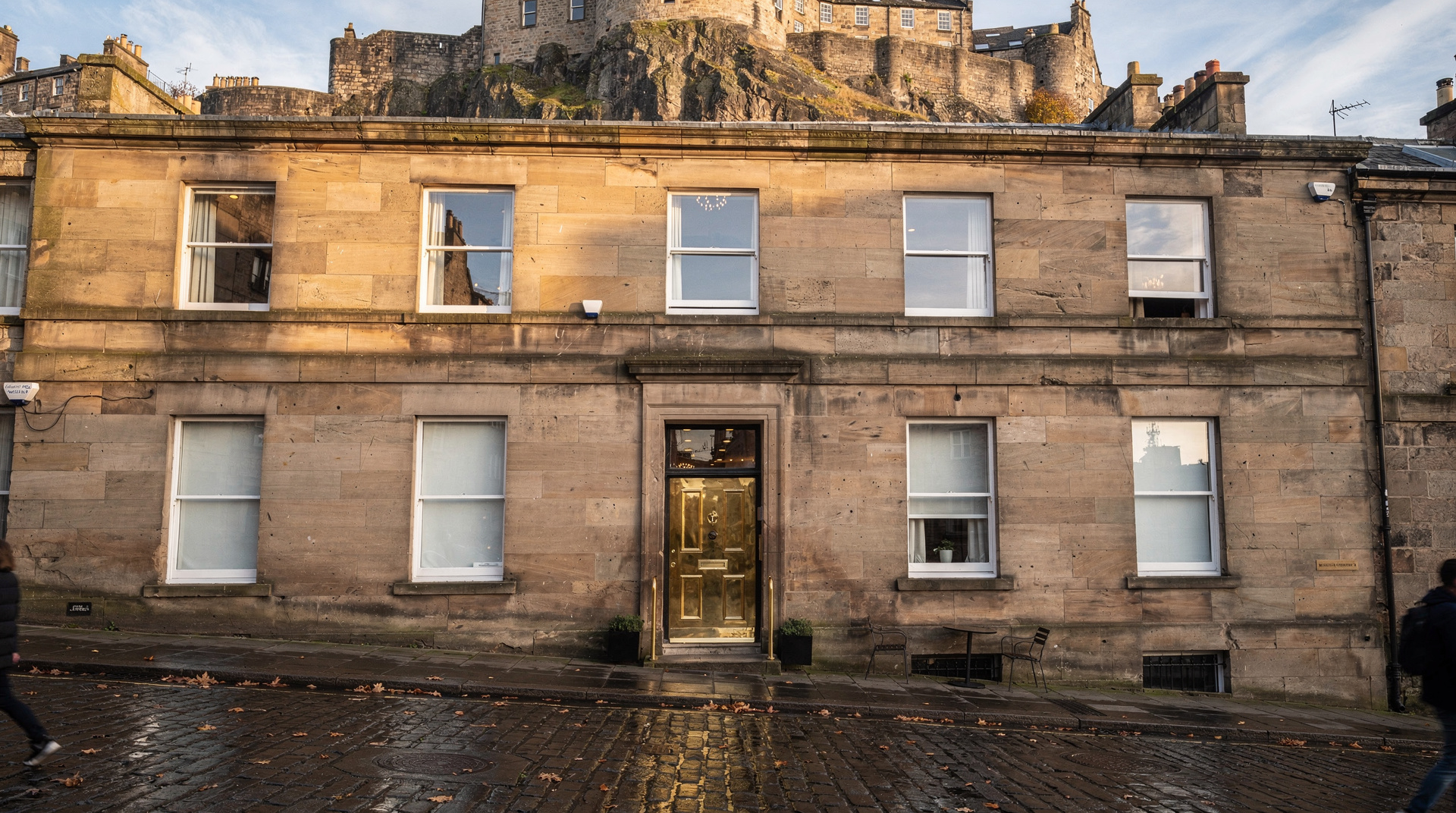
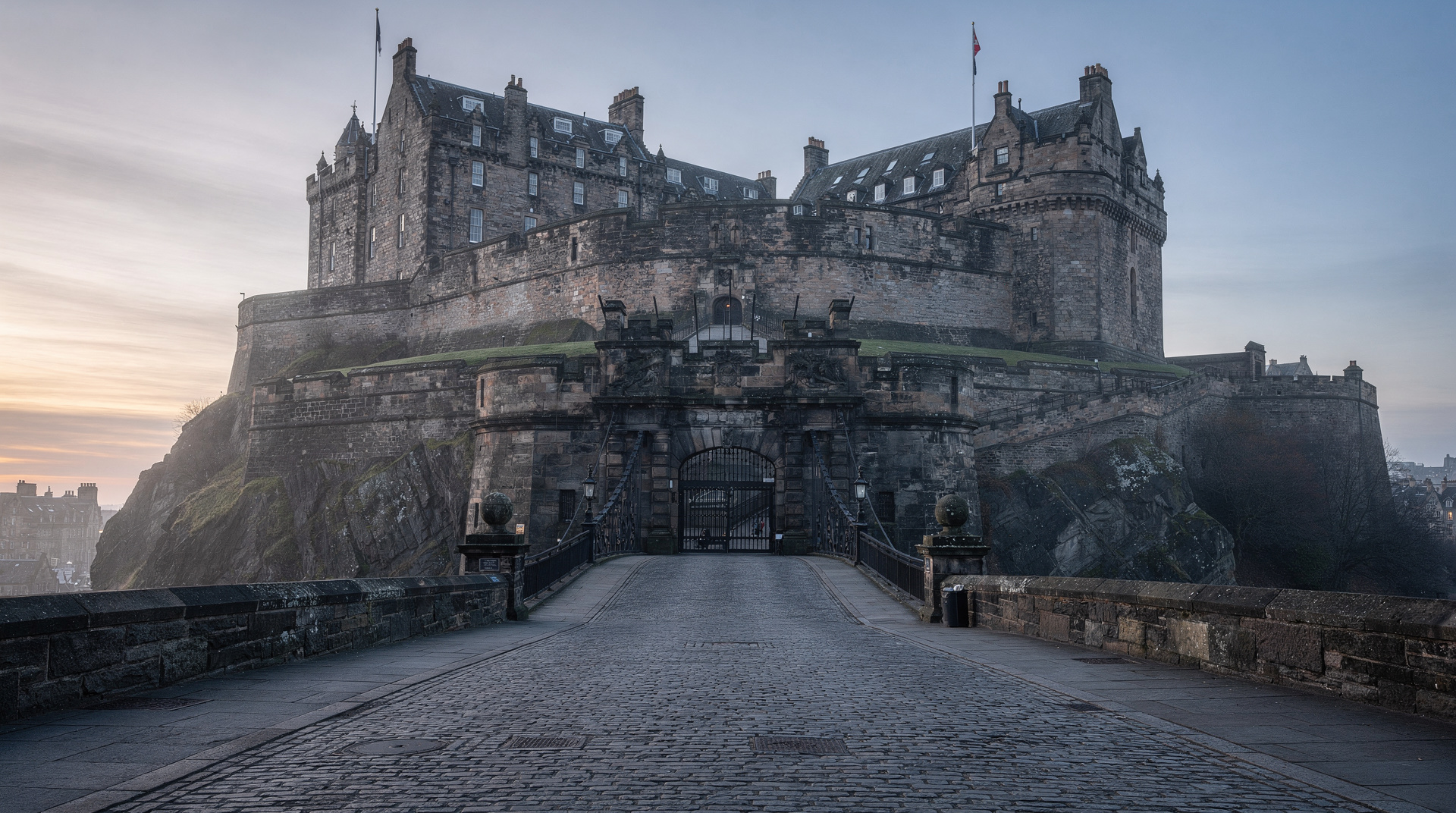
The volcanic plug of basalt that Edinburgh Castle stands on has been fortified, in some form, since at least the Iron Age. Archaeological excavations on the castle rock have found evidence of occupation from around 900 BCE. The first written records of a significant fortification here date from the early medieval period — the fortress of Din Eidyn appears in the late sixth-century Welsh poem Y Gododdin, as the stronghold of the Votadini tribe.
The settlement that became Edinburgh’s Old Town grew on the ridge east of the castle, sheltered by its defences. The first granting of burgh status by David I in the 1120s established the legal framework for trade, and the settlement began to take the form of a market town along the ridge.
The medieval burgh: the twelfth to fifteenth centuries
The medieval Old Town was built on a pattern that still determines the street layout today. The main street — what we now call the Royal Mile — ran along the ridge from the castle gate to the Abbey of Holyrood (founded by David I in 1128). On either side of the main street, narrow plots ran back from the frontages in strips called tofts; the houses and workshops on the street frontage were backed by gardens and outbuildings that gradually filled with additional structures.
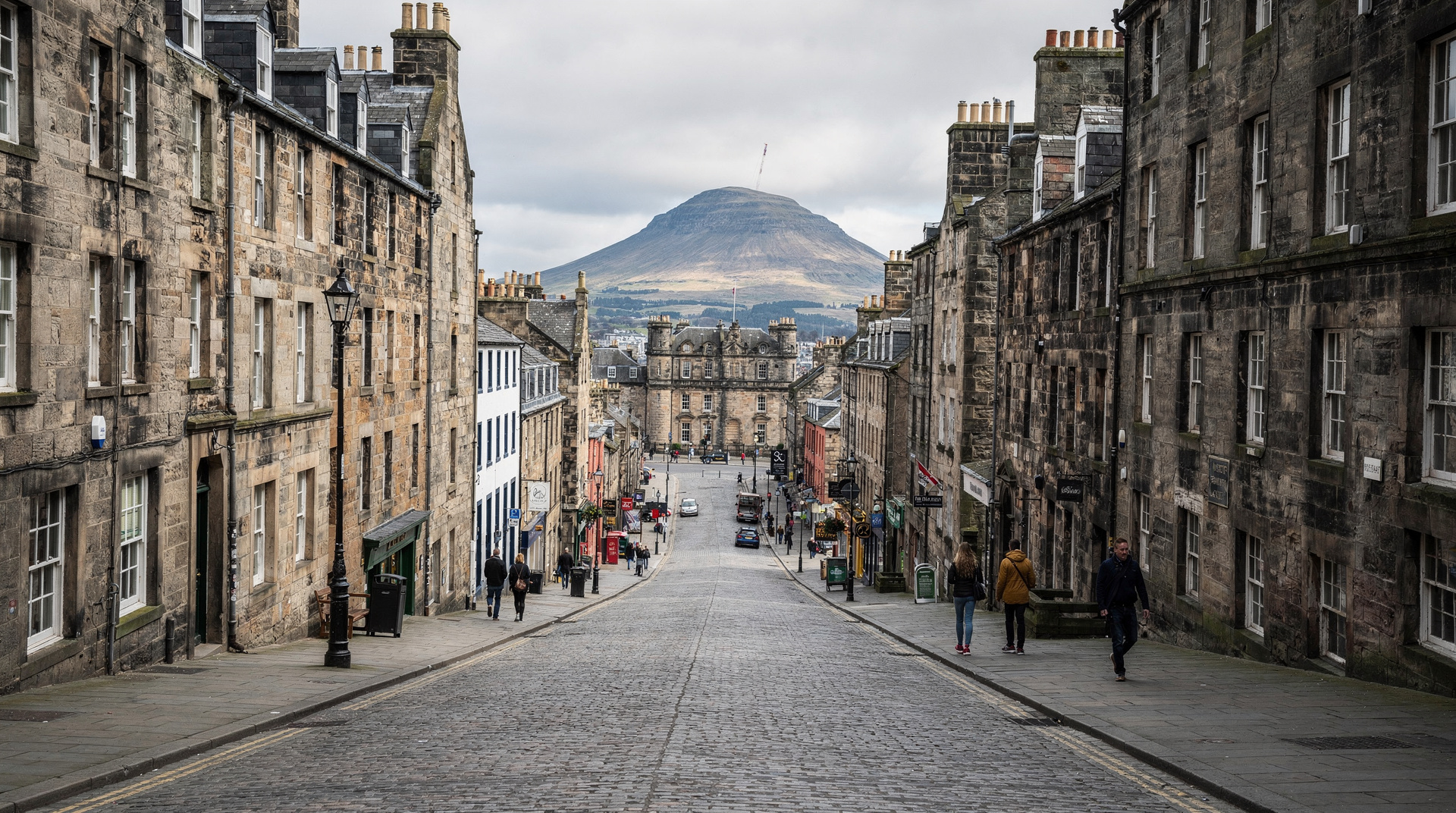
As the burgh grew, the main street frontages were rebuilt as multi-storey buildings, and the gardens behind them were subdivided and built over. The resulting network of narrow alleys — closes — connecting the main street to the buildings behind became the defining feature of Old Town topography. By the sixteenth century, Edinburgh’s closes were dense, dark corridors lined with buildings that rose to three, four, and eventually ten or twelve storeys.
The city was confined by walls — the King’s Wall and later the Flodden Wall, built after the Scottish defeat at Flodden in 1513 — which prevented the town from expanding outward. The only direction available was upward, which is why Edinburgh developed the high-density tenement building pattern that distinguishes it from any other medieval city in Britain.
The medieval landmarks that survive
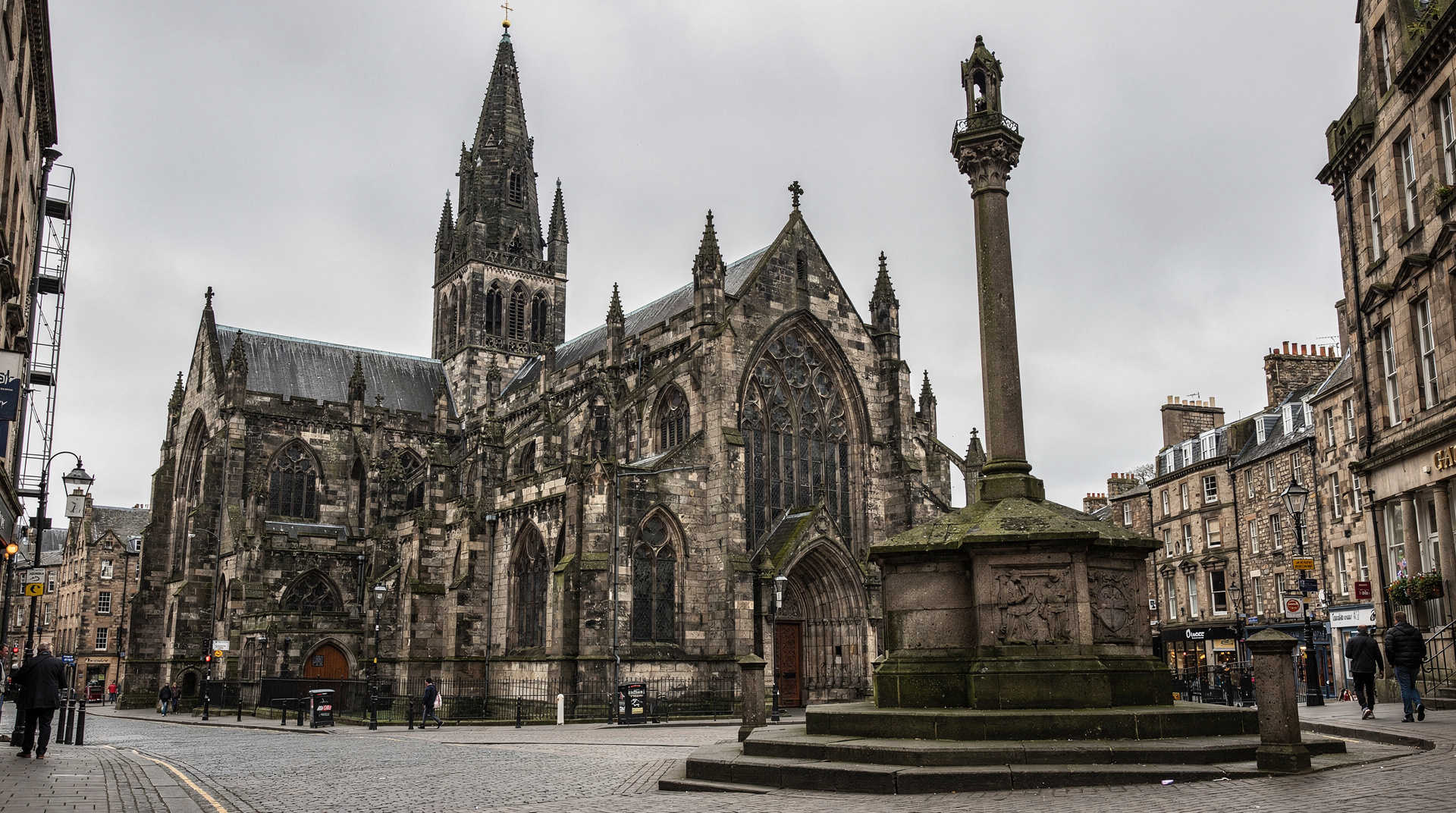
Very little of medieval Edinburgh has survived in identifiable form. The exceptions are St Giles’ Cathedral (though heavily Victorian-restored), the nave pillars of which date from the fifteenth century; Gladstone’s Land on the Lawnmarket (a seventeenth-century survival, not medieval but early modern); and the physical trace of the closes themselves, which follow the medieval property boundaries almost exactly.
The St Giles’ Cathedral guide covers the cathedral’s long history in detail.
Why the closes carry the names they do
Edinburgh’s closes are typically named after a notable resident, trade, or event associated with that particular alley — a naming convention that has left an informal historical record embedded in the street signs themselves. Advocates Close was home to lawyers practising at the nearby courts; Fleshmarket Close led to the meat market; Lady Stair’s Close takes its name from the house later turned into the Writers’ Museum. Reading the close names as you walk the Royal Mile is, in effect, reading a fragmentary index to the Old Town’s social history — a habit worth adopting even on a first, unguided visit.
The Reformation and the sixteenth century
The Scottish Reformation of 1560 was one of the most disruptive events in the Old Town’s history. John Knox’s preaching at St Giles’ and the ideological transformation he led stripped the churches of their statues, altars, and imagery; ended the Augustinian community at Holyrood Abbey; and fundamentally altered the character of the city’s religious life. The Reformation also had physical consequences — religious buildings were repurposed or fell into ruin, and the political climate of the 1560s (with Mary Queen of Scots at Holyrood and Knox at St Giles’) gave the Old Town the particular intensity that Edinburgh’s literary mythology has fixed on ever since.
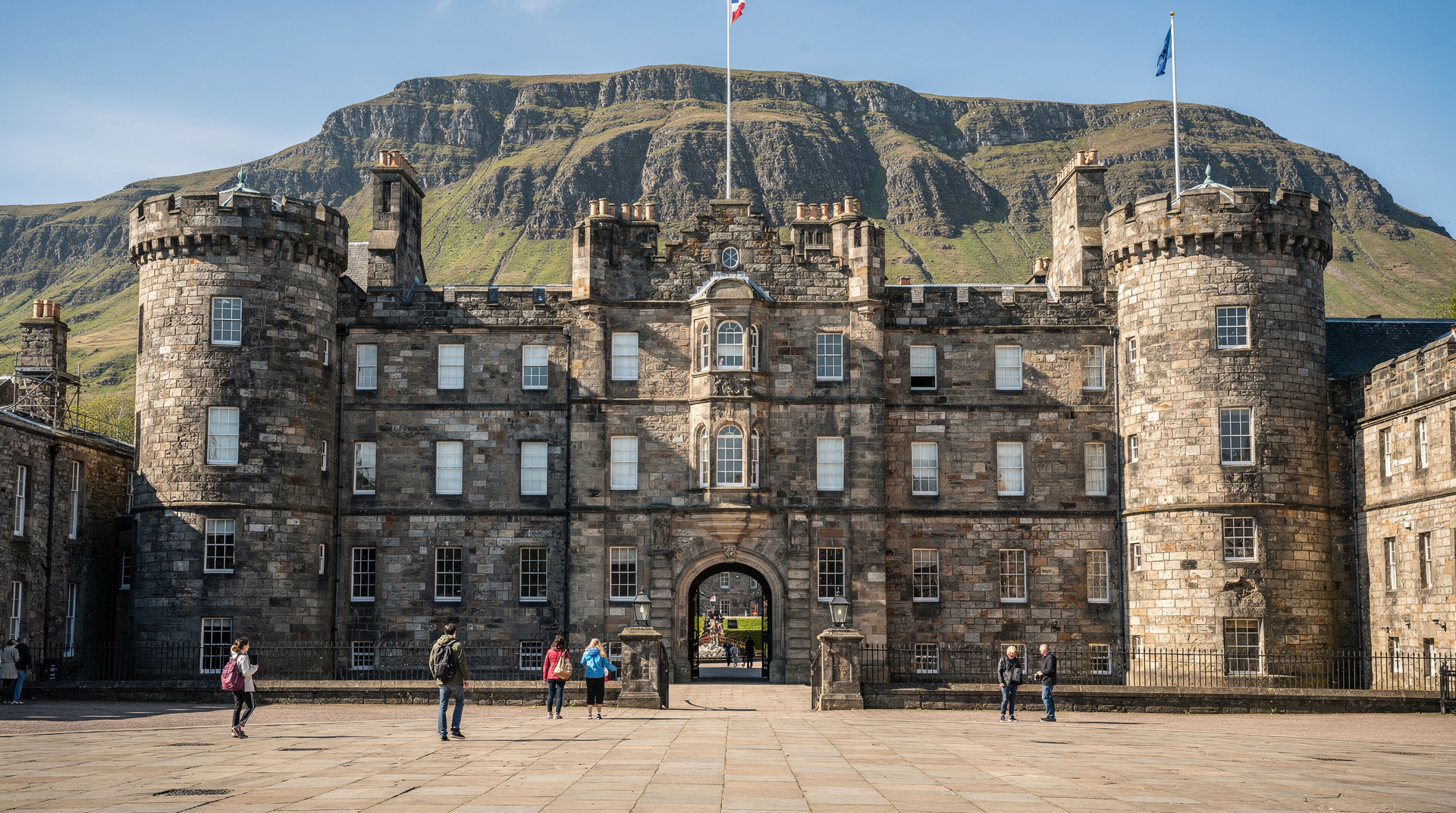
Mary Queen of Scots’ connection to the Old Town is particularly vivid: she lived at the Palace of Holyroodhouse, married here twice, witnessed the murder of her secretary in her apartments, and was eventually forced to abdicate and flee. The small rooms of the palace associated with these events are among the most resonant historic spaces in Scotland.
The seventeenth century: tenements, plague, and the Killing Time
The seventeenth century was Edinburgh’s most extreme urban period. The population grew rapidly inside the constricting walls, and the tenement buildings along the Royal Mile reached heights of ten to twelve storeys — among the tallest residential buildings in the world at the time. Visitors from England and Europe described the density and the conditions with a mixture of astonishment and revulsion.
Plague visited Edinburgh repeatedly during this century, most severely in 1645 when a quarter of the population may have died. The legend of Mary King’s Close — a section of the Old Town that was supposedly walled up with its plague victims and preserved underground — belongs to this period, though the historical reality is more complicated than the legend suggests.
The Covenanting conflicts of the 1640s to 1680s brought military occupation (Cromwell’s army garrisoned at Edinburgh Castle), political executions on the Grassmarket, and the imprisonment of 1,200 Covenanters in Greyfriars Kirkyard in 1679. The Grassmarket gallows stood at the east end of the square; the execution stone can still be found near the present-day pub.
The Union of Parliaments (1707) and the aftermath
The Acts of Union of 1707, which joined the Scottish and English parliaments, were passed in the Old Parliament House on Parliament Square (immediately adjacent to St Giles’). The decision — controversial from the beginning and contested by much of the Scottish population — ended Scotland’s independent parliament for nearly three centuries. The political effects on Edinburgh were complex: the city lost its Parliament but remained the administrative capital of Scotland and retained its legal and religious institutions.
The decades after the Union were economically difficult for Edinburgh. The city’s social elite increasingly looked to London rather than Paris as their cultural reference, and the sense of decline contributed to the pressure for reform that eventually produced the New Town.
The Scottish Enlightenment: the eighteenth century
Between roughly 1740 and 1800, Edinburgh was the intellectual centre of the English-speaking world. In a city of barely 50,000 people, there were simultaneously living: Adam Smith (economics), David Hume (philosophy), William Robertson (history), James Hutton (geology), Joseph Black (chemistry), Adam Ferguson (sociology), and Robert Burns (poetry). The density of intellectual talent is almost impossible to explain historically, but it produced an outpouring of ideas and publications that shaped modern thought across multiple disciplines.
The Old Town was the physical setting of this extraordinary period — the cramped, malodorous tenements where the philosophers and scientists lived cheek-by-jowl with merchants, lawyers, and craftsmen, in a city where the social mixing enforced by the physical constriction of the ridge created a particular kind of intellectual exchange. The Oyster Club, where Hutton, Smith, and others dined weekly, met in the Old Town. The taverns and coffee houses where ideas were tested and debated were on the closes and wynds that still exist.
The Old Town page covers where to find the surviving Enlightenment-era buildings today.
The New Town and the transformation of the Old Town
The decision to build the New Town north of the city — the competition won by James Craig in 1766, the construction of the Georgian grid that began in the 1770s — began the process of social segregation that fundamentally changed the Old Town’s character. The Edinburgh gentry and professional classes moved north within a generation; the Old Town was left to the working poor and the immigrants (primarily from Highland Scotland and Ireland) who replaced them.
By the 1850s, the Old Town tenements were some of the most overcrowded and insanitary housing in Britain, with families of six or eight living in single rooms on the upper floors of buildings that had once housed the city’s elite. The health reformer Henry Littlejohn’s 1865 survey documented mortality rates in the Old Town closes that equalled or exceeded those in London’s worst slums.
Victorian-era clearances and the construction of new streets (George IV Bridge in the 1820s, Victoria Street in the 1840s) removed some of the worst buildings but also destroyed much of the medieval street pattern. The South Bridge, constructed in 1788, carried traffic across a valley on a series of vaults — the famous Edinburgh underground vaults — that were subsequently used for storage, workshops, and eventually for the dark purposes that ghost tour operators now describe with enthusiasm.
The Old Town today: UNESCO World Heritage Site
Edinburgh’s Old Town was designated a UNESCO World Heritage Site (along with the New Town) in 1995, recognising both its historic importance and its unusual degree of physical survival. The key word is “unusual” — given the density of occupation, the multiple catastrophic fires, and the Victorian clearances, the survival of the medieval street pattern and a significant number of pre-eighteenth century buildings is remarkable.
Walking the closes and wynds today, reading the plaques on the buildings, and understanding what happened at specific addresses transforms the Old Town from a picturesque backdrop to a physical archive of Scottish history. A good walking tour makes this transformation efficient; a Edinburgh Old Town history and tales walking tour covers the main narrative in about two hours.
For visitors who want the underground aspect specifically, the Old Town and underground historical tour combines the street-level history with a visit to the South Bridge vaults.
The Old Town’s story is mostly vertical — tenements stacked eleven storeys on a ridge with no room to spread — and that single constraint explains the closes, the sanitation and the eventual New Town: a history lovers Old Town walking tour follows that thread rather than a list of landmarks.
Key streets and sites for exploring Old Town history
- The Royal Mile (Castlehill, Lawnmarket, High Street, Canongate): the spine of the medieval town
- Parliament Square (immediately south of St Giles’): site of the Old Parliament House
- Grassmarket: site of the gallows; now a market square and bar district
- Victoria Street and the Cowgate: Victorian street construction over medieval ground
- Greyfriars Kirkyard and the National Museum of Scotland: southern edge of the medieval town
- The closes: Brodie’s, Riddle’s, Mary King’s, Dunbar’s, Anchor — each with specific historical associations
See the Royal Mile guide for a detailed walk through the street itself, with historical context for each major section.
A chronological walking route through the history
For visitors who want to experience the history in the order it happened rather than the order the streets present it, a chronological route works well as a half-day plan. Start at Edinburgh Castle for the Iron Age and early medieval origins, walk down the Lawnmarket past Gladstone’s Land for the medieval burgh, stop at St Giles’ Cathedral for the Reformation, continue to Parliament Square for the Union of 1707, pause at any of the closes for the Enlightenment-era taverns, and finish at the Palace of Holyroodhouse for the Stuart and Victorian periods.
A guided version of this route, such as the Royal Mile secrets walking tour, adds the anecdotal detail that makes individual buildings memorable rather than just old.
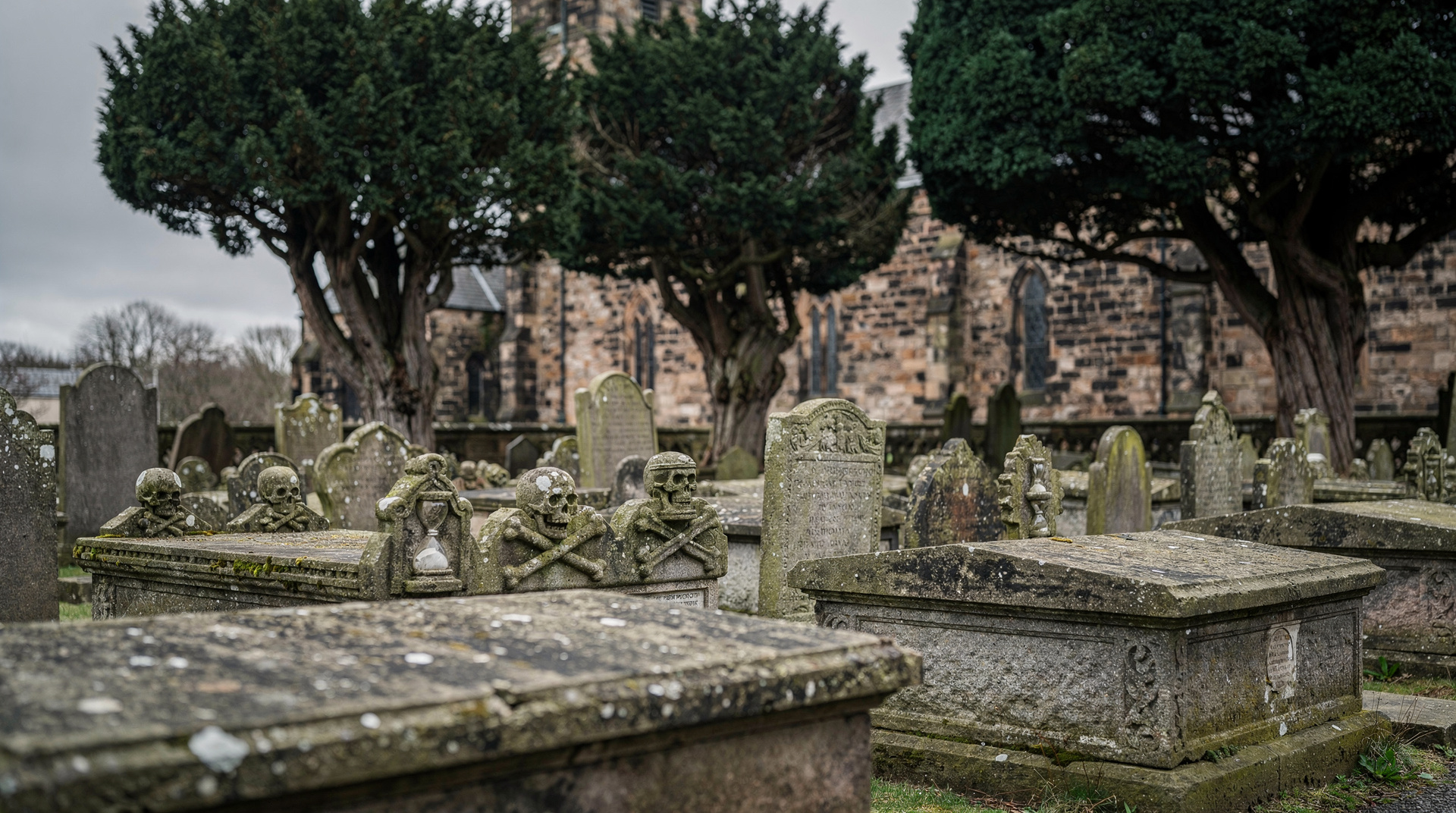
Visitors with a specific interest in the darker chapters — plague, executions, bodysnatching — are better served by a dedicated dark history route rather than trying to cover everything in one walk; the underground vaults guide and the Greyfriars Kirkyard guide both go deeper into that thread of Old Town history specifically.
Frequently asked questions about Edinburgh Old Town history
When was Edinburgh’s Old Town built?
The settlement began in the twelfth century following David I’s establishment of a royal burgh, but the buildings visible today date mostly from the seventeenth and eighteenth centuries, with some sixteenth-century survivals. The medieval street pattern is preserved in the layout of the closes even where the buildings themselves have been replaced.
Why did Edinburgh develop such tall tenement buildings?
The city was confined by walls that prevented lateral expansion, so the only available direction was upward. The combination of limited land within the walls, high population growth, and the need to remain close to the castle and the main commercial street produced the world’s first high-rise urban housing.
What was the Scottish Enlightenment?
A period of extraordinary intellectual activity centred on Edinburgh from around 1740 to 1800, during which major advances were made in philosophy, economics, history, chemistry, geology, and other fields. Edinburgh’s concentrated, socially mixed population in the Old Town created conditions for cross-disciplinary exchange that produced disproportionate intellectual output.
Can I visit the underground vaults of Edinburgh?
Yes. The South Bridge vaults beneath the Royal Mile are open to visitors through several operators. The underground vaults guide covers the history and the tour options honestly.
What is the best walking tour for Old Town history?
For general Old Town history, the Edinburgh Old Town highlights walking tour or the history and tales walking tour cover the key narrative well. For the darker chapters specifically (plague, executions, bodysnatching), tours focused on dark history are more appropriate.
How much of Old Town history can I see in half a day?
A focused half-day is enough to walk the full Royal Mile, step into St Giles’ Cathedral, and see Greyfriars Kirkyard, taking in most of the visible medieval-to-Victorian layers. A full day allows time to add the underground vaults or Mary King’s Close for the story beneath the street. See the one-day Edinburgh itinerary for how this fits a short visit.
Is the Old Town history walkable without a guide?
Yes, with preparation. The buildings and closes are freely accessible and plaques mark many key sites, but a guide or this kind of background reading fills in what the stonework alone does not explain. Self-guided visitors get the most from combining a walk with the Royal Mile guide for a street-by-street commentary.
Top experiences
Bookable activities with verified prices and instant confirmation on GetYourGuide.