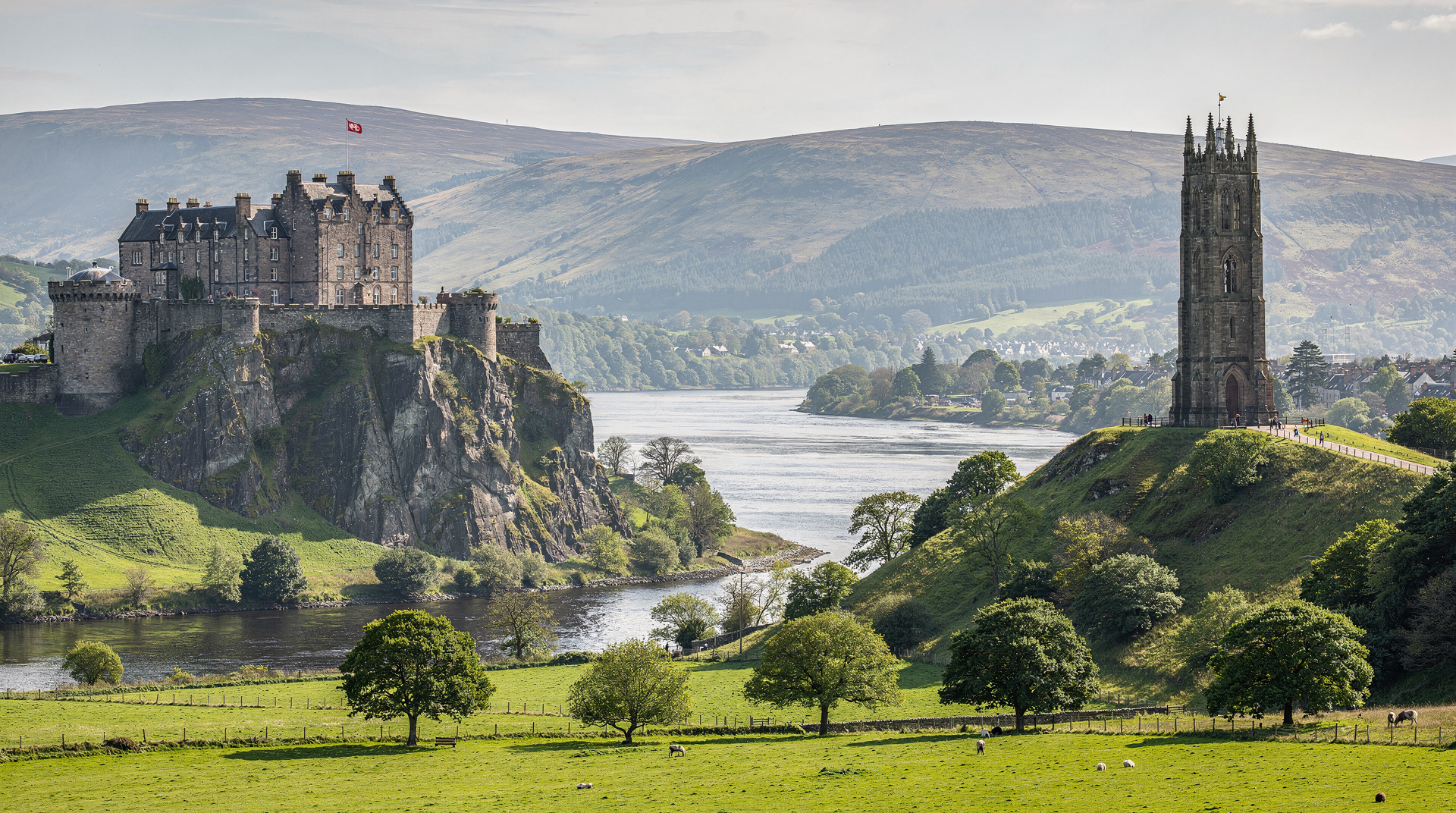
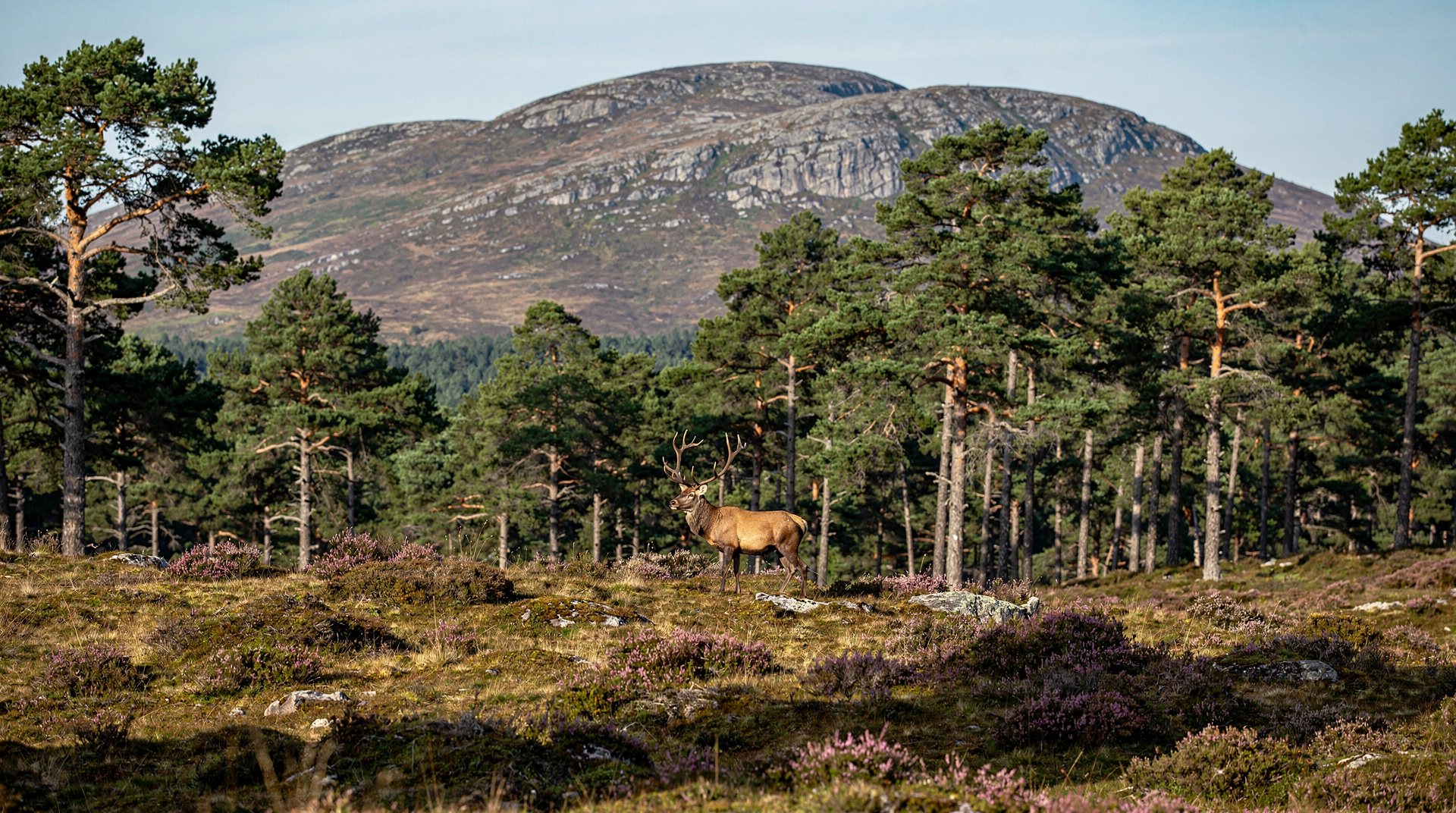
Loch Lomond and the Trossachs
Loch Lomond and the Trossachs from Edinburgh: what to see, where to stop, guided tour vs self-drive, and the honest case for a day in the national park.
Edinburgh: Loch Lomond & Scottish Highlands full-day tour
Quick facts
- Best time to visit
- May–September; early autumn for colour and fewer midges
- Days needed
- 1 day
- Getting there from Edinburgh
- ~1.5 hours by car via M9/A811; public transport requires changes
- Budget per day
- £40–£80; guided day tour from £25
Scotland’s most accessible national park — and what to actually do there
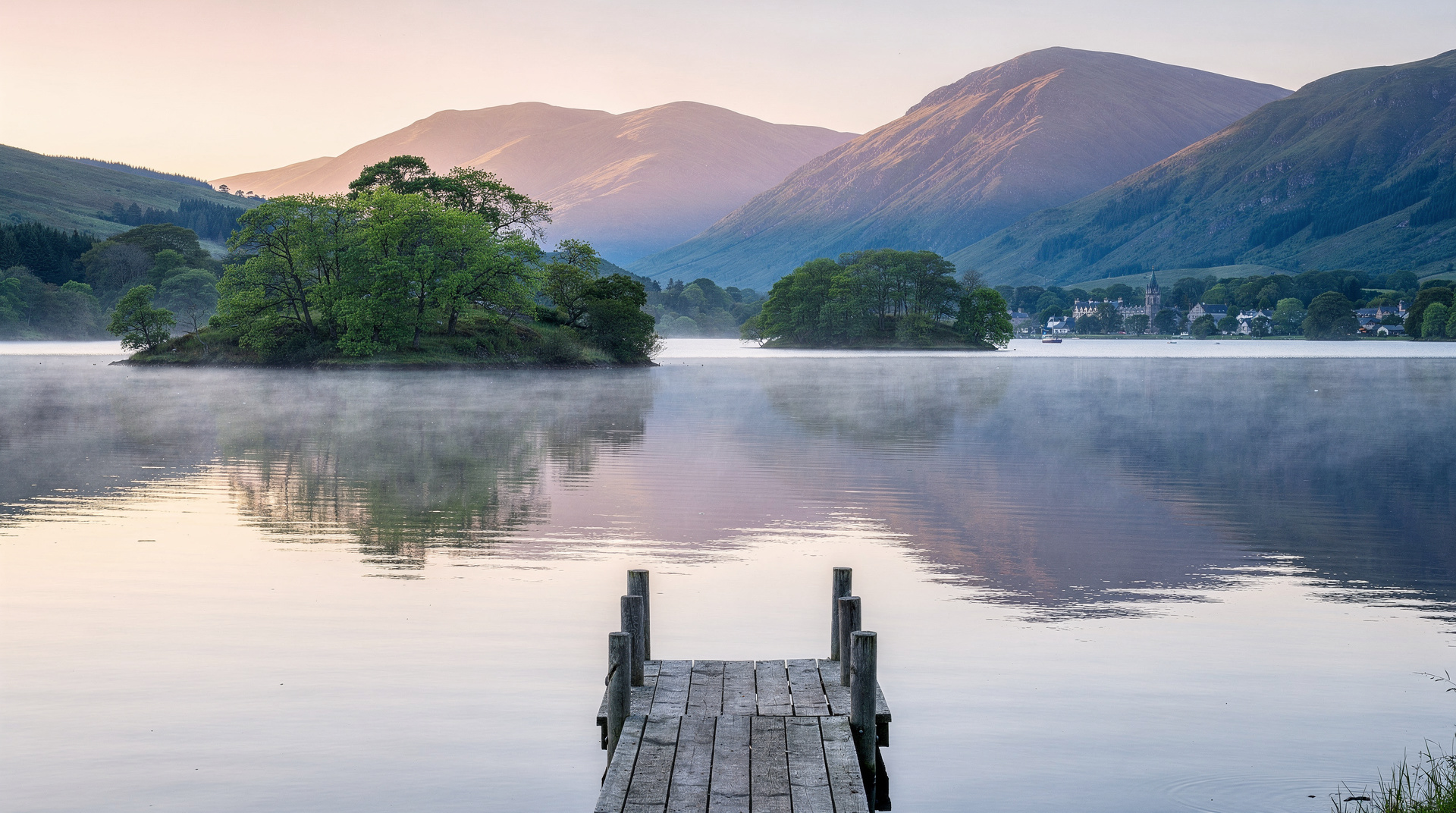
Loch Lomond and the Trossachs became Scotland’s first national park in 2002, covering roughly 720 square miles of loch, forest, moorland, and mountain between the Central Belt and the Western Highlands. From Edinburgh, the park boundary is less than 1.5 hours by car — which makes it the closest genuinely highland landscape to the city, within reach of visitors who do not have the time or inclination for the longer journey to Glencoe or Loch Ness.
The honest assessment: Loch Lomond itself is a large, beautiful freshwater loch, but the scenery on the eastern shore — the more accessible side from Edinburgh — is softer and more pastoral than the dramatic landscapes most people associate with “Scotland.” The western shore is more spectacular, with Ben Lomond (974m, the most southerly Munro) rising directly from the water, but accessing it properly requires either a car or a specific tour that goes around the loch rather than just stopping at Balloch and the southern end.
Where Loch Lomond genuinely excels as a day trip: as a combination with Stirling Castle, as a staging post on the way to the Highlands, and as a family-friendly destination with boat trips and easy walking. The Trossachs — the area of glens, smaller lochs, and hills to the east of Loch Lomond — often surprises visitors who were expecting just “a big loch.” Loch Katrine, Loch Achray, and the Rob Roy country around Aberfoyle offer more varied and in many ways more intimate scenery than Loch Lomond’s main shore.
Getting from Edinburgh to Loch Lomond
By car, the most direct route to the southern end of Loch Lomond at Balloch is via the M9 motorway towards Stirling, then the A811 west to Balloch — approximately 1.5 hours in normal traffic, 65 miles. Alternatively, taking the M8 to Glasgow and then the A82 north along the western shore adds perhaps 20 minutes but gives access to the more dramatic western side.
By public transport, reaching Loch Lomond independently from Edinburgh is complicated. The most direct option is a train to Glasgow Queen Street (50 minutes from Edinburgh Waverley), then a connecting train to Balloch (another 45 minutes via Dumbarton Central). This gives you access to the southern end of the loch and the Loch Lomond Shores retail and leisure development — functional but not the most inspiring entry point.
For most visitors without a car, an organised day tour from Edinburgh is the practical solution. The Loch Lomond and Scottish Highlands full-day tour covers the eastern and western shores, the Trossachs, and typically includes Stirling. It departs Edinburgh in the morning and returns by early evening — no car required, and the guide contextualises the landscape.
What to see at Loch Lomond
Loch Lomond’s eastern shore: Balmaha and Rowardennan
Balmaha, a small village on the eastern shore about 16 miles north of Balloch, is one of the better stopping points on this side of the loch. The National Park Visitor Centre here is small but useful; the harbour has boats available for short cruises and wildlife watching. The view from the layby at Conic Hill (a short but steep walk up from Balmaha) gives the best panorama of the southern loch, with the drumlin islands stretching away to the north and Ben Lomond dominating the western shore.
Rowardennan, about 5 miles further north, is the car park for the main trail up Ben Lomond — a 6-mile round trip taking four to five hours, requiring proper hill-walking equipment. Do not attempt this in trainers or in doubtful weather. The summit gives extraordinary views on clear days but is often in cloud.
Loch Lomond’s western shore: Luss and Tarbet
Luss, a preserved estate village on the western shore about 25 miles north of Balloch on the A82, is one of the most photographed villages in Scotland — stone-built, flower-filled, with the loch directly behind it and the mountains above. It is also the stop on virtually every tour coach route, which means it is busy in summer. The village is genuinely pretty; the crowds are genuine too. Best visited early or on a midweek day. There is a small café and a heritage centre, but Luss is primarily a scenic stop.
Tarbet, a further 5 miles north, is the departure point for Loch Lomond boat cruises that cross to the island of Inchlonaig and the quieter western glens. The Maid of the Loch paddle steamer is moored at Balloch and undergoing restoration — worth checking the current status as it may be running limited cruises by 2026.
The Trossachs
The Trossachs hills east of Loch Lomond are often overlooked by visitors focused on the main loch, which is a mistake. Loch Katrine — the reservoir that has supplied Glasgow’s water since the 1850s, and still does — is a strikingly beautiful loch with near-pristine water quality. The Victorian steamship SS Sir Walter Scott runs cruises from Trossachs Pier, and the path around the loch (or part of it) is excellent for cycling. Rob Roy MacGregor, the Highland outlaw and folk hero, was born near Loch Katrine at Glengyle; the Trossachs is very much his country.
Aberfoyle, the small town at the southern edge of the Trossachs, has a good craft and book centre and is the starting point for the Queen Elizabeth Forest Park. The drive along the A821 from Aberfoyle through the Trossachs to Callander — known as the Duke’s Pass — is one of the finest short drives in Central Scotland, winding through birch forest and opening to views over Loch Achray and the Trossachs hills.
Guided tour vs self-drive: the Loch Lomond calculation
Loch Lomond is harder to explore well without a car than Stirling, because the key viewpoints are spread around a large loch whose two shores are not conveniently connected. The eastern shore road ends at Inverarnan (and the road beyond is only for drivers continuing to the Highlands); the western A82 is a high-volume trunk road with limited stopping places. A guided tour that navigates these logistics is genuinely useful here.
The Loch Lomond, Trossachs NP and Stirling Castle tour is probably the best single-day value from Edinburgh for this region: it combines the loch’s key viewing points with Stirling Castle entry and often a Trossachs detour, in a coach with commentary. The combination makes much better use of a day than either destination alone.
Self-drive advantages: total flexibility to spend more time in the Trossachs, to take the Duke’s Pass, to stop for a boat cruise at Tarbet, or to extend north into the western Highlands towards Crianlarich and Glencoe if conditions are good. If you are considering driving beyond Loch Lomond to Glencoe or Oban, self-drive is the only practical option for a day trip.
For visitors who want the whisky dimension added to the Loch Lomond and Stirling combination, the Stirling, Loch Lomond and whisky tasting tour is worth comparing against the standard sightseeing itinerary, adding a distillery stop to the day.
Cost comparison: guided tour vs self-drive
| Guided day tour | Self-drive (2 people sharing) | |
|---|---|---|
| Base cost | around £25–£55 per person | £0 fixed (car hire from ~£40/day if needed) |
| Fuel (round trip) | included | around £20–£30 |
| Stirling Castle entry | often included | £18.50 per adult if added separately |
| Boat cruise | sometimes included | £12–£20 per person extra |
| Total for 2 people | roughly £50–£110 | roughly £60–£90 (car hire) or fuel-only if using your own car |
Given the relatively short distance, self-drive is often the better-value option for those who already have a car, particularly if you want to explore both shores and the Trossachs at your own pace rather than on a fixed coach schedule.
Combining Loch Lomond with other destinations
With Stirling: Almost all Edinburgh day tours to Loch Lomond include Stirling Castle. The castle comes first logically (it opens at 9.30am), then the drive west to the loch for the afternoon. See the Stirling guide for what to prioritise at the castle.
With Glencoe and the Highlands: Self-driving visitors who continue north from Loch Lomond on the A82 are on the main road to Glencoe — about another 60 miles from Crianlarich to the Glencoe valley. This makes Loch Lomond a natural first chapter of a Highlands day, with Glencoe as the centrepiece. See the Glencoe guide for what the valley offers.
With Oban and the west coast: The A82 from Loch Lomond through Crianlarich, then the A85 west to Oban, is the main route to Scotland’s west-coast gateway. The drive from Loch Lomond’s northern end to Oban takes about 90 minutes. This makes a full Loch Lomond-Oban day possible but demanding — budget 12 hours from Edinburgh including travel.
For the broader picture of day trips from Edinburgh organised by theme and distance, see the best day trips from Edinburgh guide and the Loch Lomond day trip guide.
Boat trips on Loch Lomond
Several operators run cruises on the loch from different departure points. Cruise Loch Lomond operates from Tarbet on the western shore, with options ranging from 30-minute cruises to longer island-landing trips. Sweeney’s Cruises operates from Balloch at the southern end. A short cruise (30–45 minutes) is worth doing if you are spending a full day in the area — it gives the best perspective on Ben Lomond from the water and provides a break from driving or walking. Prices range from about £12–£20 per adult for a standard cruise.
Loch Lomond with children and accessibility
The national park is one of the more family-friendly Highland destinations near Edinburgh. Balloch’s Loch Lomond Shores has flat, stroller-friendly paths, an aquarium, and boat trips suitable for all ages. Balmaha’s shoreline paths are gentle and accessible, and the short walk up to the Conic Hill viewpoint (steep but brief) rewards families willing to manage a short climb. Luss village is flat and easily walked with a pushchair. The more demanding walks — Ben Lomond, Ben A’an, and the Duke’s Pass driving route’s viewpoints — require proper footwear and are not suitable for very young children or wheelchair users.
For wheelchair users, Loch Lomond Shores at Balloch and the loch cruises departing from Balloch and Tarbet are the most accessible options, with level boarding on most cruise boats. The National Park Visitor Centre at Balmaha has accessible facilities. Stirling Castle, when combined with a Loch Lomond day, has a mix of accessible ground-floor areas and less accessible upper floors typical of a historic building — see the Stirling guide for detail.
Practical information for 2026
Midges: The Trossachs and Loch Lomond area has notable midge activity from late May through September, particularly on calm, humid days near the water. Bring insect repellent if you plan any outdoor time.
Parking: Parking at popular locations (Balmaha, Luss, the Trossachs Pier) fills quickly on summer weekends. Arrive before 10am or after 3pm to avoid the worst of it. Several car parks charge £2–£4.
Weather: The western side of Scotland receives significantly more rain than Edinburgh. Waterproof clothing is mandatory regardless of forecast.
Callander: The small town of Callander on the eastern edge of the Trossachs is an excellent lunch stop — better independent cafes and restaurants than most of the loch-side stops. Worth building into a self-drive itinerary.
UK ETA: Visitors requiring a UK Electronic Travel Authorisation should confirm this is in order before travel. Details at the UK ETA guide.
For the five-day Highland itinerary that takes in Stirling, Loch Lomond, Glencoe, and beyond, see the Edinburgh and Highlands five-day itinerary.
Walking and outdoor activities in the national park
Loch Lomond and the Trossachs National Park has some of the most accessible hill and loch walking in Scotland. The West Highland Way — Britain’s most popular long-distance walking route — runs along the entire eastern shore of Loch Lomond from Milngavie (north of Glasgow) to Fort William, a total of 96 miles. Day walkers can join the path at Balmaha and walk north to Rowardennan (about 7 miles, three to four hours) through beautiful oakwood and past rocky loch shores. This section is genuinely spectacular and far less visited than the equivalent paths on the western shore.
Ben Lomond (974m) is the most southerly Munro in Scotland and the most climbed — its accessibility from central Scotland means it sees thousands of walkers each year. The standard Ptarmigan Route from Rowardennan car park takes approximately four to five hours return (about 10km, 930m ascent) and is well-maintained throughout. The summit gives outstanding views on clear days — south to Glasgow, west to Arran and the Hebrides, north to the Highland peaks. Do not underestimate the weather: Ben Lomond catches its own cloud and wind even on otherwise clear days. Proper waterproofs and walking boots are essential.
The Trossachs offer more varied and often more intimate walking. The circuit of Loch Katrine (22km) is excellent for cycling or a long day’s walk. Shorter options include the climb to Ben A’an (461m, about two hours return) — a small, steep peak above Loch Katrine that gives disproportionately good views for its modest altitude — and the walk to the summit of Ben Venue (727m) above Loch Achray. Both are accessible from the A821 between Aberfoyle and Callander.
For families or those wanting gentle walking, the paths through the Queen Elizabeth Forest Park above Aberfoyle offer pleasant forest trails with good signposting and no significant climbing. The Go Ape high-ropes adventure course at Aberfoyle is the most popular family-outdoor activity in the Trossachs.
Rob Roy MacGregor and the Trossachs
The Trossachs is Rob Roy country, and the connection is part of what gives the area its particular character. Rob Roy MacGregor (1671–1734) was a Highland outlaw, drover, and minor clan chief who became a folk hero partly through Walter Scott’s 1817 novel of the same name and partly through genuine exploits that made him a Scottish version of Robin Hood — raiding Lowland farms, feuding with the Duke of Montrose, and evading government forces across the glens around Loch Katrine.
His grave is at Balquhidder churchyard (about 8 miles north of Callander on the A84) — a surprisingly unassuming flat slab in a small rural churchyard, but a genuine pilgrimage point for visitors interested in Scottish folklore. The drive to Balquhidder through Strathyre is beautiful and takes you north of the Trossachs into quieter country.
The Rob Roy Way is a long-distance walking route from Drymen (near Loch Lomond) to Pitlochry that passes through the heart of the Trossachs. Day sections can be walked independently; the Balquhidder to Lochearnhead section is among the most scenic.
Edinburgh to Glasgow: a note on the route
For visitors combining Edinburgh and Glasgow in a Scotland trip, Loch Lomond sits almost exactly halfway between the two cities. The A82 from Glasgow to Loch Lomond’s southern shore is about 25 miles (30 minutes); from Edinburgh to the same point via the M8/A82 is about 65 miles (1.5 hours). This makes Loch Lomond a natural stopping point on any Edinburgh-Glasgow road trip, and several tour operators run routes that start in one city and end in the other with Loch Lomond and Stirling as the central content.
The Edinburgh vs Glasgow guide covers the debate between the two cities; the Edinburgh and Glasgow five-day itinerary builds a route using Loch Lomond as the hinge.
Frequently asked questions about Loch Lomond and the Trossachs
How long is the drive from Edinburgh to Loch Lomond?
From Edinburgh city centre to the southern end of Loch Lomond at Balloch takes approximately 1.5 hours via the M9 and A811. Driving to the more scenic western shore via Glasgow on the M8/A82 takes a similar time. To Luss on the western shore (a popular tour stop), allow about 1 hour 40 minutes from Edinburgh.
Is Loch Lomond worth visiting as a day trip from Edinburgh?
Yes, particularly if combined with Stirling Castle, which fills the morning productively before you arrive at the loch for the afternoon. Loch Lomond on its own — particularly just the southern end at Balloch — is pleasant but not as dramatic as Scotland’s reputation might suggest. The Trossachs add genuine variety. If you have limited time and want maximum Highland scenery per hour of travel, Glencoe and Loch Ness deliver a more dramatic landscape for a longer drive.
What is the difference between Loch Lomond and the Trossachs?
Loch Lomond is the loch itself — one of the largest in Scotland by surface area. The Trossachs is the name given to the hills and glens to the east, including Loch Katrine and the Rob Roy country around Aberfoyle. Both are within the national park. The Trossachs tend to have more intimate, wooded scenery compared to the open loch and big mountain vistas of Loch Lomond’s western shore.
Do I need a car to visit Loch Lomond from Edinburgh?
A car gives significantly more flexibility, especially for exploring the western shore and the Trossachs. Without a car, the most practical option is a guided day tour from Edinburgh, which handles all transport. Independent travel by train (Edinburgh to Glasgow, then Glasgow to Balloch) is possible but gives access only to the southern, less spectacular end of the loch.
Can I walk or hike at Loch Lomond and the Trossachs?
Yes, and it is one of the area’s main strengths. The West Highland Way runs along the eastern shore of Loch Lomond between Balmaha and Inverarnan — you can walk sections without doing the full long-distance trail. Ben Lomond is the most popular Munro in Scotland by number of ascents; allow a full day for the summit (6 miles round trip, 930m ascent). The Trossachs offer easier walking around Loch Katrine and through the Queen Elizabeth Forest Park.
What is the best guided tour to Loch Lomond from Edinburgh?
Tours that combine Loch Lomond with Stirling Castle in a single day offer the best value and variety. The Loch Lomond, Trossachs National Park and Stirling Castle tour covers the key highlights with a good guide and entry to the castle included. If whisky is a priority, several tours add a distillery stop — the Monarchs, Mountains and Malt tour is a popular option. See the Loch Lomond day trip guide for a comparison of operators.
Is Loch Lomond suitable for families with young children?
Yes, more so than most Highland day trips. Loch Lomond Shores at Balloch, the Balmaha shoreline, and Luss village are all flat and stroller-friendly, and boat cruises are a good low-effort way to see the loch with children. The more demanding walks like Ben Lomond are not suitable for young children, but plenty of the national park’s appeal is accessible without them. See the family and accessibility section above for more detail.
How much does a Loch Lomond day trip cost compared to self-driving?
A guided coach tour typically costs £25–£55 per person, roughly £50–£110 for two people including Stirling Castle. Self-driving costs a similar amount once car hire and fuel are factored in, and is often better value if you already have a car and want to explore both shores and the Trossachs at your own pace. See the cost comparison table above for the full breakdown.
Top experiences
Bookable activities with verified prices and instant confirmation on GetYourGuide.