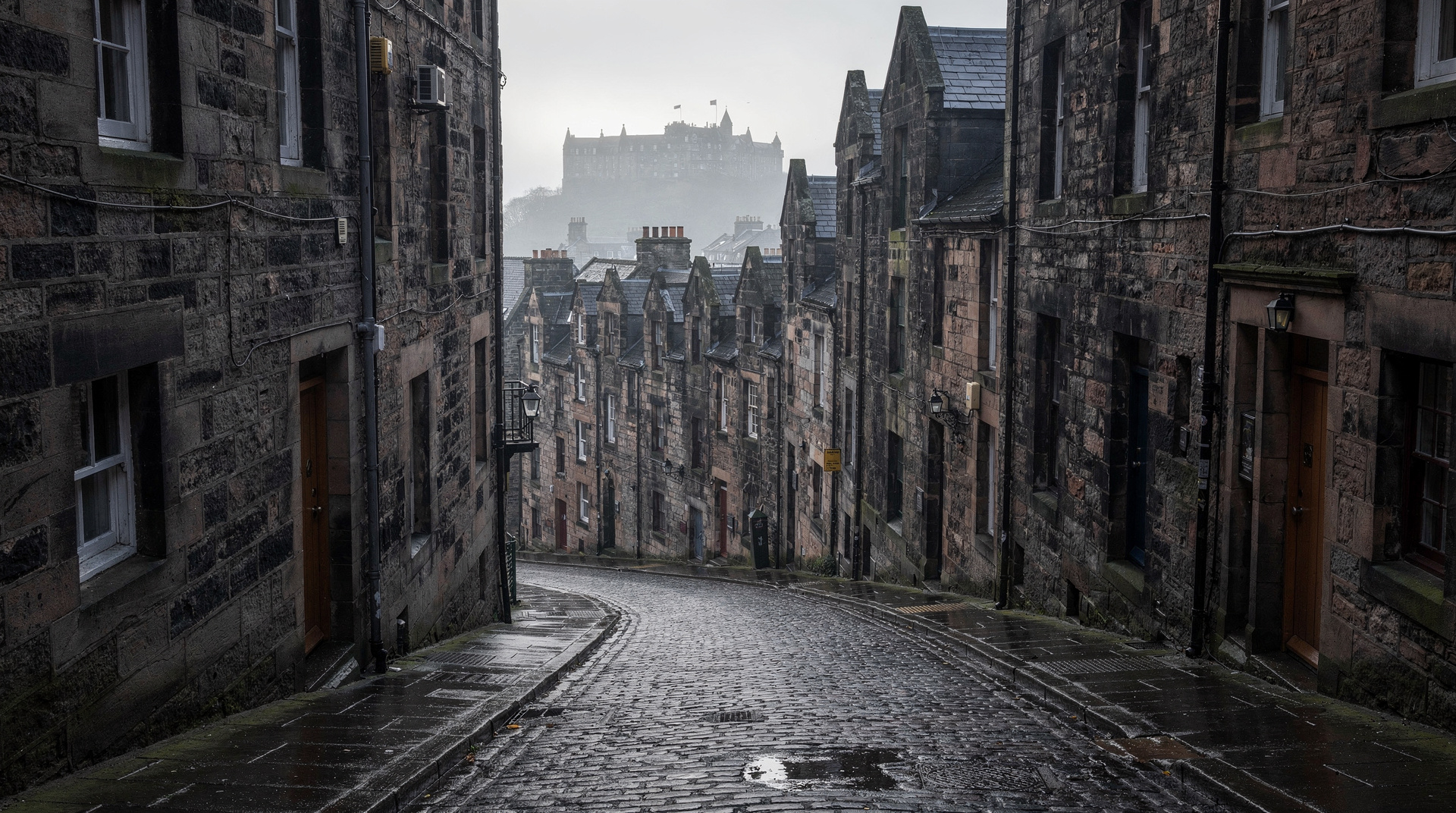
Edinburgh and Glasgow: 5-day two-cities itinerary
Glasgow: city centre guided walking tour
Edinburgh and Glasgow: different cities, different characters
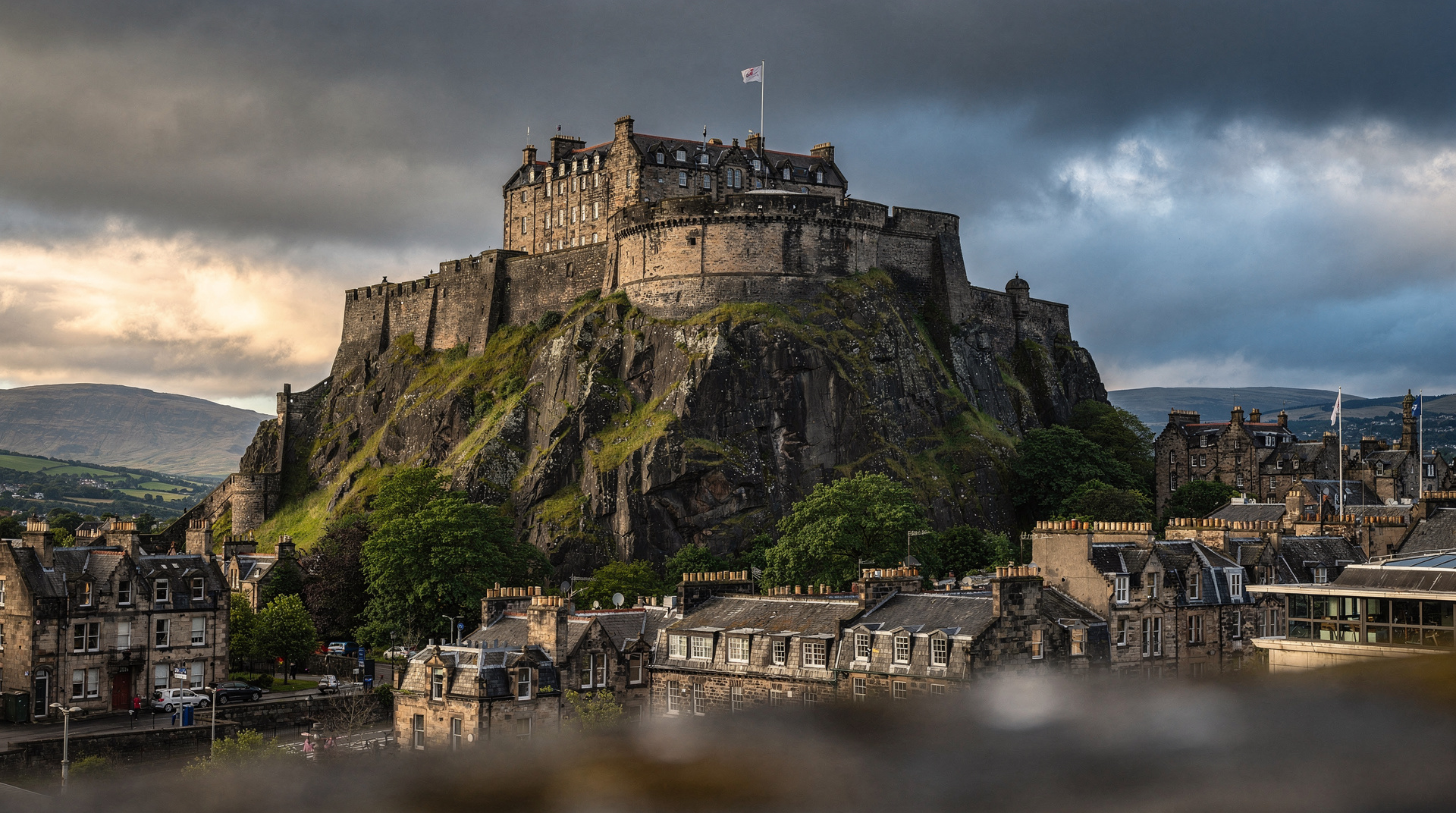
Edinburgh and Glasgow are 45 miles apart and as different from each other as two cities in the same country can reasonably be. Edinburgh is a medieval capital — ancient, dramatic, built vertically on volcanic rock, oriented toward its royal and political heritage. Glasgow is a Victorian industrial city — horizontally spread, architecturally ambitious in an entirely different register, with a working-class character, a strong arts scene, and a pride in its difference from the capital.
| Where | Edinburgh (2 days) + Stirling/Loch Lomond (1 day) + Glasgow (2 days) |
| Cost | around £315–580 per person for 5 days, incl. accommodation |
| Time needed | 5 full days |
| Getting there | 50-min direct train, Edinburgh Waverley to Glasgow Queen Street |
| Best time | year-round; book Fringe-season Edinburgh accommodation early |
Visitors who try to understand Scotland through Edinburgh alone will miss something fundamental. And visitors who skip Edinburgh in favour of Glasgow will miss Scotland’s most iconic cityscape. Five days is enough to give each city two proper days and add a day in the landscape between them.
The journey between the cities by train takes 50 minutes and runs every 15–30 minutes from Edinburgh Waverley to Glasgow Queen Street. The route is one of the most frequently used in Scotland.
The comparison between the two cities is worth understanding before you arrive. Edinburgh’s character was shaped by its position on a volcanic ridge between a castle and a loch — geography that forced the city to build upward, creating the medieval tenements and the enclosed closes of the Old Town. Glasgow’s character was shaped by the Industrial Revolution and the River Clyde — the city that built ships, traded with empire, and accumulated the Victorian mercantile wealth that paid for its extraordinary architecture.
One city looks inward and upward; the other looks outward. The contrast between them is not a ranking but a story about how Scottish history unfolded in two places simultaneously, and why both are worth understanding. See the Edinburgh Castle guide for the Scottish capital’s history in depth before you arrive.
Day 1: Edinburgh arrival and Old Town
Afternoon and evening: arrival in Edinburgh
Arrive at Edinburgh Waverley and check into your accommodation. Spend the afternoon walking the Old Town — the medieval core of the city that exists nowhere else in Scotland.
The Royal Mile, the closes, and the views up to the castle from the Grassmarket establish the Edinburgh character that Glasgow emphatically does not share. This is the point: the contrast between the two cities is the story of this itinerary, and experiencing Edinburgh’s medieval verticality first makes Glasgow’s Victorian horizontality more legible.
Evening: Dinner in the Grassmarket or Victoria Street area. The White Hart Inn for a traditional pub dinner; the Grain Store or The Witchery for something more ambitious. Budget £15–35 per head.
Day 2: Edinburgh — Castle, Royal Mile, New Town
Morning: Edinburgh Castle
9:30am — Edinburgh Castle
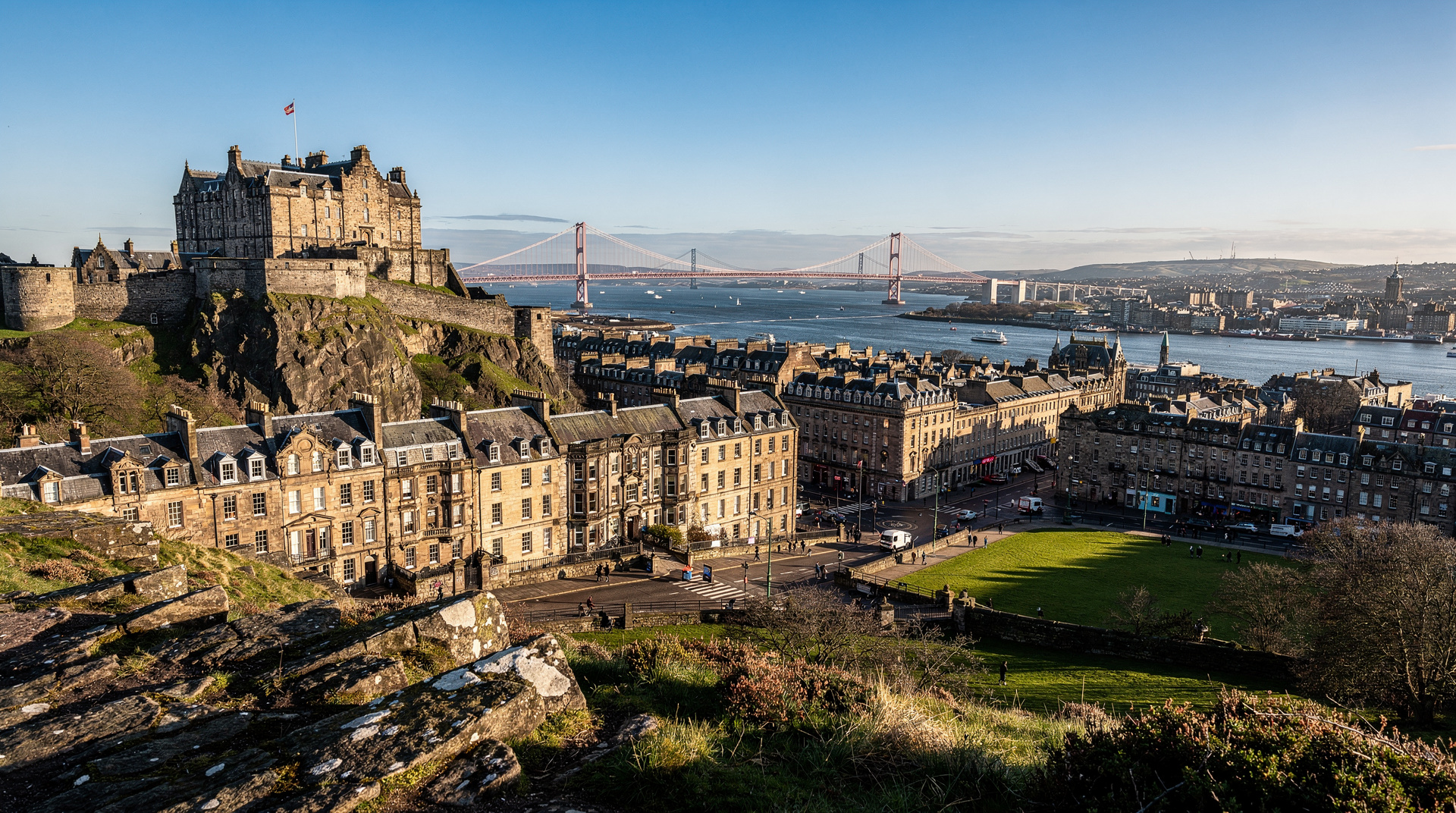
Begin the Edinburgh content properly with the castle. A guided castle tour with entry provides the historical context that makes the Edinburgh-Glasgow comparison meaningful — the castle’s role as Scotland’s military and royal centre is the counterpoint to Glasgow’s later commercial and industrial rise.
Allow two hours inside the castle. Entry £23.50.
Basing the Highland day in Glasgow rather than Edinburgh cuts roughly an hour off each leg, which is the difference between arriving at Loch Ness before or after the coaches: a Glasgow Loch Ness, Glencoe and Highlands tour is worth taking on the Glasgow half of this itinerary.
Afternoon: Royal Mile and New Town
12:00pm — Royal Mile descent
Walk the Royal Mile from the castle esplanade to Canongate, stopping at the closes, St Giles’ Cathedral, and Gladstone’s Land (National Trust, £11). Lunch in the Grassmarket (£12–18).
2:30pm — New Town
Cross Princes Street into the Georgian New Town. The architectural contrast with the medieval Old Town is stark and is itself part of Edinburgh’s story — the planned Georgian extension built from 1765 as an escape from the overcrowded medieval city. Charlotte Square, George Street, and the terraces of Moray Place.
Free to walk; the Scottish National Gallery on The Mound (free, by the junction of Old and New Town) is excellent if you have time.
Evening: Leith dinner
Take the tram to Leith (12 minutes, £2.50 from St Andrew Square) for dinner on The Shore. Fishers Bistro or one of the other waterfront restaurants — the seafood in Leith is better than almost anything comparable in Glasgow. Budget £18–30 per main.
Day 3: Day trip to Stirling and Loch Lomond (or second Edinburgh day)
Option A: Stirling and Loch Lomond
Day three, between the two cities, is the ideal time for a Stirling visit and a first taste of Highland scenery. Stirling is on the direct train route between Edinburgh and Glasgow, which means you can stop there on the way to Glasgow.
A guided Stirling Castle, Loch Lomond and whisky tour departs from Edinburgh and returns you in the evening, covering both Stirling Castle and the Loch Lomond shore in a single day. This is the most efficient use of day three.
Stirling Castle (Historic Environment Scotland, £18.50 adult) is the Scottish central Highlands’ equivalent of Edinburgh Castle — the Great Hall and the Royal Palace are exceptional, and the views over the Forth Valley and toward the Highlands explain why Stirling was strategically so important throughout Scottish history. The castle at Stirling sits on its own volcanic plug in the same way Edinburgh Castle does, but the surrounding landscape is wider and more open — you can see from the Pentland Hills in the south-east to the Highland peaks in the north on a clear day.
The Stirling Old Town, running down from the castle to the railway station, is compact and walkable — the Church of the Holy Rude (where James VI was crowned in 1567, the only coronation church in use in Britain other than Westminster Abbey) and the Old Town Jail are both worth a stop. See the Stirling guide for detail.
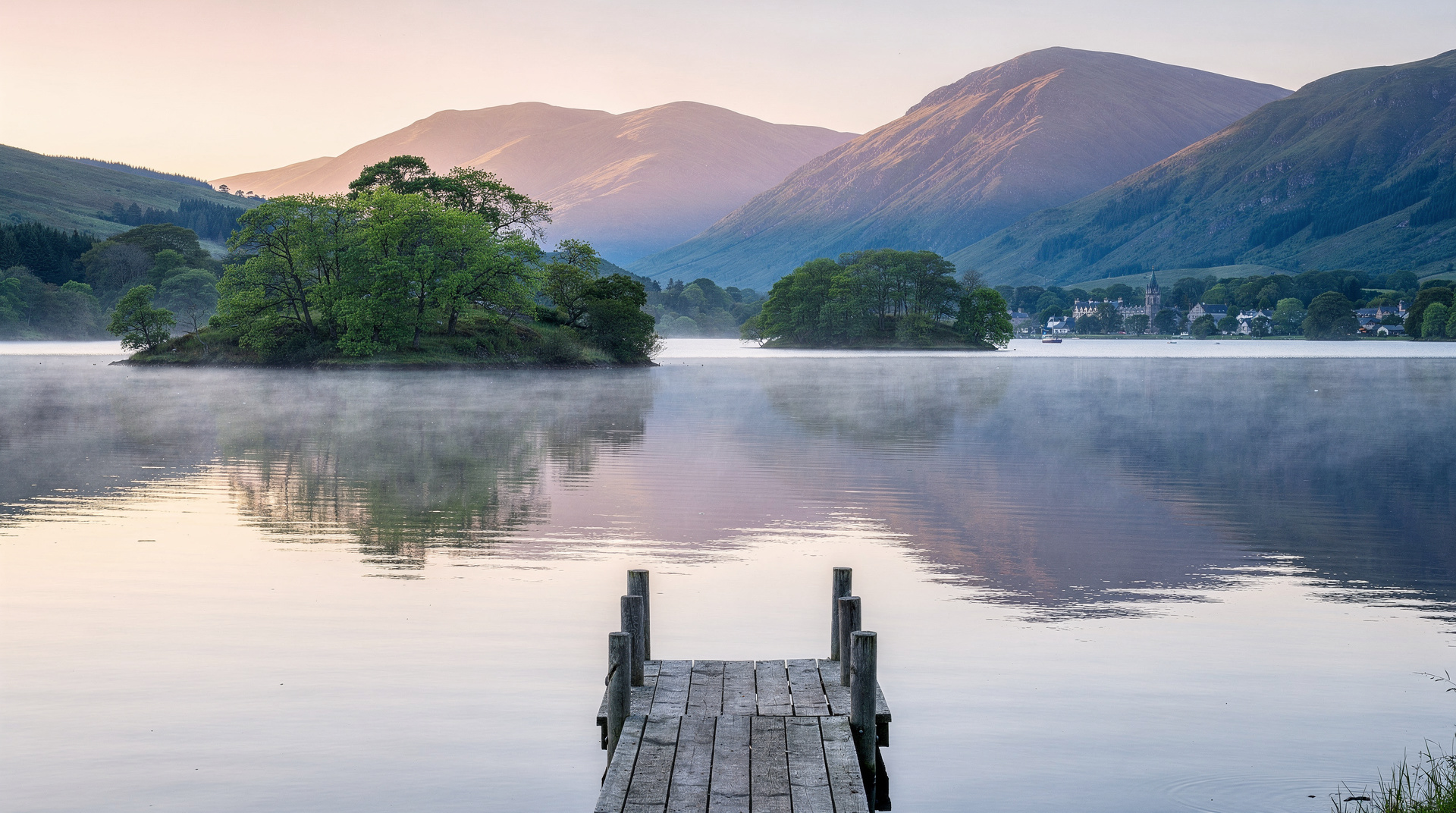
Loch Lomond is Scotland’s largest loch by surface area and the most accessible piece of Highland scenery from Edinburgh. The Loch Lomond and Trossachs National Park extends west from Stirling and contains the most popular hill walks in Scotland. The village of Luss on the western shore is particularly photogenic. A coach window view from a day tour gives the landscape; a full hike into the Trossachs requires more time.
Option B: More Edinburgh time
If a second full day in Edinburgh appeals more than a day trip, use day three to cover what days one and two missed: Arthur’s Seat, the National Museum of Scotland (free), and Leith in more depth. The Stockbridge neighbourhood and the Water of Leith walkway to Dean Village make an excellent morning’s walking without any admission costs.
Glasgow orientation: what first-time visitors need to know
Glasgow’s city centre is laid out on a grid — a deliberate Victorian planning decision that makes it unusually easy to navigate compared to Edinburgh’s medieval streetscape. The main axis runs from the West End (around Kelvingrove and the university) east through the commercial centre (Buchanan Street, Sauchiehall Street, Argyle Street) to the East End and the cathedral precinct. The River Clyde runs along the south edge of the city centre.
Key neighbourhoods: the West End (Byres Road, Kelvingrove, the Botanic Gardens) is where to eat, drink, and experience the city’s most lived-in character. The Merchant City (east of George Square) is the regenerated area with the best restaurant concentration. The Finnieston area (west along Argyle Street) is Glasgow’s newest food and drink quarter. The city centre itself has the best architecture: George Square, the Victorian commercial buildings of Buchanan Street, and the Mackintosh buildings.
One thing Glasgow does not have that Edinburgh does: a single iconic landmark that orients you immediately. Edinburgh has the castle on the rock. Glasgow’s comparable landmark is the River Clyde, which runs below the city centre rather than above it. The Clyde bridges — particularly the Squinty Bridge (the Clyde Arc) and the Erskine Bridge — are spectacular but are not walkable from the city centre the way the Royal Mile is. Glasgow rewards exploration on foot over three or four hours; Edinburgh rewards a specific sequence from one end of the Royal Mile to the other. Both approaches produce a good understanding of their respective city.
Day 4: Glasgow
Morning: train to Glasgow
9:00am — Edinburgh to Glasgow by train
The 9am train from Edinburgh Waverley to Glasgow Queen Street takes 50 minutes and runs every 15–30 minutes. Return tickets booked in advance cost approximately £12–18. Check into Glasgow accommodation before the museums open at 10am.
Honest positioning of Glasgow vs Edinburgh:
Glasgow is different, not lesser. Edinburgh attracts more visitors and has the iconic castle, but Glasgow has more vitality, a better contemporary art scene, and arguably the best Victorian architecture in Britain. Charles Rennie Mackintosh designed here, not in Edinburgh. The Kelvingrove Art Gallery is better than any free museum in Edinburgh. The West End has more independent character than Edinburgh’s New Town.
The mistake is to spend two days in Glasgow looking for what Edinburgh gave you. Glasgow’s character is its own.
Morning: Kelvingrove Art Gallery and Museum (free)
10:00am — Kelvingrove Art Gallery
Kelvingrove is genuinely one of the finest free museums in Britain — Spanish Baroque architecture, a remarkable collection that spans natural history, Scottish decorative arts, Renaissance paintings, and modern art, and a Salvador Dalí painting (Christ of Saint John of the Cross) that is alone worth the visit. Allow two to three hours.
Cost: Free.
Midday: Glasgow city centre walking tour
12:30pm — City centre architecture
A Glasgow city centre guided walking tour is the most efficient introduction to the Victorian architecture that defines the city. The tour typically covers George Square, the Merchant City, the cathedral precinct, and the commercial architecture of the city centre — much of it designed during Glasgow’s period as “Second City of the Empire” in the nineteenth century.
Alternatively, the Glasgow must-see attractions guided walking tour covers the key highlights for first-time visitors.
1:30pm — Lunch in the Merchant City
The Merchant City, east of George Square, is Glasgow’s most concentrated dining area. The Café Gandolfi on Albion Street is a Glasgow institution — excellent Scottish cooking in a beautiful Arts and Crafts interior (mains £16–24). For something quicker, the food market on Buchanan Street has good options.
Budget: £12–22.
Afternoon: the West End and Mackintosh
3:00pm — Mackintosh at the Willow
Charles Rennie Mackintosh’s work defines Glasgow’s aesthetic identity in the way that Robert Adam’s New Town defines Edinburgh’s. The restored Willow Tea Rooms on Sauchiehall Street (gallery admission and tea prices on the official Mackintosh at the Willow site) is Mackintosh’s most complete surviving interior.
4:00pm — Glasgow Botanic Gardens and West End
The West End — centred on Byres Road and the university area — is Glasgow’s most pleasant neighbourhood for an afternoon walk. The Botanic Gardens are free and excellent. The independent shops and restaurants of Byres Road and Ashton Lane (a cobbled lane with bars and cinemas) have a character that Edinburgh’s equivalent areas do not quite match.
Evening: Glasgow’s pub and restaurant scene
6:30pm — Glasgow dinner
Glasgow arguably has Scotland’s most interesting restaurant scene outside of Edinburgh itself. The West End in particular has a high concentration of quality independent restaurants:
- Ox and Finch: Small-plate Scottish and European cooking, one of Scotland’s best casual dining restaurants, Kelvingrove area. Mains £15–26.
- Cail Bruich: Tasting menu, Michelin-recognised, Great Western Road. Higher price point.
- The Finnieston: Excellent Scottish seafood in a Victorian pub setting, Finnieston area. Mains £18–26.
For drinks before or after dinner, the Finnieston area (the stretch of Argyle Street near the armadillo concert hall) has become Glasgow’s most vibrant food and drink quarter.
Day 5: Second Glasgow day or return
Morning: remaining Glasgow highlights
9:30am — Glasgow Cathedral and Necropolis (free)
Glasgow Cathedral is the only mainland Scottish medieval cathedral to survive the Reformation relatively intact. The lower church (crypt) with its forest of stone pillars is particularly atmospheric. The Necropolis behind the cathedral — a Victorian garden cemetery on a hill above the city — has extraordinary views and some of the most extravagant funerary architecture in Scotland. Free; allow 90 minutes.
11:00am — Glasgow Gallery of Modern Art (free)
GoMA on Royal Exchange Square is Glasgow’s contemporary art gallery in an extraordinary Greek Revival building (a Wellington statue with a traffic cone on its head stands outside — a Glasgow tradition that the council has stopped trying to remove). The collection is variable but the building is worth seeing. Free.
12:30pm — Final lunch in Glasgow
The Merchant City has the best concentration of lunch options. Eat somewhere you have not been yet and then catch the train back to Edinburgh.
2:00pm — Train back to Edinburgh (50 minutes)
Or extend your Glasgow time and take an evening train.
Edinburgh vs Glasgow at a glance
If you are still deciding how to split your time, this is the honest comparison:
| Edinburgh | Glasgow | |
|---|---|---|
| Character | Medieval, vertical, castle-dominated | Victorian, horizontal, commercially built |
| Best free sight | Princes Street Gardens castle view | Kelvingrove Art Gallery |
| Best neighbourhood | Old Town / Royal Mile | West End (Byres Road) |
| Signature architecture | Georgian New Town | Charles Rennie Mackintosh |
| Food scene | Leith seafood | West End independents, Merchant City |
| Easier to navigate | No — closes and wynds take orientation | Yes — Victorian grid layout |
Neither city “wins” outright — the comparison above is about what each does best, not which to prioritise. If you can only manage four days rather than five, cut a day from Glasgow rather than Edinburgh; Glasgow rewards a fast-paced day and a half more readily than Edinburgh’s Old Town and New Town split does.
Practical logistics for splitting your luggage
Travelling between two cities with luggage is one detail people underestimate. Both Edinburgh Waverley and Glasgow Queen Street have left-luggage facilities, which is useful if you want to explore Stirling on day three without dragging bags along — check into your Edinburgh accommodation for two nights, then travel to Glasgow with day bags only if your first Glasgow night’s accommodation allows early check-in. The train itself has generous luggage space and the 50-minute journey is short enough that even a full suitcase is no real burden if you would rather just carry everything with you.
Five-day two-city budget
| Day | City | Key costs | Budget | Mid-range |
|---|---|---|---|---|
| Day 1 | Edinburgh | Dinner | £15 | £28 |
| Day 2 | Edinburgh | Castle, Leith dinner | £50 | £85 |
| Day 3 | Stirling/Loch Lomond | Guided tour | £45 | £65 |
| Day 4 | Glasgow | Kelvingrove (free), tour, dinner | £35 | £70 |
| Day 5 | Glasgow | Cathedral (free), transport | £20 | £30 |
| Accommodation (5 nights) | — | £150 | £300 | |
| Total per person | ~£315 | ~£580 |
Frequently asked questions about Edinburgh and Glasgow
Should I visit Edinburgh or Glasgow first?
Edinburgh first, for most visitors. Edinburgh’s medieval Old Town and the castle are the iconic Scotland opener; Glasgow’s character is clearer and more interesting once you have the Edinburgh comparison to work with. If you are arriving at Glasgow Airport, Glasgow first is logistically simpler, but the itinerary works in either direction.
Is Glasgow worth visiting alongside Edinburgh?
Absolutely. Glasgow is a different kind of great city — Victorian rather than medieval, horizontally ambitious rather than vertically dramatic, and with a contemporary arts and food scene that Edinburgh has not fully matched. The Kelvingrove Museum and Gallery is one of Britain’s finest free museums. The West End and Merchant City have a vitality that Edinburgh’s New Town lacks. Five days covering both cities is much more rewarding than five days in Edinburgh alone.
How long is the train between Edinburgh and Glasgow?
50 minutes from Edinburgh Waverley to Glasgow Queen Street. Services run every 15–30 minutes throughout the day. Return tickets cost approximately £12–18 booked in advance; walk-up fares are higher. The journey is entirely comfortable.
What is the main difference between Edinburgh and Glasgow?
Edinburgh is Scotland’s capital and administrative centre — medieval, castle-dominated, internationally famous for the Fringe and the Castle, and oriented toward its historic and royal heritage. Glasgow is Scotland’s largest city — Victorian, commercially built, architecturally extraordinary in a different way, with a stronger working-class character and a better contemporary arts scene. They are 45 miles apart and represent almost entirely different urban experiences. See the three-day Edinburgh itinerary if you want to focus on Edinburgh alone.
Is Loch Lomond accessible from Edinburgh?
Yes. Loch Lomond is about 90 minutes from Edinburgh by train to Balloch station, or via Stirling on a day trip. The loch is more naturally accessed from Glasgow (45 minutes to Balloch), but day tours from Edinburgh often include Loch Lomond alongside Stirling Castle. See the Loch Lomond and Trossachs guide for detail on what the park offers.
Which city is better for food?
Both are good, in different ways. Edinburgh’s Leith waterfront has Scotland’s best seafood restaurants. Glasgow’s West End and Merchant City have a broader range of cuisines and a more consistently good independent restaurant scene. For Michelin-starred cooking, both cities have options. For casual independent dining with genuine quality and reasonable prices, Glasgow has the edge. See the Edinburgh restaurants guide and the New Town guide for more eating options in Edinburgh.
Can I do Edinburgh and Glasgow in fewer than five days?
Yes, though something has to give. Four days works if you compress each city to a day and a half and drop the Stirling/Loch Lomond day; three days is possible but rushed, essentially one full day per city plus travel. Five days is the version that lets both cities breathe and includes the landscape day between them — if you are tight on time, cut from Glasgow’s second day rather than Edinburgh’s, since Edinburgh’s Old Town and New Town genuinely need two days to cover properly.
Do I need to book the Edinburgh-Glasgow train in advance?
It helps but is not essential outside peak times. Advance tickets are noticeably cheaper than walk-up fares for the same 50-minute journey, and booking a specific time also guarantees a seat during busy periods (Friday evenings, Monday mornings). Off-peak midday trains run every 15–30 minutes with plenty of capacity even for walk-up passengers.
Top experiences
Bookable activities with verified prices and instant confirmation on GetYourGuide.
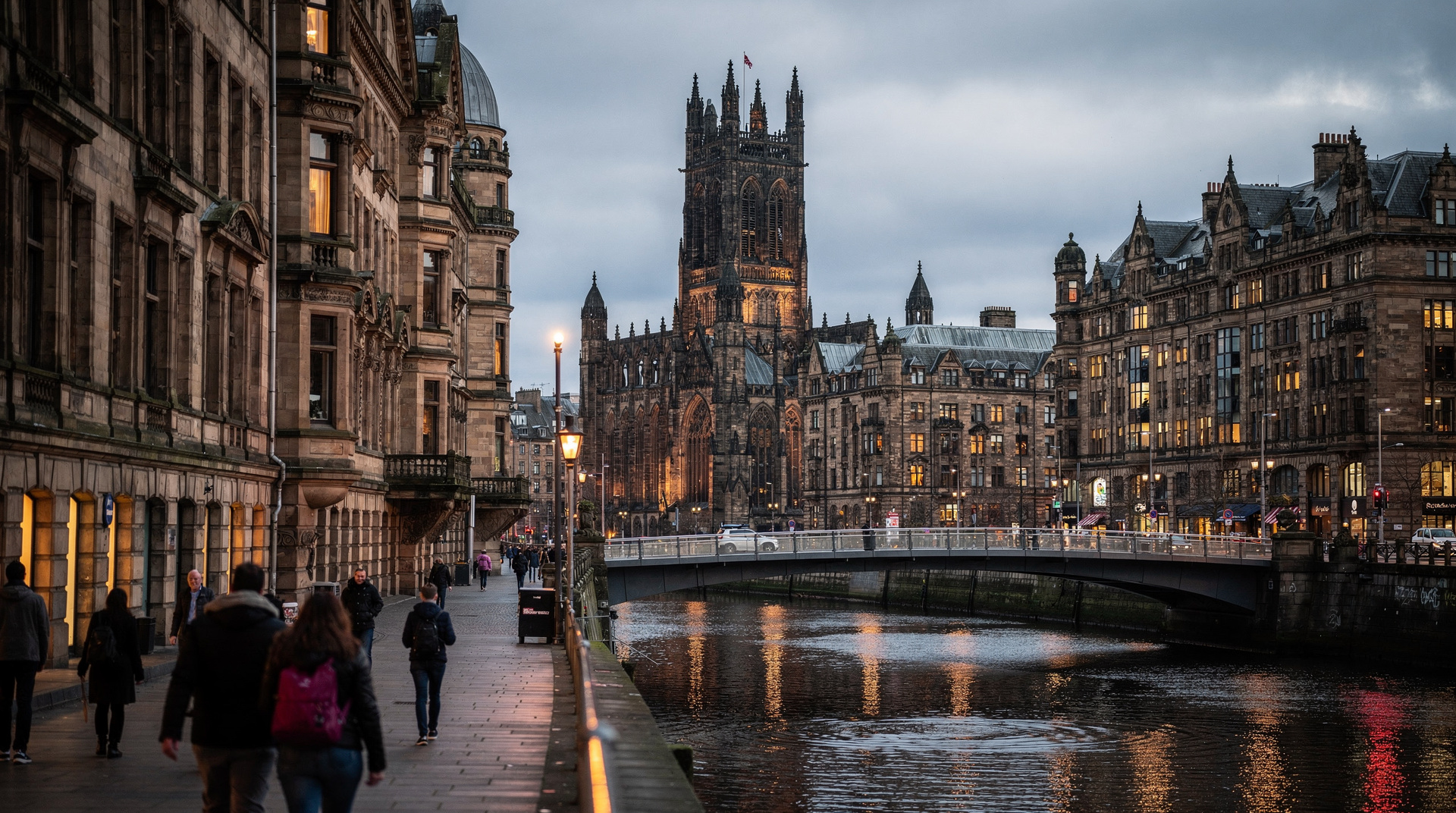
Glasgow: city centre guided walking tour
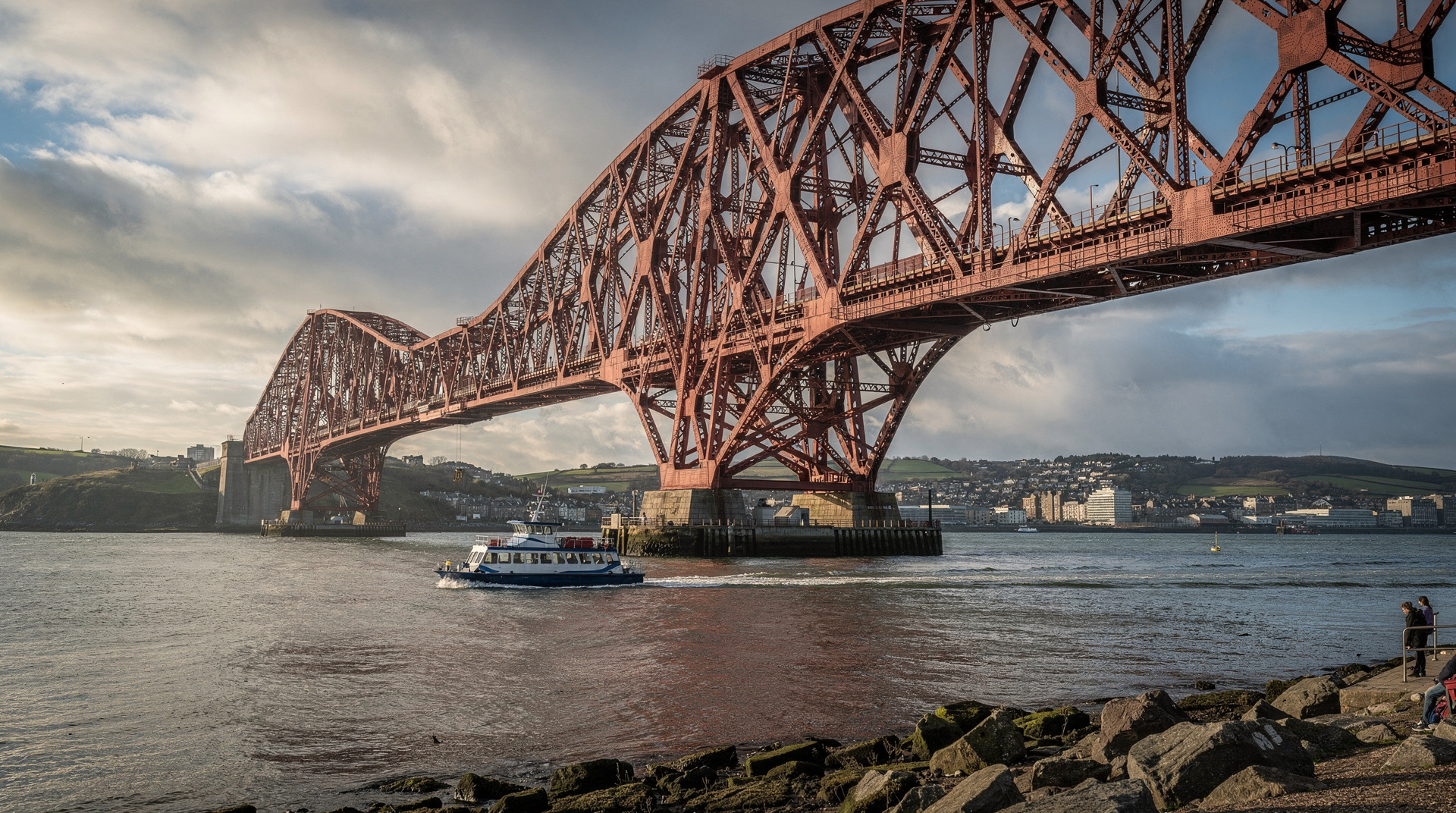
Glasgow: must-see attractions guided walking tour
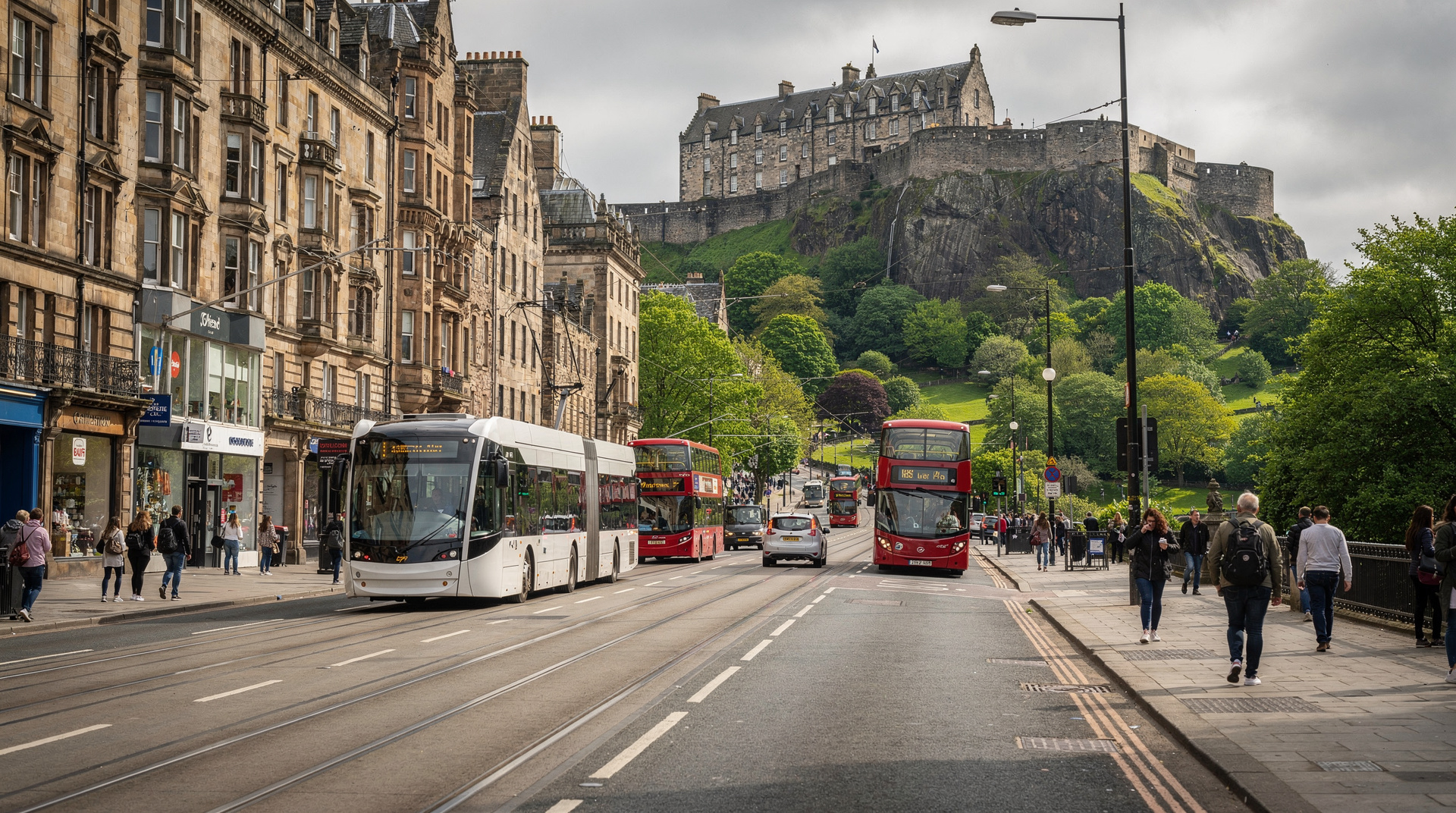
Glasgow: City Sightseeing hop-on hop-off bus

Edinburgh: Stirling Castle, Loch Lomond & whisky tour
Edinburgh Castle: guided walking tour with entry ticket