Edinburgh vs Glasgow: which Scottish city should you visit?
Glasgow: city centre guided walking tour
Should I visit Edinburgh or Glasgow?
Edinburgh for history, architecture, castle, and scenic walks — the more iconic and tourist-ready city. Glasgow for culture, art, food scene, and a more lived-in, less touristy atmosphere. If you have five or more days, do both — they are 50 minutes apart by train. For a first Scotland visit of three to four days, Edinburgh is the obvious starting point.
Two cities, fifty minutes apart, and genuinely different
Edinburgh and Glasgow are the two cities that define Scotland in the international imagination, and they are, in almost every meaningful way, different from each other. The 50-minute train journey between them covers a distance that seems short on a map but separates two places with distinct characters, different histories, different relationships to tourism, and different strengths as visitor destinations.
This guide compares them honestly: not to declare a winner, but to help you decide which suits your particular trip — and to make the case that if you have the time, doing both is worth it.
| Edinburgh | Glasgow | |
|---|---|---|
| Best for | Historic sightseeing, castle, iconic views | Art, architecture, food, nightlife |
| Train link | 50 min from Glasgow, around £10-20 return | 50 min from Edinburgh, around £10-18 return |
| Typical daily cost | Higher, especially August | Genuinely better value |
| First-timer’s base | Yes, more central for day trips | Better for a second Scotland visit |
| Minimum time | 2-3 days | 1 full day |
The basic difference in character
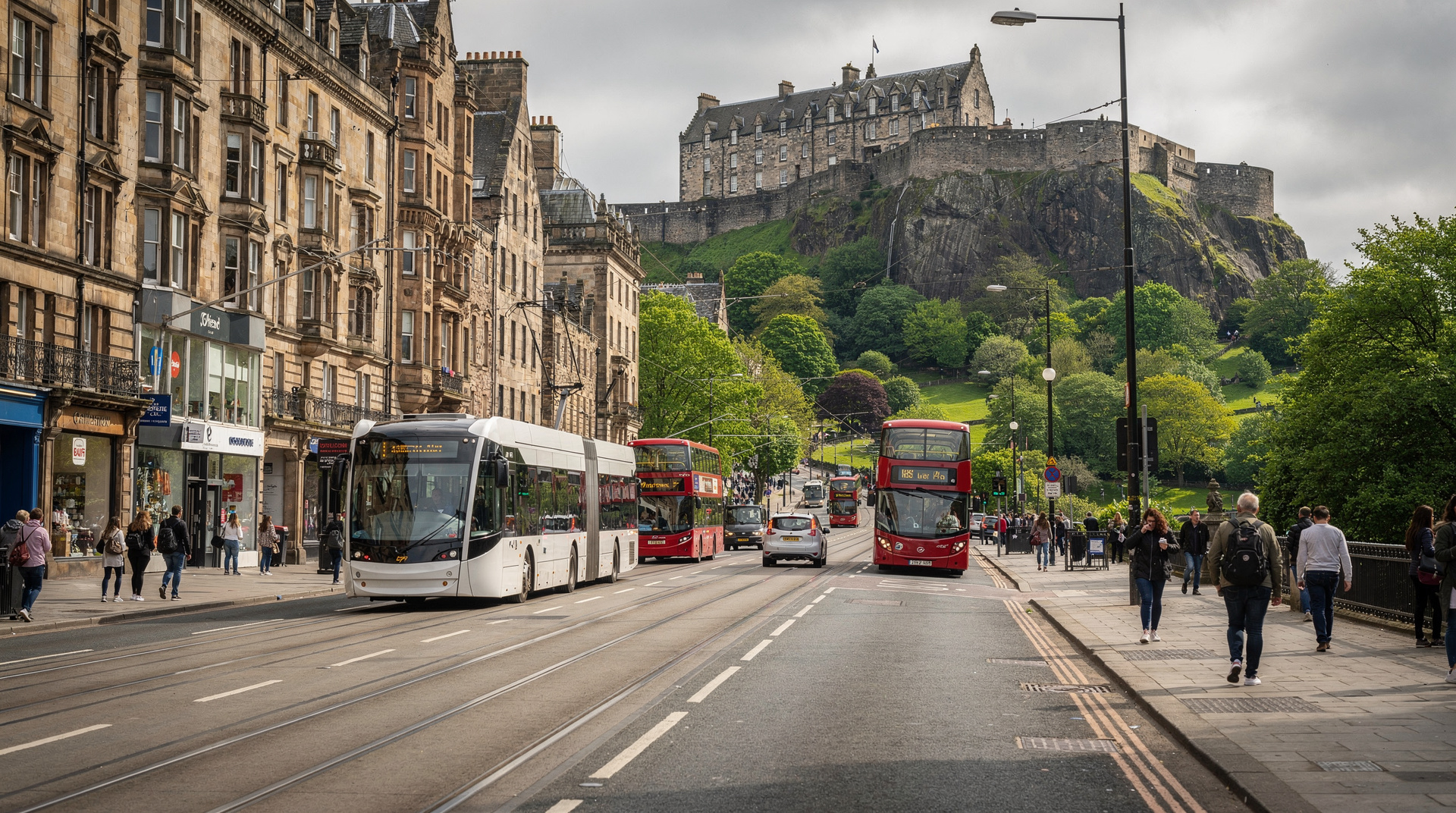
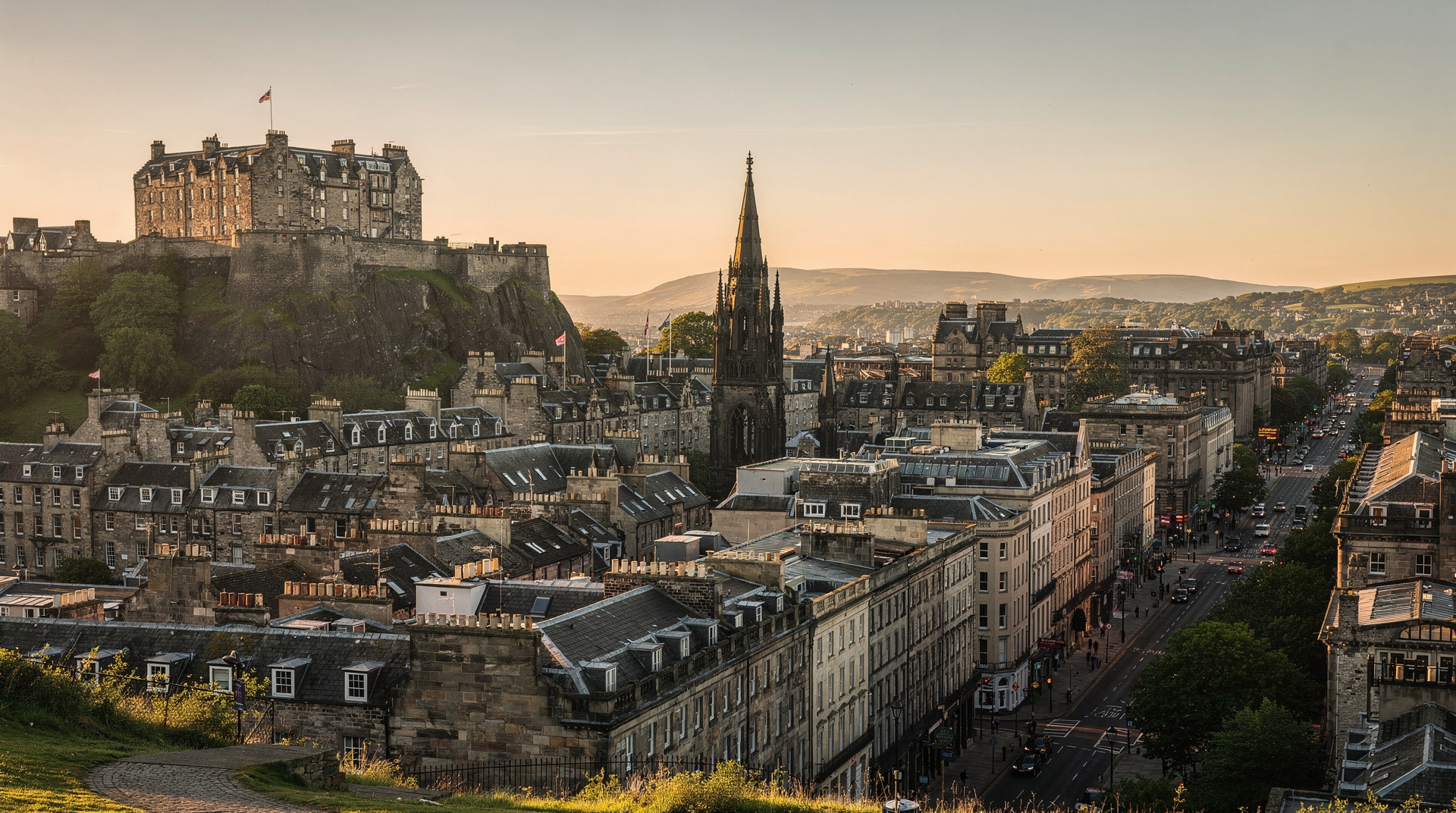
Edinburgh is a city that was designed to be admired. The New Town grid, the volcanic crags, the castle on the rock, the Georgian symmetry — these create a city of spectacular vistas that photographs beautifully and impresses first-time visitors immediately. It is, in the best sense, a stage set of a city, and the history that plays out on that stage is genuinely significant.
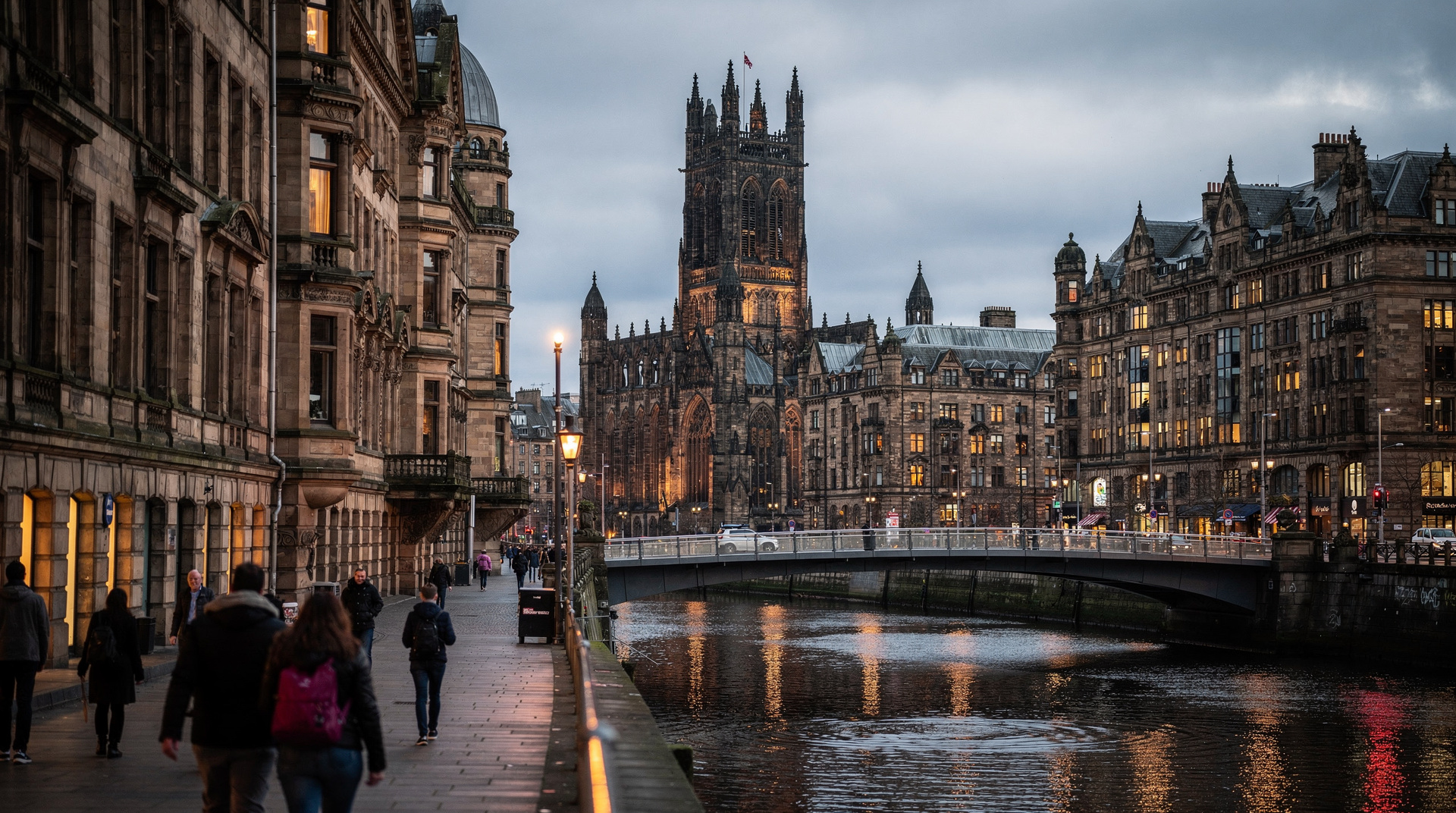
Glasgow is a city that was built to work. Its Victorian wealth came from shipping, textiles, and heavy industry; its architecture — remarkable in its own right — is the architecture of commerce and civic ambition rather than aristocratic planning. Glasgow does not photograph as easily as Edinburgh. But it has a more authentic contemporary energy, a better food and culture scene, and a reputation for friendliness that its residents are justifiably proud of.
The Edinburgh-Glasgow rivalry is a real thing among Scots, and it runs deep. Edinburgh tends to be seen (often by Glaswegians) as prim, pretentious, and expensive; Glasgow tends to be seen (sometimes by Edinburgh people) as rough, grey, and industrial. Both characterisations are simplifications. The reality is that these are two very different cities with complementary strengths.
If you are staying in Edinburgh for your whole trip and weighing whether Glasgow deserves a day of it, it helps to know what you would be trading. A day in the Old Town — the Royal Mile, Edinburgh Castle, and the closes around Grassmarket — is unlikely to be matched anywhere in Glasgow. Equally, a day among Glasgow’s museums and West End streets is unlikely to be matched anywhere in Edinburgh. Neither substitutes for the other; that is the whole point of this comparison.
History and culture
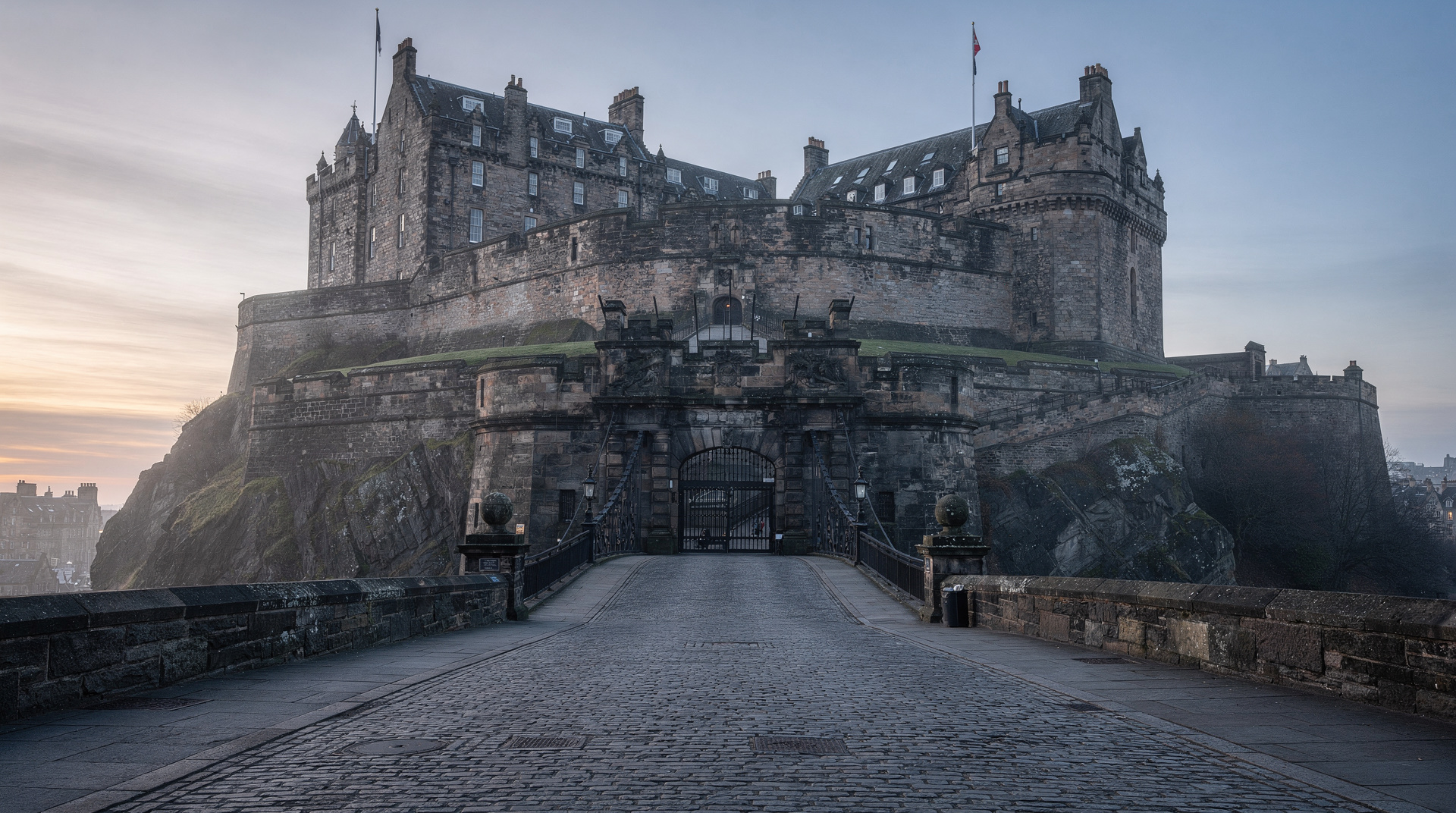
Edinburgh wins on historic sightseeing. The Royal Mile, Edinburgh Castle, the Palace of Holyroodhouse, Greyfriars Kirkyard, the closes and wynds, the New Town — these form one of the most concentrated historic city centres in the world. The city’s associations with the Scottish Enlightenment, the Reformation, Mary Queen of Scots, and the Jacobites make it endlessly interesting for visitors with a historical bent.
The National Museum of Scotland, the Scottish National Gallery, and the Writers’ Museum are all free and excellent. For a deep dive into what the castle offers on its own, the Edinburgh Castle guide has the full visitor breakdown, and Old Town vs New Town compares Edinburgh’s two halves for visitors who want to go beyond the Glasgow question.
Glasgow has world-class art and design collections in institutions that are almost unknown outside Scotland: the Burrell Collection (a genuinely remarkable private art collection housed in a purpose-built museum in Pollok Park), the Kelvingrove Art Gallery (free, and one of the finest municipal art galleries in Britain), and the Hunterian Museum at the University of Glasgow. The city’s association with Charles Rennie Mackintosh, the Art Nouveau designer, gives it an architectural identity that draws design enthusiasts from across the world — though some key Mackintosh buildings were damaged or destroyed in the fire at the Glasgow School of Art in 2014 and 2018.
Food and drink
Glasgow has the better food scene. This is not controversial — it has been consistently acknowledged by food writers and restaurant guides for at least a decade. The West End of Glasgow has a density of good independent restaurants, cafes, and bars that Edinburgh’s equivalent areas (Stockbridge, Bruntsfield) match in quality but not in concentration. Glasgow’s casual dining scene — particularly for Asian cuisine — is significantly better than Edinburgh’s.
Edinburgh has excellent restaurants and is not a bad place to eat. But the city’s status as a tourist destination has produced a parallel mediocre-restaurants-for-tourists ecosystem (particularly along the Royal Mile) that visitors need to navigate around. The where to eat in Edinburgh guide directs visitors away from the tourist traps. In the city’s best areas — Leith, Stockbridge, the Cowgate — the food quality is genuinely high.
For whisky, both cities have excellent bars and distilleries. Edinburgh has the Scotch Whisky Experience on the Royal Mile, Johnnie Walker Princes Street, and several specialist whisky bars. Glasgow has the Clydeside and Glengoyne distilleries within easy reach, and the city’s pub culture has deep whisky traditions.
Nightlife
Glasgow is Scotland’s nightlife capital and one of the UK’s best music and club cities. The music scene — particularly for live music at small venues — is exceptional. King Tut’s Wah Wah Hut, the Barrowlands, the O2 Academy, and numerous smaller venues make Glasgow disproportionately significant for live music relative to its population. The city’s bar and club scene around Sauchiehall Street and the West End runs later and with more vitality than Edinburgh’s equivalent.
Edinburgh has good nightlife but it is less distinctive. The Old Town’s Grassmarket and Cowgate have high concentrations of bars; the New Town’s Rose Street and George Street have a mix of traditional pubs and more recent bars. During August (Fringe season), Edinburgh’s late-night entertainment culture is spectacular — the Fringe itself generates a citywide festival atmosphere that Glasgow cannot match. But in an ordinary week, Glasgow wins on nightlife.
Cost
Edinburgh is more expensive. Hotel prices in Edinburgh are consistently 20-30% higher than comparable accommodation in Glasgow, particularly during festival season (August) when Edinburgh prices are among the highest in the UK. Restaurants in the tourist areas of Edinburgh are significantly more expensive than their Glasgow equivalents.
Glasgow is genuinely good value by UK major city standards. Accommodation, food, and public transport all cost less than Edinburgh. For budget travellers, Glasgow is the more affordable city.
Day trips
Edinburgh wins on day trips. The city’s position in the centre of the Scottish Lowlands puts it within reach of the Highlands, Fife, the Borders, East Lothian, and Glasgow itself. The best day trips from Edinburgh guide covers the full range.
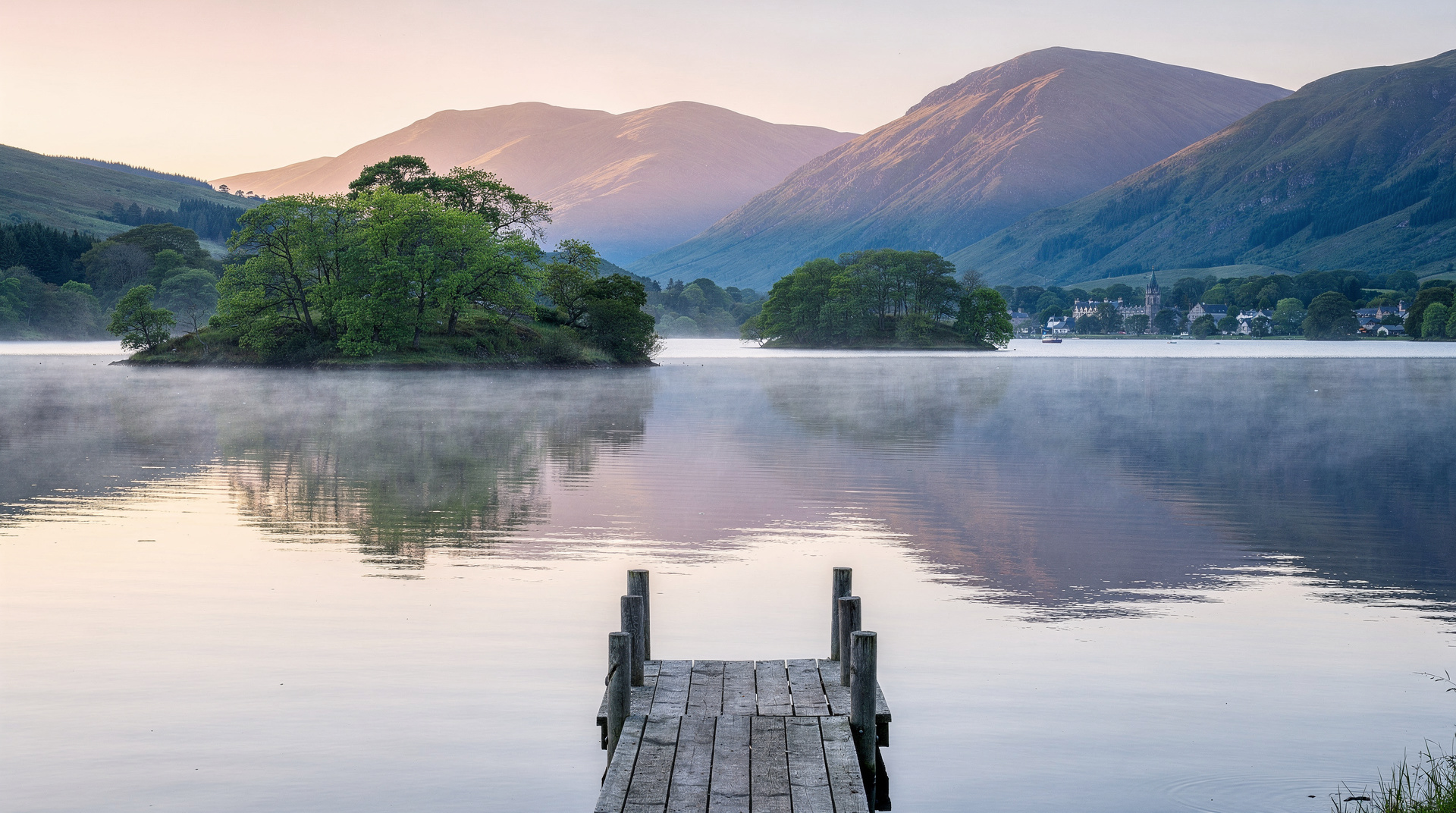
Glasgow also has excellent day trip options — Loch Lomond and the Trossachs are easily accessible, and the city is the starting point for many West Highlands tours. But the overall range and variety of what is accessible from Edinburgh is larger.
Getting between the two cities
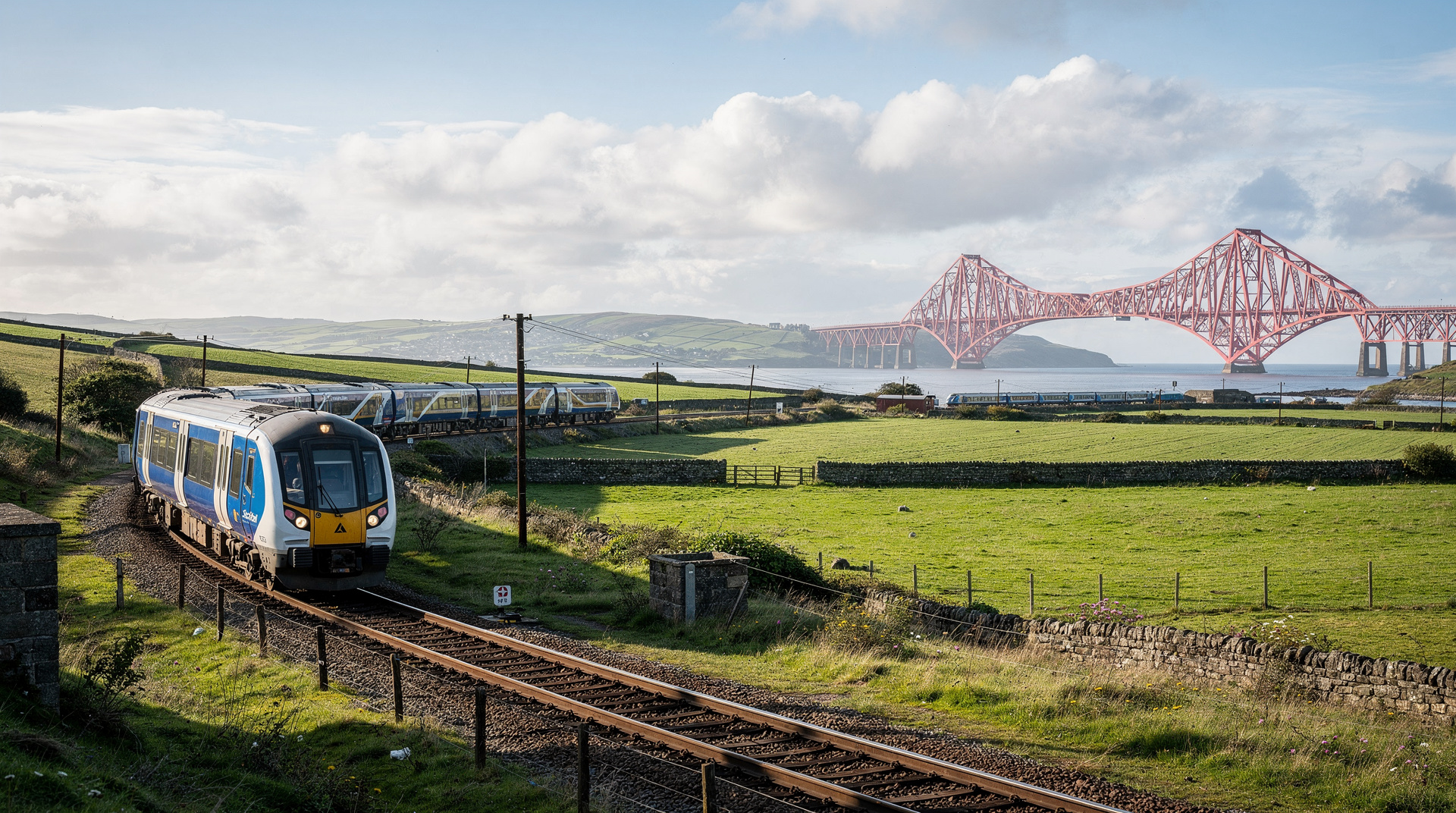
Trains run frequently between Edinburgh Waverley and Glasgow Central or Glasgow Queen Street. The journey takes 50 minutes to 1 hour and costs £10-20 depending on booking time. Both cities are on a main line with services roughly every 15-20 minutes during the day. This makes doing both cities in a single trip very practical — even a single day trip from Edinburgh to Glasgow (or vice versa) is perfectly manageable.
A guided day trip from Edinburgh to Glasgow is one option: a Glasgow city centre walking tour covers the key areas efficiently with a guide who knows the history. The Glasgow must-see attractions walking tour is a good choice for first-time visitors who want to cover the highlights without navigating independently.
If you want to combine Glasgow with Loch Lomond and Stirling in a single day, the Glasgow Loch Lomond, Trossachs and Stirling Castle tour covers all three. See the Glasgow day trip guide for full logistics.
For visitors who would rather stay in the central belt without the Highlands added on, the standalone Glasgow destination guide covers the city’s neighbourhoods in more depth than a single day trip write-up can, and is worth reading before you decide how much time to give it.
Edinburgh has made an industry of its dark history while Glasgow’s equivalent stories stay largely untold, which means the crowds are on one side of the country and the material on both: a Glasgow ghouls, ghosts and gruesome tales walking tour covers the version without the queue.
Which to choose for a first visit to Scotland
For a first visit of three to four days, Edinburgh is the more natural starting point. It has more historic sightseeing, is more central for day trips, and has the iconic views that feature on Scotland’s tourism promotion. It is also more obviously set up for visitors and easier to navigate on arrival.
For a second visit, or for visitors whose primary interest is culture, food, art, or music rather than historic sightseeing, Glasgow may well be the more interesting city. The combination — Edinburgh as a base for the first few days, then the train to Glasgow for a day or two — is the optimal approach for anyone with the time.
For visitors with five or more days, the Edinburgh and Glasgow five-day itinerary provides a structured way to cover both.
Booking a Glasgow tour from Edinburgh: what actually saves time
If you have decided to add Glasgow rather than choosing between the two, the next decision is whether to go independently by train or join a guided tour. Independent travel by train is cheaper and more flexible for confident city walkers who are comfortable navigating with a map. A guided option removes the planning overhead and adds historical context that is easy to miss walking alone — the Glasgow city centre walking tour is the more affordable of the guided options and works well as a half-day orientation before you explore independently in the afternoon.
For visitors who want to see the Highlands as well as Glasgow in a single day from Edinburgh, the Glasgow, Loch Lomond, Trossachs and Stirling Castle tour is the most efficient single booking, though it means less time in Glasgow itself than a dedicated Glasgow day. Weigh this against simply booking two separate days — one for Glasgow, one for the Highlands — if your schedule allows it, since rushing both dilutes each.
Frequently asked questions about Edinburgh versus Glasgow
Is Glasgow safer than its reputation suggests?
Yes. Glasgow had a serious crime problem in the twentieth century that generated a reputation that has substantially outlasted the reality. The city centre and tourist areas are safe for visitors. The areas of deprivation that gave rise to the reputation (Easterhouse, Drumchapel) are not in tourist zones. Glasgow’s crime rates are comparable to other major UK cities.
Which city is better for families?
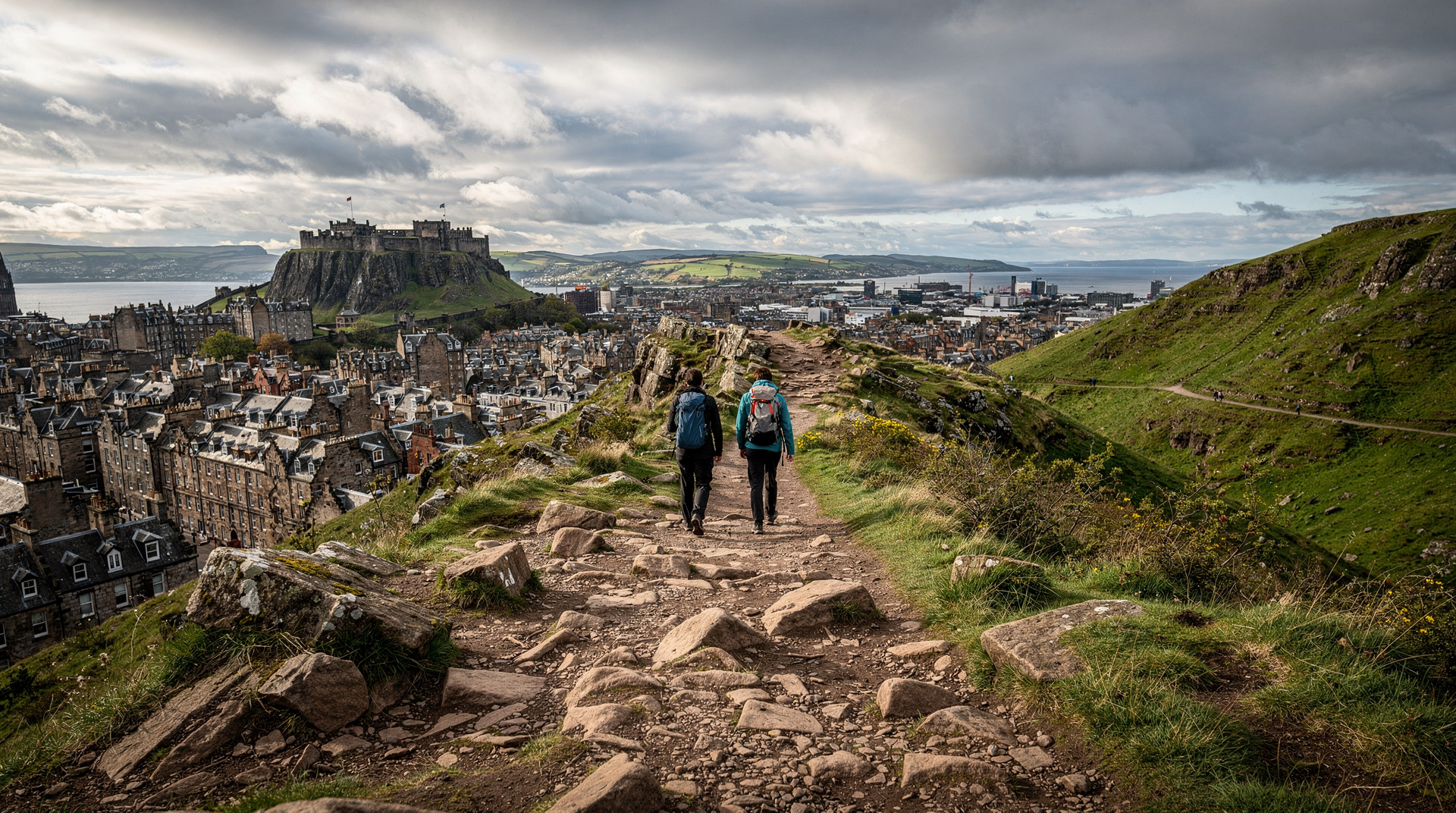
Both have good family options. Edinburgh has Edinburgh Castle, the Camera Obscura, the Edinburgh Dungeon, and Arthur’s Seat for active families. Glasgow has better free museums (Kelvingrove, the Glasgow Science Centre) and is more affordable. For a Scotland family trip with limited budget, Glasgow’s free museums are a significant advantage.
Can I do both cities in a single day?
Not satisfyingly. A single day in each city is a minimum to get a real sense of either. Edinburgh in particular rewards at least two full days for a first visit. If you have only one day in Scotland and must choose, Edinburgh is the conventional choice for first-time visitors; Glasgow is the better choice for returning visitors or those with specific cultural interests.
Which has better shopping?
Glasgow, comprehensively. The Buchanan Galleries, Princes Square, and Buchanan Street form one of the best shopping districts in the UK outside London. Edinburgh has Princes Street, George Street, and the Grassmarket for independent shops, but Glasgow’s retail offer is broader and the city centre shops are more concentrated.
Is it cheaper to fly into Glasgow or Edinburgh?
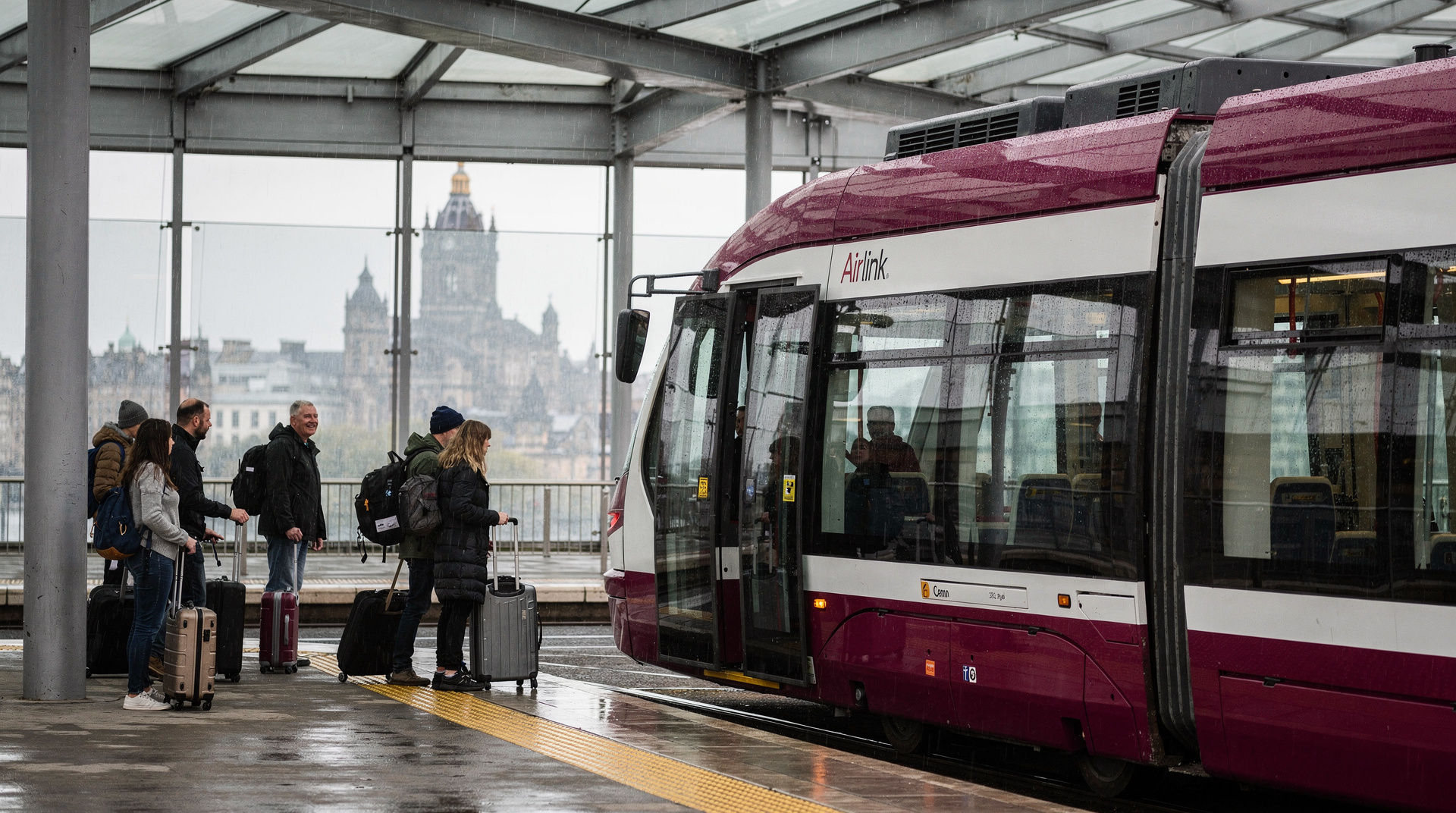
Both airports serve international and domestic routes, and fares are usually comparable for the same dates. Edinburgh Airport is closer to the city centre (a 30-minute tram ride) and has more direct European and North American connections. Glasgow Airport is a similar distance from Glasgow city centre by bus. If your itinerary starts in Edinburgh, flying into Edinburgh saves a transfer; if you plan to see Glasgow first, flying into Glasgow makes equal sense — the 50-minute train connects either way.
Which city has the better festival scene?
Edinburgh, decisively, thanks to the Fringe, the International Festival, and Hogmanay — no British city rivals Edinburgh’s August festival density. Glasgow has a strong live music and comedy scene year-round (see the nightlife section above) but does not stage anything on the scale of the Edinburgh festivals. Visitors planning around a festival should check the Fringe guide for dates before booking either city.
Top experiences
Bookable activities with verified prices and instant confirmation on GetYourGuide.