Whisky for beginners: your Edinburgh starting point
Starting from scratch
Most people who say they do not like whisky have never tasted good whisky in a context that was designed for them. The version of Scotch that most people encounter first — a harsh, sharp dram in a plastic cup at a Scottish-themed event — is not representative of what single malt Scotch can be.
Edinburgh is the best place in the world to have this conversation corrected, because it has a concentration of whisky experiences that are specifically designed for people who want to understand rather than perform appreciation.
Here is what a genuine beginner needs to know before heading out.
| Where to start | Scotch Whisky Experience, Castlehill |
| Cost | Around £25-39.75 for a Scotch Whisky Experience tasting tour |
| Time needed | 60-90 minutes for a proper introduction |
| Best starting style | Speyside or Lowland, not peated Islay |
| Booking | Advance recommended for small-group tastings |
The basics of Scotch whisky
Scotch whisky must be made in Scotland, matured in oak casks for at least three years, and contain no added colour or flavouring (with the exception of a small amount of caramel colouring in some expressions). It is made from malted barley (for single malt), grain (for grain whisky), or a combination (blended Scotch). The flavour differences are enormous and depend on the water source, the malting process, whether peat was used in the drying, and the type of cask used for maturation.
The five whisky-producing regions of Scotland each produce broadly recognisable styles:
Speyside (largest number of distilleries): typically fruity, sweet, relatively approachable. Glenfiddich, Glenlivet, Macallan are all Speyside distilleries.
Highlands: enormous variety, from the light and floral to the rich and robust. Dalmore, Oban, Glenmorangie.
Islay (the island off the west coast): heavily peated, smoky, medicinal. Laphroaig, Ardbeg, Bowmore. Usually not the starting point for beginners.
Lowlands: lighter, less complex, more approachable. Auchentoshan, Glenkinchie (which is near Edinburgh and can be visited on a day trip).
Campbeltown: a tiny, distinctive region; Springbank is the most celebrated distillery.
The best beginner whisky experiences in Edinburgh
The Scotch Whisky Experience, Castlehill
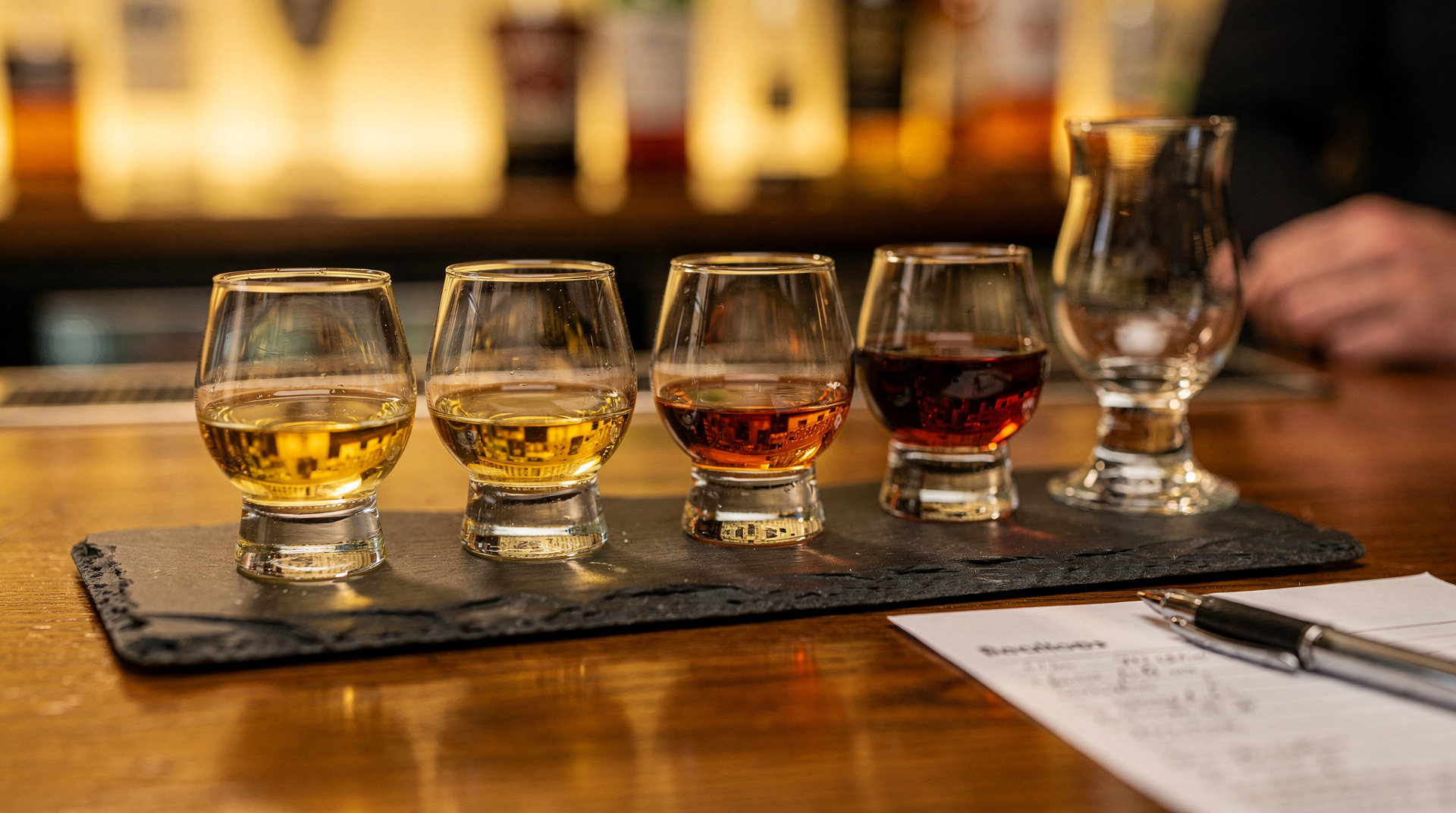
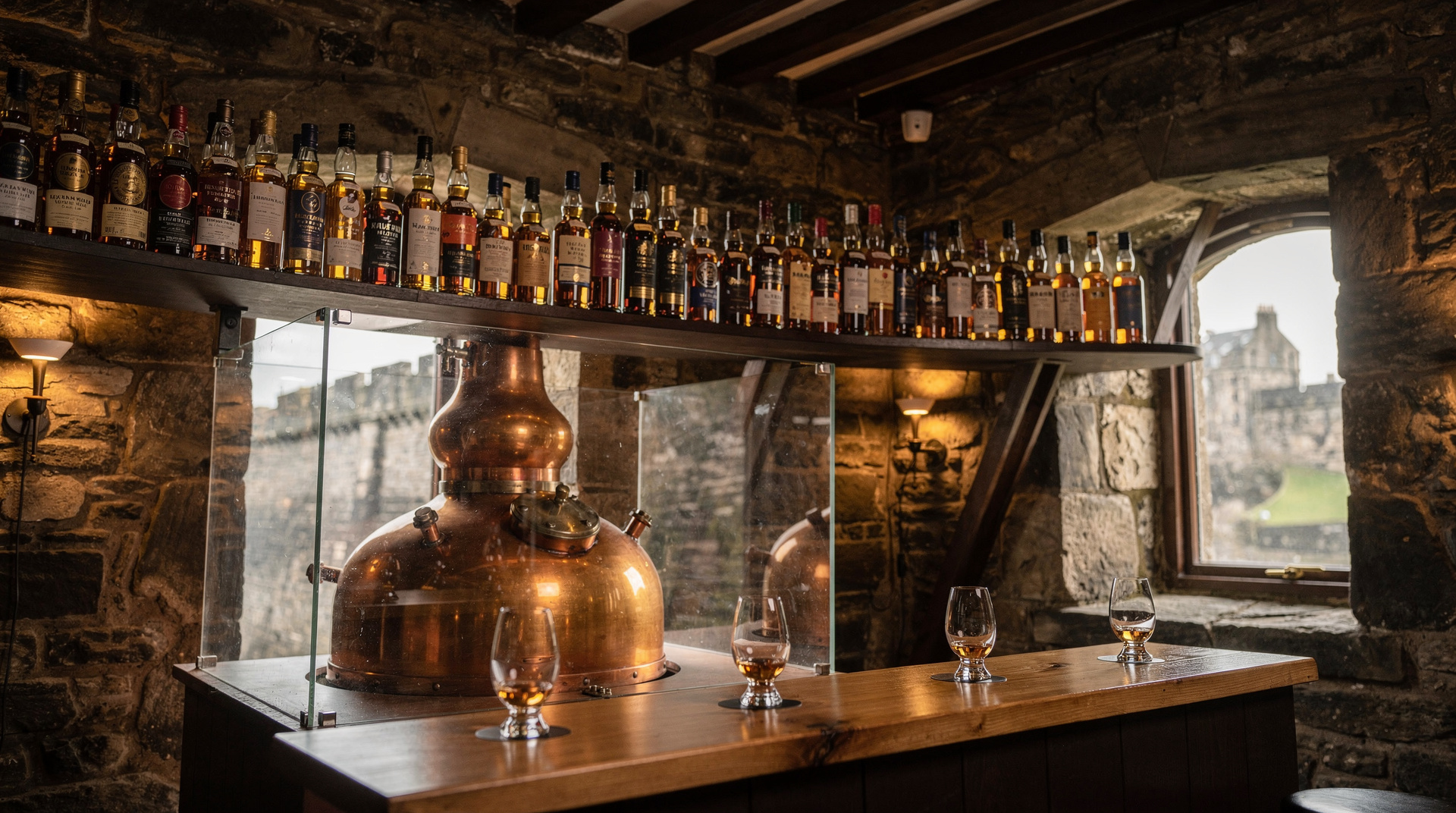
The most comprehensive introduction available in Edinburgh. The main experience includes a guided tour through an interactive distillery reconstruction, a “barrel ride” that explains the production process, and a tasting session at the end covering whiskies from multiple regions.
The Scotch Whisky Experience tour and tasting is genuinely designed for people who are new to whisky — the guides are good at calibrating explanations to the group’s level. The Silver Tour (£25 per adult, 50 minutes) includes one tasting; the Gold Tour (£39.75, 75 minutes) includes five tastings. For a first visit, the Silver level is entirely sufficient.
See the full Scotch Whisky Experience review for what each tier includes.
Reading about single malt gets you only as far as the vocabulary; the difference between a spirit still and a wash still is something you understand by standing next to both: a single malt whisky and distillery tour is where the words start attaching to objects.
The Lost Close underground Scotch whisky tasting
A more intimate and atmospheric experience than the Scotch Whisky Experience, the Lost Close is a small-group tasting held in a former close beneath the Royal Mile. The setting is genuinely distinctive — low stone ceilings, candlelight, the sounds of the city above. A Lost Close underground Scotch whisky tasting runs about 90 minutes and covers a curated selection of single malts with a guide who is specifically focused on education rather than theatre.
This is particularly good for beginners because the small group size (usually eight to twelve people) means you can ask questions and get genuine answers rather than a scripted presentation.
Johnnie Walker Edinburgh, Princes Street
The Johnnie Walker experience is more commercially produced than the above, but for beginners interested in blended Scotch (which makes up 90% of all Scotch sold globally), it is an excellent and well-produced introduction to the brand’s history and the blending process. The rooftop bar is a genuinely good place to have your first Edinburgh dram. See the Johnnie Walker review.
A whisky bar with a knowledgeable staff member
The best unprogrammed whisky education available in Edinburgh is sitting at the bar at a serious whisky bar and asking for guidance. The Bon Vivant on Thistle Street, the Bow Bar on Victoria Street, and Malt and Hops on the Shore in Leith all have good ranges and staff who are genuinely interested in helping visitors find whiskies they enjoy.
Ask for a lowland malt as a starting point — they are the most accessible for beginners, lighter in body and less overwhelming than an Islay peat bomb. See the whisky bars guide for the full list.
What to taste for
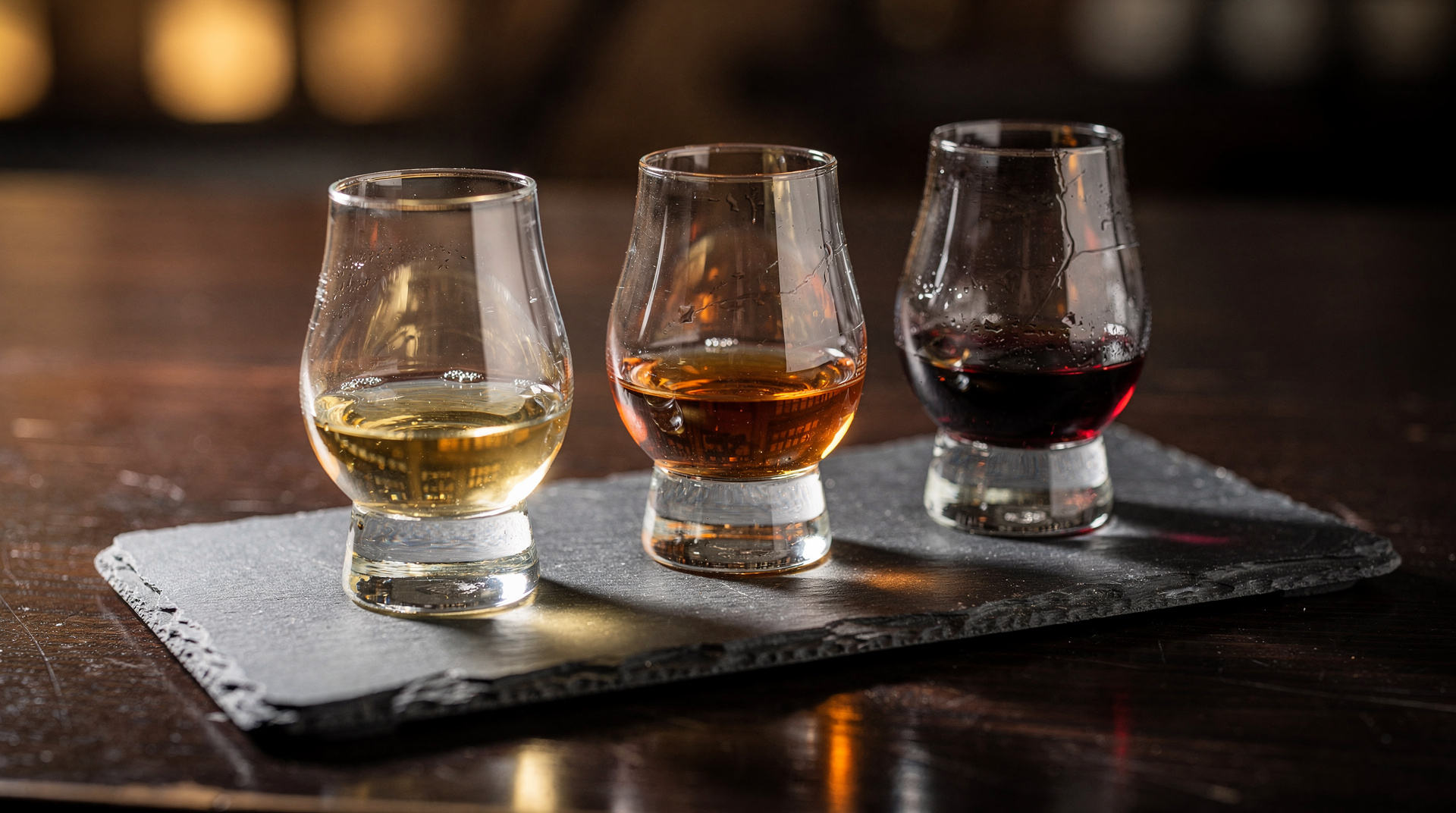
For beginners, the most useful question is not “what is this supposed to taste like?” but “do I like this?” Whisky professionals talk about notes of heather, honey, vanilla, dried fruit, wood smoke, sea spray, and dozens of other descriptors — and these descriptions are genuine (the chemistry of whisky genuinely produces these compounds). But the most honest starting point is simply whether the liquid in the glass is pleasant.
Beginners tend to find:
Speyside single malts (Glenfiddich 12, Glenlivet 12, Glen Ord) — accessible, fruit-driven, good gateway whiskies.
Glenmorangie Original (10-year Highland) — often recommended as the most beginner-friendly premium single malt.
Auchentoshan American Oak (Lowland) — triple-distilled, lighter, very approachable.
What to avoid first: Heavily peated Islay malts (Laphroaig, Ardbeg) are exceptional but overwhelming for beginners. Try them after you have a baseline.
The whisky day trip option
Glenkinchie distillery — the only Lowland distillery near Edinburgh — is accessible on a day trip, either by combining bus and taxi or via an organised tour. The distilleries near Edinburgh guide covers Glenkinchie and other day-trip options. The whisky day trips guide extends this to the Speyside and Highland options.
Reading a whisky label: a practical guide
Whisky labels contain a surprising amount of useful information once you know how to read them.
Age statement: A bottle labelled “12 Year Old” means the youngest whisky in the bottle spent at least twelve years in oak. Older is not always better, but age statements give a baseline for expectations. No age statement (NAS) whiskies can be excellent but require more trust in the producer.
Single malt vs blended: Single malt means one distillery, malted barley only. Blended Scotch is a mix of malt and grain whiskies from multiple distilleries. Blended is not inferior — Johnny Walker Black Label and Chivas Regal are blended Scotch, and both are excellent. The distinction is about character and origin, not quality.
Cask type: References to sherry cask, bourbon cask, or wine cask finishing tell you about the barrel used for maturation or finishing. Sherry cask whiskies (Macallan, Glenfarclas) tend toward dried fruit, chocolate, and spice. Bourbon cask (Glenmorangie Original) gives vanilla, honey, and light fruit. Port cask finishing adds sweetness and red fruit.
Strength (ABV): Standard bottling is 40% or 43%. Cask strength bottlings (55-65%) give you the whisky before water is added — more intense, usually more expensive, and traditionally served with a few drops of water to open up the aromas.
What to avoid as a beginner
A few pointers from experience:
The Scotch with ice debate: Ice closes down the flavour of whisky. A few drops of cool water opens it up. Purists get worked up about both; practically speaking, a small addition of room-temperature water to a dram is the scientifically supported approach for most Scotch.
Expensive does not mean better for beginners: A first-time whisky taster typically cannot appreciate the complexity of a 25-year-old single malt. Starting with something in the £35-50 bottle range is entirely appropriate. The Glenmorangie Original, the Edradour 10-year, and the GlenDronach 12-year are all accessible, distinctive, and well within a reasonable budget.
Tourist shop whisky: The mini-bottles of branded whisky sold in Royal Mile shops are consistently poor value. A standard miniature (5cl) costs £8-15 in a tourist shop; the equivalent volume of the same whisky bought in a supermarket or independent off-licence is £3-5. Buy from an independent whisky specialist like Cadenhead’s on Canongate or the Royal Mile Whiskies on the High Street for a better selection at fair prices.
Edinburgh’s whisky bars
The bars worth knowing for a proper whisky education:
The Bow Bar (Victoria Street): A traditional Edinburgh pub with a serious malt whisky range and staff who are knowledgeable without being intimidating. Prices are fair, the atmosphere is genuine, and the beer range is excellent as a companion.
Whiski Rooms (North Bank Street): An explicitly whisky-focused bar and restaurant near Waverley. The range is extensive; the bar staff are trained whisky specialists. A good option for a focused tasting rather than a pub drink.
The Scotch Malt Whisky Society members’ bar (Queen Street): Open to non-members for day visits; the range of single-cask bottlings is extraordinary and the tasting notes are famously idiosyncratic. Prices are high, the experience is unique.
The Bon Vivant (Thistle Street): A wine-bar primarily, but with an excellent curated whisky selection and staff who know both.
See the whisky bars guide for a fuller current list. For the complete Edinburgh whisky experience — distillery visits, bars, tastings — see the whisky lovers four-day itinerary.
Pairing whisky with food
A whisky tasting works well alongside food, and Edinburgh has good options for combining the two. The traditional Scottish food guide covers haggis, neeps and tatties, which pairs surprisingly well with a Speyside dram — the sweetness cuts through the peppery haggis. Several tastings, including some run near Leith, build a light food pairing into the session rather than serving whisky alone.
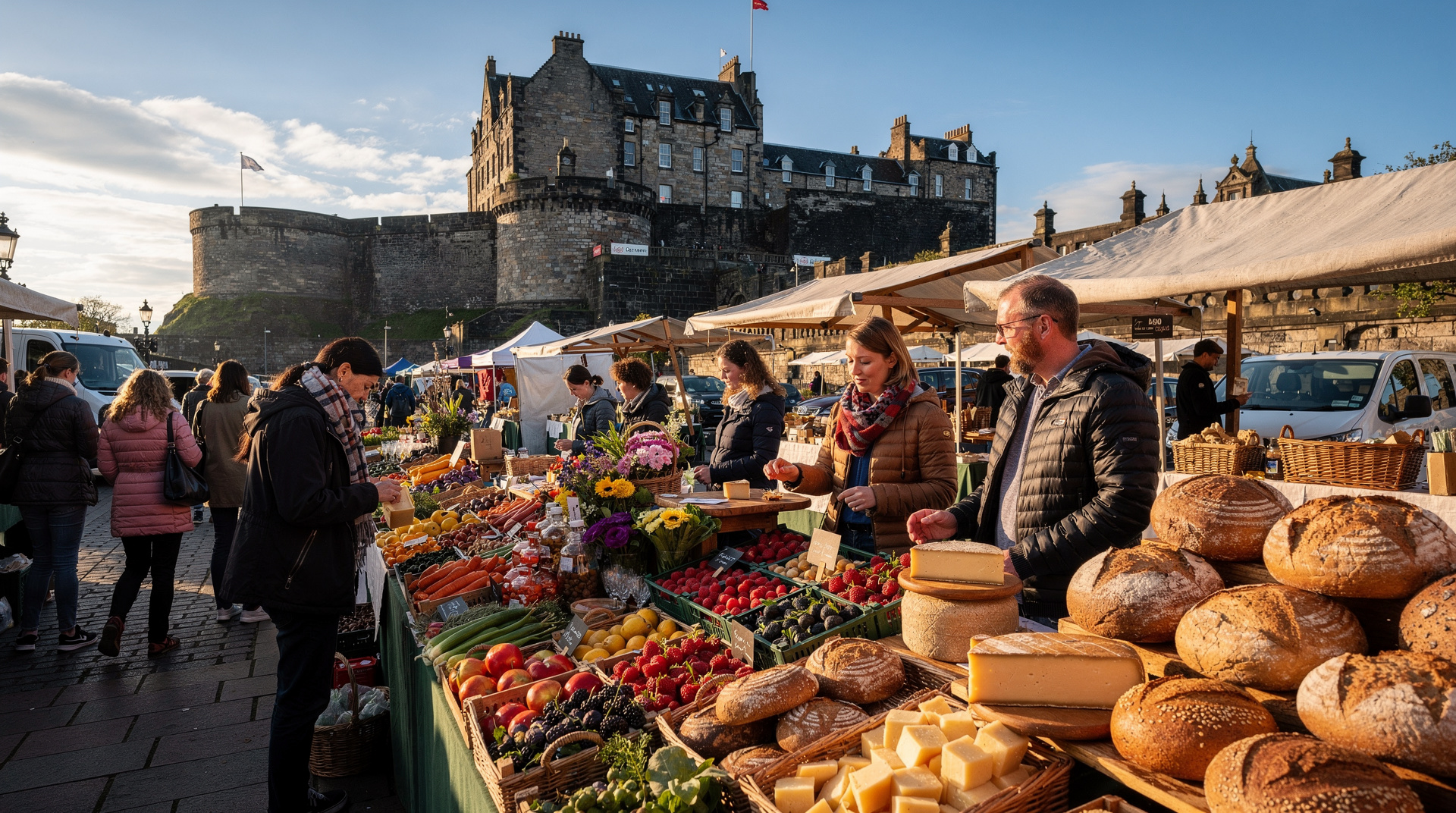
For a beginner who wants the food pairing to be the main event rather than a side note, look at tastings that explicitly combine cheese, chocolate or a small dinner with the whisky — these tend to be more forgiving on the palate than a straight tasting flight, since the food resets your senses between drams and makes the differences easier to notice.
A whisky and folklore tour combines tasting with the storytelling side of Scotch history, which is a good option for beginners who want context alongside the flavour education.
Taking it further: distillery day trips
Once the Edinburgh-based tastings feel comfortable, a distillery day trip is the natural next step. The Speyside whisky trail from Edinburgh guide and understanding Scotch regions guide explain how the regional styles differ once you’re tasting them at source rather than in a city tasting room. A Highlands and whisky full-day tour from Edinburgh reaches genuine distillery country without requiring you to drive.
Frequently asked questions about whisky for beginners in Edinburgh
What is the single best whisky experience for a beginner in Edinburgh?
The Scotch Whisky Experience on Castlehill. It is specifically designed for the uninitiated, provides structured context for the tasting, and covers enough variety to give a genuine sense of Scotland’s regional whisky landscape. It is the right starting point before any bar or distillery visit.
Is Scotch whisky always expensive?
No. A very drinkable standard Scotch — Glenmorangie Original, Famous Grouse blended, Laphroaig 10-year — costs £28-40 for a full bottle in a supermarket. A glass of the same whisky in a bar costs £4-8. Expensive whiskies (aged 18+ years, rare single casks) can run £100+ per bottle, but these are not the starting point.
Do I have to like peated whisky to appreciate Scotch?
Absolutely not. The smoky, medicinal quality of Islay malts is a specific flavour profile that some people love immediately and others never enjoy. The Speyside style (fruit, honey, light spice) is far more accessible and represents the majority of Scotland’s whisky production by volume.
How long does a beginner whisky tasting take?
Most structured beginner sessions, including the Scotch Whisky Experience and the Lost Close tasting, run 60-90 minutes and cover four to six whiskies. That’s enough to sample the range of regional styles without palate fatigue, which sets in after roughly six to eight tastes in a single sitting.