Edinburgh for foodies: where to eat, drink, and explore
The Edinburgh food scene: then and now
Ten years ago, Edinburgh’s reputation among serious food travellers was fair: some good restaurants, a strong pub culture, but not a destination in itself. Today that has changed. The Leith waterfront has produced multiple Michelin-starred and Michelin-recommended restaurants. The Old Town’s independent café scene has grown considerably. The whisky and gin culture has expanded from a single malt bar staple to a network of serious distilleries and tasting experiences. And Scottish ingredients — langoustines from Orkney, Shetland lamb, Stornoway black pudding, hand-dived Hebridean scallops — are now treated with the seriousness they deserve.
This guide is for visitors who come to Edinburgh at least partly for the food.
| Where to base yourself | Leith for fine dining, Old Town for haggis and pubs |
| Budget meal | around £15-25 per person |
| Mid-range dinner | around £35-55 per person |
| Fine dining (Kitchin, Timberyard) | around £80-120 per person with wine |
| Best booked ahead | Michelin restaurants, popular food tours, afternoon tea |
The non-negotiable Scottish food experiences
Haggis
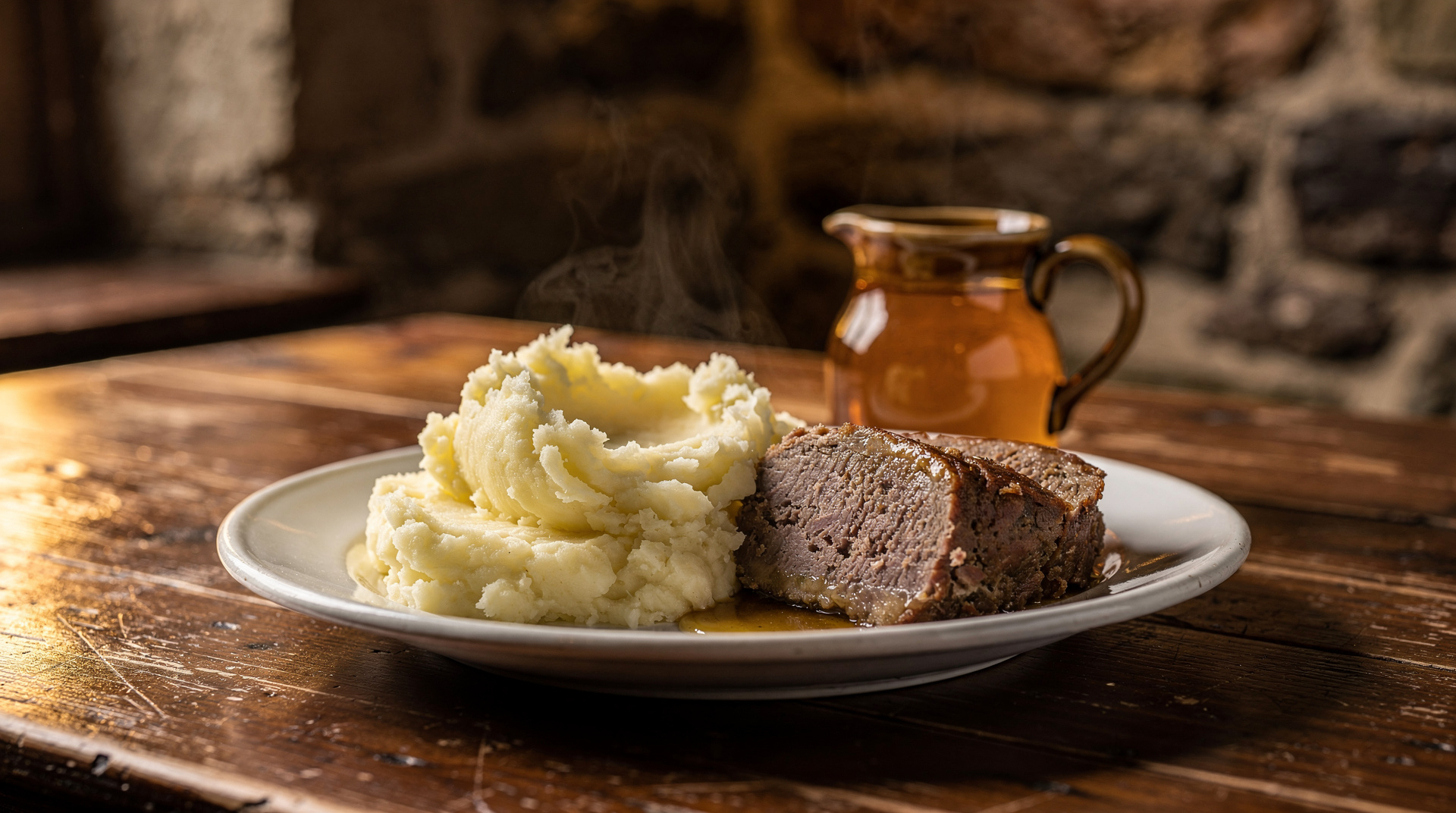
This is not a joke food, and eating it at a proper restaurant is different from the tourist-targeting haggis variations sold up and down the Royal Mile. Real haggis — sheep’s offal, pinhead oatmeal, onion, and spices, steamed in a stomach — is earthy, warming, and substantial. The canonical accompaniment is neeps (turnip) and tatties (mashed potato). The Grain Store on Victoria Street does a reliable version. The Witchery by the Castle is theatrical but the haggis is genuine.
See the best haggis in Edinburgh guide for specific current recommendations.
Cullen skink
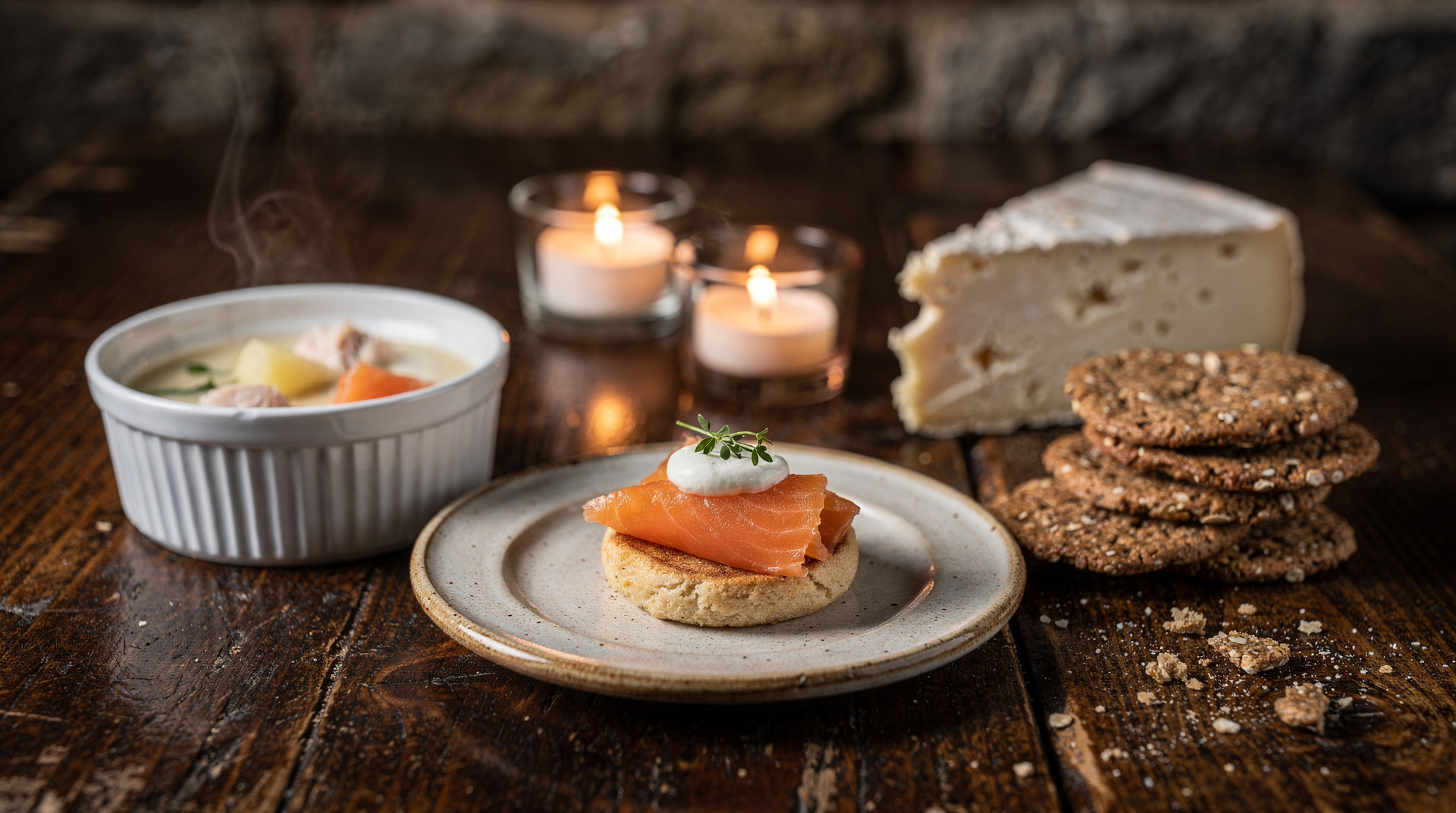
Scotland’s great soup: smoked haddock, potato, cream, and onion. Simple ingredients, complex flavour, and a test of how much care a kitchen is taking. The Café St Honoré on Thistle Street makes an excellent version; Café Royal’s oyster bar version is also reliable.
Seafood
Edinburgh’s position on the Firth of Forth, with direct supply from fishing communities at Eyemouth, Dunbar, and Anstruther, means the seafood is as fresh as anywhere in Britain. Fishers Leith on the Shore has been serving excellent seafood since 1991. The Fishmarket at the Shore is newer and focuses on simpler, higher-quality preparation.
For a full picture of Edinburgh’s seafood: the where to eat guide covers the best current options by neighbourhood.
Food tours
Organised food tours are one of the most efficient ways to eat well in Edinburgh, particularly on a short visit — they combine several stops across a compact area, include commentary on the food and the neighbourhood, and expose you to places you might not find independently.
A food tour with Scotch, haggis, and traditional dishes covering multiple Old Town and Grassmarket stops is typically three to four hours and covers £50-60 per person. This is genuinely good value given how much you eat and how much ground is covered.
For a longer, more structured experience, a 3.5-hour guided food and drink tour covers Edinburgh’s current food scene across both the Old Town and Leith. The guides on these tours are usually Edinburgh food insiders who know the restaurant scene closely.
See the food tours guide for a comparison of the main operators.
Whisky experiences for food-obsessed visitors
Whisky is a food story as much as a drinks one — the grain, the water, the barrel, the microclimate of the distillery are all part of what makes Scotch taste the way it does. Edinburgh’s concentration of whisky experiences gives food-focused visitors several serious options.
The Scotch Whisky Experience is the most comprehensive introduction, covering all the main Scotch regions with samples from each. For those who want a more intimate setting, the Lost Close underground whisky tasting — in a former Close beneath the Royal Mile — is genuinely memorable. A Lost Close underground Scotch whisky tasting runs about £30-40 per person and is limited to small groups.
The whisky tasting guide covers the full range of options at different price points.
The Leith food scene
Leith has become Edinburgh’s most serious food neighbourhood. The restaurants here — ranging from Michelin-starred fine dining to excellent seafood shacks — have a quality and concentration that rivals London’s best food postcodes.
The Kitchin: Tom Kitchin’s flagship restaurant, two Michelin stars, focused on Scottish seasonal ingredients with French classical technique. Booking is required months ahead; prices are fine-dining level (£80-120 per person with wine). Worth planning a trip around if this is your level of engagement.
Timberyard: A Leith warehouse conversion serving a modern Scottish tasting menu from foraged and locally sourced ingredients. One Michelin star. The cooking is ambitious and the setting is exceptional.
Fishers Leith: At the other end of the price scale — Fishers has been serving properly cooked seafood at fair prices since 1991 and has not declined. Langoustines, crab, whole grilled fish. £25-35 for a substantial main.
Hanedan: Edinburgh’s best Turkish restaurant, off the tourist circuit, excellent value.
See the best Leith restaurants guide for current recommendations with opening hours.
Coffee
Edinburgh’s independent coffee culture has matured considerably. The best roasters and cafés:
Cairngorm Coffee on Frederick Street: excellent espresso, good pastries, frequently cited as the best coffee in the city.
Artisan Roast on Broughton Street and the Shore: long-established, roasts its own beans, reliably excellent.
Brew Lab on South College Street: a training lab and café with technical precision in the espresso.
The Milkman in the Cowgate: small, atmospheric, in a cave-like space in the Old Town; good for afternoon coffee.
The afternoon tea question
Edinburgh has multiple afternoon tea options ranging from genuinely exceptional to tourist-trap overpriced. The Balmoral Hotel’s afternoon tea (£75-85 per person) is one of the better formal versions in the city. The Caledonian Hotel’s version is also good. The numerous castle-adjacent afternoon teas should generally be avoided — the Real Mary King’s Close afternoon tea combination tour is the notable exception, which combines the underground tour with tea in a Victorian setting and is genuinely worth considering. See the afternoon tea guide.
Cheese and charcuterie
Scotland’s cheese culture is less celebrated than its whisky but genuinely excellent: Arran cheddar, Isle of Mull cheddar, Crowdie (a fresh cheese made from soured cream), Lanark Blue. IJ Mellis on Victoria Street is Edinburgh’s best cheesemonger — the range of Scottish and British cheeses is exceptional and the staff will let you taste before you buy.
Farmers’ markets and food markets
The Edinburgh Farmers’ Market runs every Saturday on Castle Terrace below the castle esplanade — a reliable source of Scottish food producers including cheesemakers, bakers, charcutiers, and vegetable growers. The Leith Market on Sundays has a significant food producer component alongside the crafts and vintage stalls.
Scottish ingredients worth seeking out
Edinburgh’s food scene is increasingly built around specific Scottish ingredients that reward attention:
Langoustines (Dublin Bay prawns): The crustacean that appears on every serious Edinburgh menu, caught from Scotland’s west coast. At their best when simply grilled or in a bisque. Fishers Leith has reliable supply.
Stornoway black pudding: The Protected Geographical Indication black pudding from the Isle of Lewis, regarded as Britain’s best. Appears on breakfast menus and in more elaborate preparations at quality restaurants.
Orkney beef: Slow-grown on grass in Orkney’s island conditions, regarded as Scotland’s finest beef. Appears at the upper-end Edinburgh restaurants sourcing directly from island producers.
Scotch broth: The canonical Scottish soup — pearl barley, lamb or mutton, root vegetables — that appears on most traditional pub menus. Genuinely excellent when made from scratch; varies widely in quality from one kitchen to the next.
Cranachan: Scotland’s finest pudding: toasted oatmeal, fresh raspberries (Scottish, if the kitchen is doing it properly), whisky, and cream. Served at Burns Night suppers and on good restaurant menus year-round.
The Edinburgh food calendar
Edinburgh’s food scene has strong seasonal anchors:
January: Burns Night (25 January) sees haggis on every menu. The authentic celebration involves a formal supper with the “Address to a Haggis” poem, haggis with neeps and tatties, and cranachan as pudding.
April-June: Spring produces the best fresh seafood and the Scottish asparagus season.
October-November: Game season menus appear across the city. Venison, pheasant, partridge, and grouse from the Scottish estates are at their best availability.
December: Christmas markets bring food stalls with decent mulled wine, bratwurst, handmade shortbread, and Scottish tablet alongside the generic Christmas market fare.
For a full guide to Edinburgh’s restaurant scene by neighbourhood and price, see the where to eat guide. For the traditional Scottish food deep-dive, see the Scottish food guide. For guided food experiences, the food tours comparison ranks the main operators.
Pubs worth eating in, not just drinking in
Edinburgh’s pub food has improved as much as its restaurant scene, and a good pub often gives better value than a mediocre “modern Scottish” restaurant. Look for pubs doing their own pies, a proper Scotch broth, or fish and chips fried to order rather than reheated. The Old Town and Grassmarket have the highest concentration of atmospheric options, but the best kitchens are not always the most photogenic pubs. See the best pubs in Edinburgh guide for which ones actually take their food seriously, and the Grassmarket and Cowgate nightlife guide for the after-dinner options in the same streets.
Vegetarian, vegan, and gluten-free in a meat-heavy food culture
Traditional Scottish food leans heavily on meat and fish, but Edinburgh’s newer restaurants have caught up with demand for plant-based and allergen-aware menus, particularly in the Old Town and Southside. Cranachan can usually be adapted, and most kitchens will do a vegetarian version of cullen skink or Scotch broth on request, though a true vegan version loses the cream and butter that define the dish. The gluten-free and vegan Edinburgh guide has specific restaurant recommendations rather than general reassurance — worth checking before you book if dietary needs are non-negotiable.
Gin, beyond the whisky story
Scotland’s gin scene has grown alongside its whisky reputation, and Edinburgh has several serious gin bars and at least one city-centre distillery experience worth building an evening around. Gin pairs naturally with the seafood-heavy menu described above — a G&T with langoustines is a very Edinburgh combination. See the whisky for beginners guide if you are new to spirits generally and want the whisky side explained without jargon before you branch into gin.
Frequently asked questions about food in Edinburgh
Do I need to book Edinburgh restaurants in advance? For anywhere Michelin-starred or Michelin-recommended, yes — weeks or months ahead for The Kitchin, and at least several days for Timberyard. Mid-range restaurants and pubs are usually fine with a same-day booking outside festival season, though August is an exception across the board.
Is Edinburgh food expensive compared to the rest of the UK? Fine dining is priced in line with London’s better restaurants, but mid-range meals and pub food are comparable to, or slightly cheaper than, other major UK cities. A food tour is often the best value way to sample widely without paying fine-dining prices for every dish.