Beltane Fire Festival guide
Edinburgh: all the highlights walking tour
What is the Edinburgh Beltane Fire Festival?
Beltane is a contemporary revival of the ancient Celtic fire festival, held on Calton Hill on the night of 30 April each year. Hundreds of performers in elaborate costumes enact a mythological procession marking the transition from winter to summer, with fire performers, drummers, and theatrical spectacle. Tickets are required and sell out fast.
| Where | Calton Hill, night of 30 April |
| Cost | Around £16-20 per person; concessions available |
| Time needed | 2-3hrs, roughly 22:00 to midnight |
| Booking | Tickets go on sale in March; sell out within days |
| Best for | Adults and children 10+; not recommended under 8 |
The fire that lights the Edinburgh year
Every year on the night of 30 April, Calton Hill in Edinburgh is transformed into something that feels genuinely ancient. Around 6,000 people gather on the hilltop as hundreds of volunteers and performers enact the Beltane Fire Festival — a contemporary interpretation of the Celtic fire festival that marked the transition from winter to summer in pre-Christian Scotland. The event is atmospheric, unusual, sometimes disturbing, often beautiful, and entirely unlike anything else in the Edinburgh events calendar.
Beltane (pronounced “BEL-ten”) was one of the four major Celtic fire festivals, along with Imbolc (1 February), Lughnasadh (1 August), and Samhain (31 October/1 November — the origin of Halloween). The modern Edinburgh festival was revived in 1988 by a small group of artists and academics and has grown steadily since. It is now the largest fire festival in the British Isles and one of the most distinctive cultural events in Scotland.
This guide gives you the practical information for attending, but also the cultural context — because understanding what the ritual is trying to do makes the experience considerably more meaningful than simply watching fire performers.
The mythology and structure of the ritual
Beltane marks the boundary between the dark half and the light half of the year. In Celtic cosmology, the world existed in a state of perpetual tension between these two halves, and the fire festival was a mechanism for actively reinforcing the transition — lighting bonfires to encourage the sun, driving livestock between flames for purification, and engaging in communal celebration that acknowledged the precariousness of the agricultural year.
The Edinburgh Beltane takes this mythological framework and renders it as theatrical spectacle. The central figures are:
The May Queen, dressed in white, who represents the arrival of summer. Her procession from the east end of Calton Hill to the hilltop’s central fire is the structural spine of the event.
The Green Man, a wild, vigorous figure representing the fertile power of nature. The relationship between the May Queen and the Green Man is central to the narrative — he is both her consort and the transformative force of the season.
The White Women, who precede the May Queen and represent the purity and clarity of the new season.
The Red Men, fire performers who represent the power and danger of the transitional moment. Their appearance, painted and carrying fire, is typically the most viscerally striking element of the spectacle.
The Blue Men, the Winter King’s retinue, who represent the cold season being overcome.
The procession moves across the hill through a series of stations where different mythological encounters are enacted. Audiences follow the procession or find positions around the stations. The event ends with the lighting of the central Beltane bonfire and a collective celebration.
Getting tickets
The Beltane Fire Festival is organised by the Beltane Fire Society, a non-profit organisation (beltane.org). Tickets go on sale in March for the 30 April event and typically sell out within days. In 2026, standard tickets were approximately £16-20 per person; concessions and children’s tickets are available at lower prices.
There is no day-of-performance ticket sales. If you do not have a ticket, you cannot attend. Book as soon as tickets go on sale.
The event is very popular with Edinburgh residents as well as visitors, which means demand consistently exceeds supply. If you are planning your visit specifically around Beltane, buy tickets the moment they are available.
What to expect on the night
Calton Hill is accessed from multiple entry points — the most practical for ticket holders is via Regent Road at the base of the hill’s eastern steps. Arrive 30-45 minutes before the advertised start time (typically around 21:30-22:00 on 30 April) to find a position and orient yourself on the hill.
The event is mostly outdoors in the open air of Calton Hill. April in Edinburgh is unpredictable — temperatures typically range from 5-12°C in late April, and wind on an exposed hilltop can be significant. Dress warmly and bring a waterproof layer; this is non-negotiable.
The event is not seated. Audiences follow the procession, gather around stations, and find their own positions on the hill. This creates a fluid, participatory quality that is different from watching a show in a theatre — you are part of the event’s atmosphere rather than an observer at a distance.
Expect fire, drums, significant physical performance, and moments of genuine intensity. The event is not appropriate for very young children (frightening elements, very late start time, cold weather, moving crowds). For children aged 10 and above who are interested in mythology and spectacle, it can be an extraordinary experience.
The cultural context: Beltane in Scottish tradition
May Day traditions connected to Beltane survive across rural Scotland. The practice of washing your face in the morning dew on 1 May from a hilltop (connected to the folklore of Arthur’s Seat) is the most famous; some Edinburgh residents still climb Arthur’s Seat before dawn on May Day. The lighting of bonfires on hilltops on the night of 30 April was recorded across Scotland into the nineteenth century.
The Edinburgh revival does not claim to be an authentic recreation of ancient practice — the mythology is real, but the theatrical form is a contemporary artistic interpretation rather than a continuous tradition. This honest framing does not diminish the event’s power; it simply clarifies what you are experiencing. The Beltane Fire Festival is a living cultural creation that draws on deep mythological roots.
An Edinburgh whisky and folklore tour provides useful cultural context for the mythological and folklore traditions that underpin Beltane and other Scottish seasonal festivals. Taking this tour before or after Beltane adds depth to the experience.
Combining Beltane with the broader Edinburgh spring season
Beltane on 30 April falls at the beginning of Edinburgh’s best tourist season. Late April and early May offer the best combination of reasonable weather, long evenings, and pre-summer crowds. The day of 30 April is typically a good time to explore the city itself before the evening event.
A morning at Edinburgh Castle, an afternoon walk on Calton Hill (to familiarise yourself with the terrain before the evening), and the Beltane Fire Festival at night makes a very full and varied Edinburgh day. The best time to visit Edinburgh covers the full seasonal calendar.
For visitors interested in Edinburgh’s other seasonal fire festival — the winter counterpart at Samhain (Halloween) — the Beltane Fire Society also organises a smaller Samhain event on 31 October, though it does not have the same scale or significance as Beltane.
Frequently asked questions about Edinburgh Beltane Fire Festival
Is Beltane suitable for children?
The event includes fire performance, darkness, loud drumming, and intense theatrical content that can be frightening for younger children. It begins late (21:30) and runs to midnight or beyond. The Beltane Fire Society recommends that children under 8 do not attend. For children aged 8-12, parental discretion is advised — a child who is comfortable with intense sensory experiences and interested in mythology might find it fascinating; a child who is easily frightened would probably not enjoy it.
What should I wear to Beltane?
Warm, practical clothing suitable for a cold April night on an exposed hilltop. Thermal underlayers, a fleece, and a waterproof jacket are recommended. Flat, grippy footwear for moving across the hill at night. Bright colours or dramatic costumes are welcome — many audience members dress elaborately for Beltane — but the focus should be on warmth first.
Is photography permitted at Beltane?
Yes, personal photography and video are permitted. No tripods or professional equipment without prior arrangement with the Beltane Fire Society. Some performers may decline photography close up; respect this. The nature of the event — moving, low-light, flame-lit — makes photography challenging but produces striking results.
How long does Beltane last?
The procession and main event runs approximately 2-3 hours, typically from around 22:00 to midnight. Many audience members stay for the full duration; others leave after the main procession has concluded and the bonfire is lit.
Where does Beltane take place exactly?
On Calton Hill, Edinburgh. The hill is accessible from Regent Road (eastern steps) and from the Calton Hill access road from Waterloo Place. For ticket holders, the official access points will be specified in your booking confirmation. The hill is small enough that once you are on it, the event is self-evident — follow the drums.
Can I visit Calton Hill before Beltane to get my bearings?
Yes, and it is a good idea. The Calton Hill guide covers the hill’s monuments, viewpoints, and access. A daytime visit lets you understand the layout of the space before navigating it at night in a crowd.
Samhain: the winter counterpart
The Beltane Fire Society also organises a Samhain (Halloween) event, typically held on 31 October on Calton Hill. Samhain was the Celtic fire festival marking the transition from the light half to the dark half of the year — Beltane’s structural opposite. The Edinburgh Samhain event is smaller than Beltane (typically 2,000-3,000 attendees) and is organised differently: more intimate and less theatrical in structure, though equally atmospheric.
Tickets for Samhain are sold via the same beltane.org website and also sell out, though not as quickly as Beltane. The event is held in full darkness of October (sunset around 18:00), which gives it a different atmosphere from the long-twilight April night of Beltane. Dress even more warmly than for Beltane — October nights in Edinburgh can be genuinely cold.
For visitors who cannot get Beltane tickets in April, Samhain is a genuine and often underrated alternative rather than a consolation prize. Its smaller scale gives a more intimate view of the performers and stations, and the earlier darkness in October means the atmosphere builds from the very start of the event rather than relying on the extended dusk of an April evening. Some regular Beltane attendees actually prefer Samhain for this reason, even though it receives far less attention in general Edinburgh tourism coverage.
What to do in Edinburgh on the day before Beltane
If you are in Edinburgh for the 30 April Beltane event, the day itself works well as a general Edinburgh exploration. Suggestions:
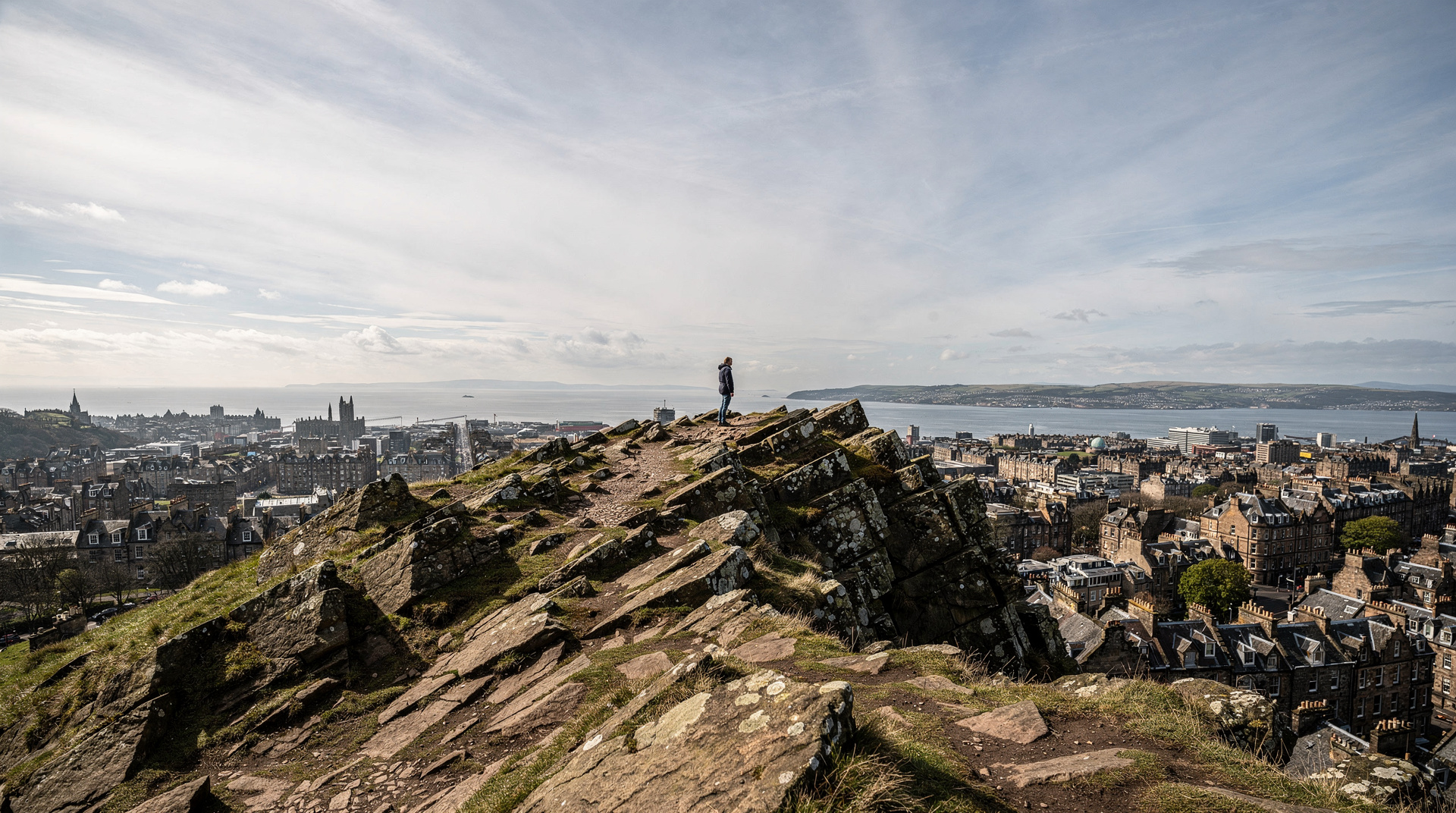
Morning: A walk up Arthur’s Seat in Holyrood Park to understand Edinburgh’s volcanic landscape, and to connect the geological and mythological dimensions of the city — Arthur’s Seat itself is associated with Celtic mythology and the May Day tradition of climbing it at dawn.
Afternoon: The Old Town and Royal Mile, where the density of Scottish history provides context for the cultural traditions that Beltane draws on. A visit to the Museum of Edinburgh on the Canongate covers the city’s history from the earliest settlements.
Evening meal: The western Old Town — Grassmarket area — has good restaurants and pubs, and is within easy walking distance of Calton Hill. A pre-Beltane dinner in the Grassmarket, with the castle lit above, is a good start to the evening.
After Beltane: Calton Hill at midnight, once the main event has concluded, is populated with participants processing down from the summit. The streets around the hill — Waterloo Place, Regent Road — have a post-event atmosphere that gradually disperses over the next hour. Late bars in the city centre are the most convenient next destination; many stay open until 3am.
The Beltane Fire Society: who runs the event
The Beltane Fire Society is a non-profit charitable organisation founded in 1988 that organises and produces the Beltane and Samhain festivals. The society has around 300 active volunteers — the performers, fire handlers, stewards, and technical crew who make the events possible. Volunteering to perform at Beltane is a significant commitment: performers train for several months before the event and the physical and artistic demands are considerable.
The society accepts volunteer applications annually, typically in January for the April event. For visitors who would like to be part of the festival rather than watching it, this is the pathway — though it requires being in Edinburgh for the rehearsal programme in the months before 30 April.
The society also runs educational programmes and outreach connecting the festivals to their mythological and cultural roots, including workshops on Celtic seasonal traditions, fire performance, and community festival organisation. Details are available via beltane.org.
Where to stand on Calton Hill
Calton Hill is small but the event unfolds across its full width, and where you position yourself significantly affects what you see. Near the eastern steps (the Regent Road access point), you get the earliest view of the procession as it begins its ascent — good for seeing the May Queen and White Women in their opening formation before the crowd thickens. Around the central Beltane fire site, positions fill up fastest and are best reserved for those who arrive at the very start of the ticketed window. The area near the National Monument (the unfinished “Edinburgh’s Disgrace” columns) gives a slightly elevated view over a wider stretch of the hill, useful if you want to follow the procession’s movement rather than fix on one station.
Because the event is not seated and audiences move fluidly between stations, it is worth accepting that you cannot see everything from one spot — following the drums and the crowd’s movement is part of the experience rather than a failure of planning. Groups who want to stay together should agree a meeting point in advance (the National Monument is a reliable, visible landmark) since phone signal on a packed hilltop at night can be unreliable.
Beltane compared to Edinburgh’s other seasonal events
| Event | When | Character | Booking |
|---|---|---|---|
| Beltane Fire Festival | 30 April | Theatrical, mythological, fire-based | Sells out within days of March release |
| Samhain (Beltane Fire Society) | 31 October | Smaller, more intimate, darker atmosphere | Sells out, slightly more availability |
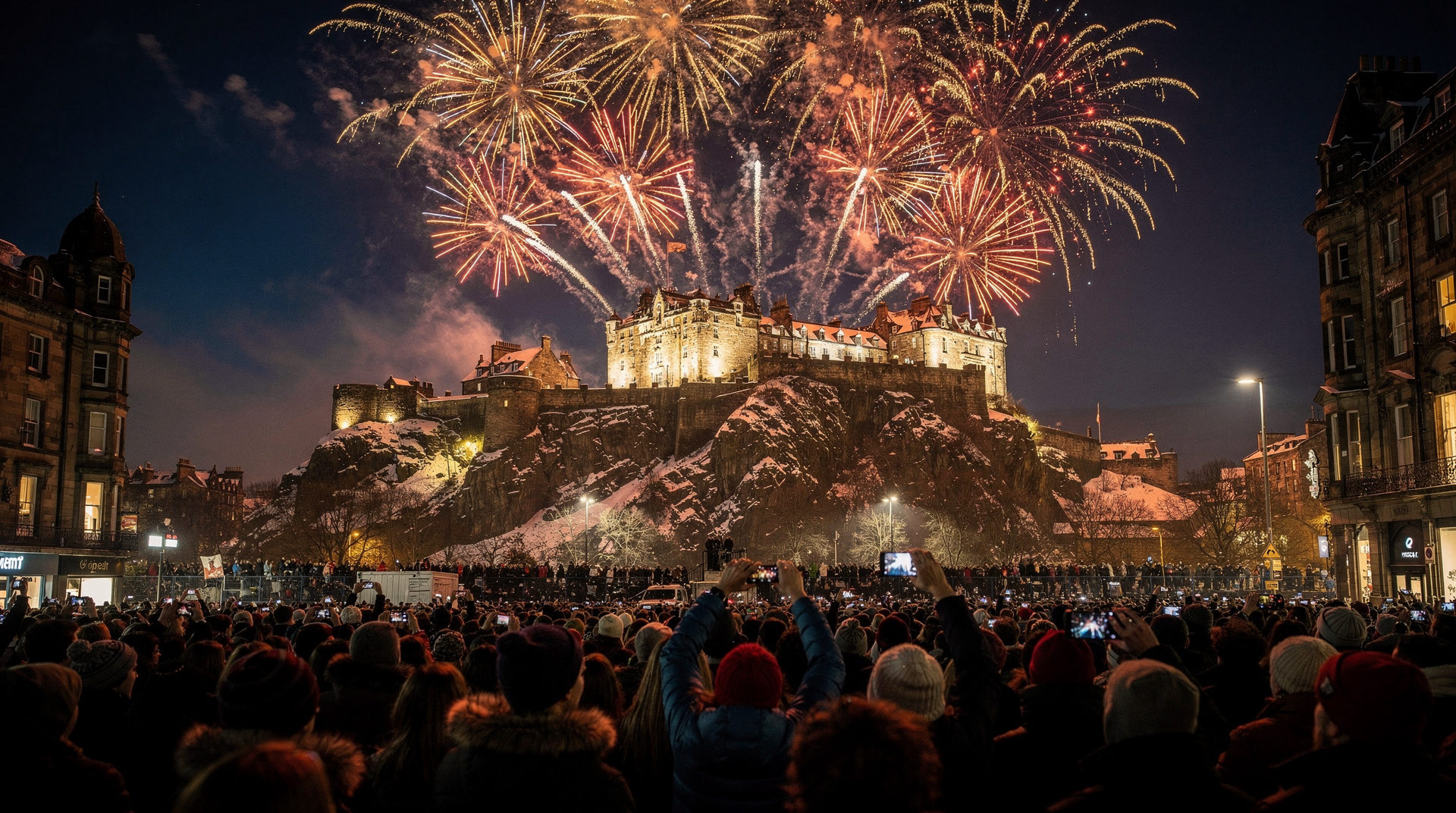
| Edinburgh Hogmanay | 31 December | Large-scale street party, fireworks | Sells out for street party tickets |
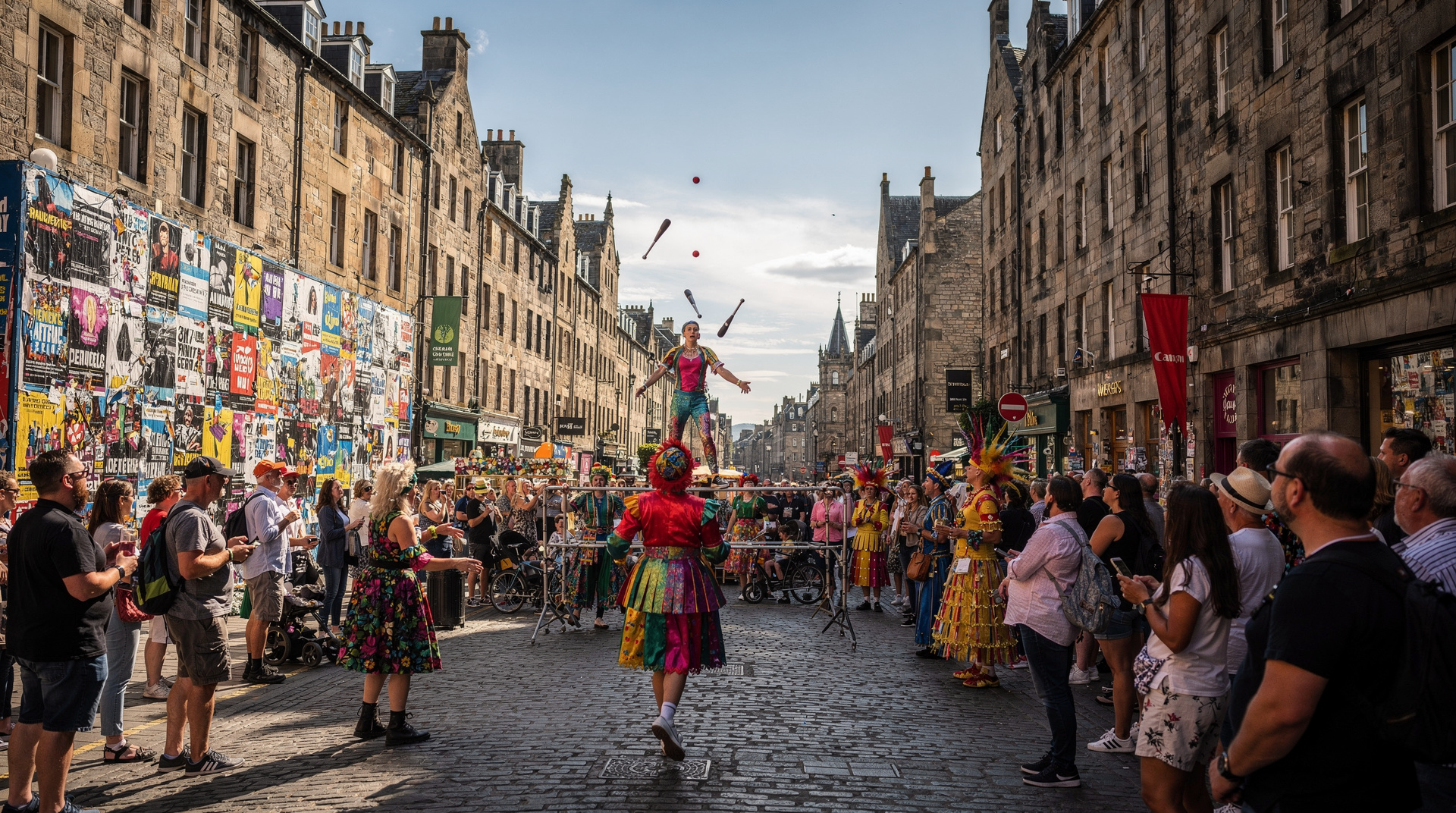
| Edinburgh Festival Fringe | August | Comedy, theatre, huge scale, city-wide | Individual show tickets, most available close to date |
Beltane is unusual among these in being genuinely difficult to get into on short notice — unlike Fringe shows, which can often be booked a day or two ahead, Beltane tickets typically vanish within a week of release. Visitors who want to build a trip specifically around Beltane should treat the ticket purchase as the first planning decision, before booking flights or accommodation. See the Edinburgh Hogmanay guide for how the winter equivalent compares in scale and atmosphere.
An honest note on what Beltane is and is not
Beltane is sometimes described in tourist literature as an “authentic ancient Scottish tradition” or a “recreation of a pagan ritual.” Both descriptions are misleading. The ancient Beltane festival is real — it is documented in Celtic sources and survived into the modern era in various forms across Scotland and Ireland. The Edinburgh Beltane Fire Festival is a creative contemporary performance inspired by those traditions, developed by artists since 1988. It is neither ancient nor purely reconstructive.
This distinction matters because it affects expectations. Visitors who come to Beltane expecting an authentic archaeological recreation of a Celtic ceremony will be somewhat confused by the theatrical and artistic choices made by the modern society. Visitors who come knowing they are attending a contemporary artistic event rooted in mythological tradition will find it genuinely compelling and, on the right night, genuinely moving.
Beltane in the broader Edinburgh spring calendar
Beltane on 30 April falls at the start of Edinburgh’s best tourist season. The weeks before and after the festival are some of the finest in the Edinburgh calendar:
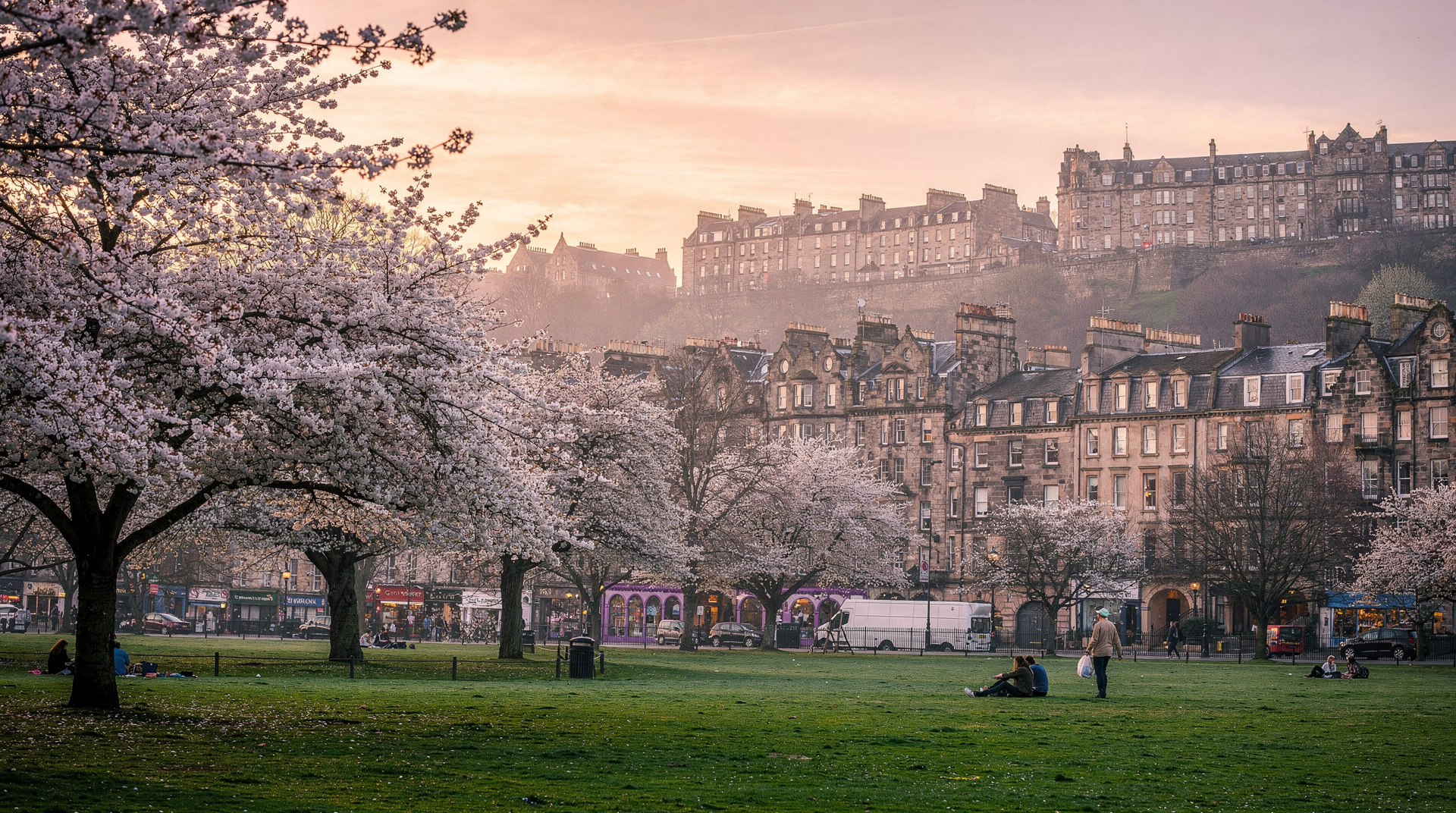
Late April: The city is in blossom — cherry trees in the Meadows, daffodils along Princes Street, and the first genuinely warm afternoons that make sitting outside in Edinburgh feel like a reward rather than an act of bravado. The Arthur’s Seat hillside is green with new growth and the Holyrood Park wildflowers are appearing.
Early May: The period immediately after Beltane is Edinburgh at its most optimistic. Longer evenings (sunset around 21:00 by late May), outdoor café culture emerging, and the city without its August tourist pressure. This is genuinely the sweet spot of the Edinburgh year for most visitors, combining good weather probability, lower costs, and an unhurried atmosphere.
The Edinburgh Science Festival, one of the world’s largest public science festivals, runs in April and provides an additional layer of programming in the weeks approaching Beltane — lectures, exhibitions, and public events across the city that complement the cultural and mythological themes of the fire festival.
For visitors planning a trip around Beltane, arriving a few days before 30 April allows time to experience both the city’s spring character and the festival itself. The best time to visit Edinburgh covers the full April-May comparison with other months.
The Beltane Fire Society’s other work
Beyond the two annual festivals, the Beltane Fire Society runs educational and community programmes that connect the fire festival traditions to contemporary Scotland. Workshops on fire performance, community arts, and Celtic mythology are open to the public at various points in the year. The society maintains a genuine commitment to the cultural and educational dimensions of the festivals, not just the spectacle.
For visitors interested in Scottish mythology and folklore more broadly, an Edinburgh whisky and folklore tour covers the wider landscape of Scottish folk tradition including the seasonal festivals, the witch trials, and the fairy faith — cultural territory that connects directly to the mythological roots of Beltane.
Top experiences
Bookable activities with verified prices and instant confirmation on GetYourGuide.