Arthur's Seat hiking guide
Edinburgh: guided hike to Arthur's Seat and Holyrood Park
How hard is the hike up Arthur's Seat?
Arthur's Seat is a moderate hike of roughly 2-3 hours return. The summit stands at 251 metres and the most popular route from Holyrood Park involves a steep final section on rocky path. Fit adults manage it easily; older children (8+) typically cope well with encouragement.
Top-rated tours to book
| Where | Holyrood Park, 10 minutes’ walk from the Royal Mile |
| Cost | Free — Holyrood Park has no admission charge |
| Time needed | 45min (Dunsapie) to 2-3hrs (full round trip) |
| Getting there | Walk from Old Town, or bus/taxi to Dunsapie car park |
| Best time | Weekday mornings before 9am; May, June, September |
Edinburgh’s wild summit in the middle of the city
Arthur’s Seat is one of the most extraordinary things about Edinburgh: a proper hill climb, complete with rocky scrambles and panoramic views, that begins ten minutes’ walk from the Royal Mile. The summit stands at 251 metres and sits within Holyrood Park, a 640-acre expanse of ancient volcanic landscape owned by the Crown and managed by Historic Environment Scotland. On a clear day the views extend to the Firth of Forth, the Kingdom of Fife, the Pentland Hills, and — in exceptional conditions — as far as the Highlands.
The hill is climbed by hundreds of thousands of people every year. It is not a walk in a municipal park, but it is also not a technical mountaineering challenge. With the right footwear and realistic expectations about Scottish weather, most reasonably fit adults can reach the summit and back in under three hours. This guide covers everything you need to plan the hike properly, including route options, conditions to avoid, and how to make the most of the experience.
The geology: why Edinburgh has a volcano
Arthur’s Seat is the eroded remains of a volcano that erupted around 350 million years ago during the Carboniferous period. What you climb today is the deeply weathered core of that volcanic structure — the magma chambers and lava flows that solidified underground, then were stripped of their softer surrounding rock by successive ice ages. The dramatic crags along the Salisbury Crags (the long escarpment visible from Holyrood Palace) are a different feature: a horizontal sill of igneous rock that was injected between sedimentary layers. Both are part of the same ancient volcanic complex.
This geology has a practical consequence: the rock underfoot on the summit approaches is volcanic basalt, which stays grippy in dry conditions but becomes extremely slippery when wet. The final approach to the true summit involves a short section of eroded path on steep ground where many walkers use their hands. This is not technical climbing, but it does reward good footwear.
Route options from Holyrood Park
The main route via Queen’s Drive and Crow Hill
The most straightforward route begins at the Scottish Parliament end of the park, near the Holyrood Visitor Centre on Queen’s Drive. From the car park, follow the path that curves south and then west around the base of Crow Hill. After approximately 20 minutes of gentle ascent you reach a saddle between Crow Hill and the main summit ridge. From here the path becomes steeper, crosses a series of eroded rocky steps, and arrives at the summit in another 15-20 minutes. Total ascent time from the car park: 40-50 minutes for a fit adult walking steadily.
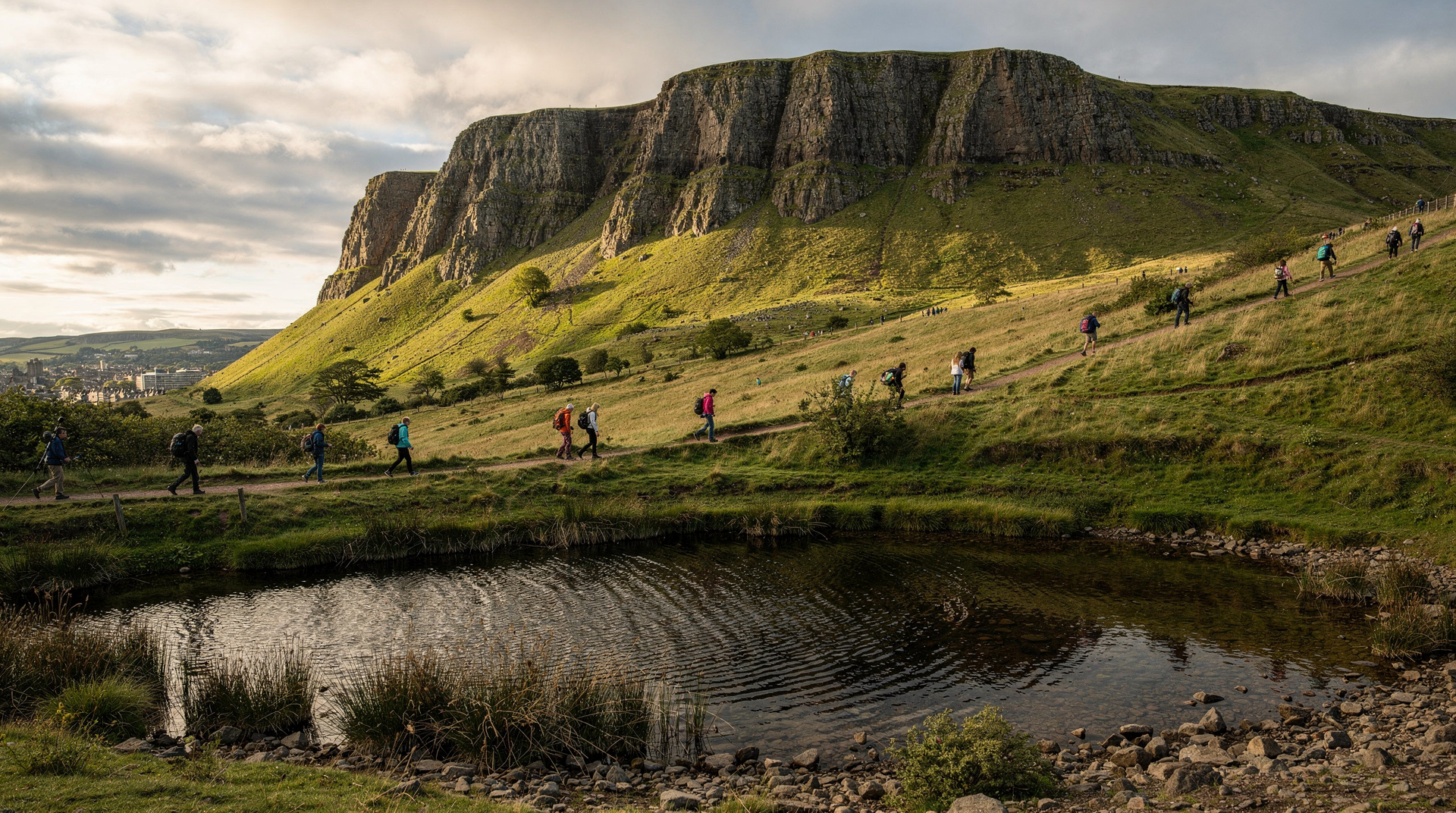
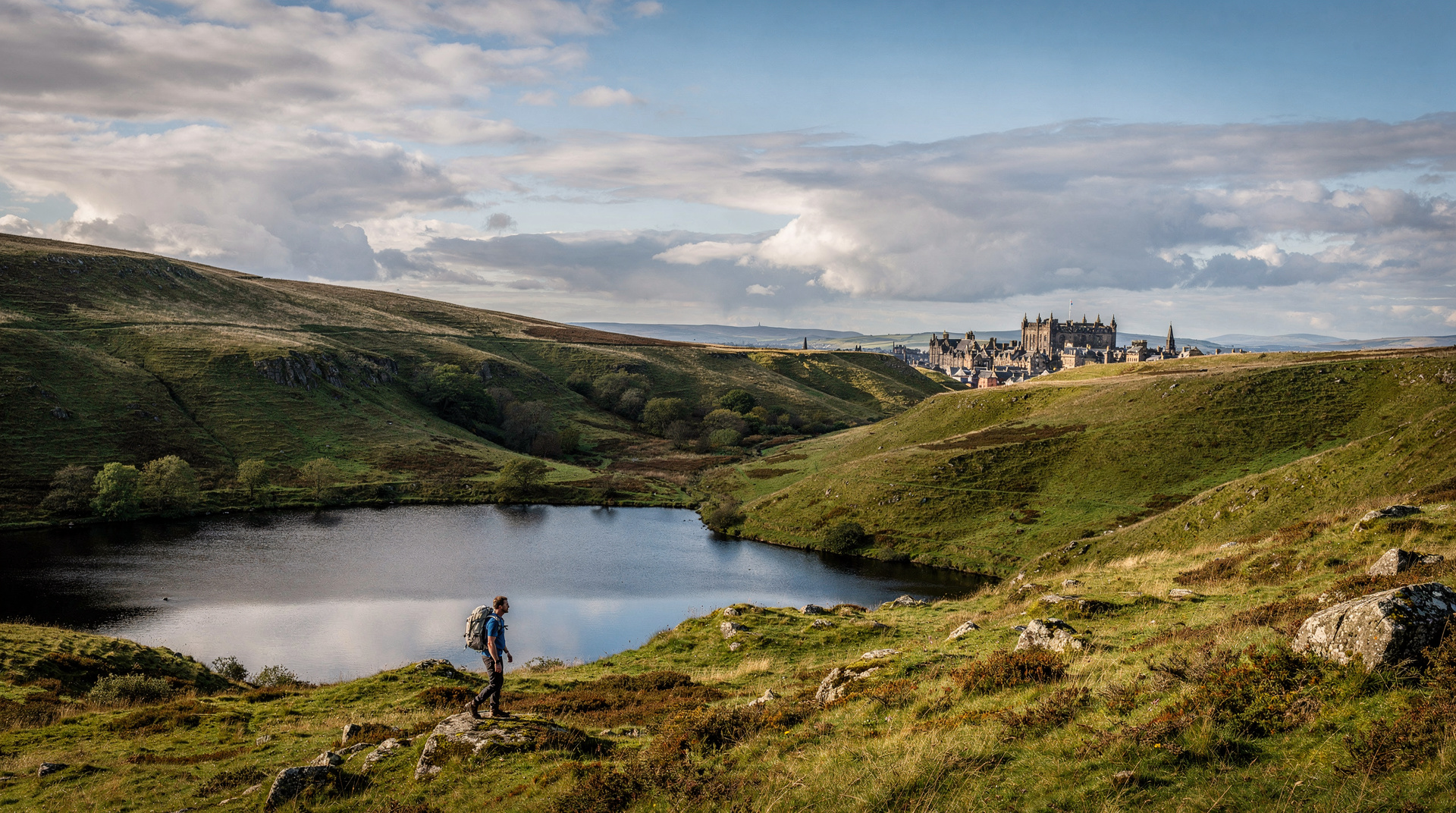
The descent can follow the same route or loop around via Dunsapie Loch, a small reservoir on the eastern flank of the hill, which adds variety and is roughly the same distance.
The Radical Road route via Salisbury Crags
The Radical Road is the path that runs below the Salisbury Crags, offering a dramatic horizontal traverse along the base of the cliffs before climbing to the saddle above. It begins near the palace and follows the base of the crags for about a kilometre, with the rock face rising sharply above and the palace grounds below. This approach is slightly longer than the direct route but more interesting visually and less busy in the mornings.
The path is named after unemployed weavers from the west of Scotland who built it in 1820 at the suggestion of Sir Walter Scott, who wanted both to employ them and to create a scenic path for Edinburgh residents. The crags themselves are geologically significant — they provided James Hutton with key evidence for his theory of the Earth’s age in the eighteenth century, a founding moment of modern geology.
The Dunsapie route (easiest approach)
If you drive or take a taxi to the Dunsapie car park on Queen’s Drive (the road that loops around the park), you can start the climb from about halfway up the hill. This reduces the total walking time to roughly 30-40 minutes return and is considerably easier for families with younger children, older walkers, or anyone with limited time. The views from Dunsapie Loch itself are lovely even if you do not continue to the summit.
Note that Queen’s Drive is closed to private vehicles on Sunday mornings to allow walkers and cyclists to use it safely.
For visitors without a car, a taxi from the Old Town to Dunsapie car park takes about 10 minutes and costs roughly £8-10, which is a reasonable investment for anyone short on time or travelling with young children or older relatives. Buses do not run directly to the Dunsapie car park, so a taxi or a lift is the only practical way to shorten the approach without walking the full route from the park entrance.
Arthur’s Seat in history and mythology
The name Arthur’s Seat is both ancient and unexplained. The most common theory connects it to King Arthur of Arthurian legend, though there is no credible historical evidence for this and Scottish Arthurian associations are generally weaker than Welsh and Cornish ones. An alternative etymology derives “Arthur” from a Gaelic word meaning height or ridge. A third theory connects the name to Prince Arthur of Strathclyde, a sixth-century figure whose existence is itself uncertain.
What is certain is that the volcanic plug has been significant to people for a very long time. There are traces of an Iron Age fort on the summit — shallow earthworks that are now largely eroded but visible in low light as slight changes in the hillside profile. The hill features in the history of Holyrood Abbey (founded 1128), which owned the surrounding land. Medieval accounts of the Edinburgh area consistently treat the hill as a distinctive and sacred place.
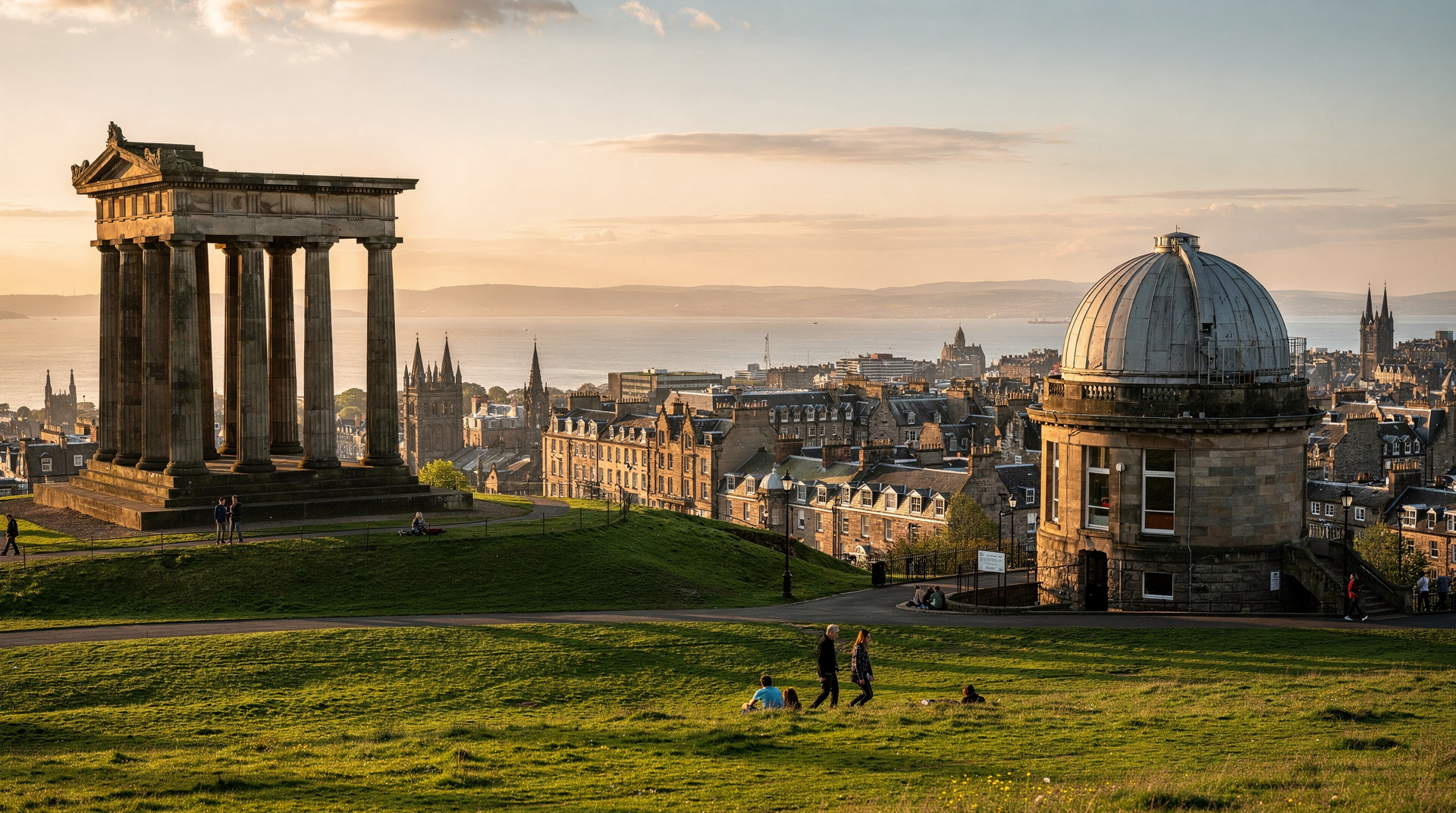
The 1 May dew tradition — washing your face in the morning dew from Arthur’s Seat summit to gain good looks and good fortune for the year — is documented from at least the eighteenth century and continues today. The botanist James Robertson recorded Edinburgh women going up Arthur’s Seat before dawn on May Day in the 1770s. The tradition is connected both to Beltane (the Celtic fire festival, celebrated on Calton Hill) and to the broader European May Day folklore of water and renewal. A surprising number of Edinburgh residents still make the pre-dawn climb on 1 May.
The writer Robert Louis Stevenson grew up in Edinburgh and knew Arthur’s Seat well. His essay “Edinburgh: Picturesque Notes” (1879) describes the hill with the affection of someone for whom it was a childhood landscape: “The Castle Rock and Arthur’s Seat are among the things that cannot be taken away from Edinburgh, whatever hands the city passes through.” This sense of the hill as essential to Edinburgh’s identity has been consistent from medieval accounts to the present.
What the summit is actually like
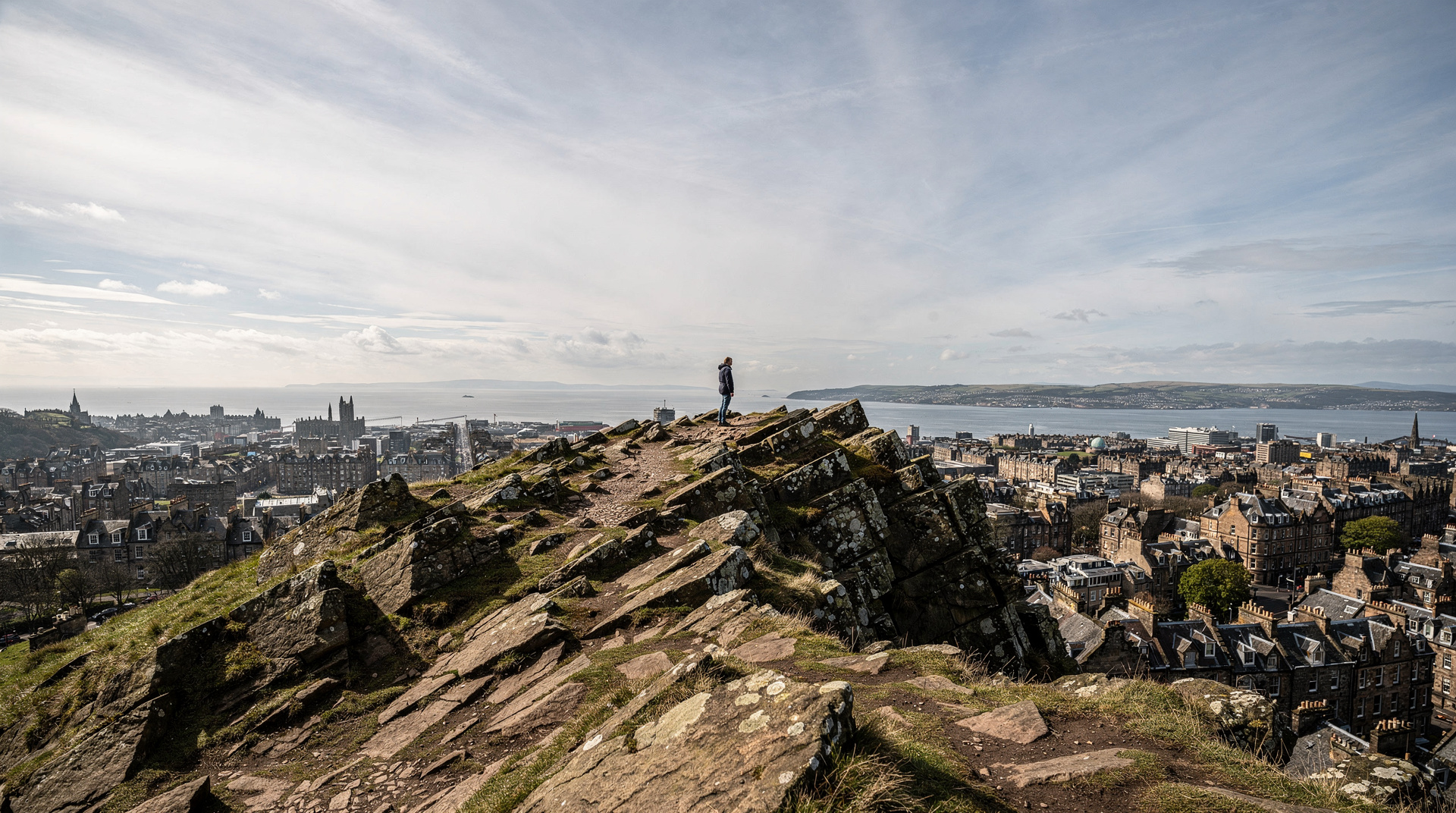
The true summit of Arthur’s Seat is a rocky platform roughly the size of a large living room. On a busy day in summer it holds perhaps 30-40 people at a time, which means it feels genuinely crowded. On a weekday morning in May or September you may have it to yourselves for a few minutes, which is when the experience becomes genuinely memorable.
The 360-degree panorama is the point. To the north, Edinburgh’s New Town and the Firth of Forth stretch to the horizon, with the Forth Bridges visible on clear days roughly 12 kilometres to the northwest. To the east, the hill of North Berwick Law is visible above the coastal plain. To the south, the Pentland Hills form the skyline, rising to just over 500 metres at their highest point. West and northwest, the castle rock and the Old Town skyline present the classic Edinburgh view that appears on most postcards.
On clear days in winter after overnight snowfall, when the city is visible below and the Pentlands are white, the summit of Arthur’s Seat delivers one of the finest urban views in Europe. This is not hyperbole.
Guided hikes: are they worth it?
A guided hike adds narrative and context that solo walkers miss. An Arthur’s Seat guided hike with Holyrood Park typically covers the geology, the mythology (the name’s connection to King Arthur is disputed but colourful), the history of Holyrood Park’s use as royal hunting ground, and the plant communities on the hillside. For visitors with limited time who want to understand what they are looking at, guided hikes run 2-3 hours and cost around £20-£30 per person.
The Arthur’s Seat sunset hike is a particular favourite: groups depart in the late afternoon and are on the summit as the light over the Firth of Forth softens and Edinburgh’s rooftops take on the golden tones that make the city’s stone seem almost warm. Book in advance for July and August when demand peaks.
For walkers who want a more serious mountain-guide experience that teaches navigation and hill skills as well as covering the route, the Arthur’s Seat hike with mountain guide is a step up in depth and is appropriate for people who want to build confidence for bigger Scottish hills.
Practical advice: gear, weather and timing
Footwear is non-negotiable. The rocks near the summit are polished and uneven. Trainers with thin soles or flat-soled shoes slip in dry conditions and become genuinely hazardous in wet ones. Walking shoes or boots with a decent grip are strongly recommended. Many people do climb in trainers without incident — but the ones who slide and hurt themselves are almost always wearing inappropriate footwear.
Weather changes fast. Edinburgh sits in the eastern lowlands and is significantly drier than the west of Scotland, but the summit of Arthur’s Seat is exposed to westerly winds that can make it feel bitterly cold even in summer. A waterproof layer and an extra layer on top of your regular clothing is advisable regardless of what the forecast says when you leave your accommodation.
Best time of day. The summit is busiest between 10am and 2pm. Arriving before 9am on a summer morning gives a quiet experience with soft light. Late afternoon and early evening in the long Scottish summer days (sunset as late as 10:15pm in late June) offer spectacular light and, in the final hour before dusk, far fewer walkers than the middle of the day.
Best months. May, June, and September offer the best combination of reasonable weather, long daylight hours, and manageable crowds. July and August are technically drier but the park is packed on weekends. January and February can be magical in clear weather — snow on the summit is common in cold winters — but the paths are icy and require care. See the best time to visit Edinburgh for the full seasonal breakdown.
Dogs and families. Dogs are welcome in Holyrood Park and Arthur’s Seat is extremely dog-friendly. For families with children, most 8-year-olds manage the standard route without difficulty; younger children on the more eroded sections often need a hand on steep ground. The Dunsapie approach is significantly more manageable for very young children.
Combining Arthur’s Seat with other highlights
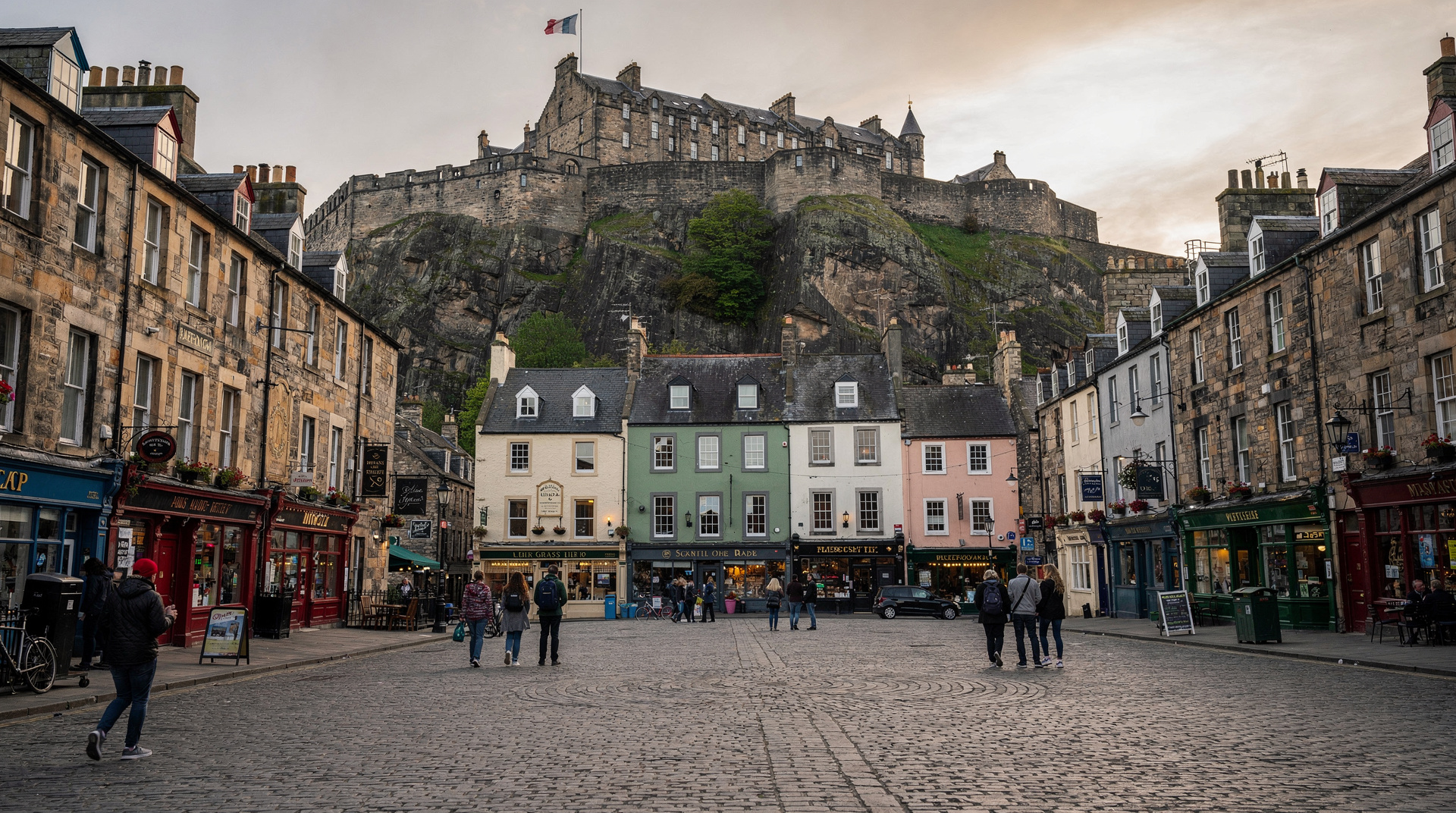
The natural anchor for an Arthur’s Seat visit is the Palace of Holyroodhouse, which sits at the base of the park and is the official Scottish residence of the monarch. A morning at the palace followed by an afternoon summit makes for an excellent full day in the south end of the Old Town.
From the park, the walk back along the Royal Mile to the castle covers the entire historical spine of the city. This is Edinburgh’s most rewarding single walking day: Holyrood Palace, Arthur’s Seat summit, then the Royal Mile with its closes, kirks, and closes back to the Castle esplanade.
The two-day Edinburgh itinerary builds Arthur’s Seat into a logical sequence with the Old Town on day one. For visitors combining Edinburgh with the wider Scottish landscape, the day trips from Edinburgh guide covers walks in the Pentlands and Borders that suit anyone who has already done Arthur’s Seat and wants something more demanding.
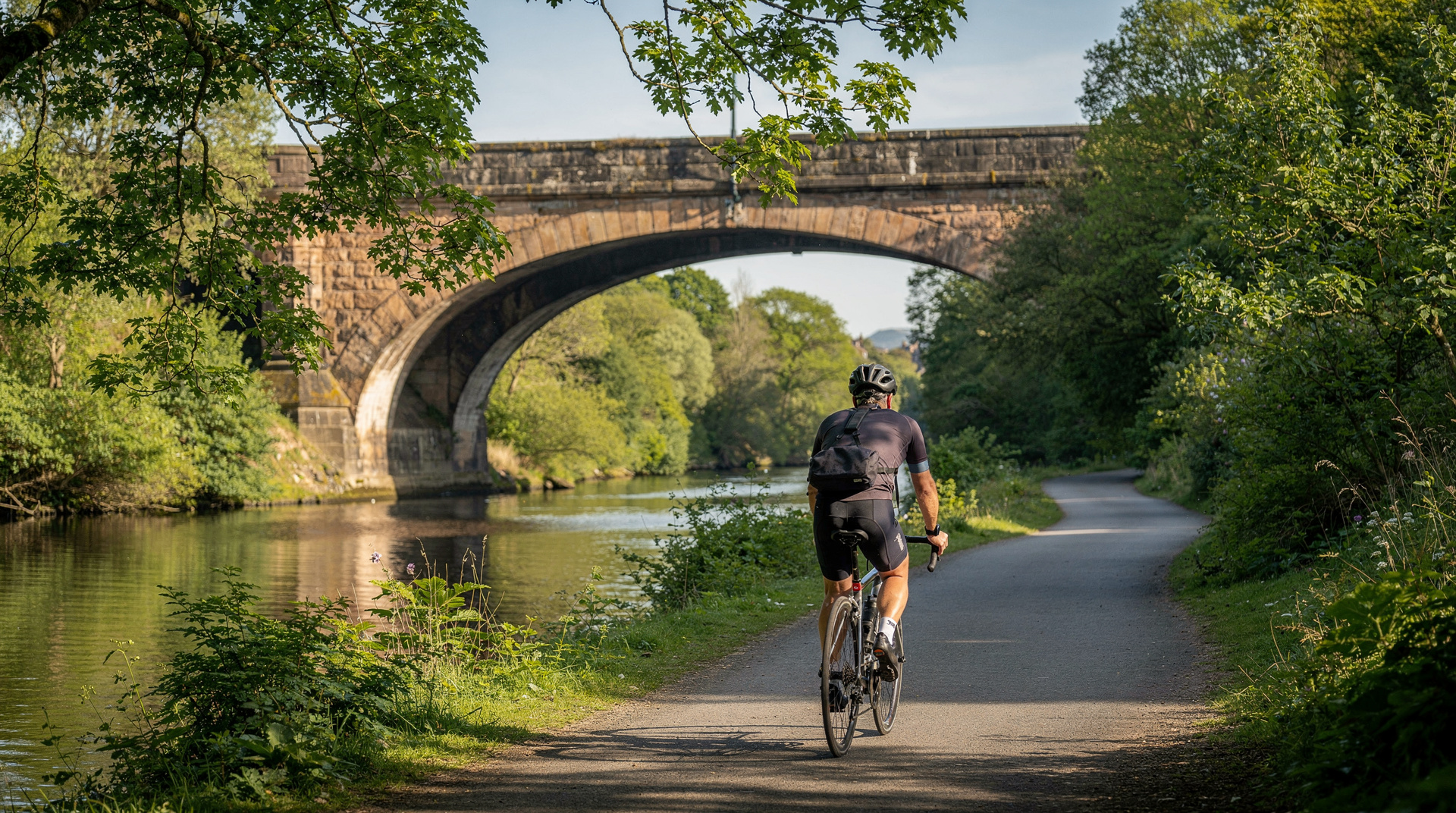
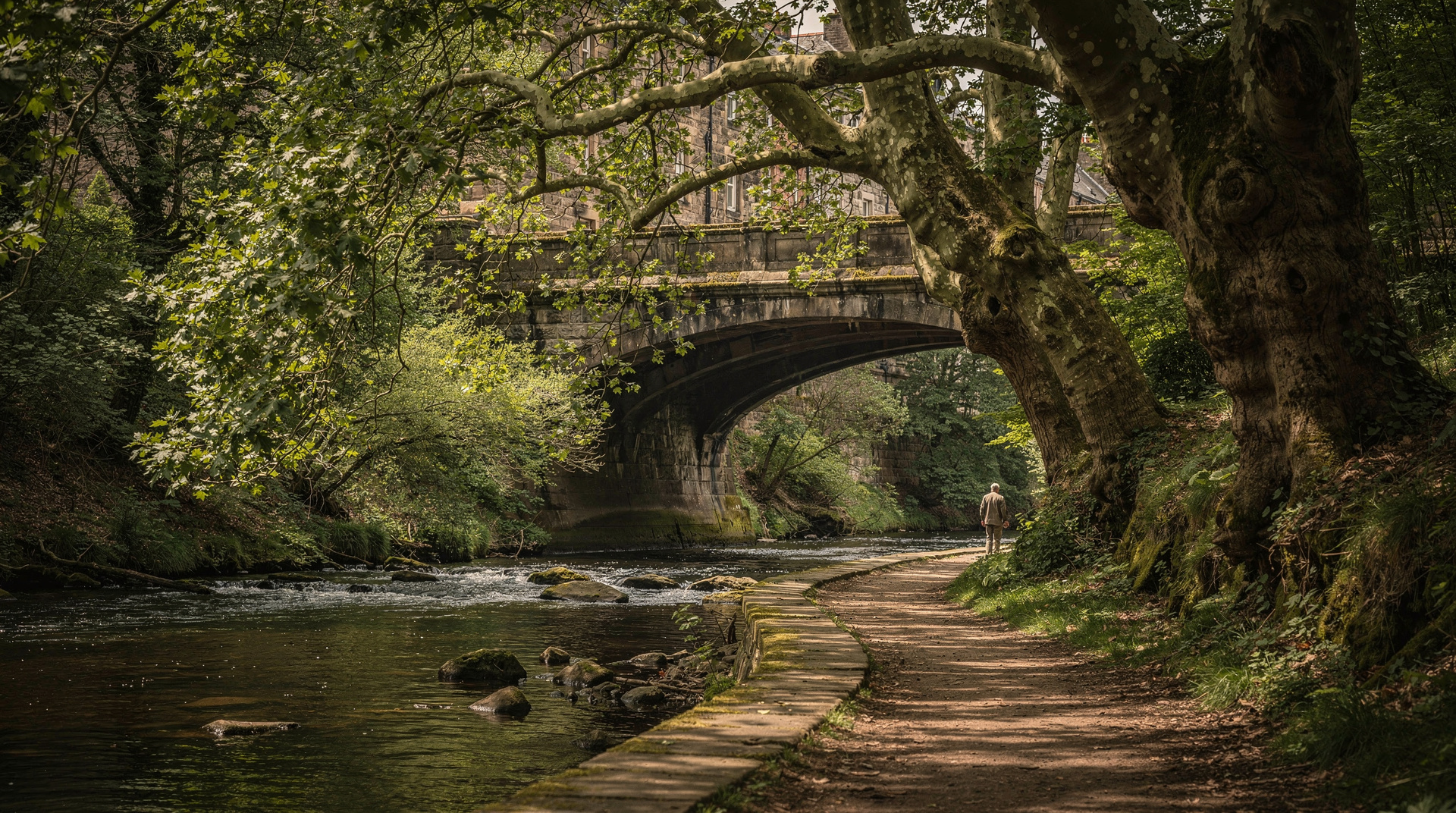
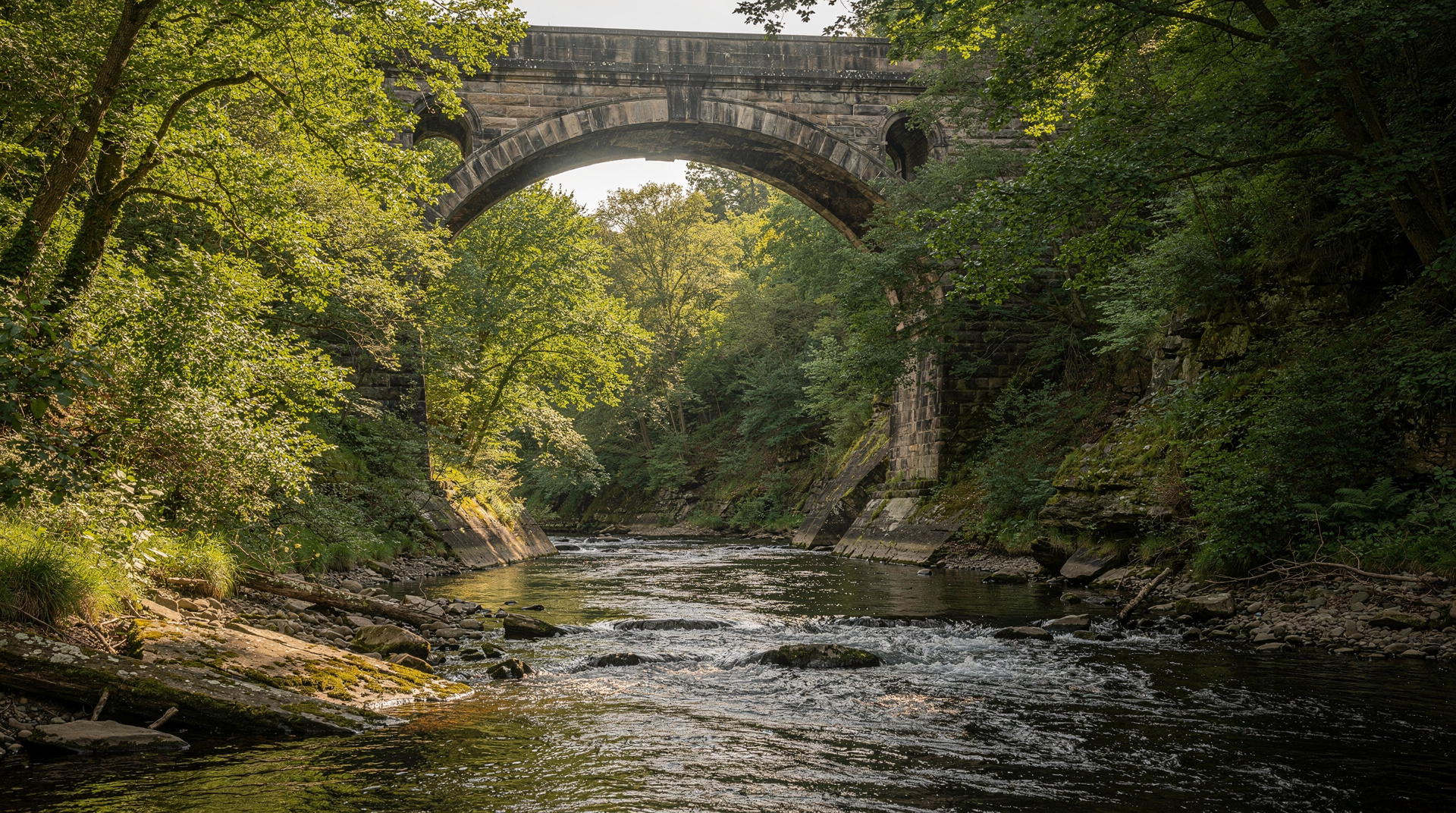
The Water of Leith walkway — covered in the Water of Leith guide — is a complementary Edinburgh walk that offers a completely different experience: flat, wooded, and centred on the river rather than the summit. Together, Arthur’s Seat and the Water of Leith give a thorough picture of Edinburgh’s extraordinary natural variety for a city of its size.
More walks and views once you have done the summit
Arthur’s Seat is the headline hill, but it is not the only way to get above the city. The best walks in Edinburgh guide gathers the other routes worth your time, from riverside paths to coastal strolls, and helps you decide which suit your legs and your weather. If you want a bigger hill day with fewer people, the Pentland Hills guide is the natural next step. For another way to enjoy the park’s surroundings, cycling in Edinburgh explains how to link quiet routes and what to expect from the city’s traffic.
Not every walker wants to climb, and a good view does not always require effort. The best views in Edinburgh post lists the viewpoints that reward the least effort, which is useful on a day when the cloud sits low on the hill. Photographers should also look at the Edinburgh photography spots post for ideas on where the light works best. If you are building a wider trip around the walking, the Holyrood and Arthur’s Seat destination page and the first-time Edinburgh travel guide give the broader picture, and the Edinburgh weather guide helps you pick the right layers.
Route comparison at a glance
| Route | Distance/time | Difficulty | Best for |
|---|---|---|---|
| Queen’s Drive / Crow Hill | ~40-50min ascent | Moderate | Most visitors, direct approach |
| Radical Road (Salisbury Crags) | ~50-60min ascent | Moderate, longer | Views, less crowded mornings, history |
| Dunsapie approach | ~20-25min ascent | Easy | Families, limited time, mobility considerations |
None of the three routes is technically difficult by hillwalking standards, but they suit different visitors. The Queen’s Drive route is the default choice for most first-time visitors because it starts near the main park entrance and is well signposted. The Radical Road adds the Salisbury Crags traverse, which is more visually dramatic and — because it starts from a different point near the palace — tends to be quieter in the first hour of the day. The Dunsapie approach trades distance for convenience and is the only realistic option for visitors with limited mobility, limited time, or very young children who cannot manage a longer ascent.
What to do if the weather turns
Scottish weather changes quickly, and a clear morning at the bottom of Holyrood Park can turn to driving rain or thick cloud by the time you reach the saddle below the summit. If conditions deteriorate significantly — heavy rain making the basalt genuinely slippery, or low cloud removing the view that is the main reason to climb — the sensible choice is to turn back rather than push on. The summit view is the entire point of the hike; a summit reached in zero visibility is a wasted effort that carries real risk on wet rock.
A reasonable middle option: the Dunsapie Loch viewpoint, reached in 15-20 minutes from the Dunsapie car park, gives a respectable view over the eastern part of the park even without continuing to the true summit, and is a sensible turnaround point in marginal conditions. Check the forecast the morning of your climb rather than the night before — Edinburgh forecasts can shift substantially within 12 hours, and the summit of Arthur’s Seat experiences noticeably stronger wind and lower cloud than street level in the Old Town.
Frequently asked questions about hiking Arthur’s Seat
How long does it take to climb Arthur’s Seat?
Allow 2-3 hours for the full round trip from the base of the park at Holyrood. The ascent takes 45-60 minutes at a moderate pace; the descent 30-40 minutes. If you start from the Dunsapie car park on Queen’s Drive, the time drops to about 45 minutes return. Factor in time on the summit and a rest stop and a comfortable half-day allows you to enjoy the experience without rushing.
Do I need hiking boots for Arthur’s Seat?
You do not strictly need full hiking boots, but good-quality walking shoes with a grippy sole are strongly advisable. The final approach to the summit is on exposed volcanic rock that becomes slippery in wet conditions. Many people climb in trainers without incident, but those who slip and injure themselves are almost invariably wearing flat-soled or thin-soled footwear. In winter when ice is possible, walking poles and micro-spikes are sensible additions.
Is Arthur’s Seat free to visit?
Yes, entirely. Holyrood Park is managed by Historic Environment Scotland and open to the public at no charge at all times. The only exception is if you visit the Palace of Holyroodhouse, which is a separate ticketed attraction at the park entrance.
Can you drive to the top of Arthur’s Seat?
No. Queen’s Drive, the road that loops around the park, gets you close to the base of the hill and brings you to the Dunsapie Loch car park partway up, but the summit itself is only accessible on foot. The road is closed to private vehicles on Sunday mornings to prioritise walkers and cyclists.
When is the best time to climb Arthur’s Seat to avoid crowds?
Weekday mornings, particularly before 9am, are the quietest. August weekends are the busiest time of year — the Fringe brings hundreds of thousands of extra visitors to Edinburgh and many walk up Arthur’s Seat. For a calm experience with the summit largely to yourself, aim for a Tuesday or Wednesday morning in May, June, or September.
Is the Beltane Fire Festival connected to Arthur’s Seat?
The Beltane Fire Festival takes place on Calton Hill, not Arthur’s Seat, on the night of 30 April. However, Arthur’s Seat has its own ancient Celtic association: the hill features in the folk tradition of washing your face in the morning dew on 1 May (May Day) from the summit, which supposedly bestows good fortune and beauty. A significant number of Edinburgh residents still do this.
What wildlife can I see in Holyrood Park?
The park supports breeding populations of fulmar petrels on the crags (unusual for an urban park), feral goats on the lower slopes, and significant bird populations including sky larks, stonechats, and peregrine falcons nesting on the crags. In summer the grassland slopes are carpeted with wildflowers including harebells, orchids, and bird’s-foot trefoil.
Top experiences
Bookable activities with verified prices and instant confirmation on GetYourGuide.