Autumn in Edinburgh: why September and October are underrated
The relief of the post-Fringe Edinburgh
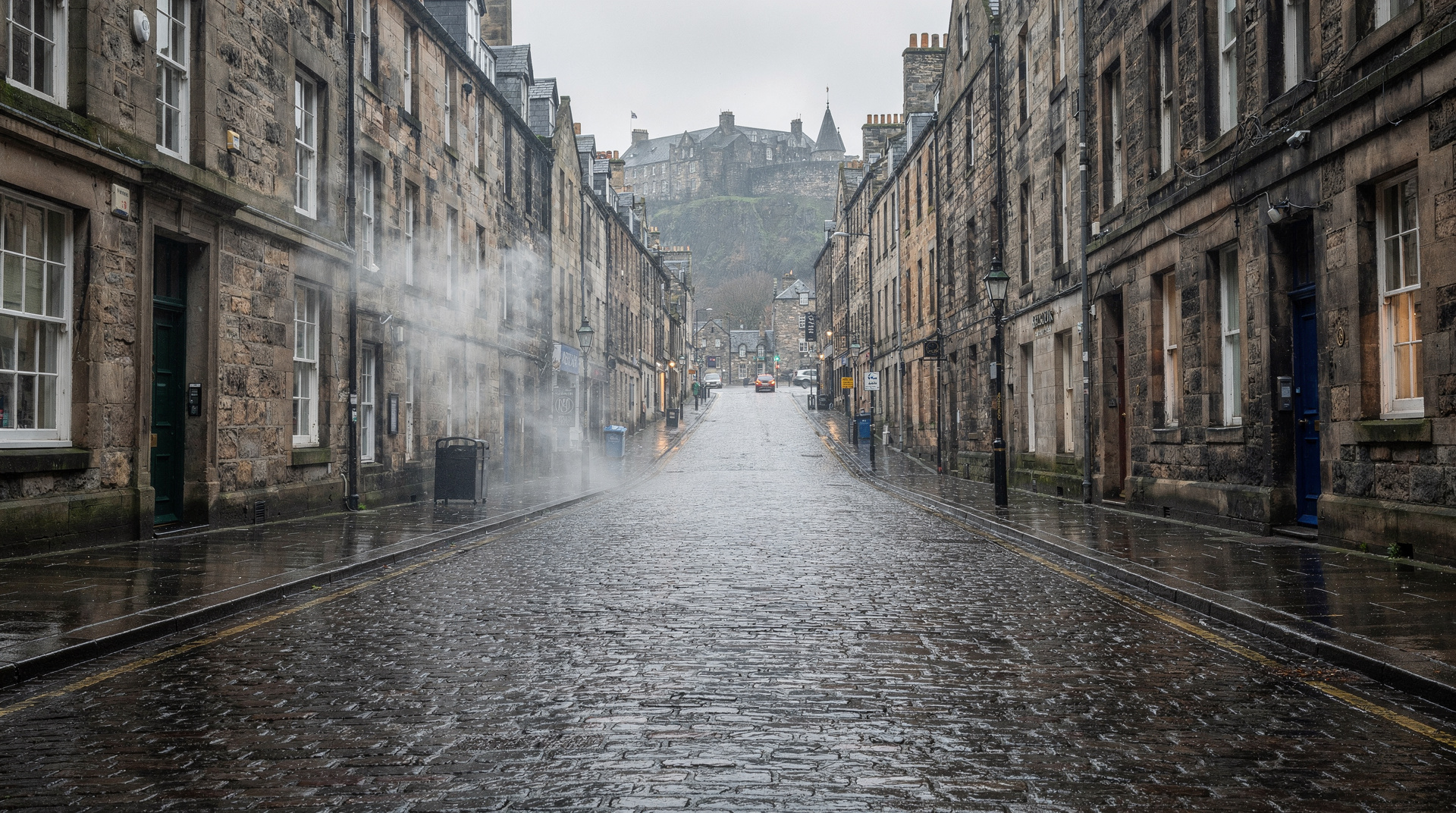
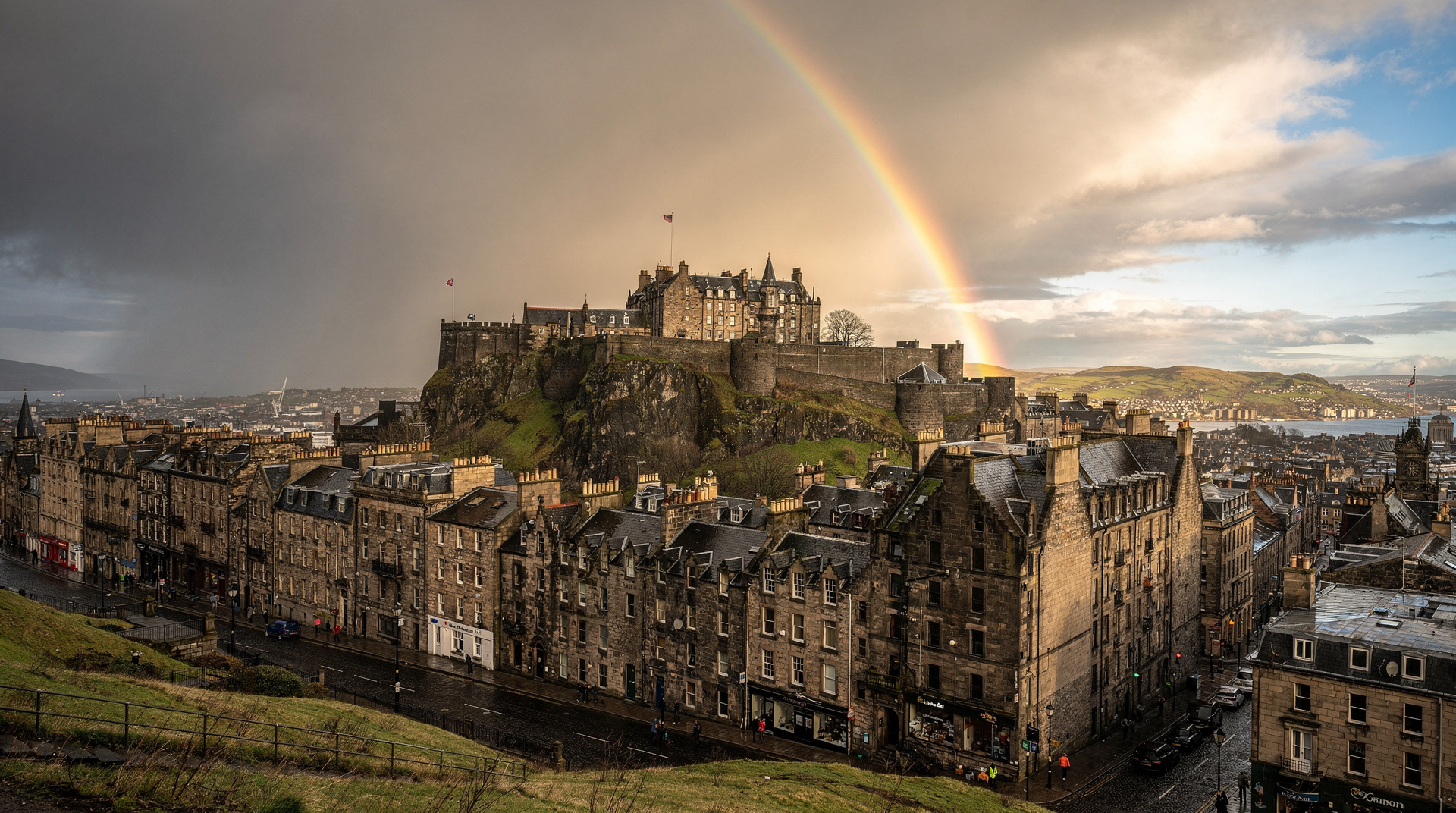
Visitors who arrive in Edinburgh on the first weekend of September — after the Fringe has closed but before the Edinburgh International Book Festival wraps up — encounter a city in a particular state of grace. The crowds have gone. The hotel prices have dropped. The residents have reclaimed their city. And the autumn light, falling at a lower angle across the stone buildings, does things to the colour of the city that no other season can replicate.
September and October in Edinburgh are perhaps the most underrated months of the year. Here is why.
| Best window | Early September for the price drop; mid-to-late October for colour |
| Average temperature | 13-15°C (September), 10-12°C (October) |
| Hotel prices | Roughly 25-40% below August rack rates |
| Daylight | Sunset shifts from around 7:45pm (early Sept) to 5:30pm (late Oct) |
| Pack | Layers plus a genuine waterproof, especially by October |
September vs October at a glance
| September | October | |
|---|---|---|
| Crowds | Dropping fast after the Fringe | Low, except Halloween weekend |
| Weather | Mild, still some settled spells | Cooler, wetter, more variable |
| Colour | Green turning at the edges | Peak foliage, especially mid-to-late month |
| Standout event | Book Festival (early Sept) | Halloween and haunted-history season |
| Best for | Balancing warmth with lower prices | Photography, ghost tours, cosy pubs |
September: the sweet spot
The first week
The week after the Fringe ends (usually the last week of August or first week of September, depending on the year) is when the price drop is most dramatic. A hotel room that cost £280 in August can be £120 by the first Monday in September. The Royal Mile — crammed for three weeks with flyerers, performers, and tour groups — empties out in a way that feels almost surreal.
The early-September weather is usually Edinburgh’s best statistical period after June. Average temperatures are 13-15°C, rain probabilities are lower than spring, and the reduced humidity gives good visibility for long views from Calton Hill and Arthur’s Seat.
The Book Festival overlap
The Edinburgh International Book Festival runs into mid-September and is Edinburgh’s most accessible festival for visitors who want genuine cultural engagement rather than a spectacle. The programme is focused on author talks and conversations, mostly ticketed at £10-16, held in Charlotte Square Gardens. The atmosphere is relaxed, the audiences are engaged, and the quality of speakers is genuinely high.
What the city feels like in September
The school year has started, the university has reopened, and Edinburgh functions as a real city rather than a festival backdrop. The neighbourhood restaurants that close for August renovation reopen. The independent shops stock up. The pubs that were overwhelmed in August return to normal service.
A New Town, Dean Village and Circus Lane walking tour in September — with the light angled low and the Virginia creeper on Circus Lane beginning to turn — is one of the more pleasant things the city offers in this season.
October: the colour season
Autumn foliage in Holyrood Park and the Botanics
October brings Edinburgh’s best foliage. Holyrood Park’s trees turn in the second and third weeks of October; the Royal Botanic Garden’s collection is at its peak colour between mid-October and early November. The combination of the basalt crags, the autumnal trees, and the low October light in Holyrood Park is the most purely scenic version of Edinburgh’s landscape.
The Water of Leith walkway in October, from Dean Village through Stockbridge, is particularly good — the riverside trees provide a continuous colour tunnel that is entirely unlike the bare winter version of the same walk.
Halloween
Edinburgh takes Halloween seriously. The city’s strong association with dark history, ghost stories, and the medieval makes Halloween feel less performative here than in most places. Haunted Edinburgh tours reach peak popularity in October. The underground vaults operators run their most atmospheric events in late October. Samhuinn (a pagan autumn festival on Calton Hill) takes place on 31 October in some years, though less reliably than Beltane.
For dark-history Edinburgh in October, see the haunted Edinburgh guide. If you want to compare operators before you commit, the ghost tours guide sorts the good from the merely loud, and the underground vaults guide explains what you actually see below the Old Town.
Practical October considerations
By mid-October, sunset falls around 5:30pm and dropping. Plan outdoor activities in the middle of the day — Calton Hill, Arthur’s Seat, Holyrood Park — and the evenings for indoor Edinburgh: pubs, restaurants, theatre at the Lyceum or King’s Theatre, ghost tours.
A walk up Arthur’s Seat on a clear October morning is the best use of the daylight, and the Water of Leith walkway guide covers the riverside route in more detail.
Weather variability increases in October. The averages (10-12°C, more frequent rain) are manageable with the right clothing, but October can also produce exceptional clear days with the air washed clean after rain and visibility extending to the Highlands.
Autumn day trips
Edinburgh’s autumn day trips are some of the best in Scotland. The Highland roads that are clogged with tourists in July and August are genuinely quiet by late September. Glencoe in October — when the hillsides have turned and the light is dramatic — is extraordinary. St Andrews in autumn, when the golf courses and beaches are emptier, gives a better sense of the town’s character than the summer tourist version.
Autumn is also the season for the East Lothian coastal walk, when the light over the Firth and the dramatic basalt of Tantallon Castle is at its best. See the day trips guide for the full autumn options.
Where to stay in autumn for the best value
Leith offers the best combination of value and character for an autumn visit. The Shore area is quieter than in summer, the restaurants are fully operational, and the prices are considerably lower. The Malmaison on Tower Place is one of the better-value options in Edinburgh for an autumn stay.
If you would rather stay close to the water and the restaurants, the Leith destination page and the Leith day in the blog show what the area offers once the summer visitors have gone.
The Southside neighbourhoods — Bruntsfield, Marchmont, Newington — offer excellent guesthouse accommodation at genuinely good prices in September and October. See the accommodation guide for the neighbourhood comparison.
For a full seasonal overview including Edinburgh’s weather patterns, see the Edinburgh weather guide. For the broader context on when to visit, see the crowds guide.
What autumn Edinburgh actually looks like day-to-day
The daily rhythm of Edinburgh in autumn is different from the summer version in ways that visitors notice quickly. The university reopens in late September and the city gains its academic character — students filling the cafés in the Old Town, the Meadows busy with frisbee games and joggers, the pubs around Nicholson Street and South Bridge at full early-evening pace.
The festival infrastructure — the temporary outdoor stages, the flyering, the tourist services operating at maximum capacity — is gone. The city contracts back to its actual scale. Shops no longer have queues. The Royal Mile is navigable. You can sit on a bench on Princes Street and look at the castle without feeling that you are in someone else’s photograph.
This is not a complaint about summer Edinburgh. August is extraordinary. But the autumn version feels more like the real city, and many visitors who have been multiple times prefer it.
Autumn food and drink: the seasonal advantage
Edinburgh’s food scene in autumn has a seasonal character that summer does not. Game season opens in August and runs through October and November: venison from the Scottish Highlands, pheasant and partridge from the Borders, grouse from the moors. The best Edinburgh restaurants — particularly those in Leith — build seasonal menus around these ingredients that represent some of the best and most distinctively Scottish eating available.
The whisky season is particularly good in autumn. The Edinburgh International Scotch Whisky Convention and various whisky events and distillery open days run through October and November. If whisky is a significant interest, autumn in Edinburgh is the right season to focus on it. A discovering malt whisky tasting experience fits well into an autumn evening once the outdoor light has gone. See the whisky tasting guide for the best current options.
Autumn at the galleries and museums
Edinburgh’s cultural institutions run their best temporary exhibitions in autumn, when the tourist pressure of summer has eased and the programming shifts toward more substantive content. The Scottish National Gallery, the National Portrait Gallery, and the Modern Art Gallery all typically open their main autumn exhibitions in September and October.
The Fringe’s departure also restores the Pleasance and other Fringe venues to their year-round programme, which includes theatre, music, and performance of quality that sometimes exceeds the compressed Fringe output.
Planning a September or October trip
Accommodation: Book two to four weeks ahead in September; often bookable with one to two weeks’ notice in October on weekdays. Weekend prices in October are still slightly elevated by the Edinburgh standard but nothing like summer levels.
What to bring: A waterproof layer is non-negotiable in October. The weather can swing between genuine autumn sunshine (crisp, clear, beautiful) and driving Scottish rain (also genuine, rather more challenging). The former is not guaranteed; the latter should be expected.
Getting the most from autumn light: The low-angle autumn light from the east and west in September and October produces the best conditions for photography in Edinburgh. The castle faces west; the late afternoon sun on the castle face in October is spectacular from Princes Street Gardens. Calton Hill in the hour before sunset gives views that genuinely match the summer experience at a fraction of the visitor density.
For the full autumn Edinburgh programme, check the Edinburgh cultural venues (Lyceum, King’s Theatre, Royal Botanic Garden, galleries) for their October and November schedules. The winter festival programme begins to build in November and the approach to the Christmas markets adds another dimension to the city’s character.
See the three-day Edinburgh itinerary for a plan that works well in autumn with seasonal adjustments.
Frequently asked questions about autumn in Edinburgh
Is September or October better for visiting Edinburgh?
September, particularly the first two weeks, offers the better balance of mild weather, lower prices than August, and the tail of the Book Festival. October is better specifically for autumn colour and a quieter, more atmospheric city, at the cost of shorter days and more unpredictable weather.
Do I need to book anything specific for an autumn Edinburgh trip?
Accommodation two to four weeks ahead in September and one to two weeks ahead in October is generally sufficient, well short of the months-ahead planning August requires. Specific October events — Halloween ghost tours, whisky tastings — benefit from a few days’ notice, especially on weekends.