Edinburgh vs Glasgow: which city should you visit?
Two cities, eighty miles apart, and about as different as two British cities can be
The question “Edinburgh or Glasgow?” comes up constantly in Scottish travel planning, and it deserves a better answer than the usual “they’re both great in different ways.” That is true, but it is not useful when you have limited time and need to make a choice.
Here is an honest comparison across the categories that actually matter for most visitors: history, food and nightlife, art and culture, day trips, and practical cost.
| Train between the two | 50 minutes, around £12-15 advance |
| Best for first-time Scotland visitors | Edinburgh |
| Best for food and nightlife | Glasgow |
| Best for day trips into the Highlands | Edinburgh |
| Both worth it if | 5+ days in Scotland |
| Category | Edinburgh | Glasgow |
|---|---|---|
| History and sightseeing | Wins decisively | Patchy |
| Art and museums | Excellent, close call | Edge, arguably |
| Food and nightlife | Improved, still behind | Wins |
| Day trips | Wins | Narrower range |
| Cost | Higher, especially August | Generally cheaper |
The character difference
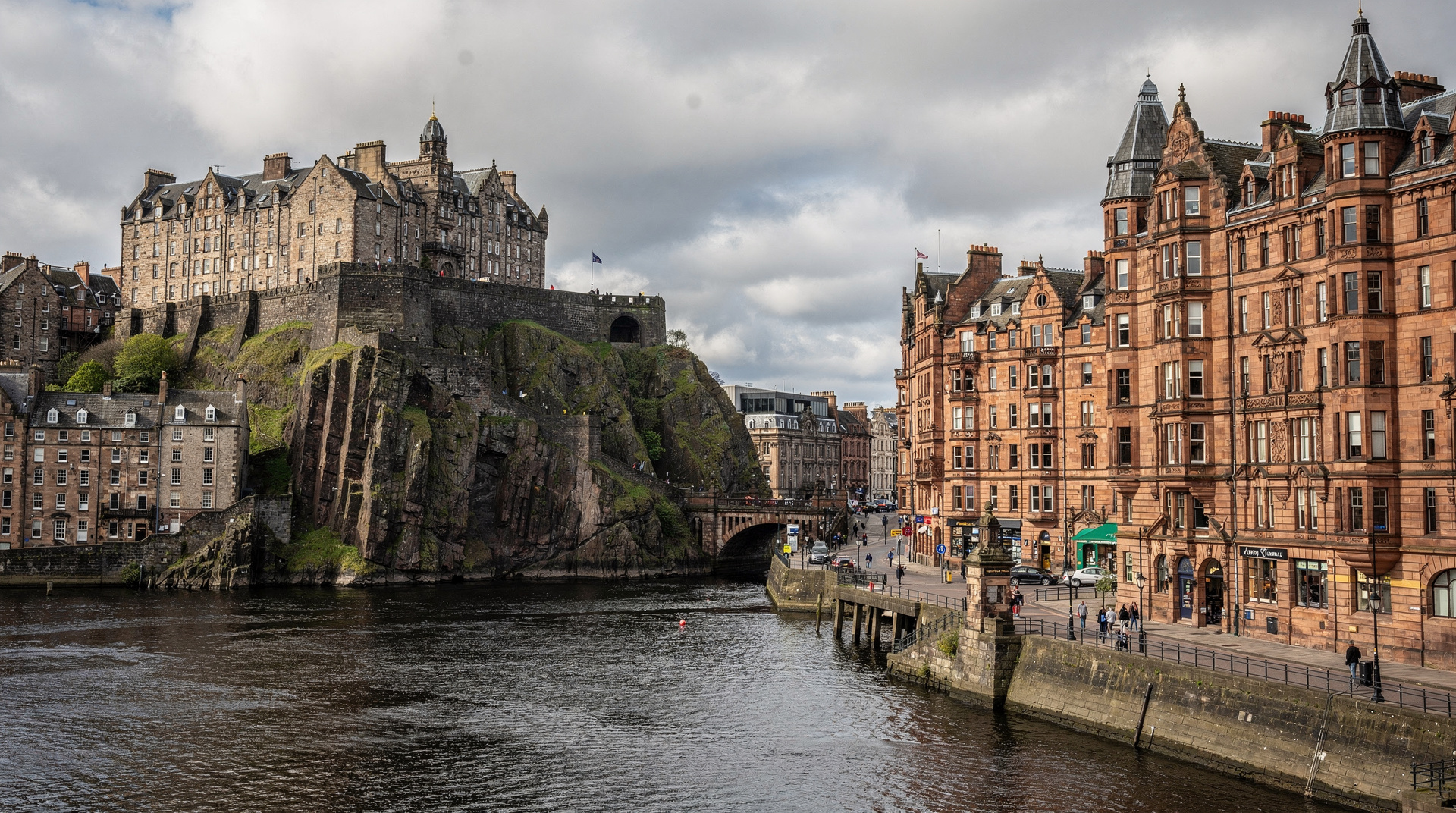
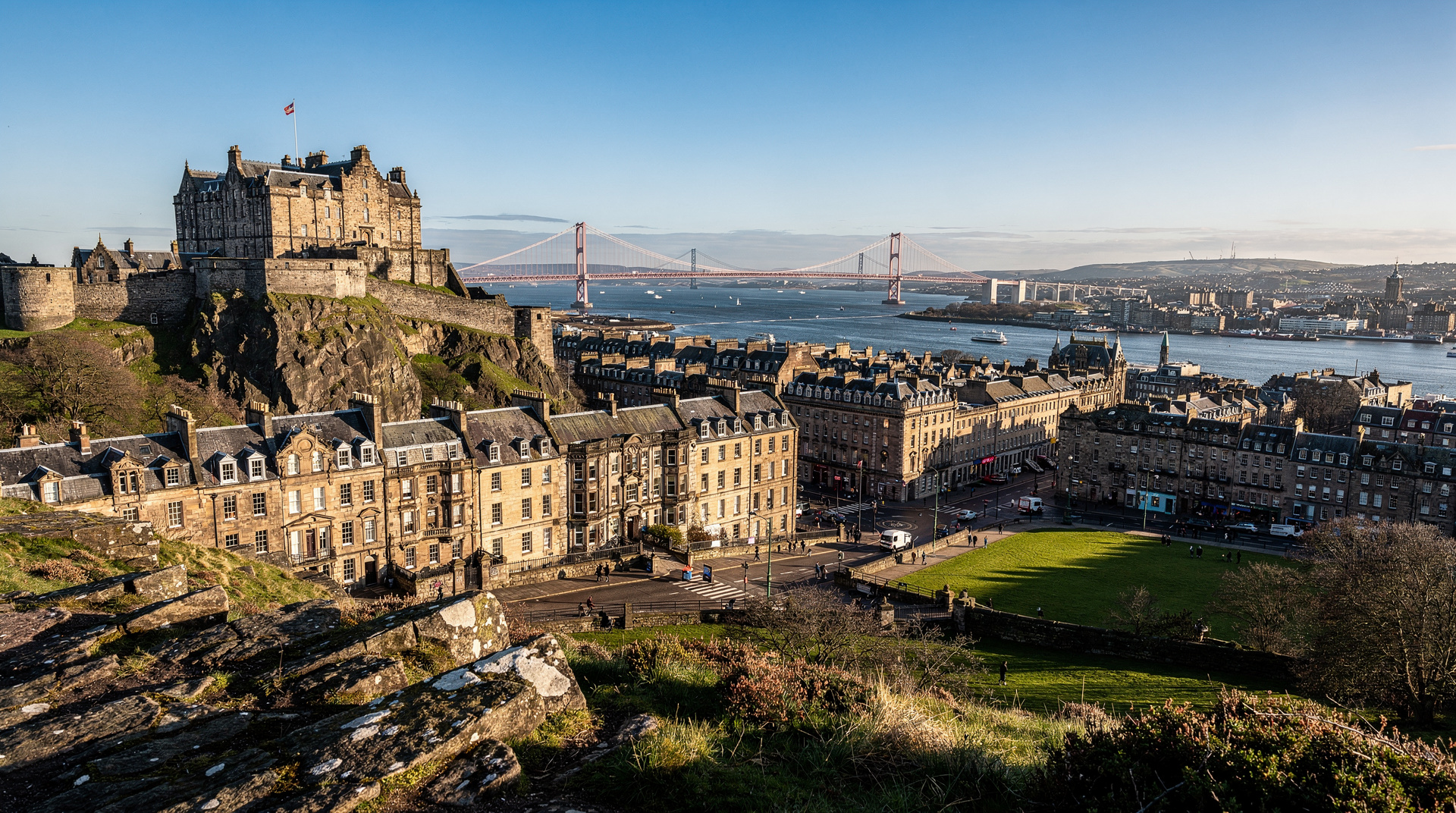
Edinburgh is a planned city of stone — Georgian symmetry in the New Town, medieval organic chaos in the Old Town, and one of the finest preserved castle complexes in Europe at its centre. It looks designed to impress, and it was. The city’s identity is intimately connected with Scottish history, royalty, and the Scottish Enlightenment. It can feel slightly theatrical at its tourist peak in August, when the whole city becomes a stage set for the festival.
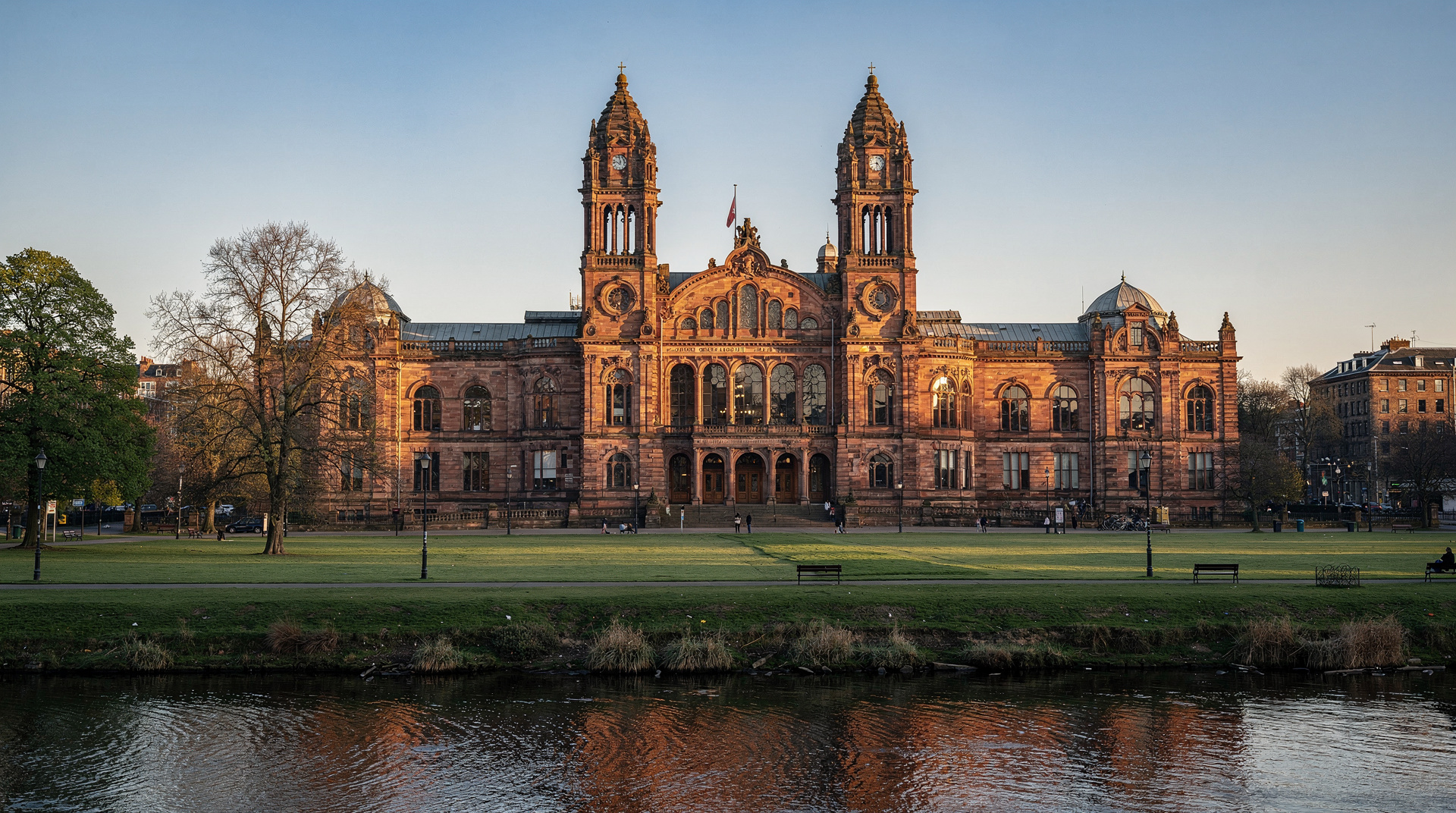
Glasgow is a product of the industrial revolution: a trading port and manufacturing city that grew faster and more chaotically than any Scottish city plan anticipated. It was wealthier than Edinburgh in the late nineteenth century, and its Victorian architecture — the grid of the West End, the decorative excess of the city chambers, the Charles Rennie Mackintosh buildings — reflects that wealth. Where Edinburgh is handsome, Glasgow is characterful. Where Edinburgh curates, Glasgow performs.
The people are different too. Glaswegians have a reputation for warmth and directness that Scots elsewhere will cheerfully confirm. Edinburgh has its own version of this, but it is a more understated quality.
History and sightseeing
Edinburgh wins this decisively. Edinburgh Castle, the Royal Mile, the Palace of Holyroodhouse, Greyfriars Kirkyard, the Scottish Parliament, the underground vaults — the concentration of history and heritage in a walkable area is exceptional. A first-time visitor to Scotland who wants to understand Scottish history should come here first.
A Royal Mile and Old Town walking tour covers the essential historical narrative in two hours. The Old Town alone rewards two full days of exploration.
Glasgow’s historical sightseeing is patchy. The Cathedral is impressive. The Provand’s Lordship (one of the oldest houses in Scotland) is interesting. But there is nothing that competes with Edinburgh Castle or Holyrood.
Art, culture, and museums
This is closer. Edinburgh’s National Museum of Scotland is one of the best in Britain and it is free. The Scottish National Gallery has a genuinely excellent collection, also free. The city also has the National Portrait Gallery, the Gallery of Modern Art, and the Dean Gallery.
Glasgow has the Kelvingrove Art Gallery and Museum, which is free, vast, and one of the most visited museums in the UK — the hanging Spitfire alone is worth the journey. The Burrell Collection, recently reopened after a long renovation, holds one of the most eclectic private art collections ever assembled. The Hunterian Museum at Glasgow University is excellent. And Glasgow has more Charles Rennie Mackintosh architecture in one place than anywhere else on earth.
If art and museums are your primary reason for visiting Scotland, Glasgow may actually have the edge.
Food and nightlife
Glasgow has a stronger food and nightlife scene. This surprises visitors who assume Edinburgh, as the capital, must lead — but Glaswegians eat out more, and the dining culture is less tourist-dependent. The West End of Glasgow, around Byres Road and Finnieston, has a concentration of excellent restaurants — from Ox and Finch to Cail Bruich — that rivals London’s best neighbourhoods at half the price.
Edinburgh’s food scene has improved dramatically in the past decade, particularly in Leith, and at the upper end it is excellent. But Glasgow has more mid-range eating options that are genuinely good, and the pub culture is arguably more authentic and less packaged.
Both cities have strong whisky and craft beer scenes. Glasgow’s West End has distillery tours that are worth building into a trip. The Clydeside distillery tour is one of the better whisky experiences in the central belt.
Day trips
Edinburgh wins. The day-trip geography from Edinburgh is exceptional: Stirling (1 hour), St Andrews (1.5 hours), Loch Ness (3.5 hours), Glencoe (2.5 hours), Rosslyn Chapel (30 minutes), the East Lothian coast (40 minutes). The city is genuinely well-placed for accessing the best of Scotland in short journeys. See the day trips guide for the full picture.
Glasgow has Loch Lomond on its doorstep (40 minutes) and reasonable access to the western Highlands, but the range is narrower.
Visiting both
The train between Edinburgh and Glasgow takes 50 minutes and costs around £12-15 with advance booking. A well-planned trip can absolutely include both cities. The Edinburgh and Glasgow five-day itinerary builds a practical programme that gives both cities their due.
The standard approach for visitors with a week: three to four days in Edinburgh (including a Highlands day trip), a day in Glasgow, and either return to Edinburgh or fly from Glasgow.
The verdict
Choose Edinburgh if: history, heritage, and landscape are your priorities; you want to do Highland day trips; you are visiting for a festival.
Choose Glasgow if: food, nightlife, and contemporary culture are your priorities; Mackintosh architecture is a reason to come; you want to feel less like a tourist and more like a resident.
Visit both if you have five or more days in Scotland. They are genuinely complementary rather than competing — and the 50-minute train ride makes the decision feel less final than it might look on a map.
Frequently asked questions about Edinburgh vs Glasgow
Which city is cheaper to visit?
Glasgow is generally cheaper for accommodation and food. Hotel prices in Edinburgh, especially in summer and August, run noticeably higher. Eating out is more expensive on the Edinburgh tourist circuit than in Glasgow’s West End for comparable quality. Both cities have excellent free museums.
Which is better for a first visit to Scotland?
Edinburgh, for most people. The concentration of Scottish history, the castle, and the Old Town architecture give a stronger immediate sense of Scottish identity. Glasgow rewards people who already know something about Scotland and want to explore beyond the postcard version.
Can you do a day trip from Edinburgh to Glasgow?
Yes. The train is 50 minutes and trains run every 15-30 minutes. A day in Glasgow — Kelvingrove, the West End, lunch in Finnieston, a distillery tour — is entirely feasible from an Edinburgh base. See the Glasgow day trip guide for how to structure it.
Which has better nightlife?
Glasgow. The live music scene is larger, the clubs are better, and the late-night bar culture is more genuinely local. Edinburgh has good pubs and some excellent bars, but its nightlife is partly tourist-facing in a way that Glasgow’s is not.
Which city has better access to castles and countryside day trips?
Edinburgh, clearly. Stirling and its castle are about an hour away, Rosslyn Chapel is 30 minutes, and St Andrews is 1.5 hours — all comfortably doable as half or full days from an Edinburgh base.
See the Edinburgh Castle vs Stirling Castle guide if you are trying to decide which castle to prioritise, and the Stirling day trip guide and St Andrews day trip guide for logistics. Glasgow’s Highland access is real but narrower, mostly built around Loch Lomond and the western routes.
If you can only pick one castle day trip
Both cities have their own castle-adjacent day trips, but if you are based in Edinburgh and choosing just one, Stirling Castle offers the closer historical rival to Edinburgh Castle itself — both perched on volcanic crags with comparable battlefield history — while Rosslyn Chapel is the better choice for a shorter half-day with a genuinely different, more intimate atmosphere. Neither requires more than a morning or afternoon, so fitting one in alongside a Glasgow day trip on a longer Scotland itinerary is realistic.