Hidden gems of Edinburgh: the places most visitors miss
The city that most tourists never quite reach
Edinburgh is a city of layers. The layer most visitors experience — the Royal Mile, Edinburgh Castle, Princes Street, perhaps Holyrood and a ghost tour — is genuine and worth having. But beneath and beside it runs a parallel Edinburgh of hidden closes, eccentric gardens, Victorian curiosities, and residential neighbourhoods that feel almost private in their tranquillity.
None of these places are secret, exactly. But they lie just far enough off the main visitor circuit that a surprising number of people come to Edinburgh without ever finding them.
| Cost | Almost all free |
| Best time | Early morning (before 8am) or weekday off-peak |
| Where most cluster | Old Town closes, Stockbridge, Dean Village |
| Time needed | Half a day for a loop of 4-5 spots |
| Booking | None needed — all walk-up |
Circus Lane, Stockbridge
Perhaps the most photographed street in Edinburgh that most people have never heard of, Circus Lane is a cobbled mews lane in Stockbridge lined with pastel-painted former stable buildings and overflowing window boxes. In spring and early summer it is unreasonably pretty. In autumn the Virginia creeper turns the walls crimson. It connects to Circus Place and is ten minutes’ walk from Princes Street — but almost nothing about the main tourist infrastructure points you toward it. Combine it with Stockbridge’s Sunday market and the Water of Leith walkway for a full morning. See the Stockbridge guide for context.
The Dunbar’s Close Garden, Royal Mile
Tucked behind a narrow close on the south side of Canongate, Dunbar’s Close Garden is a recreated seventeenth-century Edinburgh garden — box hedges, lavender, raised beds, gravel paths. It is roughly the size of a large sitting room, free to enter, and almost always quiet even in August. The entrance is easy to miss: a wooden gate set into the tenement wall, just after the Canongate Tolbooth. The contrast with the noise of the Royal Mile twenty metres away is jarring.
If the closes of the Old Town leave you curious, a guided walk through the hidden corners of the Royal Mile shows you doorways and courtyards you would walk past alone. For the wider picture, the Royal Mile guide and the history of the Old Town explain why these closes exist at all.
The Vennel steps and the city wall
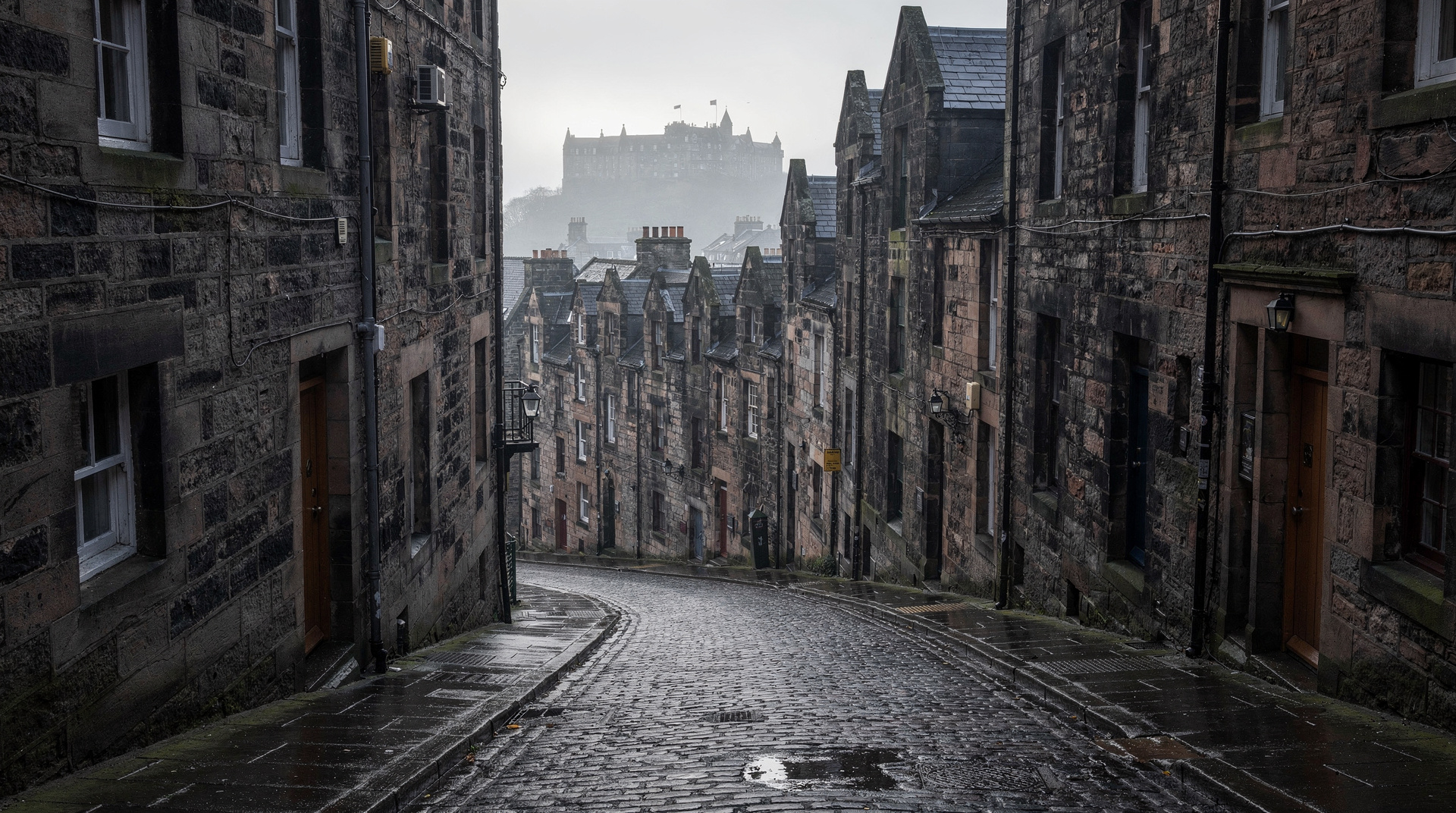
A flight of stone steps running off the Grassmarket leads up to a surviving stretch of the Flodden Wall — the medieval city fortification built in the aftermath of the Battle of Flodden in 1513. At the top of the steps you get a view back toward the castle that appears in almost no tourist photography, despite being one of the most dramatic angles in the city. The wall itself is surprisingly intact for a six-hundred-year-old structure.
St Bernard’s Well, Water of Leith
Where the Water of Leith walkway passes through the Dean Village, a classical Roman temple structure sits above a natural spring that was fashionable in the eighteenth century as a mineral water source. St Bernard’s Well was built in 1789 and the goddess Hygieia stands inside a domed rotunda above the pump room. It is locked (the interior is opened on occasional Heritage Open Days) but the exterior, reflected in the river on a calm morning, is one of Edinburgh’s most atmospheric sights. The Water of Leith walkway guide covers the full route.
The Writers’ Museum, Lawnmarket
Free, almost never crowded, and sitting in one of the prettiest closes in the Old Town, the Writers’ Museum occupies a seventeenth-century house on Lady Stair’s Close that was preserved specifically to celebrate Burns, Scott, and Stevenson. The close itself has flagstones carved with literary quotations from Scottish writers. The museum feels genuinely intimate rather than institutional — more like visiting a literary enthusiast’s house than a formal gallery. Pair it with the literary side of Edinburgh for a quiet, bookish morning away from the crowds.
Greyfriars Kirkyard’s covenanter’s prison
Most visitors to Greyfriars go to see the Bobby statue and the general atmosphere of old gravestones. Far fewer find the locked section at the back of the kirkyard — the Covenanter’s Prison, where 1,200 Covenanters were held in brutal conditions in 1679 following the Battle of Bothwell Bridge. The Mackenzie Mausoleum here — belonging to “Bloody Mackenzie,” the man responsible for their imprisonment — is the most reliably “active” poltergeist site in Edinburgh, according to the ghost tour operators who bring groups here nightly.
The Printmaking Workshop and gallery, Edinburgh Printmakers
On Union Street in the New Town, Edinburgh Printmakers occupies a beautifully converted Victorian gasworks building. The working studio is genuinely one of the more unusual cultural spaces in the city, and the gallery shows contemporary printmaking artists who are some way outside the gallery mainstream. Entry to the gallery is free and it regularly shows work of genuine quality.
Summerhall
Formerly the Royal (Dick) School of Veterinary Studies, Summerhall in the Southside is now Edinburgh’s most interesting multi-use cultural venue — bar, cinema, gallery, performance space, and home to the Summerhall Distillery (Edinburgh’s original craft gin distillery). The building retains its veterinary anatomy lecture theatre, various laboratories, and an atmosphere that no purpose-built arts venue could manufacture. Events run year-round; the Fringe uses it extensively in August but it is interesting at any time of year.
Calton Hill before 8am
Calton Hill is not a hidden gem in the traditional sense — it appears in every Edinburgh photography round-up. But the experience of being there before 8am on a clear morning is something most visitors never have. The summit is empty; Arthur’s Seat glows on the horizon; the city below is still quiet; and the view over to the Firth of Forth gives a sense of Edinburgh’s geography that no other vantage point quite provides. A walking photo tour with a local photographer can unlock perspectives even regular visitors miss.
The Scottish National Portrait Gallery, Queen Street
Free, slightly overshadowed by the National Gallery on the Mound, and arguably more compelling for visitors who want to understand Scotland. The portrait of Mary Queen of Scots, painted while she was still alive, is one of the most important historical paintings in the country. The building itself — a red sandstone Victorian Gothic structure — is worth visiting for the architecture alone, particularly the frieze of historical figures around the main hall.
Dean Village at dusk
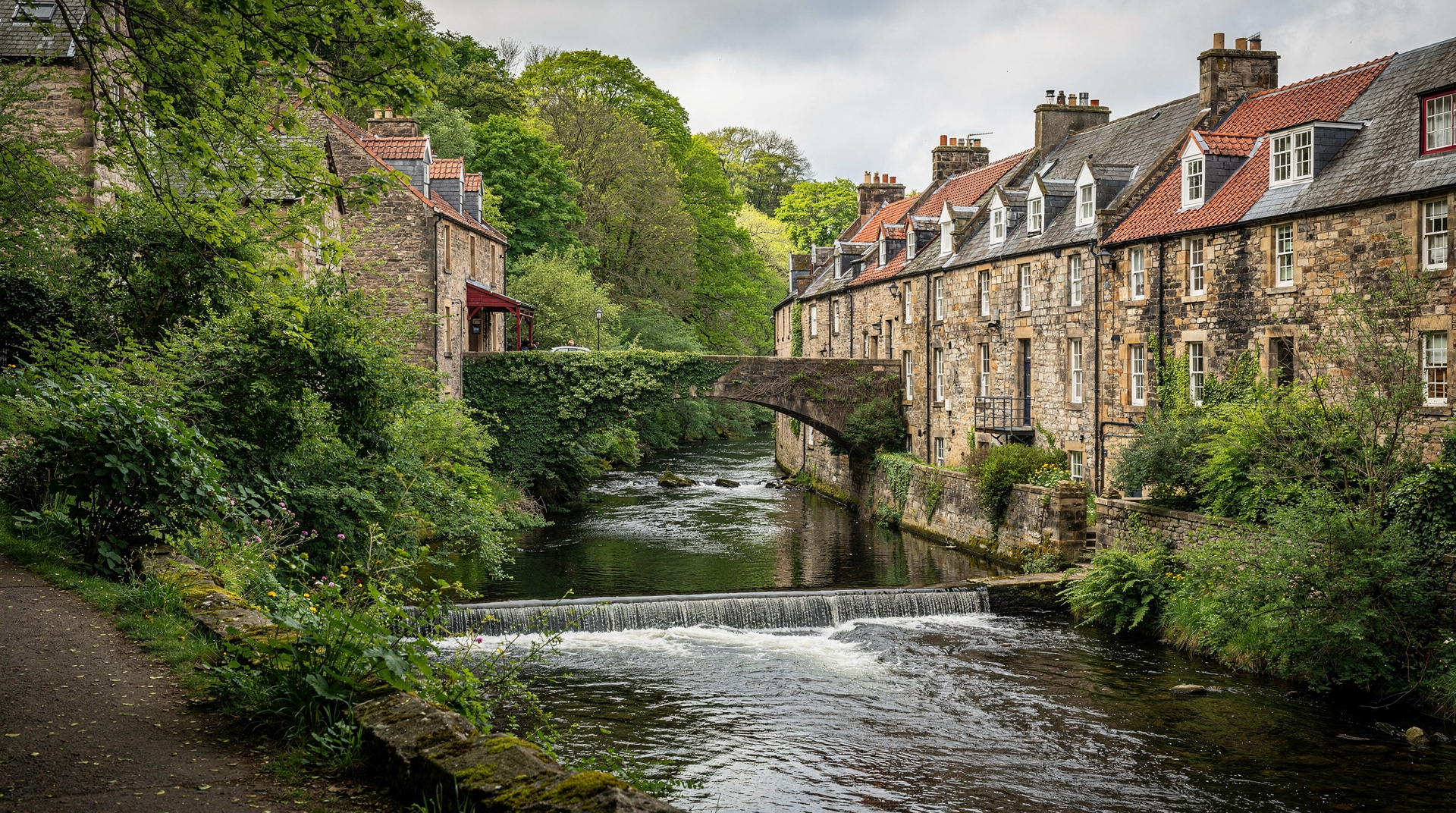
Dean Village appears on most “hidden gems” lists, which makes it feel slightly paradoxical to include it here — but the fact remains that most visitors walk past the entrance on Queensferry Road without noticing it. The village sits in a gorge twenty metres below street level, and unless you know to look for the steps, you will never find it. Come in the early evening when the light falls warm on the old mill buildings and the bakers’ guild stones. Combine it with the Thomas Telford bridge and the walk along to Stockbridge for a perfect hour.
Frequently asked questions about Edinburgh’s hidden places
What is the most underrated area of Edinburgh?
Leith is consistently underrated by first-time visitors who assume it is just a harbour district. The Shore and the surrounding streets contain Edinburgh’s best restaurants, the Royal Yacht Britannia, and a distinctly un-touristy atmosphere that makes it feel like a different city entirely. See the Leith guide.
Are there any free hidden gems worth visiting?
Many: the Writers’ Museum, Dunbar’s Close Garden, the Vennel steps and Flodden Wall, Calton Hill, St Bernard’s Well, the Scottish National Portrait Gallery, and the National Museum of Scotland are all free. Edinburgh’s best-kept secrets cost nothing.
Which close on the Royal Mile is most worth exploring?
Riddle’s Court (now a cultural centre with occasional open days), Brodie’s Close (connected to Deacon Brodie, the inspiration for Jekyll and Hyde), and White Horse Close at the bottom of the Canongate are the most historically interesting. The closes on the north side of the Royal Mile are generally more accessible than those on the south.
Building a hidden-gems loop: a practical route
Rather than treating this list as scattered stops, a workable half-day loop runs: start at Dunbar’s Close Garden on the Royal Mile, walk down to Greyfriars Kirkyard for the Covenanter’s Prison, cut through the Southside toward Summerhall, then finish with the Vennel steps and the Flodden Wall view back toward the castle. Each stop is a short walk from the next, and the whole loop takes three to four hours at an unhurried pace. See the Greyfriars Kirkyard guide for the Covenanter’s Prison opening details, which vary and are worth checking before you go.
New Town’s quieter corners
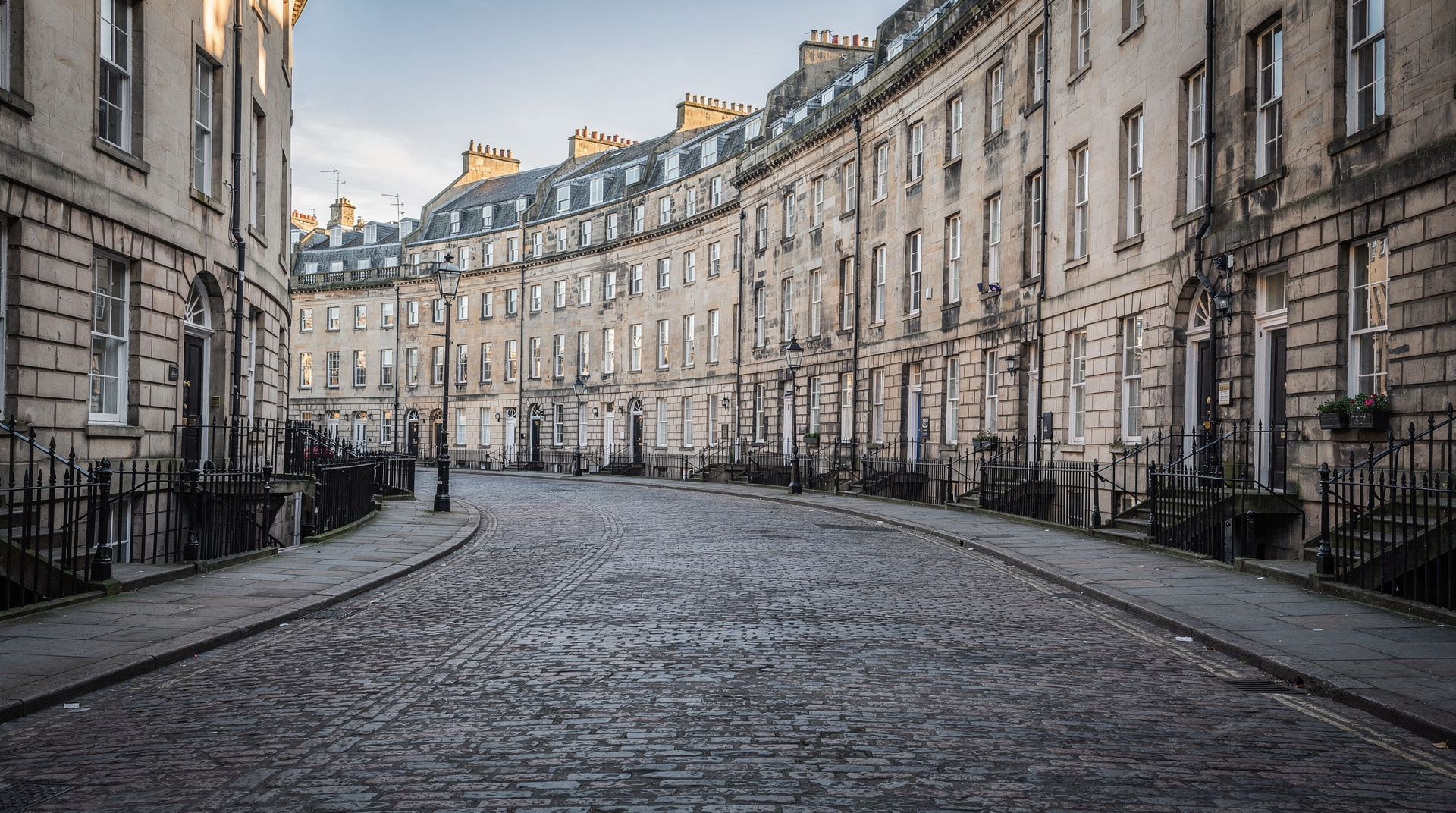
Most hidden-gems lists focus on the Old Town, but the New Town has its own version of this — the Georgian squares and private gardens that most visitors walk past without a second look. Northwest Circus Place and the quieter stretches of Heriot Row give a sense of Georgian Edinburgh as a lived-in residential neighbourhood rather than a backdrop, and they are a five-minute detour from the main Princes Street shopping route.
Where to go next
Once you have found a few of these quieter corners, the rest of your planning gets easier. The best time to avoid crowds helps you pick the hours when these places are at their calmest, and the two-day Edinburgh itinerary shows how to slot one or two of them between the big sights. If you would rather walk further afield, the best walks in Edinburgh link many of these spots together.