Southside and Marchmont
Edinburgh's Southside and Marchmont: Victorian tenements, university life, Greyfriars, the Meadows, and the most local-feeling areas of central Edinburgh.
Edinburgh: Greyfriars Kirkyard tour
Quick facts
- Best time to visit
- Year-round; Meadows in summer
- Days needed
- Half day
- Getting there
- 15-min walk from the Royal Mile; bus from city centre
- Budget per day
- Free to walk; cafes £3–£10, restaurants £12–£30
The Edinburgh that students and residents know
South of the Old Town ridge, on the far side of the Cowgate valley, the Southside spreads across a gentler landscape of Victorian tenements, the University of Edinburgh’s scattered buildings, and the open expanse of the Meadows. This is the most consistently local-feeling part of central Edinburgh — the area where students, academics, and long-term residents outnumber visitors, where the cafes are full of laptops rather than maps, and where the restaurants exist to serve the people who live there rather than the people who are passing through.
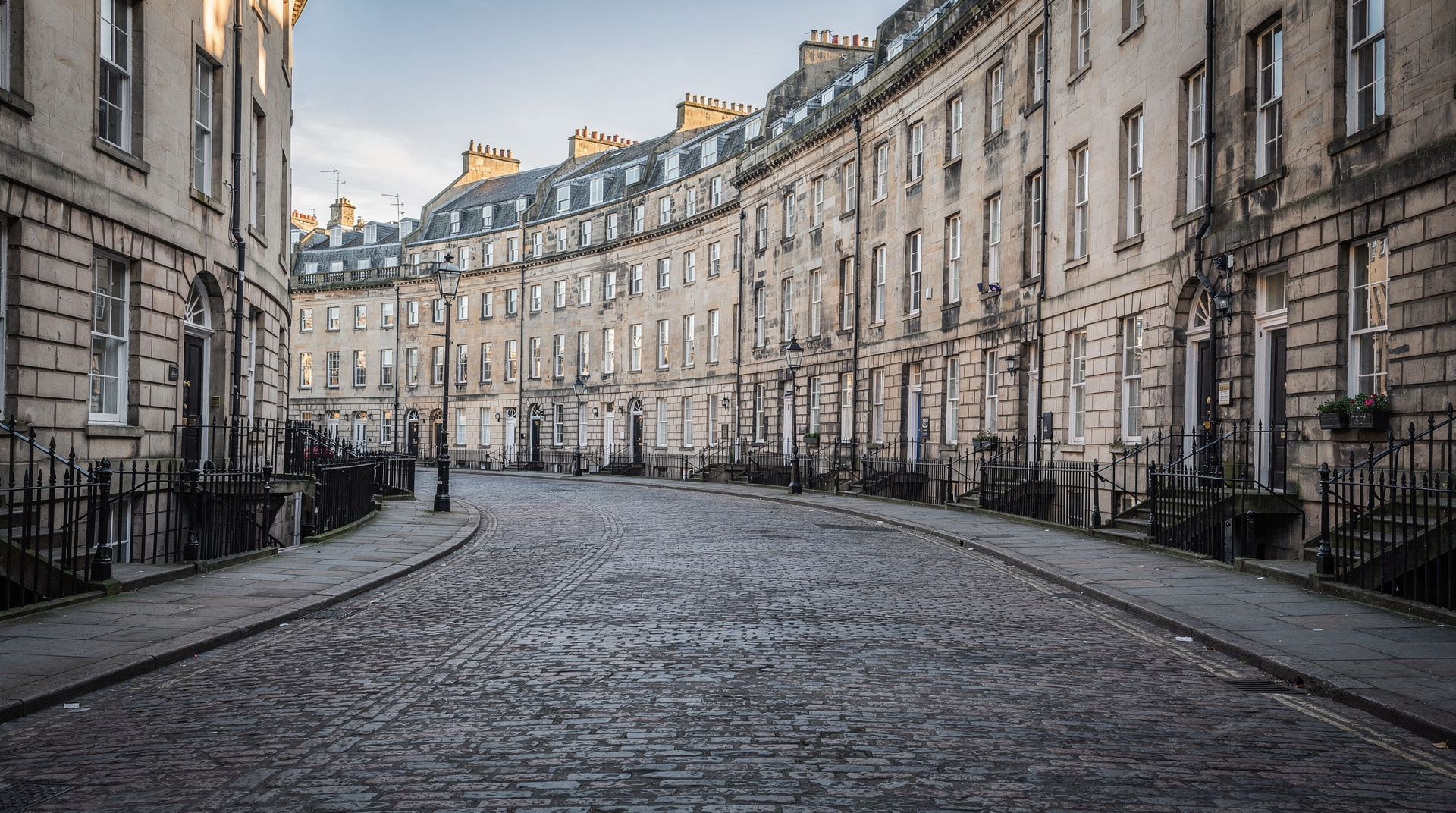
Marchmont, immediately south of the Meadows, is one of Edinburgh’s most complete Victorian residential suburbs — streets of red and grey sandstone tenements built in the 1870s through to 1900s for the professional and clerical classes of the expanding city. It is architecturally consistent and visually impressive, and it gives a very clear picture of the Edinburgh that was being built while the tourists were visiting the castle.
| Where | South of the Old Town, across the Cowgate valley |
| Time needed | Around half a day |
| Cost | Free to walk; Greyfriars tour and Surgeons’ Hall £10 extra |
| Getting there | 15-min walk from the Royal Mile; buses from the city centre |
| Best for | Local atmosphere, the Meadows, university history, budget eating |
Greyfriars and the university area
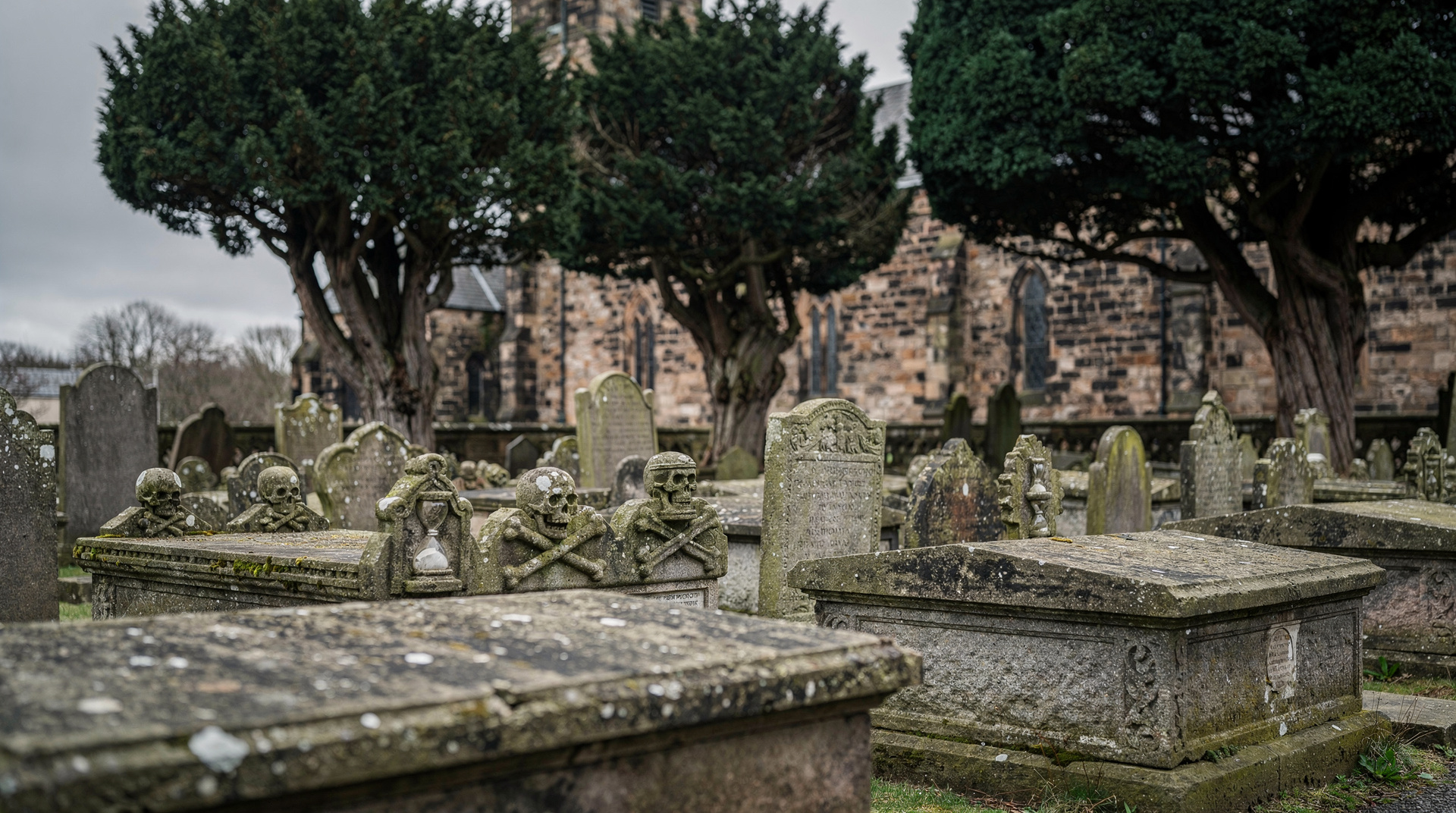
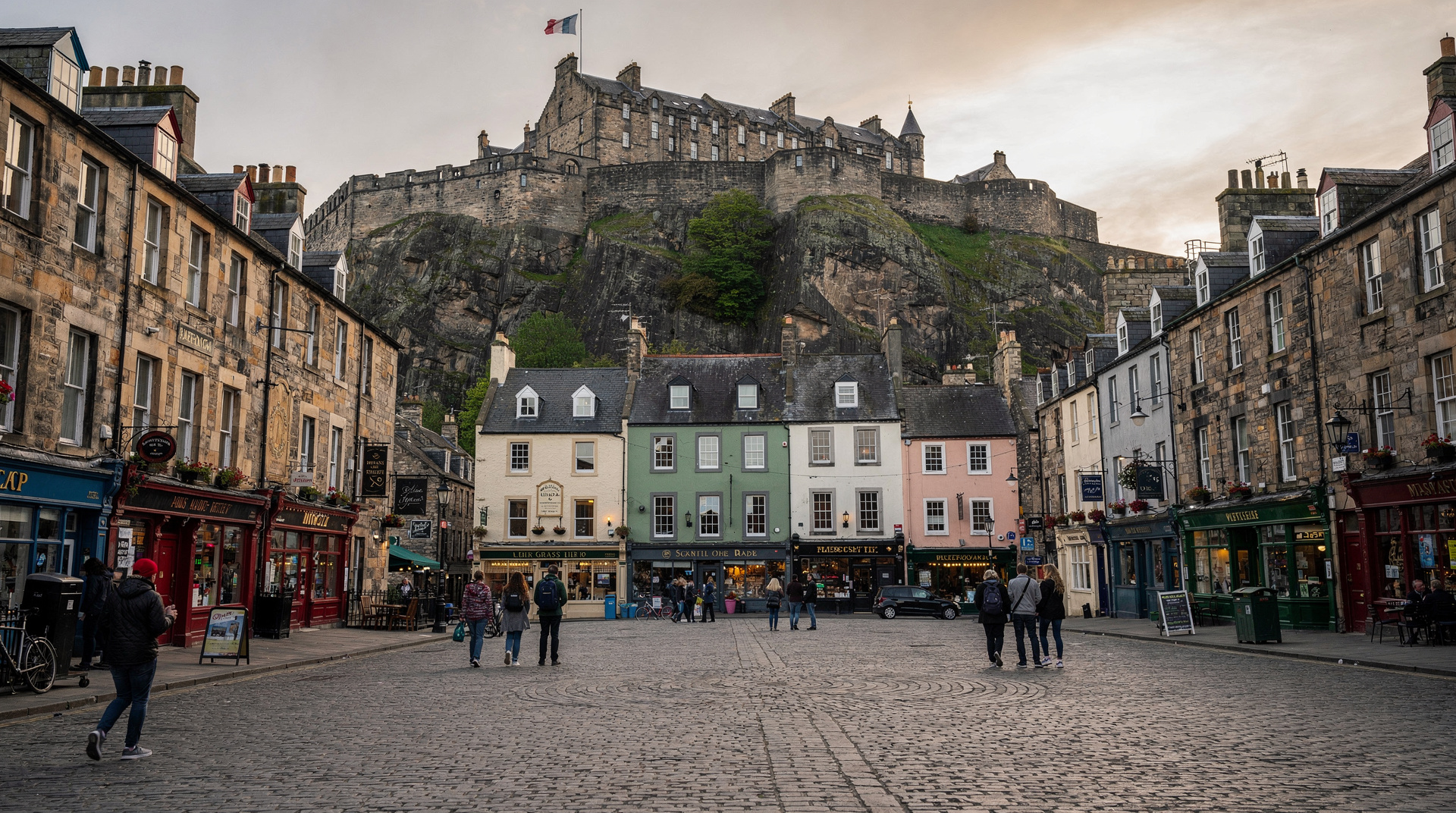
The natural starting point for a Southside walk is Greyfriars Kirkyard, which sits at the junction of the Old Town and Southside on George IV Bridge, a five-minute walk from the Grassmarket up Candlemaker Row. The kirkyard dates from 1562 and contains over a hundred years of Edinburgh’s most significant burials, from the Covenanting martyrs of the 1660s to the Enlightenment figures of the eighteenth century. The carved headstones and mausolea are among the finest examples of Scottish funerary art, and the kirkyard is worth exploring slowly and without the ghost-tour framing that dominates evening visits.
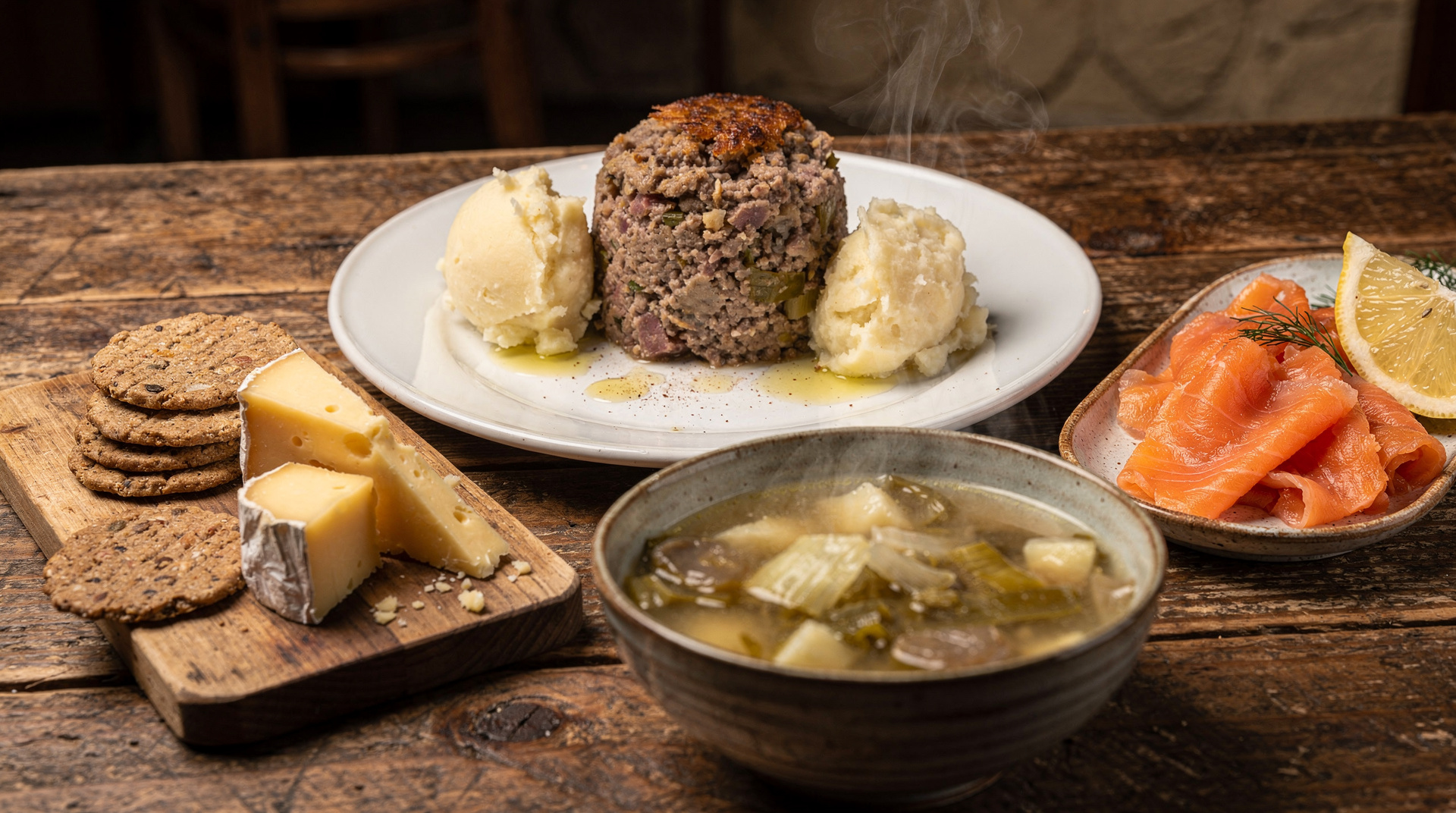
The Greyfriars Kirkyard guided tour provides historical context that the information boards alone cannot match, covering the Covenanting period, the stories of individual graves, and the social history of Edinburgh that the kirkyard documents. For a food experience in the Southside area, the Edinburgh food tour with Scotch, haggis, and more covers the best Scottish food producers and is an excellent introduction to what Scottish cuisine actually is beyond the tourist stereotypes.
Immediately adjacent to Greyfriars, the Edinburgh Medical School and the Old College of the University of Edinburgh occupy the blocks between South Bridge and the Meadows. The Old College courtyard (open to visitors) is a fine Adam building, and the Talbot Rice Gallery within it provides free contemporary art exhibitions throughout the year. The university quarter extends down the Southside in a series of buildings from the eighteenth to the twenty-first century, mostly functional academic blocks but with occasional architectural set pieces.
Nicolson Street and the Southside commercial strip
Nicolson Street runs south from the Bridges through the heart of the Southside and is where most of the commercial activity is concentrated. This is not a tourist street — it is a student and resident street, which means the restaurants, cafes, and shops are priced for people on realistic budgets. It connects north to the Old Town via the Bridges (South Bridge and North Bridge are the same continuous road at different levels) and south to the Meadows and Marchmont beyond.
The Elephant House cafe on George IV Bridge (a short detour from Nicolson Street) is famous as one of the places where J.K. Rowling sat and wrote early chapters of Harry Potter. It is a genuine Edinburgh institution, small and atmospheric. It is also very busy because of the Harry Potter connection, and the quality of the coffee does not entirely justify the queues. Go early in the morning or accept a wait. The view from the back room, looking through large windows toward Greyfriars Kirkyard with the castle rising behind it, is one of the most atmospheric in Edinburgh.
For food on the Southside that does not involve queuing, the stretch of Causewayside and Newington Road south of the Meadows has a good concentration of independent restaurants — particularly South Asian and East Asian food — that is among the best-value eating in the city.
The Meadows
The Meadows is a 50-acre park immediately south of Marchmont, bounded by Melville Drive to the south and Middle Meadow Walk to the east. It was used as a public park from the early eighteenth century, having previously been a loch, and today it functions as the principal outdoor space for the Southside — a place for walking, cycling, tennis, cricket, and the particular pleasure of sitting on grass in the middle of a city when the Edinburgh sun finally makes an appearance.
The Meadows in summer is one of Edinburgh’s most pleasant spaces. On warm evenings the paths fill with people walking, the tennis courts are occupied, and the cafe kiosks do good business. In June the Meadows Festival takes over the park for a weekend — a community event with music, food stalls, and activities that is considerably more genuinely local than the formal Edinburgh festivals.
During the Edinburgh Fringe in August, the Meadows becomes a major festival hub, with several large venues erected in the park. This transforms the character significantly — queues, stages, and temporary bars replace the everyday park atmosphere.
The path through the Meadows connects directly to the Holyrood Park entrance at the east end. From this approach, the summit of Arthur’s Seat is about 50 minutes’ walk from the Meadows entrance, making a Southside morning combined with an Arthur’s Seat afternoon a very manageable day., making a walk from the Southside through the Meadows to Arthur’s Seat an excellent morning option.
Marchmont and the Victorian tenements
Walking into Marchmont from the Meadows, along any of the streets that run south from Melville Drive, gives one of the clearest architectural experiences in Edinburgh. The tenements here — Marchmont Road, Thirlestane Road, Spottiswoode Road — are built to a consistent pattern of four or five storeys in red and grey sandstone, with large windows, communal stairwells, and a density of occupation that gives the streets a permanent lived-in feeling.
This is what the vast majority of central Edinburgh looked like before the New Town was built, and what a large part of it still looks like outside the tourist areas. The Marchmont tenements are well-maintained, popular with students and young professionals, and often visible on property programmes and Scottish television dramas. They are also a genuine pleasure to walk through — solid, handsome, and human in scale.
The Pleasance and festival venues
The Pleasance, immediately east of the university on the south side of the Old Town ridge, is one of Edinburgh’s most significant Fringe venues during August — a courtyard complex that hosts dozens of shows simultaneously and is among the most important comedy and theatre venues in Scotland for the three weeks of the festival. Outside August, the Pleasance is a student sports centre and pub that functions quietly as a normal facility.
Walking through the Pleasance area gives a clear picture of the physical Edinburgh that underlies the festival infrastructure — the eighteenth and nineteenth century buildings, the closes and courts, the mixture of institutional and residential that characterises the eastern end of the Old Town. The Pleasance Courtyard in August is one of the most concentrated live performance environments on earth; in September, it is almost silent.
Newington and the southern suburbs
South of Marchmont, Newington continues the Victorian terraced suburb pattern as far as Cameron Toll and beyond. Newington Road and Minto Street have the best concentration of South Asian restaurants in Edinburgh — predominantly Indian, Pakistani, and Bangladeshi, with a particular strength in Punjabi cooking. These restaurants serve the student and medical community of the Southside and are among the most genuinely good-value options in the city.
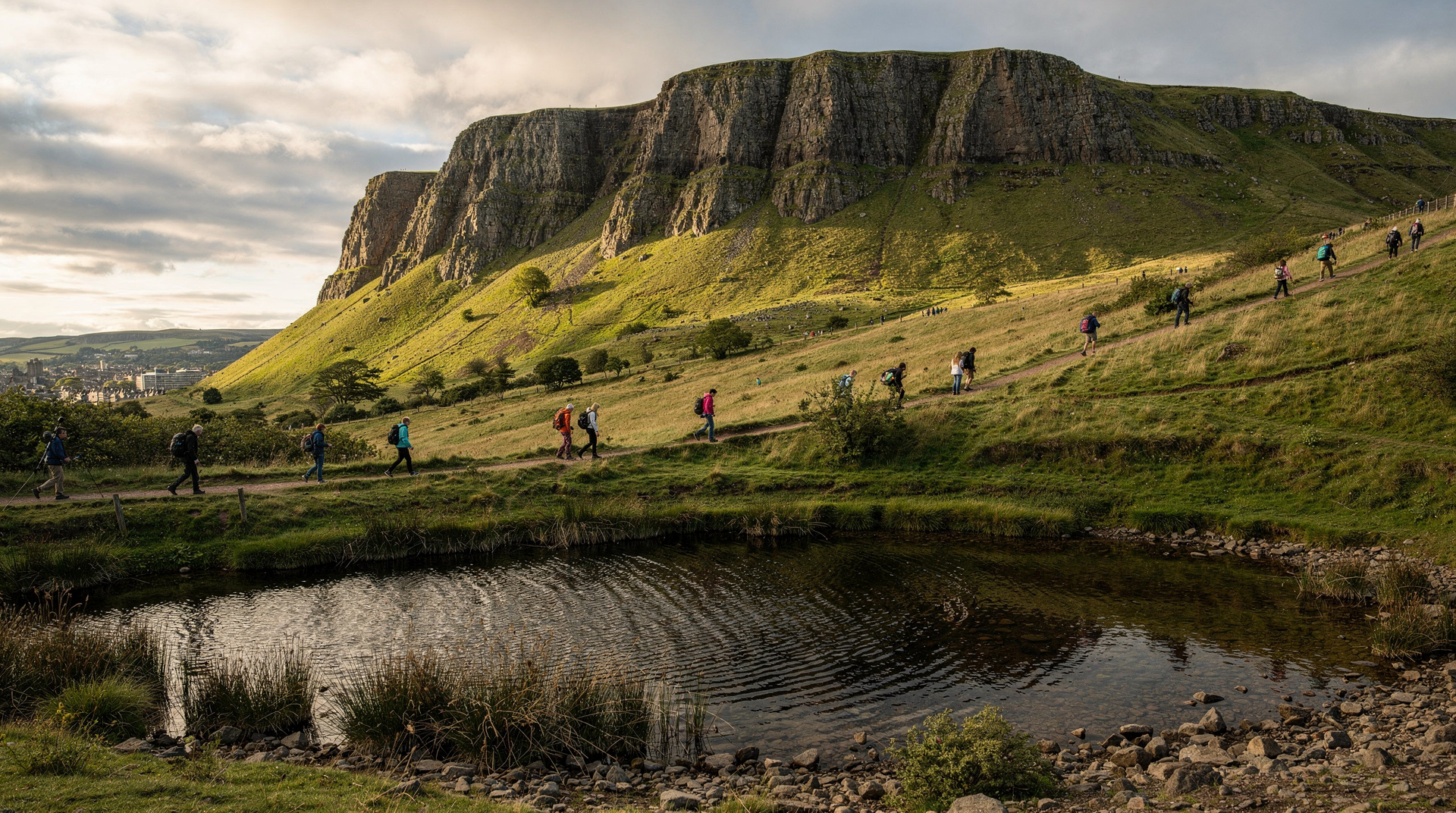
The southernmost parts of Newington reach Blackford Hill, another of Edinburgh’s volcanic hills, which at 164 metres gives views comparable to Calton Hill but with a much smaller visitor count. The Royal Observatory Edinburgh occupies the summit and is open to visitors on specific dates for public astronomy evenings. The hill is accessible from Blackford Avenue and is a pleasant 45-minute walk from the Meadows.
Student Edinburgh
The University of Edinburgh is one of the oldest and largest universities in Britain, and its presence shapes the Southside in ways that distinguish it from the more tourist-facing New Town and Old Town., with roots going back to 1583. The campus is scattered across the Southside in a way that means the university’s presence permeates the entire area rather than being confined to a specific quarter.
The main Old College on South Bridge is the grandest building; the George Square precinct (largely rebuilt in the 1960s) is the least attractive. The Medical School on Teviot Place is a substantial Victorian building that housed the teaching activities that made Edinburgh one of the world’s most important medical centres in the eighteenth and nineteenth centuries.
The medical history connection — the body snatchers, Burke and Hare, the development of antiseptic surgery by Joseph Lister — is central to Edinburgh’s dark tourism offer and is covered in depth in the Edinburgh dark history guide. The anatomy theatre where the most significant Edinburgh medical teaching happened was in a building that no longer exists, but the Medical School building and the nearby Surgeons’ Hall Museum on Nicolson Street (which has an extraordinary collection of anatomical and surgical specimens) provide the physical context.
Surgeons’ Hall Museum
The Surgeons’ Hall Museums on Nicolson Street, run by the Royal College of Surgeons of Edinburgh, are among Edinburgh’s most unusual and compelling visitor attractions. The collections include surgical instruments from the seventeenth century onward, anatomical specimens, pathology collections, and a dental museum. The history of surgery in Edinburgh — Burke and Hare, James Young Simpson’s discovery of chloroform, Joseph Lister’s antiseptic techniques — is covered with considerable depth.
Entry costs £10 for adults. It is not suitable for anyone who is squeamish about the realities of pre-anaesthetic surgery, but for those with an interest in medical history it is one of the most informative and genuinely remarkable collections in Scotland. It is also considerably less crowded than the obvious tourist attractions and gives a view of Edinburgh’s cultural contributions that goes well beyond the castle and the Royal Mile.
The Southside walk
A practical Southside half-day walk: start at Greyfriars (Greyfriars Kirkyard, with time for the guided tour if timing aligns), walk south along Candlemaker Row and Forrest Road to the George Square area, continue down Nicolson Street past the Surgeons’ Hall to the Meadows, cross the Meadows to Marchmont Road, walk through the Marchmont tenement streets, then return to the city centre via Middle Meadow Walk and George IV Bridge. Allow two to three hours including stops.
This walk costs nothing (unless you take the Greyfriars Kirkyard tour or visit Surgeons’ Hall) and gives a thorough picture of the Southside’s character — historic, academic, Victorian, and genuinely local. For visitors who prefer a guided introduction to central Edinburgh before exploring the Southside independently, the Edinburgh city highlights walking tour covers the Old Town core and gives useful orientation for the self-guided Southside walk that follows.
Combining Southside with Old Town
The Southside is most naturally approached from the Old Town — walk south from the Royal Mile via the Bridges or via Candlemaker Row from the Grassmarket, reach Greyfriars, then continue through the university area to the Meadows. A Southside half-day that starts at Greyfriars and works south through the university, down Nicolson Street, and across the Meadows to Marchmont before returning to the city centre takes two to three hours and covers the area properly.
For food, the Southside is the honest answer to the question visitors should be asking about where to eat in Edinburgh: away from the Royal Mile, using the routes that students and residents use. The Edinburgh food guide covers the best Southside options. For a full Edinburgh eating itinerary that covers the best areas by meal type, see the Edinburgh restaurant guide.
The Southside connects south to Blackford Hill and beyond to the Pentland Hills — Edinburgh’s local hill range — making it the starting point for walking days that go further south than the city itself. The Edinburgh outdoors guide covers the Pentland Hills as a day-walk option from the Southside, accessible by bus from the Princes Street end of the Old Town to the Hillend Ski Centre at the northern edge of the hills.
The Edinburgh International Festival vs the Fringe
The Southside hosts several of the most important venues for the Edinburgh International Festival — the more prestigious, curated counterpart to the Fringe that runs concurrently in August. The Queens Hall on Clerk Street is one of the International Festival’s principal concert venues for chamber music and recitals; the Edinburgh Festival Theatre on Nicolson Street is one of Scotland’s largest theatre spaces and hosts major opera, dance, and theatrical productions.
The distinction between the International Festival and the Fringe confuses many visitors. Briefly: the International Festival is programmed by a director, with invited companies performing major productions, largely classical in orientation. The Fringe is open access — anyone can apply for a venue and put on a show. Both run in August; both use Old Town and Southside venues; but the two have very different characters, price points, and booking requirements.
For residents of the Southside, August means a concentration of performance that is genuinely world-class arriving on their doorstep, combined with a significant increase in congestion, queues, and noise. The general attitude is resigned appreciation. See the Edinburgh festivals guide for help navigating both.
Blackford Hill
South of Marchmont, accessible via Blackford Avenue, Blackford Hill rises to 164 metres with panoramic views over Edinburgh from a vantage point that few tourists find despite being completely accessible and free. The Royal Observatory Edinburgh on the summit was established here in 1896 when light pollution drove the observatory from Calton Hill, and the green domes of the telescopes are visible from much of south Edinburgh.
The walk from the Meadows to the Blackford Hill summit takes about 25 minutes and involves a gradual climb through residential streets and then open hillside. The views from the summit are extensive: the Pentland Hills immediately to the south, Edinburgh spread to the north with the castle, New Town, and sea visible, and on clear days the Highland hills beyond Stirling. The hill is quieter than either Calton Hill or Arthur’s Seat on any given day and gives a very different perspective on the city.
The Hermitage of Braid
Adjoining Blackford Hill to the west, the Hermitage of Braid is a wooded local nature reserve following the Braid Burn through a steep-sided valley — genuinely wild-feeling despite sitting entirely within the city boundary. The path runs beneath mature woodland, past a Georgian mansion house (now a ranger centre with free displays on the reserve’s geology and wildlife), and connects onward to the Braid Hills, a second, higher viewpoint south of Blackford with a public golf course and further open views toward the Pentlands.
Combining Blackford Hill and the Hermitage of Braid into a single loop from the Meadows takes around two hours at an easy pace and is one of the best free half-days in Edinburgh for anyone who wants hills, woodland, and city views without leaving the Southside area. Roe deer are occasionally seen in the Hermitage woods early in the morning.
Where to stay in the Southside
The Southside is a sensible base for visitors prioritising value and a residential feel over proximity to the castle. Guesthouses and B&Bs along Mayfield Gardens and Minto Street — the main road south from Newington toward the bypass — are typically cheaper than equivalent Old Town or New Town options, and the 15-20 minute walk into the centre (or a short bus ride) is entirely manageable. Self-catering flats in Marchmont’s tenements are popular with families and longer stays, trading a slightly longer walk for considerably more space and a genuinely local street to come home to.
Southside vs Old Town vs New Town as a base
| Area | Typical price level | Walk to Royal Mile | Character |
|---|---|---|---|
| Southside/Marchmont | £ (lower) | 15-20 min | Residential, student, quiet evenings |
| Old Town | £££ (highest) | 0-10 min | Central, noisy, tourist-dense |
| New Town | ££ (mid-high) | 10-15 min | Elegant, central, more sedate |
For a first visit focused on the castle and Royal Mile, the Old Town’s convenience usually wins. For a second or longer stay, or for anyone travelling on a tighter budget, the Southside’s combination of price and short walking distance makes it one of Edinburgh’s most underrated bases. The Edinburgh where-to-stay guide covers the full area-by-area comparison.
Frequently asked questions about Southside and Marchmont
Why should I visit the Southside when there are so many sights in the Old Town?
The Southside is worth visiting precisely because it is not the Old Town — it shows a different Edinburgh, the one that residents actually inhabit. If you have more than one day in the city, spending a half-day in the Southside alongside Greyfriars and the Meadows gives a much more rounded picture of what Edinburgh is than staying on the Royal Mile.
What is the Meadows like as a park?
The Meadows is a large, well-maintained urban park that functions as the outdoor living room of the Southside. It is good for walking, cycling, and sitting in good weather. There are tennis courts, a sports area, and several cafe kiosks. In summer it becomes Edinburgh’s most popular outdoor gathering space outside Holyrood Park.
Is Marchmont good for restaurants and cafes?
Yes. Marchmont Road and the adjacent streets have a concentration of independent cafes and restaurants that are priced for students and local residents rather than tourists. Combined with Leith and Stockbridge, the Southside represents Edinburgh’s best non-tourist eating. The quality is consistently good and the prices are considerably lower than equivalent options near the Royal Mile. This is one of the best areas in Edinburgh for a reasonably priced meal in a relaxed setting.
Is the Greyfriars Bobby story true?
The story of Greyfriars Bobby — a Skye Terrier who guarded the grave of his owner John Gray for 14 years after Gray’s death in 1858 — has been questioned by historians, most notably Jan Bondeson, who argues that the story was largely invented or embellished by entrepreneurs and journalists of the period. Whether or not Bobby spent 14 years at the grave, the story has been central to Edinburgh’s popular mythology since Victorian times. The statue at the gate and the nearby pub are unavoidable tourist attractions; the kirkyard itself is worth seeing regardless of the Bobby story.
How do I get from the Southside to Arthur’s Seat?
Walk east through the Meadows from any of the Marchmont streets, cross Melville Drive and continue through Jawbone Walk, then cross Dalkeith Road and enter Holyrood Park at the Pollock Halls entrance. From there, the path toward Arthur’s Seat begins. The walk from Marchmont to the Arthur’s Seat base takes about 20 minutes.
Is the Southside safe for walking at night?
Yes. The Southside is a well-populated area used heavily by students and residents. Nicolson Street, Clerk Street, and the main arteries are busy late into the evening. The Meadows at night is darker and less populated but not generally unsafe. Standard urban awareness applies.
Is the Southside a good area to stay in for an Edinburgh trip?
Yes, particularly for value-conscious visitors or those staying more than a couple of nights. Guesthouses on Mayfield Gardens and Minto Street, and self-catering flats in Marchmont, are typically cheaper than Old Town or New Town equivalents while remaining a 15-20 minute walk (or short bus ride) from the Royal Mile. It suits visitors who want a quieter evening base over being in the thick of the tourist centre.
Is the Hermitage of Braid worth adding to a Blackford Hill visit?
Yes — most visitors who climb Blackford Hill for the view turn back without exploring the wooded valley immediately to its west. The Hermitage of Braid adds a genuinely different, tree-covered landscape along the Braid Burn, with a free ranger centre and the option to continue to the Braid Hills for a second viewpoint. Combined, the loop from the Meadows takes about two hours and costs nothing.
Top experiences
Bookable activities with verified prices and instant confirmation on GetYourGuide.