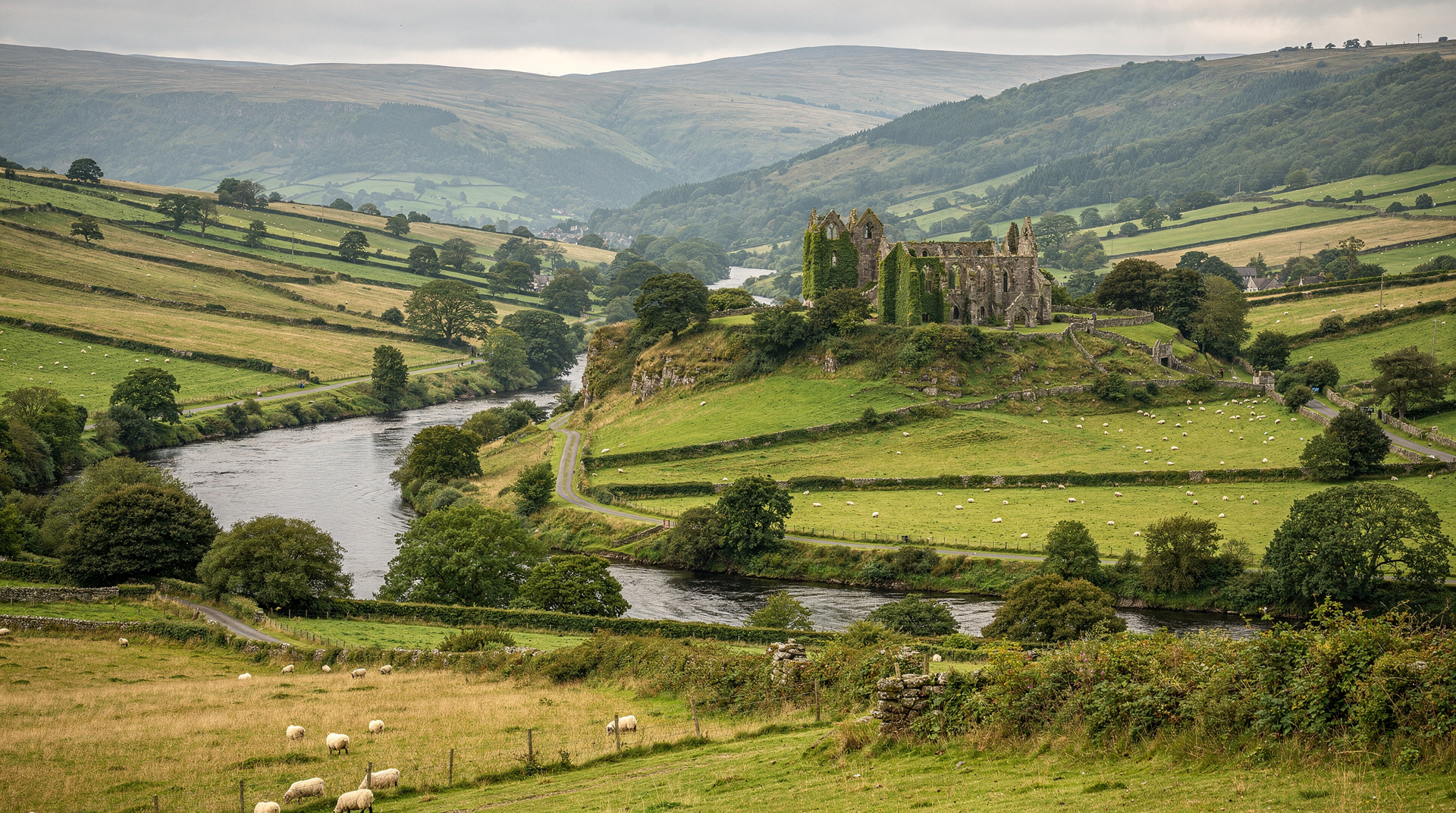
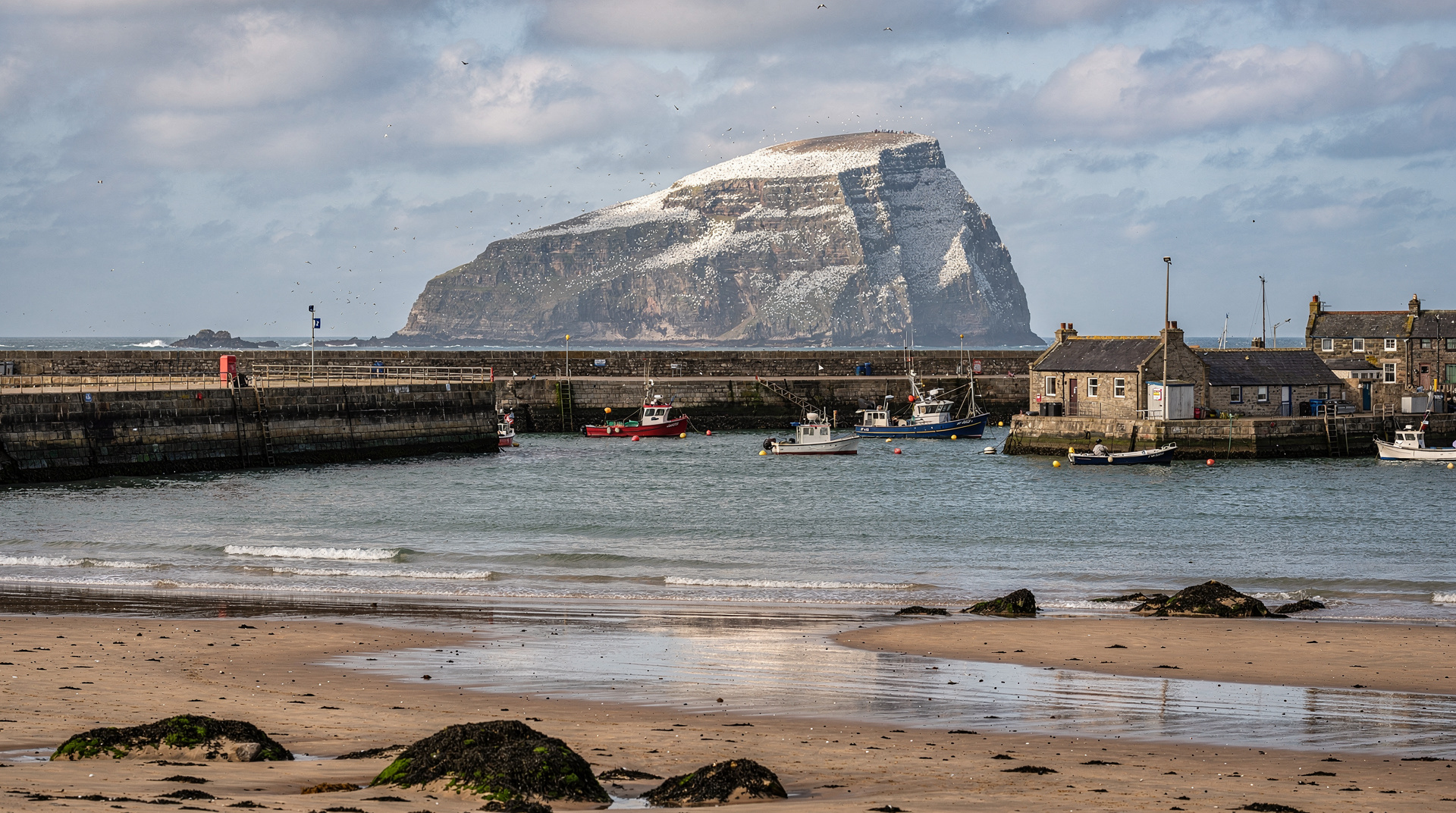
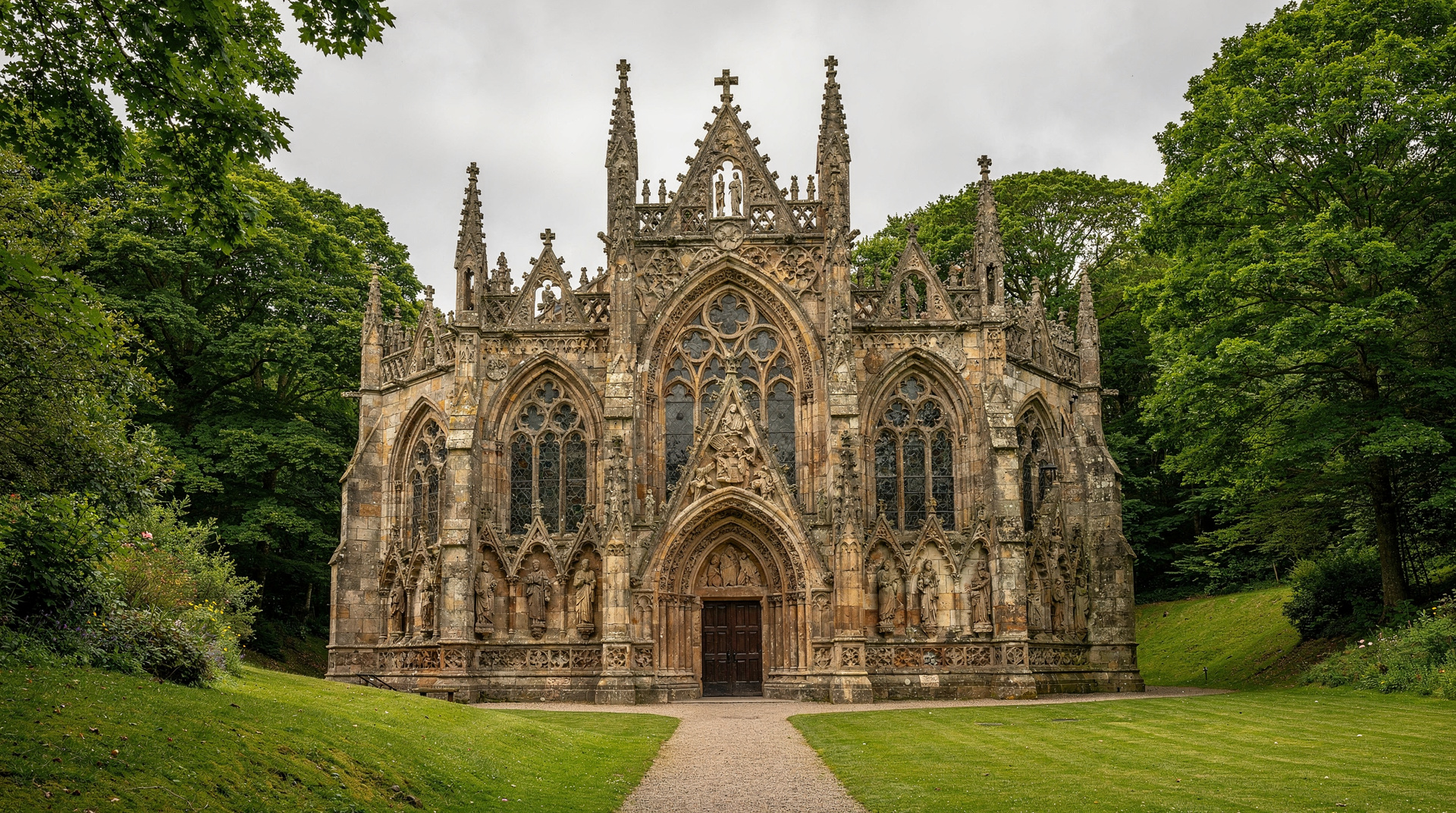
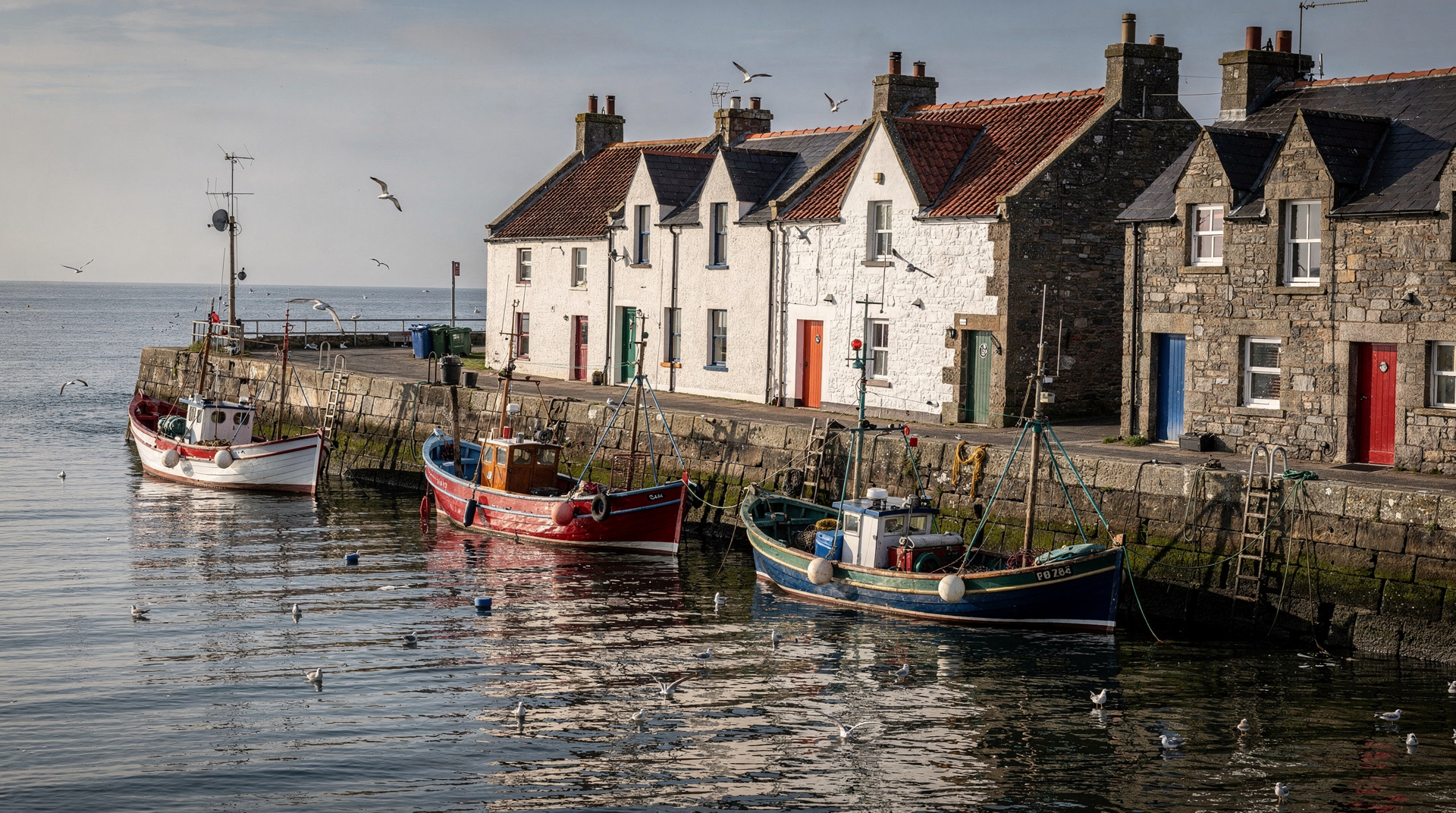
Alnwick and Northumberland
Alnwick Castle from Edinburgh: the real Harry Potter filming location, Hogwarts broomstick training scenes, Holy Island, and the Northumberland coast.
Edinburgh: Harry Potter Alnwick Castle & Scottish border tour
Quick facts
- Best time to visit
- April–October; Easter to September for castle open season
- Days needed
- 1 day
- Getting there from Edinburgh
- ~1.5 hrs by car (A1 south through Berwick-upon-Tweed); or 1 hr by train to Alnmouth
- Budget per day
- £50–£100; Alnwick Castle entry from £22 online; Holy Island free
England from Edinburgh: why Northumberland works as a day trip
Alnwick is in England. This is worth stating clearly because some visitors to Edinburgh do not immediately realise that the A1 south takes you across the border into Northumberland within about 1 hour 10 minutes, and Alnwick itself is 90 miles from Edinburgh — making it a perfectly viable day trip. The border crossing is seamless (no passport or documents needed within the Common Travel Area for British and Irish citizens, or for tourists already admitted to the UK), and the drive south through Berwickshire and into Northumberland is itself attractive.
| Where | Northumberland, England — around 90 miles south of Edinburgh |
| Cost | Around £50–£100 per person for entry fees, lunch and transport |
| Time needed | A full day (leave Edinburgh by 9am, back by early evening) |
| Getting there | ~1.5 hrs by car on the A1, or ~1 hr by train to Alnmouth |
| Best time | April to October, on a dry weekday if Holy Island is on the plan |
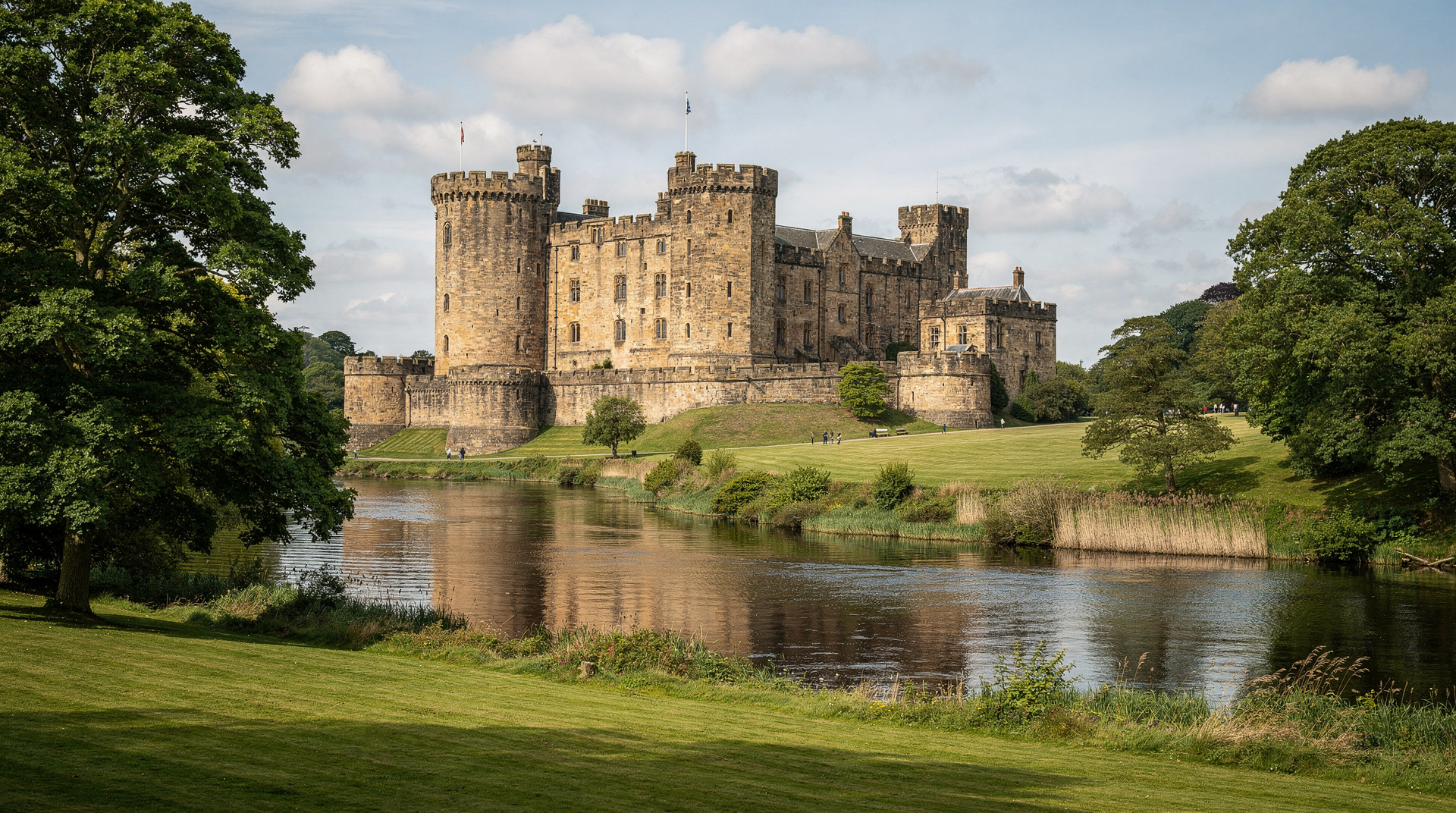
The case for making this trip is primarily Alnwick Castle, the filming location for Hogwarts exterior scenes in the first two Harry Potter films. The broomstick training scene in Philosopher’s Stone, the Quidditch practice sequences, and parts of Chamber of Secrets were all filmed in the outer courtyard of Alnwick Castle. The castle itself — still lived in by the Duke of Northumberland — has developed a robust Harry Potter visitor experience including broomstick training demonstrations that operate during the main season.
But Northumberland has more to offer than one filming location. Holy Island (Lindisfarne), reachable by a causeway accessible at low tide, is one of the most significant early Christian sites in Britain — where Cuthbert established his monastery in the 7th century, where the Lindisfarne Gospels were produced, and where the Viking raids that began the Age of Vikings in Britain took place in 793 AD. Bamburgh Castle, on its basalt outcrop above the Northumberland coast, is one of the most spectacular castle settings in Britain. These sites together make a genuinely varied day.
Alnwick Castle: what to expect
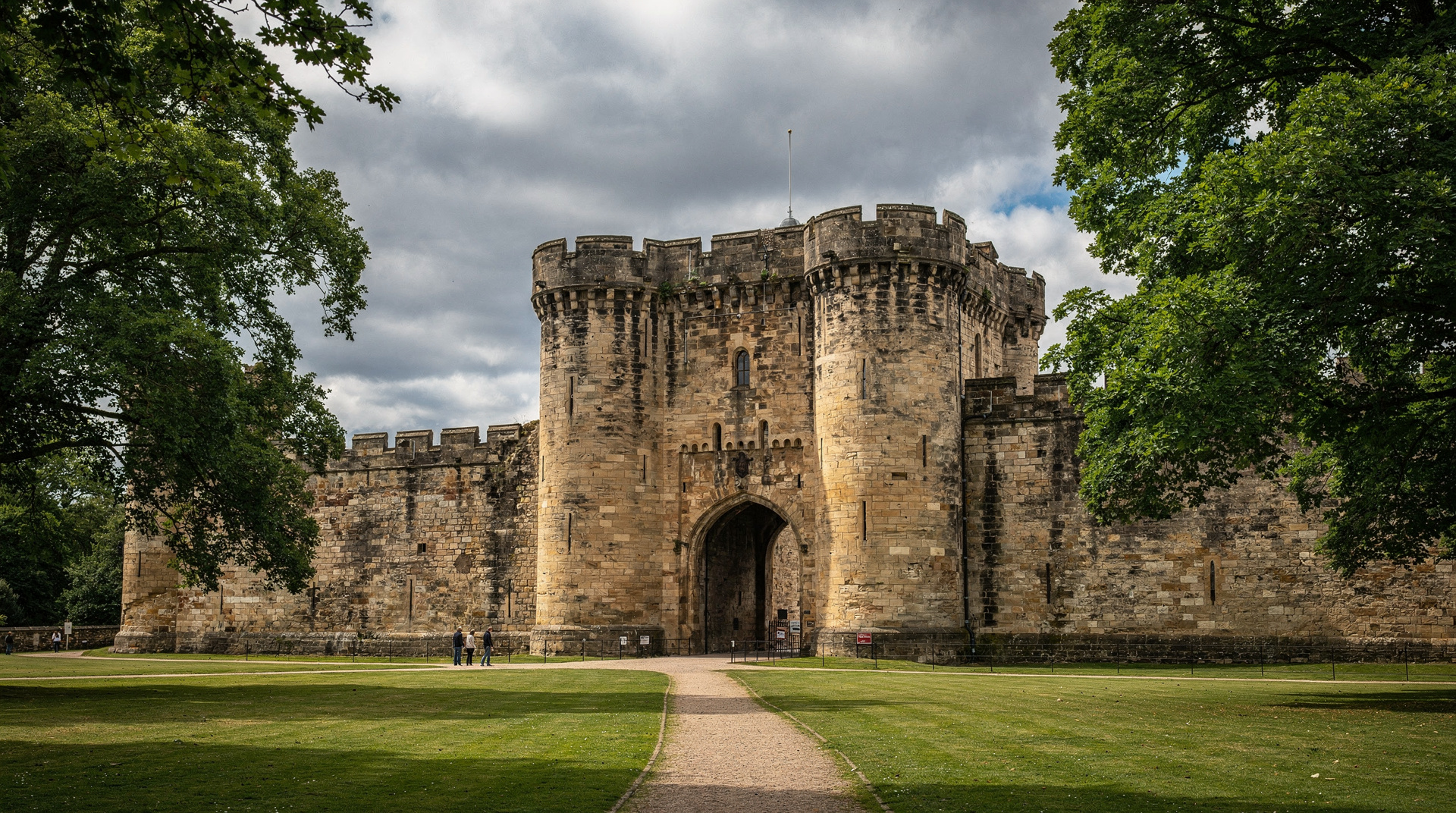
Alnwick Castle is the second-largest inhabited castle in England, seat of the Percy family (Dukes of Northumberland) since 1309. The exterior — the curtain walls, gatehouse, and towers — is largely medieval and very much the Hogwarts you recognise. The interior is lived in and furnished as a working ducal residence, giving it a different character from pure heritage ruins: you are walking through someone’s home as much as a museum. The state rooms include good collections of Meissen porcelain, Titian paintings, and Canaletto views.
Entry in the 2026 season is £22 for adults when bought online (£24.45 at the gate; children aged 5–16 £11.60 online, under-5s free), which includes access to the exterior grounds, the inner courtyard (where filming took place), and the state rooms when the family is not in residence. The broomstick training sessions — a costumed guide teaching visitors to “fly” their broom in the courtyard, lifting on command and hovering — are included in the ticket and run multiple times daily during peak season. They are aimed primarily at children but are photographically amusing for adults too.
The Alnwick Garden, adjacent to the castle, is a separate attraction with its own ticket (check the official Alnwick Garden site for current prices) — a spectacular formal garden including the UK’s largest tree house (an outdoor restaurant built into the branches of 16 lime trees) and the Poison Garden, a locked enclosure containing plants that can kill you, given a guided tour. Worth including if you have children or an interest in garden design.
The Harry Potter Alnwick Castle and Scottish Border tour from Edinburgh is the flagship option for film fans — it combines Alnwick Castle with Scottish Border scenery and stops along the route, including Berwick-upon-Tweed. This is the recommended approach for visitors primarily motivated by the Harry Potter connection.
Lindisfarne and Bamburgh lie on the same stretch of Northumberland coast as Alnwick, and the Viking raid of 793 that begins most British history books happened right there: a Viking coast and Alnwick Castle day tour follows the shoreline rather than stopping at the castle.
Holy Island (Lindisfarne)
Holy Island is accessible by causeway from the Northumberland coast, but only at low tide — the causeway floods completely twice daily and you must check the tide tables before visiting or risk being stranded until the next low tide. The Northumberland County Council website publishes daily crossing times; build your Northumberland day around these. The causeway is about 1.5 miles and takes 5-10 minutes to drive at low water.
The island contains Lindisfarne Priory (the ruins of the monastery founded by St Cuthbert in 635 AD) and Lindisfarne Castle, a 16th-century fortification on a basalt outcrop at the eastern end of the island. The priory ruins are managed by English Heritage (check English Heritage for current entry prices) and include a small museum with replicas of the Lindisfarne Gospels (the originals are in the British Library). The castle is managed by the National Trust.
The island’s significance: St Cuthbert’s monastery on Lindisfarne was the most important centre of Christian learning in early medieval Britain, producing the Lindisfarne Gospels (around 715-720 AD) which are among the finest illuminated manuscripts in the world. When Vikings sacked the monastery in 793 AD — one of the earliest recorded Viking raids in Britain — it marked the beginning of a period of Viking activity that fundamentally reshaped the British Isles.
The island has a small village with a pub (the Crown and Anchor) and a few cafés. Mead made from local honey is the traditional Lindisfarne product and sold in the village. Allow two to three hours on the island.
Bamburgh Castle
Bamburgh Castle, about 15 miles north of Alnwick on the Northumberland coast, sits on a dolerite crag directly above a long sandy beach. It is inhabited (owned by the Armstrong family) and open to visitors for most of the year. The setting is among the finest castle viewpoints on the English coast — the combination of the volcanic crag, the wide beach, and the North Sea is exceptional.
Bamburgh appears in Harry Potter films as well (the castles and broomsticks tour covers both Alnwick and Bamburgh). But its primary historical significance is as an early medieval royal fortress — it was the seat of the Kingdom of Northumbria and one of the most important power centres in early medieval Britain. Entry around £15.
The combination of Alnwick, Bamburgh, and Holy Island makes a genuinely packed day if you want to cover all three. A more relaxed version is Alnwick in the morning and either Bamburgh or Holy Island in the afternoon, based on tide times.
Berwick-upon-Tweed
Berwick-upon-Tweed, about 60 miles from Edinburgh, is the northernmost English town — it changed hands between Scotland and England thirteen times during the Border wars and was definitively ceded to England in 1482. The town’s complete Elizabethan walls (the only complete example in England) are free to walk and give a circuit of the town in about 1 hour. The town centre has a pleasant quayside and several decent cafés.
The Alnwick Castle, Berwick and the Borders tour from Edinburgh includes Berwick alongside Alnwick, giving a broader sense of the border territory.
Getting from Edinburgh to Alnwick
By car: The A1 south from Edinburgh through Haddington, Dunbar, and Berwick-upon-Tweed to Alnwick is approximately 90 miles — allow 1.5 hours in normal traffic. The A1 is a good quality road through most of this route. Alnwick town centre has parking, and the castle has its own car park.
By train: LNER and CrossCountry trains from Edinburgh Waverley to Alnmouth (the nearest station to Alnwick, 4 miles away by taxi or local bus) take about 1 hour. This is a viable option, though the taxi from Alnmouth adds time and cost.
Combining with the Scottish Borders
Alnwick and the Northumberland coast connect naturally with the Scottish Borders as a two-sided border country day. A logical route from Edinburgh might be: south via the A1, first stop Bamburgh or Berwick, then Alnwick for the main visit, then north via the A68 through Jedburgh (see the Scottish Borders guide) and back to Edinburgh. This covers both the English and Scottish sides of the historic border in a single loop.
For those combining Northumberland with Edinburgh’s film tourism interests, the Alnwick Castle Harry Potter guide gives the full filming detail. The Outlander filming locations guide covers the Scottish side of the border’s film tourism.
Dunstanburgh Castle: the coastal alternative
For those who want to extend the Northumberland day beyond Alnwick and Bamburgh, Dunstanburgh Castle is a dramatic ruin on a headland accessible only on foot — there is no road to the castle, so you walk 1.5-2 miles from Craster (a fishing village with an excellent smoked kipper smokehouse, L. Robson and Sons) or from Low Newton-by-the-Sea. The ruin is large — the gatehouse towers rise to near-full height — and the setting on the basalt headland above the Northumberland coast is genuinely spectacular. English Heritage managed; entry around £7.
The coastal walk between Craster and Bamburgh (about 7 miles, following the Northumberland Coast Path) passes Dunstanburgh and gives a complete cross-section of the Northumberland coastline — seabird cliffs, sand dunes, and castle silhouettes. This is one of the better half-day coastal walks in the north of England and is almost entirely free.
The Northumberland Coast AONB
The Northumberland Coast is designated an Area of Outstanding Natural Beauty and has the lowest tourist footfall of any English coastal AONB — partly because it is relatively far north, partly because it lacks the car-park infrastructure of more obvious beach destinations. The result is beaches like Budle Bay, Beadnell, Low Newton, and Embleton that are empty on days when comparable Cornish beaches would be overflowing.
The water temperature of the Northumberland coast (around 10-14 degrees Celsius in summer) does not invite swimming, but the beaches are excellent for walking, kite flying, and coastal birding. The area around Lindisfarne and Budle Bay is internationally important for wading birds and wildfowl, and birdwatchers can see large flocks of knot, dunlin, and bar-tailed godwit in late summer and autumn.
Film and television connections beyond Harry Potter
Alnwick Castle has appeared in numerous productions beyond the Harry Potter films. Blackadder (the BBC series) used the castle for its medieval episodes. Downton Abbey filmed exterior scenes here in the earlier series. The castle’s stable block and outer bailey are regularly used for period filming.
The Northumberland landscape more broadly has been used for Vikings (series), and the stretch of coast between Bamburgh and Holy Island has served as the backdrop for numerous historical dramas including the 2022 Netflix drama The Last Kingdom. For visitors with a strong interest in film tourism, this area rewards research into what was shot where.
The broader Edinburgh film tourism context — from Harry Potter connections in Edinburgh’s Old Town through to Outlander filming locations across Central Scotland — is covered in the Harry Potter Edinburgh guide and the Outlander filming locations guide.
Practical information for 2026
Holy Island tides: Essential to check before going. The causeway floods completely at high tide and cars have been stranded. Northumberland County Council publishes safe crossing times — usually 3-4 hours each side of low tide. Do not attempt a crossing outside the safe window.
Alnwick Castle season: Open Easter to late October, roughly 10am-5pm. Closed in winter. Broomstick training sessions run daily during peak season; check the castle website for times.
Driving into England: No documents needed, no border checks, no currency change (the pound sterling is used throughout Great Britain). UK ETA-holding tourists do not need additional paperwork at the England-Scotland border.
UK ETA: Overseas visitors from many countries need a UK Electronic Travel Authorisation to enter Great Britain — see the UK ETA guide. This covers travel throughout Great Britain.
Currency: Pounds sterling throughout. See the Edinburgh currency guide for exchange advice.
Northumberland or the Scottish Borders: which day trip to choose
Alnwick is not the only cross-border option from Edinburgh, and first-time visitors sometimes weigh it against a day spent purely in the Scottish Borders. Both are viable from a single Edinburgh base, but they suit different priorities.
| Alnwick & Northumberland | Scottish Borders | |
|---|---|---|
| Main draw | Harry Potter filming location, Holy Island history | Abbeys, Sir Walter Scott country, rolling hills |
| Distance | ~90 miles, 1.5 hrs by car | ~40 miles, under 1 hr by car |
| Best for | Film fans, families, coastal scenery | History and literature lovers, a shorter day |
| Crosses into England | Yes | No — stays in Scotland |
| Tide dependency | Yes, if Holy Island is included | No |
If a shorter, tide-free day matters more than the Harry Potter connection, the Scottish Borders is the easier choice. If Holy Island and Alnwick Castle’s film pedigree are the draw, build the day around Northumberland and accept the longer drive. Some visitors combine a taste of both by routing home via Jedburgh rather than straight back up the A1, as described above.
For a coastal alternative that stays on the Scottish side entirely, North Berwick offers castle ruins, a beach, and puffin-watching boat trips without crossing the border or worrying about causeway tides — a good fallback if the Holy Island timing does not work for your visit.
Frequently asked questions about Alnwick and Northumberland
Was Harry Potter really filmed at Alnwick Castle?
Yes. Alnwick Castle’s outer courtyard was used for exterior Hogwarts scenes in Harry Potter and the Philosopher’s Stone (2001) and Chamber of Secrets (2002), including the broomstick flying lesson with Madam Hooch, Quidditch practice, and other courtyard scenes. The castle offers broomstick training demonstrations during the open season.
How far is Alnwick from Edinburgh?
About 90 miles south on the A1, taking approximately 1.5 hours by car in normal traffic. By train from Edinburgh Waverley to Alnmouth (the nearest station) takes about 1 hour, then a short taxi or bus into Alnwick.
What is Holy Island and why is it significant?
Holy Island (Lindisfarne) is a tidal island off the Northumberland coast where St Cuthbert established his monastery in 635 AD. It was one of the most important centres of early medieval Christianity in Britain, where the Lindisfarne Gospels were produced. The first Viking raid on Britain took place here in 793 AD. The priory ruins and Lindisfarne Castle are both worth visiting.
Can I cross from Scotland to England for a day trip?
Yes, straightforwardly. The A1 crosses the border near Berwick-upon-Tweed without any checkpoints. British and Irish citizens move freely. Tourists already holding a valid UK ETA or visa can also cross without any additional formality.
What else is there to see near Alnwick?
Bamburgh Castle (15 miles north, spectacular setting above the beach), Holy Island (20 miles north, tidal access), Dunstanburgh Castle ruins (coastal walk south of Alnwick), and Cragside (National Trust Victorian country house, 12 miles southwest). The Northumberland coastal walking between Bamburgh and Seahouses is excellent.
Is Alnwick suitable for a day trip from Edinburgh with children?
Yes, particularly for families with Harry Potter interest. The broomstick training at the castle is aimed at children and is the most popular family activity. The Alnwick Garden tree house restaurant and the Poison Garden are also family-friendly. Bamburgh beach for a stop on the way back is good for younger children who need to run around after a castle visit.
Should I book the Harry Potter tour or drive myself?
Either works, but the guided Harry Potter Alnwick Castle and Scottish Border tour removes the tide-table planning and border-route logistics, which matters if you also want to fit in Berwick or the Borders without spending the day navigating. Self-driving gives more flexibility on timing, particularly if Holy Island’s low-tide window falls awkwardly in the middle of the day. First-time visitors without a car generally do better on the guided option.
Getting the most from the Northumberland day trip
Alnwick works best as the anchor of a wider Northumberland day rather than the sole destination. The castle itself is large enough to occupy two to three hours, but combining it with one other stop — Holy Island at low tide, Bamburgh from the beach, or the Craster coastal walk to Dunstanburgh — transforms a castle visit into a genuine cross-section of what this stretch of coastline offers.
Practically: if Holy Island is a priority, plan the whole day around the tide tables. Check the tide crossing times in the morning and build your schedule from there — the island visit first or last, with Alnwick Castle as the midday anchor. The Northumberland Coast National Landscape website publishes safe crossing windows.
If walking is the priority, the Craster-to-Bamburgh coastal path (about 14 miles, the longest coastal walk option) gives the full Northumberland coastline experience with three castles visible along the route (Dunstanburgh ruins from the north, Bamburgh from the south, and Lindisfarne Castle in the distance on Holy Island). This is a full-day walk requiring a shuttle or taxi back from Bamburgh.
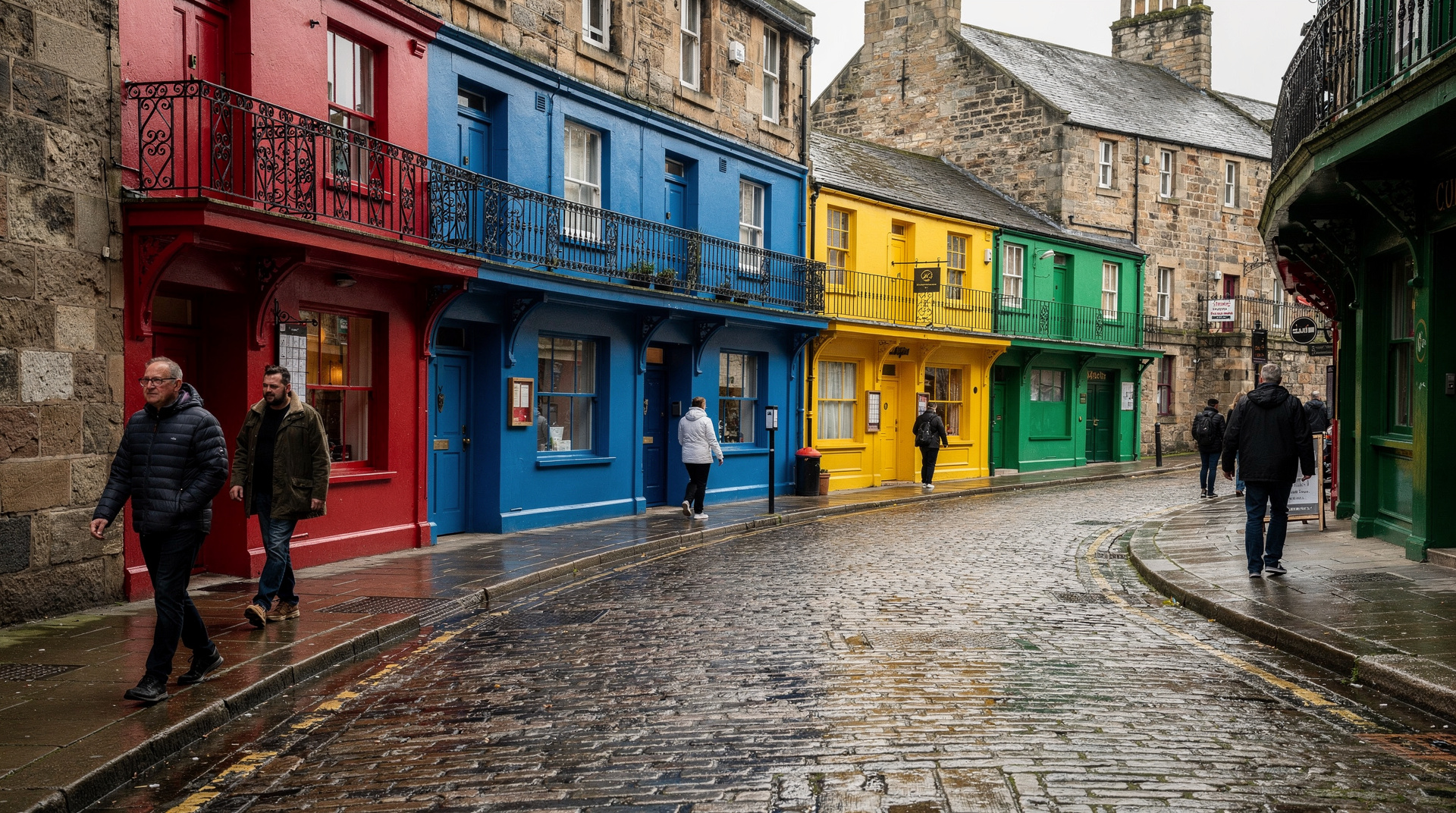
For visitors primarily motivated by Harry Potter, the Alnwick Castle Harry Potter guide covers the specific filming locations in the castle, the broomstick training programme in detail, and how to photograph the key scenes. The related Harry Potter Edinburgh guide covers the Edinburgh end of the filming connection — Victoria Street, Greyfriars Kirkyard, and the Elephant House café where Rowling wrote early chapters of the series. Combining the Edinburgh Harry Potter sites with a day trip to Alnwick makes a coherent two-day film tourism itinerary.
Top experiences
Bookable activities with verified prices and instant confirmation on GetYourGuide.