Edinburgh Fringe Festival itinerary: 4 days in August
Edinburgh: stand-up comedy show
The Fringe is the world’s largest arts festival — and Edinburgh in August is unlike anything else
The Edinburgh Fringe Festival transforms the city every August into the world’s most concentrated arts event. More than 3,000 shows, 300 venues, and hundreds of thousands of visitors descend on a city whose population roughly doubles. The Royal Mile becomes a permanent outdoor performance space. Every pub becomes a venue. The queue for coffee at 9am contains comedians with flyers, acrobats warming up, and sleep-deprived reviewers.
| Where | Old Town (Royal Mile venues), New Town, Calton Hill |
| Cost | around £350–570 per person for 4 days, excluding accommodation |
| Time needed | 4 full days, plus travel days either side |
| Getting there | on foot around the Old Town; venues cluster within 20 min |
| Best time | August only; book accommodation 8–12 months ahead |
This itinerary is honest about the Fringe: it is exhausting, expensive, and chaotic, and it is also magnificent. The key to enjoying it is planning strategically, arriving with realistic expectations about the crowds and prices, and giving yourself time to enjoy both the shows and the city itself.
Important booking advice: Book accommodation for the Fringe six months to a year in advance. August hotel prices in Edinburgh are two to four times the off-season rate. Accommodation a 30-minute tram or bus ride from the centre can be significantly cheaper and is perfectly manageable. Book your key shows as soon as the programme launches (usually June) — preview week (the first week of August) is the best combination of value and quality. See the where to stay guide and the best time to visit Edinburgh guide for accommodation and seasonal context.
A brief orientation to the Fringe geography: the festival is not contained in one location. Shows happen across the entire Old Town and into the New Town, in venues ranging from the 1,600-seat Festival Theatre to a shed in someone’s back garden. The main venue clusters are: Pleasance Courtyard (comedy and theatre, south of the Royal Mile), George Square (bigger acts, university campus), Assembly Rooms and Assembly George Square (large programme, wide range), Gilded Balloon (comedy), Summerhall (experimental and new writing), and the Traverse Theatre (new writing, year-round venue).
The Calton Hill area occasionally hosts outdoor site-specific work. Understanding this geography before you arrive means you can plan transit between shows rather than discovering mid-afternoon that your next show is 20 minutes’ walk away and you have 15 minutes to get there. The Fringe app with its map function is the single most useful tool for navigating the festival.
How to pick shows at the Fringe
The programme has over 3,000 entries, which is paralyzing if you approach it without a strategy. Three approaches that work:
The review-led approach: Check the Guardian, The List, Fest magazine, and Three Weeks for reviews of shows in their first or second week. A four-star review from a credible reviewer with a specific reason (“the physical comedy is extraordinary”) is more useful than a five-star quote on a flyer. The Fringe First awards (presented weekly to outstanding new writing) are reliably worth tracking.
The venue loyalty approach: Pick two or three venues whose programmes you trust — Summerhall for experimental work, Traverse for new writing, Pleasance Courtyard for comedy — and build your schedule around what those venues have programmed rather than trying to navigate the full listing.
The word-of-mouth approach: When you see a good show, ask the performer or the front-of-house staff what else they recommend. The Fringe community is small and performers watch each other’s shows. This produces better recommendations than any algorithm. The queues for popular shows also produce good conversations with people who have been going for days and have strong opinions.
Preview week (first week of August) is the best time for value and access to shows that will sell out later. The final weekend has the most polished performances and the highest prices. The middle two weeks are the core festival in balance. See the Edinburgh Fringe guide for more on programming strategy and what to expect.
Day 1: Arrive and orientate
Afternoon: arrival and Royal Mile immersion
Check in and walk the Royal Mile
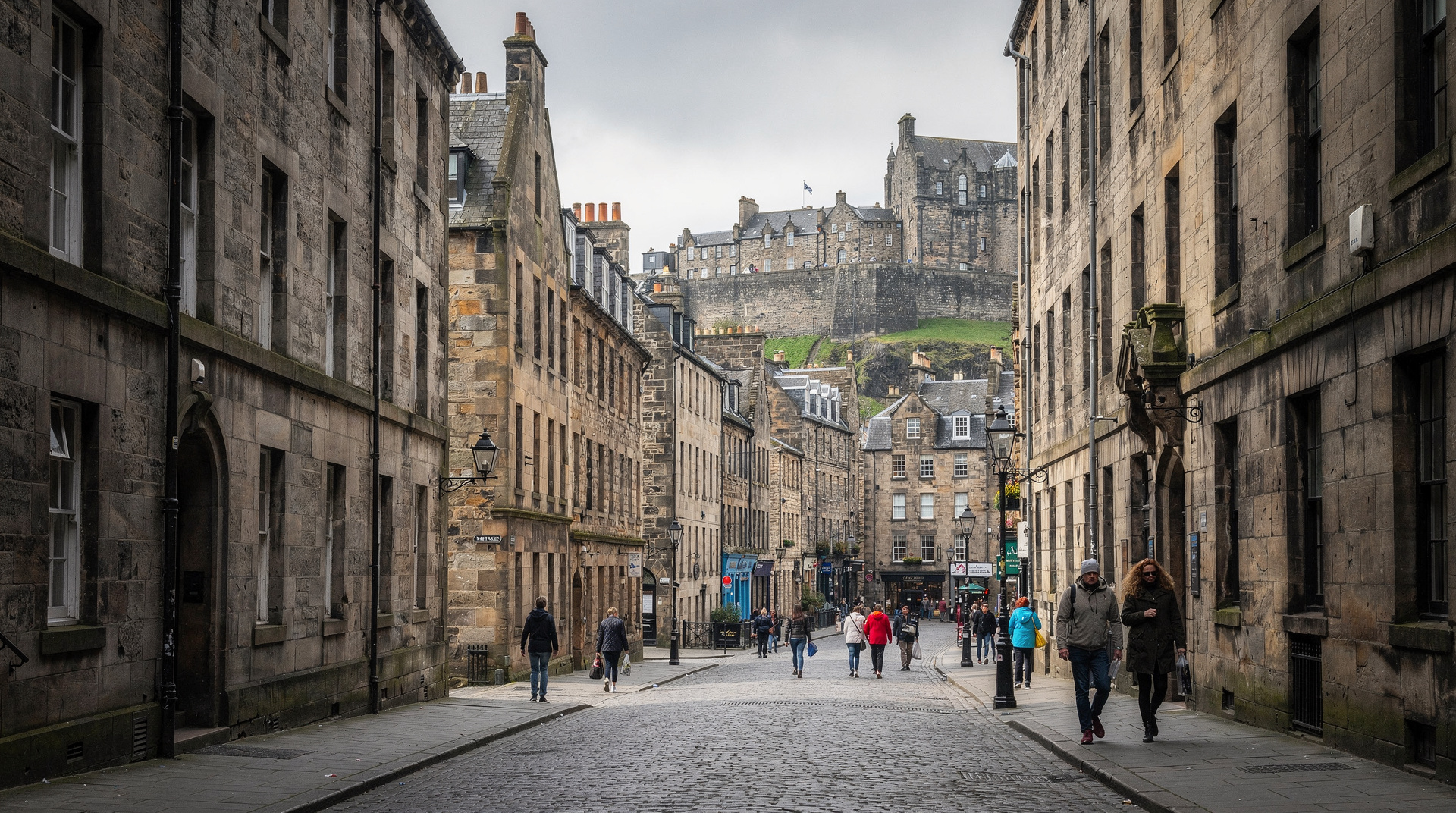
Arrive in Edinburgh and settle into your accommodation. In the afternoon, walk the length of the Royal Mile from castle to Holyrood. During the Fringe, the upper Royal Mile between the castle esplanade and the High Street is the outdoor performance heart of the festival — street performers, flyerers, buskers, and impromptu shows create a rolling outdoor entertainment that costs nothing.
The key skill in navigating the flyerers: accept flyers with a smile (performers are paying to print them), make eye contact with street shows that catch your interest, and book the ticketed shows you actually want to see in advance rather than waiting to be persuaded on the street. The Grassmarket and Holyrood Park are good places to escape the flyering intensity if you need a break.
Evening: preview shows
If you are arriving in the first week of August (preview week), prioritise booking shows in these days. Preview tickets are typically £5–12 cheaper than full-price performances and you are seeing acts that are nearly always the same quality as the later run. The Fringe box office at the Hub on Castlehill handles bookings, or use the official Fringe app.
For your first Fringe evening, see one or two shows (comedy, theatre, or cabaret depending on your preference) and eat dinner between them. Most Fringe venues allow you to eat and drink during shows.
Cost: Shows typically £8–20 per ticket; preview prices £5–15.
Day 2: Edinburgh Castle and the Fringe in full
Morning: Edinburgh Castle before the crowds arrive
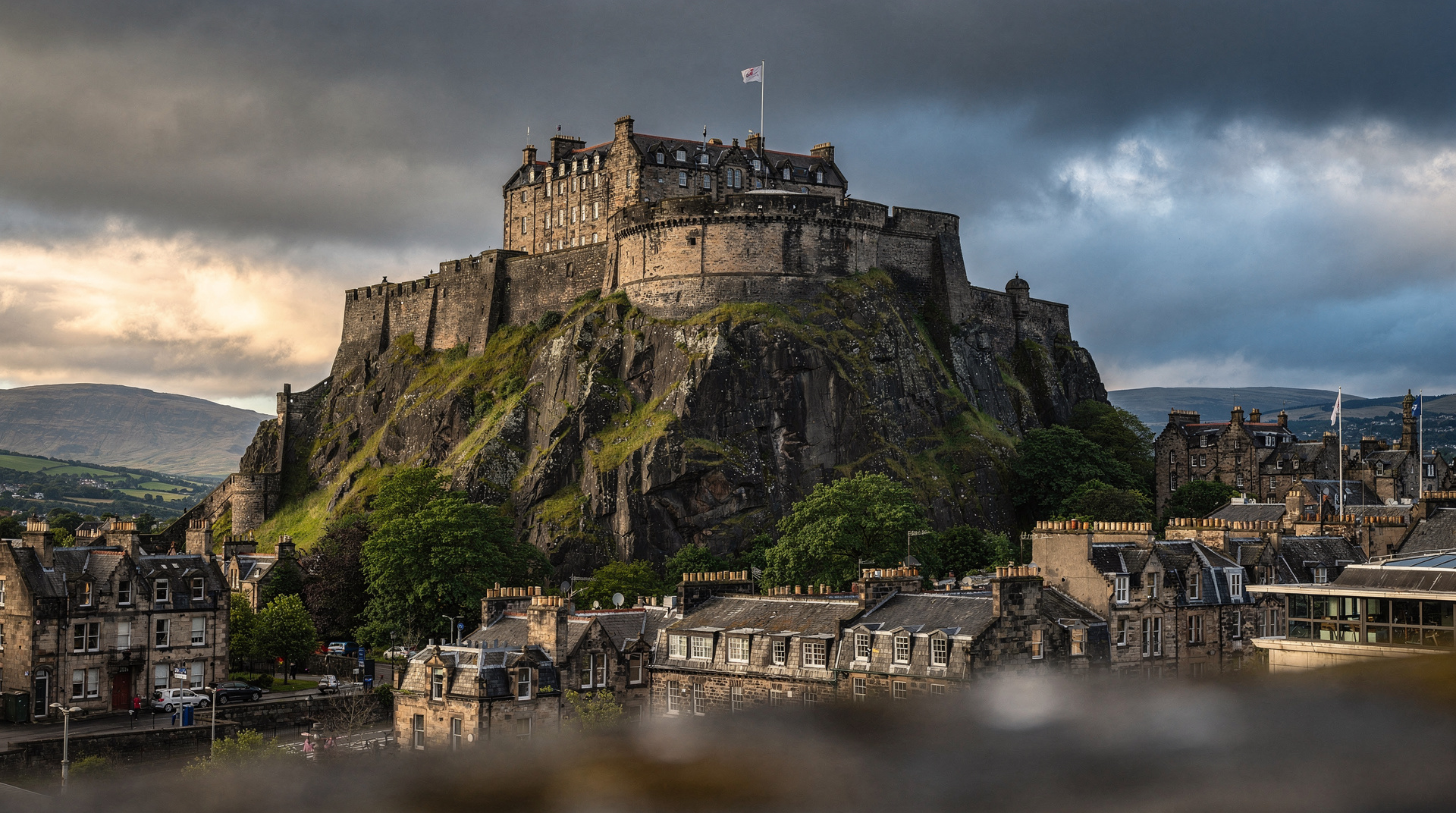
9:30am — Edinburgh Castle
The Fringe brings extra visitors to Edinburgh Castle, but arriving at opening time (9:30am) still gives you the quietest conditions. A guided castle tour with entry is worthwhile on a Fringe visit because the guide handles the logistics (which way to go when the Crown Room queue is building) while you absorb the experience.
The castle esplanade during August also hosts the Royal Edinburgh Military Tattoo — separate from the Fringe but running simultaneously. If you have Tattoo tickets, see the Tattoo guide for timing and seating advice.
Allow 2 hours in the castle, then exit to the Royal Mile at around 11:30am.
Cost: £18–36.
Midday: Royal Mile performance watching
11:30am — Street performance on the Royal Mile
The Royal Mile between 11am and 3pm during the Fringe is a continuous outdoor performance. Take an hour to wander slowly from the castle esplanade toward St Giles’ Cathedral, watching the performers who set up along the cobblestones. The etiquette: watch shows that interest you, give generously when they pass the hat (typically £2–5), and move on freely.
1:00pm — Lunch strategy
The Royal Mile restaurants in August are full and overpriced. Your best options:
- St Giles Street or Cockburn Street: A few better-value cafes just off the main drag.
- Grassmarket: 10 minutes south, significantly better value.
- The Mosque Kitchen (Nicholson Street): Edinburgh’s best-value lunch at any time of year, £7–9.
- Food stalls at the Pleasance Courtyard or George Square: Many venues run food stalls during the Fringe that are quicker than the nearby restaurants.
Budget: £8–15.
Afternoon: Fringe venues
2:00–5:00pm — Afternoon shows
Afternoon at the Fringe is typically when the best children’s shows, dance, and experimental theatre programmes run, making this a good time for a broader selection. The main venue clusters:
- Pleasance Courtyard (Pleasance, south of the Royal Mile): The most important comedy venue complex. Running a sequence of 4–5 shows here over an afternoon is a classic Fringe experience.
- Assembly Rooms and George Square: Larger venue for bigger acts.
- Gilded Balloon (Teviot Row House): Strong comedy and cabaret programme.
- Summerhall (East Newington): Best venue for new writing, physical theatre, and experimental work.
The Fringe programme is searchable by time, genre, venue, and price at the official app and website. Time your afternoon to allow 30 minutes between shows for toilet queues and getting from venue to venue.
Cost: 2–3 shows at £10–18 each = £20–54.
Evening: Old Town atmosphere and night shows
6:00pm — Early dinner before evening shows
Eat early (6pm) to be in good position for the 7pm or 7:30pm show slots, which are the most popular. The Grassmarket pubs serve from 5pm with shorter queues before 6:30.
7:00pm onwards — Evening programme
Evening at the Fringe is when the major comedy acts, one-person shows, and theatrical events run. Book your key evening shows in advance rather than relying on availability on the night.
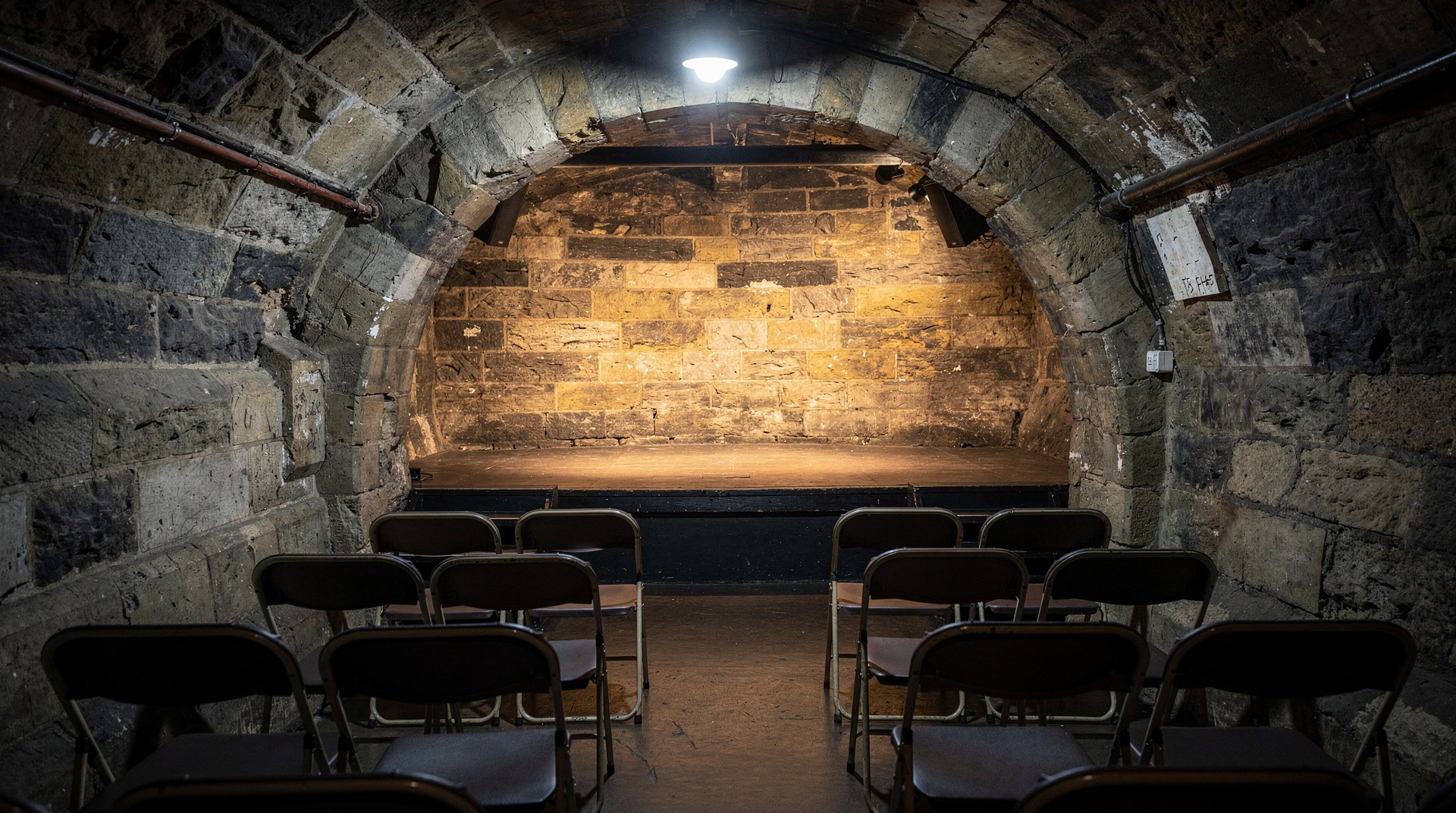
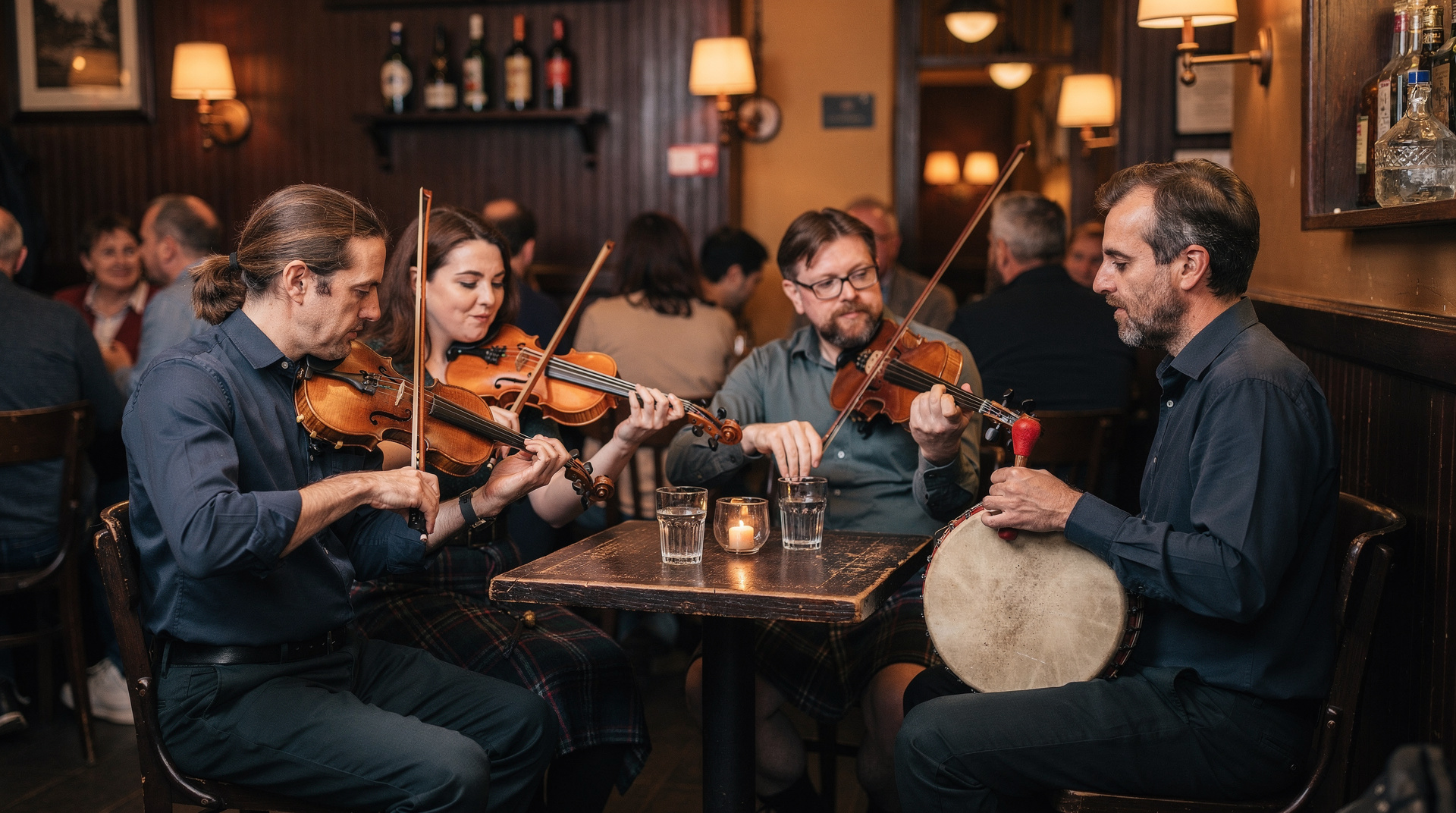
A stand-up comedy show at one of Edinburgh’s dedicated comedy venues is the most quintessentially Fringe experience. The live Scottish stand-up comedy at Hoots is a reliable option if you want a fixed evening activity.
Alternatively, the alternative comedy walking tour is a fun way to combine the Fringe atmosphere with an Edinburgh tour.
Day 3: New Town and Calton Hill
Morning: away from the Fringe
9:30am — A quieter morning in the New Town
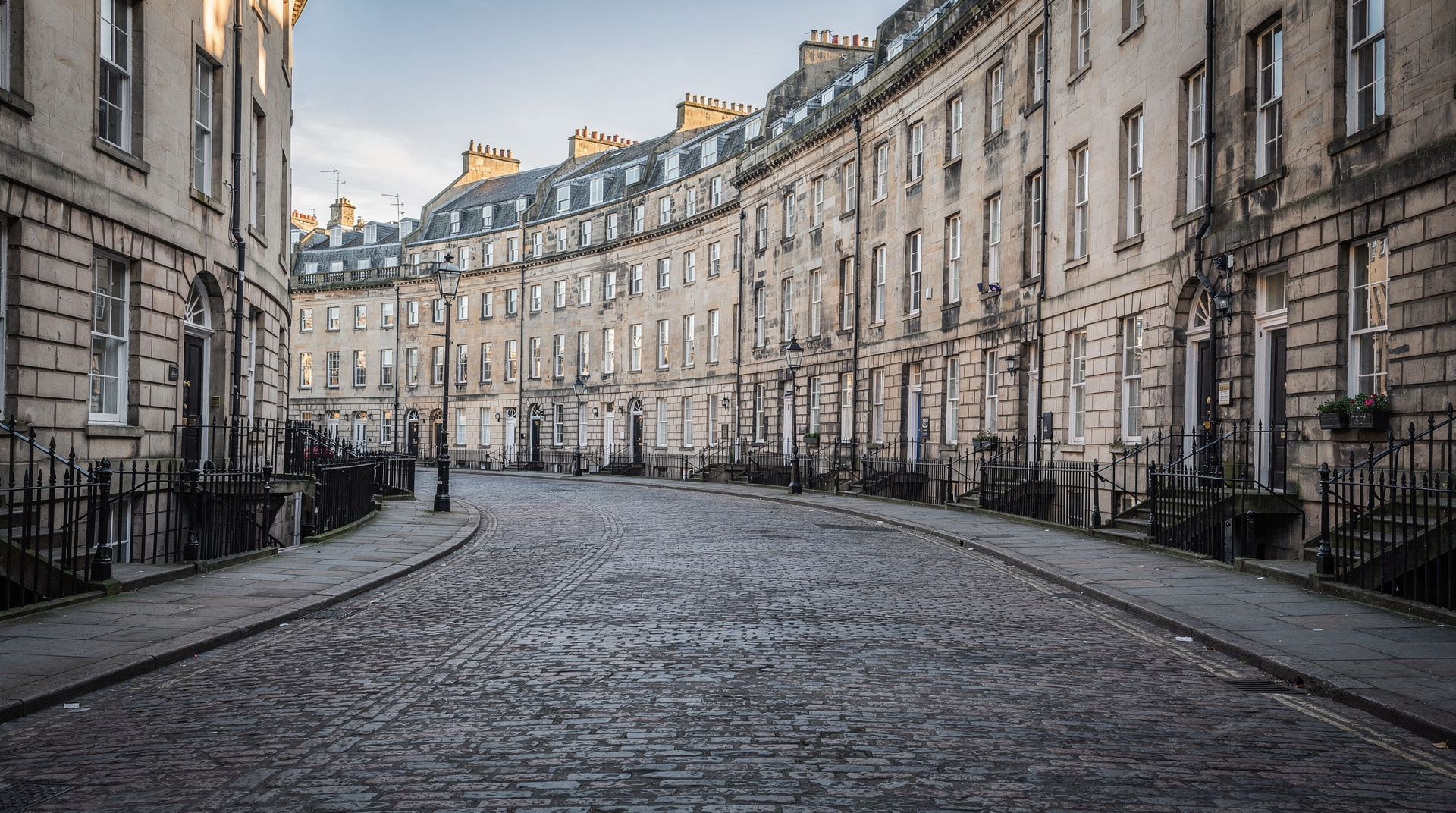
Day three is the right moment to step back from the Fringe intensity and spend the morning in the New Town, which is considerably less chaotic than the Old Town during August. Start with the Scottish National Gallery on The Mound (free), then walk Charlotte Square and the Georgian streets.
The relative quietness of the New Town in the morning is one of August’s unexpected pleasures: while the Old Town is already in full festival mode, the Georgian streets retain their normal character.
10:30am — Scottish National Portrait Gallery (free)
The Portrait Gallery on Queen Street is one of Edinburgh’s best free attractions and tends to be uncrowded even during the Fringe. The permanent collection covers Scottish history through portraits from Mary Queen of Scots to the present.
12:00pm — Lunch in Stockbridge
Walk north from the New Town to Stockbridge for a relaxed lunch — Edinburgh’s best independent neighbourhood, which is largely unaffected by the Fringe crowds. Hamilton’s Bar and Kitchen, The Scran and Scallie, or any of the independent cafes on Raeburn Place. Budget £12–20.
Afternoon: Calton Hill and photography
2:00pm — Calton Hill
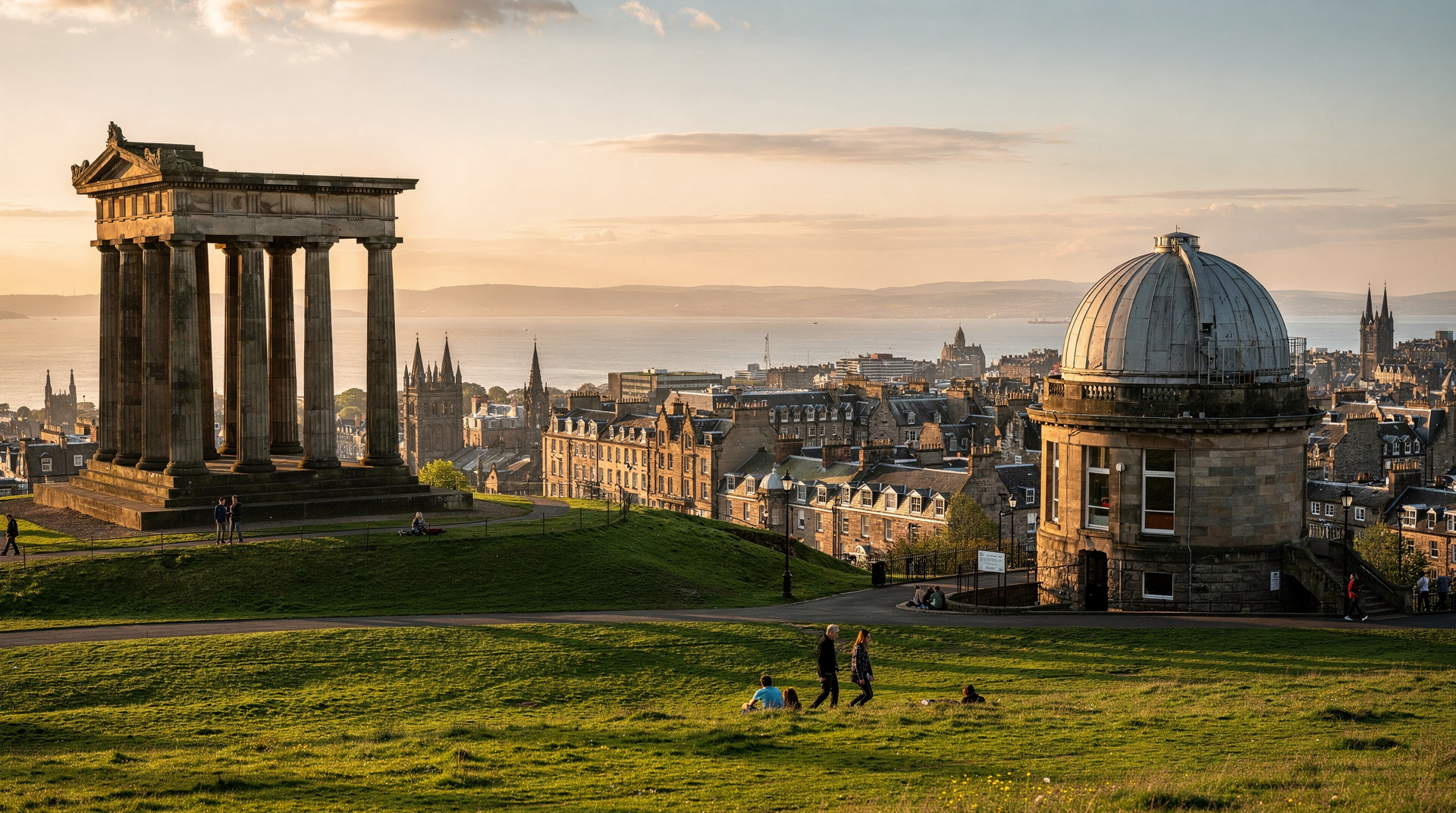
Calton Hill during the Fringe has an extra dimension: it is above the festival noise and gives you the panoramic view of the city below in its August intensity. The National Monument, the Nelson Monument (ticketed climb), and the City Observatory sit at the summit.
During the Fringe, Calton Hill is often the site of outdoor performances in the early afternoon — check the programme for any site-specific work scheduled here.
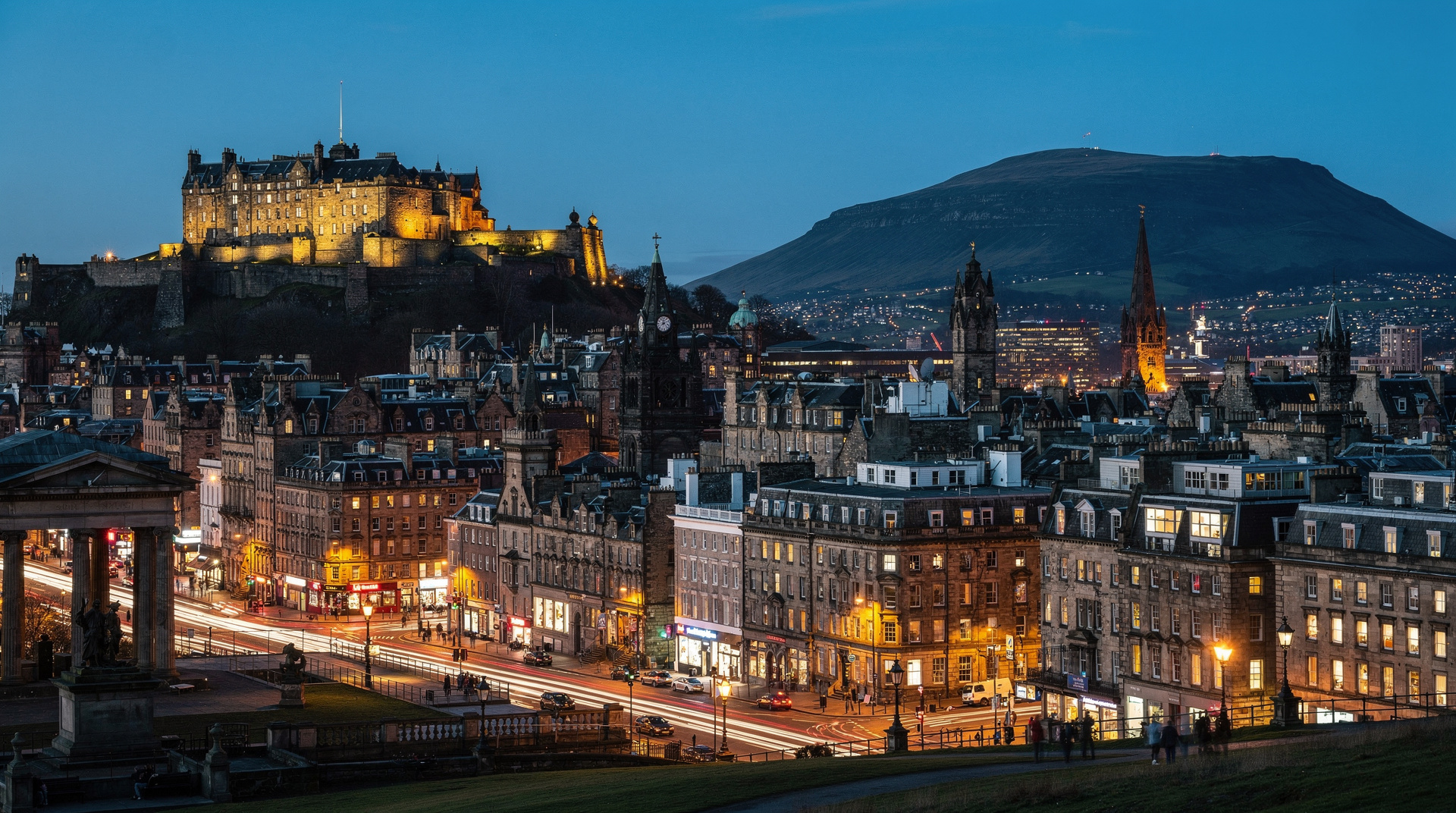
The view from Calton Hill at dusk — when the city lights are coming on and the castle is illuminated — is one of Edinburgh’s most beautiful free experiences. The Beltane Fire Festival also takes place here in April; in August, the hill has a different but equally striking atmosphere.
Cost: Free; the Nelson Monument climb is ticketed (see the Culture Edinburgh website for the current price).
Evening: underground vaults and late Fringe
7:00pm — Underground vaults tour
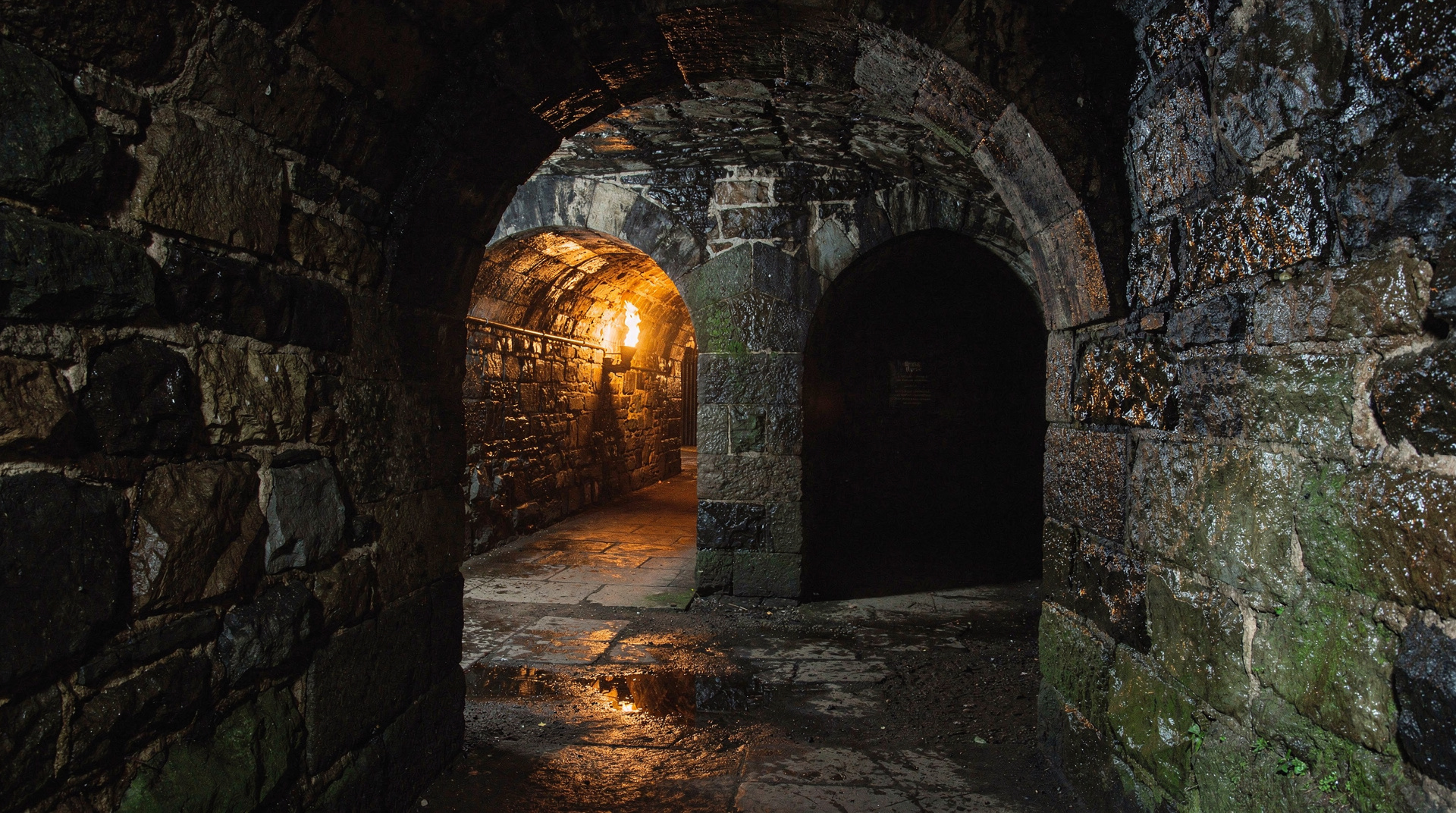
The original underground vaults tour runs nightly, including during the Fringe, and provides an atmospheric counterpoint to the festival above. The preserved streets beneath the South Bridge, dating from the 1780s, were inhabited by the city’s poorest until the mid-nineteenth century. The 75-minute tour is genuinely interesting rather than merely spooky.
Post-vaults: late night Fringe
The Fringe continues until 1 or 2am at many venues. Late-night comedy shows (10pm–midnight slots) are often the most experimental and best-value tickets in the programme — acts test new material without the reviewers present, and the intimate rooms at midnight have a particular energy. Check availability on the night for late-slot shows.
Day 4: final morning and departure
Morning: a last walk and free Fringe
9:00am — Final Old Town morning
On the final morning, before the Fringe day begins in earnest, the Royal Mile between 8 and 10am has a different quality — performers getting up early, venue staff setting up, the city taking a brief breath between the previous night and the coming day.
Walk through the closes for the last time. Try a Victoria Street coffee shop. Walk up the Vennel staircase to the castle walls for the view you may have missed earlier in the trip.
10:00am — Free Fringe shows
The Free Fringe — hundreds of shows at no fixed ticket price, run on a donations basis — is one of the Fringe’s best-kept secrets for budget visitors. The Free Fringe app and programme list the shows, which include some genuinely excellent acts. Comedians doing their first Fringe runs often perform for free to build audiences. Give generously when you enjoy a show.
12:00pm — Departure or final afternoon
If your train or flight allows, stay for one or two final afternoon shows before leaving. If departing early, the Fringe has pre-noon shows at some venues, primarily children’s programmes.
Managing Fringe fatigue over four days
Four consecutive days of shows, crowds, and flyering is genuinely tiring in a way that a normal city break is not — the sheer density of stimulation on the Royal Mile adds up. Build in at least one deliberately quiet stretch each day, whether that is a coffee away from the main venues, the relative calm of the New Town in the morning, or an early night ahead of a demanding day.
Hydrate more than feels necessary; August in Edinburgh is mild but the combination of walking, queuing, and packed venues is dehydrating in ways visitors underestimate. If you notice yourself picking shows out of obligation rather than interest by day three, that is the signal to swap a show slot for a walk on Calton Hill or an unhurried meal instead — the Fringe rewards enthusiasm more than endurance.
Combining the Fringe with the wider city
It is easy to spend four days entirely within festival venues and miss the city underneath the programme. The Old Town’s underground history — Mary King’s Close, the vaults — runs on its own schedule regardless of the festival and offers a genuinely different register from comedy and theatre. If you have any flexibility in your dates, arriving a day early or staying a day after the festival closes lets you experience Edinburgh Castle and the Royal Mile without the August crowds, which is worth considering if this is your only Edinburgh visit and you want to see the city on its own terms as well as during the festival.
Four-day Fringe budget
| Item | Budget | Mid-range |
|---|---|---|
| Shows (4 shows per day) | £160 (Free Fringe + cheap) | £280 (mix of prices) |
| Edinburgh Castle | £23.50 | £28–36 |
| Vaults tour | £14 | £18 |
| Meals (4 days, £12/meal average) | £144 | £220 |
| Transport | £10 | £20 |
| Total (per person, 4 days) | ~£350 | ~£570 |
Add accommodation: expect to pay £80–200/night per room in August. Budget early to save significantly.
Frequently asked questions about Edinburgh Fringe
When should I book for the Edinburgh Fringe?
Book accommodation as early as possible — ideally 8–12 months ahead for August. The Fringe programme launches in June; book your priority shows immediately. Preview week (the first full week of August) offers the best combination of quality and lower ticket prices. The final weekend of the Fringe (mid-August) has the highest prices but the most polished performances.
How many shows should I see per day at the Fringe?
Three to five shows per day is a realistic maximum for most visitors without burning out. More than five shows is possible but exhausting. Build in time between shows for meals, venue changes, and the general festival atmosphere. The outdoor performances on the Royal Mile are free and do not count against your “show quota.” The New Town is a good retreat when the Old Town feels overwhelming during the Fringe peak.
Is Edinburgh in August too crowded?
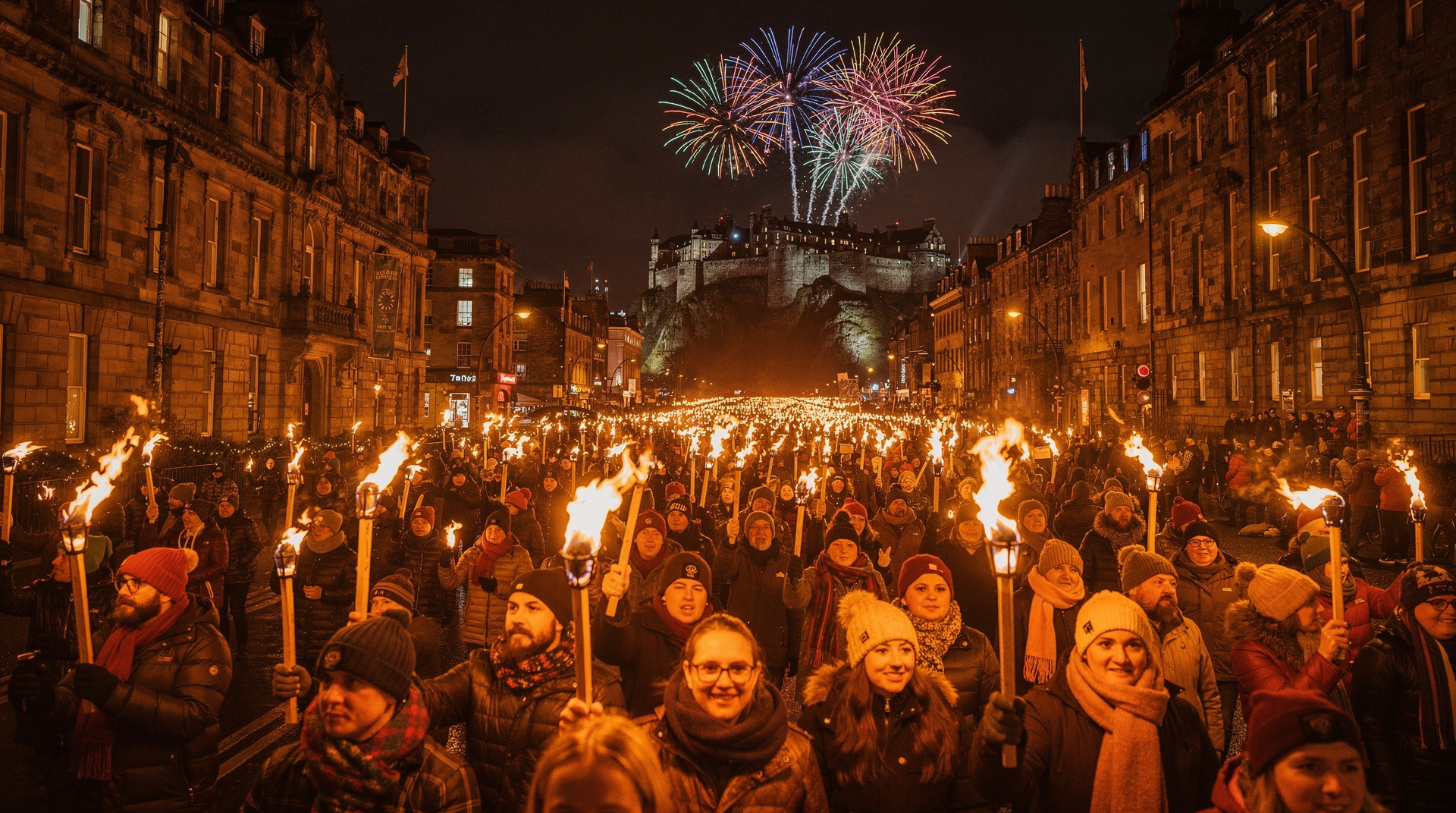
Edinburgh in August is extremely crowded, particularly the Old Town. It is the busiest and most expensive time to visit by a significant margin. If crowds and high prices are deal-breakers, May–June or September are better months. If the Fringe itself is your reason for visiting, the crowds are part of the experience and worth accepting. See the best time to visit guide for seasonal comparison. The Hogmanay itinerary covers Edinburgh’s other major festival period.
What is the Royal Edinburgh Military Tattoo?
The Tattoo runs simultaneously with the Fringe in August: a spectacular military music and performance event on the castle esplanade every evening except Sundays. Tickets sell out months in advance (see the official Royal Edinburgh Military Tattoo website for prices). It is separate from the Fringe and covers different artistic territory — military bands, Highland dancing, international performers. The view of the castle by night during the Tattoo is one of Scotland’s great spectacles.
Is the Edinburgh Fringe worth it if I am not into comedy?
The Fringe covers theatre, dance, opera, physical performance, circus, spoken word, and experimental work alongside comedy. Comedy is the most visible element (and the most commercially successful) but is not the whole picture. The theatre and dance programmes at venues like Summerhall and the Traverse Theatre are among Britain’s most interesting annual showcases of new work.
What are the best free things at the Edinburgh Fringe?
The outdoor Royal Mile performances, the Free Fringe shows (hundreds of shows on a donations basis), the Scottish National Gallery and Portrait Gallery, Calton Hill, and Arthur’s Seat. A budget Fringe trip focusing on free and low-cost events can be excellent. See the Edinburgh budget guide for strategies. The budget Edinburgh itinerary covers the free attractions in depth.
How do I avoid Fringe burnout over four days?
Pace yourself deliberately rather than maximising every slot. Three to five shows a day is sustainable; more than that for four consecutive days leads most visitors to fatigue by day three. Build in at least one quiet stretch daily — a walk on Calton Hill, a slow coffee in Stockbridge, or an early night — and treat the New Town’s relative calm as a genuine reset rather than wasted time away from the festival.
Should I see Edinburgh outside the Fringe as well as the festival itself?
If your dates allow it, yes. The Fringe transforms the Old Town so completely that it is easy to leave without a clear sense of the city underneath the festival. Arriving a day early or staying a day after gives you Edinburgh Castle and the Royal Mile without August’s crowds — genuinely useful if this is your only visit and you want both experiences.
Top experiences
Bookable activities with verified prices and instant confirmation on GetYourGuide.