Is Edinburgh worth visiting? An honest answer
Edinburgh: Old Town history and tales walking tour
Is Edinburgh worth visiting?
Yes — Edinburgh is one of Europe's most rewarding cities for history, architecture, scenery, and atmosphere. The Old Town, castle, and surrounding landscape are genuinely extraordinary. The main caveats are cost in August and some over-tourist-trapped Royal Mile experiences.
The short answer
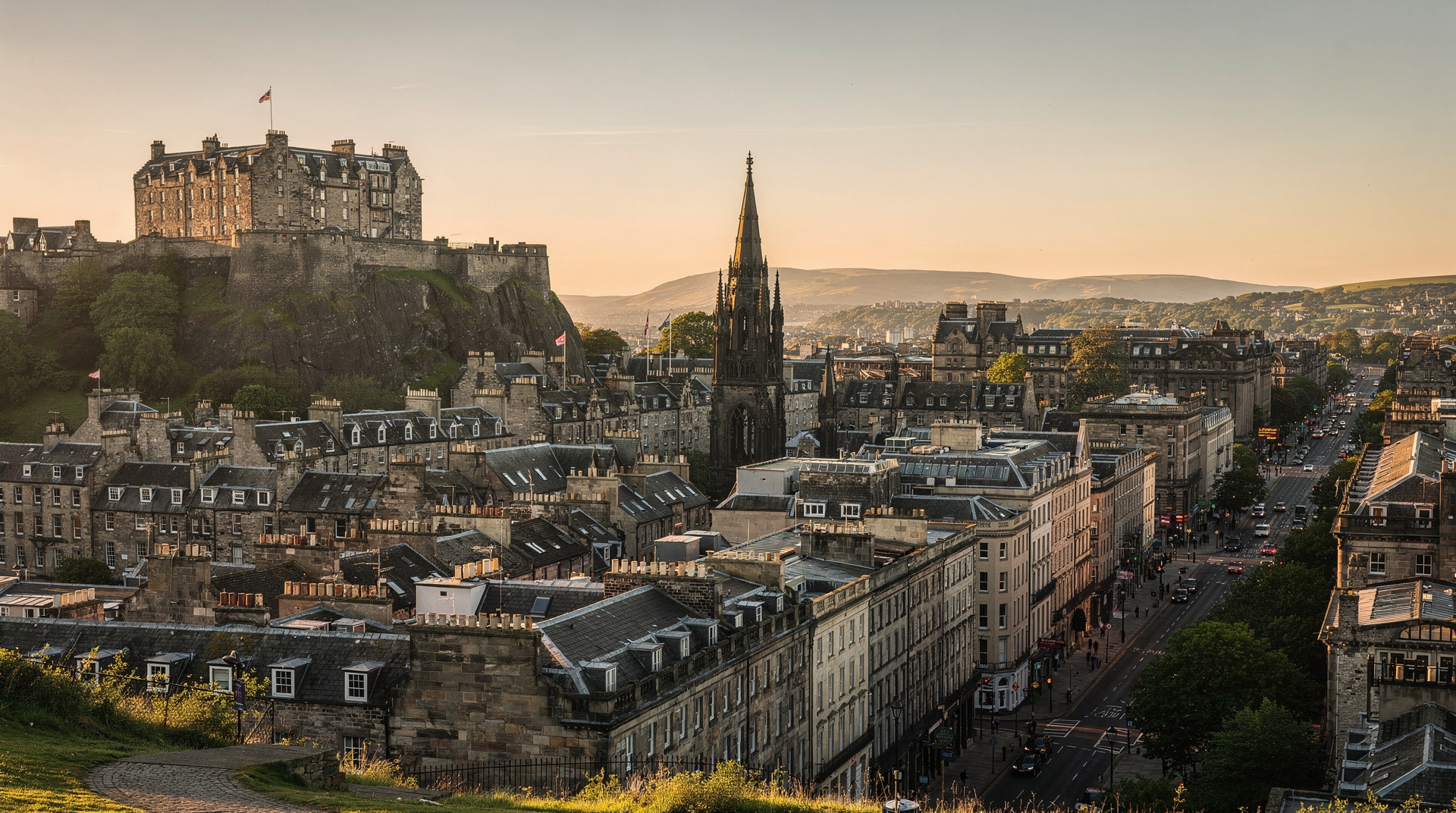
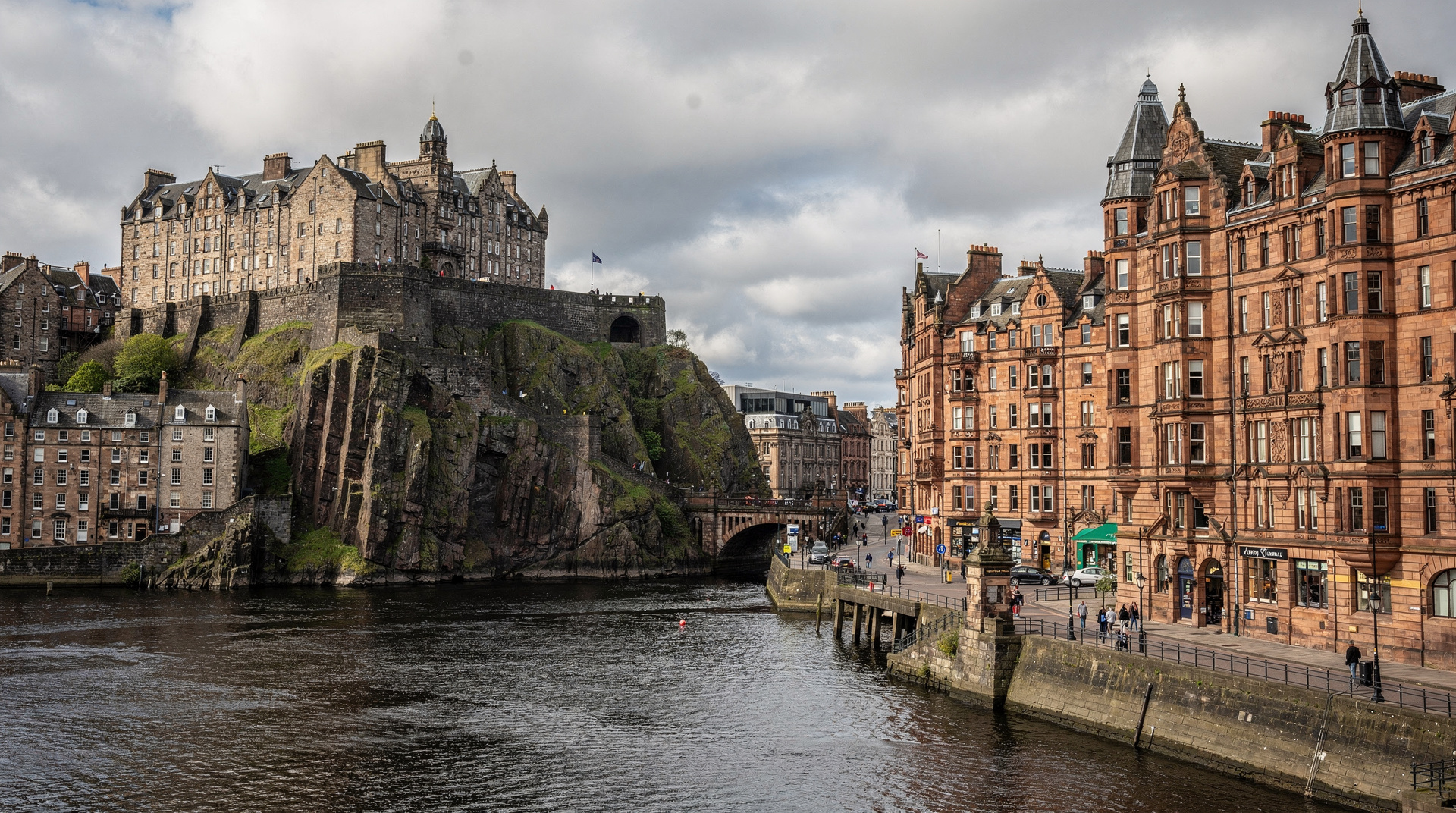
Yes, Edinburgh is worth visiting. It is one of the most visually dramatic cities in Europe, with a skyline dominated by a medieval castle on a volcanic rock, a coherent Old Town that has survived centuries largely intact, and a Georgian New Town of such quality that it is designated a UNESCO World Heritage Site alongside the Old Town. The culture is rich, the food and drink scene is excellent, the surrounding scenery is accessible, and the festival scene in August is genuinely unlike anything else in the world.
The longer answer involves some honest qualifications, because Edinburgh is also occasionally overpriced, occasionally over-touristed, and sometimes hyped in ways that create specific disappointments. This guide gives you the realistic picture.
| Best for | History, architecture, walkers, food and drink, festivals |
| Watch out for | August prices/crowds, Royal Mile tourist traps |
| Minimum time | 2–3 days for a satisfying first visit |
| Typical daily budget | Around £60–£80/day excluding accommodation |
| Best months | May, June, September for weather and value |
What Edinburgh genuinely delivers
Architecture and atmosphere
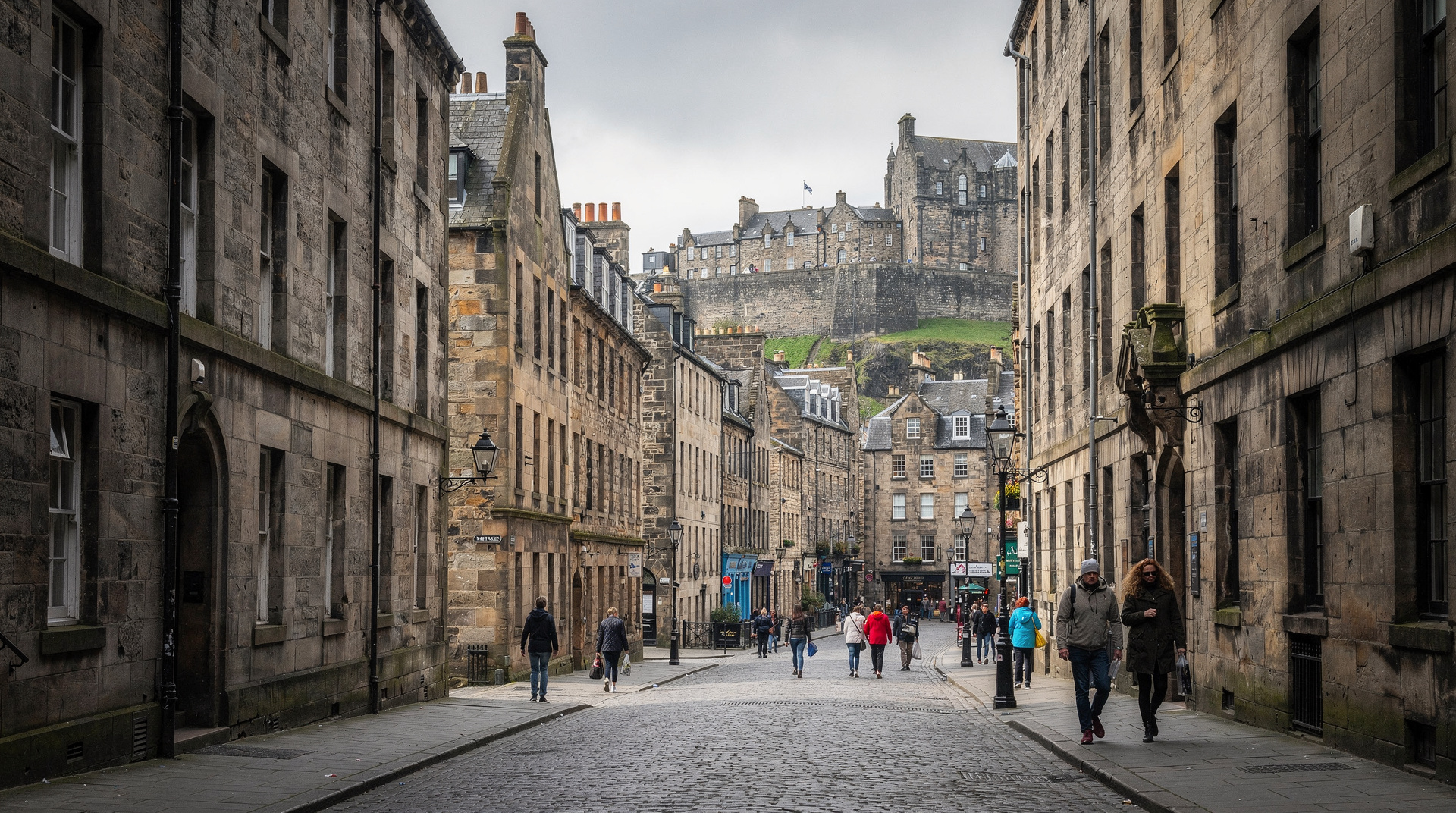
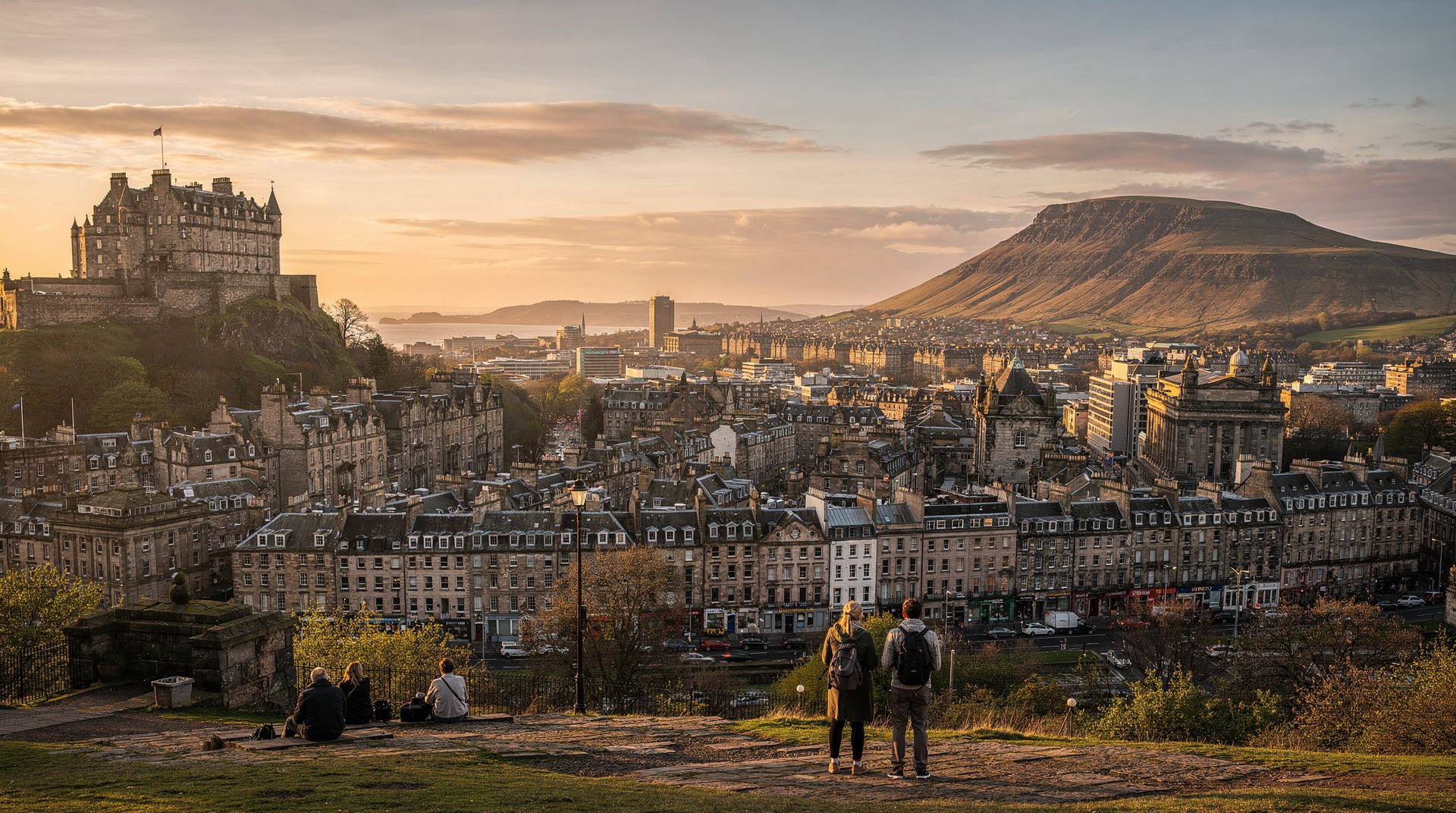
Edinburgh’s cityscape is the strongest argument for visiting. The volcanic geology that shaped the city’s development — the castle on its basalt plug, Calton Hill to the east, Arthur’s Seat rising like a sleeping lion behind Holyrood — gives Edinburgh a drama that flat cities simply cannot replicate. Walking up the Royal Mile from Waverley Station with the castle ahead of you is one of Europe’s great urban arrival moments.
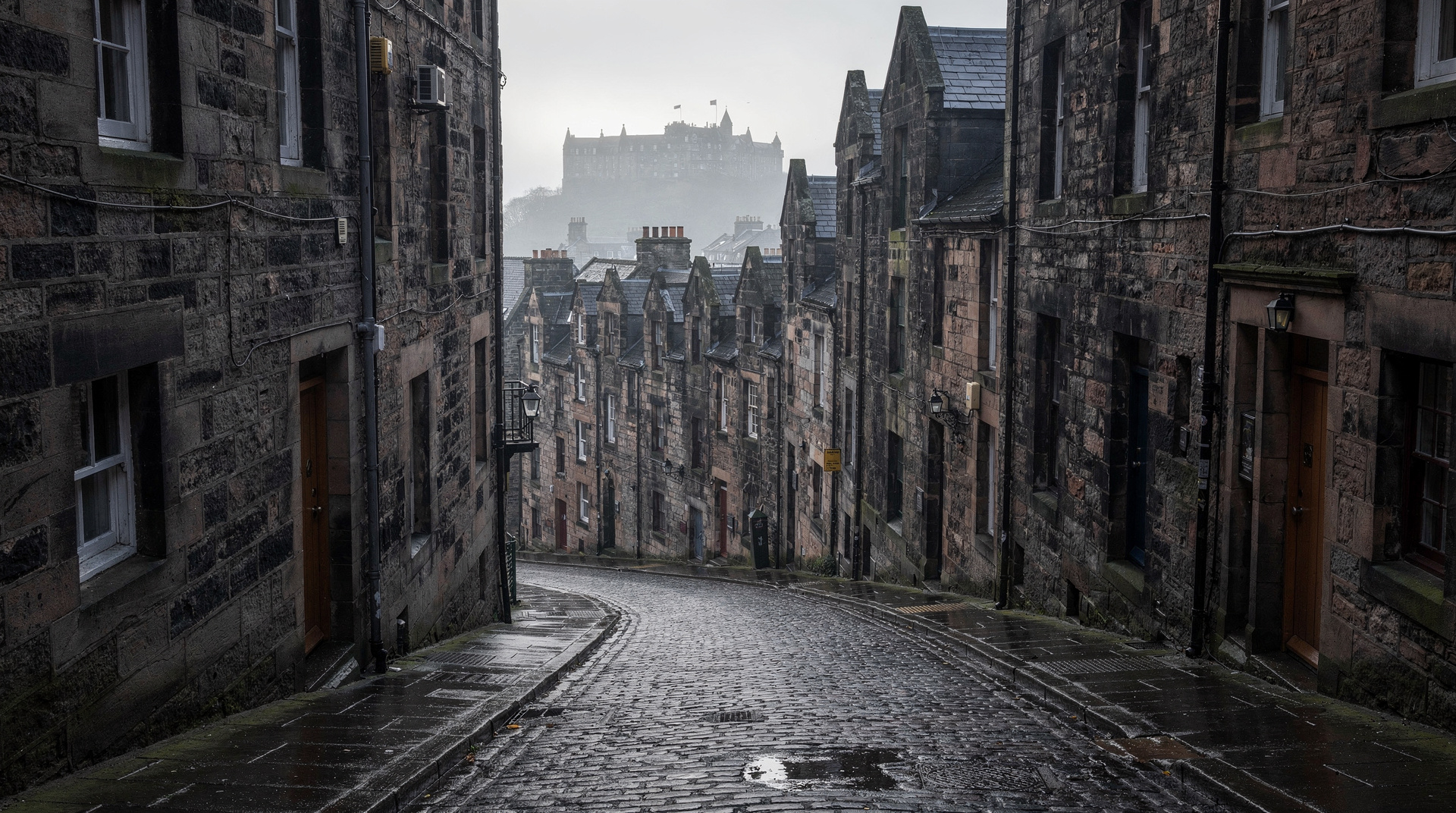
The Old Town is authentically old. The closes and wynds branching off the Royal Mile lead into courtyards and stairways that were there three hundred years ago. The architecture is not preserved for tourists — it has simply survived, more or less intact, because Edinburgh has no major World War Two bombing damage and has maintained its building fabric with unusual consistency. An Old Town history and tales walking tour reveals the layers beneath the surface that casual walking misses.
The New Town, planned from the 1760s, is the finest example of Georgian urban planning in Britain. Wide, rational streets, elegant squares, and crescents that remain largely intact give this part of Edinburgh an entirely different character — spacious and confident where the Old Town is claustrophobic and medieval.
History and culture
Edinburgh was one of the most important cities in the Scottish Enlightenment — the intellectual movement that produced David Hume, Adam Smith, and James Watt in the mid-eighteenth century. It was the capital of an independent kingdom for centuries before the Union of Parliaments in 1707. It is the home of the oldest university in the English-speaking world still in operation, and the scene of some of the most dramatic events in British royal history.
This history is present throughout the city in a way that feels organic rather than packaged. The Jacobite uprisings, the Reformation, Mary Queen of Scots, the bodysnatchers, the Enlightenment, the invention of modern surgery at the Royal Infirmary — all of these stories play out in buildings and streets you walk past every day. The Edinburgh Old Town history guide gives the narrative depth to make sense of what you are seeing.
Natural setting
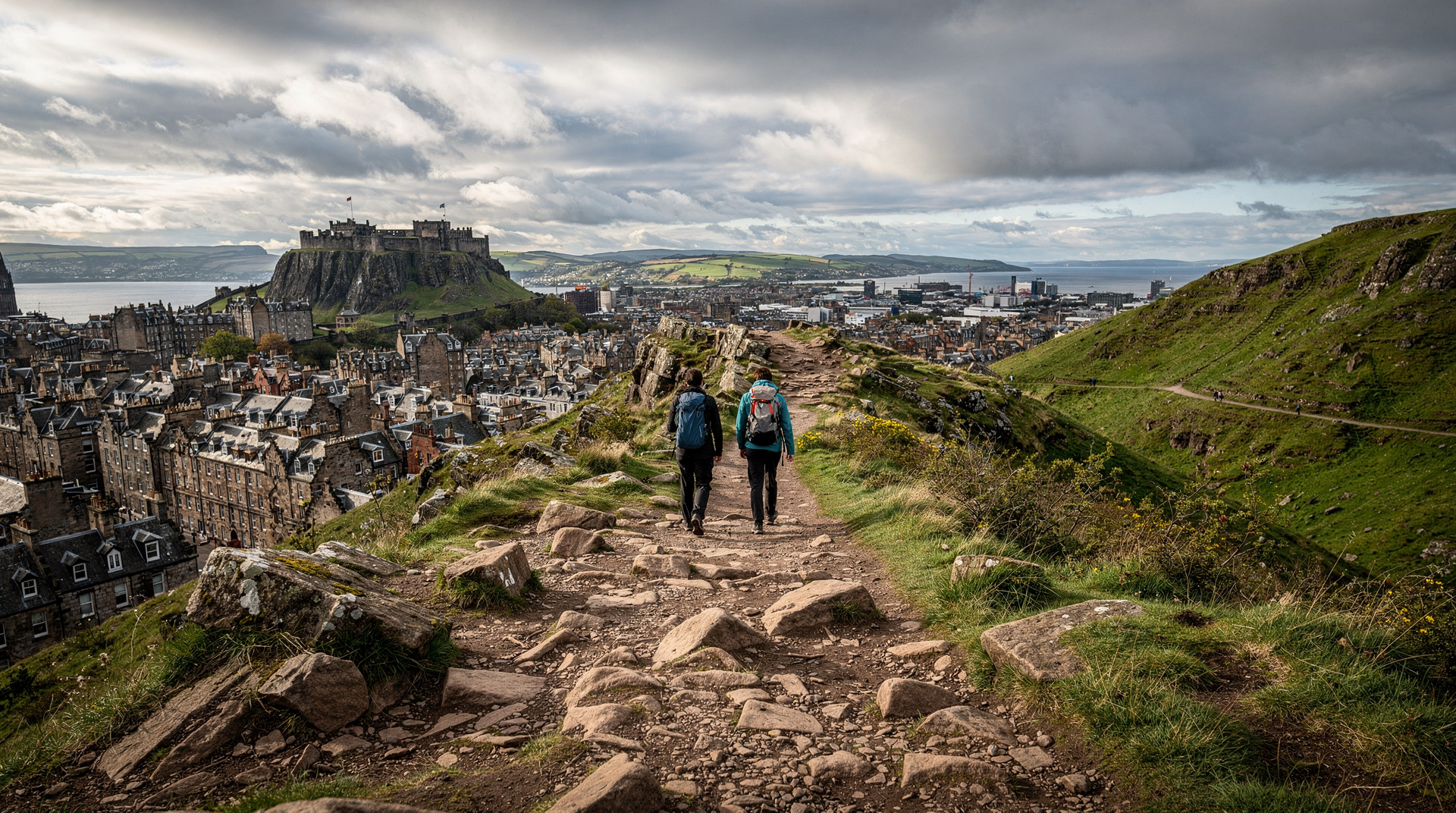
Edinburgh is unusual among European capitals in having a full mountain — Arthur’s Seat (251 metres) — within the city boundary. The climb is accessible to most reasonably fit adults and takes about 45-60 minutes from Holyrood. The views from the summit take in the city, the Firth of Forth, and on clear days the mountains of the Central Highlands to the north. It is one of the finest urban walks in Europe and it is completely free.
The city is also positioned as an excellent base for the wider Scottish landscape. Stirling Castle and Loch Lomond are reachable in an hour. The East Lothian coast — sandy beaches, puffin colonies, dramatic clifftop castles — is 30-40 minutes by train. The Highlands begin in earnest about 2.5 hours north, at Glencoe and Rannoch Moor.
Food and drink
Edinburgh’s food and drink scene has transformed over the past twenty years. The Leith waterfront now has a concentration of excellent restaurants at all price points. Stockbridge has independent cafes, deli shops, and weekend markets that reflect the tastes of a genuinely affluent local population rather than the tourist trade. The whisky scene — both distillery experiences and whisky bars — is excellent.
Haggis, neeps, and tatties remain a tourist experience worth having once. The real local food culture, though, is cosmopolitan — Edinburgh’s population is well-travelled and internationally food-literate, and the restaurant quality reflects this.
Festival seasons
Edinburgh in August during the Fringe is one of the most remarkable cultural events anywhere in the world. Over 3,000 shows across hundreds of venues, every pavement performance, every pub overflowing — the density of human creative output in a three-week period is extraordinary. The atmosphere on the Royal Mile during the Fringe, with performers flyering for shows between other performers’ acts, is uniquely Edinburgh.
Hogmanay (Edinburgh’s New Year celebration) is similarly special — the torchlight procession on 30 December and the street party on New Year’s Eve have few equivalents. See the Hogmanay guide for how to plan around it.
What Edinburgh does not deliver — honest warnings
The Royal Mile tourist trap
The Royal Mile is simultaneously the most historically interesting street in Edinburgh and the most commercially compromised. The shops on the Royal Mile — selling whisky, tartan, shortbread, and variations of the same kilted novelty objects — are almost entirely aimed at tourists at tourist prices. The restaurants are expensive and inconsistent. The walking is beautiful; the commercial layer on top of it is disappointing.
The honest approach is to walk the Royal Mile, explore its closes, enjoy the street performers, and eat and shop elsewhere. See the Royal Mile tourist traps guide for the specific streets and shops to avoid.
August prices and crowds
Edinburgh in August is the city at its most alive and its most expensive. Hotel rooms that cost £100 in May cost £300-400 in August. Every popular restaurant has a queue. The Royal Mile is dense with bodies. If you are not specifically coming for the Fringe or the Tattoo, August is the worst month to visit and May-June or September are significantly better in every practical respect.
Loch Ness reality check
Many visitors arrive expecting to combine Edinburgh with a day trip to Loch Ness and are surprised to discover it is a 3-3.5 hour drive each way (or longer on organised tours, which include stops). Loch Ness itself is a long, dark, cold loch with no particularly dramatic scenery in the way that Glencoe or the Cuillins on Skye are dramatic. The monster legend is enjoyable folklore; the Loch Ness Monster Exhibition at Drumnadrochit is, frankly, thin. The tours that include Loch Ness usually also cover Glencoe, which is genuinely spectacular — book for Glencoe, accept Loch Ness as a bonus. The Loch Ness day trip guide is honest about this.
The rain
Edinburgh’s weather is famously variable. The city sits on the east coast of Scotland, which is drier than the west coast (Glasgow and the Western Highlands get significantly more rain), but “drier” is relative. Rain at any time of year is plausible. A waterproof jacket is not optional. The city is entirely worth visiting in the rain — the castle particularly looks dramatic in low cloud — but visitors who arrive expecting Mediterranean weather will be caught out.
Who Edinburgh suits best
History enthusiasts: Edinburgh may be the best single city in the UK for accessible, layered history. The concentrations of medieval, Reformation, Enlightenment, and Victorian history in a small area is unusual.
Walkers and outdoor people: The combination of urban walking (Old Town closes, Water of Leith Walkway) and genuine highland access (Arthur’s Seat, day trips to Glencoe) makes Edinburgh excellent for active visitors.
Food and drink lovers: The whisky scene, the independent restaurant scene in Leith and Stockbridge, the farmers’ markets, and the quality of Scottish produce (seafood, beef, cheese, game) reward visitors with culinary interests.
Festival-goers: Edinburgh in August is unmissable for arts lovers. Plan for it specifically, book accommodation a year ahead, and embrace the density.
Families: Edinburgh works well for families — the castle, Camera Obscura, Arthur’s Seat, the National Museum, Dynamic Earth, and the Royal Yacht Britannia cater across ages. See the Edinburgh with kids guide.
Couples and romantic travel: Edinburgh has a genuine reputation for romantic breaks — the gothic architecture, the castle views from Princes Street Gardens, the candlelit restaurant scene, and the cosy Victorian pubs all contribute. The couples’ weekend itinerary builds around these.
Edinburgh versus other Scottish destinations
Edinburgh vs Glasgow: Glasgow is cheaper, less touristed, and has arguably the better contemporary food and music scene. Edinburgh has the better history, architecture, and scenery. Most visitors to Scotland benefit from at least one day in each. See the Edinburgh vs Glasgow comparison.
Edinburgh vs the Highlands: The Highlands are the Scotland of dramatic scenery, emptiness, and wildlife. Edinburgh is the Scotland of history, architecture, and urban culture. They are different experiences and complement rather than compete with each other. Using Edinburgh as a base for Highland day trips gives you both.
The verdict
Edinburgh is worth visiting for virtually any interested traveller. It is one of the most compact, walkable, and atmospherically distinctive cities in Europe. It has the castle, the history, the scenery, the food, the festivals, and the cultural confidence of a city that has been a European capital for a thousand years.
The caveats are real but manageable: avoid August if you are budget-conscious, eat away from the Royal Mile, calibrate your Loch Ness expectations, and pack a waterproof. With those adjustments, Edinburgh consistently delivers one of the best urban travel experiences in northern Europe.
Edinburgh’s pros and cons at a glance
| Pros | Cons |
|---|---|
| Dramatic, compact, walkable Old Town and castle | Royal Mile shops/restaurants are overpriced tourist traps |
| Georgian New Town, UNESCO-listed alongside the Old Town | August prices triple for accommodation |
| Free mountain (Arthur’s Seat) inside the city | Weather is genuinely unpredictable year-round |
| Excellent, improving food and drink scene in Leith/Stockbridge | Loch Ness day trips are a long drive for modest scenery |
| World-class festival season in August | Very crowded on the Royal Mile during the Fringe |
| Free museums (National Museum of Scotland) | Some attractions require advance booking in peak season |
Who might be disappointed by Edinburgh
Honesty cuts both ways. Edinburgh is not the best fit for every kind of traveller. Visitors expecting a beach holiday, consistently warm weather, or a nightlife scene on the scale of a major European capital like Berlin or Barcelona will find Edinburgh comparatively modest on those specific fronts — it is a city built around history, architecture, and a compact walkable centre, not around sunshine or large-scale clubbing.
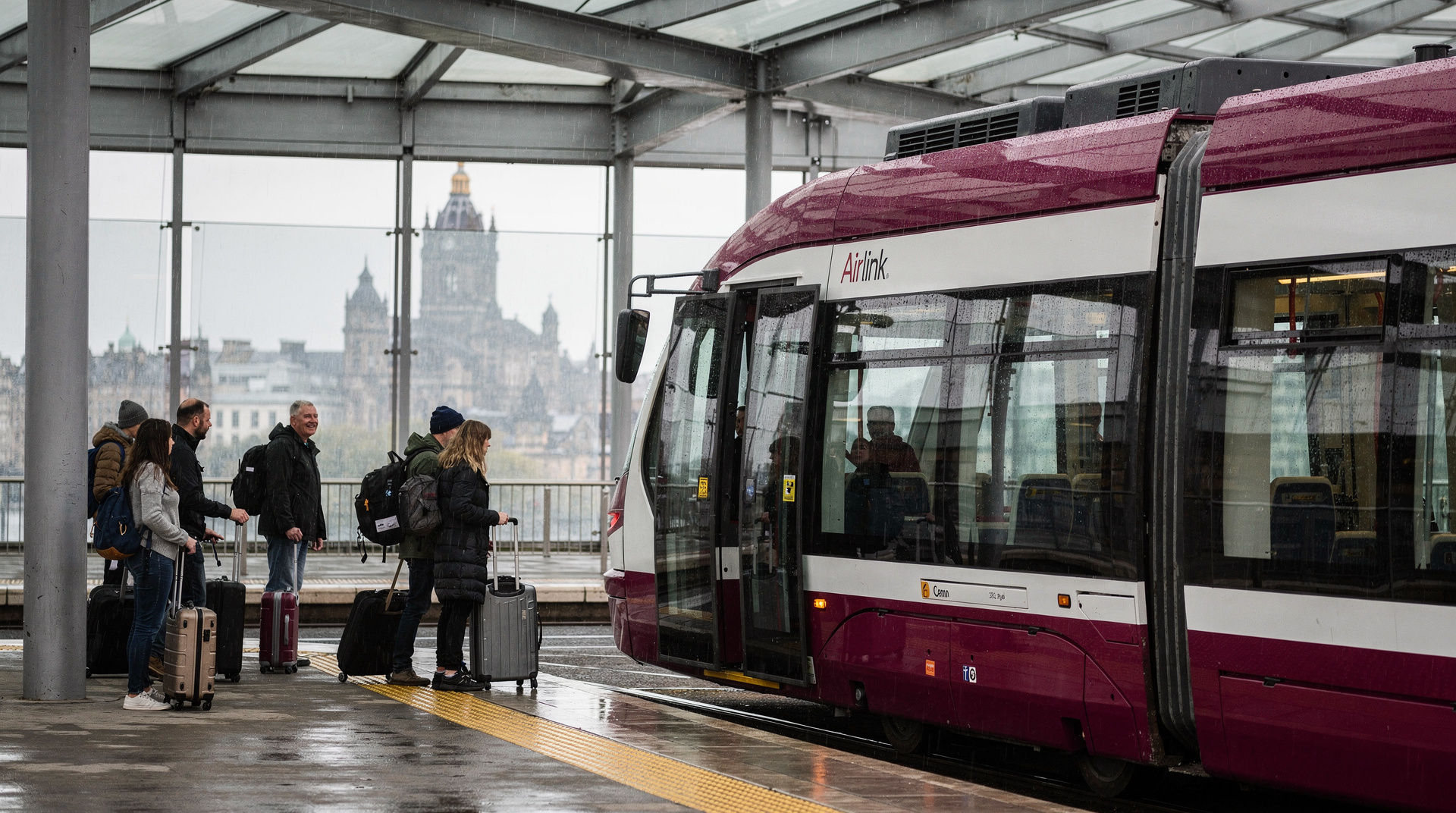
Visitors who dislike walking or uneven cobblestone surfaces will find much of the Old Town genuinely challenging; the closes and the Royal Mile are steep and cobbled throughout, and there is no way around this without missing much of what makes the city distinctive. See the do you need a car in Edinburgh guide and the trams and buses guide for accessible alternatives to walking everywhere.
Making the most of a first Edinburgh visit
For visitors who conclude Edinburgh is worth visiting — which, on balance, most reasonable readers of this guide will — the next honest question is how to avoid the specific disappointments outlined above. Booking outside August (or budgeting properly for it if the Fringe is the reason you’re going), eating away from the Royal Mile’s tourist-priced restaurants, and packing a proper waterproof jacket address the three most common sources of visitor frustration.
The first-time Edinburgh guide and the common tourist mistakes guide both expand on these points with more specific, practical detail than a general “is it worth it” verdict can cover.
If the castle is on your list, which it is for almost everyone, it is worth deciding early how you want to see it. Some visitors prefer to wander in at their own pace; others like having a guided castle visit with entry arranged for you so the history is explained as they go. Our Edinburgh Castle guide helps you choose, and the Edinburgh Castle destination page covers the setting.
For a first orientation, many people find it helpful to start with a walking tour of the city highlights and then return on their own to the places that caught their attention. It makes the later days of the trip feel less like guesswork. If you prefer to plan the days yourself, the two-day itinerary and the three-day itinerary lay out a sensible order, and how many days to spend in Edinburgh helps you decide how long to stay.
Where you sleep also shapes how the city feels. The Old Town puts you among the closes and the history, while the New Town is calmer and more spacious; where to stay in Edinburgh compares the options, and Old Town vs New Town explains the difference in character. Once you are settled, the best walks in Edinburgh and the best time to visit are good next reads.
Frequently asked questions about whether Edinburgh is worth visiting
Is Edinburgh worth visiting in winter?
Yes. Edinburgh in winter (November-February) is significantly cheaper, less crowded, and genuinely beautiful in clear cold weather. The Christmas markets in December are excellent, and Hogmanay (New Year) is world-class. The main downside is shorter daylight (sunset as early as 3:40pm in December) and some reduced opening hours at attractions. See the Edinburgh in winter guide for the full picture.
Is Edinburgh worth visiting for just one day?
Yes — even one day in Edinburgh gives you a genuine sense of the city’s character, and the castle and a Royal Mile walk are entirely achievable. You will leave wishing you had more time, but it is far better than not going. See the one-day Edinburgh itinerary.
Is Edinburgh worth visiting if you have already been to London?
Yes. Edinburgh and London are very different experiences. London is global and metropolitan; Edinburgh is more intimate, more historically coherent as a walking city, and more distinctively Scottish in culture and character. Most visitors who know London well find Edinburgh more immediately navigable and more atmospheric.
Is Edinburgh more beautiful than other UK cities?
Edinburgh has the most dramatic natural setting of any UK city — the volcanic geology gives it a visual distinctiveness that Bath, York, Bristol, and even London cannot match. Whether “more beautiful” depends on your aesthetic, but Edinburgh’s combination of castle, rock, Georgian town, and accessible summit views is genuinely unusual in Europe.
Who is Edinburgh not a good fit for?
Visitors seeking a beach holiday, warm guaranteed weather, or nightlife on the scale of a major clubbing capital will find Edinburgh a poor match on those specific fronts. Visitors who cannot manage steep, cobbled streets may also struggle with the Old Town, which is central to the city’s appeal but genuinely challenging underfoot. For most other kinds of traveller, Edinburgh has broad appeal.
Is Edinburgh too expensive to visit?
It is not cheap, but it is manageable with planning. The free museums are excellent, the outdoor attractions cost nothing, and eating away from the Royal Mile reduces food costs significantly. Budget visitors managing £60-80 per day can have a thoroughly good Edinburgh experience. See the Edinburgh on a budget guide.
Top experiences
Bookable activities with verified prices and instant confirmation on GetYourGuide.