The Elephant House: JK Rowling's Edinburgh writing cafe
Edinburgh: Harry Potter magical guided walking tour
Is the Elephant House worth visiting for Harry Potter fans?
Yes, with managed expectations. The Elephant House is a genuine piece of Harry Potter history — Rowling did write parts of the early books here — but it is a working cafe, not a museum. Post-2021 fire it has been rebuilt and is open. The back-room view of Edinburgh Castle is the main draw. Expect a cafe queue on busy days, not a Harry Potter experience.
The cafe that helped write a phenomenon
The Elephant House on George IV Bridge is the most famous cafe in Edinburgh and one of the most significant literary sites in the city. J.K. Rowling, then a single parent living in the city on a modest income, used the back room of this cafe to write portions of Harry Potter and the Philosopher’s Stone in the early 1990s. The combination of a warm space, inexpensive coffee, and a spectacular back-window view of Edinburgh Castle provided the atmosphere in which one of the most successful books in publishing history was partly written.
This is documented fact, confirmed by Rowling in multiple interviews. What is less settled is how much of the series was written here versus at other Edinburgh locations — Rowling also wrote at Nicholson’s Cafe (now Spoon on Nicholson Street) and at her flat — but the Elephant House has become the primary commemorative site for the Edinburgh Rowling story, partly because it leaned into the connection more actively than other locations and partly because the castle view is genuinely relevant to any speculation about Hogwarts’ visual inspiration.
| Where | 21 George IV Bridge, Old Town |
| Cost | Coffee around £3-4.50, light meal £8-12; no entry fee |
| Time needed | 30-45 minutes for coffee and the back room; 10 minutes as a walking-tour stop |
| Getting there | 10-15 minutes on foot from the Royal Mile or Waverley Station |
| Best time | Weekday mornings before 10:30am for a back-room seat |
What happened in the 2021 fire
On 9 July 2021, a fire broke out in the building above the Elephant House and caused significant damage to the cafe. The fire also affected the toilets — which had become famous for being covered in fan messages and graffiti from years of Harry Potter pilgrimages — and various parts of the original interior. The cafe was closed for an extended period while the building was repaired and the space was refurbished.
The Elephant House reopened in 2023, with a rebuilt interior that maintains the cafe’s character while incorporating the necessary structural repairs. The toilets have been redone and the fan-message tradition has resumed, though the density of graffiti is obviously less than before the fire given the fresh surfaces. The back room with the castle view remains the heart of the space.
The rebuild was handled sensitively by the building’s owners and the cafe’s operators, who were conscious that the space’s significance extended well beyond its commercial value as a cafe — a fact reflected in how carefully the new fittings echoed the pre-fire layout rather than modernising the space beyond recognition.
This history matters for managing expectations: the Elephant House you visit in 2026 is not the same physical space where Rowling worked in 1993. The original plasterwork, original fittings, and accumulated patina of decades of use were affected by the fire. What remains is the location, the view, and the continuity of the story — significant in themselves, but worth knowing about before you arrive expecting a perfectly preserved original.
What to expect when you visit
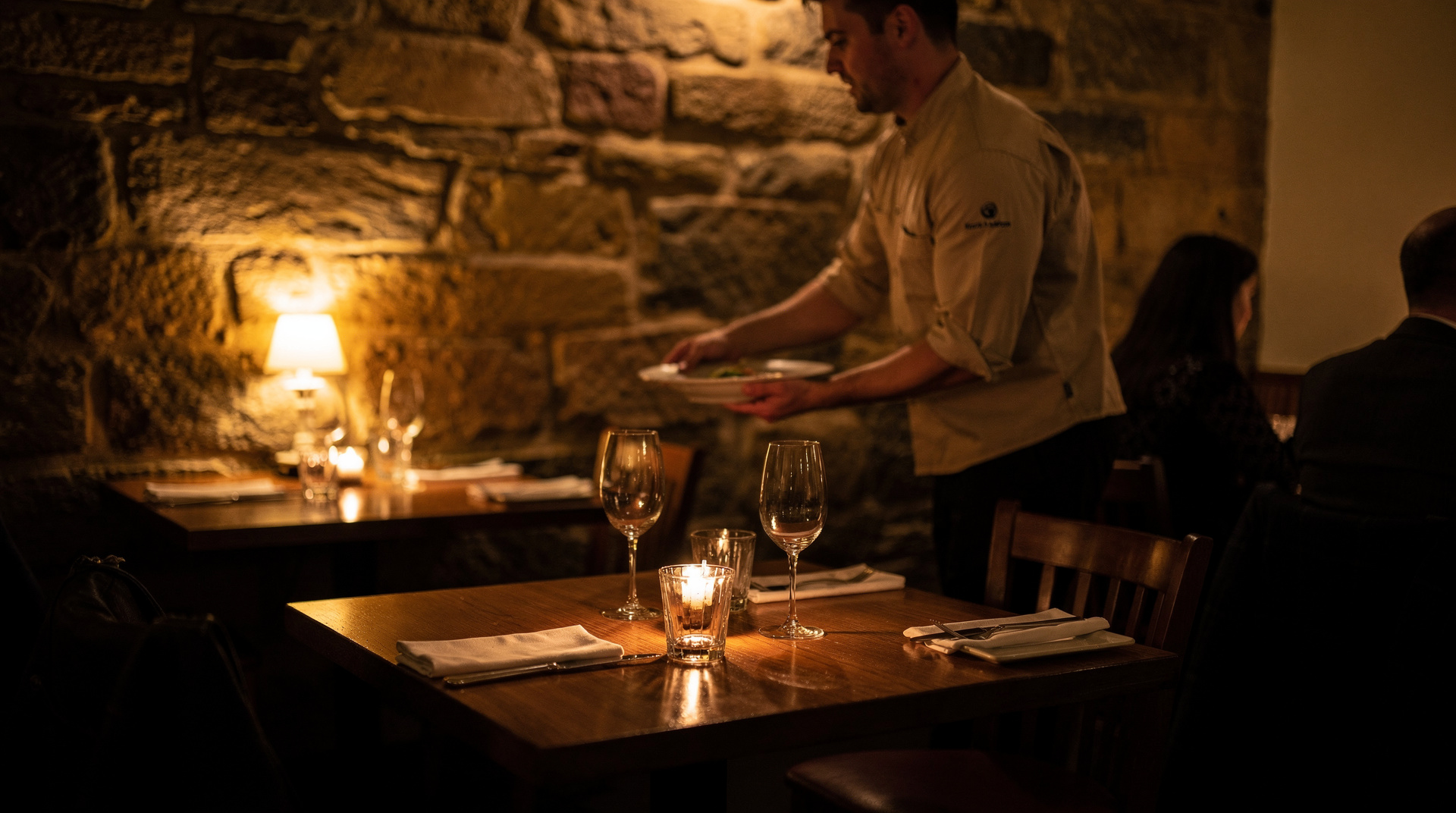
The Elephant House is a functioning cafe that serves breakfast, lunch, and coffee throughout the day. It is not a museum or a visitor attraction in the conventional sense — there are no displays, no interpretive panels, no Harry Potter merchandise specific to the cafe beyond a modest gift section. The experience is: arrive, queue if it is busy (which on summer mornings it usually is), order your coffee or food, find a seat, and appreciate the historical context of where you are sitting.
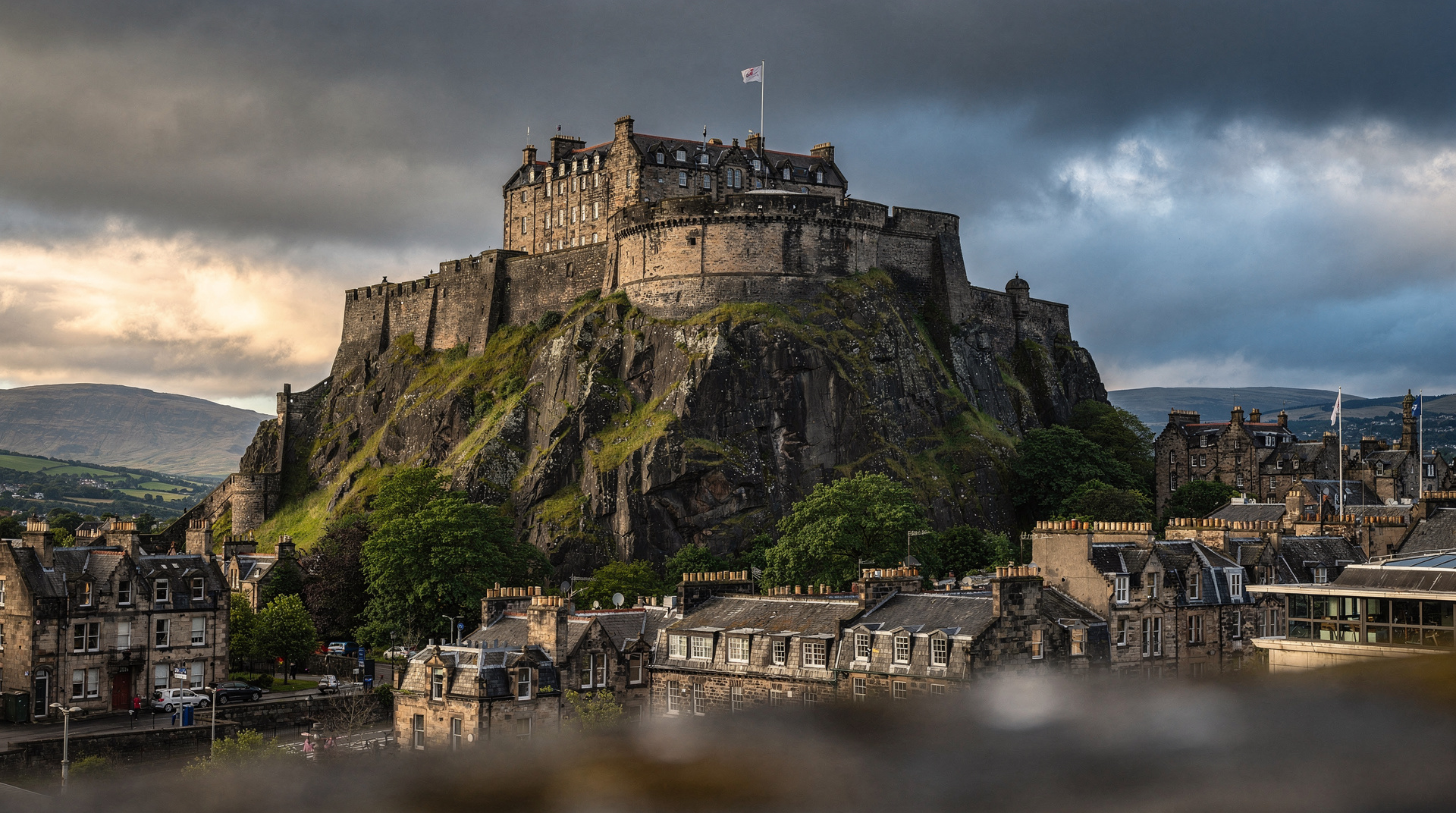
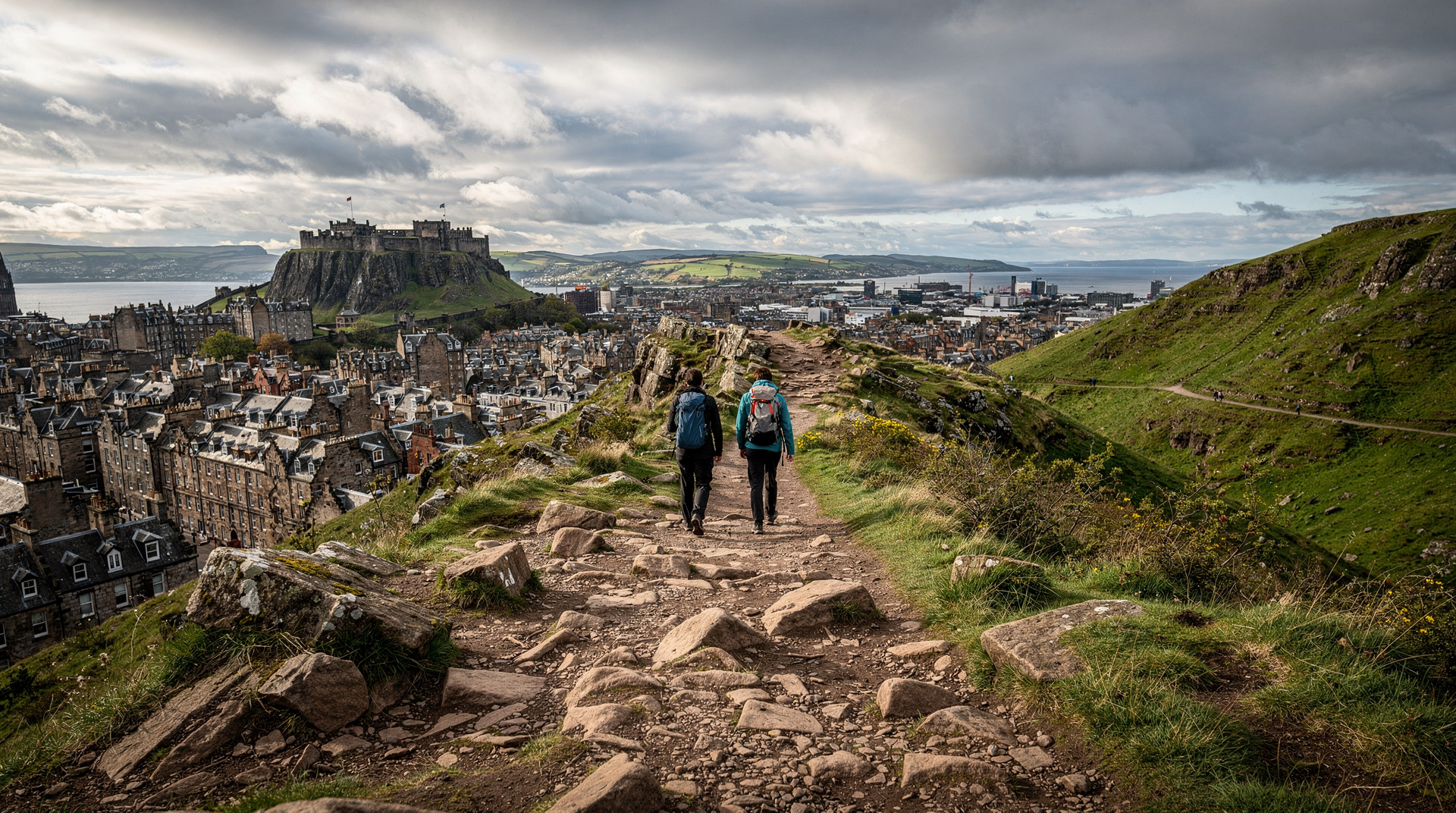
The back room and the castle view: The back room of the cafe has the large windows looking over the Greyfriars Kirkyard and toward Edinburgh Castle that feature in the Rowling origin story. Securing a back-room seat is worth the wait — the view is genuinely impressive, particularly in clear weather when the castle is fully visible on its volcanic rock. This is probably the most significant single view in Edinburgh’s Harry Potter tourism — you are seeing what Rowling saw as she wrote, and the connection between that view and the architecture of Hogwarts is at its most tangible here.
The toilets: The toilets at the Elephant House became famous over decades as the site of accumulating fan graffiti — messages in dozens of languages, character names, “I solemnly swear I am up to no good,” declarations of love for the series, anniversary notes. Post-fire, the new plasterwork has already begun to accumulate new messages. It is worth a quick look regardless of how you feel about the graffiti tradition.
Atmosphere and pricing: The Elephant House charges standard Edinburgh cafe prices — coffee is around £3-£4.50, light lunch options £8-£12. It is not expensive by Edinburgh standards, though it is not the cheapest option in the neighbourhood either. The quality of the food and coffee is consistently decent. The main value is the location rather than any culinary distinction.
The writing conditions Rowling experienced
Understanding the circumstances in which the Harry Potter books were written at the Elephant House gives the visit more meaning. Rowling moved to Edinburgh in 1993 after her divorce, with a young daughter and very little money. She was working on the first Harry Potter book while living in a small flat, using cafes like the Elephant House because they were warm, relatively inexpensive for the hours they allowed, and provided the change of scene that made concentrated writing possible.
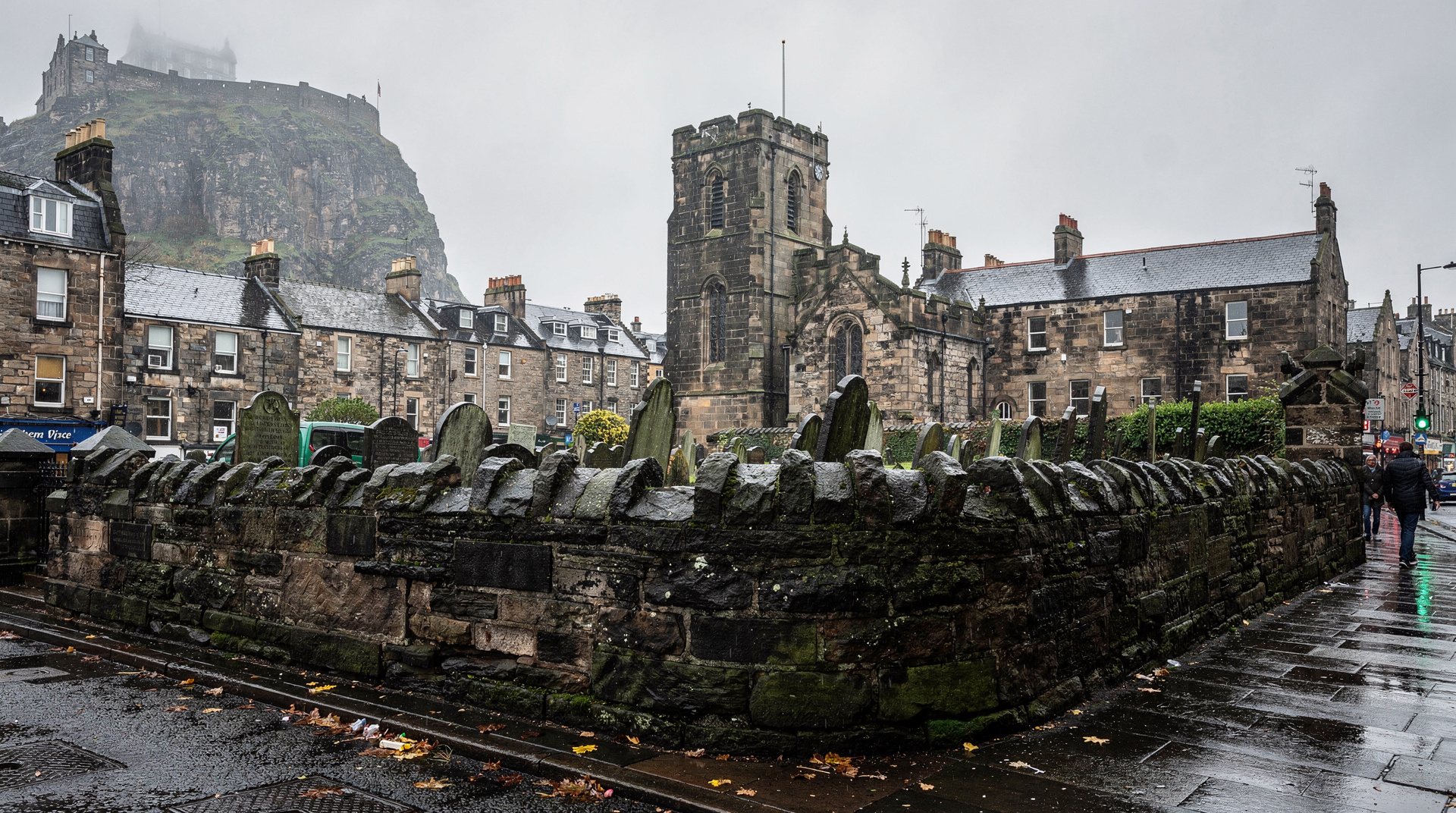
The back room of the Elephant House, with its view of Edinburgh Castle on its volcanic rock and Greyfriars Kirkyard below, gave Rowling exactly the kind of atmospheric context that was feeding her imagination. The castle on the rock — an impossibly dramatic real building, ancient and improbable — is the most plausible single source for Hogwarts’ visual character in the books. The Kirkyard visible below was the setting for the grave names that became Tom Riddle and McGonagall. The combination of these views from a single cafe window is not coincidental.
The poverty of this period is part of the Harry Potter origin story that Rowling has herself discussed. She has described writing in cafes partly because her flat was cold and unheated. The book was partly written on paper napkins. This context — a single parent writing a children’s novel about a magical world while living in near-poverty — is more interesting than the polished mythology that surrounds the Elephant House, and it is worth holding in mind when you sit in the cafe’s back room.
The story also resonates with Edinburgh’s affordable side. The cafes that Rowling used were student-and-bohemian Edinburgh, not the expensive tourist Edinburgh of the Royal Mile. The Elephant House charged what she could afford; the Nicholson’s Cafe where she also wrote was similarly modest. Edinburgh in the early 1990s was a more affordable city than it is in 2026, but the student and creative culture that made it a hospitable place for a young writer is still present.
The honest assessment
The Elephant House is worth visiting if you are a Harry Potter fan or interested in literary history, with the understanding that it is a cafe, not an attraction. The back room and castle view are the primary draws, and on busy days you may not get the seat you want. On quieter days — early weekday mornings, winter afternoons — it can be genuinely pleasant.
The graffiti toilet is either charming or appalling depending on your perspective; the international accumulation of fan messages has its own strange meaning as a record of how widely the books have spread.
What the Elephant House is not: an immersive Harry Potter experience, a place to buy official merchandise, or a preservation of the exact space where Rowling worked. The building has changed, the interior has been rebuilt, and the experience is primarily about the association rather than the physical survival of the original.
Combining the Elephant House with the broader Harry Potter circuit
The Elephant House sits on George IV Bridge, which is one of the best-positioned streets in Edinburgh for covering multiple Harry Potter sites in a single walk. Within ten minutes’ walk:
- Greyfriars Kirkyard: the Tom Riddle and McGonagall graves (free entry)
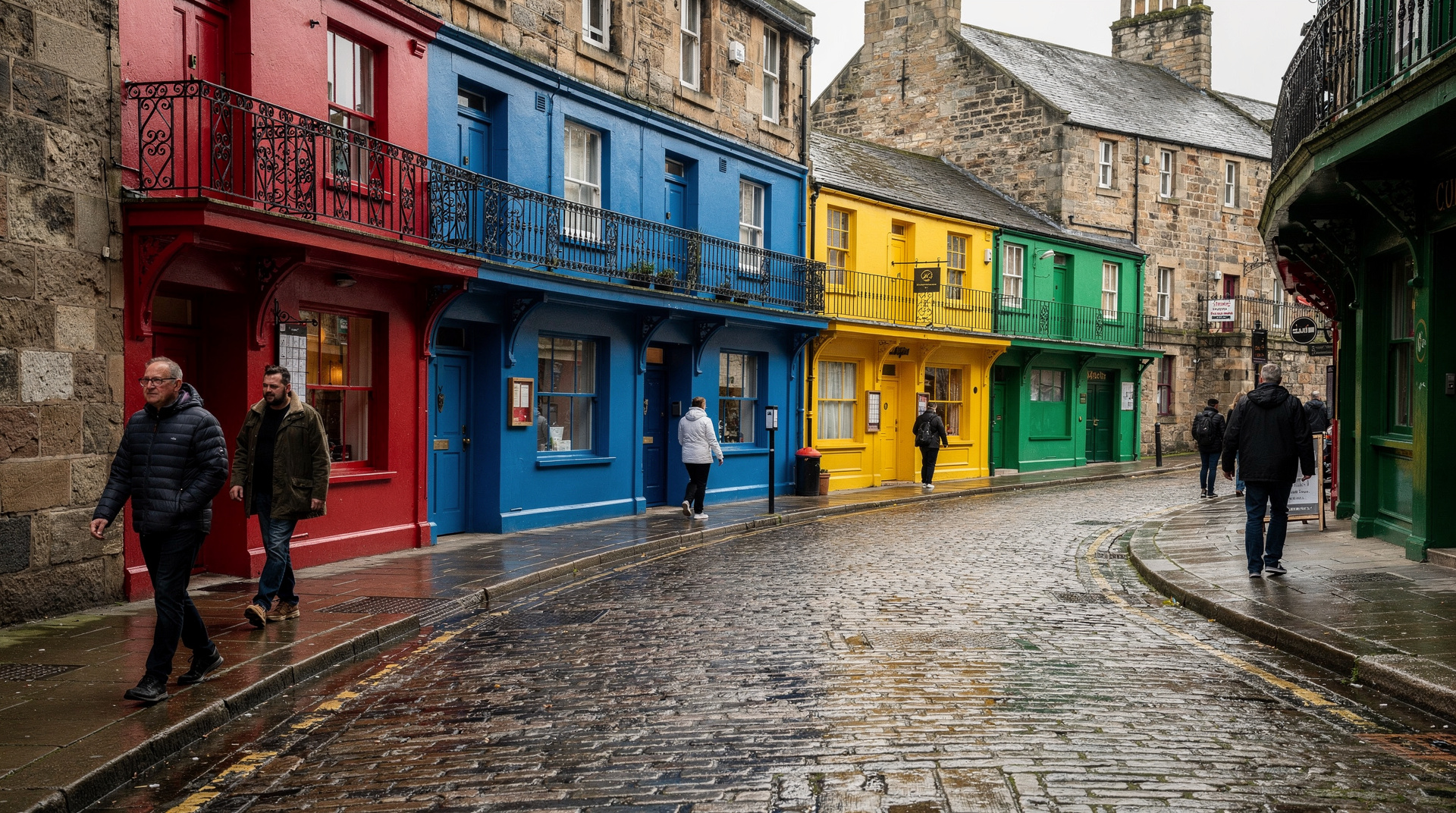
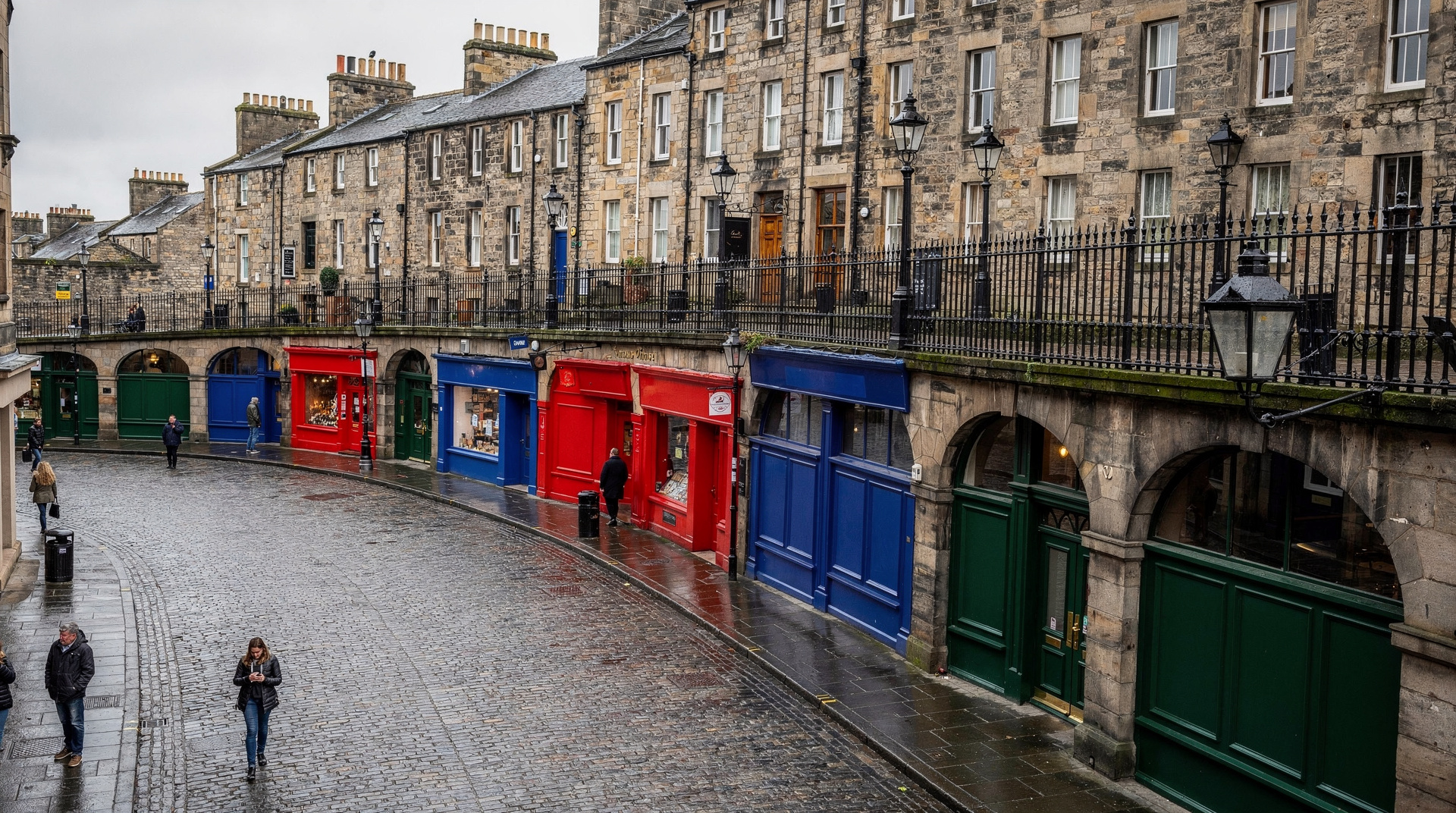
- Victoria Street: the Diagon Alley parallel, five minutes downhill
- George Heriot’s School: visible from George IV Bridge, the Hogwarts visual parallel
The Harry Potter magical guided walking tour passes the Elephant House and provides the connecting narrative between these sites. For visitors who want to do the circuit independently, the Harry Potter Edinburgh guide covers the full self-guided walk.
The Victoria Street guide covers the Diagon Alley connection in detail. The Greyfriars guide covers the cemetery’s genuine history beyond the Harry Potter name-hunting.
The Elephant House and Edinburgh’s literary culture
Rowling’s choice of Edinburgh as the place to write Harry Potter was not accidental — she moved here following her divorce and found in the city a combination of affordability, cultural density, and an atmosphere that aligned with what she was writing. But she was joining a literary tradition of extraordinary depth. Edinburgh has produced Robert Louis Stevenson (Jekyll and Hyde, Treasure Island), Arthur Conan Doyle (Sherlock Holmes), Walter Scott (Waverly), and more recently Ian Rankin (Rebus), and the city has a coherent literary character shaped by its geography, history, and the particular combination of Calvinist severity and Scottish Enlightenment rationalism.
The George IV Bridge area where the Elephant House sits is at the heart of literary Edinburgh. The National Library of Scotland is directly opposite the cafe, and its collections include manuscripts, first editions, and archival material spanning Scottish literary history. Greyfriars Kirkyard — five minutes’ walk south — contains the graves of writers and historians alongside the more famous dark history. The Edinburgh bookshops and literary culture guide covers the full scope of Edinburgh’s bookshop culture, which is concentrated in this same southern Old Town area.
The Old Town more broadly has a relationship with literature that goes beyond Rowling. The closes and courts of the medieval street pattern, the underground history, the visible evidence of social stratification in the height and density of the tenements — all of this fed into the Gothic and mystery traditions that Edinburgh writers developed from Stevenson onwards. Rowling fits into this tradition as its most commercially successful recent exponent.
Planning the Elephant House visit within a broader Old Town day
The Elephant House is a natural anchor for a half-day Old Town circuit that covers the main Harry Potter sites alongside the neighbourhood’s genuine history. A suggested sequence:
Start at the Elephant House on George IV Bridge for coffee and to orient yourself. Allow 30-40 minutes. The back room and the castle view are the priority — ask staff if back seats are available before joining the queue.
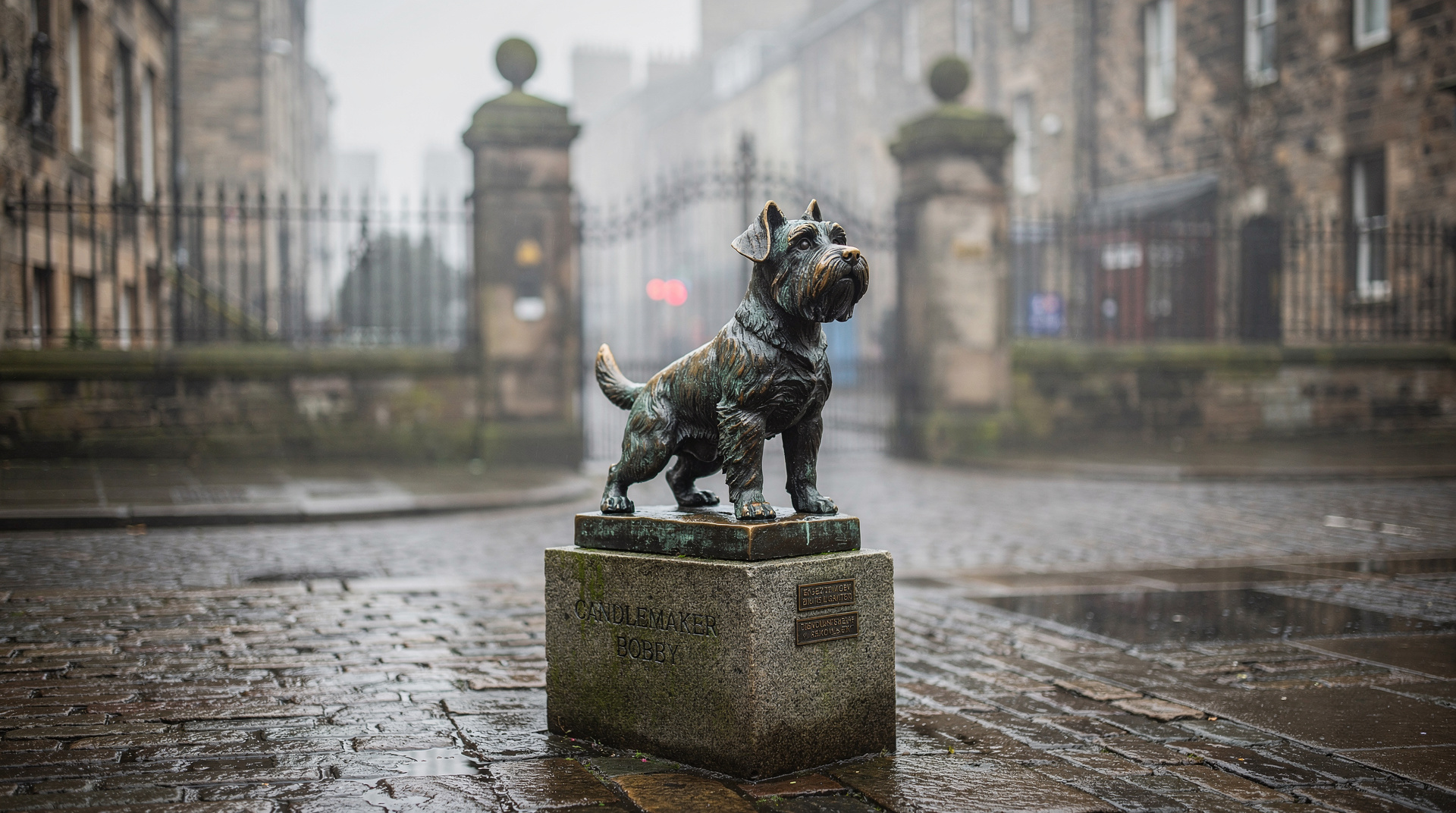
Walk south on George IV Bridge to Greyfriars Kirkyard (five minutes). Spend 30-45 minutes exploring the graves, the mortsafes, and the Bobby story. The grave of Thomas Riddell — the name echoed in Tom Riddle — is in the main Kirkyard section.
Continue to Victoria Street (three minutes from Greyfriars via Candlemaker Row) and walk the full length of the curved street, including time in the interesting specialist shops. Allow 20-30 minutes plus shopping time.
End in the Grassmarket at the bottom of Victoria Street for lunch or a pub stop. The Grassmarket is the site of Edinburgh’s old public gallows, which gives the area its own historical charge beyond the Harry Potter connection.
The complete circuit takes two to two and a half hours at a comfortable pace. The Harry Potter Edinburgh guide covers additional sites on an extended circuit that also includes George Heriot’s School and a walk up to the castle esplanade.
For the guided version, the Harry Potter magical guided walking tour covers the same area with a specialist guide who contextualises the Rowling connections within Edinburgh’s broader history and geography.
What to do with children at the Elephant House
The Elephant House is family-friendly and serves food suitable for children. However, it is primarily a cafe environment rather than a Harry Potter-themed attraction, and children expecting interactive displays, merchandise, or performance elements will be disappointed. For families looking for a more immersive Harry Potter experience in Edinburgh, the guided walking tours — which include elements designed for younger audiences — are more engaging than a cafe visit alone.
The Harry Potter Edinburgh two-day itinerary provides a sequenced programme for families that integrates the Elephant House and Old Town circuit with the Alnwick Castle day trip, where the broomstick training is explicitly designed for younger visitors.
What the Elephant House means for Edinburgh’s tourism economy
The cafe is a useful case study in how a single documented literary connection can reshape a small business and, to a lesser extent, a whole street. Before the Rowling association became widely known in the early 2000s, the Elephant House was a modestly known George IV Bridge cafe with an elephant-themed decor scheme (the name predates Rowling — it refers to the owner’s elephant memorabilia collection, not the books). The Harry Potter connection transformed footfall, and the cafe’s own marketing has, over the years, embraced the association fully, including the castle-view seating and the graffiti toilets as semi-official attractions in their own right.
This matters for visitors weighing whether to prioritise the stop: you are, to a meaningful extent, paying for and queuing for a piece of literary tourism infrastructure that has grown up around a real but modest historical fact. That is neither a criticism nor an endorsement — it is simply useful context for calibrating expectations before you join the queue on a busy August morning. Understanding this dynamic also explains why the Elephant House, rather than any of the other Edinburgh locations Rowling used, became the focal point: it leaned into the story earliest and most consistently, and the castle-view back room gave it a genuinely compelling physical hook that a generic flat or an unremarkable cafe interior could never have offered.
Whether that makes it more or less “authentic” than a quieter, less commercially developed location is ultimately a matter of taste rather than fact — both readings are reasonable, and knowing the dynamic simply lets you visit with clearer eyes and more realistic expectations of what you will actually find inside, rather than an inflated sense of what a single, fairly ordinary working cafe visit can realistically deliver on a busy Edinburgh morning.
Other cafes with Rowling connections
Nicholson’s Cafe, now operating as Spoon on Nicholson Street (south of the Royal Mile, near the university), was another Rowling writing spot and is significantly less crowded than the Elephant House. It has no specific Harry Potter merchandise or themed presentation, but the location is documented. If you want a quieter experience of the Rowling Edinburgh writing story, Spoon is worth knowing about.
Edinburgh’s literary scene today
The Elephant House exists within a lively contemporary Edinburgh literary culture. The city has been designated a UNESCO City of Literature, one of only a handful of cities worldwide with that designation. The Edinburgh International Book Festival, held in August during the Fringe season, is one of the world’s largest literary events and draws major authors from across the globe. See the Edinburgh Fringe guide for the August programme and how to manage the very busy August period.
The Canongate bookshop on the Royal Mile and Lighthouse Bookshop in the Old Town are worth visiting alongside the Elephant House for a picture of Edinburgh’s current literary life. Blackwell’s on South Bridge and the Edinburgh University Bookshop are close to the Elephant House and good for browsing.
For Harry Potter fans specifically, the Edinburgh Book Festival occasionally features programming connected to the series, and the Elephant House tends to run specials during the festival period. The general literary atmosphere of Edinburgh in August — when the population effectively doubles with festival visitors and the city is dense with art and ideas — is the closest contemporary equivalent to the intellectual Edinburgh that shaped Rowling’s imagination.
See the Edinburgh bookshops and literary culture guide for a comprehensive guide to the city’s independent bookshops, reading events, and literary locations.
If the queue is out the door
On busy summer days the queue for the Elephant House can extend along George IV Bridge, and the back room fills quickly even once you are inside. If the wait looks unreasonable, there is no shame in treating the visit as a walk-past rather than a sit-down stop — the exterior and the George IV Bridge context are recognisable enough for a photo, and you can return at a quieter time (early weekday morning is genuinely the best strategy) or substitute the quieter Spoon on Nicholson Street stop instead.
A private guided option such as the private Harry Potter Edinburgh tour can also be timed around the quieter windows, since a private guide has more flexibility than a fixed-departure group tour.
Practical information
The Elephant House is a natural starting point for a broader Old Town walk. From the cafe, you are within easy reach of the Royal Mile, the Grassmarket, and the National Museum of Scotland. The best time to visit Edinburgh guide covers seasonal considerations including when the cafe is least busy and the Old Town most atmospheric.
For visitors thinking about where to stay in Edinburgh, the Old Town and Southside areas near the Elephant House put you within a few minutes’ walk of the main Harry Potter sites, Greyfriars, and the underground attractions.
Address: 21 George IV Bridge, Edinburgh EH1 1EN.
Opening hours: Generally 9am to 10pm daily, though hours vary seasonally. Check current opening times before visiting in winter.
Getting there: From the Royal Mile (High Street), walk south down Cockburn Street or any of the closes to the Cowgate, then uphill to George IV Bridge — approximately ten minutes. From Waverley Station, allow fifteen minutes on foot. Lothian Buses serve George IV Bridge.
Best times to visit: Weekday mornings (before 10:30am) for quieter conditions and the best chance of a back-room seat. Avoid Saturday and Sunday mornings in summer, when queues can extend outside.
Frequently asked questions about the Elephant House
Does the Elephant House have a Harry Potter themed menu?
No. It is a standard Edinburgh cafe with a regular menu of coffees, teas, light meals, and baked goods. There are no Harry Potter-themed food or drink items on the menu.
How long should I allow at the Elephant House?
A coffee and the experience of the back room takes around 30-45 minutes. Add time for the queue on busy days. Most Harry Potter walking tours spend about 10 minutes here as a stop rather than a full visit.
Is the Elephant House the birthplace of Harry Potter?
The Philosopher’s Stone was not written at the Elephant House alone — Rowling worked in multiple locations including her flat and Nicholson’s Cafe. The Elephant House is the most publicly celebrated of these locations and has the most significant association in the popular narrative, but calling it “the birthplace of Harry Potter” overstates the specificity of the connection. A more accurate description is: one of the places where Harry Potter was written during the period Rowling lived in Edinburgh as a single parent.
Is the Elephant House expensive?
Standard Edinburgh cafe prices — not unusually expensive. A coffee costs £3-£4.50, a light meal £8-£12. It is not a budget option by Edinburgh standards but is not significantly more expensive than equivalent cafes in the city centre.
Can you photograph inside the Elephant House?
Yes, photography is permitted throughout the cafe including the toilets. The back room and the castle view are the most photographed spots. The cafe does not enforce any photography restrictions.
Can I skip the queue at the Elephant House?
There is no fast-track or booking option — it operates on a standard walk-in and queue basis like any Edinburgh cafe. The only realistic way to “skip” a long queue is timing: arrive at opening or in the early afternoon lull between lunch and the after-work coffee rush, and avoid Saturday and Sunday mornings in July and August entirely.
Top experiences
Bookable activities with verified prices and instant confirmation on GetYourGuide.