The Da Vinci Code and Rosslyn Chapel: what is real and what is fiction
Edinburgh: Rosslyn Chapel and the Scottish Borders small-group tour
Is Rosslyn Chapel worth visiting after The Da Vinci Code?
Absolutely — but for reasons that go beyond the novel. Rosslyn Chapel is one of the most remarkable pieces of medieval stonework in Scotland, genuinely mysterious in its own right, and the Da Vinci Code connections are interesting context. The film was partly shot here. Allow 90 minutes; book tickets in advance. About 30 minutes from Edinburgh by bus.
The chapel that preceded The Da Vinci Code by five centuries
Rosslyn Chapel was carved between 1446 and approximately 1482 by masons working for Sir William Sinclair of Rosslyn, and it has been a subject of mystery and speculation for centuries before Dan Brown published his novel in 2003. The sheer density and complexity of its stone carvings — apprentice pillars, green men, geometric patterns, figures that have never been fully explained — generated theories about Freemasonry, Knights Templar treasure, the Holy Grail, and the bloodline of Jesus Christ long before the popular fiction industry discovered the building.
The Da Vinci Code and the 2006 film directed by Ron Howard amplified Rosslyn’s international profile enormously. The chapel saw visitor numbers increase by several hundred percent after the novel and film. As of 2026, Rosslyn is a major Edinburgh-area tourist destination that requires booking in advance and manages significant daily visitor numbers. This has changed the experience of visiting — it is more structured and commercial than it was before 2003 — but the chapel itself is unchanged, and it remains one of the most extraordinary small buildings in Scotland.
This guide separates what the novel says from what is historically documented, and provides practical guidance for visiting as an informed visitor rather than a credulous tourist.
| Where | 7 miles south of Edinburgh’s Old Town, near the village of Roslin |
| Cost | £12 adult / £10 concessions; under-17s free (2026 prices) |
| Time needed | 90 minutes to 2 hours |
| Getting there | Lothian Buses Route 37 (~35 min) or car via the A701 (~20-25 min) |
| Best time | Weekday mornings, outside Sunday-morning service hours |
Getting to Rosslyn from Edinburgh
Rosslyn Chapel is approximately 7 miles south of Edinburgh’s Old Town, making it one of the most accessible day trip destinations from the city. Several options:
By bus: Lothian Buses Route 37 runs from the centre of Edinburgh to Loanhead, with a stop about 15 minutes’ walk from the chapel. Journey time approximately 35 minutes. This is the most economical option at standard Lothian fare prices (around £2-3).
By car: About 20-25 minutes via the A701 south from Edinburgh, with a car park at the chapel. This is the most flexible option if combining Rosslyn with the Scottish Borders further south.
By taxi or rideshare: The journey takes about 20-25 minutes and costs around £18-25 from the city centre depending on time of day.
Via guided tour: The most convenient option that also provides context. Pre-booking an entry ticket online is strongly recommended. See the Rosslyn day trip guide for a comprehensive look at transport and what to combine it with.
From Edinburgh Castle or the Royal Mile, the journey is a straight drive or bus ride south through the Morningside and Liberton suburbs. The Midlothian countryside opens up quickly once past the ring road.
What The Da Vinci Code says about Rosslyn
Dan Brown’s novel presents Rosslyn Chapel as the site of a significant secret related to the Holy Grail — specifically as the location connected to the Priory of Sion, the Knights Templar, and the bloodline of Jesus Christ and Mary Magdalene. The novel’s climax unfolds at the chapel, and the building is described as containing coded messages in its stonework that point to a deeper truth about Christian history.
The film adaptation, starring Tom Hanks and Audrey Tautou, filmed significant portions at Rosslyn itself. The interior shots — Robert Langdon and Sophie Neveu exploring the chapel, the reveal of the crypt — are genuine location footage, which gives the film a visual accuracy that adds to its atmosphere even if the narrative it supports is fiction.
What the novel gets right: Rosslyn Chapel does exist, does date from the fifteenth century, does have extraordinary and partly unexplained stonework, and does have documented connections to the Sinclair family, who had significant associations with Freemasonry. The building is genuinely mysterious in ways that resist complete explanation.
What the novel invents or exaggerates: The Priory of Sion, as described by Brown, was largely a twentieth-century fabrication rather than a continuous medieval organisation. The specific Grail narrative is fictional. The crypt beneath the chapel has been ground-penetrated and found not to contain the artefacts described in the novel. The Templar connection is speculative — there is no documented evidence that Templar relics are buried at Rosslyn.
The actual mysteries of Rosslyn Chapel
The genuine mysteries of Rosslyn Chapel are more interesting than the Da Vinci Code’s narrative, partly because they are real rather than invented:
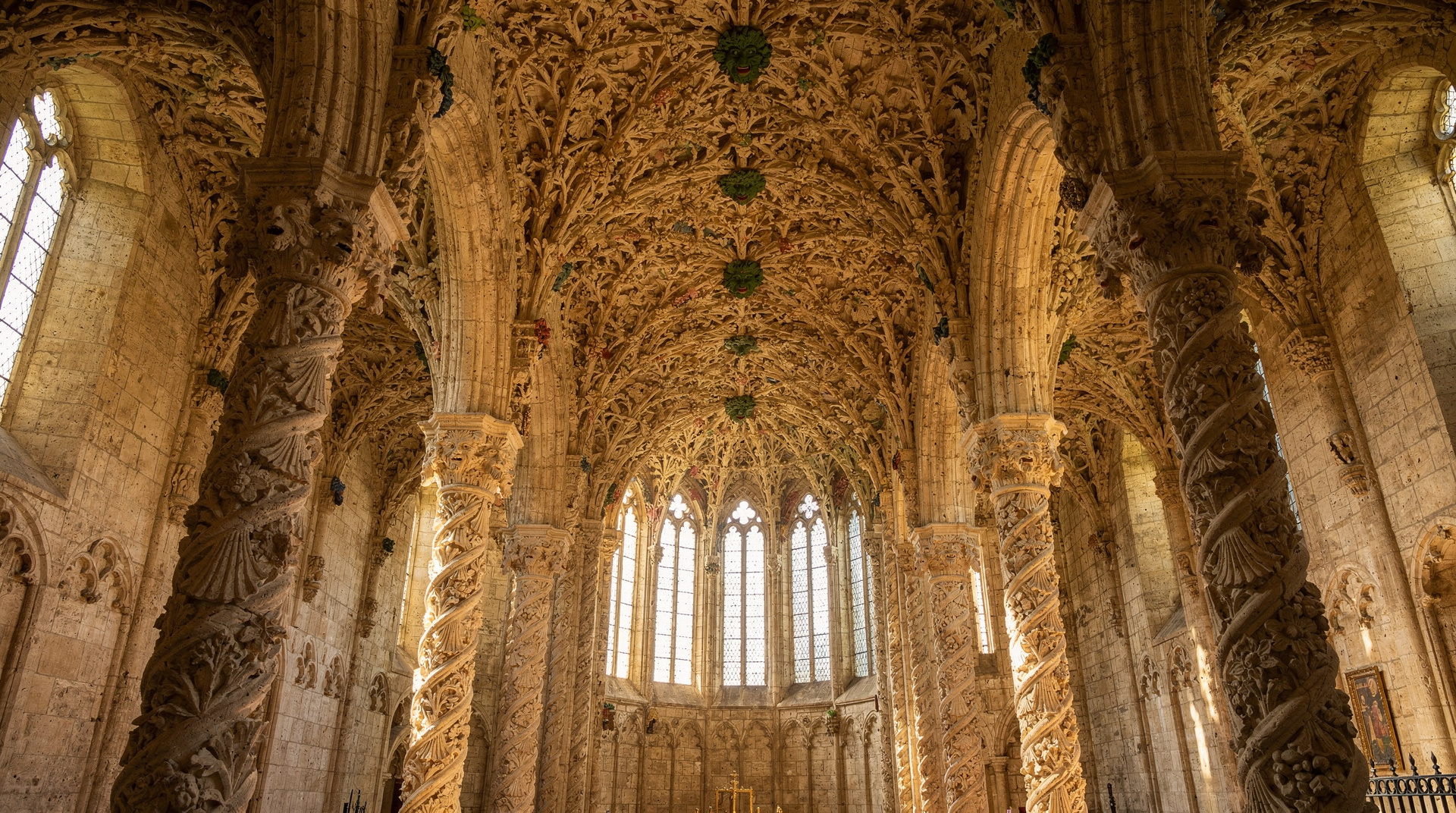
The Apprentice Pillar: The most ornate of Rosslyn’s columns is covered in spiral stone carvings of extraordinary complexity. The legend attached to it — that an apprentice carved it while the master mason was away and was killed by the master upon his return out of jealousy — is probably apocryphal, but the pillar’s carving is genuinely extraordinary and has no clear parallel in medieval Scottish architecture.
The Green Men: Over a hundred carved faces incorporating foliage, known as Green Men, appear throughout the chapel. Their presence in a Christian building is not unique — Green Men appear in other medieval European churches — but the concentration at Rosslyn is exceptional. Their meaning, whether pagan, alchemical, or purely decorative, remains debated.
The maize and aloe carvings: Several carvings at Rosslyn appear to depict plants not found in Europe — specifically maize and aloe vera, which are American and African plants respectively. Since the chapel predates Columbus’s 1492 voyage, the presence of these carvings has generated significant speculation about pre-Columbian contact between Europe and the Americas. The most sober analysis suggests the carvings are either stylised European plants or that the identification as maize/aloe is mistaken, but the debate has not been fully resolved.
The acoustic chamber theories: Various researchers have proposed that the chapel’s architecture was designed to create specific acoustic effects, and sonic analysis has suggested some unusual acoustic properties. Whether these were intentional or accidental architectural features is not established.
How much of the “mystery” is marketing?
It is worth being honest about the commercial dimension of Rosslyn’s reputation before you visit, because it changes how you interpret what you see. Before The Da Vinci Code, Rosslyn was a well-regarded but modestly visited piece of Scottish medieval architecture, known mainly to historians, Freemasonry researchers, and people with a specific interest in Sinclair family history. The novel’s global success — and the 2006 film that followed — turned an obscure attraction into one that now requires timed-entry booking.
The chapel’s own management has handled this reasonably well: the visitor centre exhibition presents the historical facts plainly and treats the Da Vinci Code material as cultural context rather than endorsed fact. That said, a meaningful share of gift-shop stock, tour marketing, and even some guided commentary leans into the “codebreaker” framing because it sells. None of this makes the chapel less remarkable — the carvings would be extraordinary with or without Dan Brown — but it is useful to arrive expecting a genuinely important medieval building that has learned to talk about a bestselling novel, rather than expecting a site built around an actual unsolved puzzle.
Freemasonry researchers, separately from Da Vinci Code tourism, have studied Rosslyn for far longer and for different reasons: the Sinclair family’s documented historical ties to Scottish Freemasonry (predating the novel by centuries) are treated seriously by architectural and Masonic historians, even though the specific claims about coded messages in the stone carvings remain unproven. If your interest runs toward Freemasonry rather than the Grail-and-bloodline plot specifically, that is the more evidence-based thread to pull on, and the visitor centre exhibition covers it reasonably well.
What to see inside Rosslyn Chapel
The main nave and carvings: The interior of the chapel is densely carved throughout — walls, pillars, ceiling, and arches are all carved with figures and patterns at a density that feels almost overwrought by comparison to other medieval churches. Allow at least 20-30 minutes simply to absorb the overall effect before focusing on individual elements.
The Apprentice Pillar: On the south side of the nave, the Apprentice Pillar is the focal point of most visitors’ attention. The spiraling stone carvings begin at the base and wind up the full height of the pillar; the quality of the craftsmanship is remarkable even by the standard of the building that surrounds it.
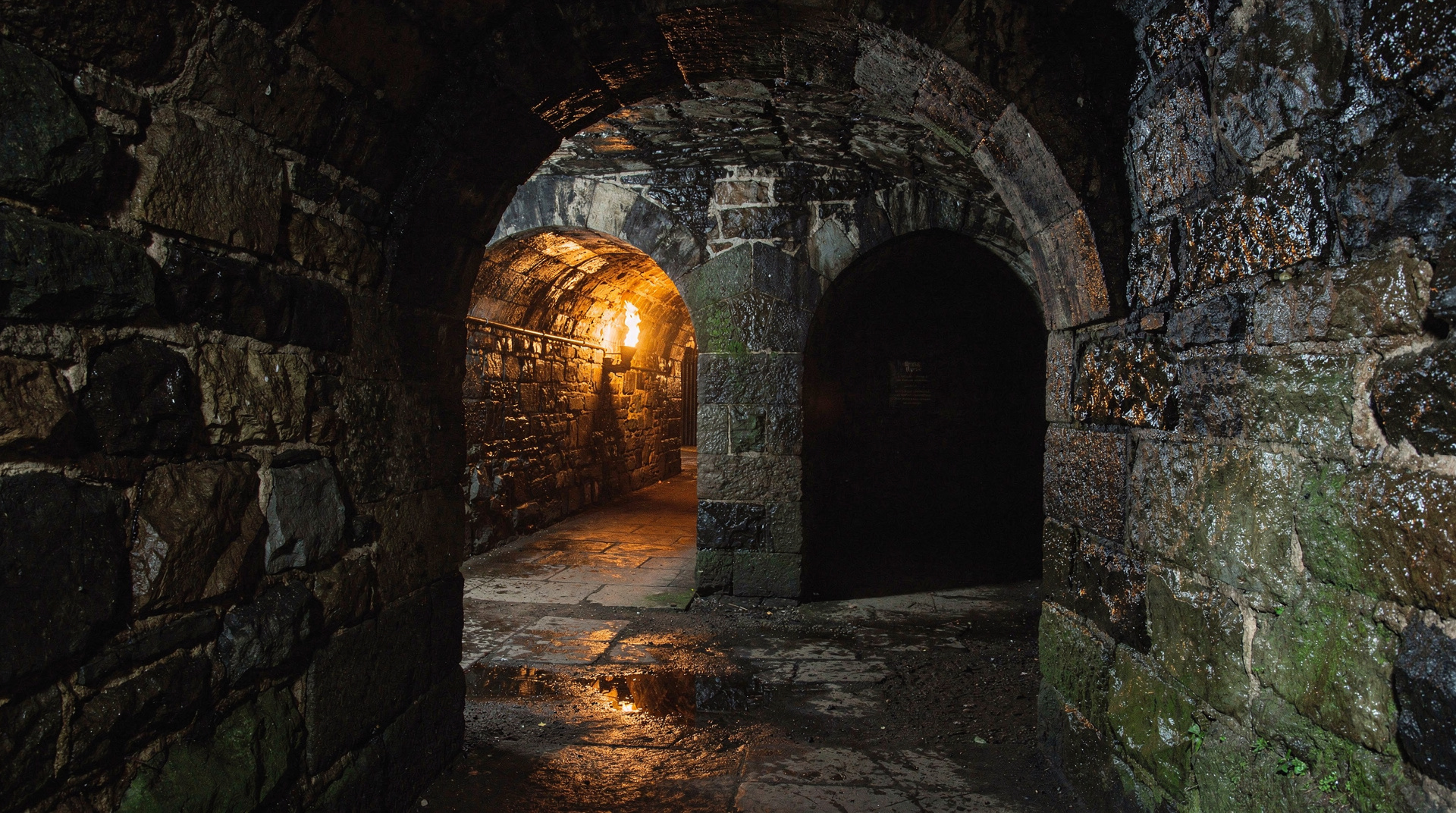
The crypt: The crypt beneath the main chapel can be accessed via a stair in the south wall. This is the area that features most prominently in Da Vinci Code speculation about what is buried below. The crypt itself is a relatively simple vaulted space — the drama of the Da Vinci Code crypt scene is a cinematic creation rather than an accurate representation.
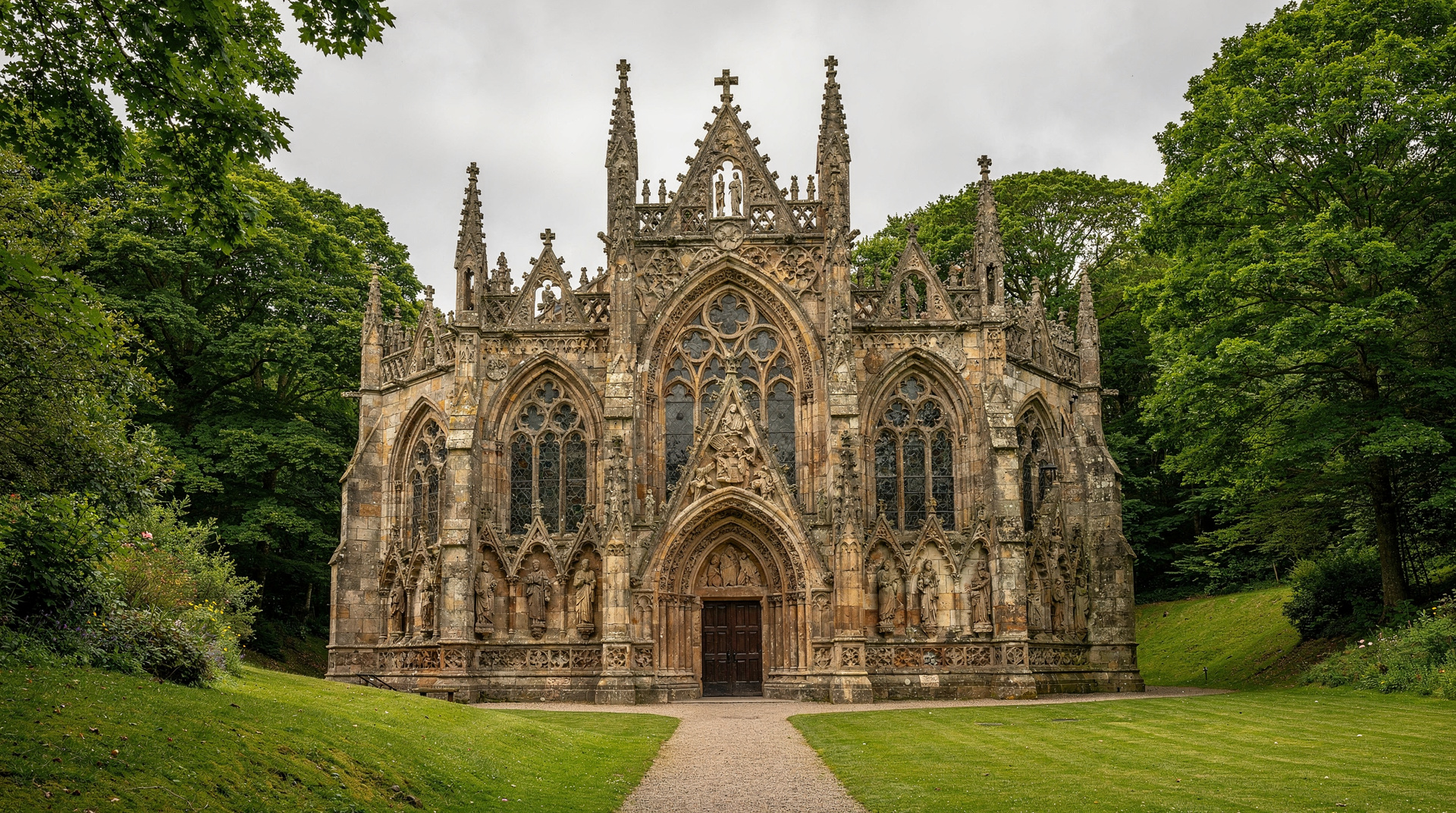
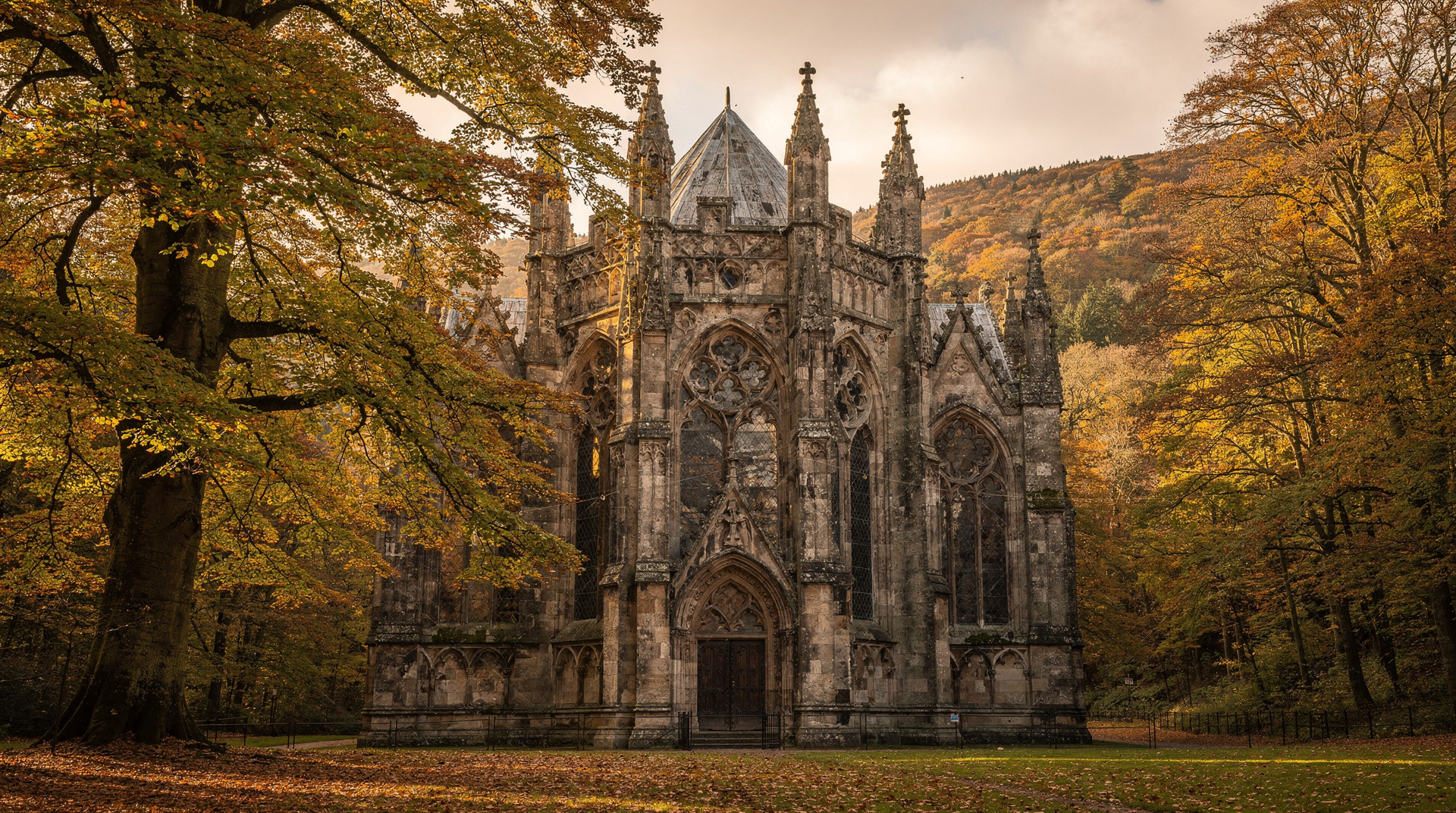
The exterior: The buttresses, gargoyles, and exterior stonework of Rosslyn Chapel are worth examining from outside before or after your entry. The setting — on a clifftop above the Esk valley, with the ruined wall of the original Collegiate Church extending to the east — is beautiful.
Guided options from Edinburgh
Rosslyn is approximately 7 miles south of Edinburgh city centre — a 30-minute drive or about 25-30 minutes on the Lothian Buses Route 37 from the centre (the bus stop is about a 15-minute walk from the chapel). Several guided tours from Edinburgh cover Rosslyn either as a standalone destination or as part of a broader Borders day trip.
The Rosslyn Chapel and Scottish Borders small-group tour from Edinburgh is the most popular option — it combines Rosslyn with the Scottish Borders landscape, typically including Melrose or Jedburgh, in a full day that gives the chapel its proper context within the broader region.
The Codebreakers’ Choice tour — Rosslyn Chapel and the Pentlands takes a more Da Vinci Code-oriented approach, framing the visit around the coded interpretation of the chapel’s carvings alongside the Pentland Hills landscape. This tour is worth considering if the Da Vinci Code angle is specifically what interests you — it addresses the novel’s claims more directly than the standard historical tour.
A Rosslyn Chapel entry ticket is available for self-guided visits without a tour. This is the right choice if you want to spend extended time in the chapel at your own pace, but advance booking is essential — walk-up admission is not always available, especially in the busier months.
The architecture in depth
For visitors who want to understand what they are looking at in Rosslyn Chapel, some architectural context is useful. The building was never completed — Sir William Sinclair died in 1484 before the nave could be extended and the transepts added. What exists is essentially the choir of a much larger collegiate church that was never built. This means the building is both denser and more introverted than its footprint suggests: the carved programme that was probably intended to be spread across a larger building has been compressed into a small space, creating the overwhelming density of imagery that characterises the interior.
The stonework at Rosslyn uses a local sandstone that has been subject to significant weathering and in some areas has required conservation work. Visitors will notice the scaffold-free interior that was achieved only after a major conservation programme in the 1990s and 2000s, which included installing a roof structure to reduce moisture ingress — a significant technical challenge for a building that had been without a proper protective roof for centuries.
The Lady Chapel at the eastern end contains the oldest section of stonework, and close examination reveals subtle differences between the earliest carvings and those added later. The narrative panels on the walls — depicting scenes from the life of Christ and various symbolic figures — show a coherence of programme that suggests a single conceptual scheme, however long it took to execute.
Rosslyn and the broader Scottish Borders day trip
Rosslyn Chapel sits in the southern Edinburgh suburbs and connects naturally to a wider Scottish Borders day trip. The Esk valley south of Rosslyn is the beginning of Border Country — the area of rolling hills, abbey towns, and strong independent identity that runs from Edinburgh to Carlisle.
The Rosslyn Chapel and Scottish Borders small-group tour extends the visit southward to Melrose, Jedburgh, or Peebles — each of which has significant attractions. Melrose Abbey (an impressive ruined Cistercian abbey, said to contain the heart of Robert the Bruce) is particularly worth combining with Rosslyn for visitors with a strong interest in medieval Scottish history.
The Rosslyn Chapel day trip guide covers the full logistics of extending the visit into the Borders, with distances, driving times, and the best order to visit sites.
For visitors approaching from the Da Vinci Code tourism angle who want to understand the broader Templar and Crusading history that Brown drew upon (however loosely), the Scottish Borders has additional material: the Cistercian abbeys at Melrose, Dryburgh, and Jedburgh all have connections to the medieval religious orders that feature in Brown’s novel, and the landscape of the Borders was actively fought over during the same medieval period when the Templars and their successors were operating.
Practical information for your visit
Admission: £12 per adult, £10 concessions, and children under 17 go free (2026 prices). Entry includes access to a visitor centre with historical displays that provide useful context before you enter the chapel. The Da Vinci Code connection is addressed honestly in the exhibition — the chapel doesn’t pretend the novel’s specific claims are fact, but acknowledges the role it played in bringing visitors to a genuinely remarkable building.
Getting there: By bus from Edinburgh, take Lothian Buses Route 37 from the city centre toward Loanhead; the stop nearest the chapel involves a walk through the village of Roslin (note the spelling difference — the village is Roslin, the chapel is Rosslyn). Journey time approximately 30-35 minutes. By car, drive south from Edinburgh on the A701, turning off toward Roslin — approximately 20 minutes without traffic. There is a car park at the chapel.
Opening hours: Monday to Saturday 9am to 5pm, Sunday 12pm to 5pm, closed on Christmas Eve, Christmas Day and New Year’s Day. The chapel is used for religious services on Sunday mornings, so it opens to visitors at noon on Sundays.
Photography: Photography is permitted inside the chapel. Tripods are not allowed during busy visiting hours. The carved details photograph well in any light — the overcast days common to Scotland are actually better for interior photography than direct sunlight.
The Sinclair family and Rosslyn’s historical context
Understanding the Sinclair family helps make sense of Rosslyn Chapel. The Sinclairs were one of Scotland’s most powerful noble families from the Norman period onward, with extensive landholdings across Scotland and connections to the Norwegian crown (they were hereditary grand admirals of Scotland for a period). Sir William Sinclair, who commissioned the chapel in 1446, was the third Earl of Orkney — a title he was required to renounce in 1470 when Scotland acquired Orkney and Shetland from Norway.
The decision to build an elaborate collegiate church at Rosslyn, rather than a simpler parish church, reflected the Sinclair family’s desire for a religious foundation that would pray for their souls in perpetuity — a standard aristocratic motivation for medieval chapel building, and one that explains the ambition of the decoration. The Collegiate Church of St Matthew (the chapel’s formal name) was intended to have a full complement of clergy, a provost, and six prebendaries to maintain a continuous cycle of masses for the dead Sinclairs.
This context helps explain the density of the carved programme. Collegiate churches were showpieces of devotional ambition, and the carving at Rosslyn was meant to display the family’s wealth, piety, and sophistication. Some of the more unusual imagery — the Green Men, the exotic plants, the alchemical symbols — reflects the breadth of late medieval theological and philosophical culture, not necessarily any specific hidden agenda. Medieval patrons routinely incorporated diverse symbolic material into religious buildings without this implying conspiracy.
The Sinclair family tomb within the chapel — the vaulted crypt beneath the main floor — was filled during the Reformation when Protestant reformers objected to the Catholic practice of praying for the dead. The tombs were sealed and have not been fully excavated. This is the real source of the “something buried at Rosslyn” narrative: there are known to be sealed family burials beneath the chapel, but they are medieval noble tombs, not Templar treasure.
From Rosslyn to wider Scottish historical tourism
Rosslyn makes sense as part of a wider pattern of Scottish religious and historical tourism that takes in the medieval abbeys of the Borders (Melrose, Jedburgh, Dryburgh), the pilgrimage tradition of St Andrews (the see of the Scottish church before the Reformation), and the Reformation history that runs through Edinburgh’s St Giles’ Cathedral. Each of these sites represents a different layer of Scotland’s religious history.
The Rosslyn Chapel day trip guide covers the logistics of extending a Rosslyn visit into the Borders to include Melrose Abbey and the Tweed Valley. The combination of Rosslyn’s elaborate late medieval stonework with Melrose’s refined Gothic ruins is one of the stronger Scotland religious heritage itineraries.
For visitors interested in the Edinburgh Old Town history as it relates to the Reformation — the period when Rosslyn’s religious function was challenged and the chapel fell into disuse as a place of Catholic worship — St Giles’ Cathedral on the Royal Mile and the Kirk of the Canongate are the relevant Edinburgh sites. The history of how the Reformation transformed Edinburgh’s religious buildings provides essential context for understanding why Rosslyn survived when many other Scottish churches were stripped or demolished.
Combining Rosslyn with other Edinburgh day trips
Rosslyn combines naturally with the Scottish Borders — the towns of Peebles, Melrose, and Jedburgh are all within an hour of the chapel. The Rosslyn Chapel day trip guide covers the logistics of extending the visit into the Borders.
For visitors interested in the Da Vinci Code’s Templar and religious history themes, the wider Edinburgh area has significant content: Edinburgh Castle’s Scottish National War Memorial and the Royal Mile’s St Giles’ Cathedral both contain medieval religious art and symbolism of genuine historical depth. The Greyfriars guide provides additional context for Edinburgh’s religious and historical complexity.
Rosslyn as part of a broader Edinburgh visit
Rosslyn Chapel is most naturally placed on day two or three of an Edinburgh visit, after the core city programme. The first day in Edinburgh rewards concentration on the Old Town — the Edinburgh Castle, the Royal Mile, and the underground Edinburgh of the South Bridge vaults. Rosslyn on day two or three allows the historical material from the city to resonate with what you find in the chapel — the medieval Scottish architecture, the religious history, the persistence of older forms of knowledge in the stonework.
For visitors specifically interested in connecting the Da Vinci Code themes with Edinburgh’s other dark history, there are natural intersections. The witch trials covered in the witches of Edinburgh guide involve the same ecclesiastical apparatus that the novel’s broader narrative engages with. The hidden knowledge angle of the Da Vinci Code — the idea that official history suppresses more complex truths — resonates with the bodysnatching era’s systematic dishonesty about the anatomy trade, documented at Greyfriars.
The best day trips from Edinburgh guide places Rosslyn in context alongside other day trip options. At 30 minutes from the city, it is one of the shortest day trips, which makes it easy to combine with a half-day in Edinburgh before or after.
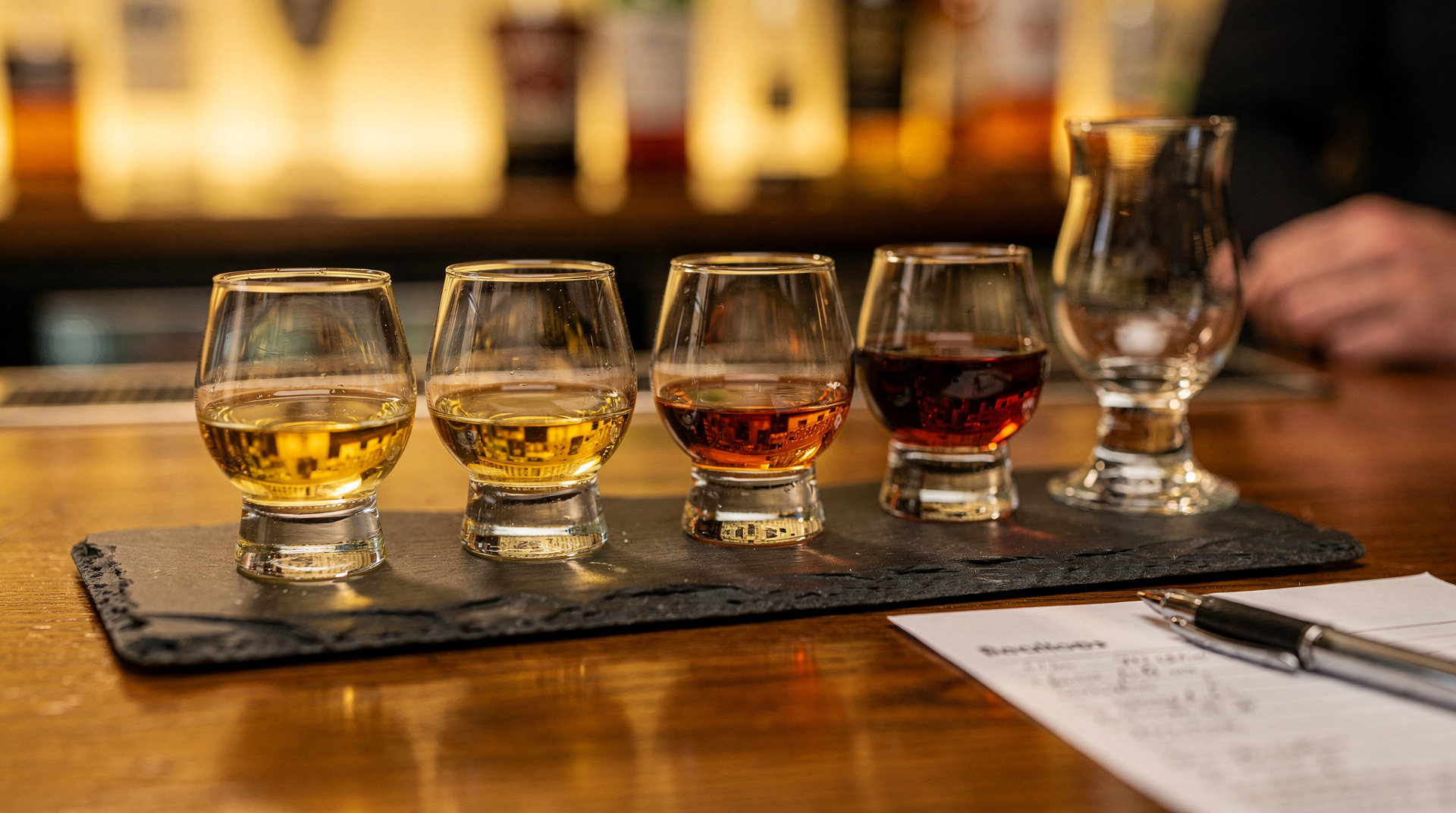
Rosslyn also pairs naturally with a whisky detour: the Rosslyn Chapel and Glenkinchie Distillery tour combines the chapel with a nearby single malt distillery, a pattern covered in more depth in the distilleries near Edinburgh guide. If castles are more your interest than whisky, several fall within reach of the same day — see the Scottish castles near Edinburgh guide for the shortlist.
Rosslyn Chapel and Glenkinchie Distillery combined day tourBest time to visit Rosslyn Chapel
Rosslyn is a small, single-room building, so crowd levels change the experience more than the weather does. The table below is a rough guide based on typical visitor patterns.
| Period | Crowds | Notes |
|---|---|---|
| Weekday mornings (opening–11am) | Low | Best chance of a quiet interior for photography and close study of the carvings |
| Weekday afternoons | Moderate | Coach tours often arrive after midday |
| Weekends, especially Saturday | High | Book well ahead; the visitor centre and car park fill up |
| Sunday before noon | Closed | Chapel opens to visitors at noon on Sundays |
| July–August | Busiest overall | Combine an early slot with a Borders itinerary such as the Edinburgh, St Andrews and Fife 4-day itinerary to spread out a longer trip |
| November–February | Quietest | Same opening hours year-round; check before travelling |
For a wider view of the chapel itself outside the film-tourism angle, the dedicated Rosslyn Chapel destination page and the Rosslyn Chapel guide both cover the architecture and visitor logistics in more detail than this Da Vinci Code-focused page does.
Weather is a secondary factor, but worth a note: Rosslyn is an interior visit, so rain does not spoil it the way it would an outdoor attraction — if anything, an overcast day suits the interior photography better than harsh direct sun through the windows. What genuinely matters is timing your arrival against the coach-tour schedule and the Sunday service restriction, since both affect how much of the small nave you get to yourself.
Frequently asked questions about Rosslyn Chapel and The Da Vinci Code
Was The Da Vinci Code filmed at Rosslyn Chapel?
Yes. The 2006 film directed by Ron Howard filmed several scenes at Rosslyn Chapel, including interior scenes in the main nave and the climactic sequences in the crypt area. The exterior shots of the chapel arriving and departing are also genuine location footage. This makes Rosslyn one of the verified film locations in the Edinburgh area, unlike most of the Edinburgh Harry Potter sites which are primarily book rather than film connections.
Is the Holy Grail really buried at Rosslyn?
No credible evidence supports this. Ground-penetrating radar surveys of the area beneath the chapel found no large voids that would suggest hidden chambers containing significant objects. The specific Da Vinci Code narrative is Dan Brown’s fictional invention, based on a mix of genuine historical speculation, earlier conspiracy theories, and original creative license.
What does the Sinclair family say about the Da Vinci Code claims?
The Sinclairs, who still have an association with the chapel through the Rosslyn Chapel Trust, have been careful not to actively promote the Da Vinci Code narrative as fact while acknowledging the role the novel played in bringing visitors to a building they care about. The official visitor interpretation is balanced — it acknowledges the various theories without endorsing any specific one.
Is Rosslyn Chapel still an active church?
Yes. The chapel is still used for regular religious services and is an active place of worship within the Scottish Episcopal Church. This is worth knowing both as a practical matter (Sunday morning visitor access is restricted) and as a reminder that the building is not purely a tourist attraction.
How long does a visit to Rosslyn Chapel take?
Allowing 90 minutes to two hours gives you time for the visitor centre exhibition, a thorough tour of the interior, time in the crypt, and a walk around the exterior. If you are specifically studying the carvings in detail, allow longer. Rushed visitors can cover the main highlights in about an hour, but the building rewards close attention.
Is Rosslyn Chapel accessible for visitors with mobility difficulties?
The interior is on a single level and is wheelchair accessible. The crypt involves steps and is not accessible. The visitor centre and main chapel are accessible. The car park is close to the entrance. Contact the chapel directly for specific accessibility information.
What is the best time of year to visit Rosslyn Chapel?
Weekday mornings outside July and August are quietest, giving you space to study the carvings without a queue forming behind you. Weekends and the summer months bring the heaviest coach and tour-group traffic, and Sunday mornings are restricted for services regardless of season. Check the official site before travelling if visiting around Christmas and New Year, when the chapel is closed on specific days.
Can I combine Rosslyn Chapel with a whisky distillery visit?
Yes. The Glenkinchie distillery lies close enough to Rosslyn for a combined half-day, and several guided tours pair the chapel with a distillery tasting. See the distilleries near Edinburgh guide for how this fits alongside other whisky day trips from the city, or the whisky tasting Edinburgh guide for tasting options closer to the city centre if a full distillery detour does not fit your schedule.
Top experiences
Bookable activities with verified prices and instant confirmation on GetYourGuide.